Investing in an ice packaging machine is a critical decision for UK businesses in the food service, fisheries, healthcare, and industrial sectors. Whether you are producing cubed ice, crushed ice, or flake ice, selecting the right automated system directly impacts your operational efficiency, product hygiene, and bottom line. This comprehensive guide walks you through the essential factors to consider before purchasing equipment for the UK market.
Understanding Your Ice Packaging Requirements
Before comparing machine specifications, you must define your production goals. The UK market demands compliance with British Retail Consortium (BRC) standards and often requires integration with existing cold chain logistics. Consider these fundamental questions:
- What is your target output in bags per minute or kilograms per hour?
- Are you packaging cubed ice, crushed ice, flake ice, or tube ice? Different ice types require specific feeding and weighing mechanisms.
- What bag sizes and materials do you use? Common UK formats include pillow bags, gusseted pouches, and pre-made bags.
- Do you require nitrogen flushing or vacuum sealing to extend shelf life?
- Will the machine operate in a cold or ambient environment?
Key Machine Types for Ice Packaging
The UK ice packaging sector utilises several distinct machine configurations. Choosing the wrong type can lead to downtime, product waste, and compliance issues. Below is a breakdown of the primary categories available from packaging machinery manufacturers.
1. Vertical Form Fill Seal (VFFS) Machines for Ice
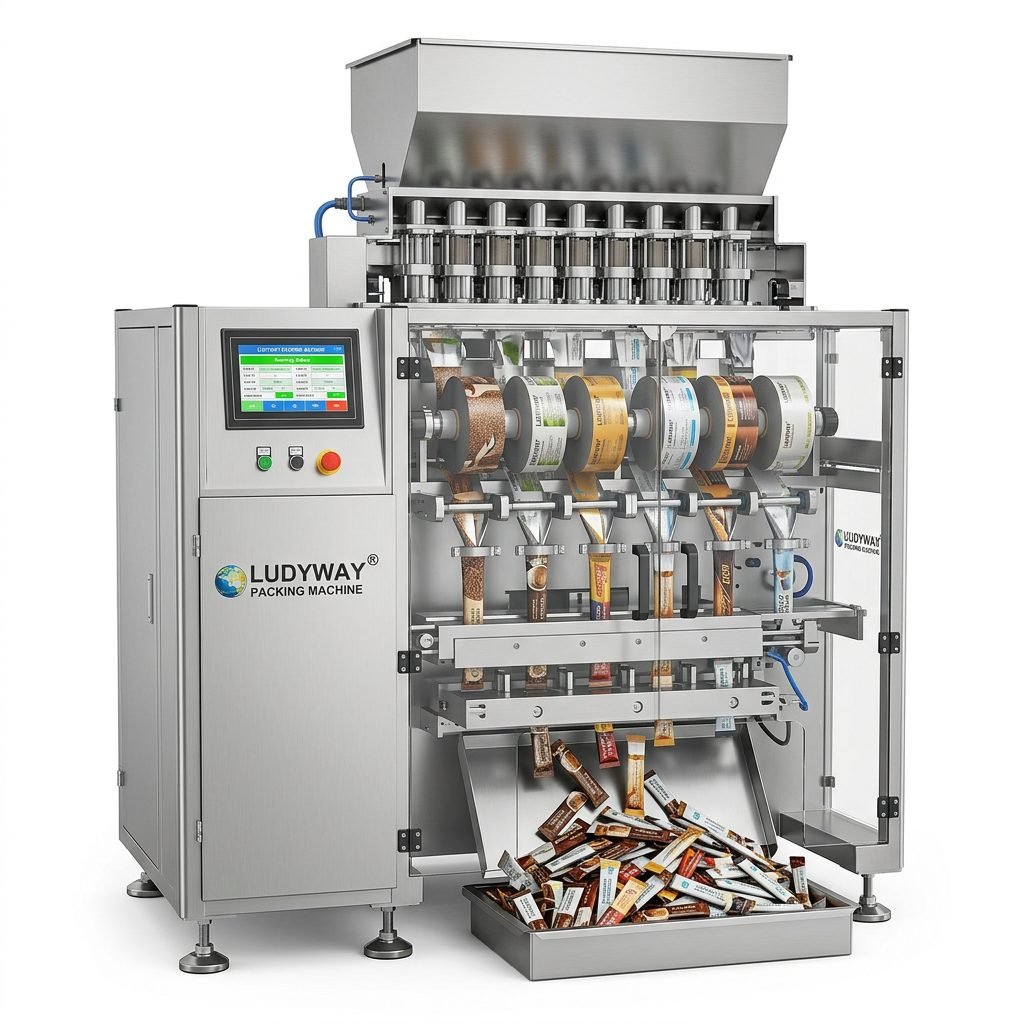
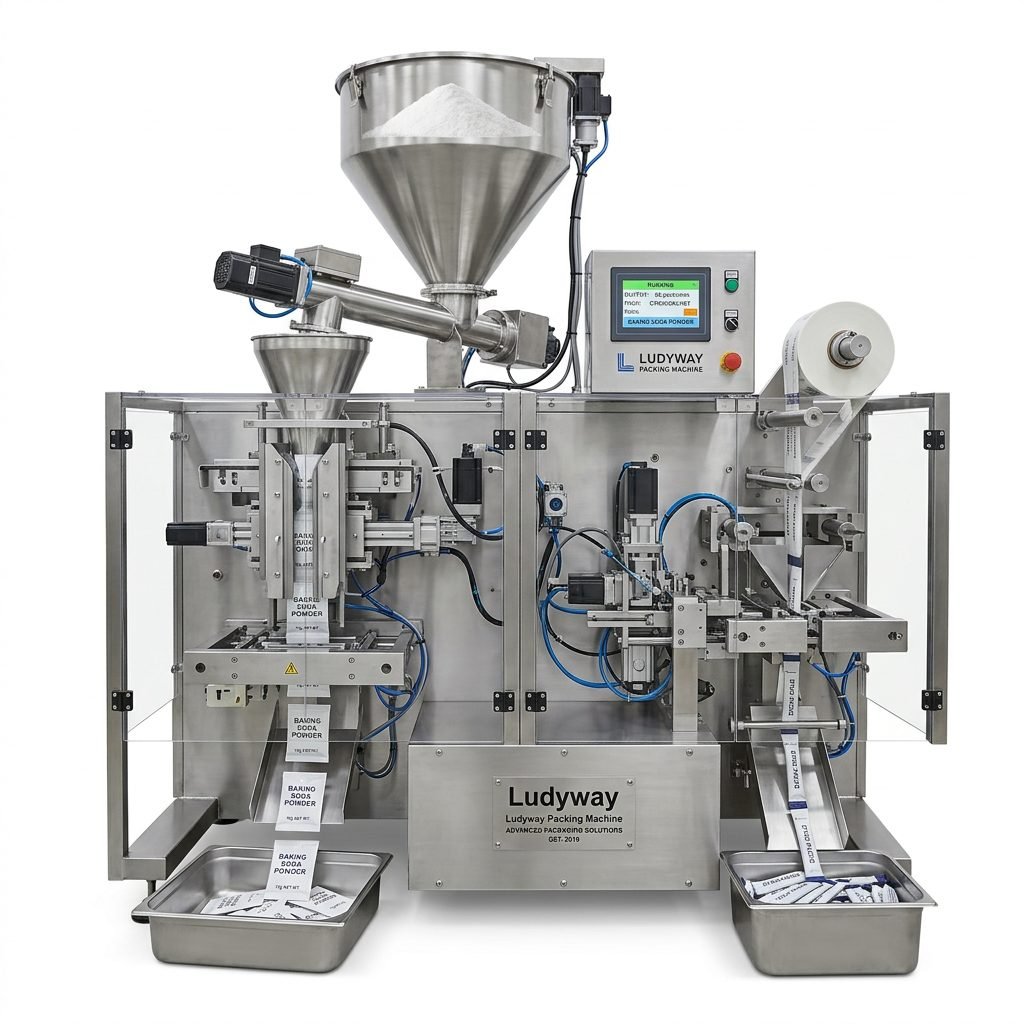
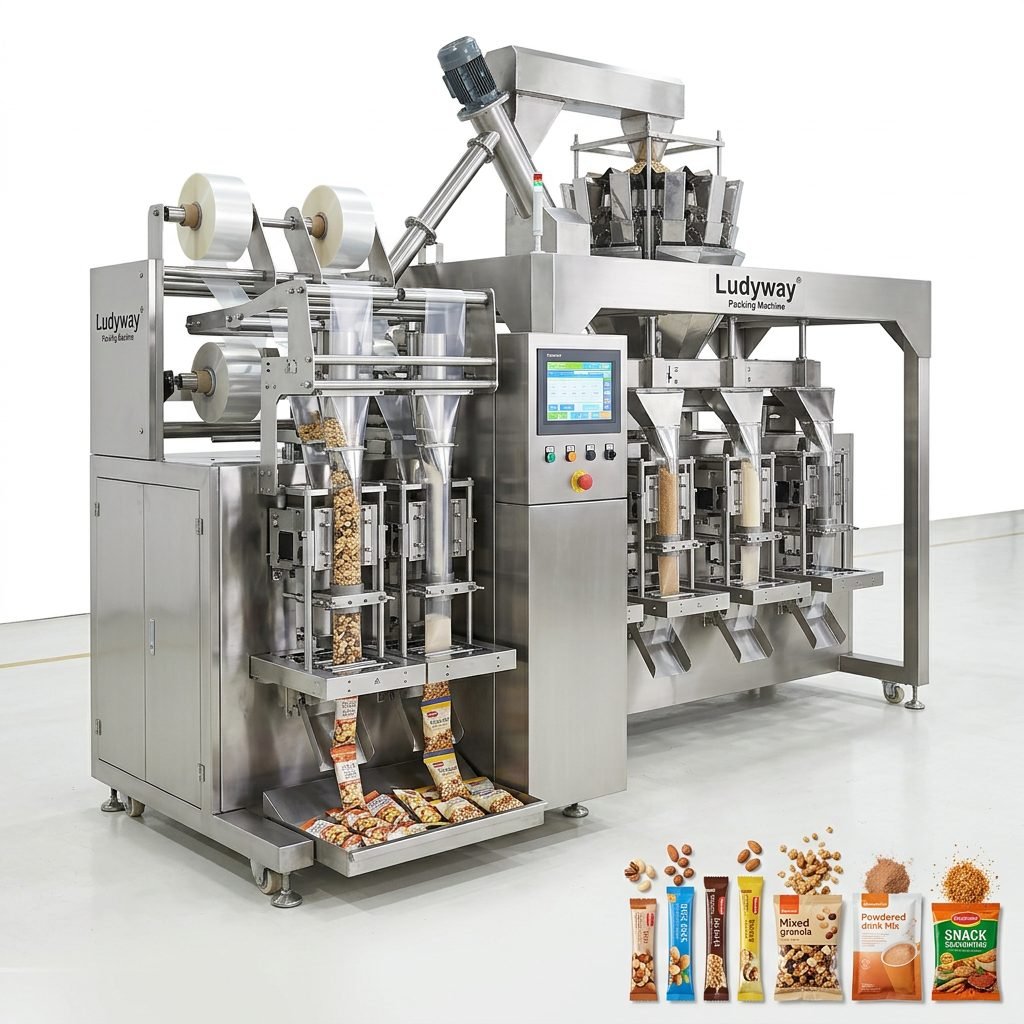
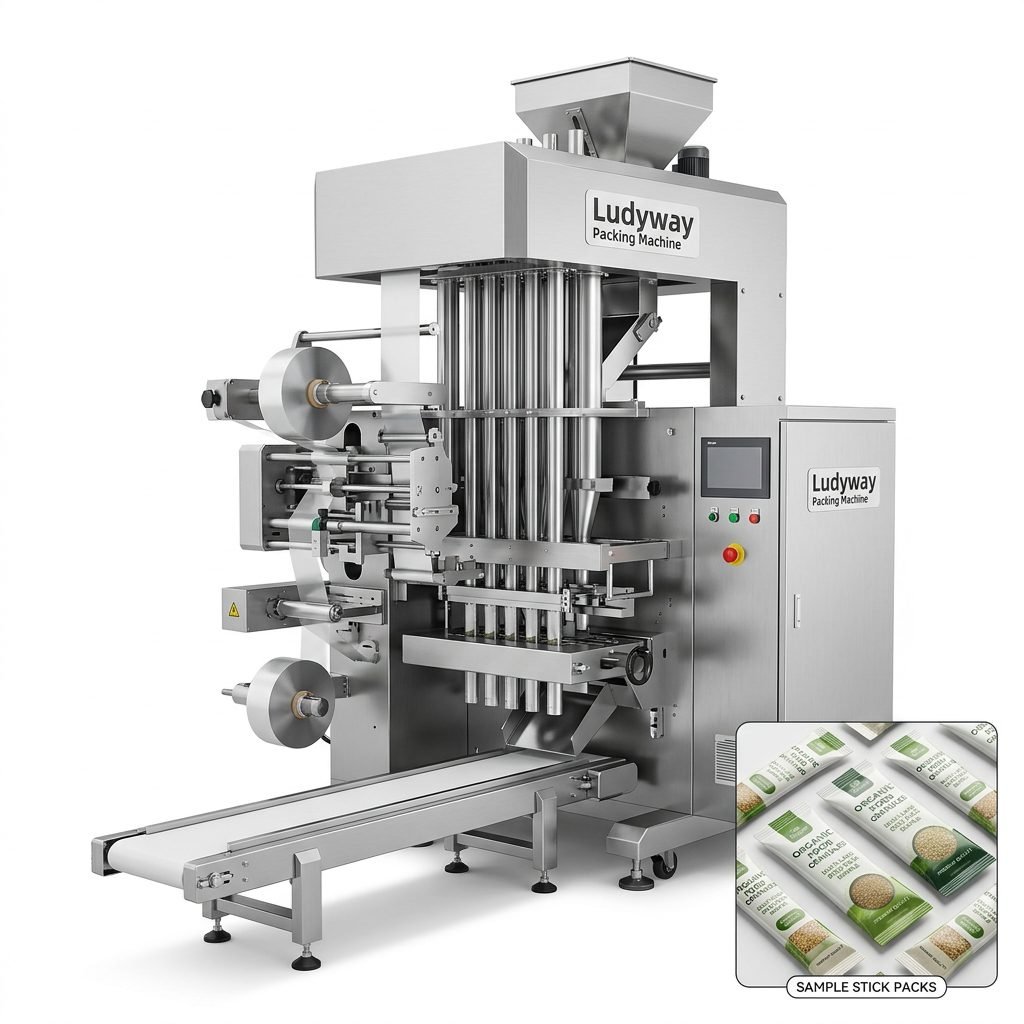
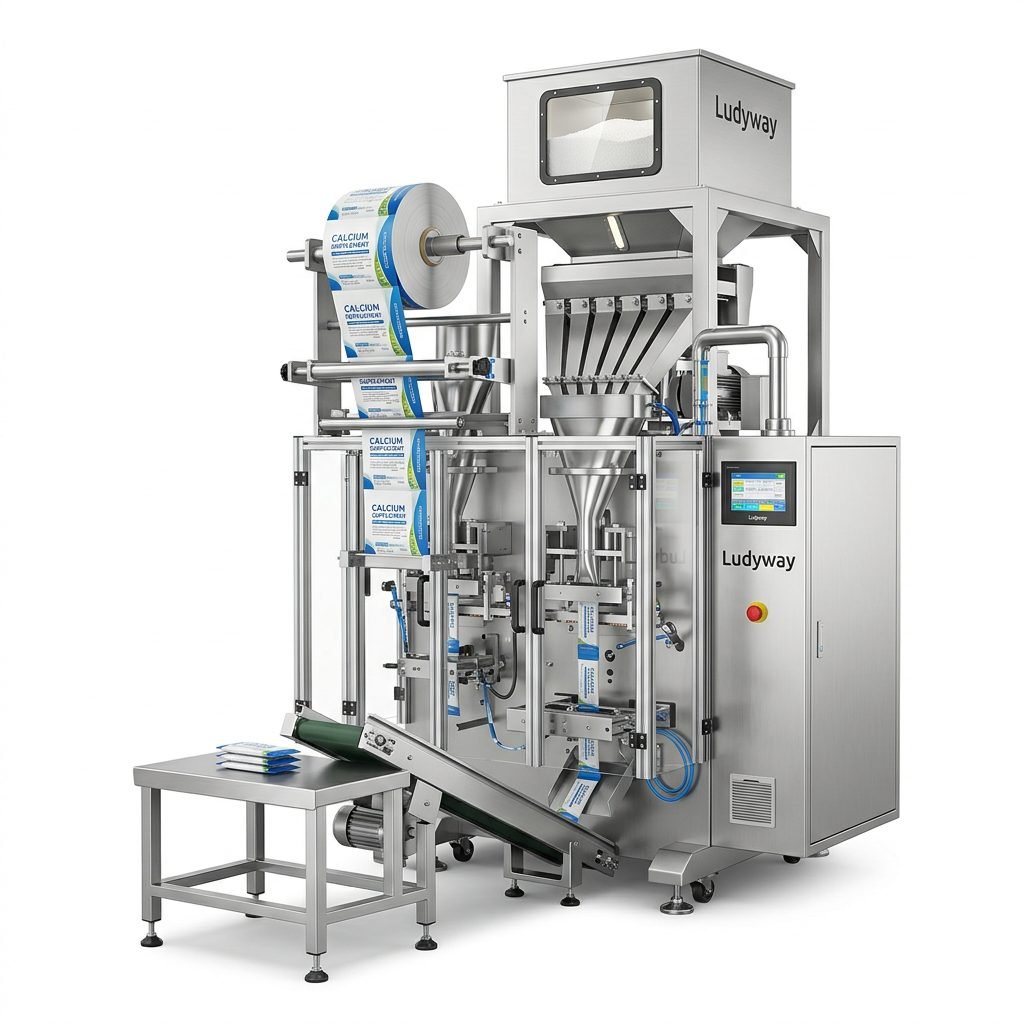
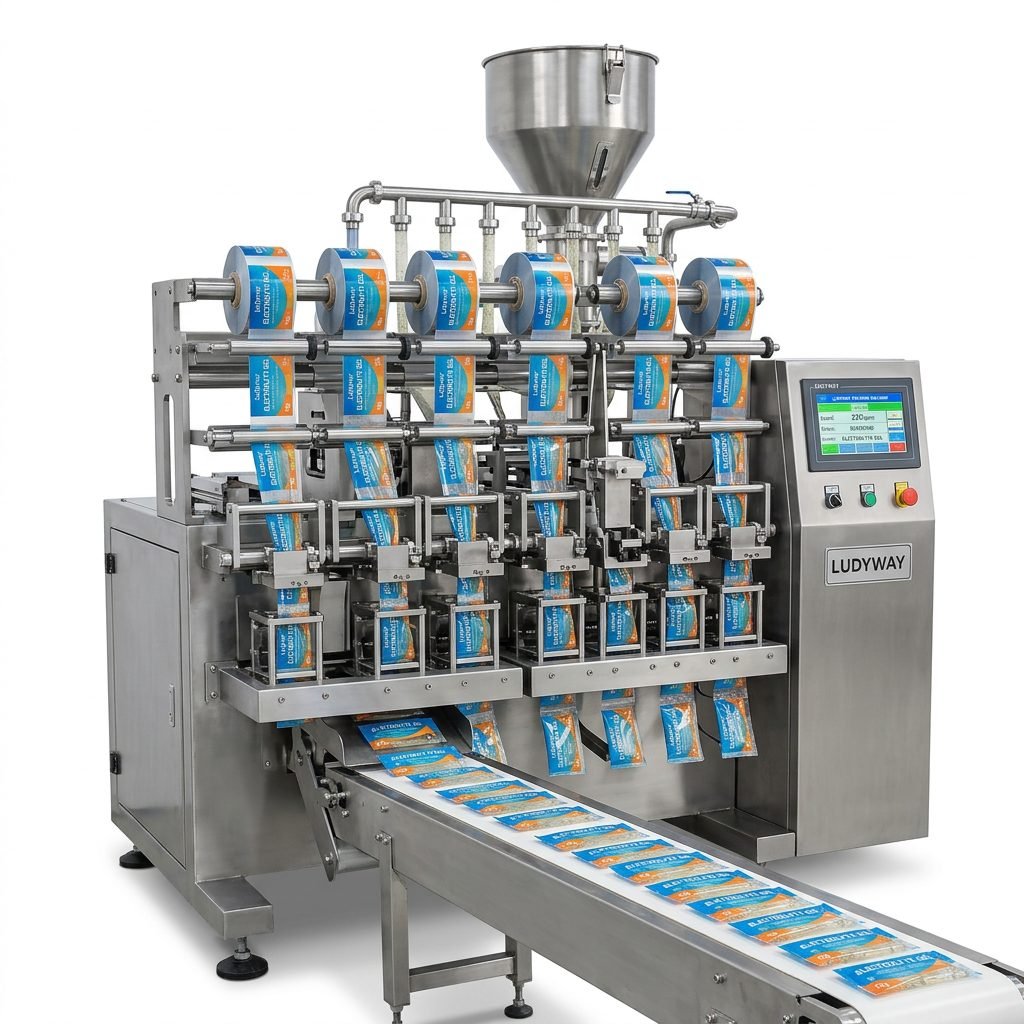
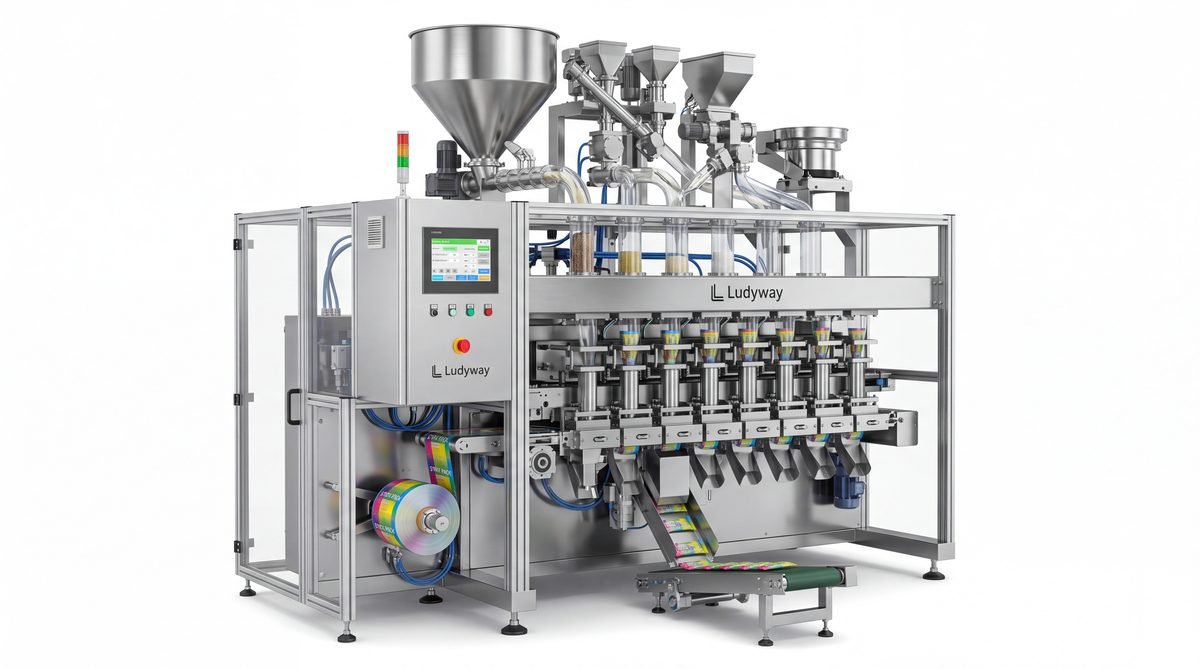
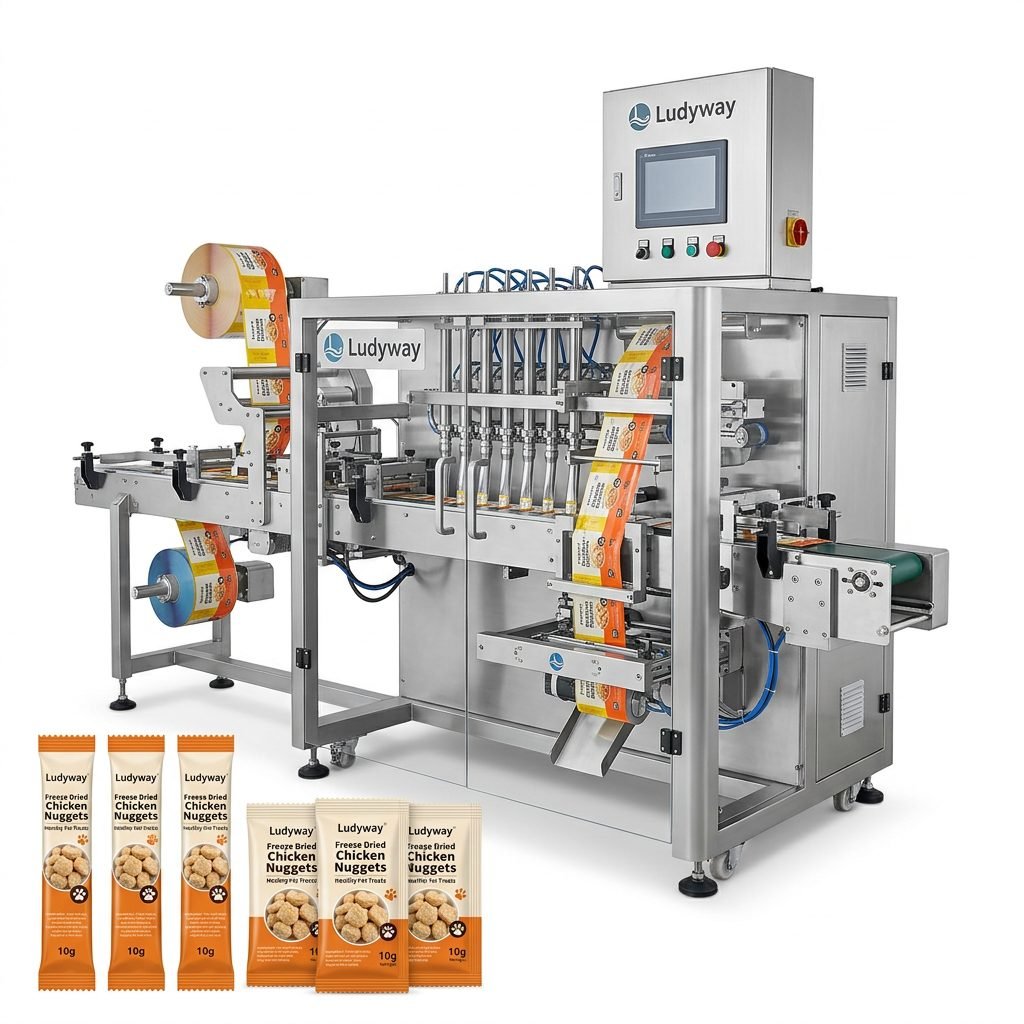
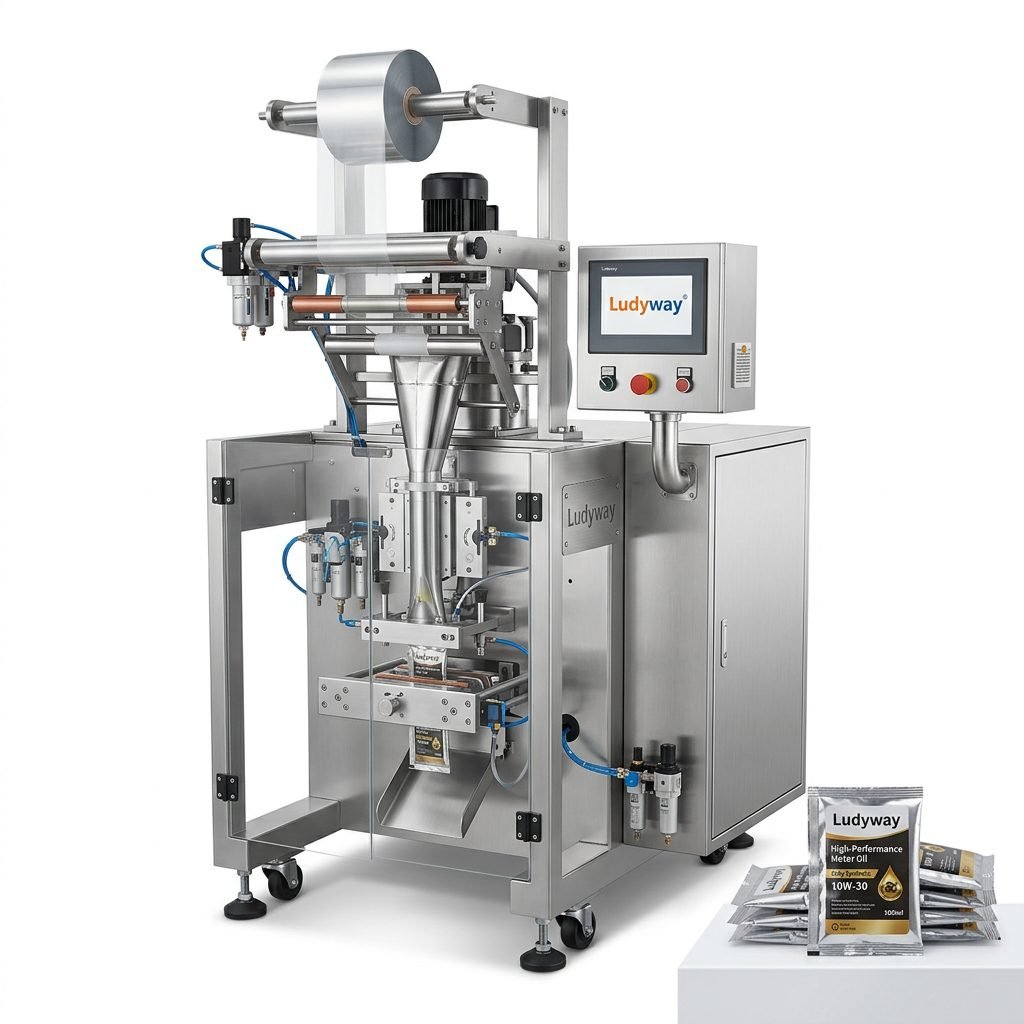
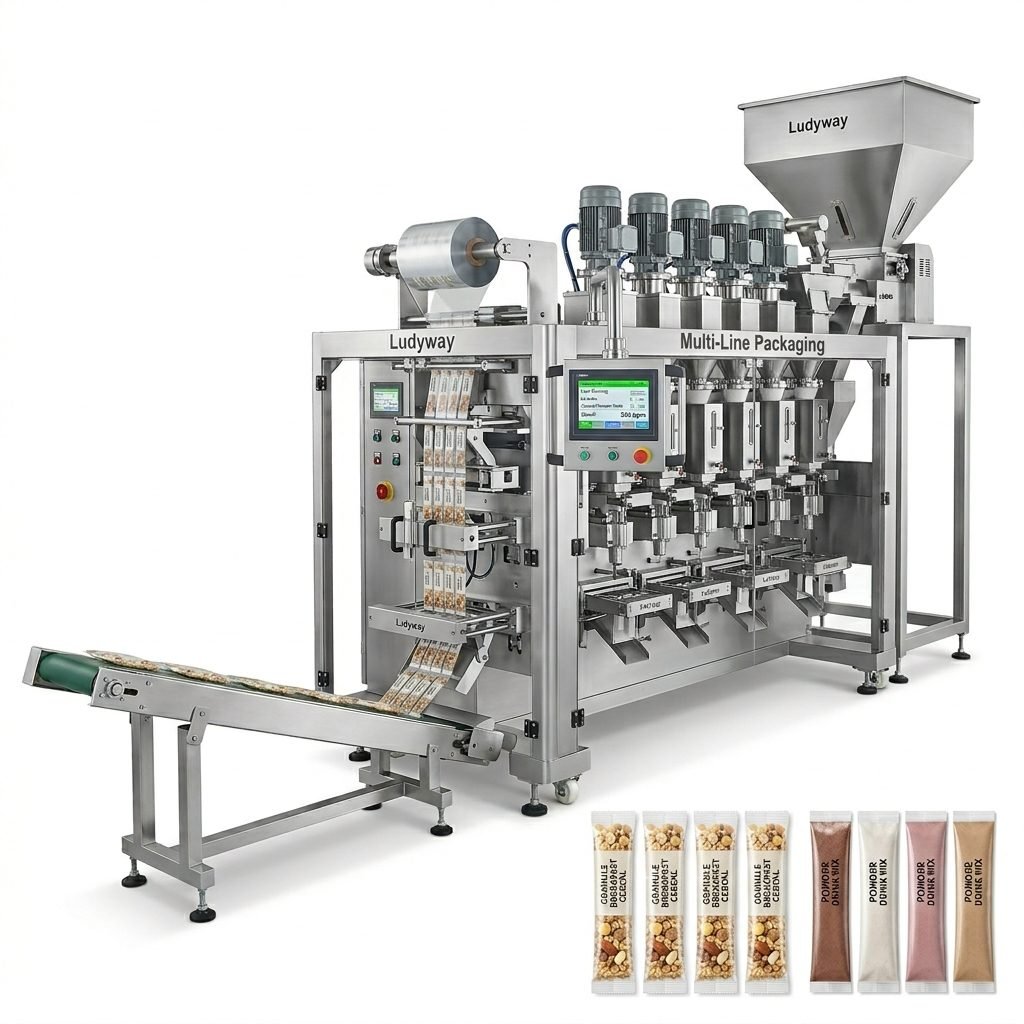
VFFS machines are the workhorses of the ice packaging industry. They form bags from a roll of film, fill with ice, and seal in a continuous vertical motion. Modern systems feature servo-driven jaws for precise seal integrity and can handle film thicknesses suitable for frozen products. For high-volume UK ice producers, multi-lane VFFS configurations can dramatically boost throughput.
2. Pre-Made Pouch Packaging Machines
Rotary or inline pre-made pouch machines are ideal for premium ice products sold in stand-up pouches with zipper closures. These systems pick, open, fill, and seal pre-formed bags. They offer excellent versatility for brands offering multiple SKUs and require minimal changeover time. Look for models with IP65-rated electrical components to withstand moisture and condensation.
3. Automatic Weighing and Bagging Lines
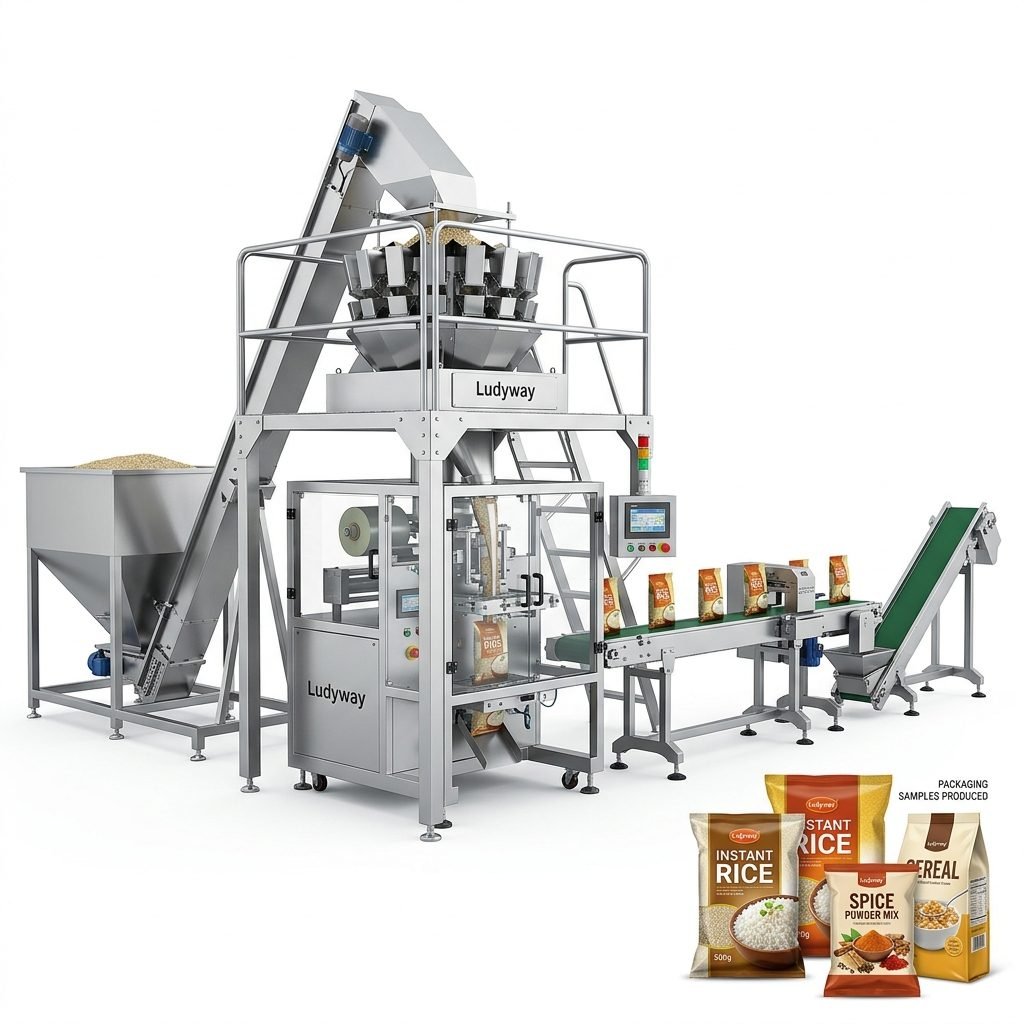
For bulk ice packaging into large sacks (5kg to 25kg), integrated weighing and bagging lines are essential. These combine multi-head weighers with bag placers and heat sealers. Accuracy is paramount in the UK market to comply with Weights and Measures Regulations. Advanced checkweighers can be integrated for real-time weight verification.
Critical Technical Specifications to Evaluate
When reviewing equipment datasheets from packaging machine suppliers, several parameters deserve your careful attention. These specifications will determine long-term reliability and total cost of ownership in a UK production environment.
| Specification | Why It Matters | Recommended Range for UK Ice |
|---|---|---|
| Speed (bags/min) | Determines overall production capacity and ROI timeline. | 30-120 bags/min depending on bag size |
| Weighing Accuracy | Prevents product giveaway and ensures legal compliance. | ±0.5% to ±1% of target weight |
| Film Compatibility | Must handle PE, laminated films, and cold-resistant materials. | 40-120 micron thickness range |
| Frame Construction | Stainless steel is essential for hygiene and corrosion resistance. | SS304 or SS316 food-grade stainless steel |
| PLC and Controls | Touchscreen interface with UK-compatible electrical standards. | Siemens, Mitsubishi, or Allen-Bradley with CE marking |
UK Regulatory Compliance and Safety Standards
Any ice packaging machine installed in the United Kingdom must conform to specific regulatory requirements. Overlooking these can result in costly modifications or rejection by health authorities. Key standards include:
- CE and UKCA Marking: Machines must carry both certifications for the UK market post-Brexit, demonstrating conformity with health, safety, and environmental protection standards.
- HACCP Compliance: Equipment design must support Hazard Analysis and Critical Control Points principles, with easy-clean surfaces and minimal harbourage points.
- Food Contact Materials Regulation: All components touching ice must comply with EU Regulation 1935/2004 as retained in UK law.
- Electrical Safety: Wiring must meet BS 7671 (18th Edition Wiring Regulations) and machines should be compatible with standard UK three-phase 400V supplies.
Evaluating Total Cost of Ownership
The purchase price represents only a fraction of the total investment. UK buyers should calculate the total cost of ownership (TCO) over a minimum five-year period. This includes:
- Initial capital expenditure including delivery, installation, and commissioning.
- Energy consumption: Pneumatic systems vs. electric servo drives—servo-driven machines typically reduce energy costs by 20-30%.
- Spare parts and consumables: Availability of sealing jaws, belts, sensors, and Teflon tapes from UK or European warehouses.
- Maintenance contracts: Whether the supplier offers remote diagnostics, scheduled servicing, or emergency call-out within UK hours.
- Operator training: Comprehensive training packages reduce downtime and extend equipment lifespan.
Supplier Selection and After-Sales Support
Your choice of packaging equipment partner is as important as the machine itself. Established suppliers with UK-specific experience understand local regulations, film suppliers, and service expectations. Evaluate potential partners on these criteria:
| Evaluation Criterion | What to Look For |
|---|---|
| UK Service Presence | Local engineers, fast response times, and on-site support availability. |
| Spare Parts Logistics | UK or European parts warehouse with guaranteed 24-48 hour dispatch. |
| Reference Sites | Existing UK installations with similar ice packaging applications. |
| Warranty Terms | Minimum 12-month warranty covering parts and labour. |
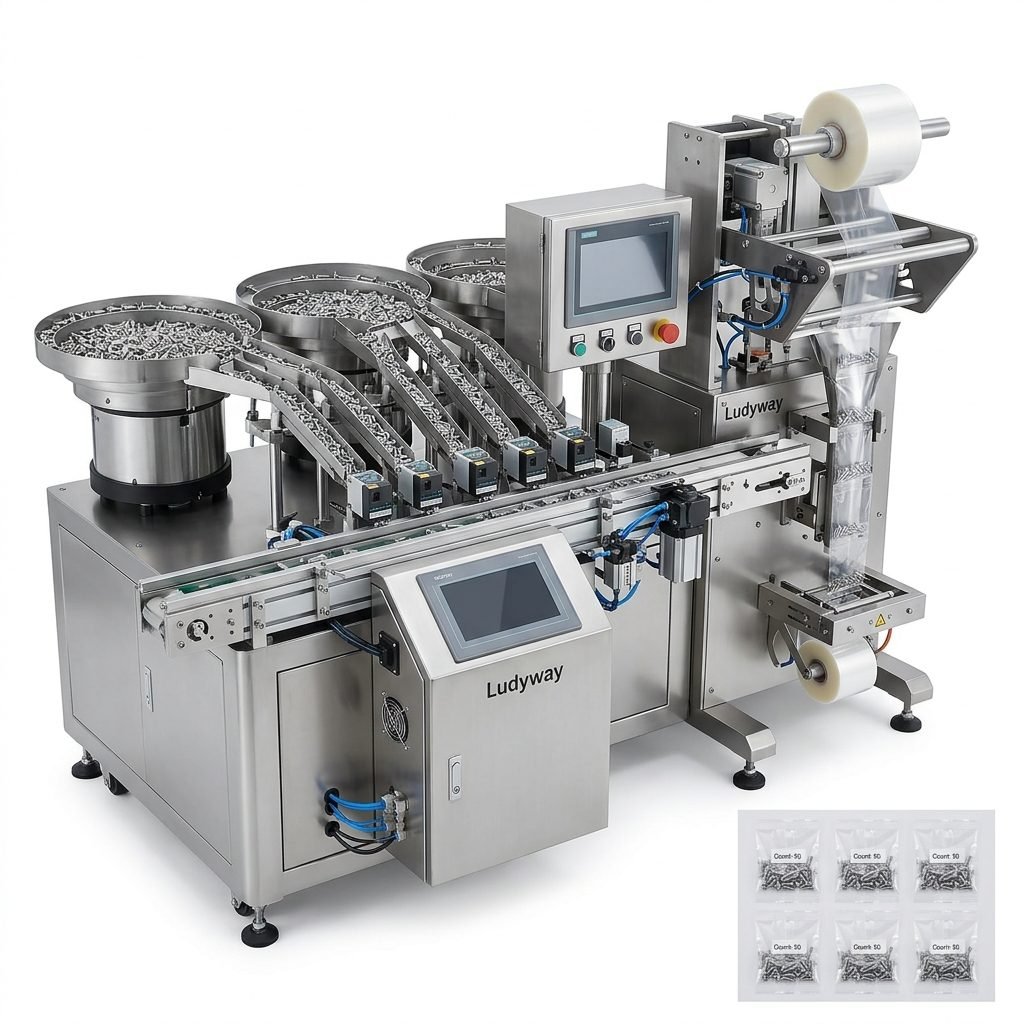
Companies like Ludyway, with over 30 years of engineering expertise and a 20,000㎡ manufacturing facility, supply advanced packaging machines to customers across more than 100 countries, including the UK. When sourcing equipment internationally, verify the manufacturer’s export experience and compliance with British standards.
Integration with Cold Chain and Facility Layout
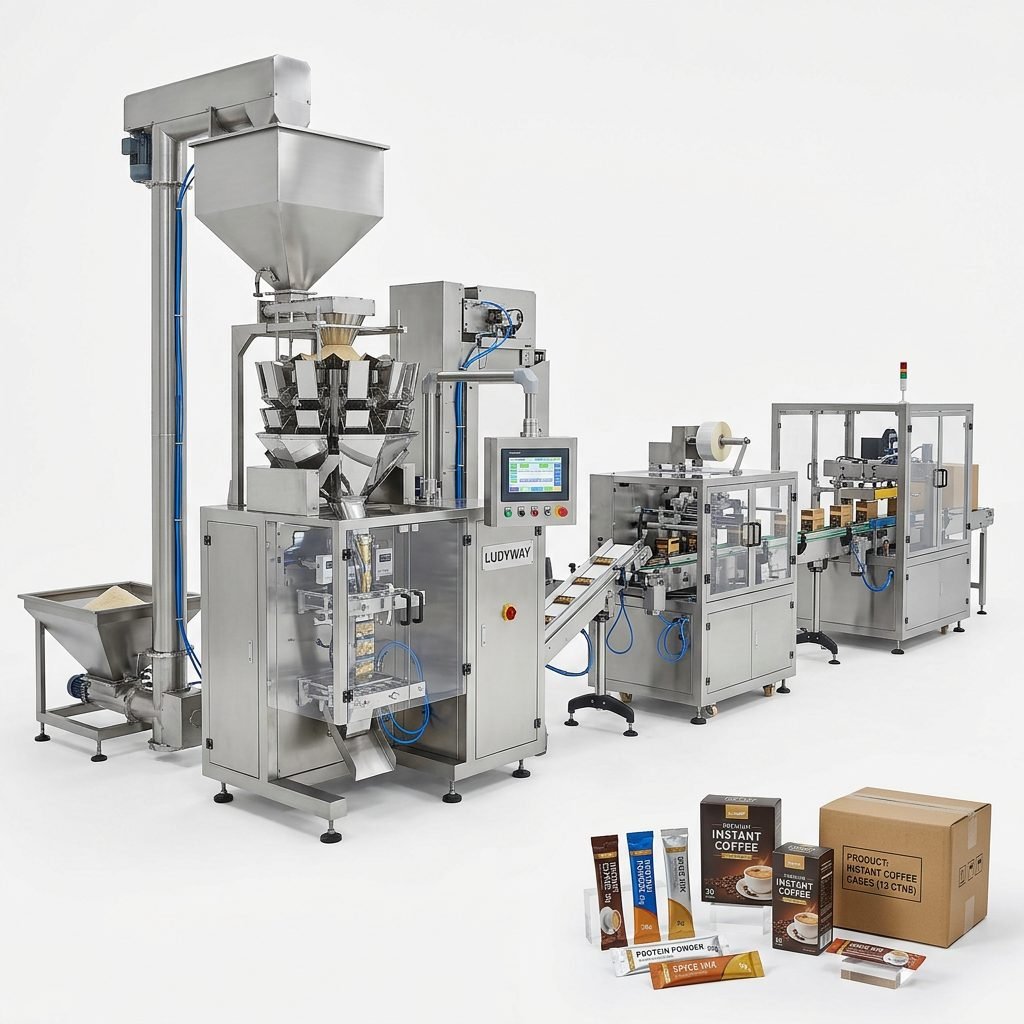
Ice packaging rarely operates in isolation. Your new machine must integrate seamlessly with ice makers, cold storage, conveyors, and case packing systems. Consider these facility-level factors:
- Ambient temperature control: Packaging areas should ideally maintain 4-8°C to prevent ice melting during the filling process. If the room is warmer, look for machines with integrated cooling tunnels or insulated fill chambers.
- Floor space and ceiling height: VFFS machines can reach heights of 3-4 metres. Measure your facility carefully and account for mezzanine access or overhead clearance.
- Upstream ice delivery: Whether via bucket elevator, screw conveyor, or direct chute feed, the interface between ice production and packaging must be designed to minimise product damage.
- Downstream automation: Include plans for automatic cartoning, palletising, and stretch wrapping to create a complete packaging line that reduces manual handling.
Key Questions to Ask Before Buying
Compile a detailed questionnaire before engaging with suppliers. This structured approach ensures you receive comparable quotations and avoid overlooked costs. Essential questions include:
- Is the machine CE and UKCA marked for the UK market?
- What is the guaranteed output speed for my specific ice type and bag size?
- Can you provide sample runs using our actual product and film?
- What is the air consumption in litres per minute at standard UK plant pressure?
- Does the control system support Industry 4.0 connectivity for data logging and remote support?
- What is the typical lead time from order to UK delivery and commissioning?
- Are operator training and documentation available in English?
- What spare parts package do you recommend for the first year of operation?
Automation Trends in UK Ice Packaging
The UK packaging sector is embracing smart manufacturing principles. Forward-thinking ice producers are investing in:
- Servo-driven machines that offer recipe-based changeovers in under 5 minutes, enabling efficient production of multiple bag formats.
- Vision inspection systems for seal integrity checking and label verification, reducing customer complaints.
- Energy-efficient designs that recover heat from sealing processes or use regenerative drives.
- Cloud-based OEE monitoring to track Overall Equipment Effectiveness in real time, identifying bottlenecks before they impact output.
For detailed industry data and trends, resources from organisations like the Flexible Packaging Association and PMMI Business Intelligence provide valuable market insights.
Making the Final Decision
Selecting the right ice packaging machine in the UK market requires balancing speed, accuracy, hygiene, and total lifecycle cost. Begin with a clear understanding of your current and projected production volumes. Shortlist suppliers with proven UK installations and robust aftersales infrastructure. Insist on factory acceptance testing (FAT) before shipment and site acceptance testing (SAT) after installation. With careful due diligence, your investment will deliver reliable performance, consistent product quality, and a competitive advantage in the demanding UK frozen product market.