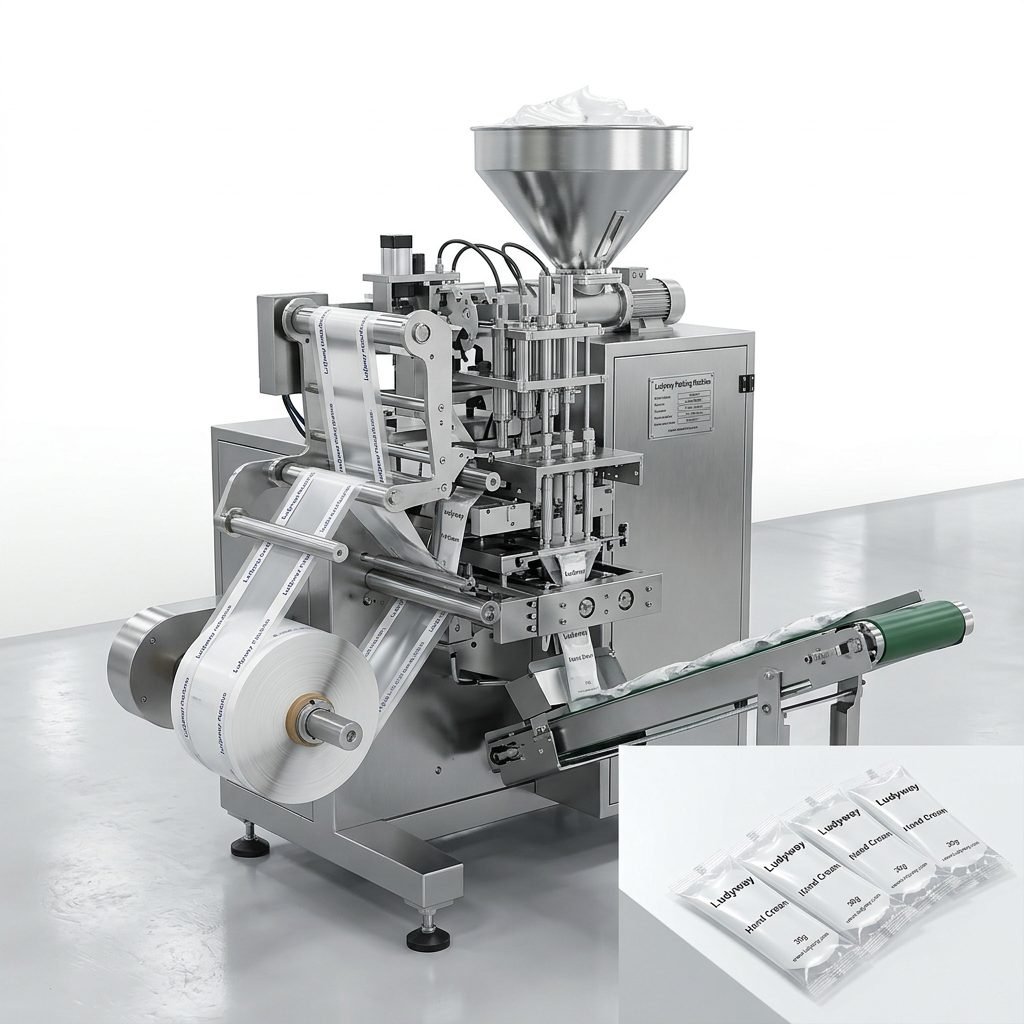
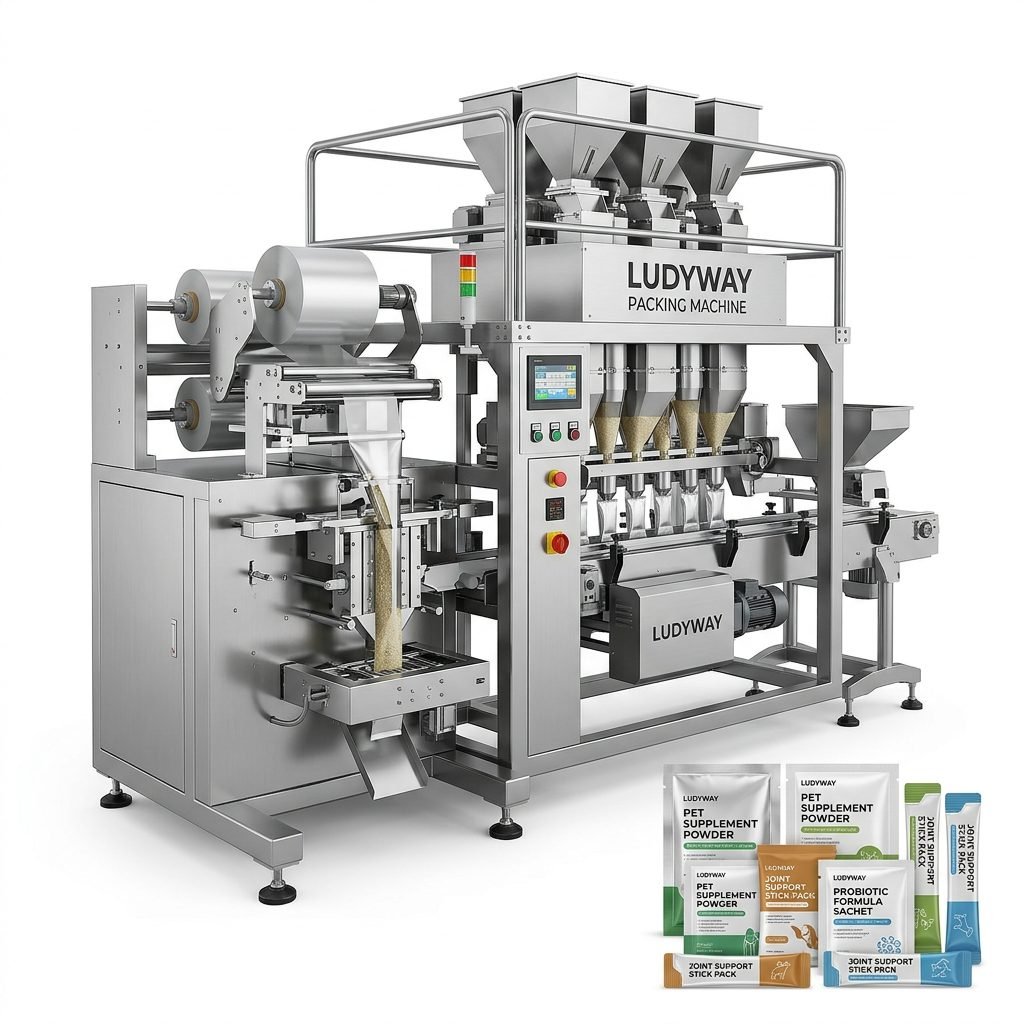
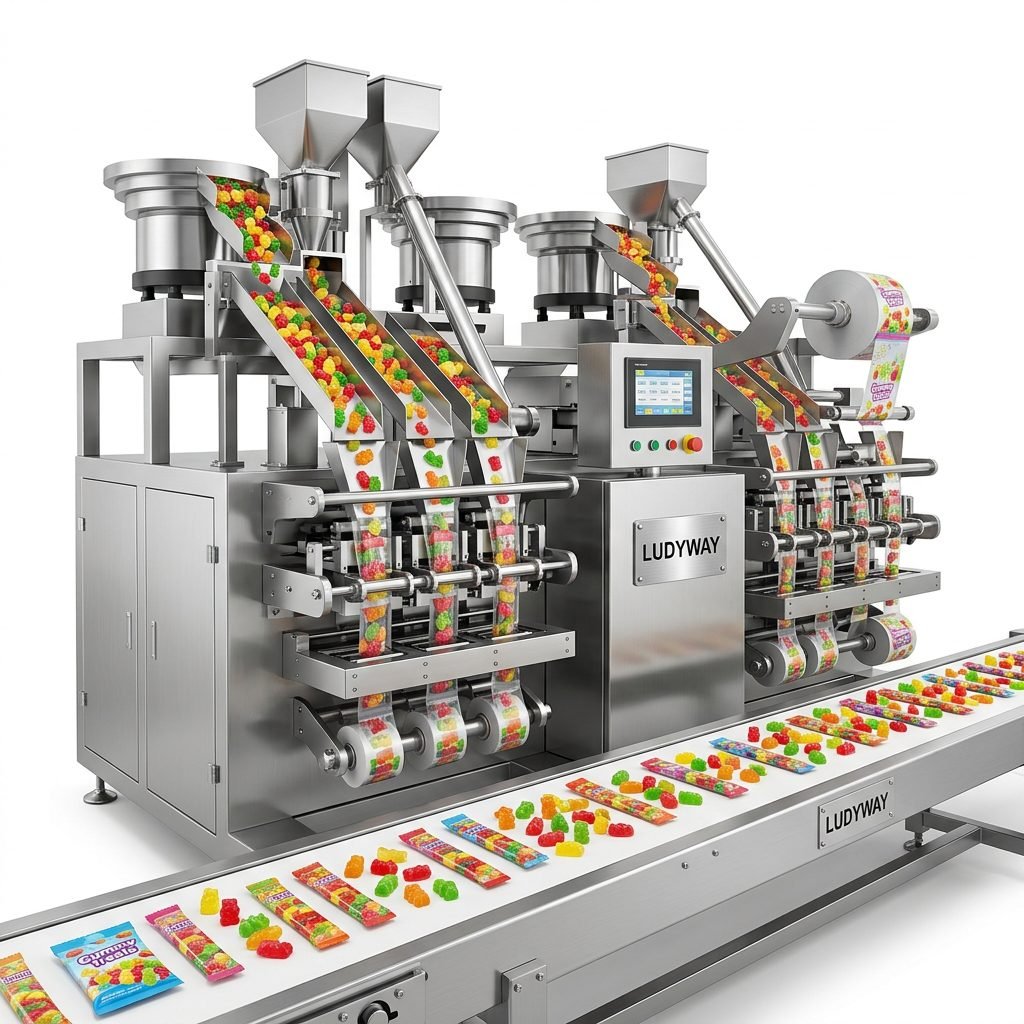
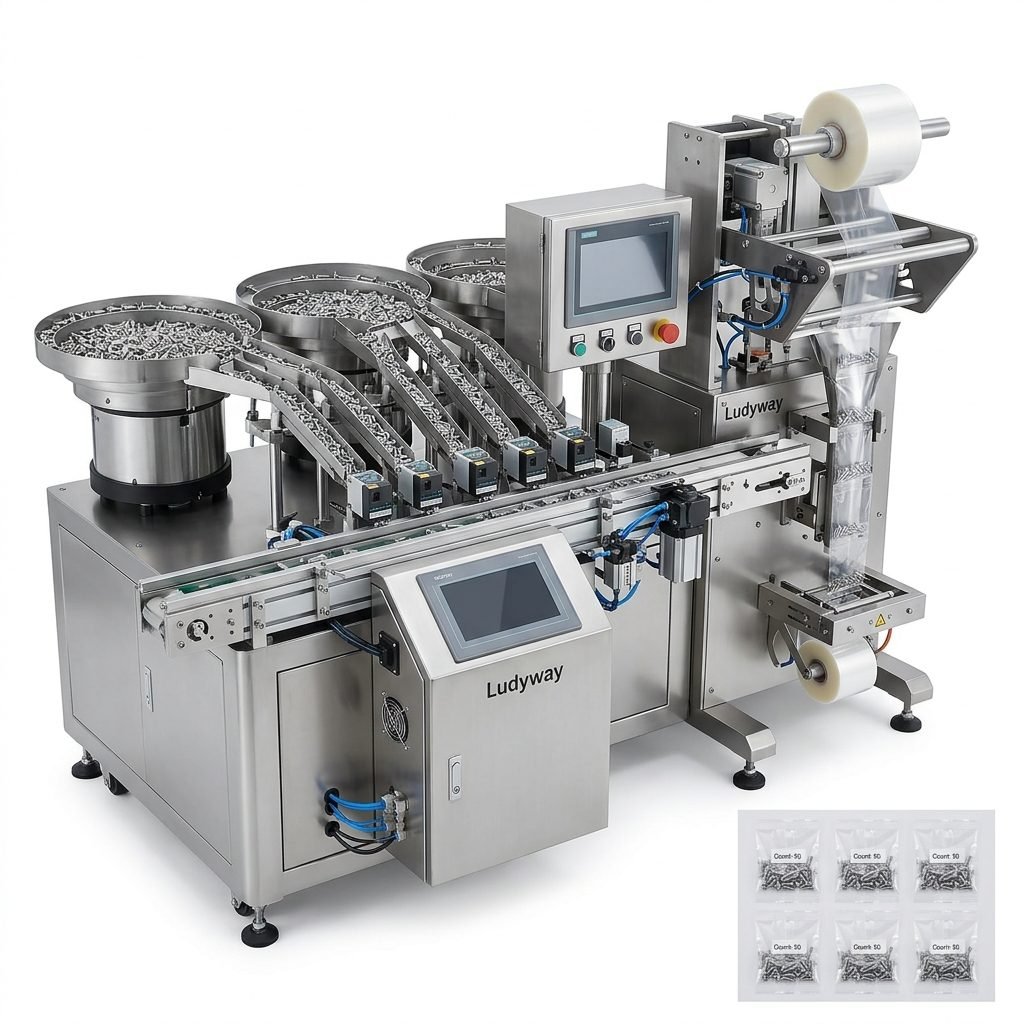
In the fast-paced world of manufacturing and production, the role of a packaging machine mechanic is critical. These skilled professionals ensure that the automated systems responsible for packing everything from food and pharmaceuticals to consumer goods operate smoothly, efficiently, and reliably. This comprehensive guide delves into the job description, essential skills, salary expectations, and career path for a packaging machine mechanic.
What Does a Packaging Machine Mechanic Do?
A packaging machine mechanic is a specialized maintenance technician responsible for the installation, repair, troubleshooting, and preventative maintenance of automated packaging machinery. Their work is the backbone of continuous production lines, minimizing downtime and ensuring product quality and safety.
Core Responsibilities and Daily Duties
The day-to-day tasks of a packaging machine mechanic are diverse and hands-on. Key responsibilities include:
• Machine Installation & Setup: Unpacking, assembling, and calibrating new packaging equipment according to technical specifications and safety standards.
• Diagnostic Troubleshooting: Using technical manuals, diagnostic software, and testing equipment to identify the root cause of mechanical, electrical, or pneumatic failures.
• Repair & Parts Replacement: Disassembling machinery, repairing or replacing faulty components such as sensors, motors, conveyors, seals, and cutting mechanisms.
• Preventative Maintenance (PM): Performing scheduled maintenance tasks like lubrication, alignment checks, belt tensioning, and wear-part inspections to prevent unexpected breakdowns.
• Quality Assurance Support: Adjusting machine settings to ensure packaging meets precise weight, fill, and seal integrity requirements, directly impacting product quality.
• Documentation & Communication: Maintaining accurate logs of repairs, maintenance activities, and parts inventory. Communicating effectively with operators and production supervisors.
Essential Skills for Success
Excelling as a packaging machine mechanic requires a blend of technical knowledge, practical aptitude, and soft skills.
Technical & Mechanical Skills
The foundation of this role is robust mechanical comprehension. Mechanics must understand how various machine systems interact.
- Mechanical Aptitude: Profound understanding of gears, bearings, drives, chains, and conveyors.
- Electrical & PLC Basics: Ability to read electrical schematics, troubleshoot wiring, and understand Programmable Logic Controller (PLC) inputs/outputs is increasingly vital.
- Pneumatic & Hydraulic Systems: Knowledge of air compressors, cylinders, valves, and hydraulic pumps used in machine actuation.
- Precision Tools & Measurement: Proficiency with calipers, micrometers, multimeters, and laser alignment tools.
- Welding & Fabrication (Basic): Skills to make minor repairs or fabricate simple brackets and guards.
Critical Soft Skills
Beyond the toolbox, successful mechanics possess key interpersonal and cognitive abilities.
Problem-Solving & Analytical Thinking: The core of the job is diagnosing complex problems under pressure and devising effective solutions.
Attention to Detail: A minor misalignment or loose connection can cause major production issues. Meticulousness is non-negotiable.
Safety Consciousness: Adherence to Lockout/Tagout (LOTO) procedures and general safety protocols is paramount to prevent accidents.
Communication & Teamwork: Must clearly explain technical issues to non-technical staff and collaborate with engineers and operators.
Salary Expectations and Influencing Factors
Salaries for packaging machine mechanics vary based on experience, location, industry, and specialization.
Average Salary Range (United States)
According to recent labor data, the annual salary typically ranges from $45,000 to $75,000. Entry-level positions may start around $40,000, while highly experienced mechanics or those with supervisory roles can earn over $80,000.
Key Factors Affecting Pay
- Experience & Certifications: Years on the job and certifications (e.g., in PLC programming or industrial maintenance) significantly boost earnings.
- Industry: Mechanics in high-regulation or high-value industries like pharmaceuticals or specialized food production often command higher wages.
- Geographic Location: Wages are higher in regions with dense manufacturing hubs and a higher cost of living.
- Employer Type: Working directly for a large manufacturer may offer different compensation and benefits compared to working for a machinery OEM (Original Equipment Manufacturer) or a contract service provider.
Career Path and Advancement Opportunities
The career trajectory for a packaging machine mechanic is promising, with multiple avenues for growth.
Typical Career Progression
Most professionals start as a Maintenance Technician or Junior Mechanic, learning the ropes under supervision. With 3-5 years of experience, they become a Senior or Lead Mechanic, handling complex repairs and mentoring juniors. Further advancement can lead to roles such as Maintenance Supervisor, Reliability Engineer, or Plant Engineering Manager.
Specialization and Future-Proofing
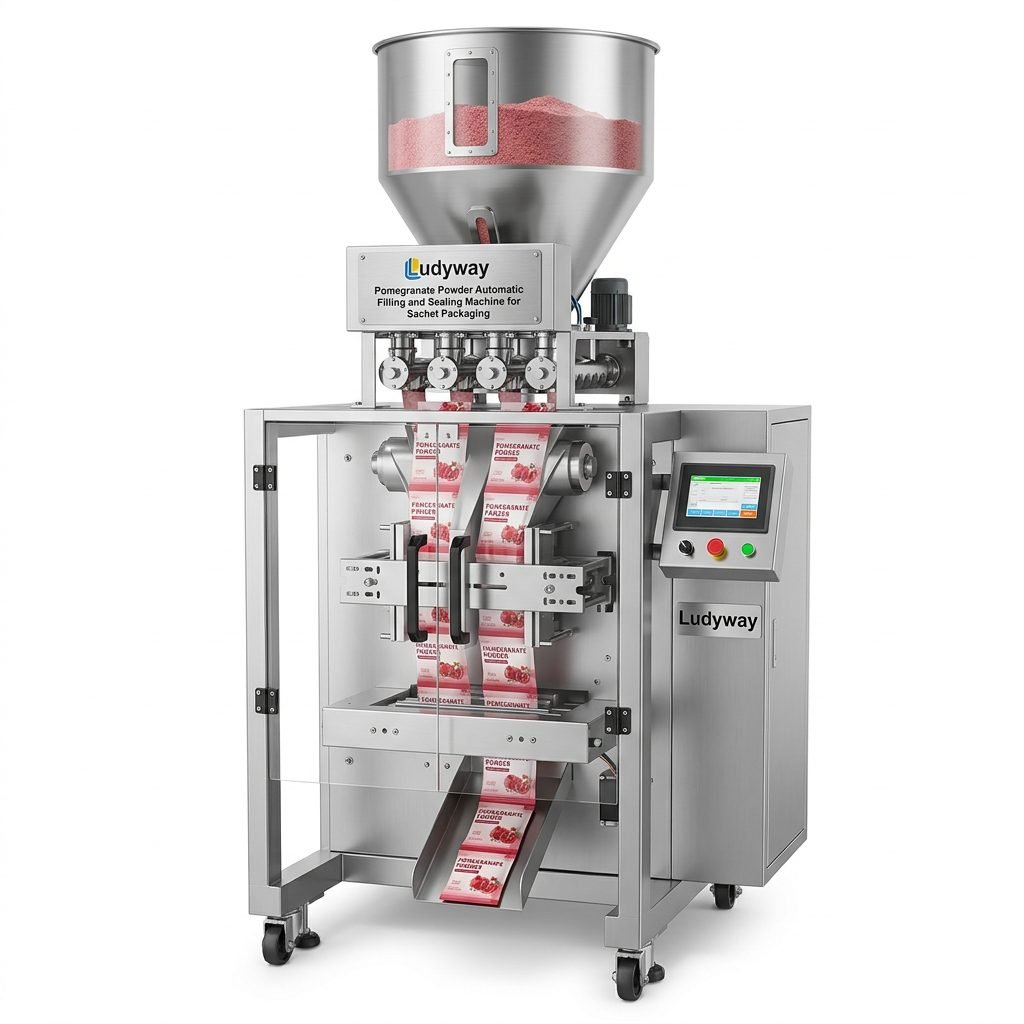
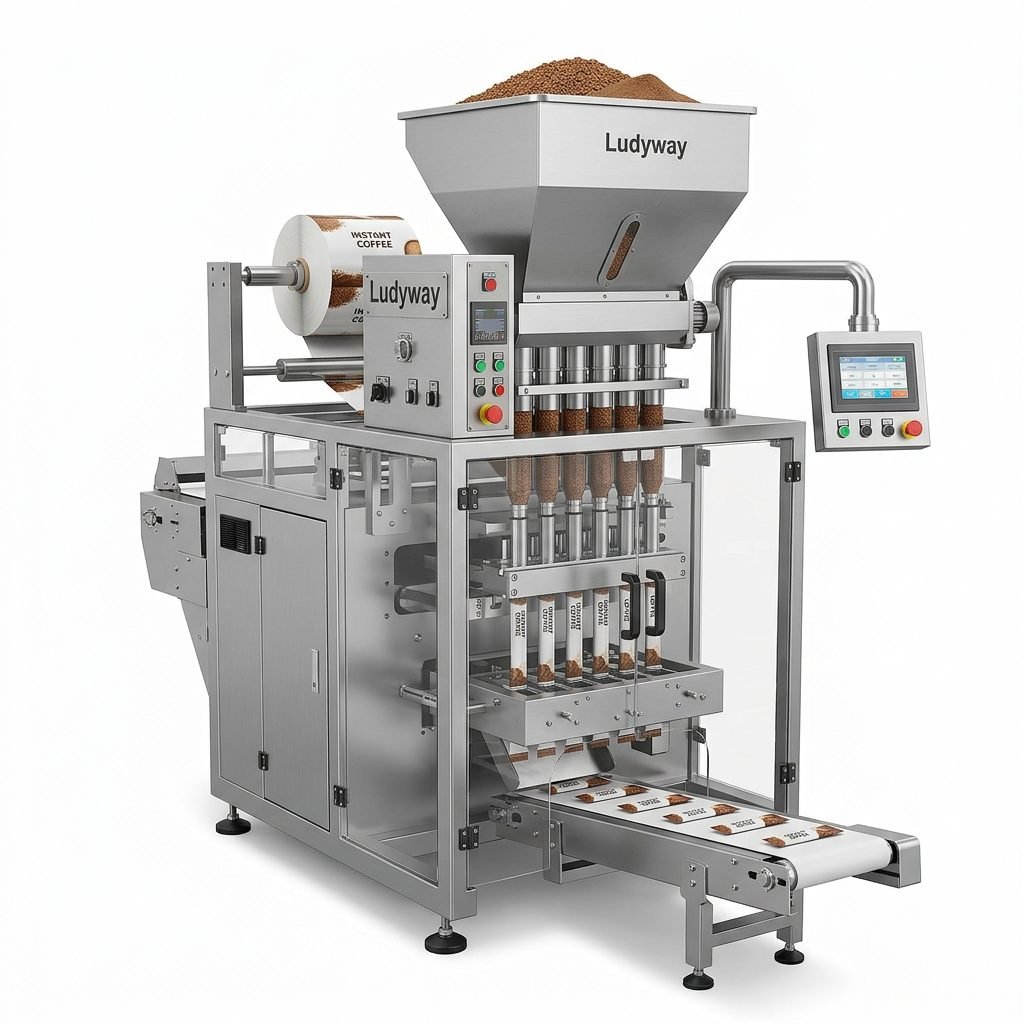
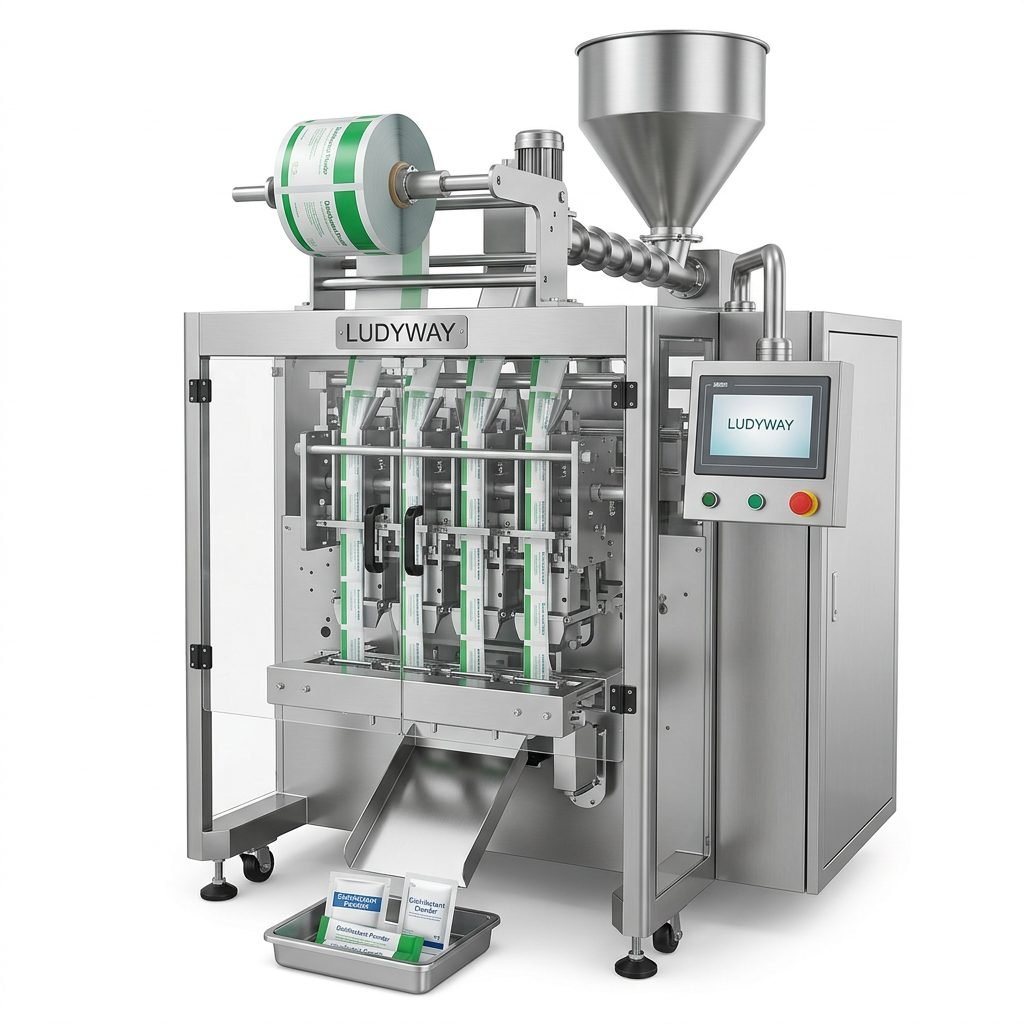
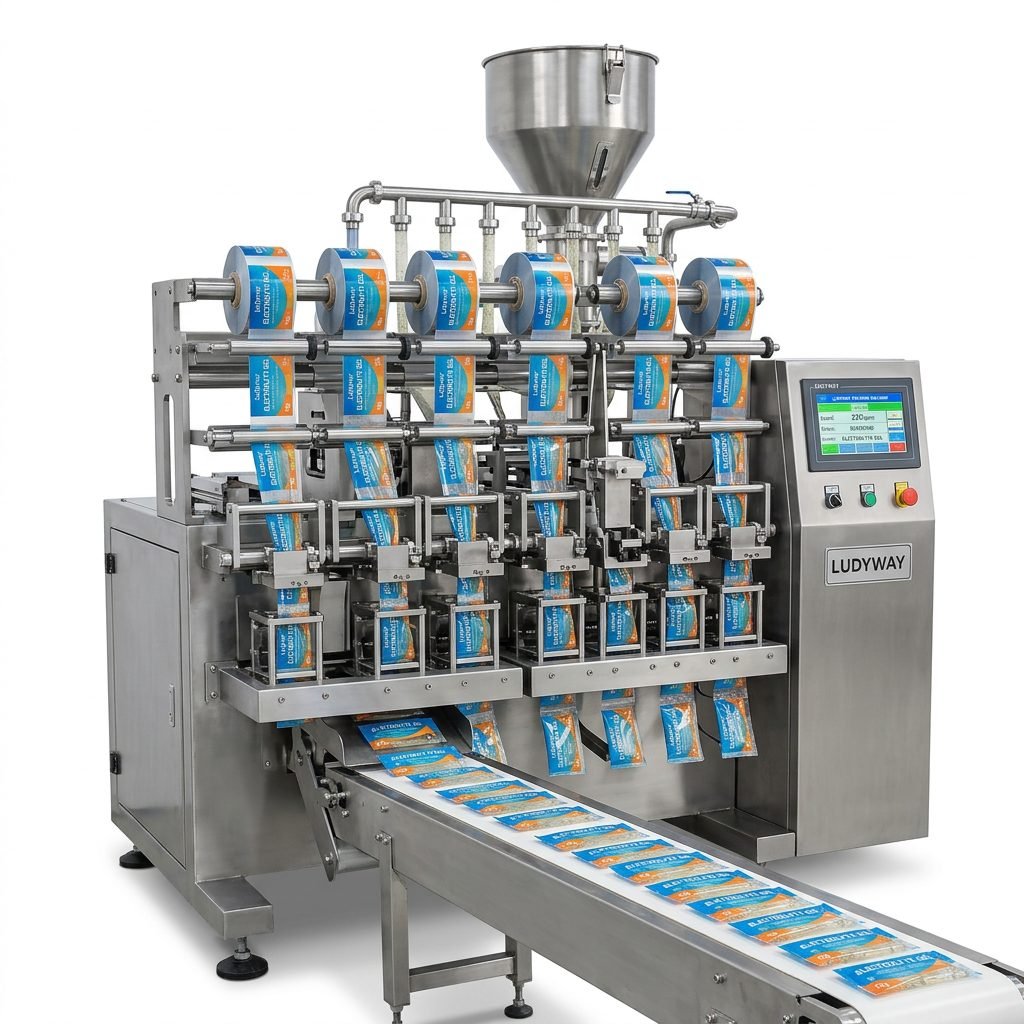
To advance, mechanics often specialize. Becoming an expert in a specific machine type (like high-speed sachet packaging machines), mastering robotics integration, or gaining deep expertise in predictive maintenance technologies are excellent paths. The rise of Industry 4.0 and the Industrial Internet of Things (IIoT) means skills in data analysis, networking, and advanced diagnostics are increasingly valuable for career longevity.
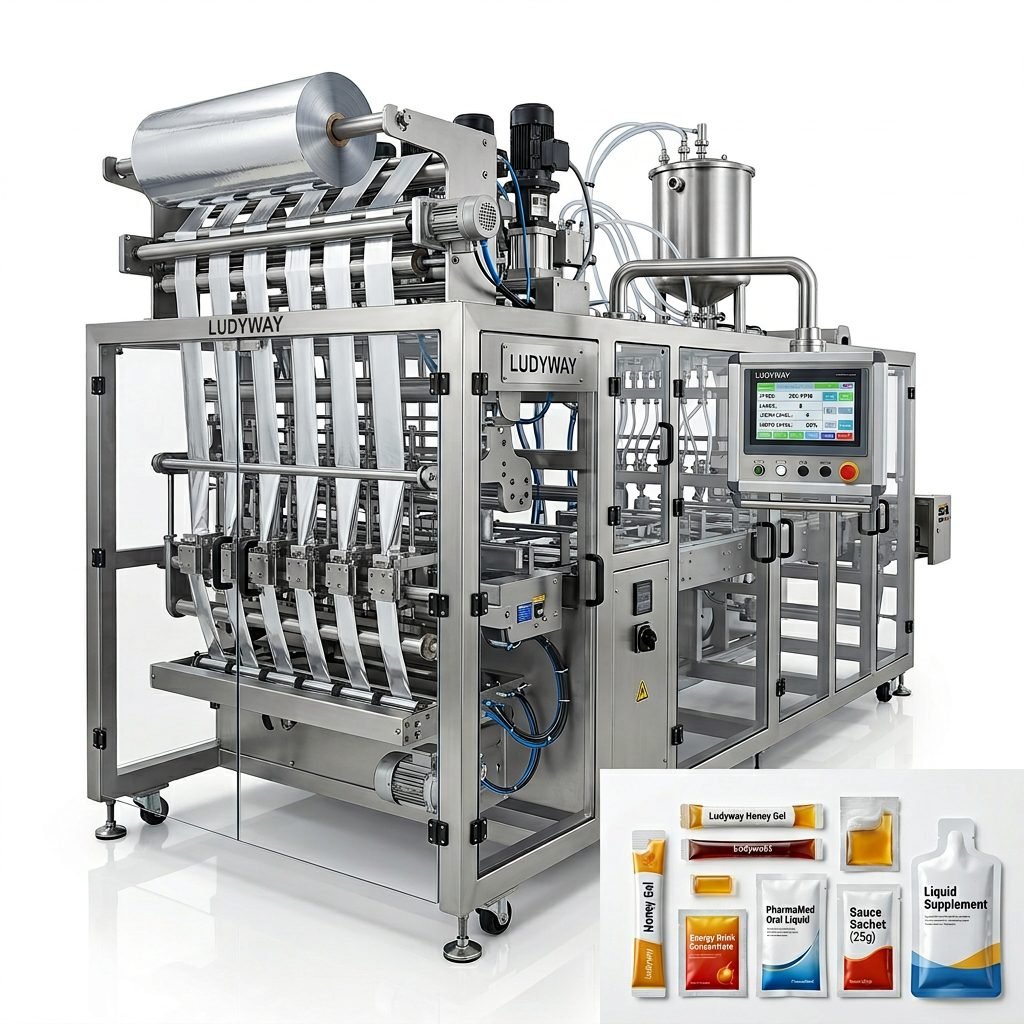
💡 Pro Tip: Engaging with equipment providers who offer comprehensive training can be a significant career accelerator. Companies like Ludyway Machinery, with over 30 years of industry experience, not only supply advanced packaging solutions but also provide vital technical knowledge and support that helps mechanics master new technologies and broaden their expertise.
Conclusion
A career as a packaging machine mechanic is both challenging and rewarding, offering a stable profession at the heart of modern manufacturing. It demands a continuous learning mindset to keep pace with technological advancements in automation. For those with mechanical intuition and problem-solving passion, it provides a clear path to a respected, well-compensated, and essential role in keeping the world’s production lines moving.
Frequently Asked Questions (FAQs)
What educational background is needed to become a packaging machine mechanic?
While a high school diploma is the minimum, most employers prefer candidates with a post-secondary certificate or associate degree in industrial maintenance, mechatronics, electromechanical technology, or a related field. Apprenticeships are also a highly valued pathway into the profession.
Is this a job that is at risk due to increased automation?
Paradoxically, increased automation increases the demand for skilled mechanics. More complex machines require more sophisticated maintenance, troubleshooting, and programming skills, making the role more technical and secure.
What are the biggest challenges faced on the job?
The primary challenges include diagnosing intermittent faults, repairing machines under tight production deadlines to minimize downtime, and continuously learning the intricacies of new and evolving packaging technologies.
How important is familiarity with specific machine brands?
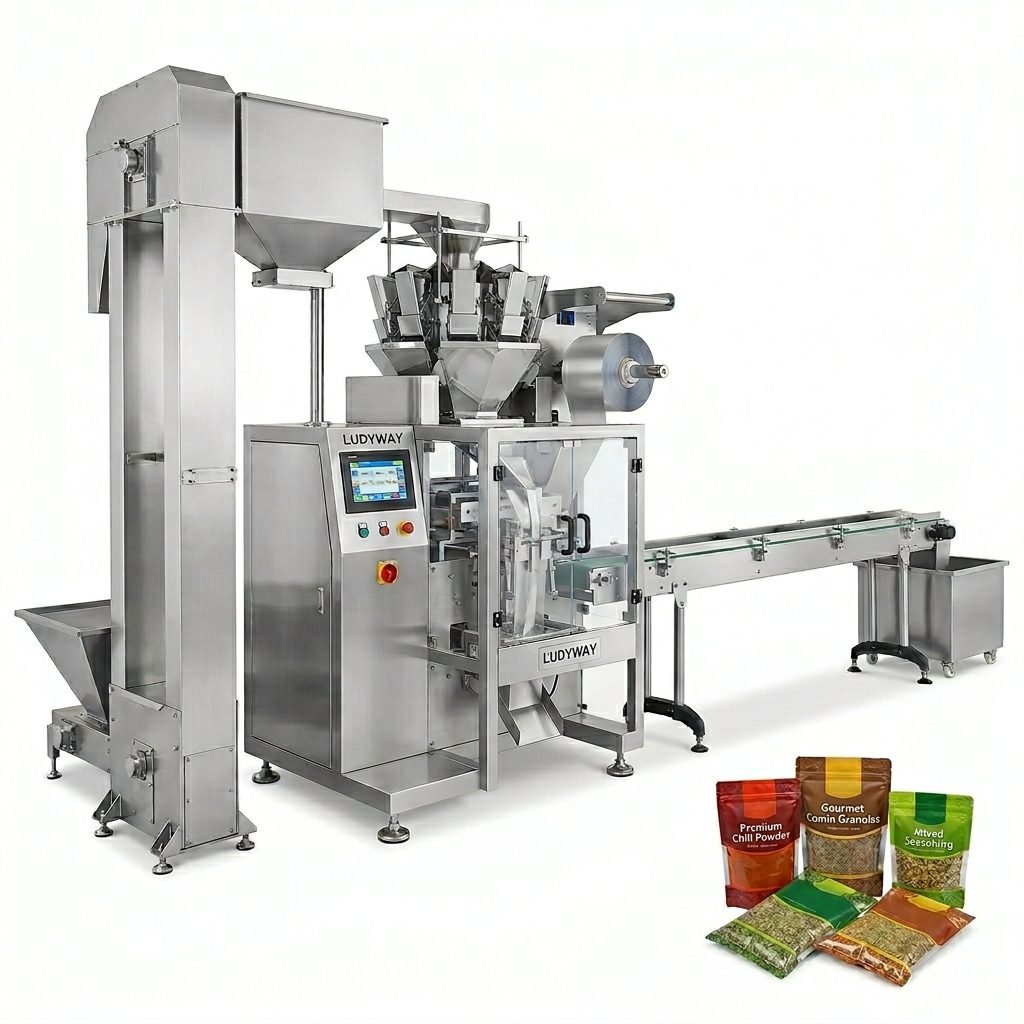
While fundamental mechanical principles are universal, hands-on experience with major OEM brands is a significant advantage. It reduces training time and increases efficiency. Working with a supplier that offers a wide range of reliable packaging machinery can expose a mechanic to various systems and best practices.
What is the work environment like?
Mechanics typically work in manufacturing plants, which can be noisy and require standing for long periods. The job involves physical activity like lifting, bending, and working in sometimes cramped spaces. Shift work, including nights and weekends, is common in facilities that run 24/7.