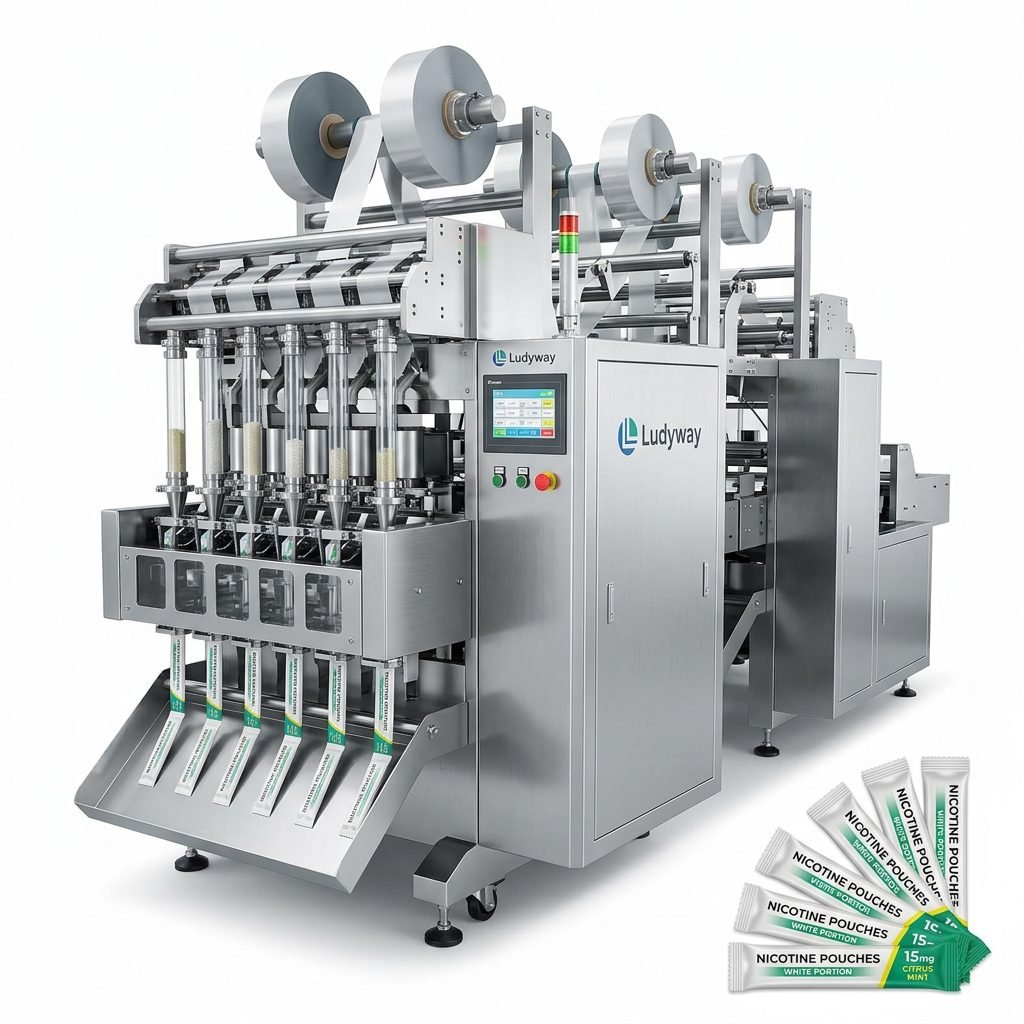
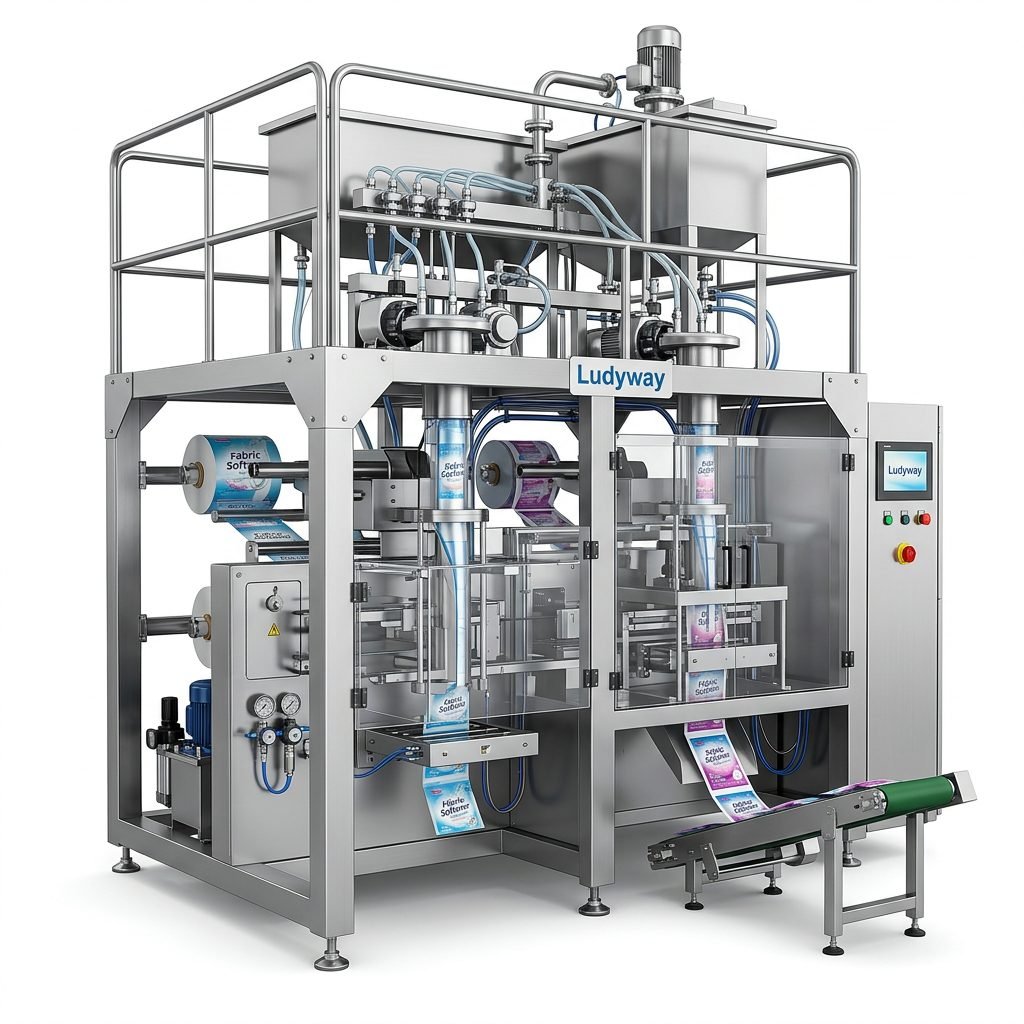
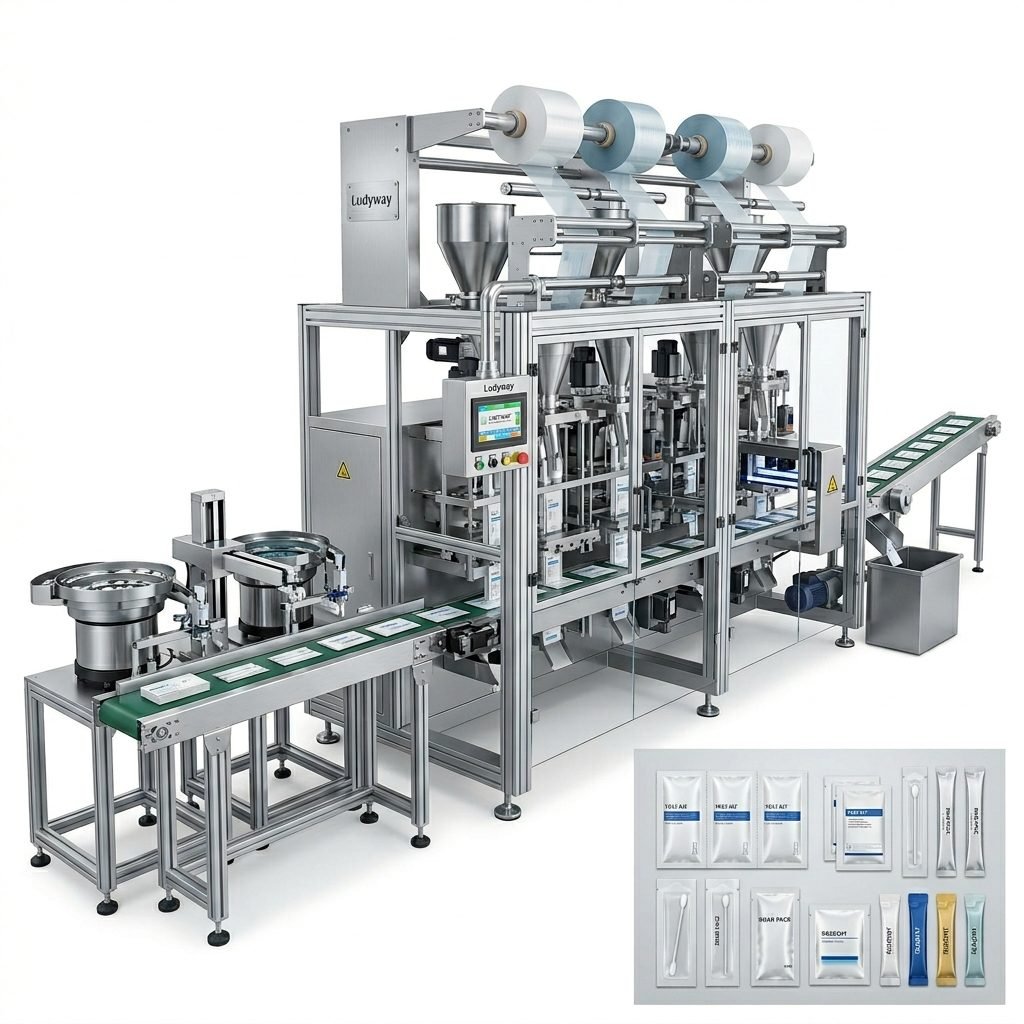
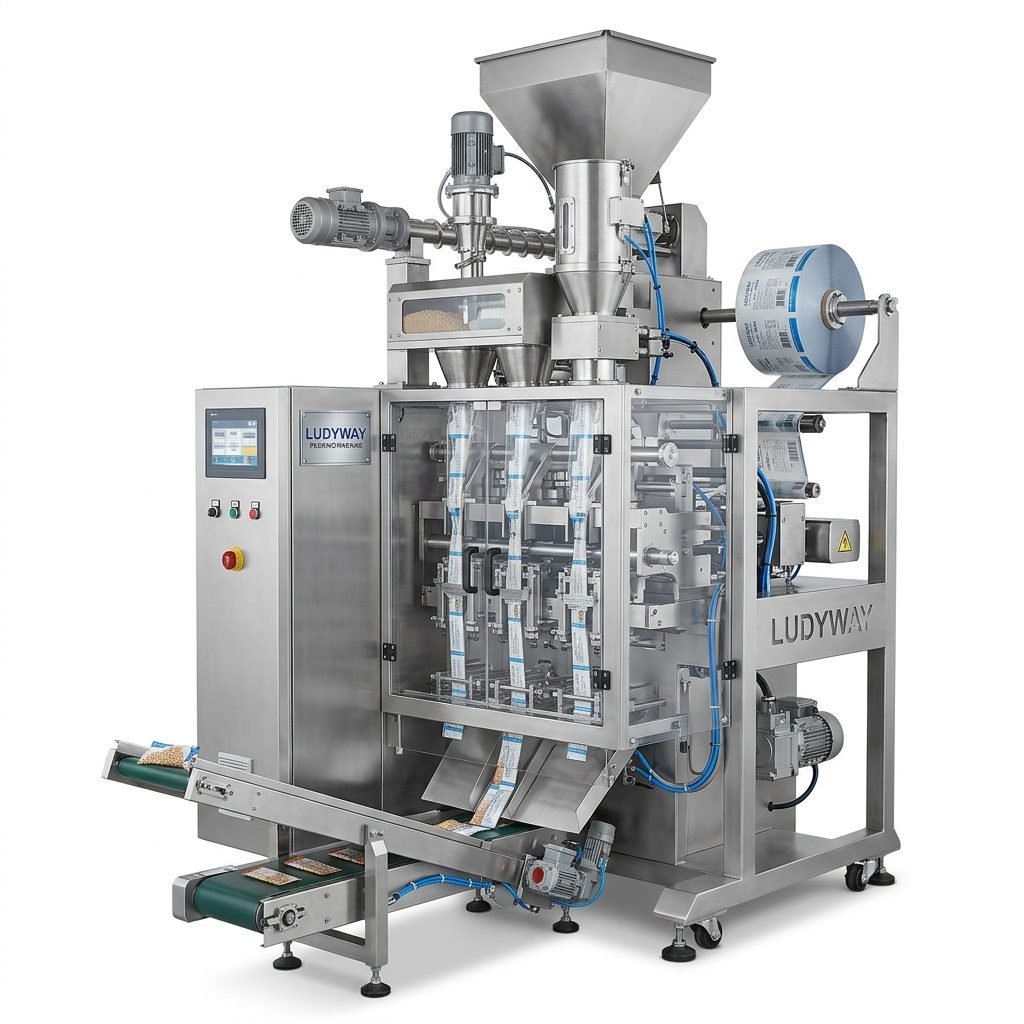
In today’s fast-paced global supply chain, the efficiency of shipping and warehousing operations is paramount. The right industrial packaging equipment and supply solutions form the backbone of these critical processes, directly impacting product safety, operational speed, and overall cost-effectiveness. From automated sealing systems to intelligent palletizing robots, modern packaging technology is revolutionizing how goods are prepared, protected, and moved through distribution networks.
The Critical Role of Packaging in Modern Logistics
Industrial packaging serves a dual purpose: protection and facilitation. It safeguards products from damage during transit and storage while enabling efficient handling, stacking, and identification. Inefficient packaging can lead to significant losses through product damage, increased labor costs, wasted storage space, and delayed shipments. Conversely, optimized packaging solutions streamline workflows, maximize container and warehouse utilization, and enhance the reliability of delivery schedules.
Key Consideration:
A holistic packaging strategy integrates equipment, materials, and processes to create a seamless flow from production line to final destination, eliminating bottlenecks and reducing touchpoints.
Core Equipment for Efficient Shipping Operations
Shipping departments rely on a suite of specialized machinery to maintain throughput and consistency.
Automatic Case Sealers and Erectors
These machines dramatically increase the speed of preparing shipping containers. Automatic case erectors form corrugated boxes from flat blanks, which are then filled and sealed by top and bottom sealers using pressure-sensitive tape or hot melt glue. Random case sealers offer flexibility by handling a wide range of box sizes without manual adjustment, which is ideal for mixed-SKU shipping environments.
Stretch Wrapping Systems
Pallet stability is non-negotiable for safe transport. Semi-automatic and fully automatic stretch wrappers apply film under consistent tension, securing loads to prevent shifting. High-performance options include rotary arm wrappers for uniform wrapping and orbital spiral wrappers for long, odd-shaped items. The integration of pre-stretch technology maximizes film yield, reducing material costs.
Weighing, Labeling, and Sorting Systems
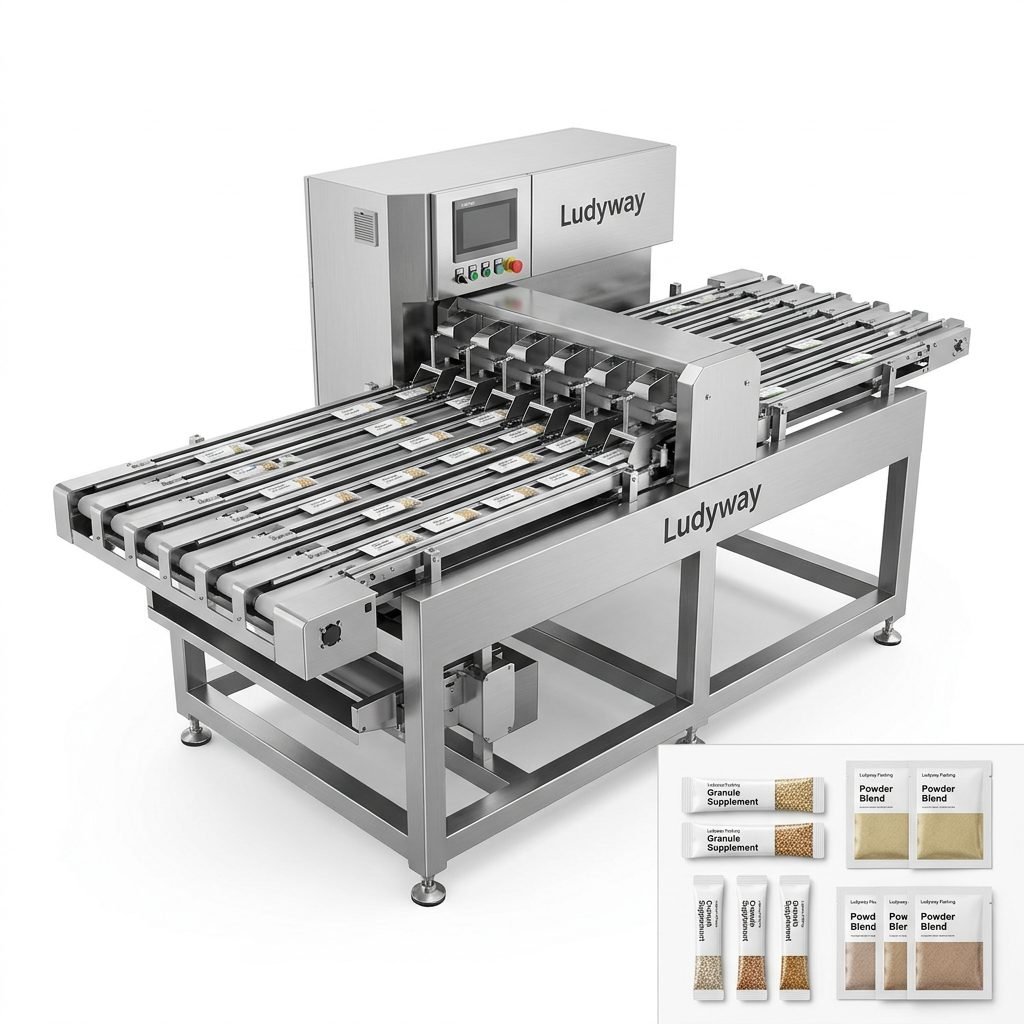
Accuracy in shipping begins with precise data capture. In-motion checkweighers verify parcel weight against expected values, flagging errors. Automated print-and-apply labelers ensure correct shipping labels, barcodes, and compliance labels are accurately placed. Sortation systems, including push diverters and cross-belt sorters, automatically route packages to the correct loading dock or carrier lane.
Warehousing Solutions for Optimized Storage and Handling
Inside the warehouse, packaging efficiency focuses on space utilization, inventory protection, and order fulfillment speed.
Maximizing Cube Utilization
Warehouse space is a premium asset. Right-sized packaging—using the smallest possible container that provides adequate protection—reduces void space and allows for more product per pallet and more pallets per rack. On-demand box-making systems and void fill dispensers help achieve this goal dynamically.
Automated Bagging and Pouch Packaging
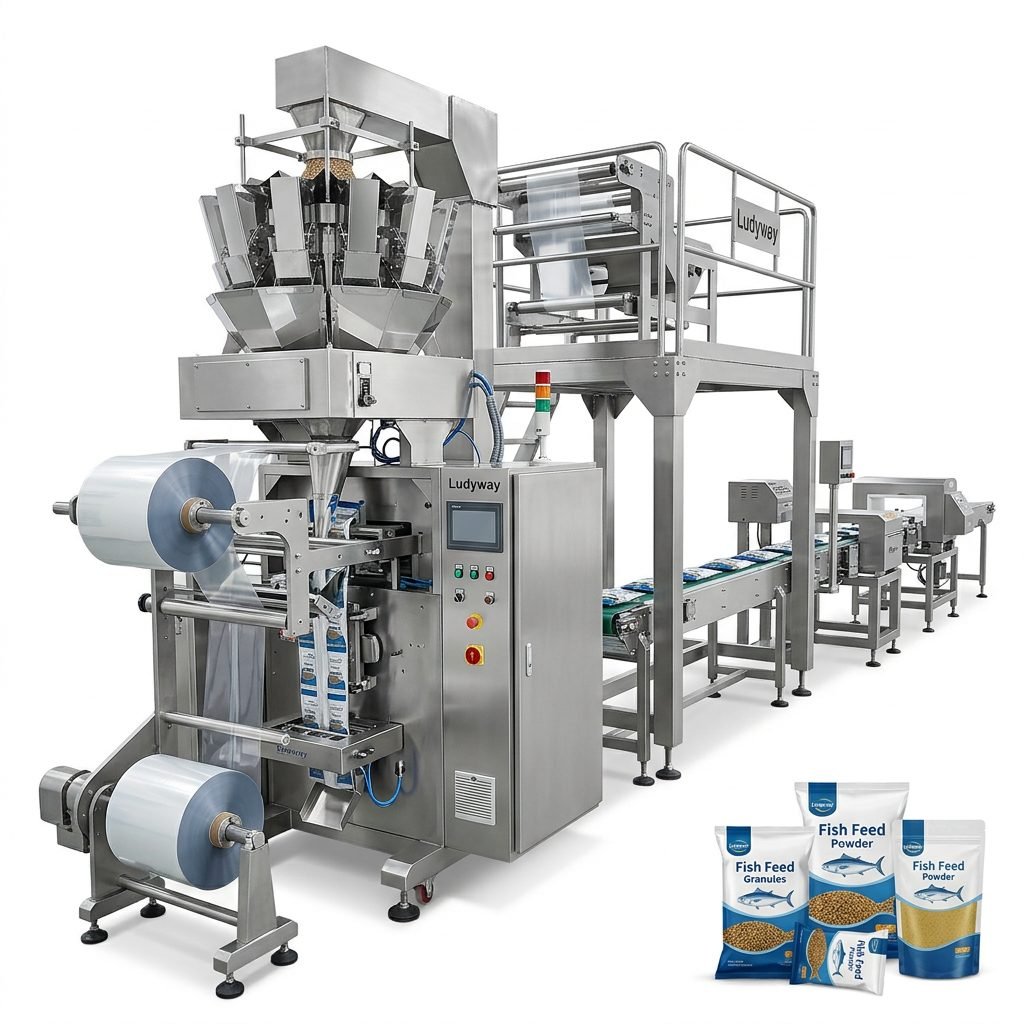
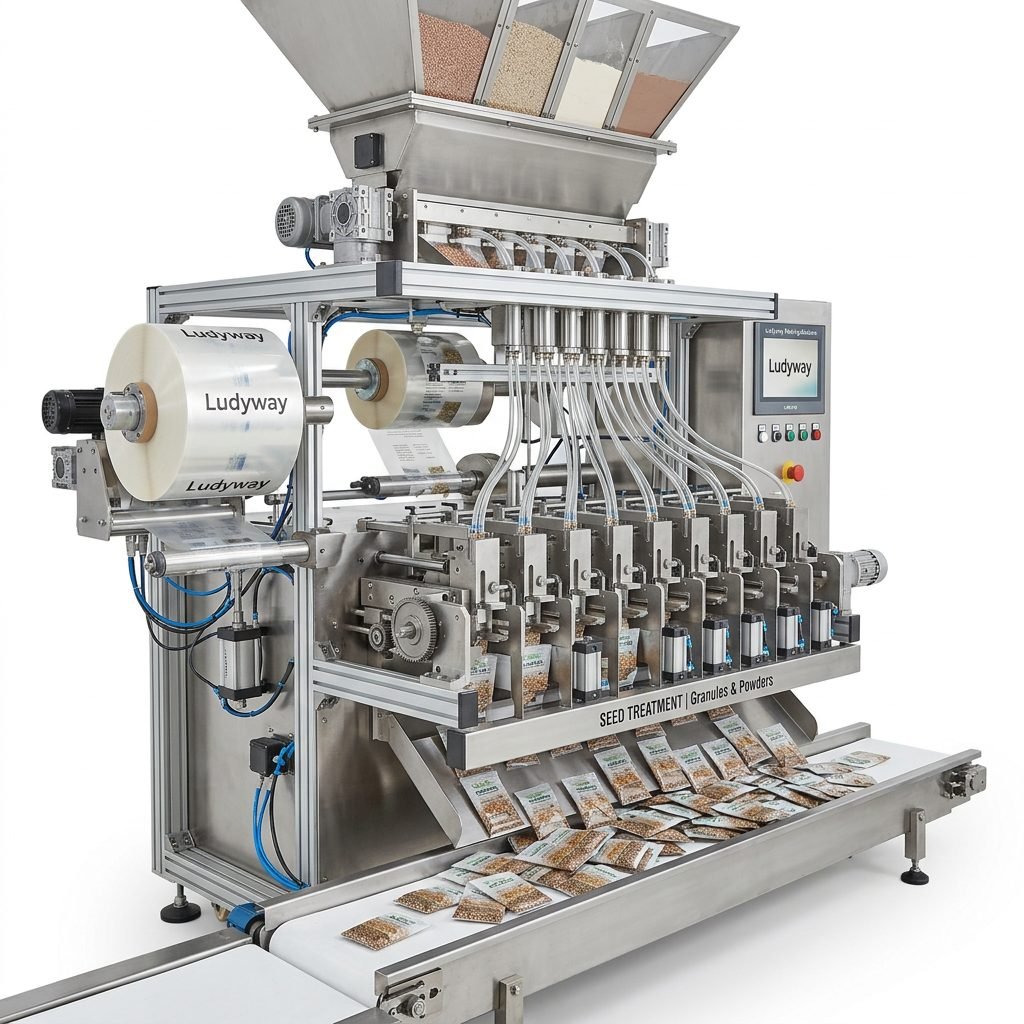
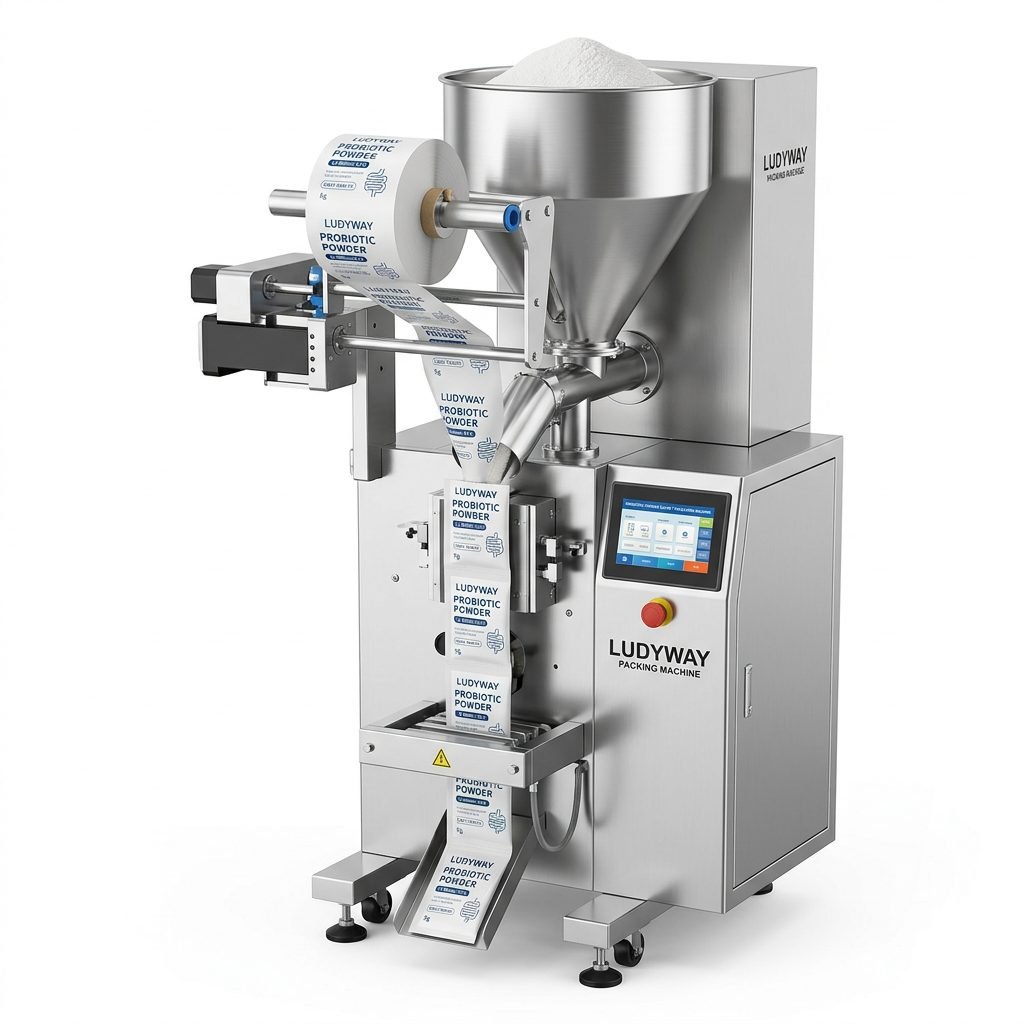
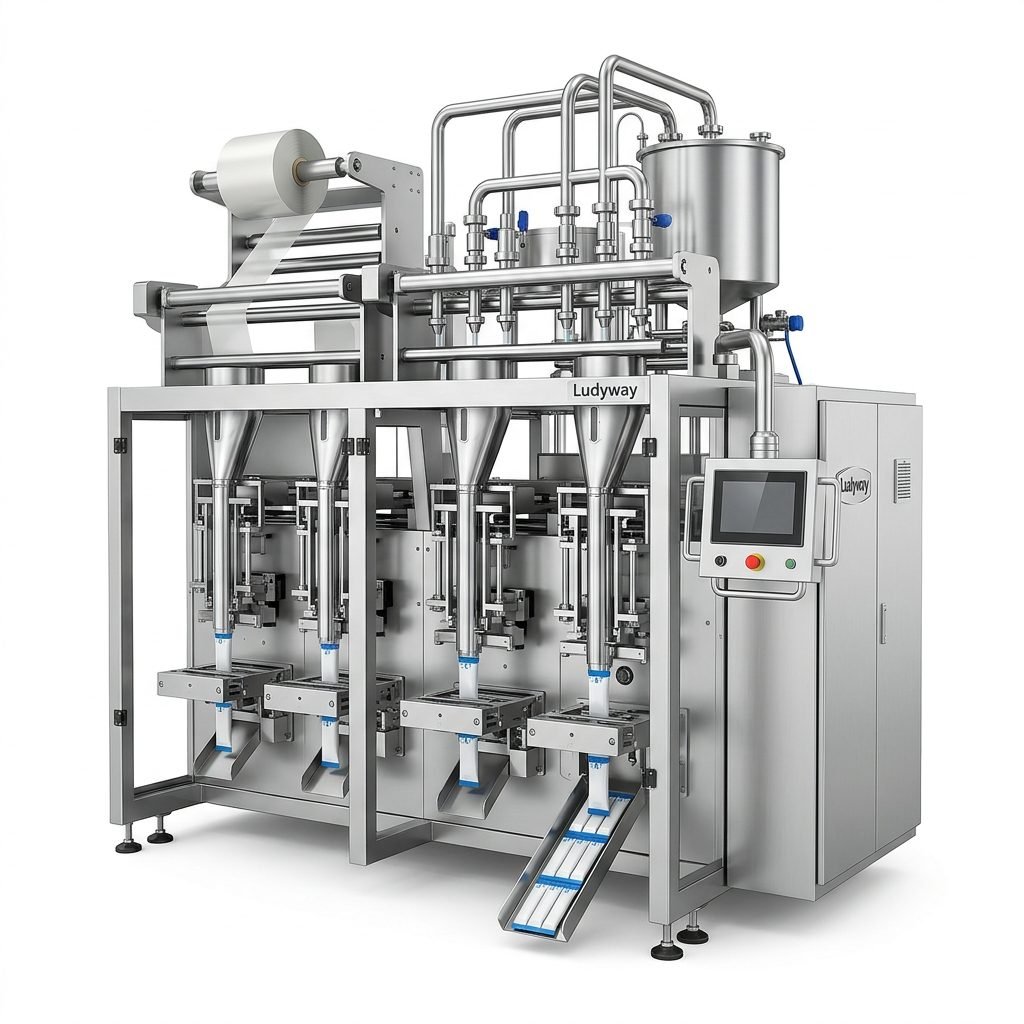
For small items, polybagging machines offer a fast, low-cost packaging solution. Automated baggers open bags, insert products (or orders), and seal them consecutively. This is essential for e-commerce fulfillment centers processing thousands of individual orders daily. Advanced systems can include invoice insertion and labeling in a single pass.
Palletizing and Depalletizing Robots
Robotic palletizers are a cornerstone of modern warehousing. They tirelessly stack cases, bags, or trays onto pallets according to pre-programmed, stable patterns. This not only replaces strenuous manual labor but also increases speed and creates consistent, secure loads ideal for high-bay storage or direct shipping. Robotic depalletizers perform the reverse function for incoming raw materials or products.
Protective Packaging Dispensers
To ensure products arrive intact, warehouses use automated systems to apply protective materials. This includes air pillow systems that create dunnage on demand, paper void fill dispensers, and foam-in-bag systems. Automation ensures consistent application, reduces material waste, and keeps up with high-volume packing stations.
Integrating Supplies with Equipment for a Turnkey Solution
The highest-performing equipment is only as good as the supplies it uses. A synergistic relationship between machine and consumable is critical.
- Compatible Materials: Using tape, film, and glue formulated for specific equipment ensures optimal adhesion, reduces jams, and extends machine life.
- Supply Chain Coordination: Reliable access to high-quality boxes, labels, stretch film, and cushioning materials prevents operational downtime.
- Customization: Working with a solution provider who can tailor both equipment parameters and supply specifications (like box die-cuts or unique label formats) creates a perfectly tuned system.
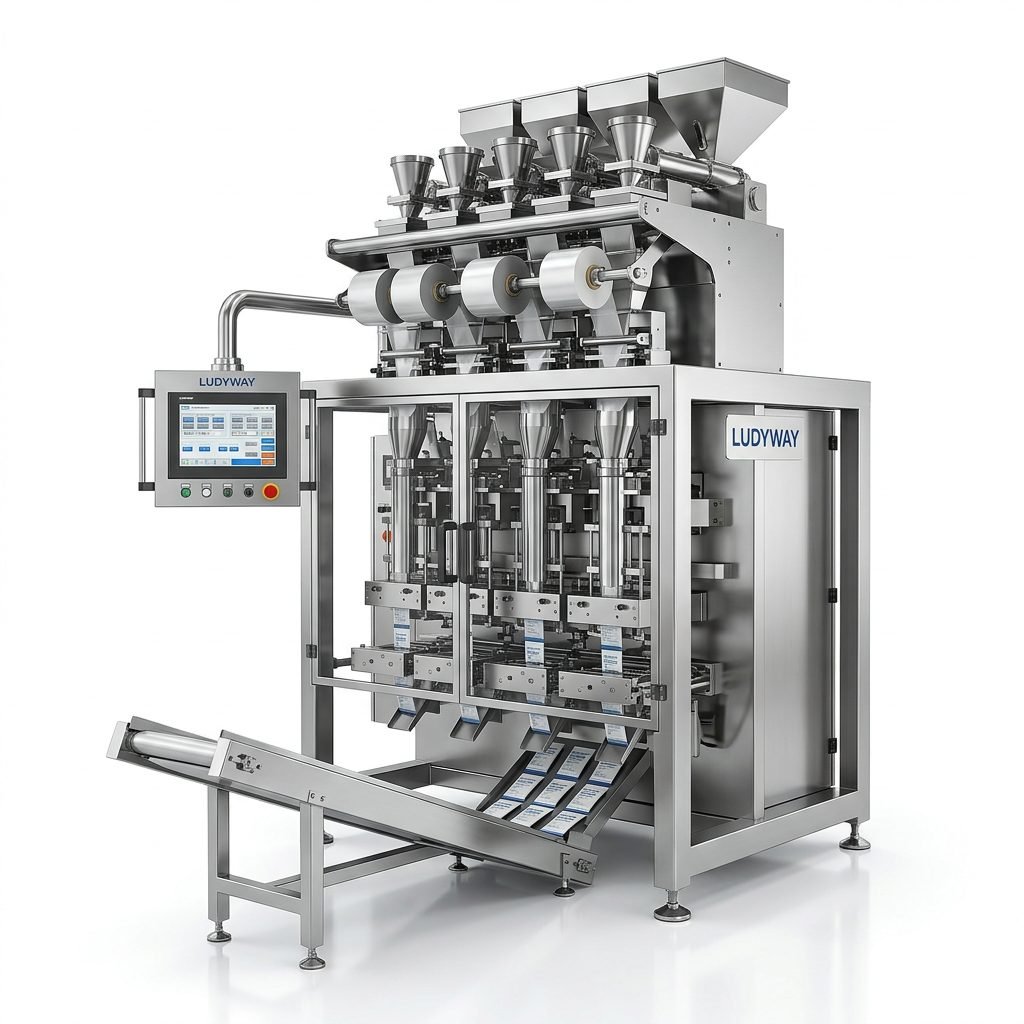
Partnering with an expert provider like Ludyway Packing Machine, which brings over 30 years of industry experience, can be instrumental in developing such integrated solutions. Their approach to providing turnkey production solutions ensures that machinery and material workflows are designed in harmony from the outset.
Benefits of Advanced Packaging Automation
Investing in modern industrial packaging systems delivers a compelling return on investment across multiple dimensions.
Increased Throughput & Labor Savings: Automated systems operate at constant speeds far exceeding manual capabilities, freeing staff for higher-value tasks and reducing reliance on seasonal labor.
Enhanced Consistency & Reduced Damage: Machines apply the same force, tension, and placement every time, minimizing human error and dramatically lowering product loss rates from inadequate packaging.
Optimized Material Usage: Intelligent systems control the amount of tape, film, or void fill used, reducing waste and directly cutting consumable costs. Right-sizing boxes also saves on corrugated material and shipping freight.
Improved Safety & Ergonomics: Automation eliminates repetitive strain injuries associated with manual boxing, sealing, and palletizing, creating a safer workplace.
Data & Traceability: Modern equipment often includes IoT connectivity for monitoring production counts, machine status, and maintenance alerts, providing valuable data for process optimization.
Implementing Your Packaging Solution: A Strategic Approach
Successfully upgrading packaging operations requires careful planning.
- Process Audit: Analyze current workflows to identify bottlenecks, peak volume periods, and specific pain points (e.g., high damage rates on a particular product line).
- Define Requirements: Determine needed throughput (cases per hour), product size/weight ranges, required level of automation, and integration with existing Warehouse Management Systems (WMS) or conveyor lines.
- Partner Selection: Choose a supplier with proven expertise in your industry and the capability to provide comprehensive support, from customized engineering to after-sales service and parts supply.
- Phased Implementation & Training: Roll out new systems in phases to minimize disruption. Ensure thorough operator and maintenance technician training is part of the project plan.
For businesses seeking reliable and innovative packaging automation, exploring the range of intelligent packaging machine models available from experienced providers is a crucial first step toward building a more resilient and efficient supply chain.
Frequently Asked Questions (FAQs)
1. How do I justify the ROI for automated packaging equipment?
Justification typically comes from calculating hard savings: labor reduction (hours saved x wage), material savings (reduced waste and optimized sizing), and damage cost avoidance. Soft benefits like increased throughput capacity, improved safety, and enhanced customer satisfaction from reliable delivery also contribute significantly to the total value proposition.
2. Can automated systems handle the variety of box sizes we use?
Yes. Many modern case sealers and erectors are “random-size” or “automatic-size” machines. They use sensors to measure each box’s dimensions and automatically adjust guiding rails, tape head placement, or folding mechanisms accordingly, allowing you to run multiple box sizes in a single, uninterrupted sequence without manual changeover.
3. What is the difference between a turnkey solution and just buying a machine?
Buying a machine is a transactional purchase of hardware. A turnkey solution is a complete project delivered by a single provider. It includes system design, equipment selection/supply, integration with existing lines, installation, commissioning, operator training, and often ongoing support. It ensures all components work together seamlessly from day one.
4. How important is after-sales service and technical support?
It is critically important. Packaging equipment is integral to your operations. A breakdown can halt shipping. Choose a supplier known for reliable technical support, readily available spare parts, and possibly remote diagnostics. Providers with strong engineering capabilities and a commitment to long-term cooperation can be invaluable partners.
5. We have limited floor space. Are compact solutions available?
Absolutely. Many equipment manufacturers design space-efficient models, including vertical palletizers, compact inline baggers, and modular systems that can be configured to fit tight layouts. Discussing spatial constraints with your solution provider during the planning phase is essential for an optimal layout.