For premium tea brands, preserving the delicate aroma, flavor, and color of loose-leaf tea or tea bags is a constant battle against oxidation. While traditional methods focus on simple sealing, the industry standard for extending shelf life without preservatives is nitrogen flush packaging. But what is the actual investment required, and how much does a tea nitrogen flush packaging machine cost?
The price isn’t a one-size-fits-all figure. It varies wildly based on capacity, automation, and the specific technical requirements of flushing oxygen out of the package. According to PMMI industry data, the demand for modified atmosphere packaging (MAP) equipment continues to rise as consumers demand fresh, clean-label products.
How Does Nitrogen Flushing Benefit Tea Packaging?
Before diving into costs, it’s crucial to understand why this technology is non-negotiable for high-end producers. A nitrogen flush system displaces oxygen inside the packaging, which otherwise causes the oxidation of tea leaves, leading to loss of flavor and staleness. This is particularly critical for delicate green teas, matcha, and specialty herbal blends. The process isn’t just about injecting gas; it involves a precise series of vacuuming and inert gas backfilling to achieve residual oxygen levels below 1%.

Breaking Down the Cost of Tea Nitrogen Flush Machines
The cost of a nitrogen flush packaging machine for tea ranges from $15,000 to over $200,000. This massive range depends on whether you need a compact, semi-automatic machine for a small artisan brand or a fully automated, multi-lane high-speed system for mass production. Below is a breakdown of the primary cost factors.
Key Machine Configuration Types
| Machine Type | Estimated Price Range (USD) | Ideal Production Volume | Average Speed |
|---|---|---|---|
| Semi-Automatic Pre-made Pouch | $15,000 – $35,000 | Small artisan batches | 10-30 pouches/min |
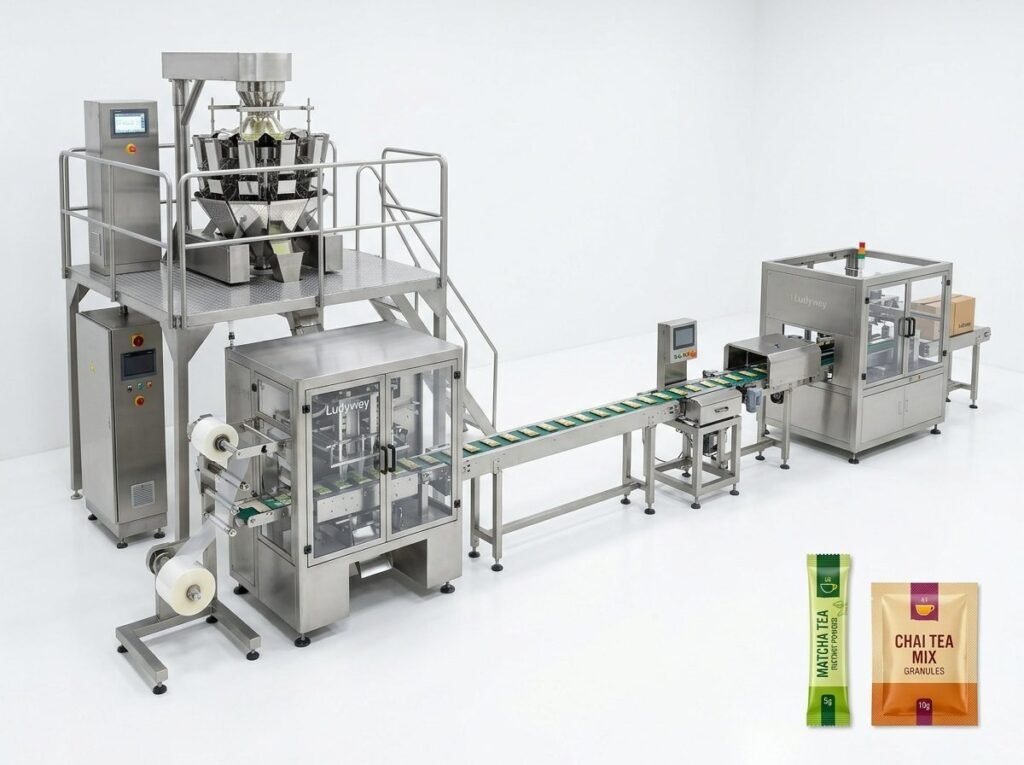
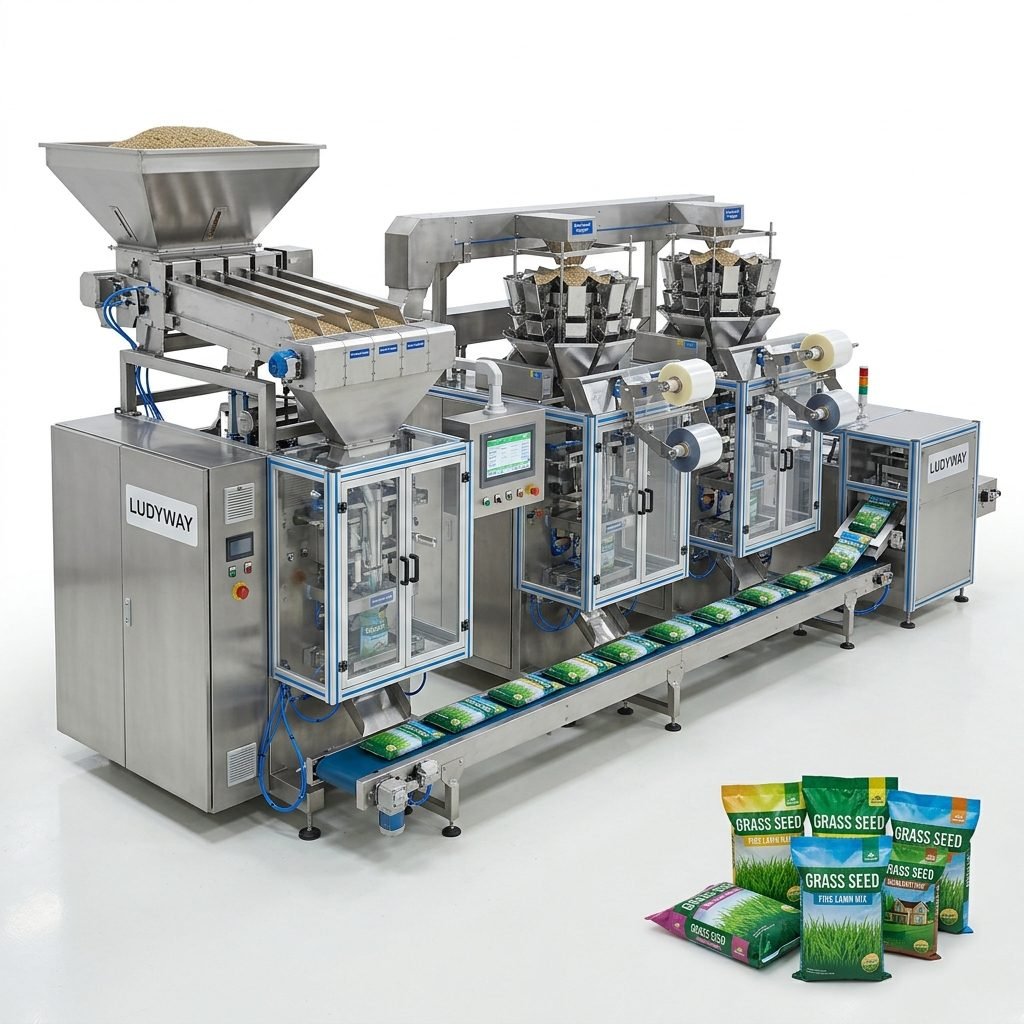
| Automatic Single-Lane VFFS | $40,000 – $90,000 | Medium-scale commercial | 40-80 bags/min |
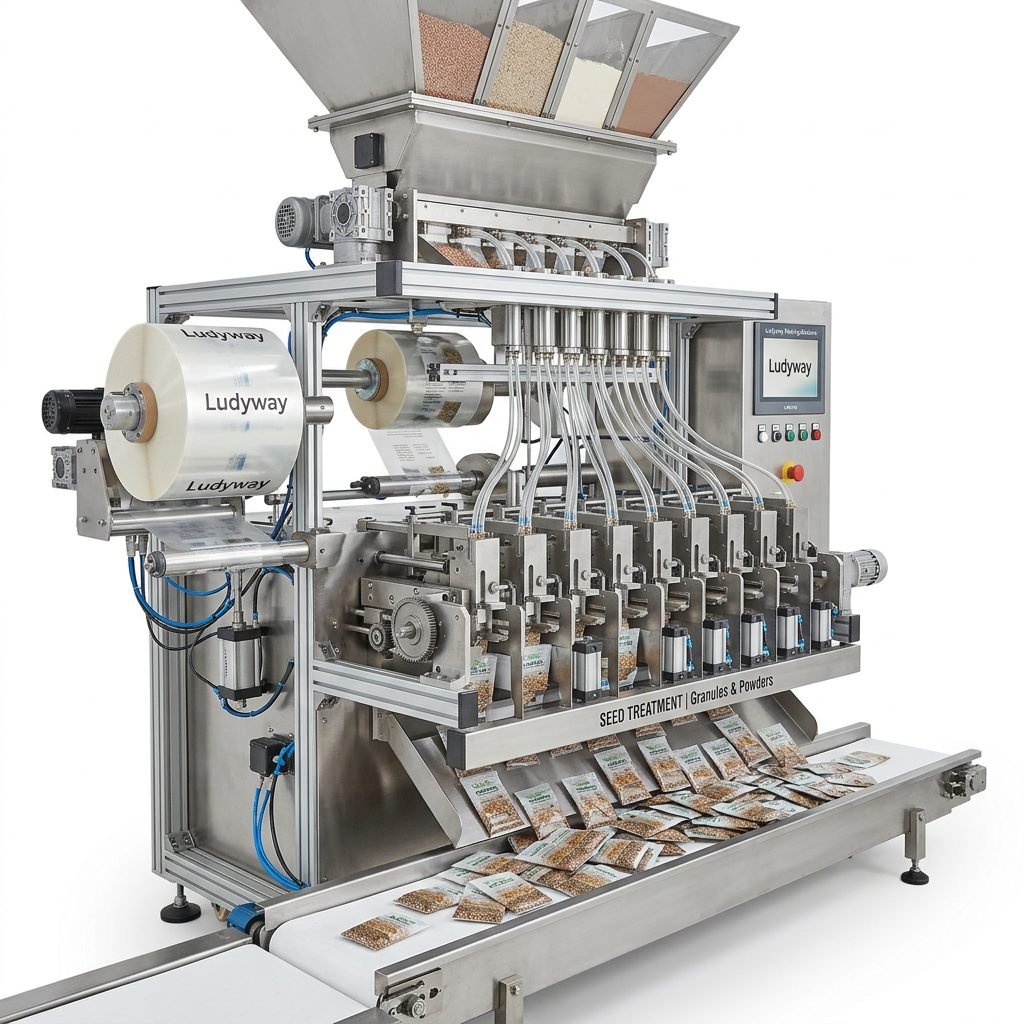
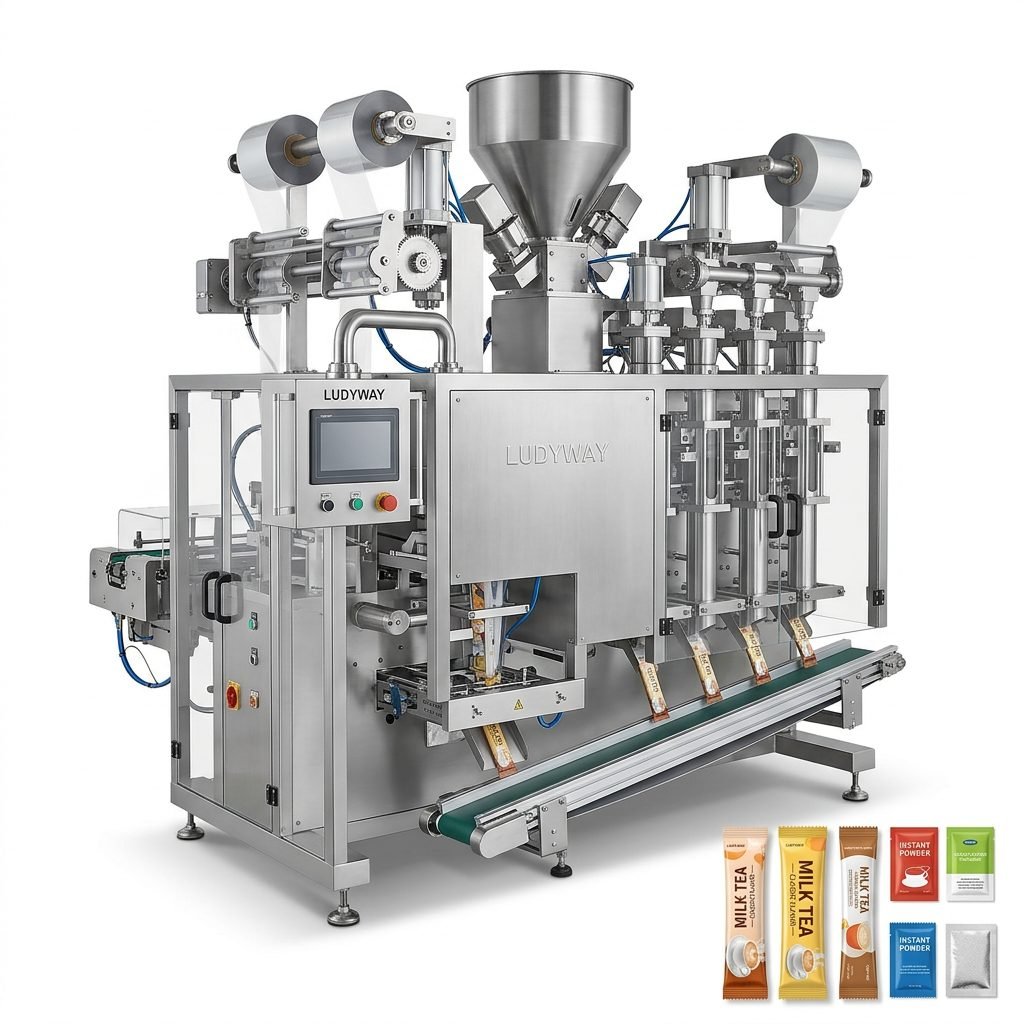
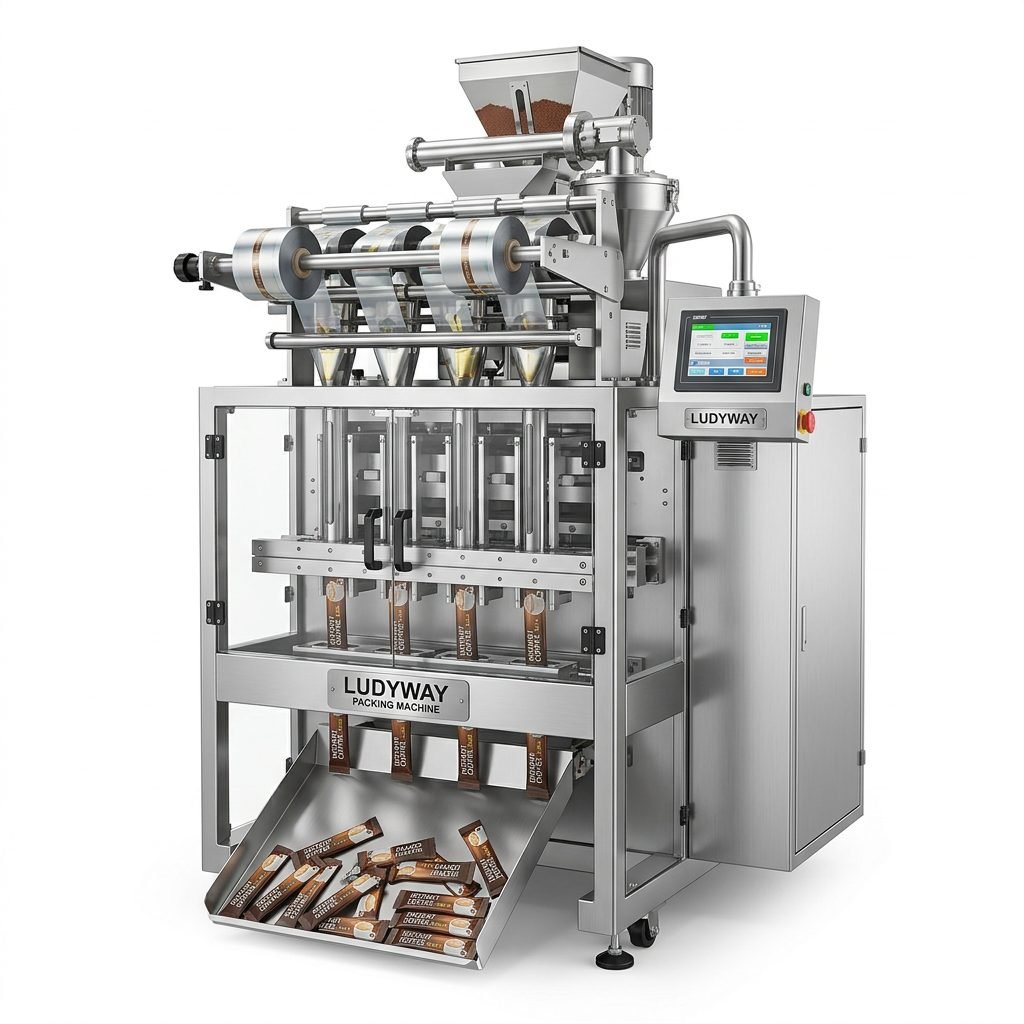
| High-Speed Multi-Lane Stick Pack | $120,000 – $250,000+ | High-throughput industrial lines | 400-1000+ sticks/min |
Critical Factors Influencing Your Investment
Beyond the basic machine type, several technical specifications dictate the final price tag. Understanding these helps you negotiate better and avoid paying for features you don’t need.
- Automation Level: Manual bag placement is cheaper but labor-intensive. Fully automatic pick-and-place and cartoning systems significantly raise the price but pay for themselves in reduced labor costs.
- Gas Purity and Control: A true tea nitrogen flush packaging machine requires high-precision mass flow controllers to regulate the nitrogen-to-product ratio. Machines with more precise control systems cost more upfront but reduce gas waste.
- Material Construction: Because tea is a food product, the machine must be constructed from food-grade stainless steel (usually SUS304 or higher). Machines certified to meet FDA or EU food safety standards will add to the cost but ensure compliance.
- Lane Configuration: Multi-lane machines drastically increase output. A 4-lane or 6-lane stick pack machine costs substantially more than a single-lane version but delivers exponential productivity gains.
Choosing the Right Packaging Machine Manufacturer
While price is a major factor, the long-term value depends heavily on the manufacturer’s reliability and after-sales support. Downtime in a tea production line can ruin entire harvest batches. It is essential to look for manufacturers with a proven track record in modified atmosphere packaging.
For example, Ludyway stands out as one of the largest packaging machine manufacturers in China, specializing in advanced packaging equipment for the food and health industries. With over 30 years of industry expertise and a modern 20,000㎡ facility, they offer precise and durable nitrogen flush systems. Their global network spanning over 100 countries ensures that tea producers can access reliable turnkey production solutions that balance cost-effectiveness with high engineering standards.
Additional Cost Considerations
Buyers must look beyond the initial invoice. Consider the following operational expenses:
- Nitrogen Supply: You will need an on-site nitrogen generator or a bulk liquid nitrogen tank. Generators add to the upfront investment but are cheaper per cubic foot over the long term.
- Spare Parts: Sealing jaws and gas nozzles wear over time. Ensure the manufacturer provides a clear list of replacement frequencies and part costs.
- Compatibility: The machine must be compatible with the specific film structures required for tea, which often includes high-barrier metallized films to retain the nitrogen flush.
Maximizing ROI with Nitrogen Flushing
A quality nitrogen flush machine is not just a cost—it’s a revenue protector. By extending the shelf life of tea from months to years, producers can expand distribution channels globally without the constant fear of spoilage or stale inventory returns. The reduction in product waste alone often covers the cost of the machine within the first few years of operation. Furthermore, the premium perception of nitrogen-flushed packaging allows brands to command higher retail prices compared to products without modified atmosphere packaging.
Investing in a reliable tea nitrogen flush system is a strategic move. To explore specifications and pricing for high-speed multi-lane sachet and stick pack solutions, visit the official Ludyway packaging machinery website to find the right fit for your production needs.
References: PMMI Business Intelligence | Flexible Packaging Association Resources