Selecting the right industrial packaging equipment is a critical decision that impacts production efficiency, product integrity, and overall operational costs. With a vast array of systems available, understanding the different types, their specific applications, and the key factors for selection is essential for any manufacturing or processing business. This guide provides a comprehensive overview to help you navigate the complex landscape of packaging machinery.
Core Types of Industrial Packaging Equipment
The world of packaging machinery is diverse, with each type designed for a specific form, function, and production speed. Here’s a breakdown of the primary categories.
1. Filling Machines
These machines are responsible for accurately dispensing product into containers, pouches, or other primary packages. Accuracy and speed are their hallmarks.
Volumetric Fillers: Use cups, augers, or pistons to measure a set volume of product. Ideal for granules, powders, and pastes where consistent volume is acceptable.
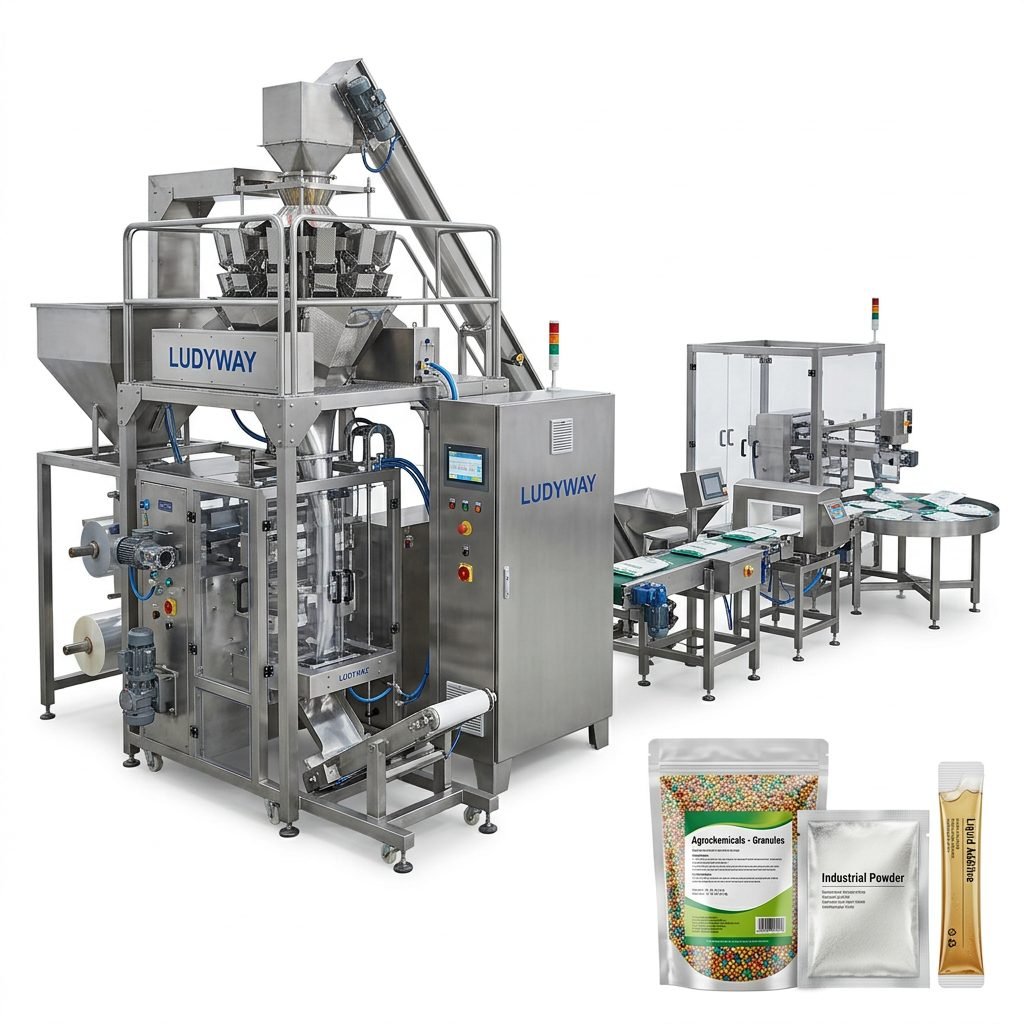
Gravimetric Fillers (Net Weighers): Weigh each dose for supreme accuracy. Crucial for high-value products or where weight is a regulated metric.
Liquid Fillers: Include pump, gravity, and pressure-based systems for filling bottles, cans, and vials with beverages, oils, or chemicals.
2. Sealing Machines
Once filled, the package must be securely closed. Sealing technology varies greatly by packaging material.
Heat Sealers: Apply heat and pressure to melt and fuse thermoplastic layers in pouches, sachets, and stick packs. This is the standard for flexible packaging.
Cap Sealing / Capping Machines: Automatically apply and torque screw caps, snap caps, or press-on lids onto bottles and jars.
Induction Sealers: Create a hermetic, tamper-evident seal under bottle caps using electromagnetic induction, common in pharmaceuticals and food.
3. Form-Fill-Seal (FFS) Machines
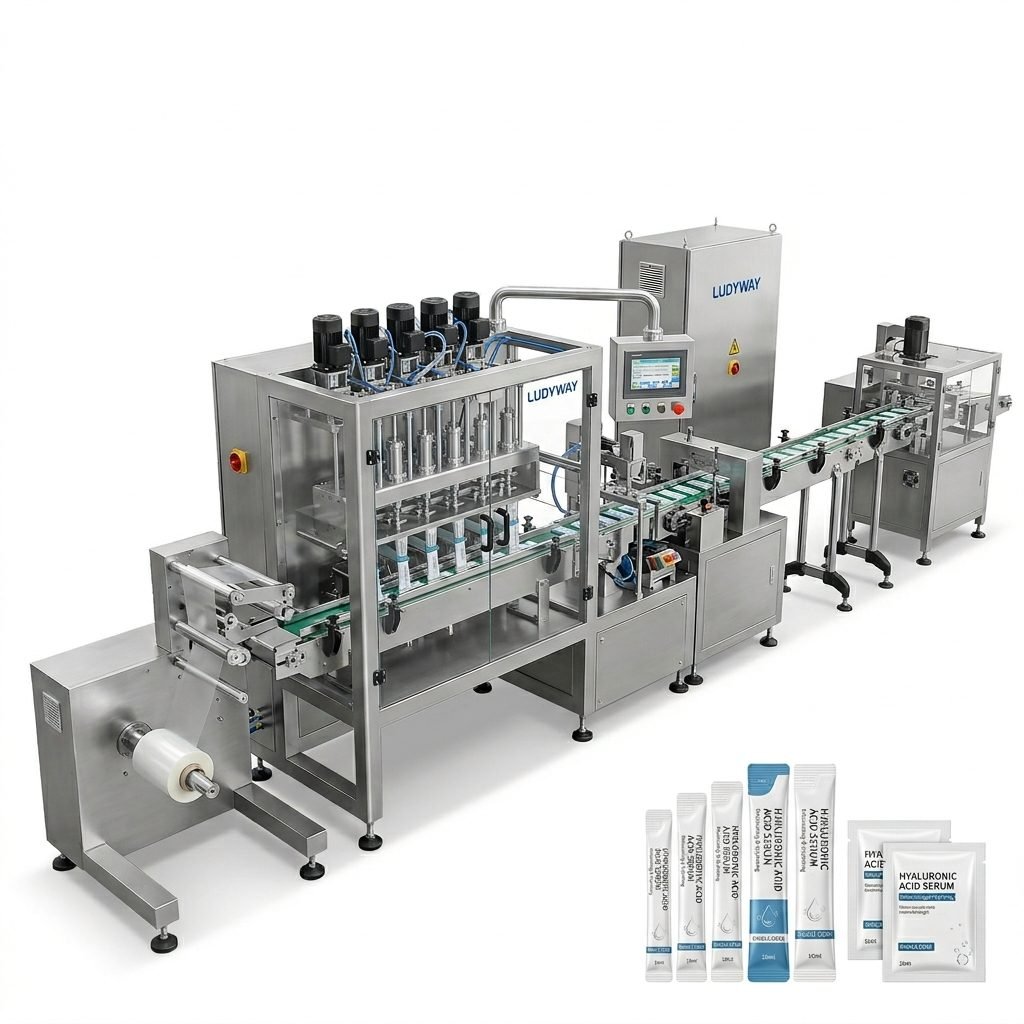
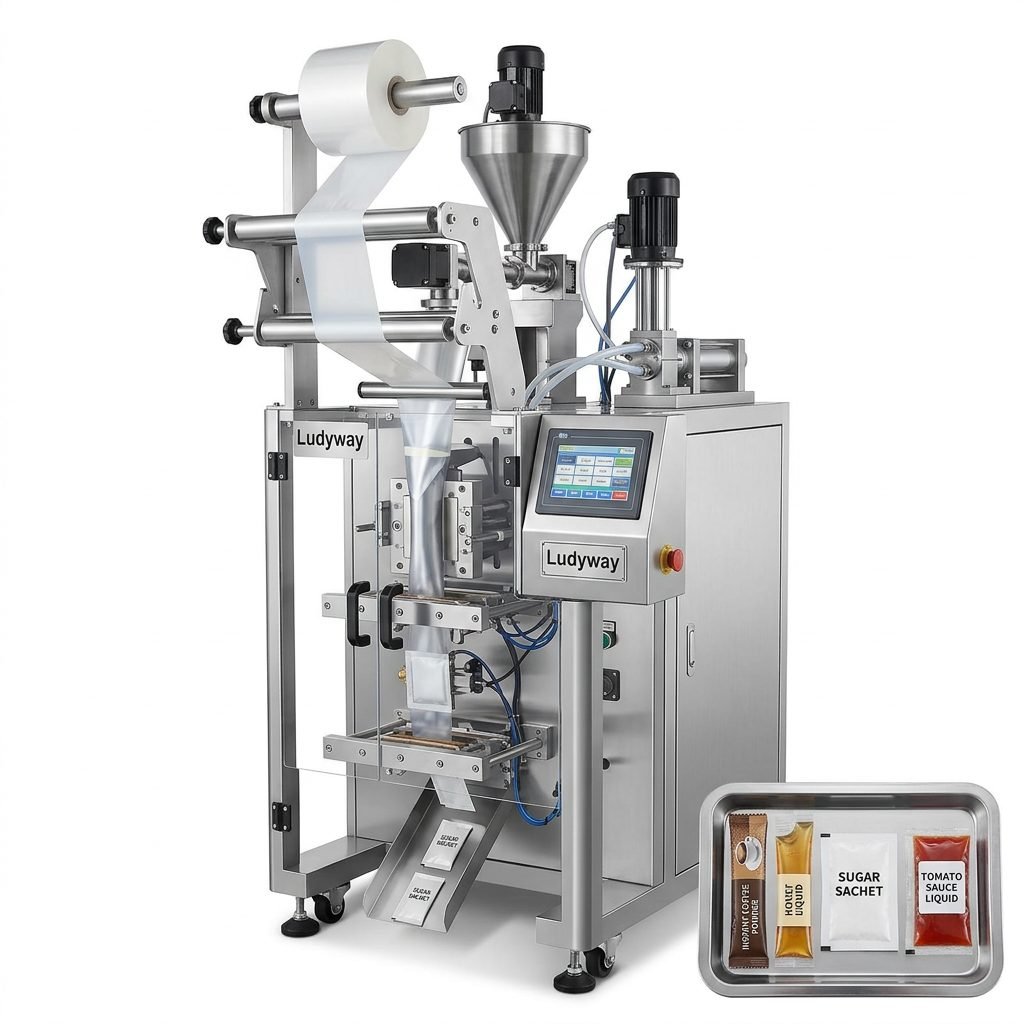
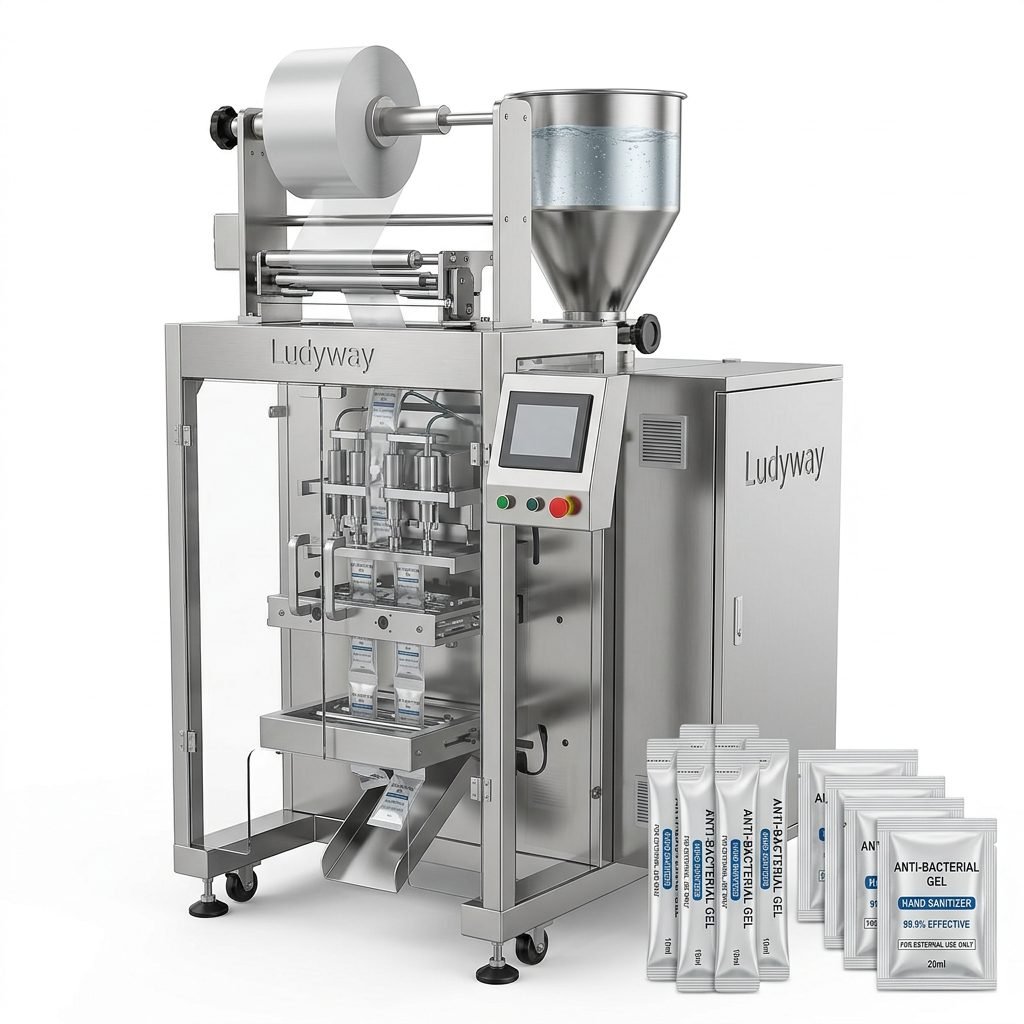
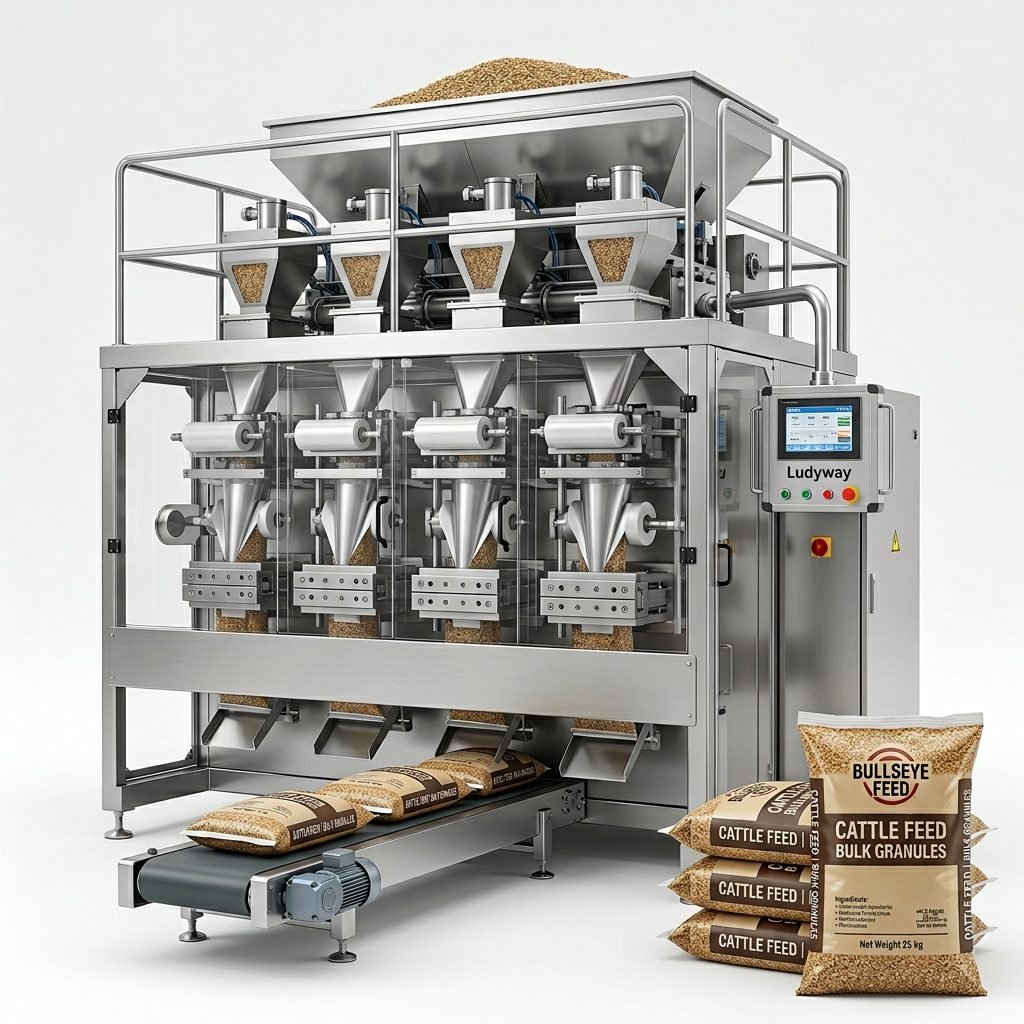
These highly automated systems create the package from a roll of film, fill it with product, and seal it—all in one continuous operation. They are the backbone of modern flexible packaging.
Vertical Form-Fill-Seal (VFFS)
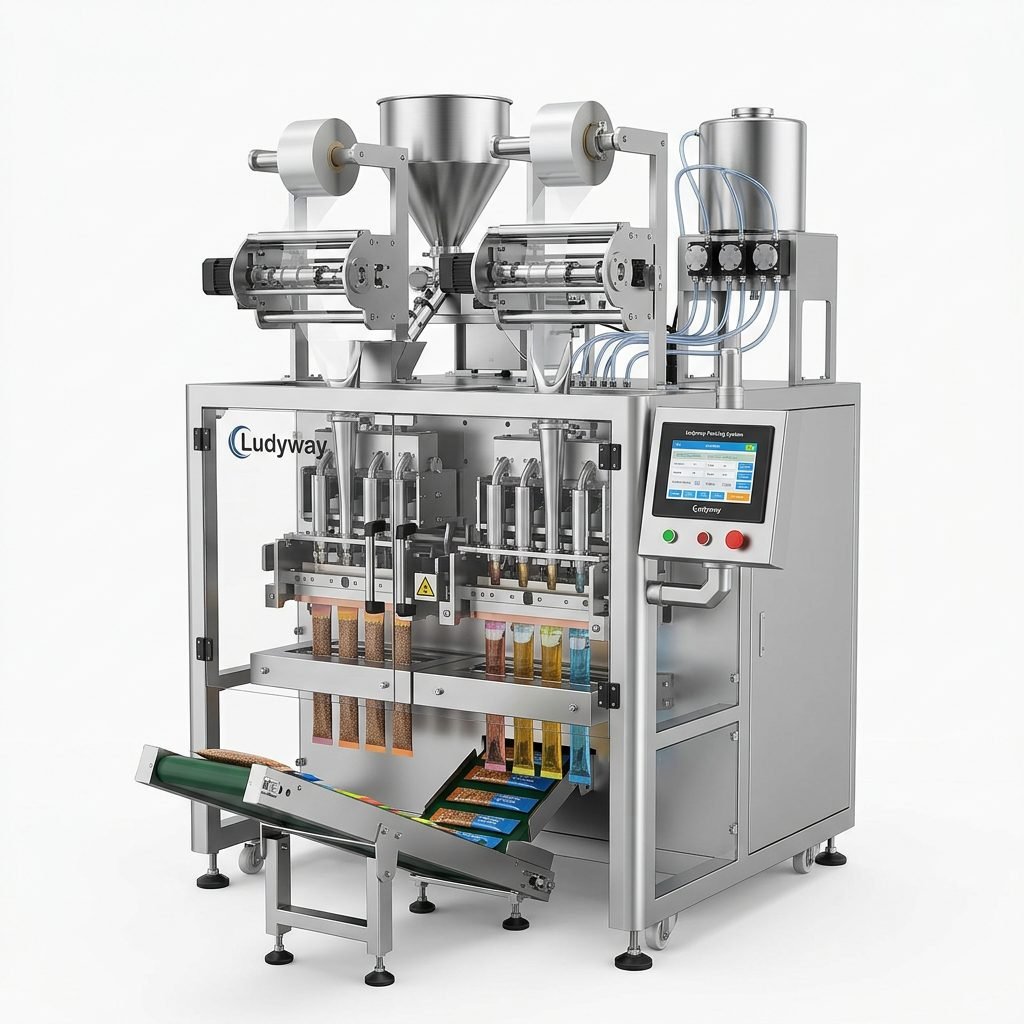
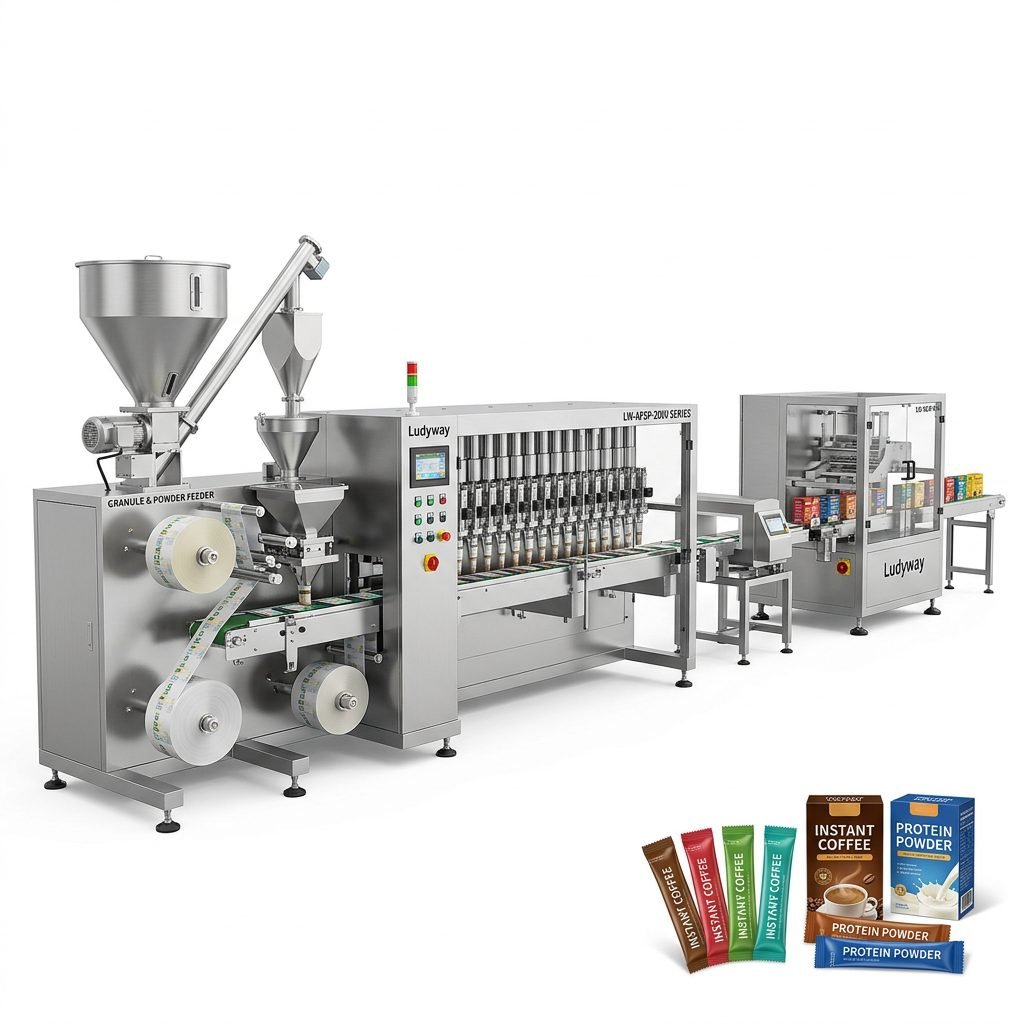
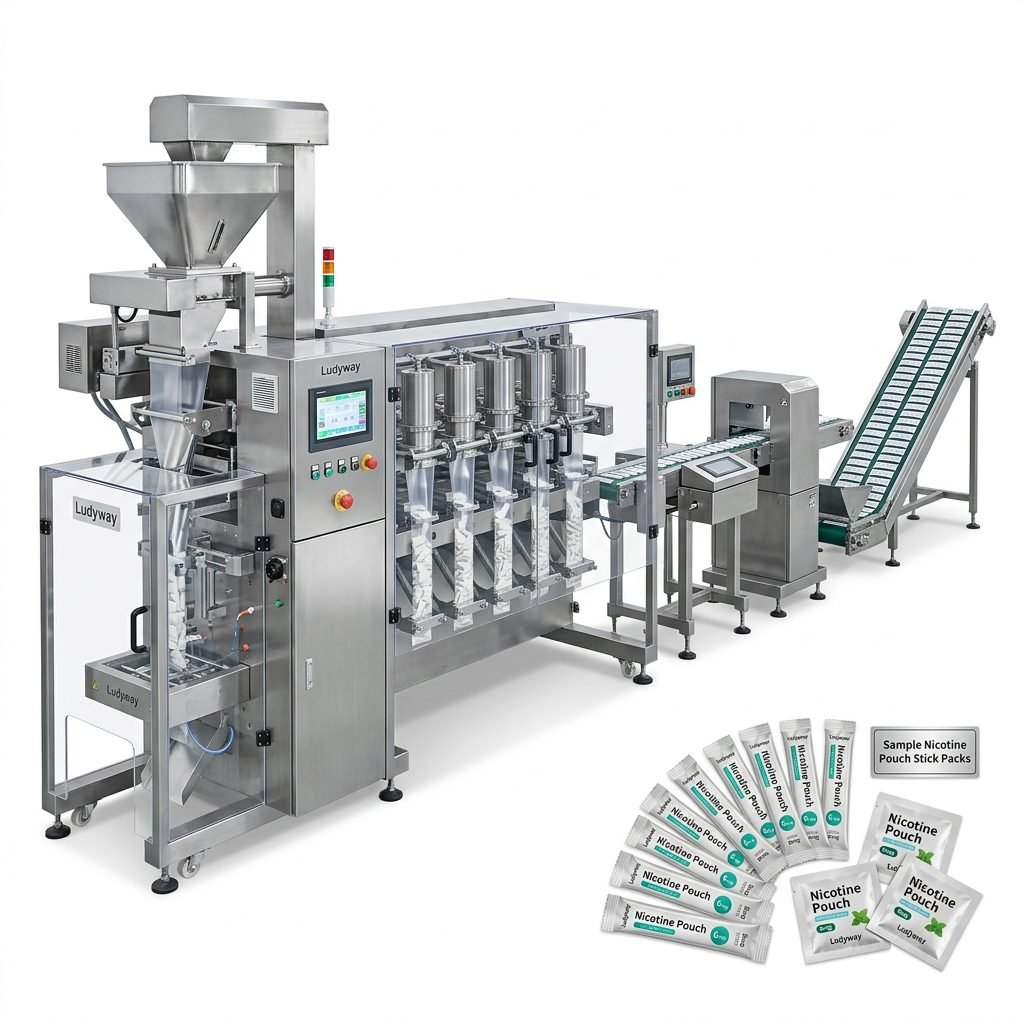
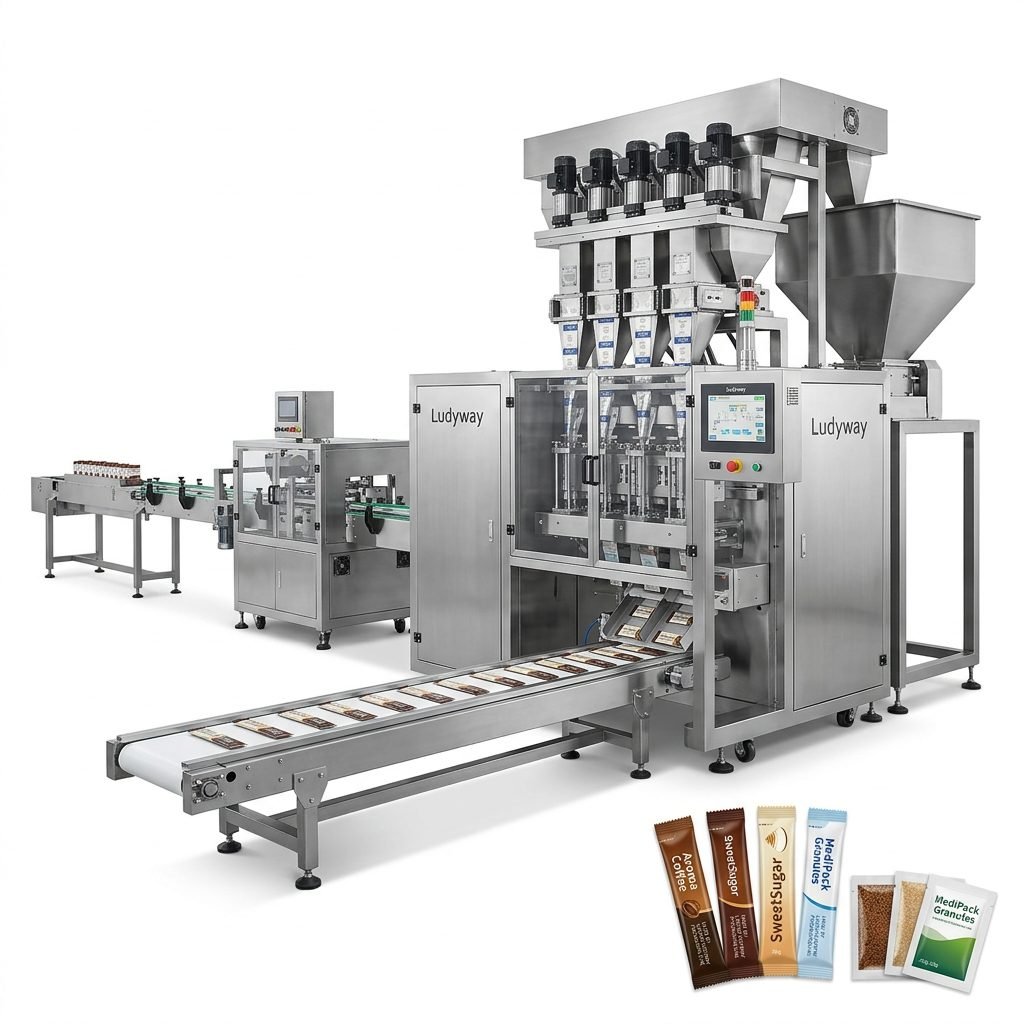
The film is formed into a vertical tube, filled, and then sealed horizontally. Perfect for granules, powders, snacks, and liquids in pillow pouches. Machines like multi-lane stick pack systems are a sophisticated subset of VFFS technology, enabling high-speed production of small, precise doses.
Horizontal Form-Fill-Seal (HFFS)
The film is formed horizontally, ideal for placing multiple items (like biscuits or bars) into a single tray or flow-wrap package. Often used for more rigid or shaped products.
4. Labeling and Coding Equipment
This equipment applies vital information and branding to the package.
Label Applicators: Automatically apply pressure-sensitive (sticker) labels or wrap-around labels to containers with precise placement.
Inkjet and Laser Coders: Print variable data like batch numbers, expiry dates, barcodes, and logos directly onto the packaging surface.
Key Applications Across Industries
Packaging needs are dictated by the product’s nature and the industry’s regulatory environment.
Food & Beverage Industry
Demands high-speed, hygienic equipment capable of handling diverse products—from dry grains to viscous sauces. VFFS machines, liquid fillers, and cartoners are ubiquitous. The focus is on preserving freshness, preventing contamination, and appealing shelf presentation.
Pharmaceutical & Healthcare
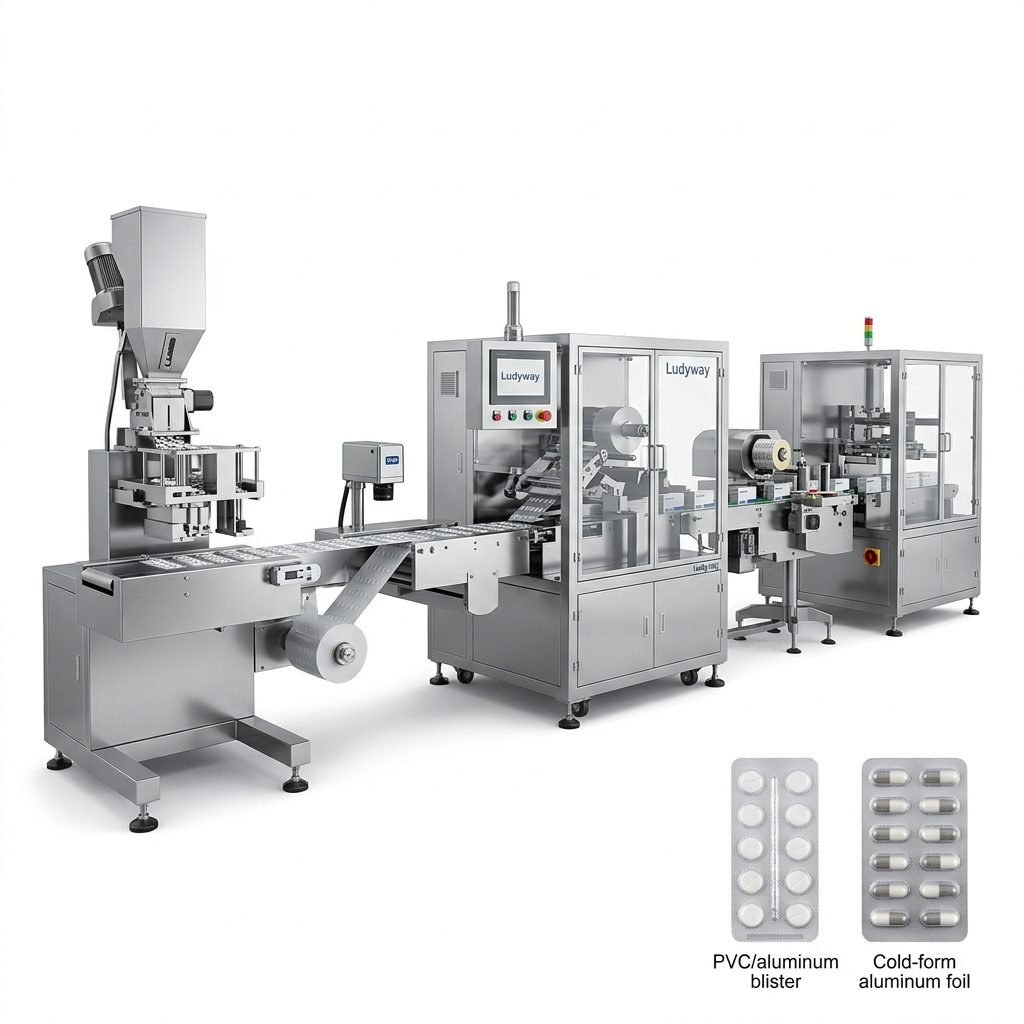
Precision, sterility, and compliance (e.g., cGMP) are non-negotiable. Equipment often features sanitary design, clean-in-place (CIP) systems, and extensive documentation. Applications include blister packing for tablets, sachet filling for powders, and accurate liquid filling for syrups or vials.
Chemical & Industrial Products
Durability and safety are paramount. Equipment must handle corrosive, abrasive, or hazardous materials. Heavy-duty fillers for drums, robust baggers for granules, and secure sealing systems are common.
How to Choose the Right Packaging System: A Step-by-Step Guide
Investing in packaging machinery is significant. A methodical selection process ensures you get a system that delivers a strong return on investment.
Step 1: Define Your Product and Package
✔ Product Characteristics: Is it solid, granule, powder, or liquid? What is its density, flowability, abrasiveness, or viscosity? This directly dictates the filling technology.
✔ Packaging Format & Material: Determine your final package: stick pack, sachet, bottle, can, or box? The material (film type, thickness, barrier properties) influences the sealing method.
Step 2: Analyze Your Production Requirements
Output Speed (Units/Minute/Hour): Calculate your required production rate both for current needs and future growth. Don’t under-specify or overpay for excessive speed.
Flexibility & Changeover: Will you run the same product forever, or do you need quick changeovers for different sizes or products? Modular designs can offer valuable versatility.
Step 3: Evaluate Machine Features and Build Quality
Look beyond the brochure. Inspect the construction materials (e.g., stainless steel grade for food/pharma), the quality of key components (servo motors, PLCs, sensors), and the ease of access for maintenance. A robust machine from a reputable supplier minimizes downtime.
Step 4: Consider Integration and Support
Integration: Will the machine stand alone or integrate into a full turnkey production line with upstream and downstream equipment (like conveyors, checkweighers, or robots)? Compatibility is key.
Supplier Support: The relationship with your machinery provider is long-term. Assess their technical support, availability of spare parts, training programs, and service response times. A supplier with deep industry experience can provide invaluable application expertise.
Step 5: Conduct a Total Cost of Ownership (TCO) Analysis
The purchase price is just the beginning. A thorough TCO analysis includes:
- Initial machine cost and installation.
- Cost of consumables (film, seals, energy).
- Estimated maintenance and spare part costs.
- Potential cost of downtime and production losses.
- Expected machine lifespan and residual value.
Often, a slightly higher initial investment in a more reliable, efficient system yields a much lower TCO over 5-10 years.
Conclusion
Navigating the selection of industrial packaging equipment requires a careful balance of technical understanding, operational needs, and strategic foresight. By systematically analyzing your product, output goals, and the capabilities of different machinery types—from versatile Form-Fill-Seal systems to precise fillers—you can make an informed investment. Partnering with an experienced provider who offers robust equipment and comprehensive support is crucial for ensuring long-term packaging efficiency, product quality, and production line success. The right system is not just a machine; it’s a foundational component of your operational reliability and market competitiveness.
Frequently Asked Questions (FAQs)
1. What is the main difference between volumetric and gravimetric filling?
Volumetric filling measures product by volume (using cups, augers) and is generally faster and more cost-effective for uniform, free-flowing products where exact weight is less critical. Gravimetric filling measures each dose by weight, offering superior accuracy essential for high-value products, regulatory compliance, or where weight is the sold metric (e.g., net weight labeling).
2. How do I know if a Vertical (VFFS) or Horizontal (HFFS) Form-Fill-Seal machine is right for me?
The choice primarily depends on your product. VFFS machines are ideal for free-flowing items like granules, powders, nuts, and liquids that can be fed vertically into a formed tube. HFFS machines are better suited for stacked, counted, or shaped solid items (like chocolate bars, biscuits, or medical devices) that need to be placed horizontally into a formed pocket or tray before sealing.
3. What are the key maintenance requirements for packaging machinery?
Regular maintenance is vital. Daily tasks include cleaning and visual inspection. Weekly or monthly schedules should involve lubricating moving parts, checking seals and wear parts (like augers or heating elements), and verifying calibration on scales and sensors. Always follow the manufacturer’s recommended maintenance plan and use genuine spare parts to ensure longevity and consistent performance.
4. Can one packaging machine handle multiple different products or package sizes?
Yes, many machines are designed with changeover flexibility. Look for features like tool-less change parts, servo-driven adjustments that can be saved as recipes in the HMI, and quick-release mechanisms. However, the ease and speed of changeover vary significantly between models. If you have frequent product switches, prioritize machines designed for fast, simple size changeovers.
5. Why is supplier support and experience as important as the machine itself?
Even the best machine may require setup adjustments, occasional troubleshooting, and routine servicing. A supplier with deep industry experience provides accurate application advice, preventing costly mismatches. Reliable technical support, readily available spare parts, and thorough training minimize costly production downtime. The supplier’s expertise becomes a critical extension of your own operational team.