Selecting the right industrial packaging machine is a critical decision that impacts production efficiency, product quality, and overall operational costs. This comprehensive guide explores the various types of packaging systems, their key features, and provides a structured framework to help you choose the perfect solution for your specific needs.
Understanding Core Packaging Machine Types
The industrial packaging landscape is diverse, with machines designed for specific tasks and product formats. Understanding these core types is the first step in making an informed choice.
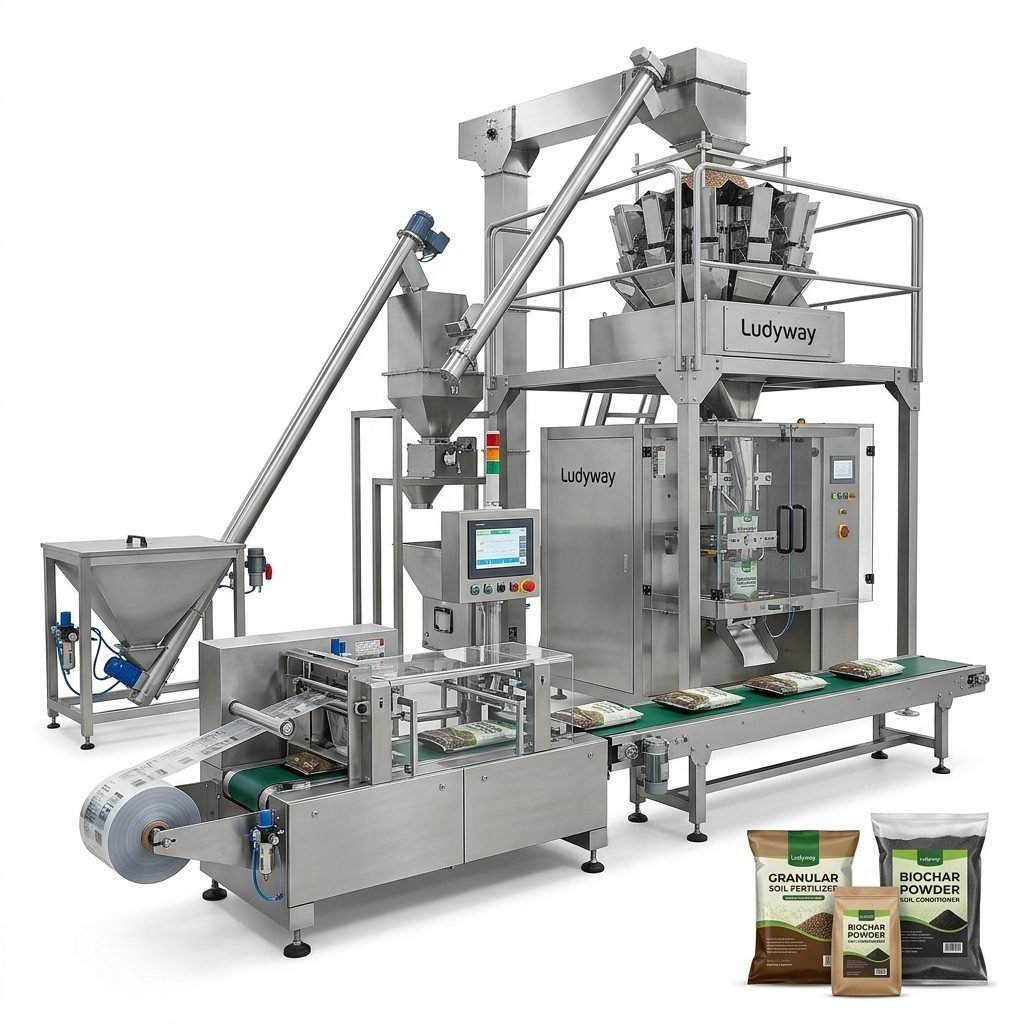
Vertical Form-Fill-Seal (VFFS) Machines
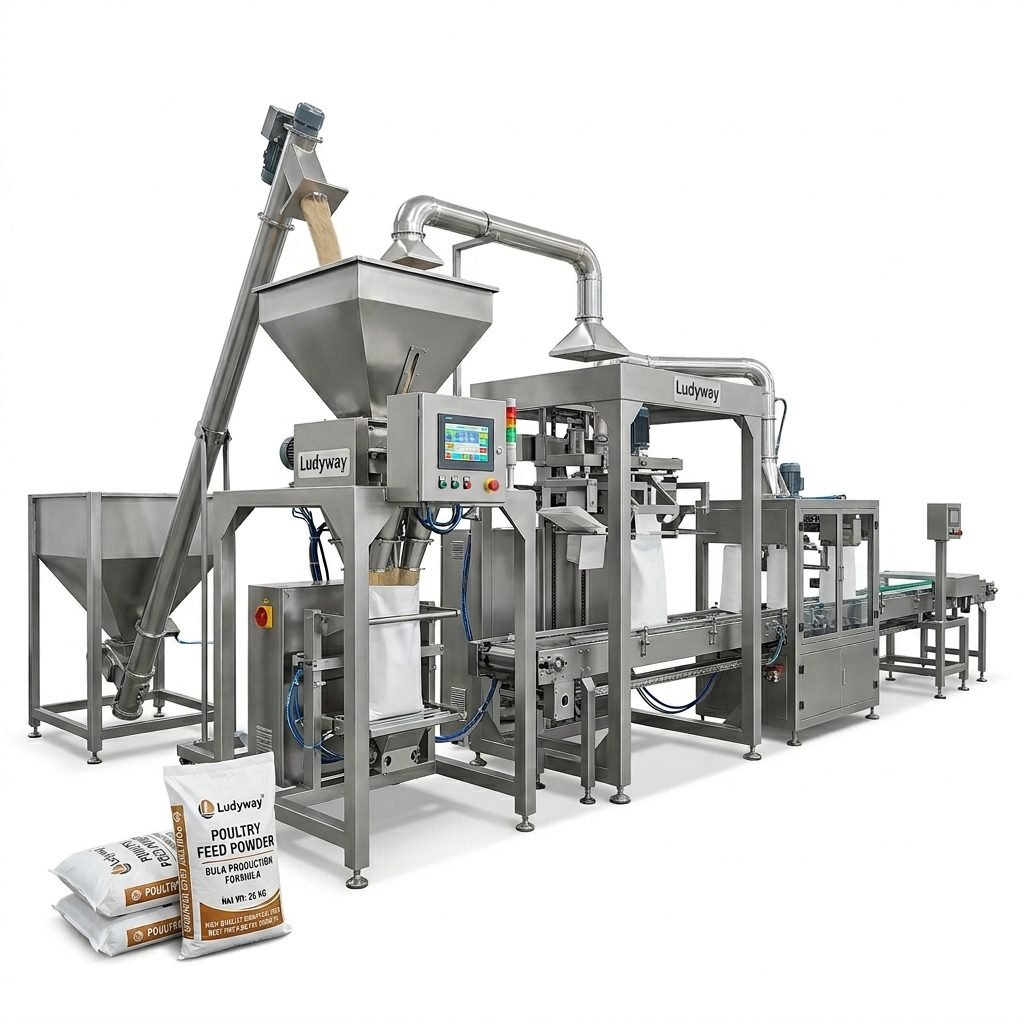
These are the workhorses of the packaging industry, ideal for granular, powdered, and small solid products like coffee, nuts, and spices. They form a bag from a roll of film, fill it with product, and seal it—all in a continuous vertical motion. Their versatility and high-speed capabilities make them a popular choice for many applications.
Horizontal Form-Fill-Seal (HFFS) Machines
Perfect for bundling multiple items, creating trays, or packaging products like cookies, candy bars, and medical devices. HFFS machines form packages horizontally and are excellent for creating attractive, shelf-ready presentations with features like easy-open tabs and clear viewing windows.
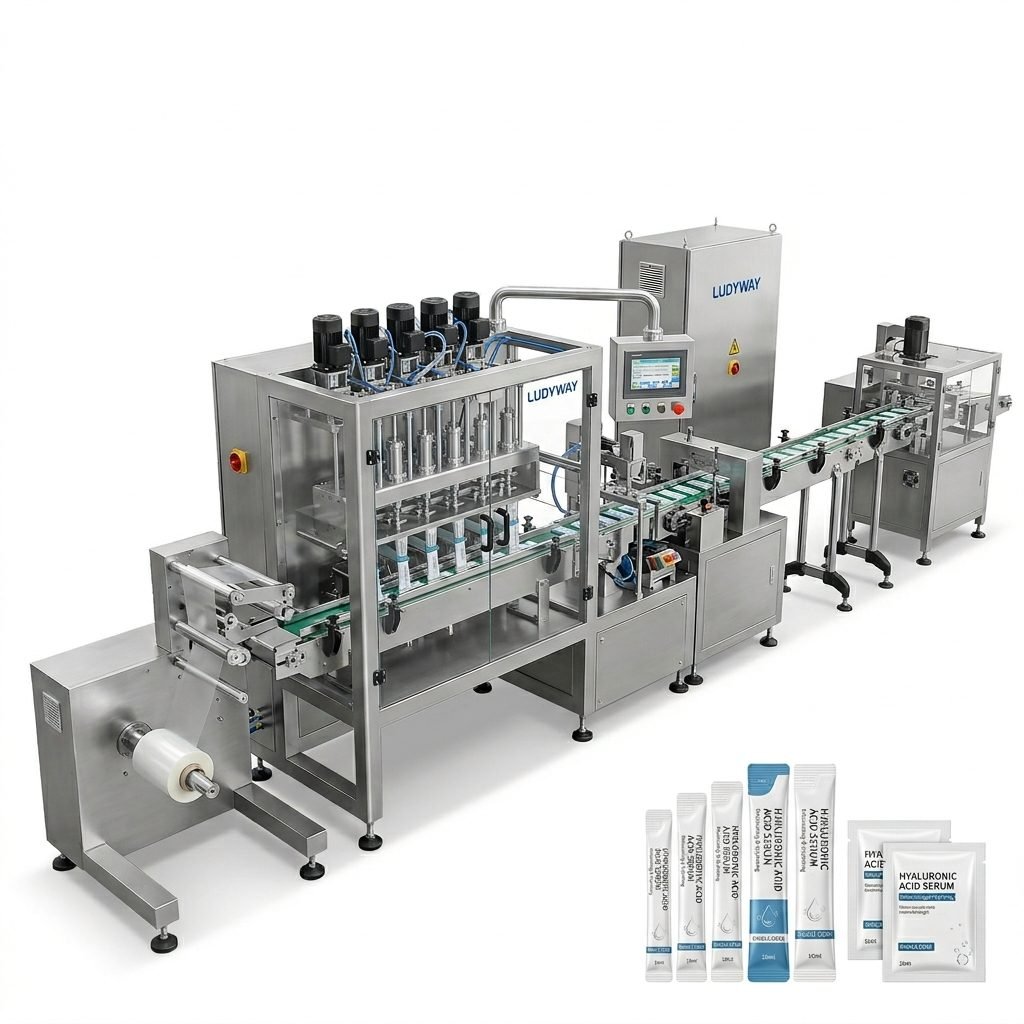
Liquid & Paste Filling Machines
Designed to handle viscous products such as sauces, creams, oils, and lotions. These systems range from simple piston fillers to sophisticated rotary filling lines that offer high accuracy and prevent contamination, crucial for the food and pharmaceutical industries.
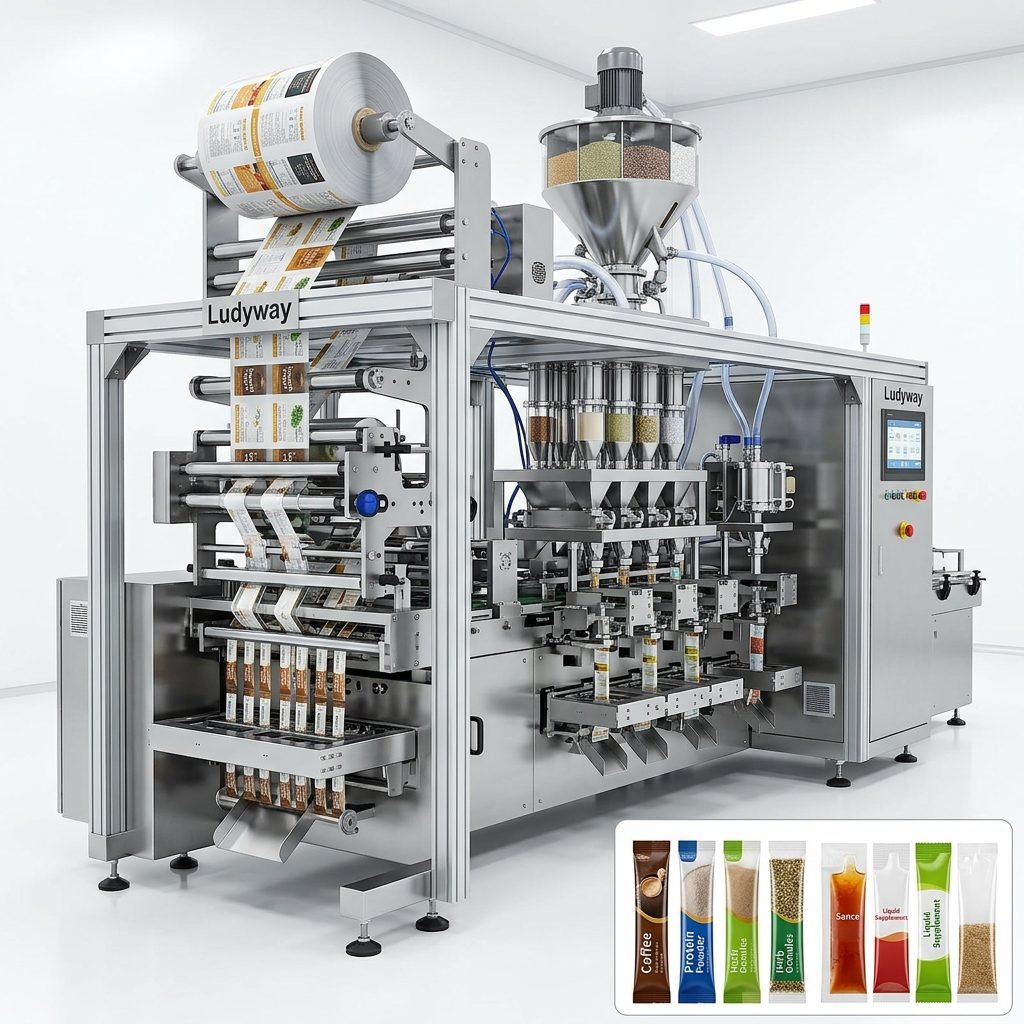
Stick Pack & Sachet Packaging Machines
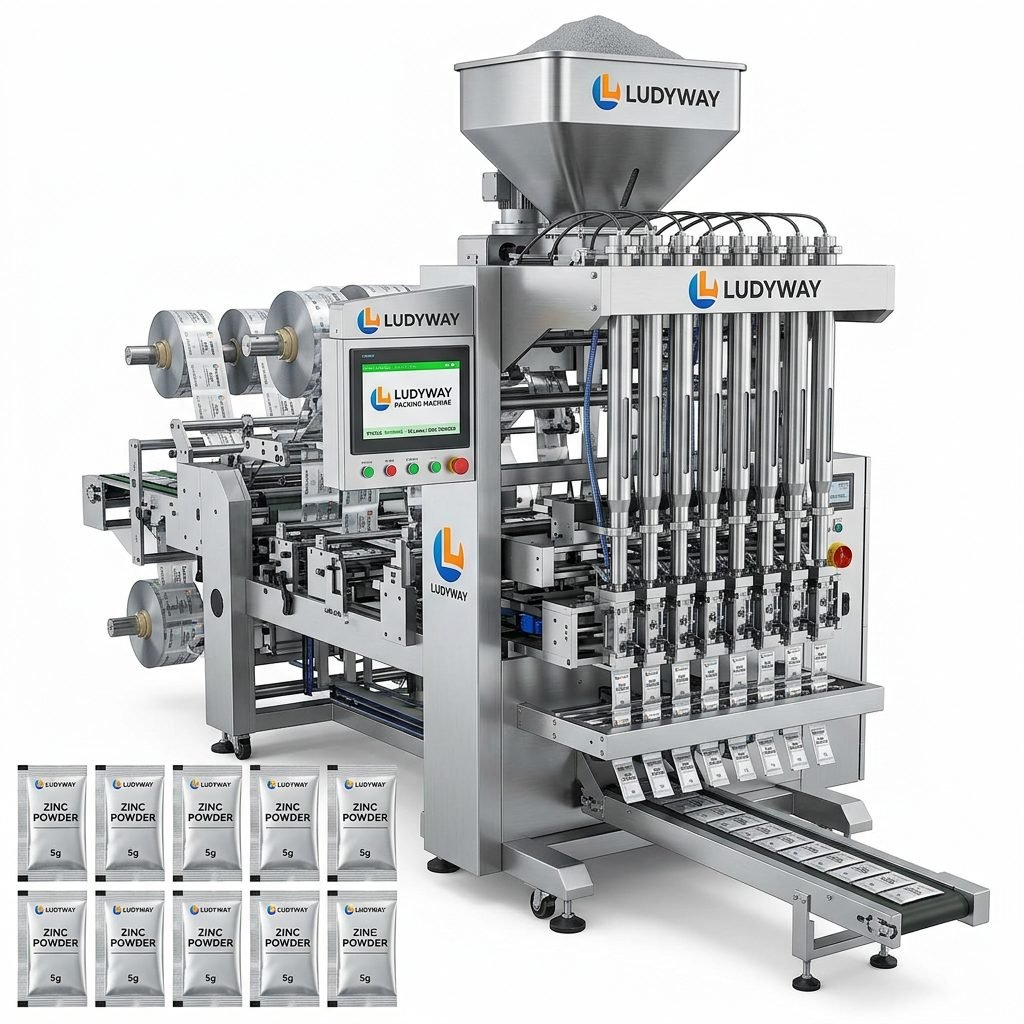
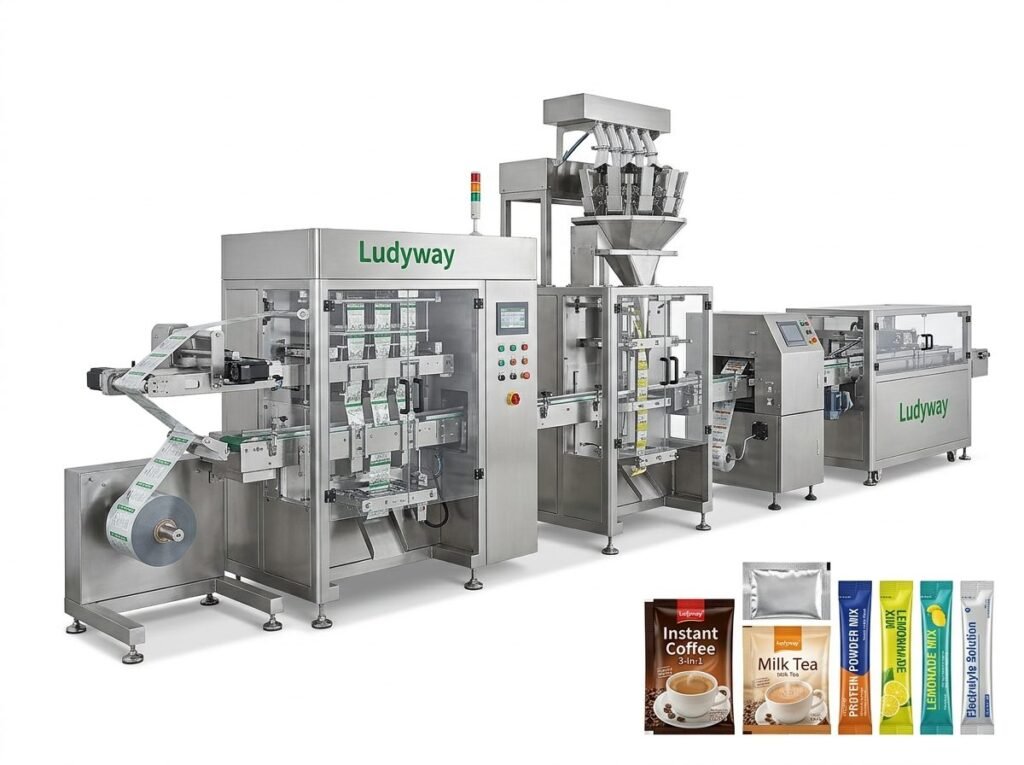
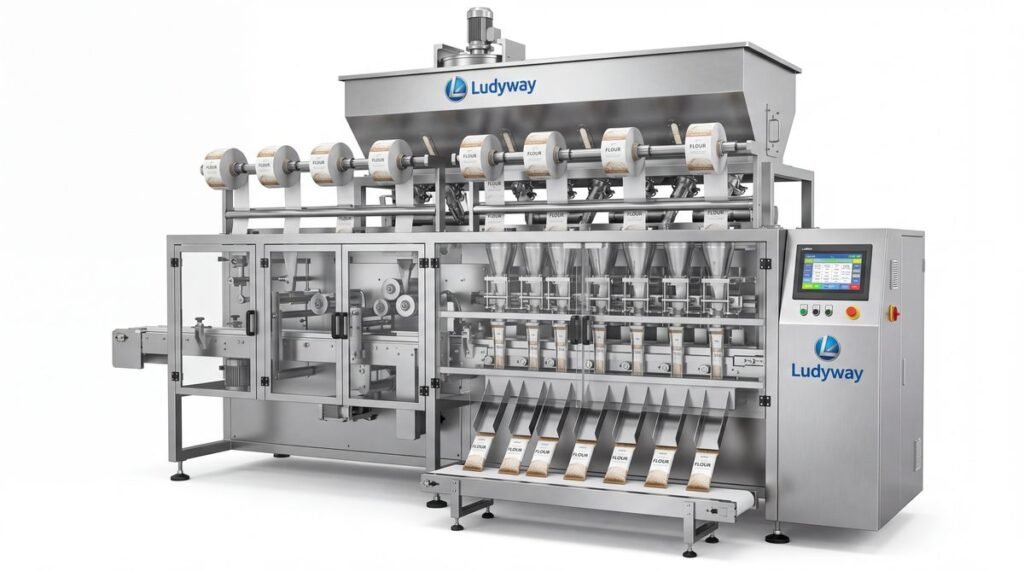
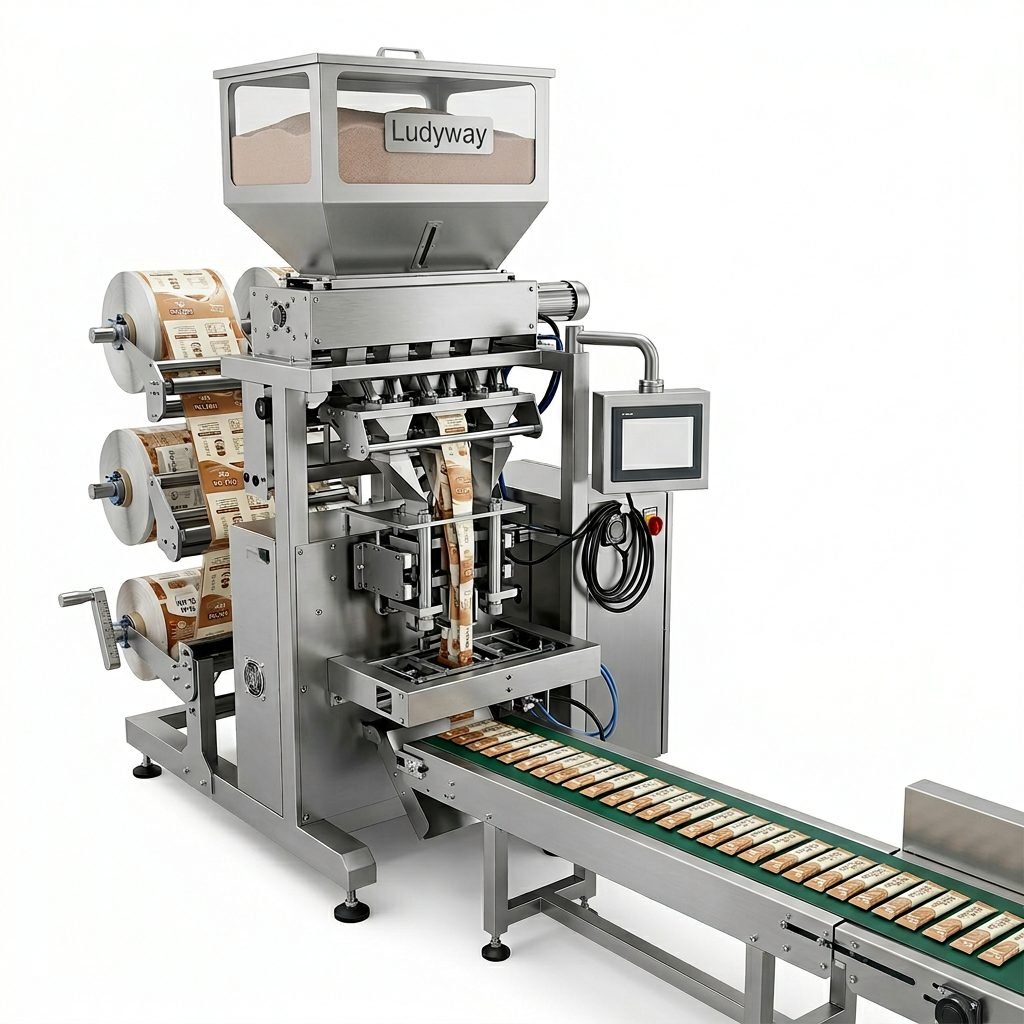
Specialized for single-serve portions of powders, liquids, or granules—think sugar, instant coffee, shampoo, or ketchup. Modern multi-lane stick pack machines, like those offered by Ludyway, provide exceptional output speeds, making them ideal for high-volume production of sample-sized or consumer unit-dose products.
Capping, Labeling, and Cartoning Systems
These are secondary packaging machines that complete the production line. Cappers secure bottles, labelers apply product information and branding, and cartoners collate and box finished products for shipment. Integrating these with primary packaging machines creates a seamless, automated line.
Key Takeaway:
Your product’s physical form (solid, granule, powder, liquid) and the desired final package style (bag, stick, sachet, bottle) are the primary determinants for narrowing down the machine type. A granulated tea manufacturer would likely need a VFFS machine, while a cosmetic company producing face cream samples would look at sachet machines.
Essential Features & Technological Considerations
Beyond the basic type, modern packaging machines come with a range of features that enhance performance, reliability, and ease of use.
Automation Level and Control Systems
From semi-automatic to fully automated robotic lines, the automation level dictates labor requirements and output speed. Look for machines with user-friendly touchscreen PLC (Programmable Logic Controller) interfaces that store recipes for different products, minimizing changeover time and operator error.
Speed and Production Capacity
Measured in packages per minute (PPM), this must align with your current and forecasted production volumes. Ensure the machine can reach your target speed consistently without compromising seal integrity or accuracy.
Accuracy and Precision
Critical for cost control and compliance, especially in food and pharmaceuticals. High-precision weigh cells, volumetric cups, or servo-driven pumps ensure each package contains the exact specified amount of product, reducing giveaway.
Flexibility and Changeover
If you run multiple products or package sizes, quick changeover is vital. Machines with tool-less adjustments and digital settings recall can reduce downtime from hours to minutes, increasing overall equipment effectiveness (OEE).
Hygiene and Construction
Machines for food or pharmaceutical use should have a sanitary design: stainless steel contact parts, easy-clean surfaces, and protection against dust and moisture ingress (IP ratings). Robust construction ensures longevity in demanding environments.
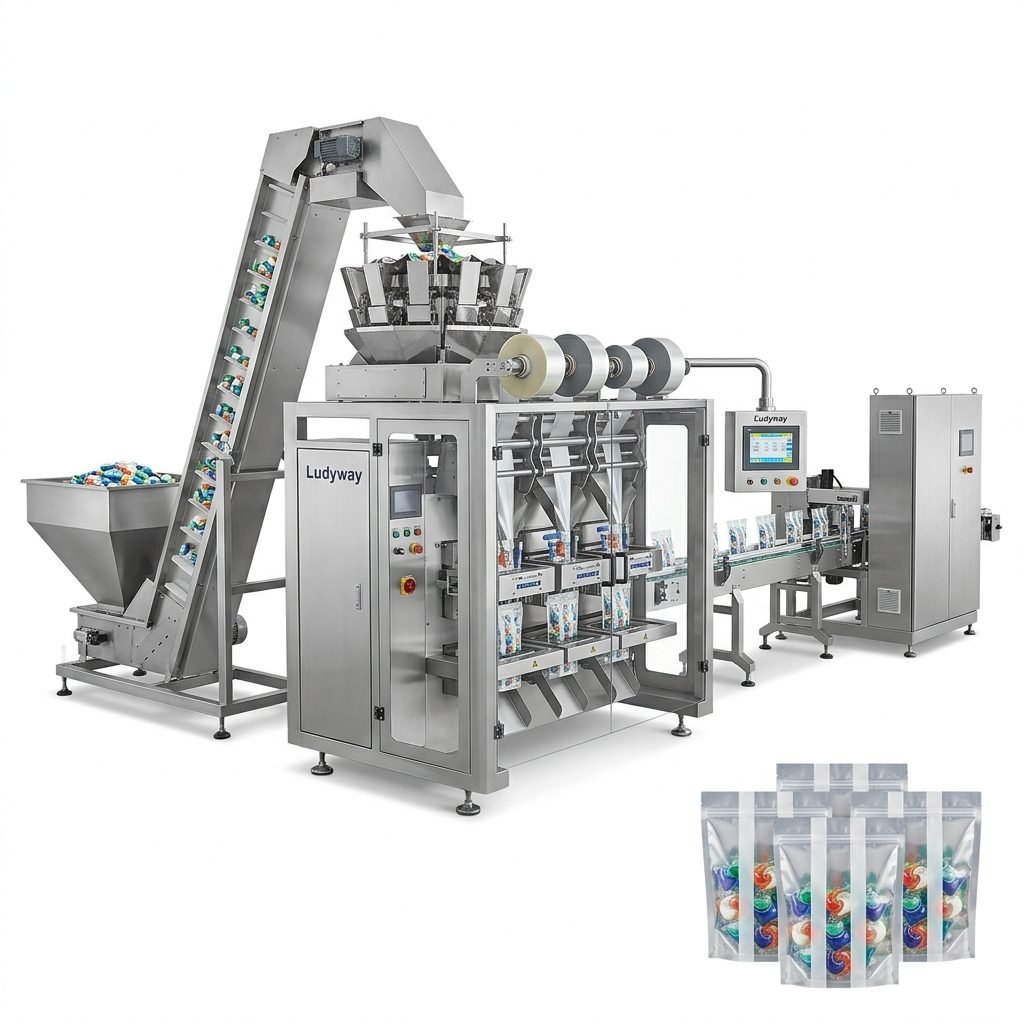
Integration Capabilities
The best machine fits into your ecosystem. Check compatibility with upstream (mixers, conveyors) and downstream (checkweighers, vision systems, cartoners) equipment for a cohesive production line. Professional suppliers often provide complete turnkey solutions.
A Step-by-Step Guide to Choosing the Right System
Making the final selection requires a methodical approach that balances technical needs with business realities.
Step 1: Define Your Product and Packaging Specs
Document everything: product characteristics (abrasive, oily, hygroscopic?), package dimensions, film/laminate type, and required seal type (pneumatic, thermal, ultrasonic). Create physical samples of your desired package.
Step 2: Analyze Your Production Requirements
Calculate your required output (PPM, shifts per day). Determine your floor space constraints and available utilities (electrical, compressed air). Plan for future growth—buying a machine that already operates at 100% capacity leaves no room for expansion.
Step 3: Evaluate Total Cost of Ownership (TCO)
Look beyond the initial purchase price. Factor in installation, training, maintenance costs, spare parts availability, energy consumption, and potential yield loss. A slightly more expensive, reliable machine often has a lower TCO than a cheaper, problematic one.
Step 4: Research and Shortlist Suppliers
Seek manufacturers with proven expertise in your specific product category. Review their industry experience, technical support network, and spare parts logistics. A supplier like Ludyway, with deep application knowledge, can be a valuable partner beyond just selling a machine.
🛠️ Supplier Assessment Checklist:
- Can they provide references from clients with similar products?
- Do they offer comprehensive after-sales service and training?
- Is machine testing with your own product possible before purchase?
- What is the expected delivery and installation timeline?
- Are the machine controls and manuals available in your language?
Step 5: Request Demonstrations and Quotations
Arrange live or video demonstrations using a product sample as close to yours as possible. Compare detailed quotations that include all accessories, warranty terms, and training. Scrutinize the proposed technical solution.
Step 6: Plan for Implementation and Support
Successful integration requires planning. Ensure your team is trained not just on operation, but on basic troubleshooting and preventive maintenance. Establish clear communication channels with your supplier for ongoing support.
Common Questions (FAQs)
What is the typical lead time for a new packaging machine?
Lead times vary significantly based on complexity and customization. Standard models may ship in 8-12 weeks, while fully custom, high-speed turnkey lines can take 20-30 weeks or more. Always confirm timelines with your supplier during the quotation process.
How can I ensure the machine will work with my specific product?
The most reliable method is to conduct a product test run at the manufacturer’s facility or an existing customer site. Provide several kilograms of your exact product material for testing packaging speed, accuracy, and seal quality under real conditions.
What are the most important maintenance tasks?
Daily cleaning, lubrication of moving parts as per the manual, and inspection of critical components like sealing jaws, film guides, and cutting blades are essential. Keeping a log of maintenance activities helps prevent unplanned downtime and extends machine life.
Can older packaging machinery be upgraded or retrofitted?
Yes, many machines can be modernized with new controls, drives, or safety features. Retrofitting can improve speed, accuracy, and connectivity. Consult with the original manufacturer or a specialized engineering firm to assess feasibility and cost-effectiveness versus purchasing new equipment.
What training should my operators expect?
Comprehensive training should cover safe operation, daily setup and changeover procedures, routine maintenance, basic troubleshooting for common faults, and proper cleaning protocols. Quality suppliers offer both on-site training during installation and ongoing access to technical resources.