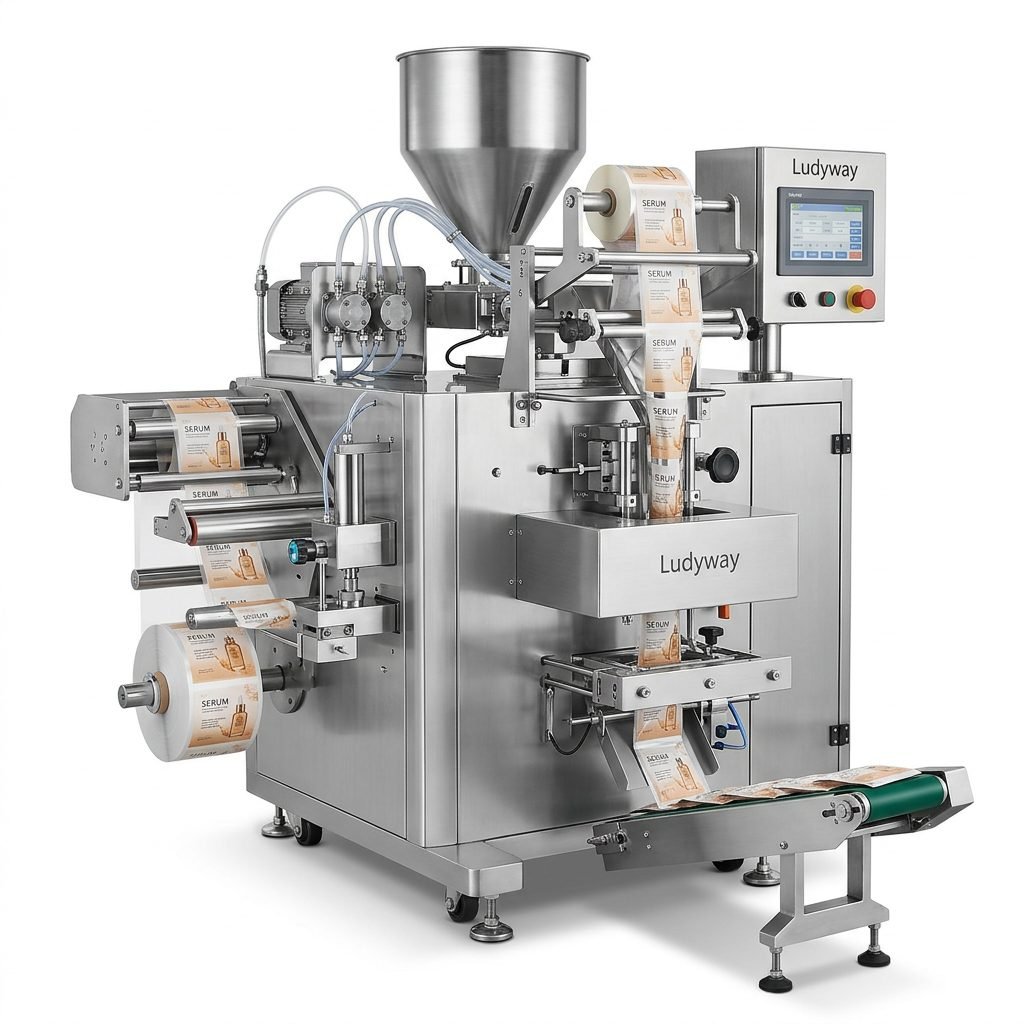
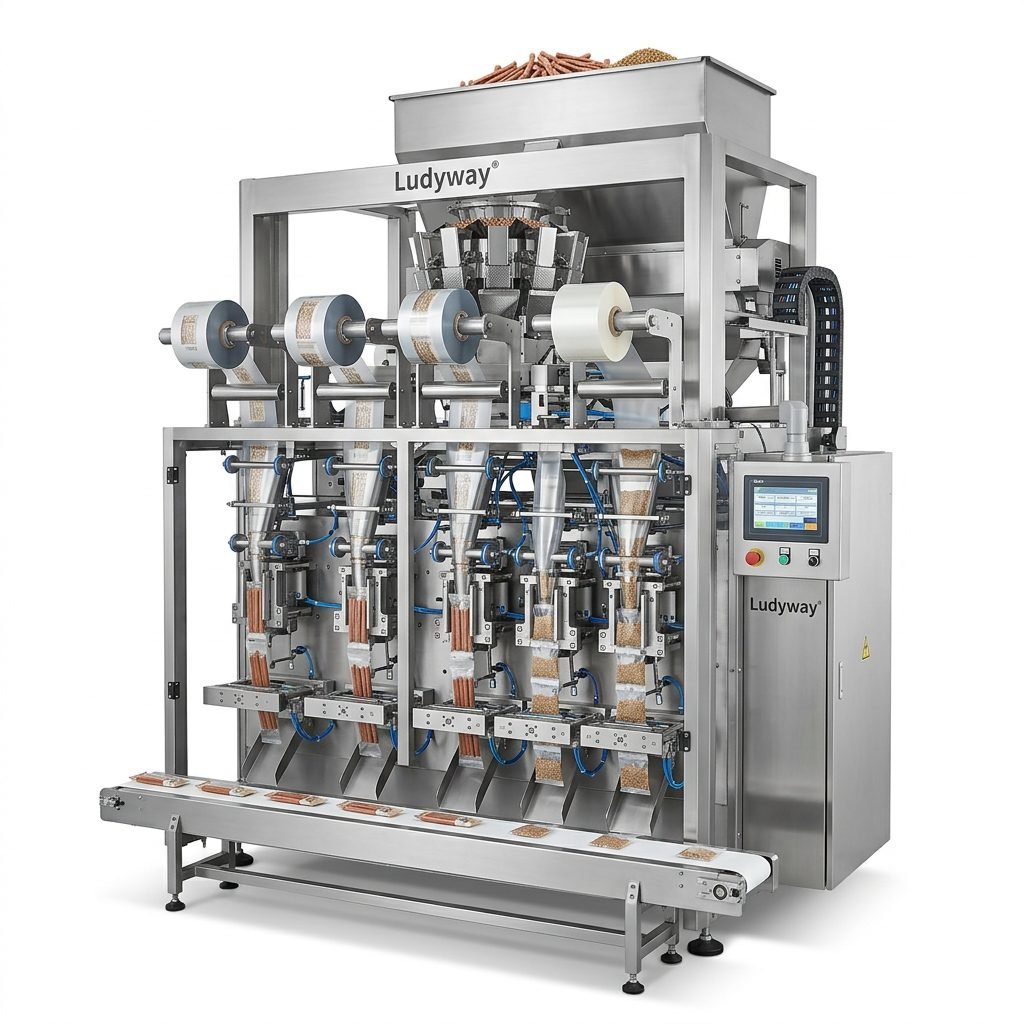
Modified Atmosphere Packaging (MAP) has revolutionized the way perishable goods are preserved, extending shelf life and maintaining product quality like never before. At the heart of this technology lies the Modified Atmosphere Packaging Machine, a sophisticated piece of equipment that creates a protective gas environment around a product. This guide delves into how these machines work, their significant benefits, and their best uses across various industries.
How a Modified Atmosphere Packaging Machine Works
The process is a precise orchestration of engineering and food science. It begins with the product being placed into a tray or pouch that is highly impermeable to gases. The machine then performs a critical two-step operation:
Step 1: Evacuation
The first action is to remove the existing air from the package. A vacuum pump extracts the oxygen-rich atmosphere, which is a primary driver of oxidation, microbial growth, and enzymatic degradation. This step is crucial for setting the stage for the protective gas mix.
Step 2: Gas Flushing
Immediately after evacuation, the machine injects a predetermined mixture of gases. This is not simply “fresh air,” but a carefully balanced blend, typically consisting of:
- Carbon Dioxide (CO₂): A bacteriostatic and fungistatic agent that inhibits the growth of spoilage microorganisms.
- Nitrogen (N₂): An inert gas used to displace oxygen and prevent package collapse (due to CO₂’s solubility in moisture and fats).
- Oxygen (O₂): Used in low concentrations or, for some products like red meat, in higher concentrations to maintain color.
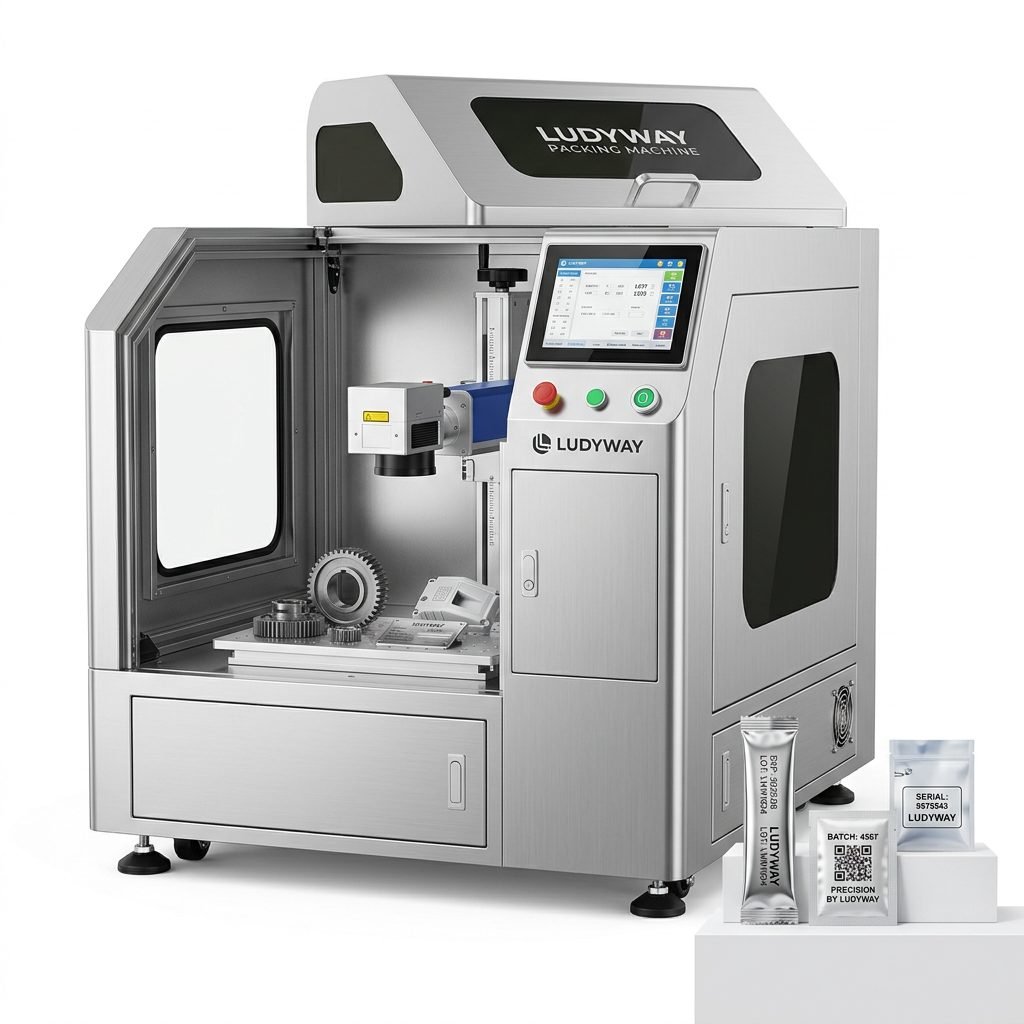
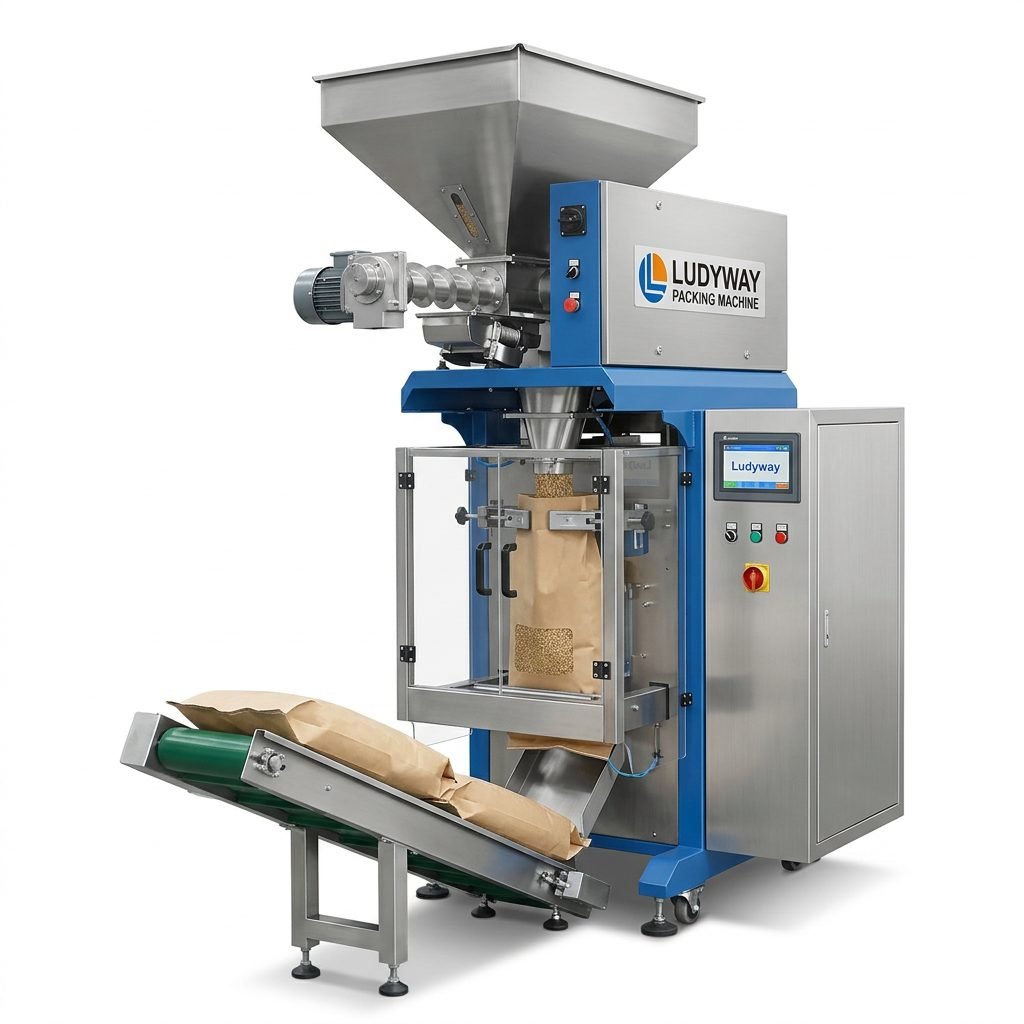
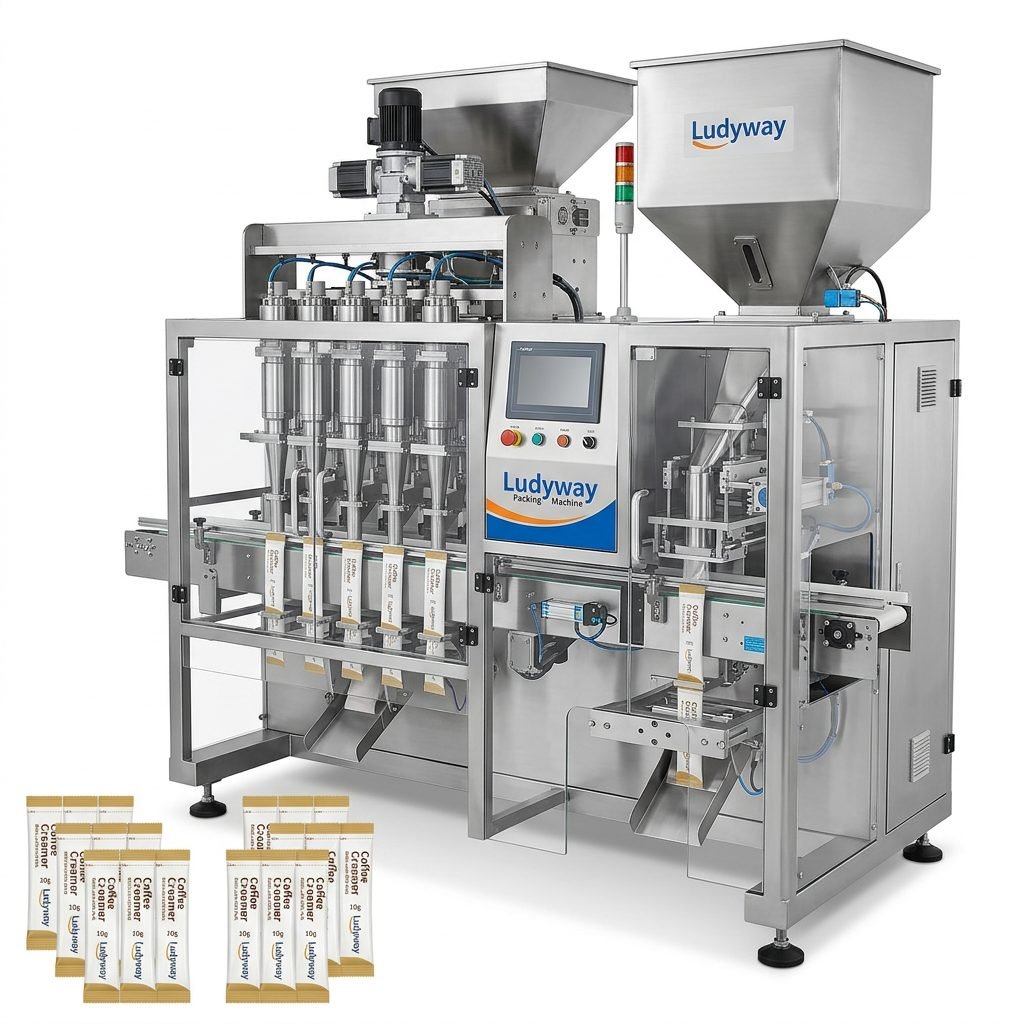
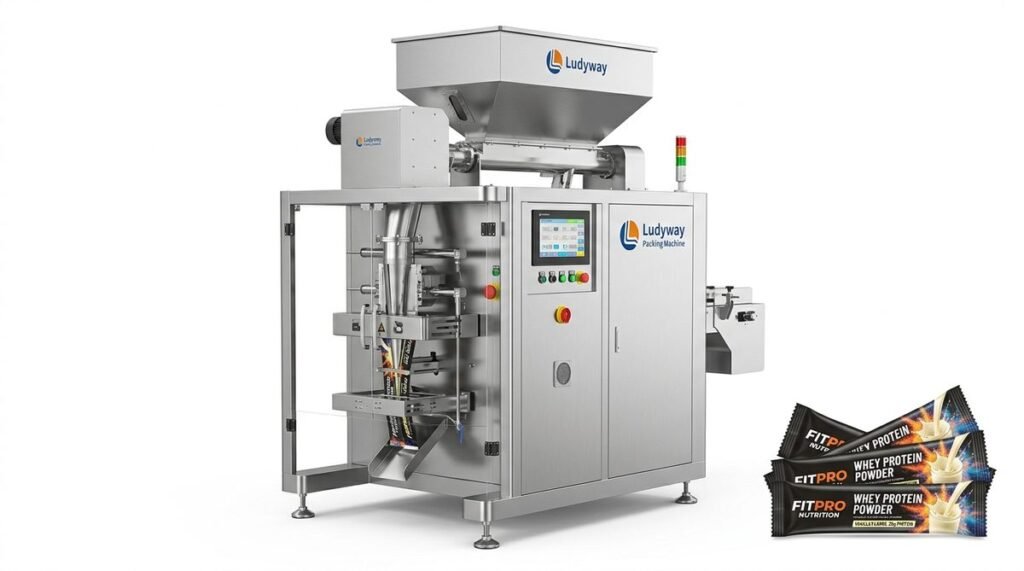
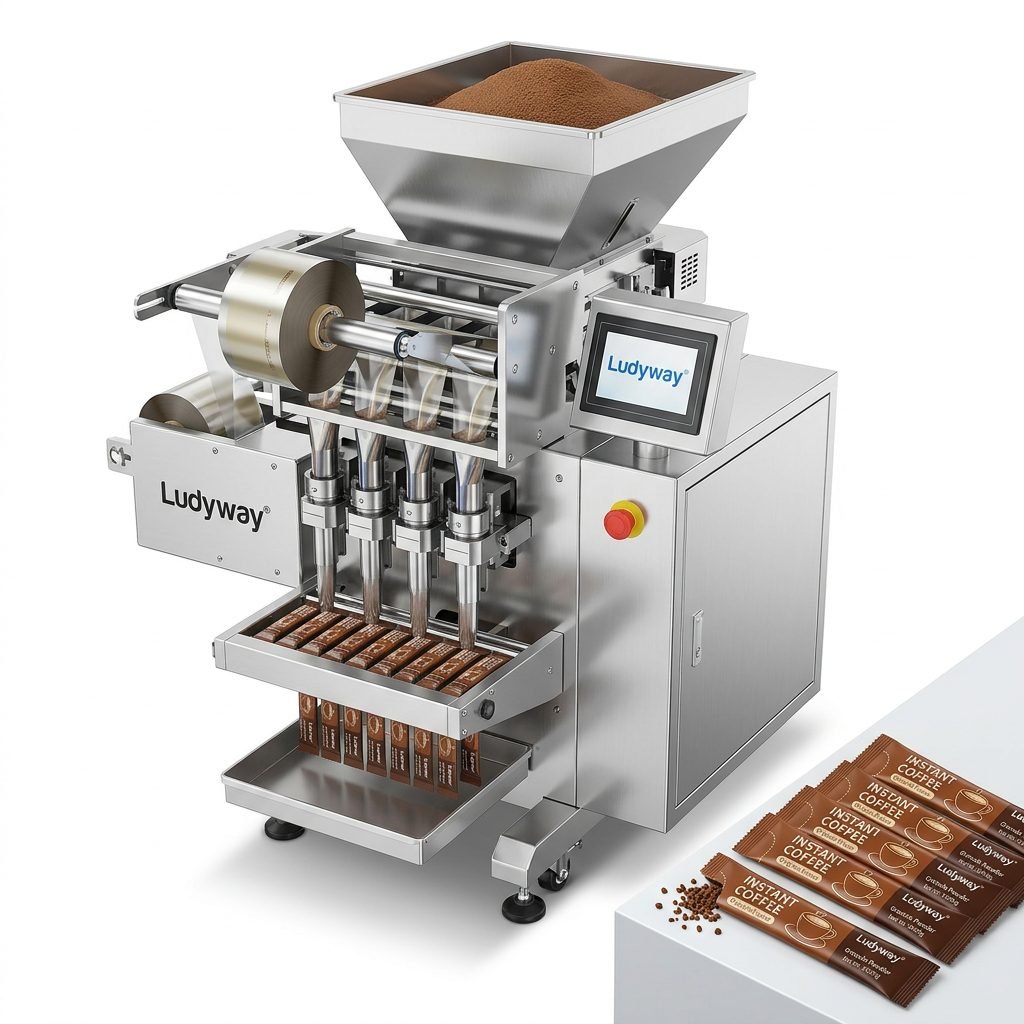
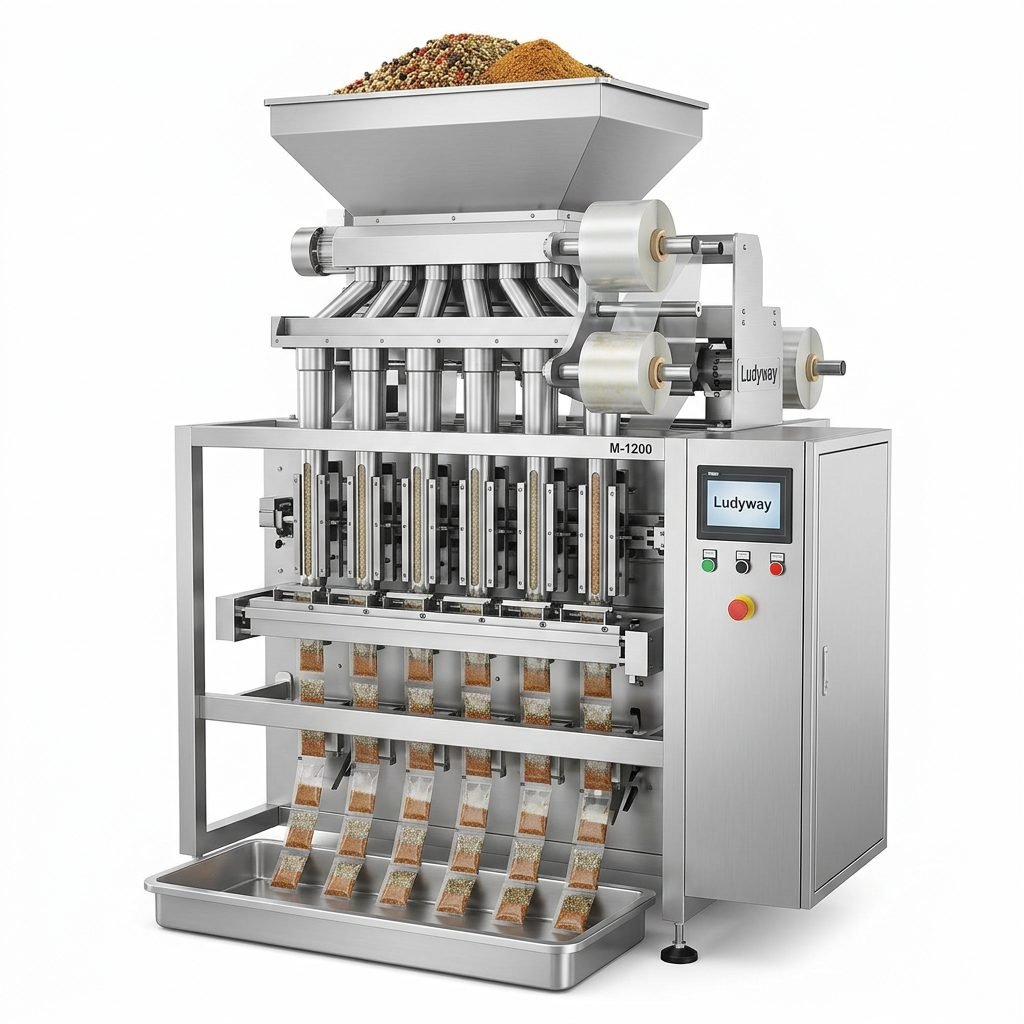
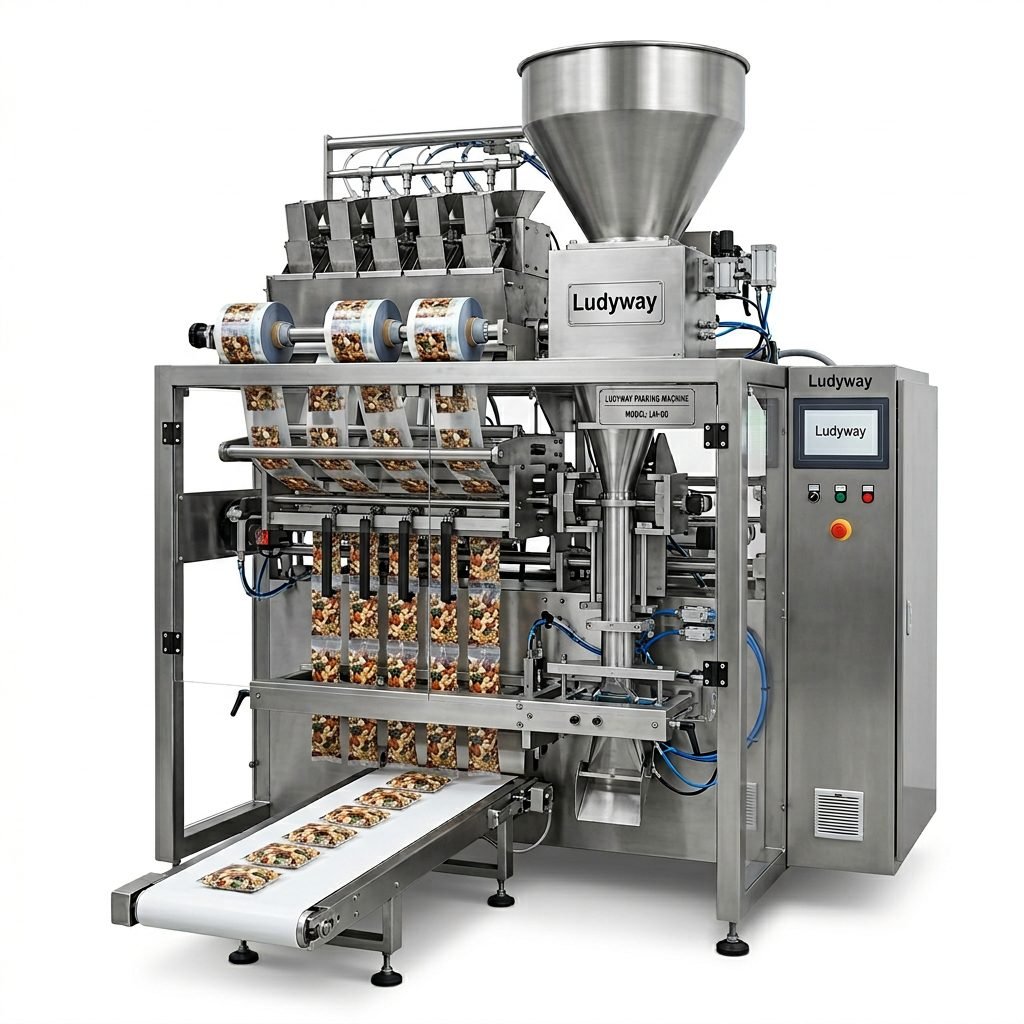
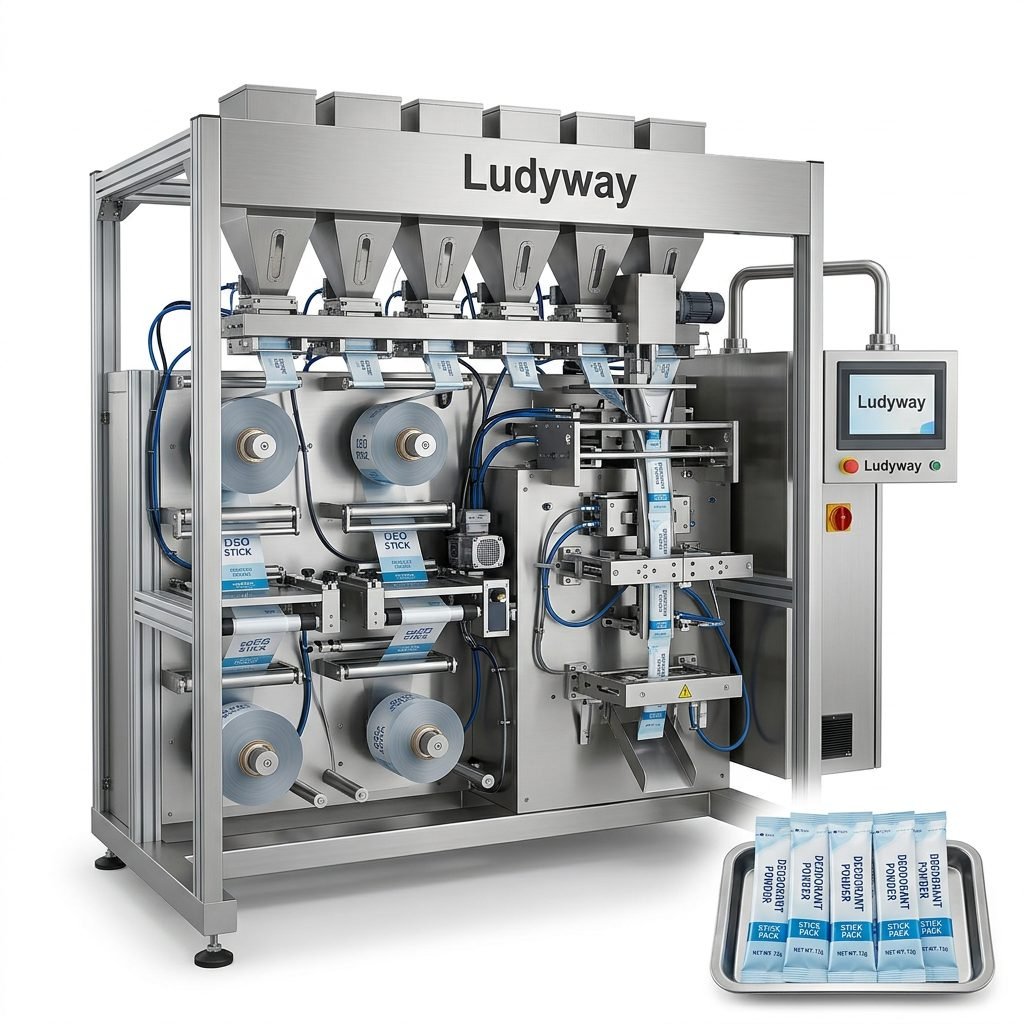
Once the gas mix is introduced, the package is hermetically sealed, trapping the modified atmosphere inside. Modern machines, like the advanced models offered by Ludyway Machinery, feature precise gas-mixing systems and high-speed sealing to ensure consistency and efficiency in production lines.
Key Takeaway:
The core principle is replacement, not addition. The machine replaces the natural, spoilage-promoting air with a scientifically formulated gas mixture that dramatically slows down degradation processes.
The Multifaceted Benefits of MAP Technology
Adopting MAP machinery delivers a compelling return on investment through multiple channels, impacting both product quality and business logistics.
Extended Shelf Life
This is the most prominent benefit. By suppressing microbial growth and oxidation, MAP can extend the shelf life of products by 50% to 400%. This reduces food waste, allows for broader distribution networks, and decreases the frequency of deliveries to retailers.
Preserved Product Quality
MAP maintains the sensory attributes consumers value:
- Freshness & Color: Prevents browning in vegetables and maintains the appealing red color in fresh meat.
- Texture & Flavor: Slows moisture loss and rancidity, keeping products crisp, tender, and flavorful.
- Nutritional Value: Helps retain vitamins and nutrients that are sensitive to oxygen.
Enhanced Food Safety
While not a substitute for proper hygiene and refrigeration, MAP creates an additional hurdle for pathogens and spoilage bacteria, contributing to a safer product throughout its extended life.
Improved Presentation and Brand Image
MAP often uses clear, rigid trays or films that showcase the product attractively. The “fresh-packed” appearance and the technology itself can be a strong marketing point, enhancing brand perception as innovative and quality-focused.
Supply Chain Efficiency
Longer shelf life translates to reduced pressure on the “cold chain,” fewer stock rotations, lower transportation costs, and minimized losses from expired goods. For manufacturers working with customized packaging solutions, integrating MAP can streamline the entire post-production process.
Best Uses and Applications Across Industries
MAP machines are versatile, but their application is tailored to the specific respiration and spoilage characteristics of different products.
🛒 Food & Beverage Industry (Primary Market)
Fresh & Processed Meats: Uses high-O₂ mixes for red meat color, and high-CO₂ mixes for poultry and cured meats to inhibit bacteria.
Fresh Produce (Fruits & Vegetables): Employs low-O₂ and elevated CO₂ mixes to reduce respiration rate and delay ripening. The blend is critical and varies for each produce type.
Bakery & Pasta: Prevents mold growth and staling. Nitrogen flushing is common for dry goods like snacks and coffee to prevent rancidity.
Dairy & Cheese: Protects against mold and off-flavors, extending the life of shredded cheese, yogurt, and fresh pasta.
Ready-to-Eat Meals & Salads: Essential for the chilled prepared food sector, allowing for convenient, fresh-tasting meals with a reasonable shelf life.
💊 Pharmaceutical & Healthcare
Beyond food, MAP is vital for sensitive pharmaceuticals, diagnostic kits, and medical devices. Replacing air with an inert gas like nitrogen prevents oxidation of active ingredients, ensures sterility, and maintains the efficacy of products during storage and transport. Partnering with a specialist in packaging machinery for the pharmaceutical industry is crucial for meeting stringent regulatory standards.
🔬 Specialized Applications
Precision Agriculture: MAP is used for preserving seeds and certain horticultural products.
Electronics: Packaging sensitive components in a moisture-free, inert atmosphere to prevent corrosion.
Cultural Artifacts: Used in museums to preserve historical documents and organic artifacts by creating an anoxic environment.
Choosing the Right MAP Machine
Selecting equipment depends on several factors:
- Product Type & Volume: A bakery needs a different gas mix and perhaps a form-fill-seal machine, while a meat packer may need a tray sealer. Production speed (packages per minute) is key.
- Gas Mix Precision: High-end machines offer superior control over gas ratios and consistency.
- Packaging Format: Options include pre-formed trays, pouches (vertical or horizontal form-fill-seal), or flow-wrapping.
- Integration & Automation: Consider how the MAP machine will integrate with existing filling, weighing, and labeling lines. Turnkey solutions from experienced providers can simplify this process immensely.
- Reliability & Support: Given the critical role in preservation, machine uptime and accessible technical support are non-negotiable. A supplier with decades of industry experience brings invaluable reliability.
Frequently Asked Questions (FAQs)
Is MAP packaging safe?
Yes, MAP is a well-established and safe technology. The gases used (N₂, CO₂, O₂) are naturally present in the air we breathe and are considered food-grade. The process does not use chemical preservatives; it merely alters the atmosphere surrounding the food.
Does MAP require refrigeration?
In most cases, yes. MAP is a complementary technology to refrigeration, not a replacement. The combination of low temperature and a modified atmosphere provides the maximum shelf-life extension. Some dry snacks packed with nitrogen may be shelf-stable.
Can I see or smell the modified atmosphere?
No. The gases are colorless and odorless. The package may feel slightly pressurized or “pillowy” due to the gas mix, which is normal. If a package containing moist food (like meat) is tightly vacuumed to the product, it indicates effective oxygen removal.
How is MAP different from vacuum packaging?
Vacuum packaging removes air but does not replace it with a protective gas mix. This can lead to package collapse and does not always effectively inhibit all types of bacteria (like anaerobic bacteria). MAP provides a more targeted, often more effective preservation environment for a wider range of products.
What is the typical investment for a MAP machine?
The cost varies widely based on automation level, speed, and complexity. It can range from tens of thousands for a semi-automatic tray sealer to several hundred thousand for a fully integrated, high-speed production line. A detailed analysis of your production needs with a qualified machinery supplier is the best first step.