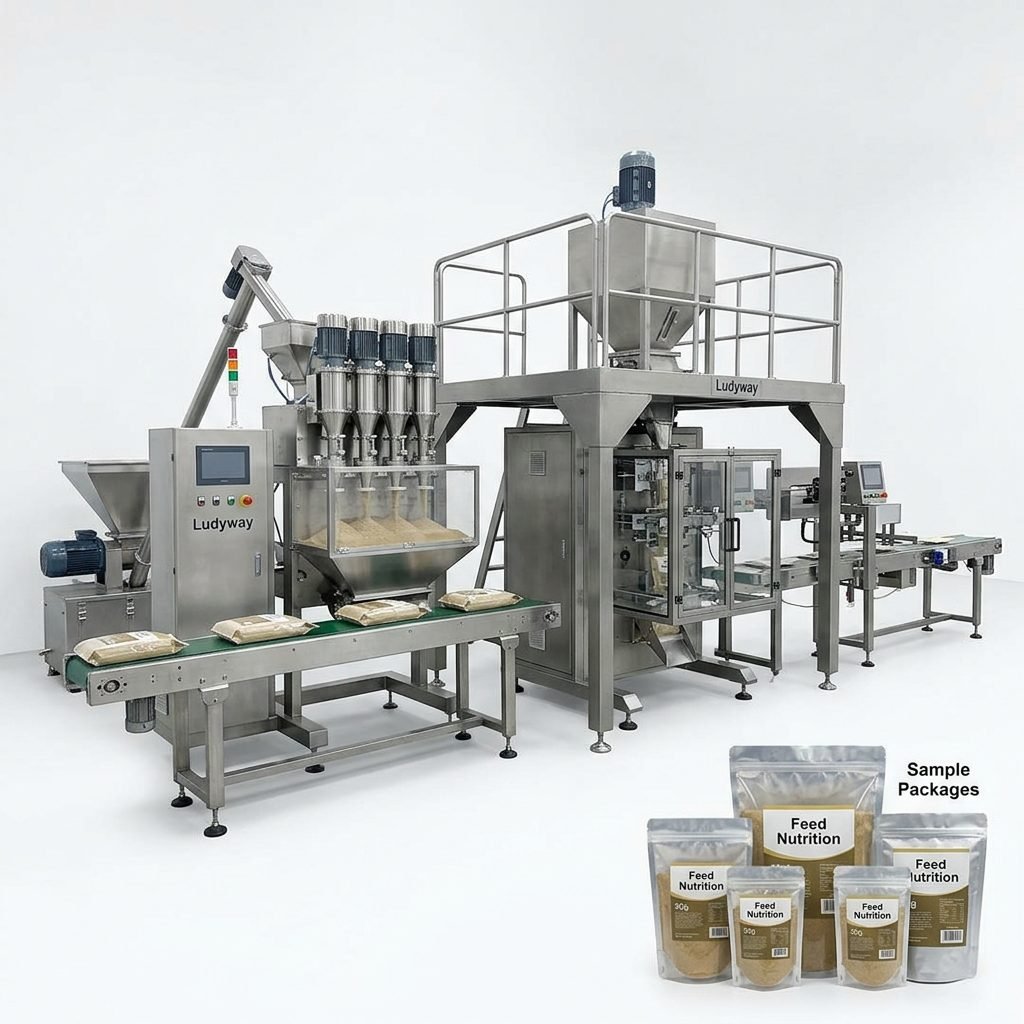
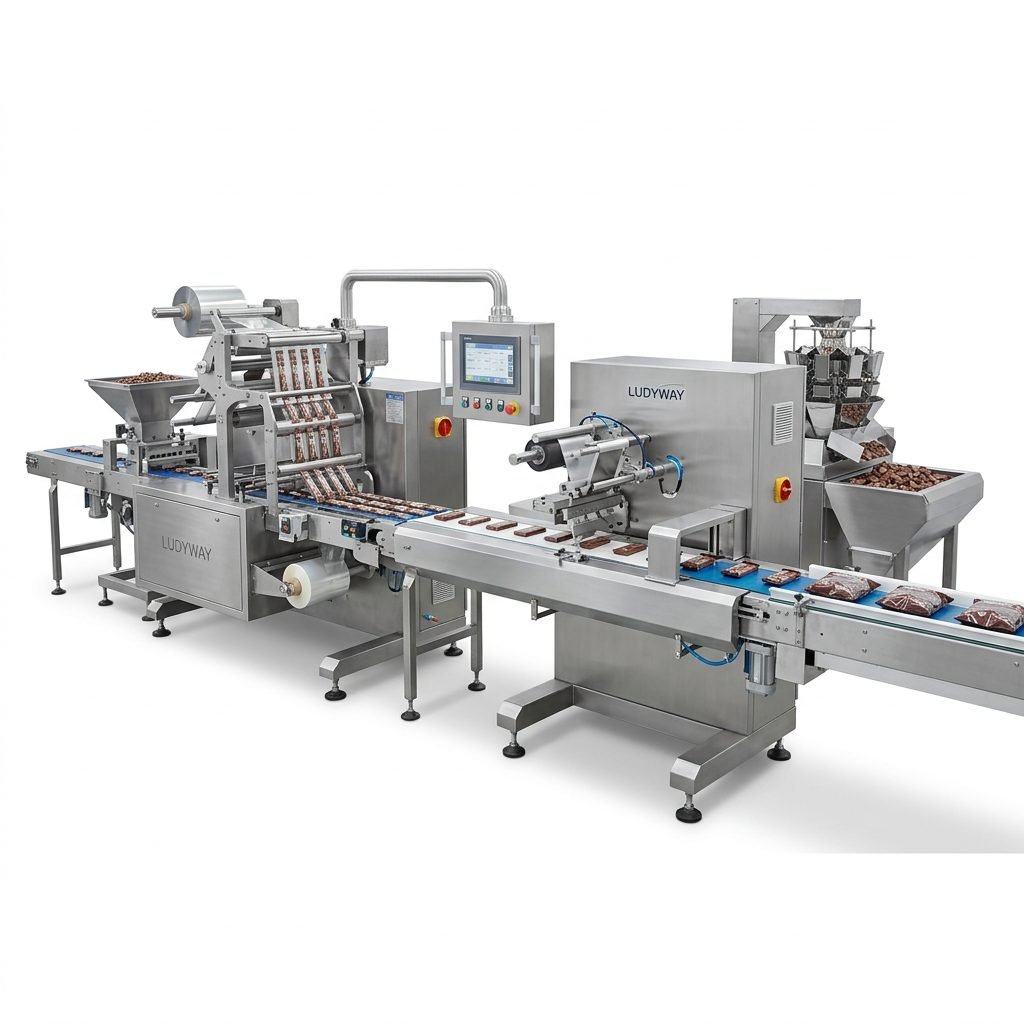
Selecting the right yoghurt packaging machine is a critical decision for any dairy producer. The packaging not only protects the product but also influences shelf life, brand perception, and operational efficiency. This guide provides a comprehensive overview of the types of machines available, their key features, and a structured approach to choosing the best solution for your production line.
Understanding Yoghurt Packaging Machine Types
The first step in the selection process is understanding the different packaging formats and the machines that create them. Each type serves distinct market needs and production scales.
1. Cup Filling and Sealing Machines
These are the most common machines for retail yoghurt. They form, fill, and seal plastic or paperboard cups in various sizes. Modern systems are highly automated, integrating filling stations for fruit puree or granola and precise sealing with foil or plastic lids. They are ideal for high-volume production of single-serve and multi-pack yoghurt cups.
2. Form-Fill-Seal (FFS) Sachet Machines
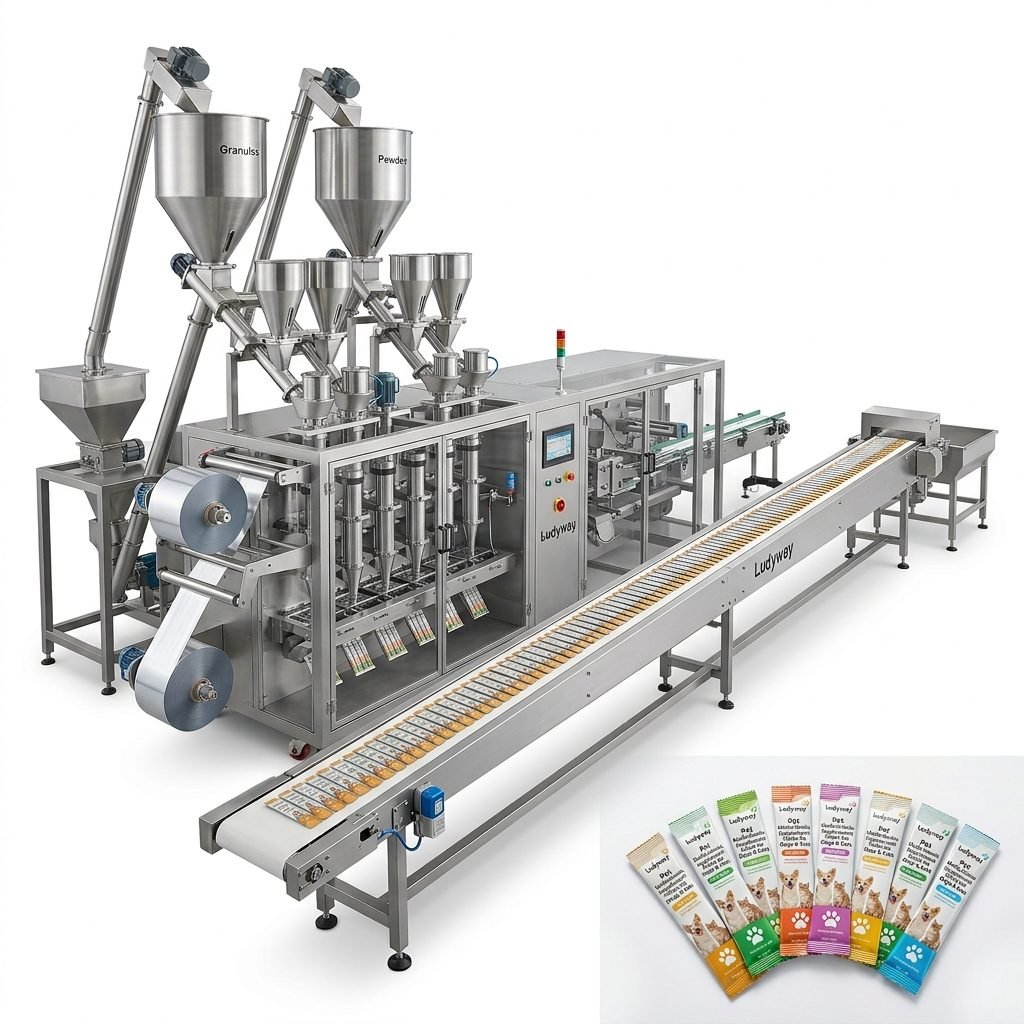
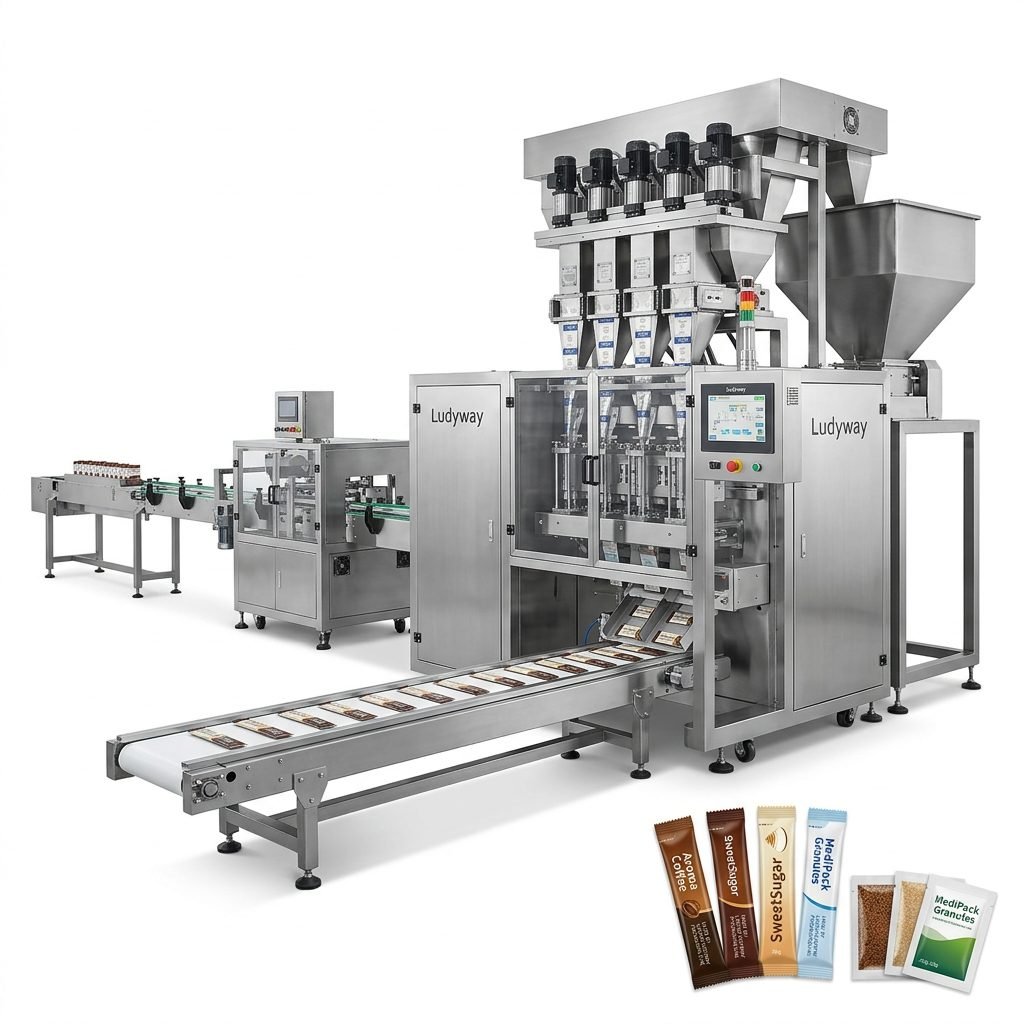
FFS machines use rolls of film to form pouches or sachets, fill them with yoghurt, and then seal them. This format is popular for drinking yoghurt, probiotic shots, and dessert toppings. The advantages include lower packaging material costs and flexibility in pouch size. Machines can be configured for single-lane or multi-lane production, significantly boosting output.
3. Stick Pack Packaging Machines
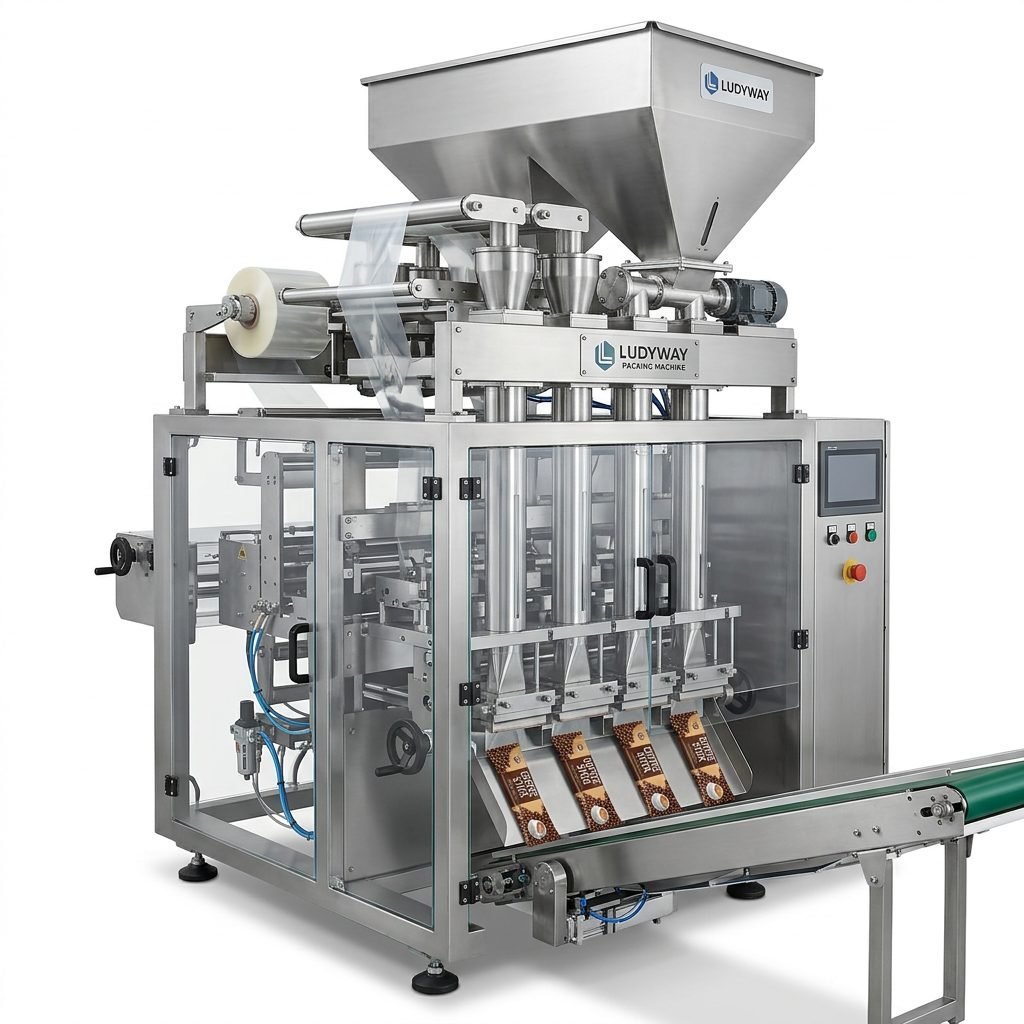
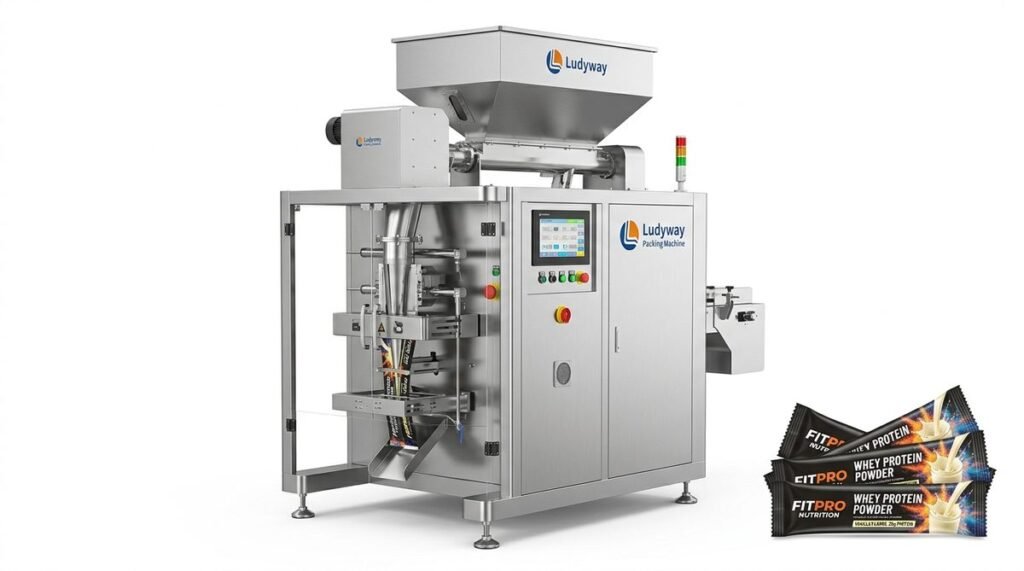
Similar to sachet machines but producing long, narrow sticks, these are perfect for powdered yoghurt mixes or concentrated frozen yoghurt cultures. They offer excellent barrier properties and are very convenient for consumers. Multi-lane stick pack machines can achieve exceptionally high speeds, making them suitable for large-scale production of single-dose products.
4. Bulk Tub Filling Lines
For family-size or foodservice tubs (e.g., 1kg, 5kg), semi-automatic or automatic filling lines are used. These typically involve a conveyor system that moves pre-formed tubs under a multi-head piston filler before lidding. They prioritize accurate filling and robust sealing for larger containers.
Essential Features of Modern Yoghurt Packers
Beyond the basic type, several key features differentiate machines and impact performance, hygiene, and flexibility.
🔍 Critical Machine Features:
- Filling Technology: Piston fillers are standard for accuracy with viscous products. For products with particulates (fruit pieces), a piston filler with a special cut-off valve is essential.
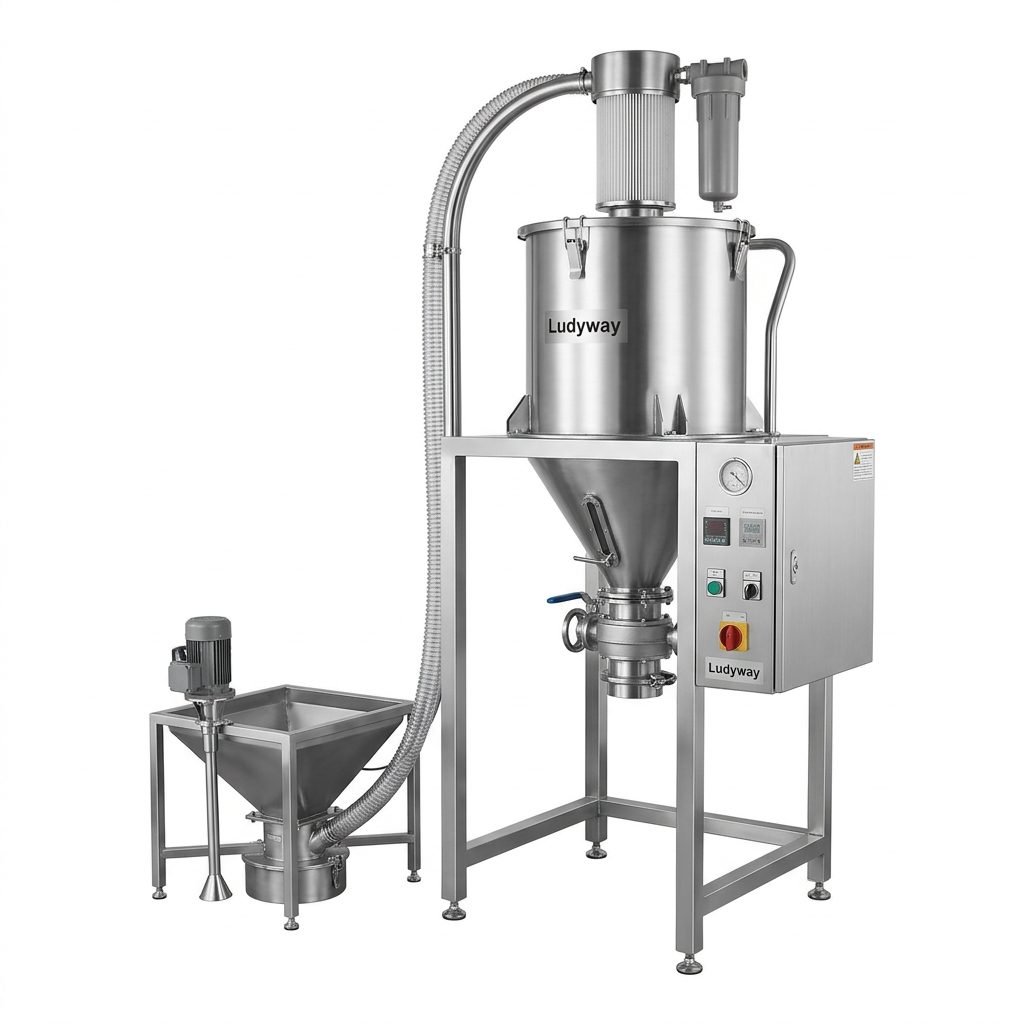
- Hygienic Design: Look for machines with stainless steel (304 or 316) contact parts, easy-clean surfaces, and CIP/SIP capabilities to meet stringent food safety standards.
- Automation & Control: A user-friendly PLC-based HMI (Human-Machine Interface) allows for easy recipe changes, speed adjustment, and provides diagnostic data. Integration with upstream mixers and downstream labelers/casers is crucial.
- Changeover Flexibility: Quick-change parts for cup size, filling volume, or pouch format minimize downtime when switching between products, a key factor for manufacturers with diverse SKUs.
- Gas Flushing (Modified Atmosphere Packaging): An optional nitrogen or CO2 flushing system can significantly extend yoghurt’s shelf life by displacing oxygen in the headspace of the cup or tub.
How to Choose the Best Yoghurt Packaging Solution
Making the right choice requires a systematic evaluation of your specific needs against what the market offers.
Step 1: Define Your Product & Output Requirements
Start with the basics: What is your product’s viscosity? Does it contain fruit or granola? What is your target package size and material? Most importantly, calculate your required production speed in packages per hour (PPH) based on current and forecasted demand. This will immediately narrow down machine types from benchtop models to full high-speed lines.
Step 2: Evaluate Hygiene and Safety Standards
Yoghurt is a dairy product prone to spoilage. The machine must be designed for easy and thorough cleaning. Confirm the construction materials and whether the supplier can provide documentation for compliance with relevant food safety regulations (e.g., FDA, EHEDG). This is non-negotiable.
Step 3: Consider Operational Costs (TCO)
The purchase price is just one part. Analyze the Total Cost of Ownership:
→ Energy Consumption: How efficient is the machine?
→ Material Waste: How precise is the filling? Does the sealing process have a high reject rate?
→ Maintenance & Downtime: What is the expected maintenance schedule? Are spare parts readily available?
→ Labor: How automated is the process? A more automated machine may have a higher upfront cost but lower long-term labor costs.
Step 4: Assess Supplier Credibility and Support
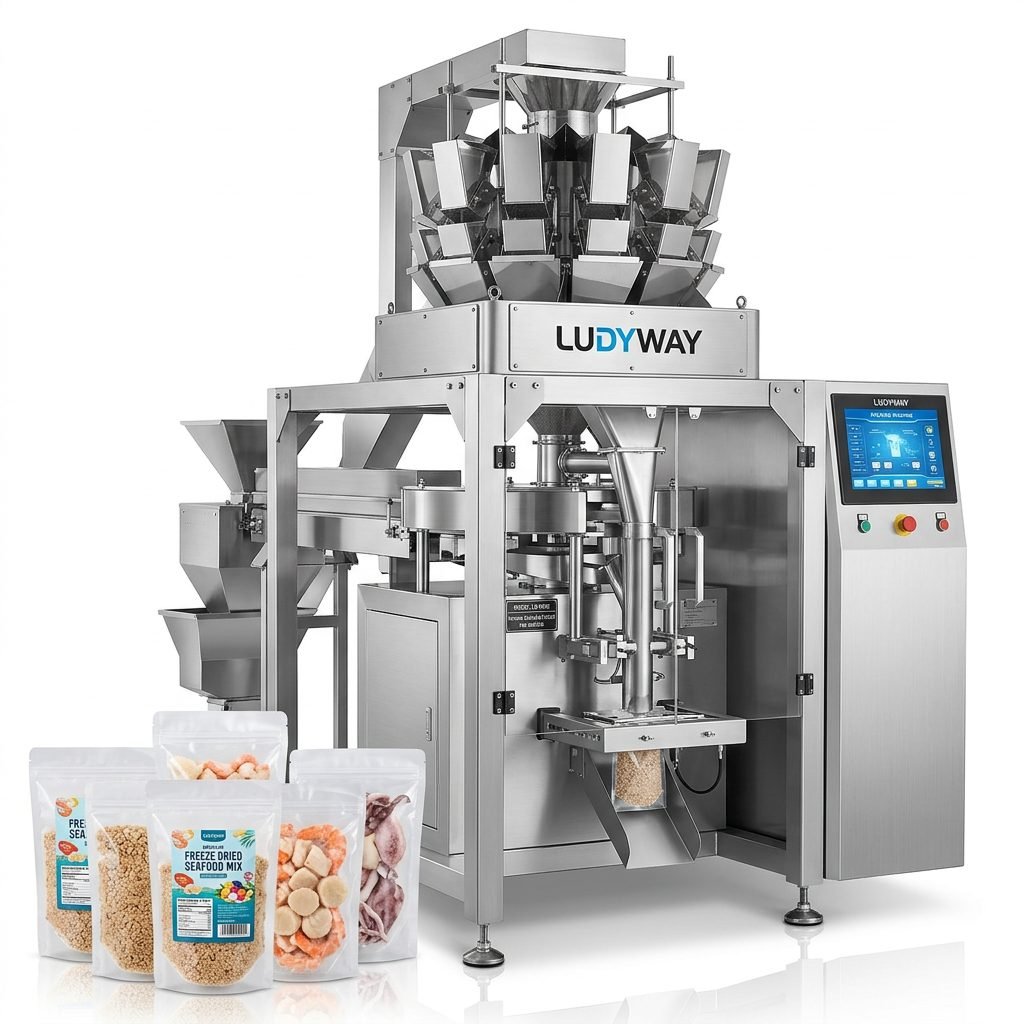
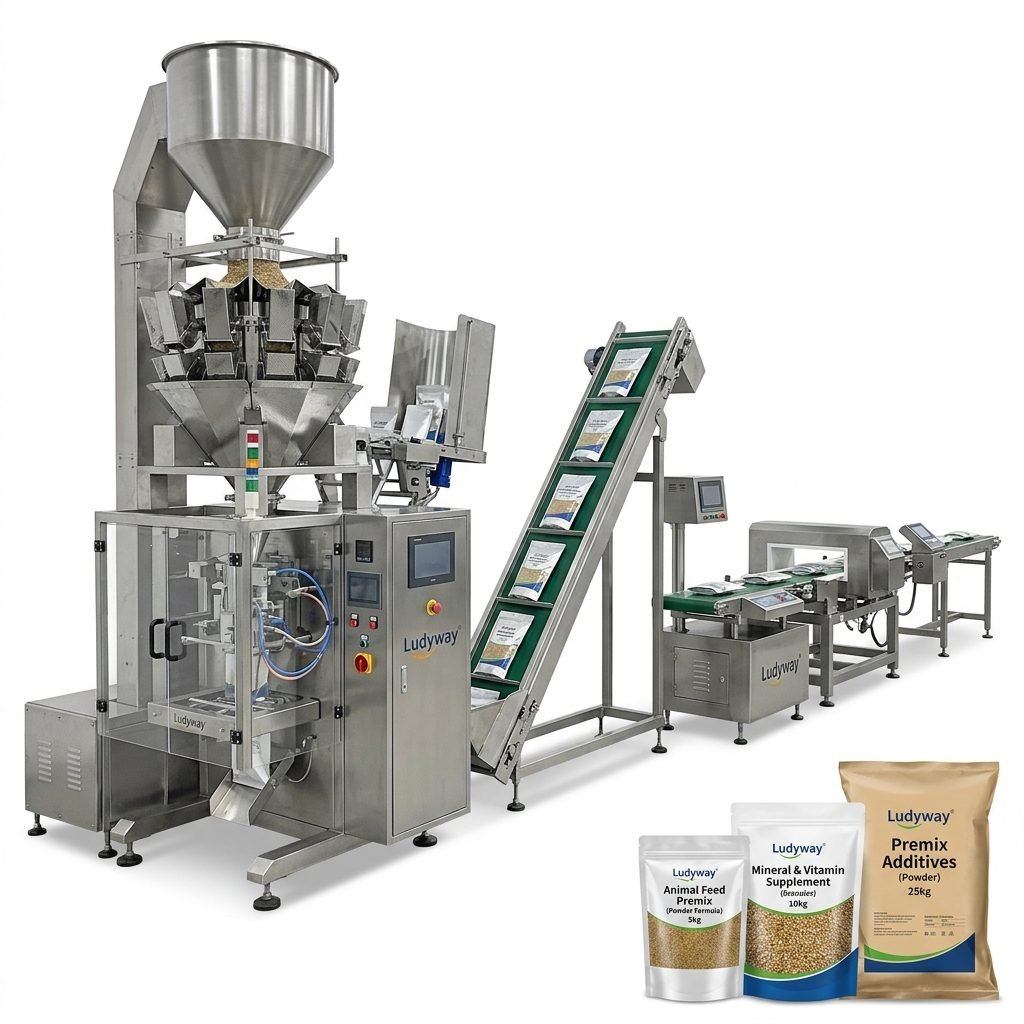
Your relationship with the machine supplier is long-term. Choose a partner with proven experience in the dairy sector. For instance, a supplier like Ludyway Machinery, with decades of industry experience, can offer more than just a machine—they provide a reliable turnkey solution. Evaluate their after-sales service, technical support availability, training programs, and spare parts logistics. A reliable partner ensures your packaging line runs smoothly for years.
Step 5: Plan for Future Growth
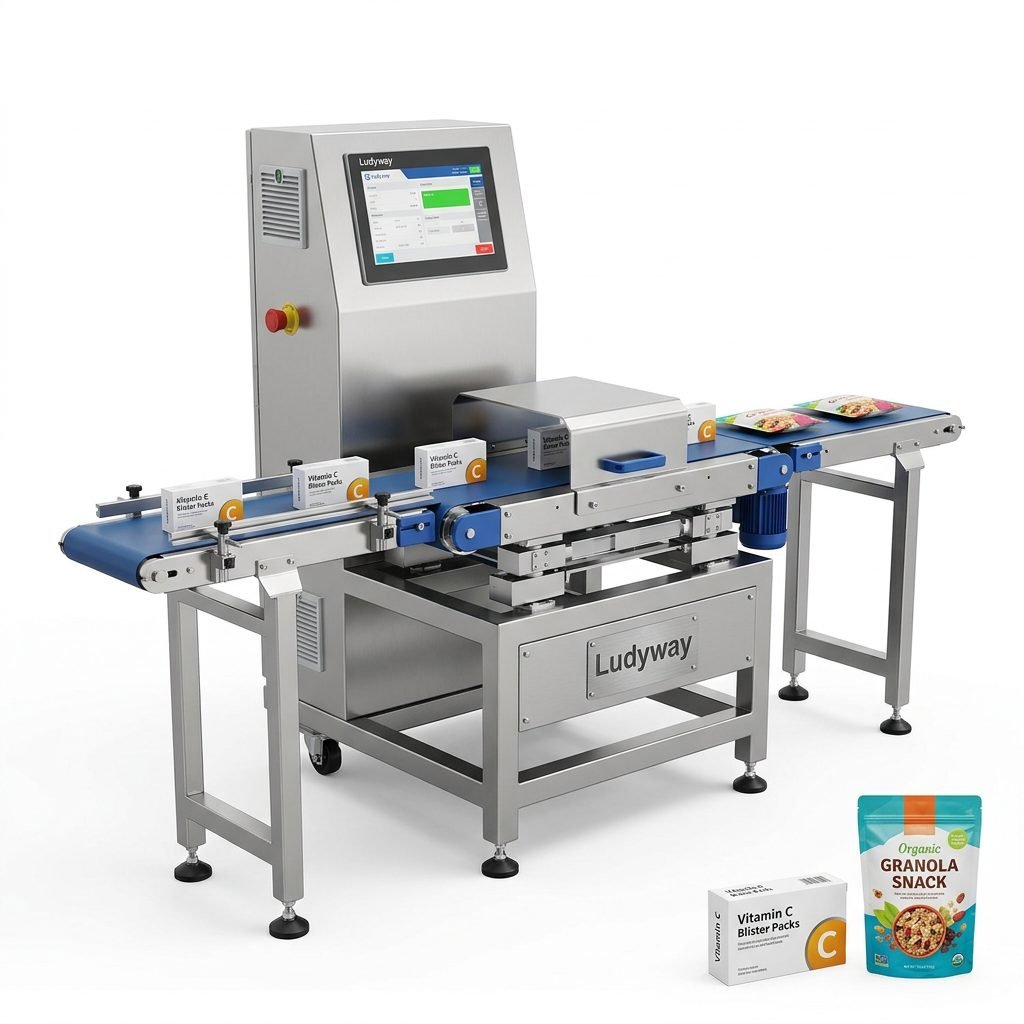
Invest in a machine that can grow with your business. Can it be upgraded with additional modules (e.g., a coder, checkweigher, gas flush system)? Is the platform scalable? Choosing a modular machine from a supplier with a broad portfolio, such as one offering multi-lane sachet and stick pack systems, provides a pathway for future expansion without a complete line overhaul.