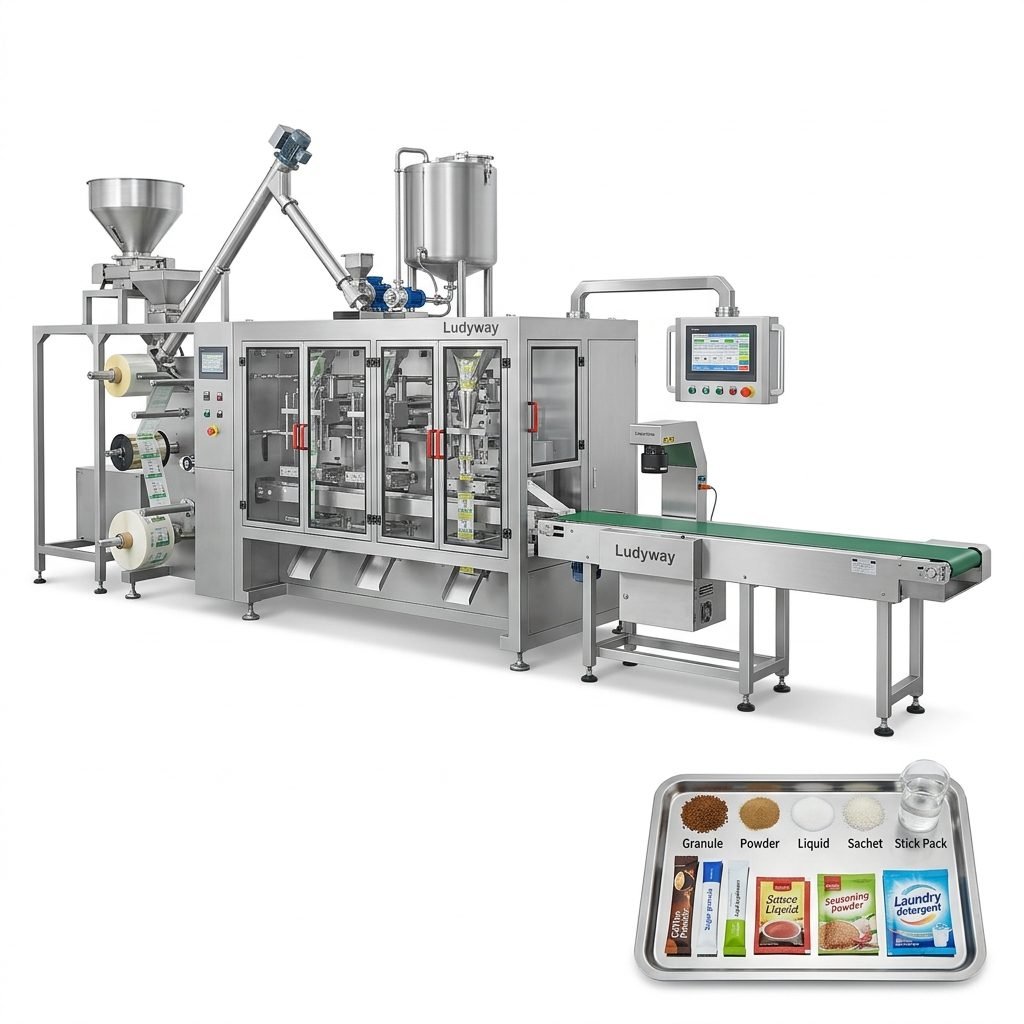
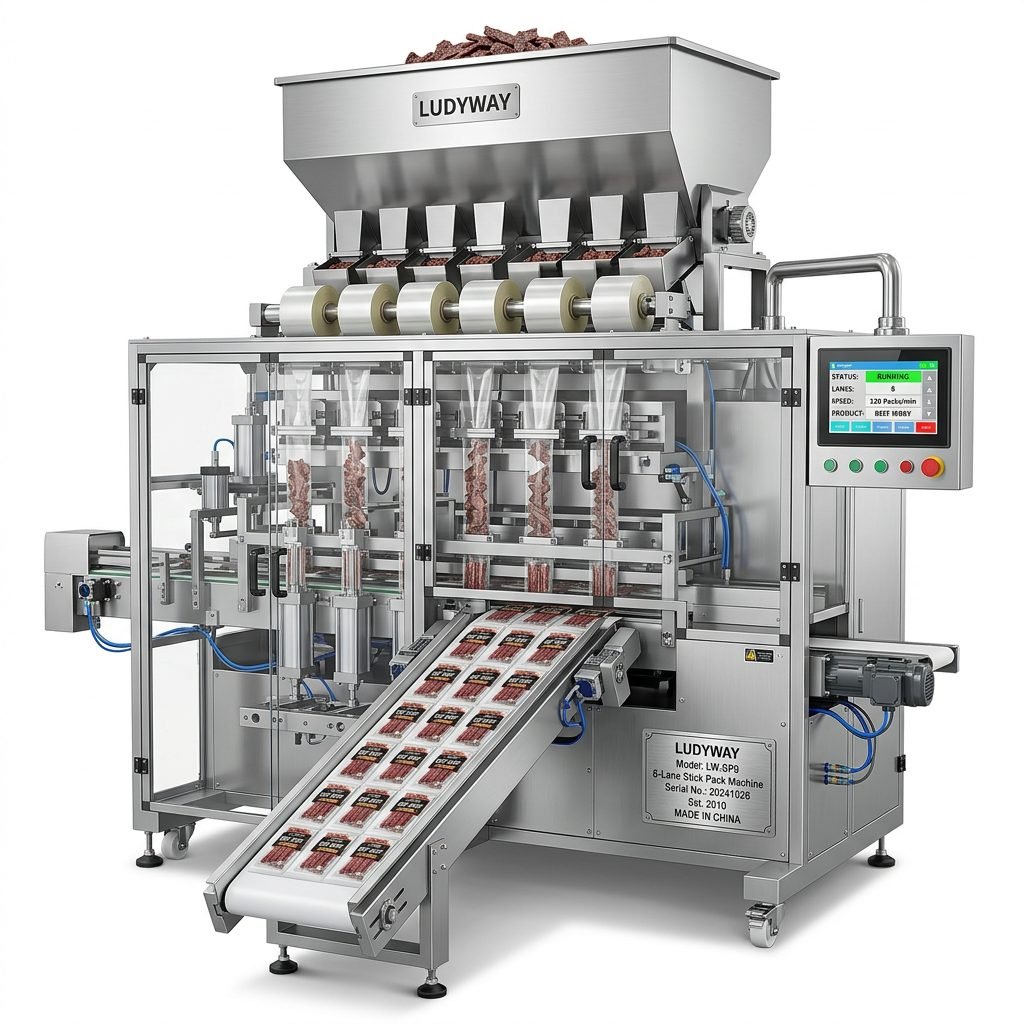
The instant noodle market is a global phenomenon, with demand driven by convenience, affordability, and evolving flavors. At the heart of this massive production scale is the instant noodle packaging machine. Choosing the right packaging equipment is critical for ensuring product quality, maximizing production efficiency, and meeting the specific needs of different markets and product types. This guide will explore the various types of machines, their key features, and provide a framework for selecting the optimal system for your operation.
Primary Types of Instant Noodle Packaging Machines
The packaging process for instant noodles typically involves several stages, from forming the noodle block to sealing the final package. Machines are often categorized by their automation level and the specific packaging format they produce.
1. Cup/Bowl Noodle Packaging Lines
These are integrated systems designed for the complete assembly of cup or bowl noodles. The line typically includes:
• Cup/Bowl Unscrambler & Feeder: Orients and places empty containers onto the conveyor.
• Noodle Block Dispenser: Precisely drops the formed noodle cake into the container.
• Ingredient Multi-head Weighers: Accurately portions and deposits dehydrated vegetables, seasoning powder, oil, and other inclusions.
• Lidding & Sealing Machine: Applies the lid (often foil or plastic laminate) and hermetically seals it to the cup rim.
• Shrink Wrapping or Cartoning Unit: Bundles individual cups into multi-packs for retail.
2. Bag Noodle Packaging Machines
Used for traditional packet noodles, these machines form, fill, and seal bags from a roll of packaging film. They are highly versatile and can handle various bag styles.
Vertical Form-Fill-Seal (VFFS) Machines: The most common type. Film is formed into a tube, the bottom is sealed, the noodle block and seasoning packets are dropped in, and then the top is sealed. Ideal for high-speed production of pillow-style bags.
Horizontal Form-Fill-Seal (HFFS) Machines: Often used for more complex packaging, such as gusseted bags or bags with windows. The film is formed horizontally, which can allow for better product presentation.
3. Multi-Pack & Bundle Packaging Systems
These machines take individually packaged cups or bags and group them into larger retail units. Common technologies include shrink wrapping (using PVC or POF film) and case packing. The choice here impacts shelf presence and logistics.
Essential Features & Technological Considerations
Beyond the basic type, several features define the capability, efficiency, and suitability of a packaging machine.
Production Speed & Capacity
Speed is measured in packages per minute (PPM). Cup lines may range from 30 to 150+ PPM, while VFFS baggers can exceed 200 PPM. Your required output dictates the machine tier. Consider not just peak speed but also sustainable operational speed with minimal downtime.
Accuracy & Dosing Systems
Consistent product weight is crucial for cost control and compliance. Look for machines with high-precision multi-head weighers for dry ingredients and liquid dosing pumps for oil or liquid seasoning. Advanced systems feature feedback controls to auto-adjust for drift.
Flexibility & Changeover
If you produce multiple noodle varieties, cup sizes, or bag dimensions, quick changeover is vital. Machines with tool-less adjustments, stored recipe parameters, and easy-access components significantly reduce downtime between production runs.
Hygiene & Construction
Food-grade construction is non-negotiable. Machines should use stainless steel (304 or 316) on all product contact surfaces, have smooth, crevice-free designs for easy cleaning, and comply with relevant food safety standards (e.g., FDA, EU regulations).
Automation & Control Level
Modern machines are controlled by Programmable Logic Controllers (PLCs) with touch-screen Human Machine Interfaces (HMIs). Key features include:
• Recipe Management: Store settings for different products.
• Production Data Tracking: Monitor output, efficiency (OEE), and downtime.
• Fault Diagnostics: Visual and textual alerts for jams, low film, or sensor errors.
• Integration Capability: Ability to connect with upstream (mixer, fryer) and downstream (cartoner, palletizer) equipment via industrial communication protocols.
How to Choose the Right Instant Noodle Packaging Machine
Selecting equipment is a strategic decision. Follow this step-by-step framework to align your choice with business goals.
Step 1: Define Your Product & Packaging Specifications
Start with the end product. What is the exact package type (cup size, bag dimensions, material)? What are the ingredients (noodle block weight, number and type of seasoning components)? Detail every element, as this directly determines the machine configuration needed.
Step 2: Analyze Your Production Requirements
Calculate your required annual output and translate that into required line speed. Consider future growth—does the machine have capacity headroom? Also, factor in the number of different products (SKUs) you will run and the required frequency of changeovers.
Step 3: Evaluate Available Floor Space & Utilities
Packaging lines can be lengthy. Obtain the machine footprint layout and ensure your facility can accommodate it, including space for maintenance access. Verify utility requirements: electrical power (voltage, phase), compressed air (PSI, CFM), and any required exhaust.
Step 4: Assess Supplier Credibility & Support
The machine is only as good as the company behind it. Investigate the supplier’s experience in the noodle industry. Request customer references. Scrutinize their after-sales service offering: installation supervision, operator training, spare parts availability, and technical support response time. A supplier with deep application knowledge, like Ludyway Machinery, which specializes in food industry packaging solutions, can be an invaluable partner.
Step 5: Consider Total Cost of Ownership (TCO)
Look beyond the initial purchase price. TCO includes:
• Installation & Commissioning: Costs for technicians and possible facility modifications.
• Operating Costs: Energy consumption, compressed air usage, and packaging material waste rates.
• Maintenance Costs: Predictable costs for spare parts and preventive maintenance.
• Labor Costs: A more automated machine may reduce the number of required line operators.
Choosing a robust, reliable machine from a reputable supplier often results in a lower TCO despite a potentially higher initial investment.
Integration with Upstream & Downstream Processes
Your packaging machine does not operate in isolation. Its performance is tied to the entire production line. Ensure compatibility with your noodle manufacturing equipment (e.g., steamer, fryer, cooler) and downstream systems like checkweighers, metal detectors, and palletizers. Seamless integration minimizes bottlenecks and data silos, enabling true production line optimization.
Future-Proofing Your Investment
The food industry evolves rapidly. Consider machines with a modular design that allows for future upgrades, such as adding a new ingredient feeder or integrating Industry 4.0 data collection systems. Investing in a flexible platform protects your investment against changing consumer trends and regulatory requirements.
Frequently Asked Questions (FAQs)
Q1: What is the typical lifespan of an instant noodle packaging machine?
With proper maintenance and operation, a well-built machine from a quality supplier can last 10 to 15 years or more. Key factors include the quality of components (e.g., PLC, servos), the corrosiveness of the production environment, and adherence to a preventive maintenance schedule.
Q2: Can one machine handle both cup and bag packaging?
Generally, no. Cup/bowl lines and bagging (VFFS/HFFS) machines are fundamentally different technologies designed for specific package forms. However, some suppliers offer modular lines where certain components (like multi-head weighers) can be reconfigured, but the core forming and sealing sections are format-specific.
Q3: How important is after-sales service when selecting a supplier?
It is critically important. Packaging machines are complex and will require maintenance, parts, and occasional troubleshooting. A supplier with a strong global service network, readily available spare parts, and responsive technical support is essential for minimizing costly production downtime. This is a key differentiator for suppliers focused on long-term partnerships.
Q4: What are the key hygiene points to check on the machine?
Focus on product contact zones: all surfaces should be smooth, stainless steel, with rounded corners. Look for designs that prevent product or dust accumulation. Ensure lubrication points use food-grade grease, and that electrical panels have appropriate IP ratings for washdown environments if required.
Q5: How can I improve the sustainability of my packaging operation?
Modern machines contribute to sustainability by reducing material waste through precise dosing and sealing, which minimizes product giveaway and packaging film scrap. Additionally, energy-efficient servomotors and optimized pneumatic systems lower power consumption. Choosing machinery that can handle recyclable or mono-material films also supports broader sustainability goals.