In the fast-paced world of manufacturing, efficiency, precision, and reliability are paramount. For industries ranging from food and pharmaceuticals to health supplements and daily chemicals, the final step of packaging is critical. It protects the product, ensures accurate dosing, and presents the brand to the consumer. At the heart of this process lies the chip packaging machine, a specialized piece of equipment designed for high-speed, automated portioning and sealing of small, discrete items like electronic chips, pharmaceutical tablets, or confectionery pieces. This comprehensive guide delves into the different types of chip packaging machines, explains their core working principles, and provides a structured framework for selecting the ideal system for your production needs.
Understanding Chip Packaging Machines
Chip packaging machines, often referred to as blister packers, tablet counters, or multi-head weighers for irregular items, are automated systems that count, collate, and seal products into pre-formed packaging. Unlike liquid or powder fillers, these machines handle solid, unit-dose items. The primary goal is to achieve high-speed, 100% accurate counting and secure packaging with minimal product damage or waste. This technology is indispensable in sectors where product integrity, hygiene, and precise count are non-negotiable.
Key Function: The core function of any chip packaging machine is to accurately count individual solid items and hermetically seal them within a protective barrier, typically using a form-fill-seal (FFS) process or by loading into pre-made blisters or sachets.
Common Types of Chip Packaging Systems
Selecting the right machine starts with understanding the available technologies. The choice largely depends on your product characteristics, desired packaging format, and required output speed.
1. Blister Packaging Machines
These are the most common type for pharmaceutical tablets, capsules, and large electronic components. They use a thermoforming process to create cavities (blisters) from a roll of plastic film, place the products into these cavities, and then seal them with a lidding material (foil or paper).
- Best For: High-barrier protection, unit-dose packaging, and excellent product visibility.
- Product Compatibility: Tablets, capsules, lozenges, electronic chips, hardware items.
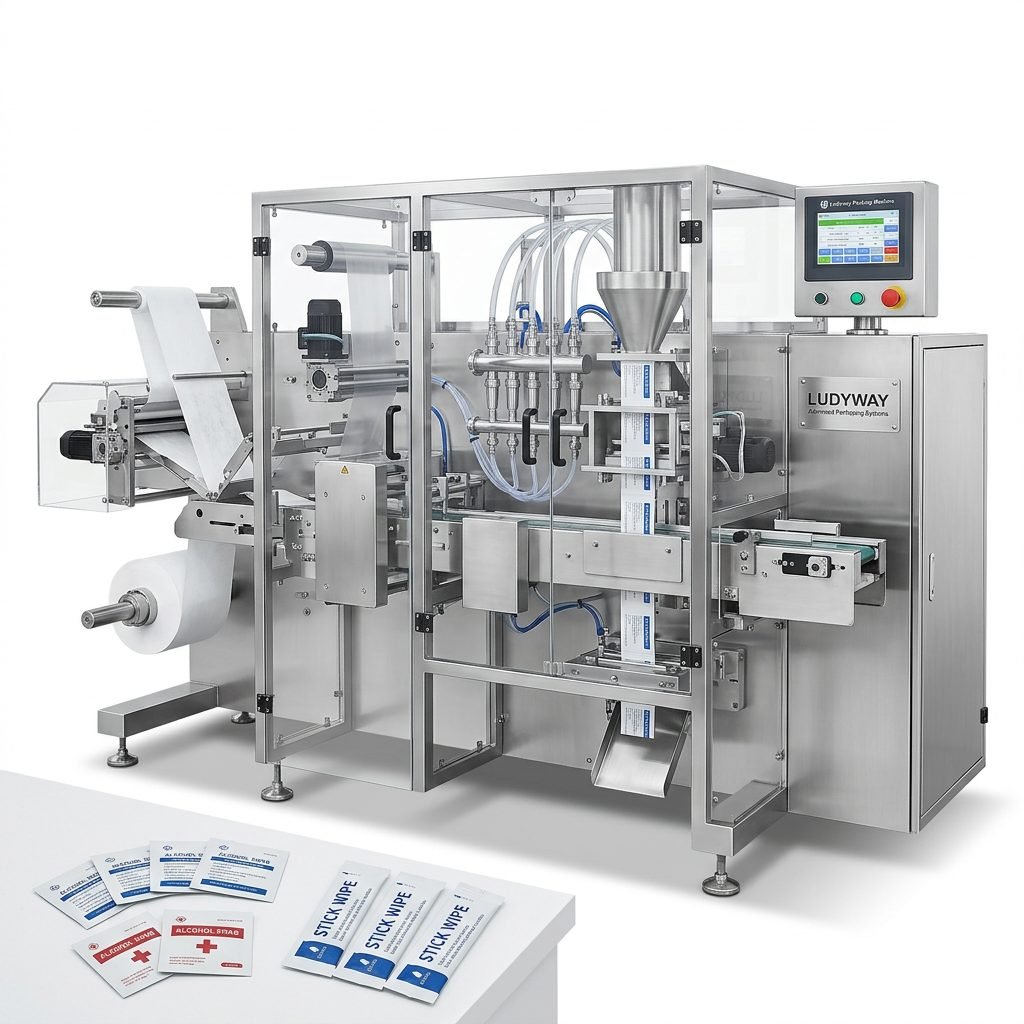
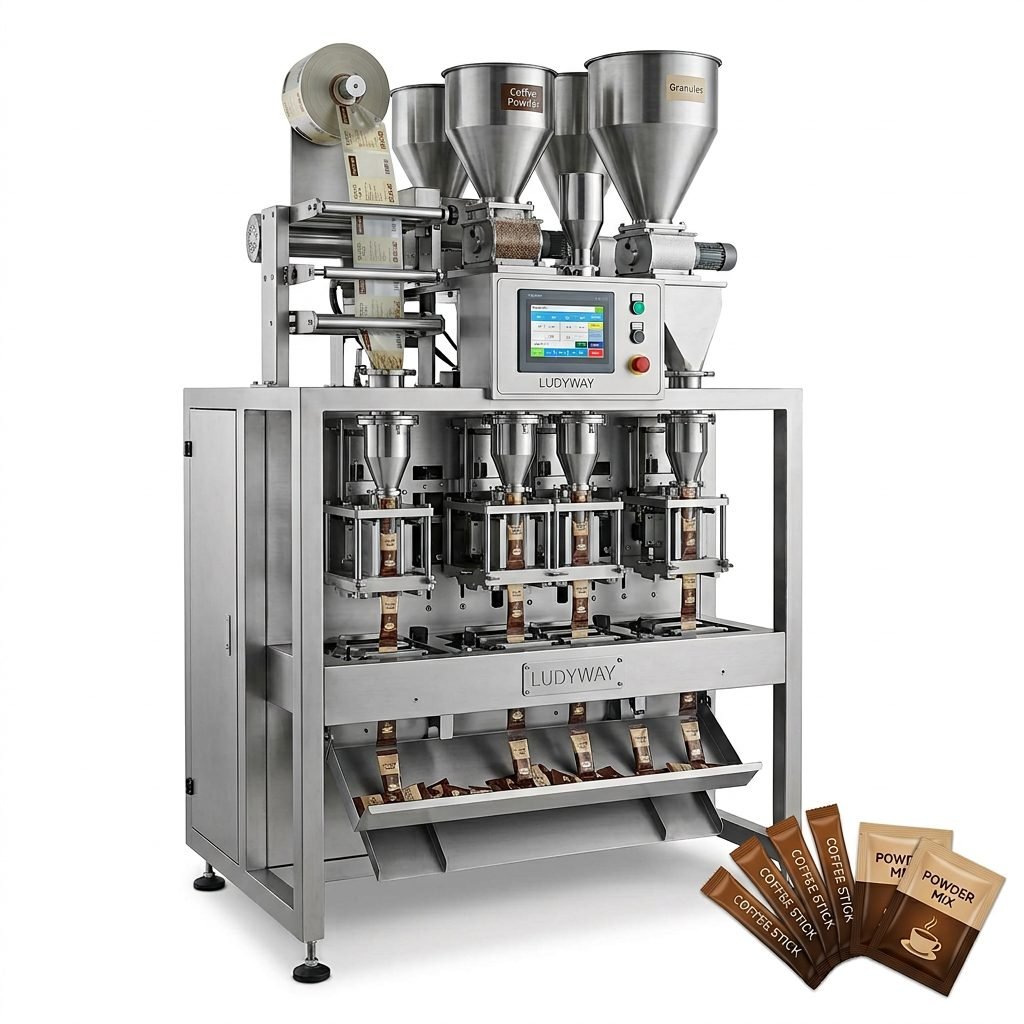
2. Counting & Filling Machines for Sachets/Stick Packs
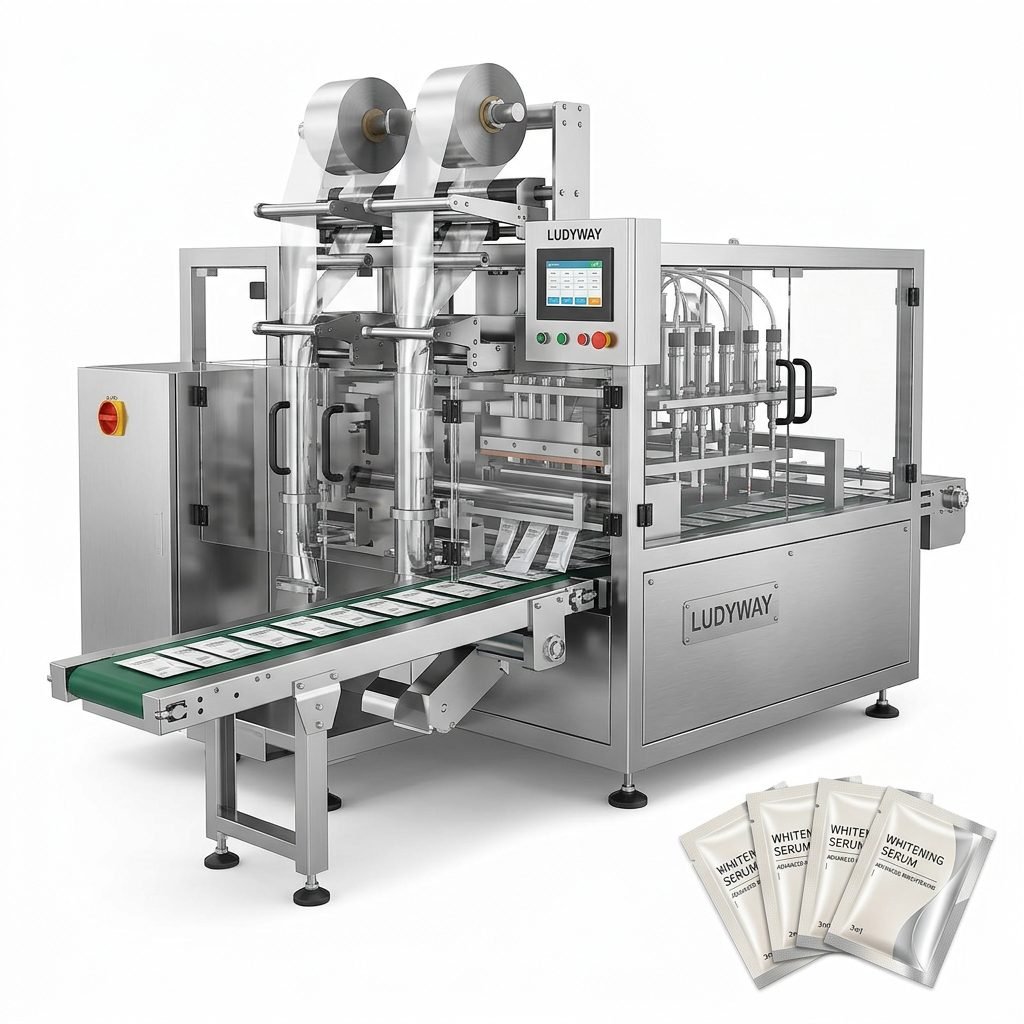
This system is ideal for smaller, free-flowing items like breath mints, small candies, or seeds. The machine counts the items via vibratory bowls, slat counters, or optical sensors and then deposits the precise count into vertically or horizontally formed sachets (stick packs).
- Best For: Portable, single-serve packaging with attractive print quality.
- Product Compatibility: Small confectionery, powdered drink sticks (with solid components), dietary supplements in tablet form.
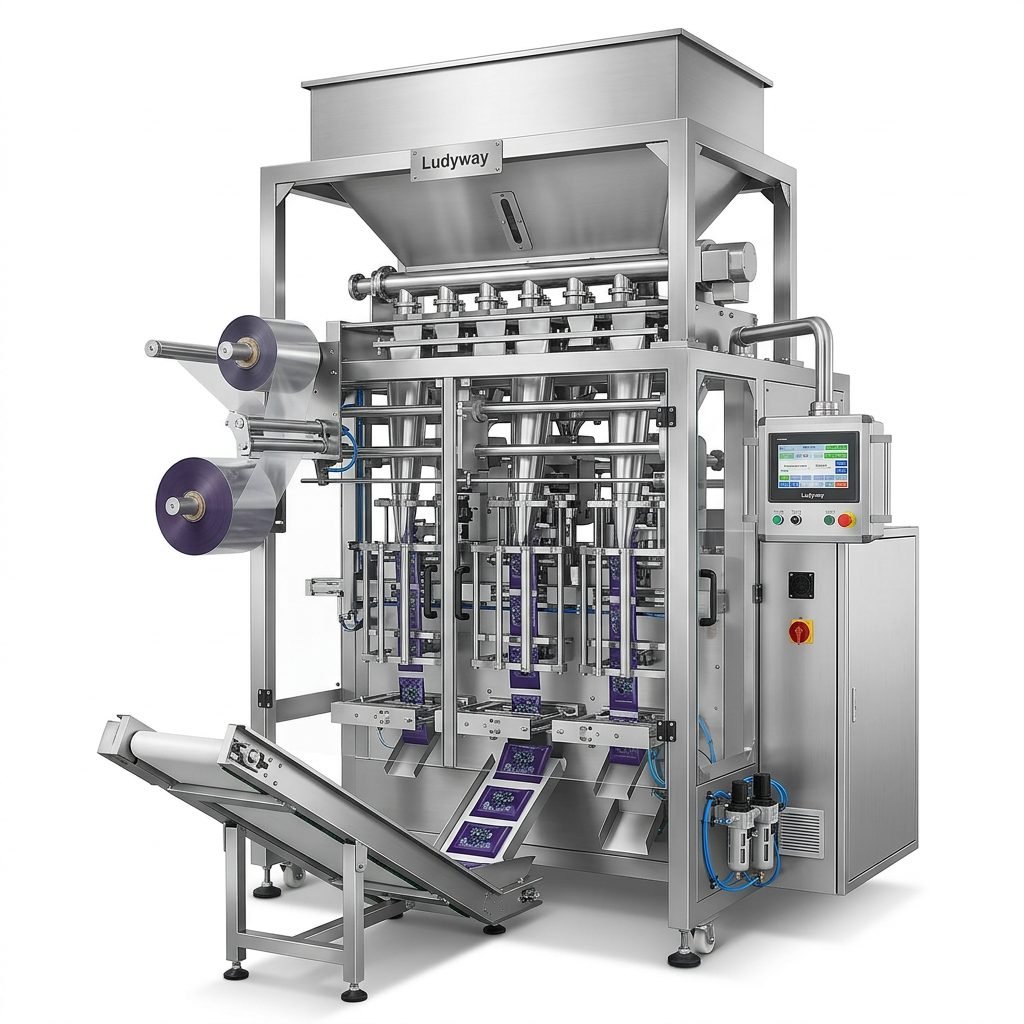
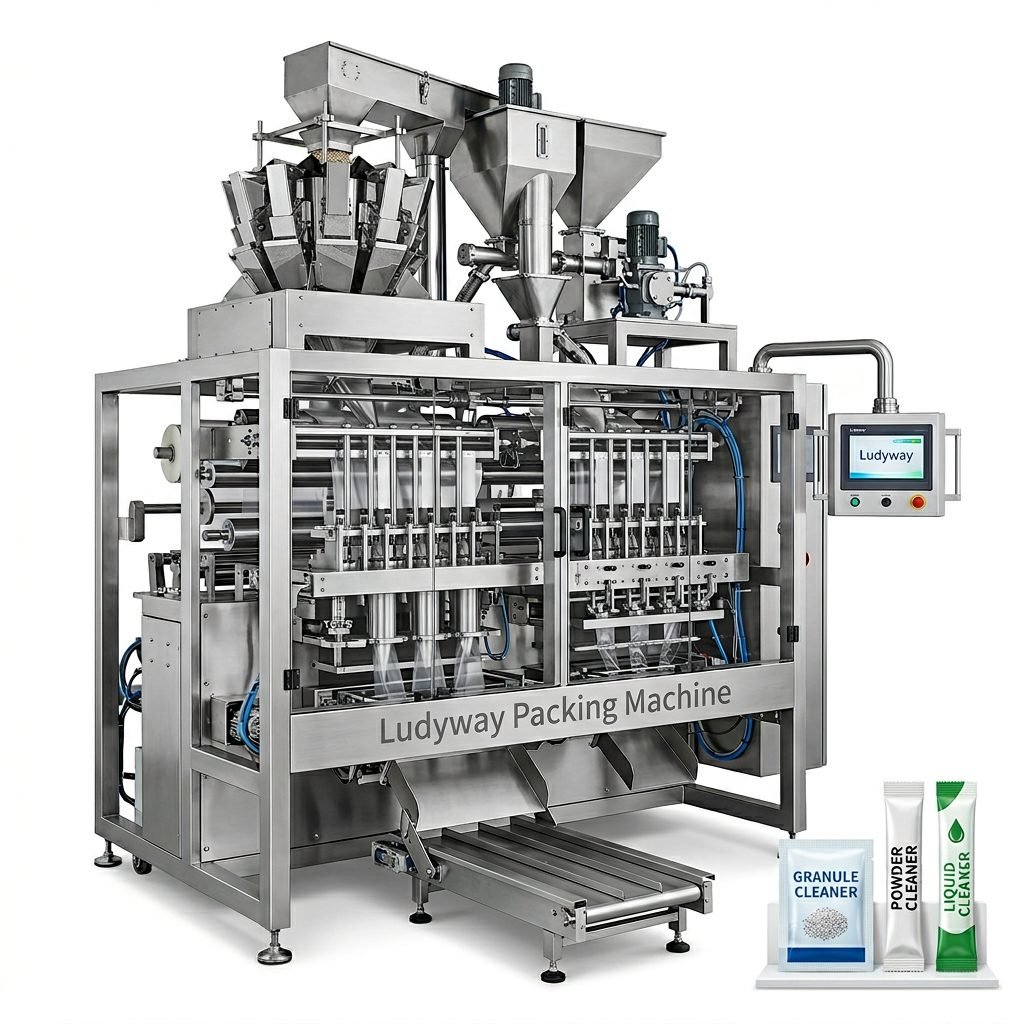
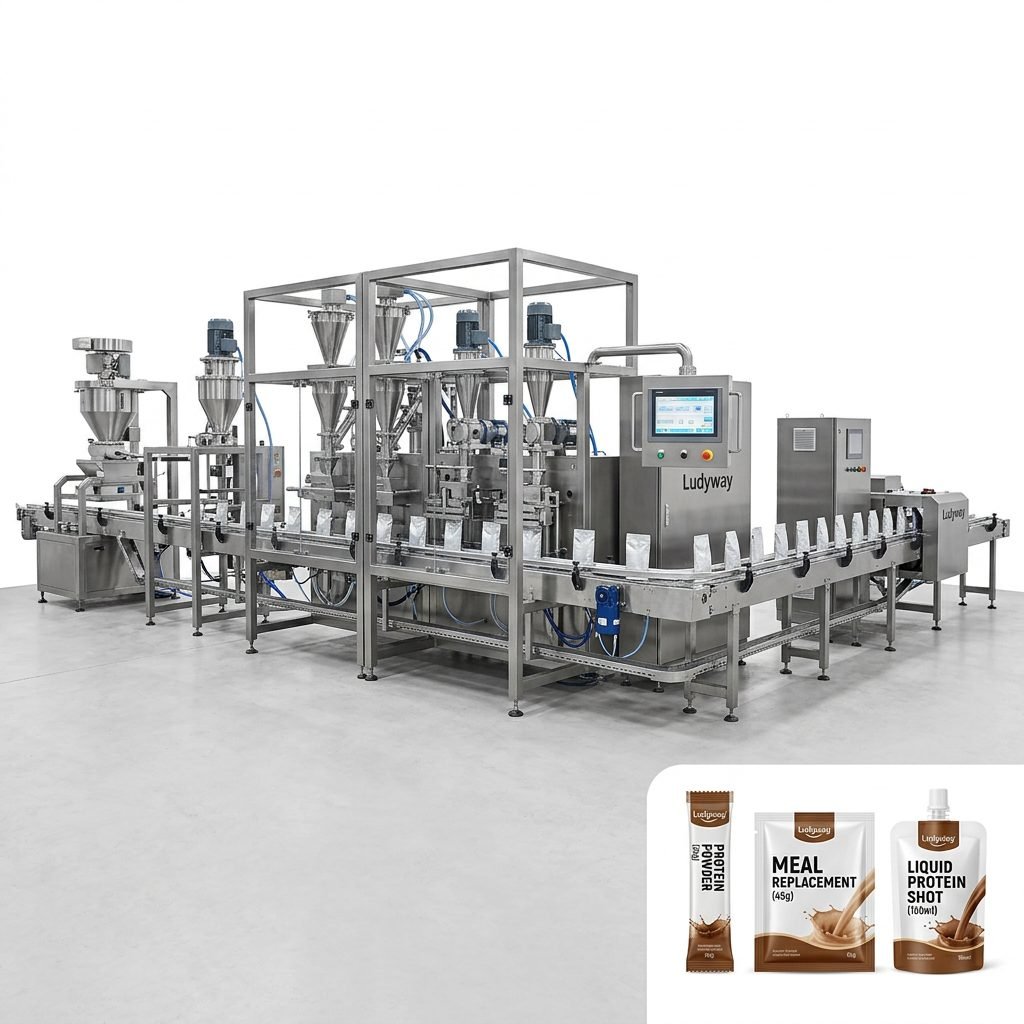
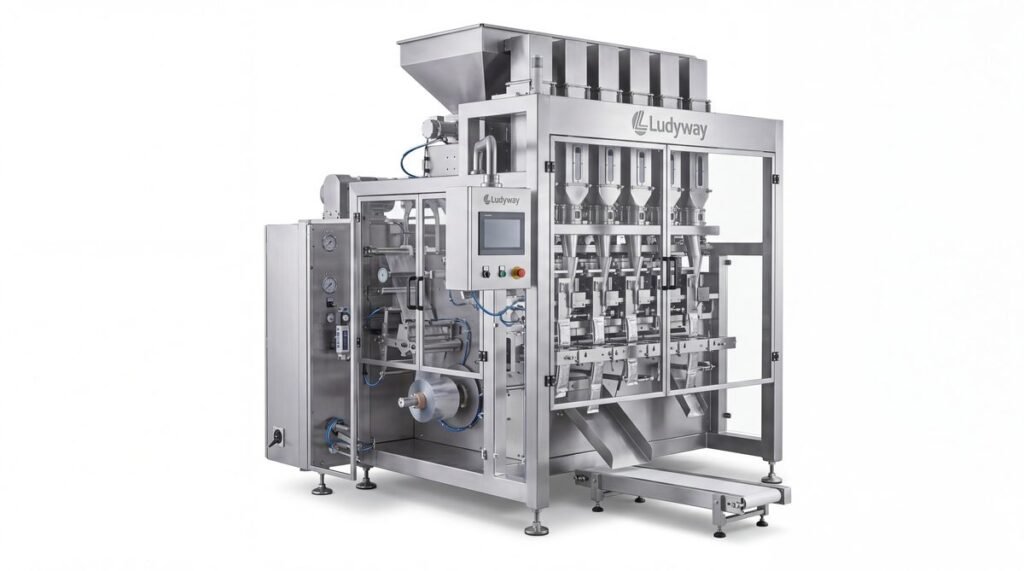
3. Vertical Form-Fill-Seal (VFFS) with Multi-Head Weighers
For irregular, non-free-flowing chips or snacks (e.g., tortilla chips, crackers), a combination system is used. A multi-head weigher provides precise weight measurement, and the product is then dropped into bags formed by a VFFS machine.
- Best For: Snack foods, irregularly shaped items sold by weight rather than count.
- Product Compatibility: Potato chips, nuts, cereal, frozen fruits.
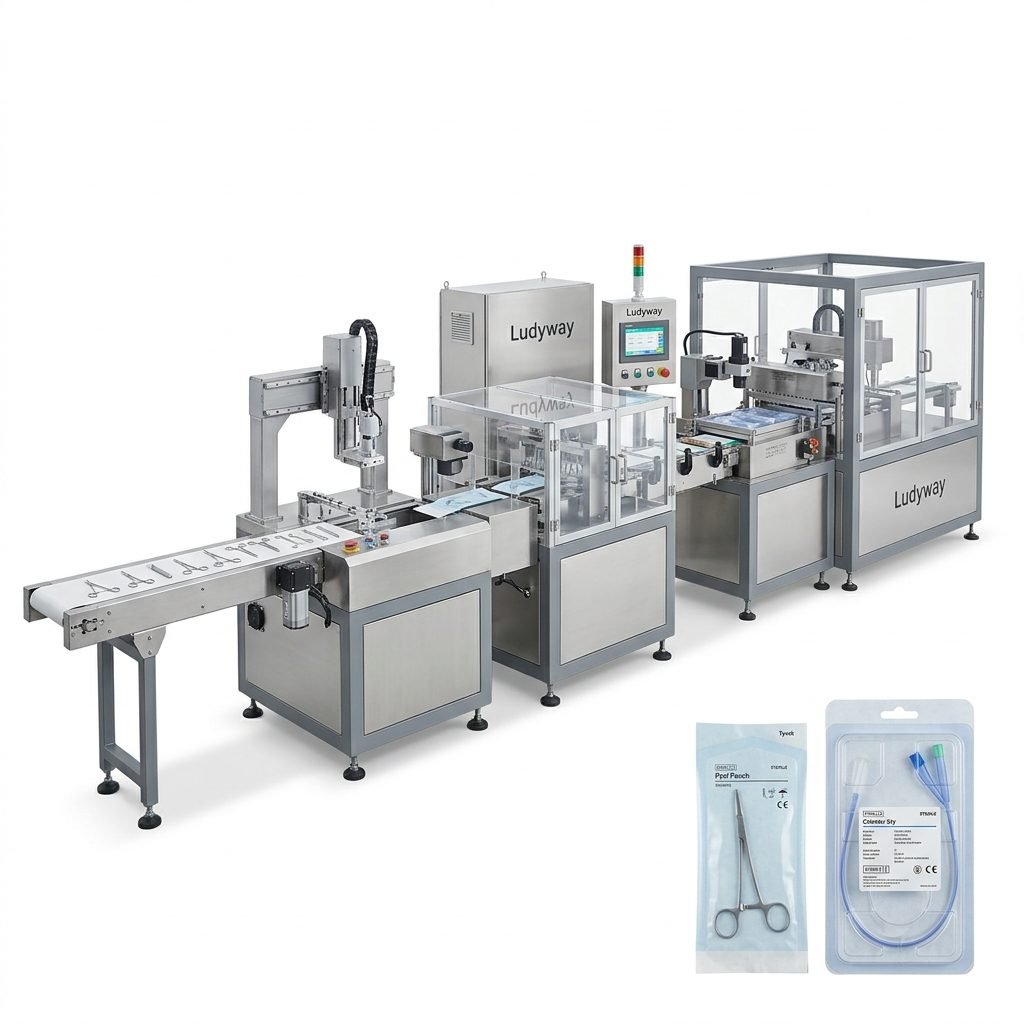
4. Thermoform-Fill-Seal Machines
A versatile cousin to blister packers, these machines can handle a wider range of products, including medical devices, sterile products, and food items. They form both the cavity and the lid from roll stock, creating a full, tamper-evident package.
Core Working Principles: How They Operate
Despite their differences, most chip packaging machines follow a similar sequence: Forming, Counting/Filling, and Sealing.
Stage 1: Package Forming
The packaging material (plastic film, laminate, or foil) is fed from a roll. In thermoforming machines, the film is heated and drawn into molds using vacuum or pressure to create precise cavities. In VFFS machines, the film is formed into a tube around a filling cylinder.
Stage 2: Product Counting & Placement
This is the most critical stage for accuracy. Methods include:
• Vibratory Bowl Feeders: Orient and singulate products for optical or mechanical counting.
• Slat Counters: Use rotating slats with pockets to pick up a fixed number of items.
• Optical Counters (CCD cameras): Use high-speed cameras and image processing for non-contact, highly accurate counting, ideal for fragile items.
The counted products are then transferred via chutes or robotic arms into the waiting cavities or bags.
Stage 3: Sealing & Cutting
The lidding material is applied over the filled cavities. Heat and pressure activate the sealing layer to create an airtight bond. For sachets, the web is sealed horizontally and vertically. Finally, a cutting die or knife separates the individual packages. Advanced machines include inkjet printers for date/batch coding and vision inspection systems to check for fill accuracy and seal integrity before discharge.
⚙️ The Automation Advantage
Modern chip packaging machines integrate PLC (Programmable Logic Controller) systems and HMI (Human-Machine Interface) touchscreens for easy operation, recipe storage, and production data tracking. This automation minimizes human error, maximizes throughput, and ensures consistent, traceable packaging quality.
How to Choose the Right Chip Packaging System
Investing in the wrong equipment can lead to production bottlenecks, high waste, and damaged products. Use this decision framework to guide your selection.
1. Analyze Your Product
This is the first and most crucial step.
• Size, Shape, & Fragility: Is it round, oblong, fragile, or sticky? This determines the counting and handling mechanism.
• Material Sensitivity: Is it sensitive to heat, static, or light? This affects material choice and machine environment.
• Required Output: Calculate your required units per minute (UPM) or packs per hour. Match this to the machine’s rated speed with a 10-15% buffer.
2. Define Your Packaging Specifications
• Format: Blister, sachet, stick pack, or pouch?
• Materials: PVC/PVDC, aluminum foil, cold-form foil, or composite laminates? Your machine must be compatible.
• Barrier Requirements: Do you need moisture, oxygen, or light protection for shelf life?
3. Evaluate Machine Features & Supplier
• Accuracy & Changeover: Demand validation reports for counting accuracy (e.g., 99.95%+). Check how quickly you can change formats (Quick-Change tooling is a plus).
• Hygiene & Construction: For food or pharma, require stainless steel contact parts, easy-clean design, and compliance with GMP standards.
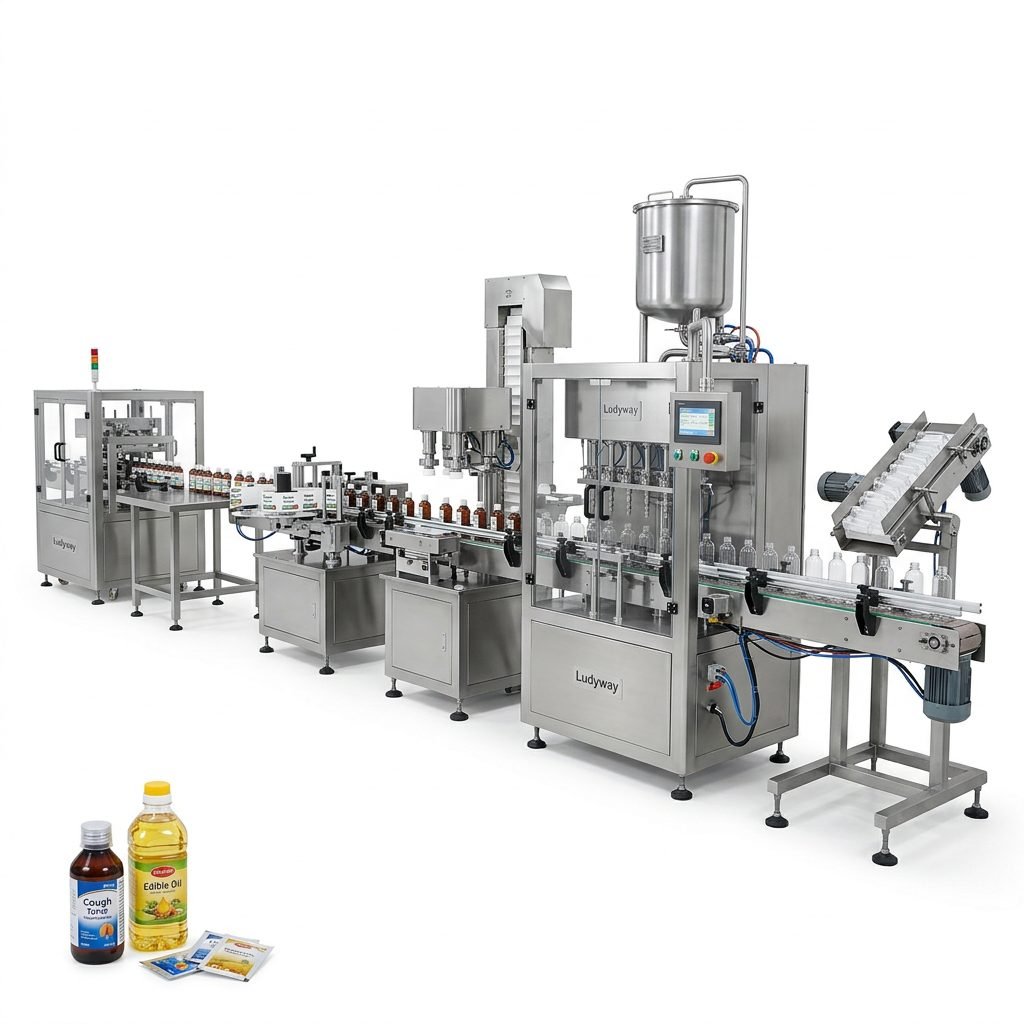
• Supplier Expertise: Choose a supplier with proven experience in your specific industry. They should offer robust after-sales support, training, and spare parts availability. Companies like Ludyway Machinery, with decades of focus on packaging solutions, can provide valuable guidance and reliable equipment tailored to global production standards.
• Total Cost of Ownership (TCO): Look beyond the purchase price. Consider energy consumption, maintenance costs, and potential downtime.
4. Plan for Integration and Future Growth
Will the machine integrate with your existing production line (conveyors, cartoners)? Does the supplier offer scalable solutions or modular designs that allow for future upgrades as your business grows?
Conclusion
Selecting the optimal chip packaging machine is a strategic decision that directly impacts your product quality, operational efficiency, and bottom line. By thoroughly understanding the different machine types—from blister packers to sachet machines—and their underlying working principles, you can make an informed choice. Remember to center your decision on a detailed analysis of your product, desired packaging, required throughput, and the long-term reliability of the equipment supplier. A well-chosen system will deliver precise, secure, and attractive packaging at high speed, providing a strong return on investment and supporting your brand’s reputation in the marketplace.
Frequently Asked Questions (FAQs)
Q1: What is the typical counting accuracy of a modern chip packaging machine?
High-end machines using optical counting systems can achieve accuracy rates of 99.95% or higher. Mechanical counters (slat/vibratory) typically offer 99.8%+ accuracy. The required standard depends heavily on your industry (pharmaceutical standards are the strictest).
Q2: How do I handle very small or static-prone chips in packaging?
For very small items, precision vibratory bowls with dedicated tooling are essential. For static-prone products (e.g., certain plastics), machines can be equipped with ionizing bars or anti-static systems to prevent clumping and ensure smooth feeding and accurate counting.
Q3: Can one machine handle multiple different product sizes and shapes?
Yes, but it requires changeover parts (different forming molds, feeding bowls, counting slats). Look for machines designed for “Quick Changeover” (QCO) to minimize downtime when switching products. Some advanced models allow recipe storage for different products.
Q4: What are the key maintenance requirements for these machines?
Regular daily cleaning, lubrication of moving parts as per the manual, and inspection of seals and heaters are crucial. Periodic maintenance includes checking and calibrating sensors, replacing wear parts like cutting blades or Teflon sealing sheets, and updating software.
Q5: What safety features should I look for?
Essential safety features include interlocked guards with safety switches, emergency stop buttons at multiple points, overload protection on drives, and proper electrical grounding. Machines should comply with relevant international safety standards (e.g., CE, UL).