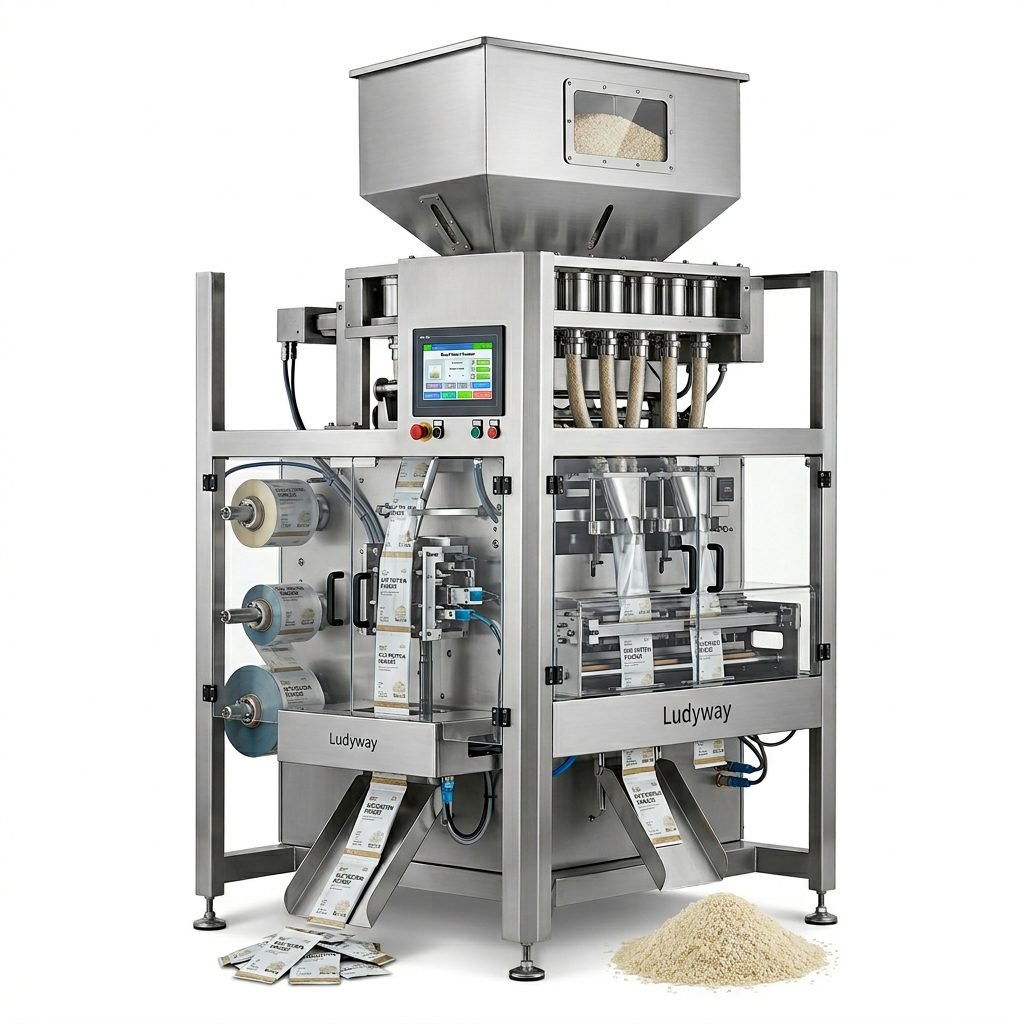
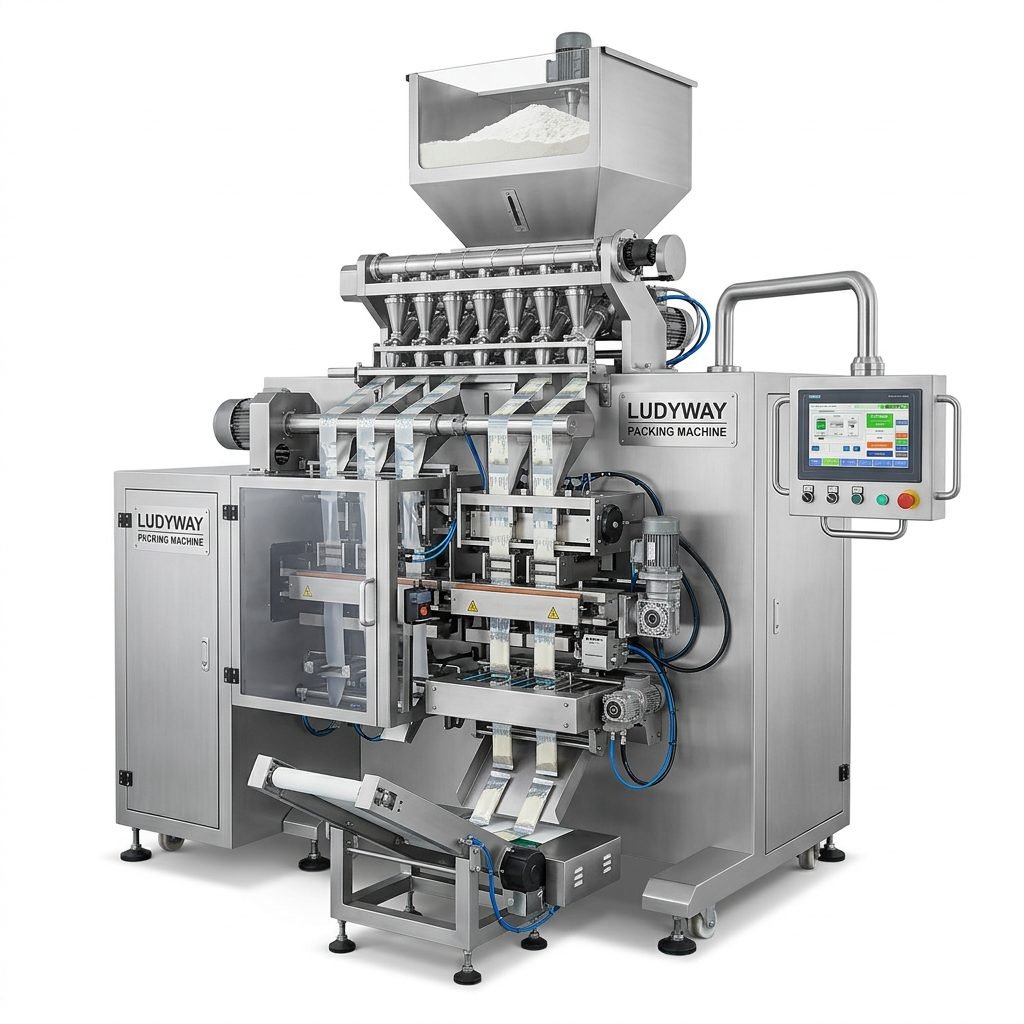
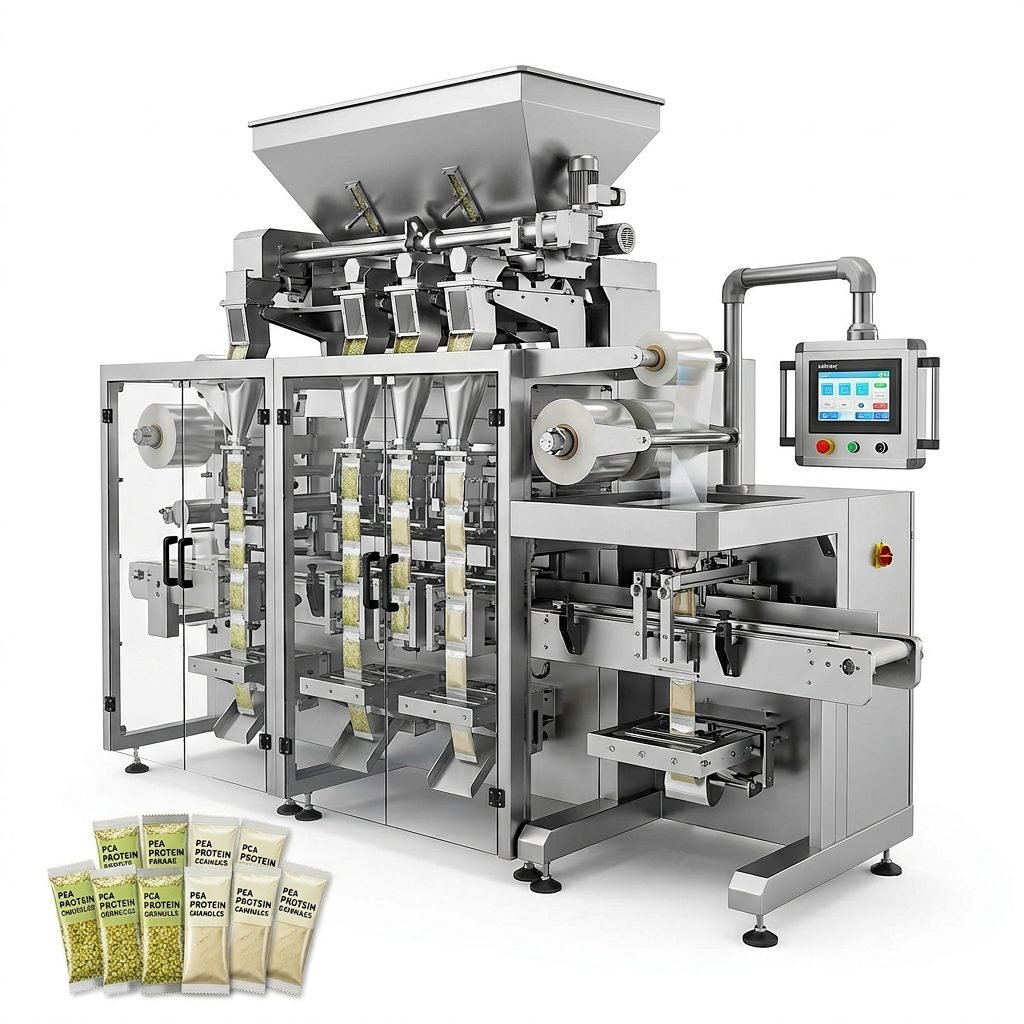
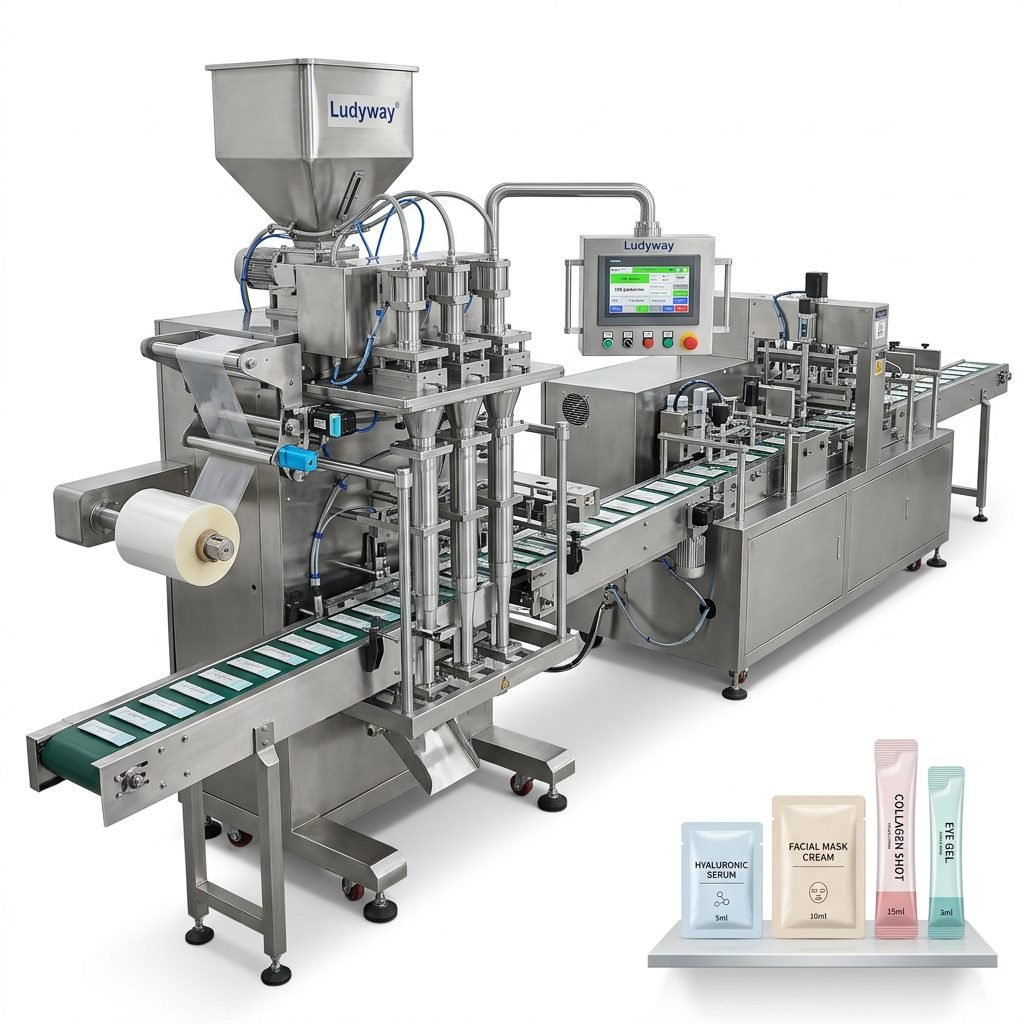
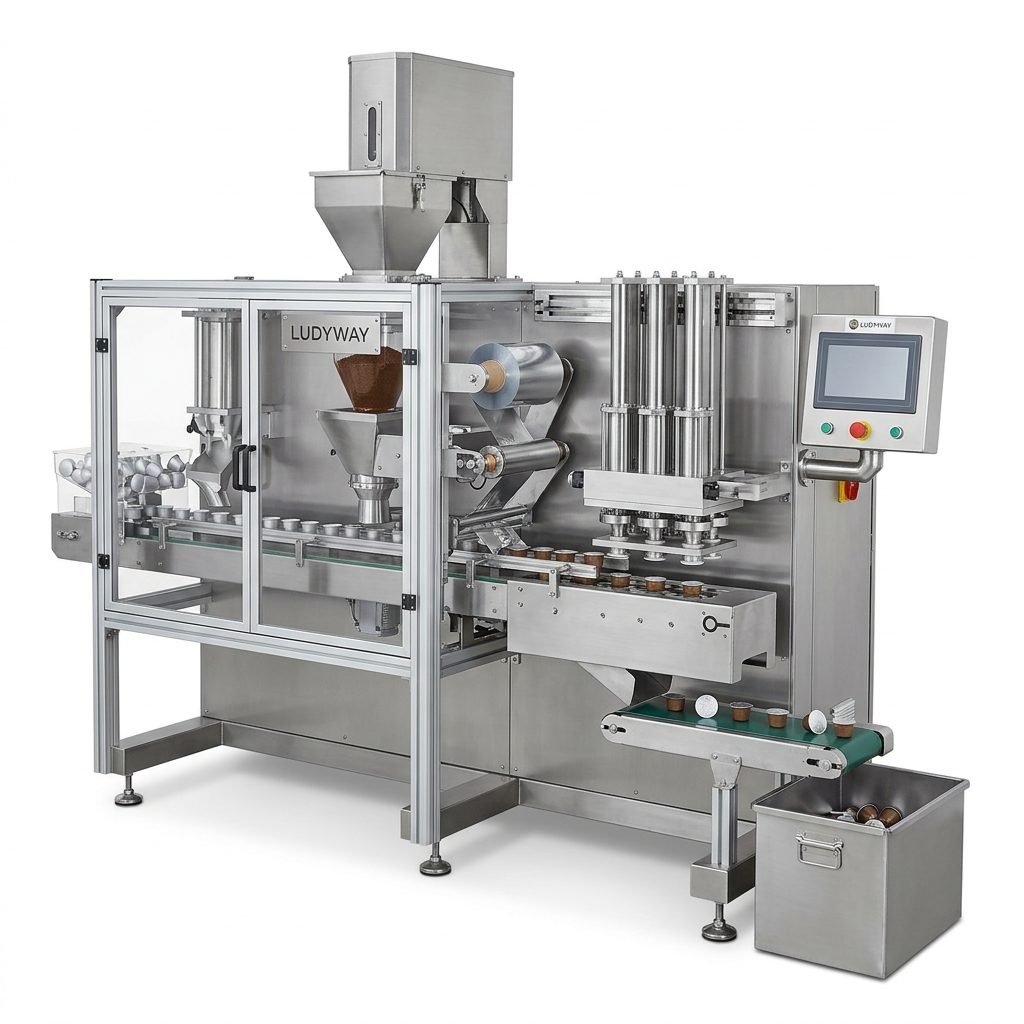
Recruiting top-tier executive talent in the packaging equipment industry is a formidable challenge. The market is fiercely competitive, driven by rapid technological advancements, global supply chain complexities, and increasing demand for sustainable and smart packaging solutions. Finding leaders who possess not only deep technical knowledge but also strategic vision and commercial acumen requires a specialized, proactive approach. This article outlines a comprehensive executive search strategy to help your company secure the leadership necessary to innovate and thrive.
The Unique Challenges of Packaging Equipment Executive Search
The sector’s niche nature creates a limited pool of candidates with the right blend of experience. Executives must understand mechanical engineering, automation, robotics, and often, specific applications in food, pharmaceuticals, or cosmetics. Furthermore, they need to navigate global manufacturing trends, regulatory environments, and after-sales service models. A generic recruitment process often fails to identify individuals who can drive growth in such a specialized field.
Key Leadership Competencies in Demand
When searching for executives, focus on these critical competencies:
► Technical & Engineering Acumen: Deep understanding of packaging machinery design, PLCs, Industry 4.0 integration, and production line optimization.
► Commercial & Strategic Vision: Ability to develop market entry strategies, manage key accounts, and drive product portfolio growth.
► Global Operations Management: Experience in overseeing international supply chains, manufacturing, and service networks.
► Innovation & Sustainability Leadership: Proven track record in R&D for sustainable materials and developing smart, connected packaging solutions.
Building a Proactive and Targeted Search Strategy
Passively posting a job description is insufficient. A successful search requires a multi-faceted strategy that actively engages with the talent ecosystem.
1. Deeply Define the Role and Impact
Move beyond a standard job description. Create a detailed “role mandate” that outlines not just responsibilities, but the strategic impact the executive is expected to deliver in the first 12-24 months. This clarity attracts candidates motivated by challenge and achievement.
2. Leverage Specialized Networks and Partnerships
Tap into industry-specific associations, attend premier trade shows like interpack or PACK EXPO, and engage with alumni from leading engineering institutions. Building relationships with specialized executive search firms that have a dedicated industrial practice can provide immediate access to a vetted, passive candidate pool.
3. Develop a Compelling Employer Value Proposition (EVP)
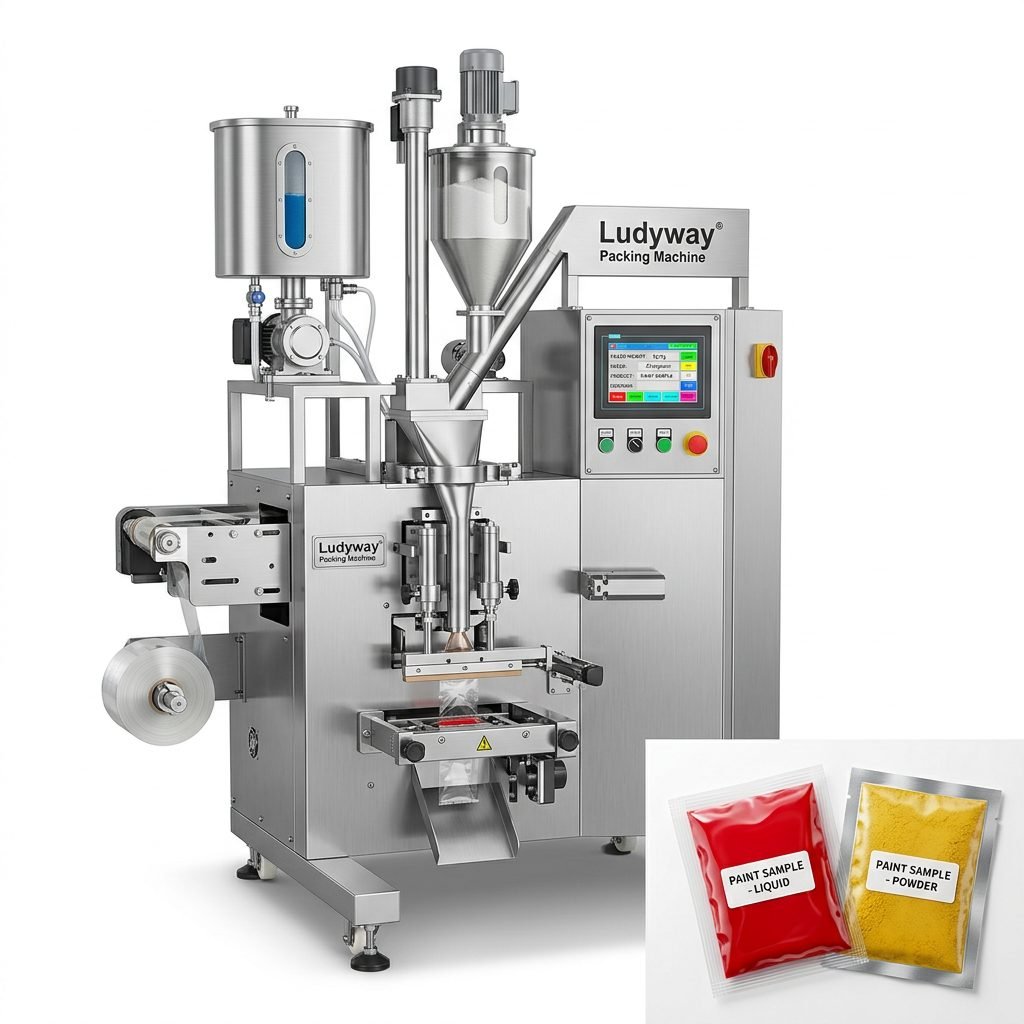
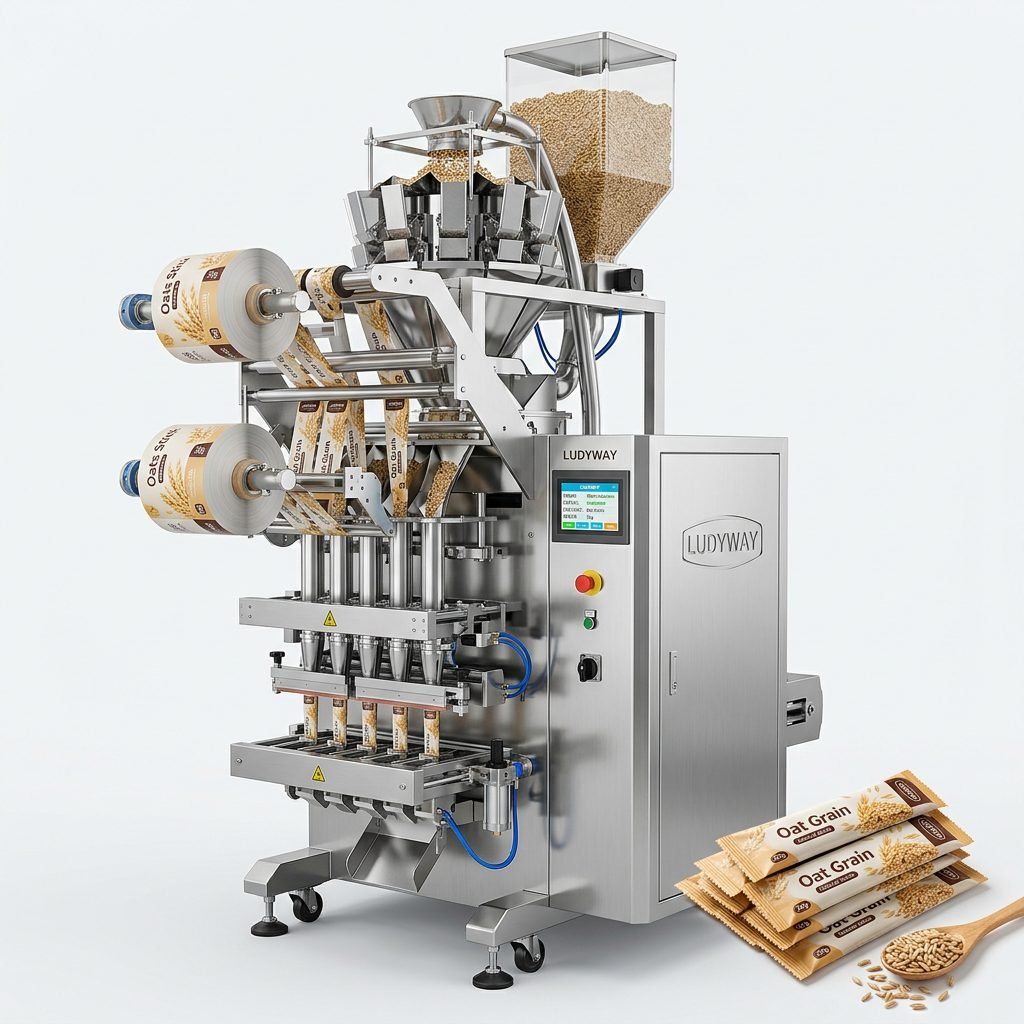
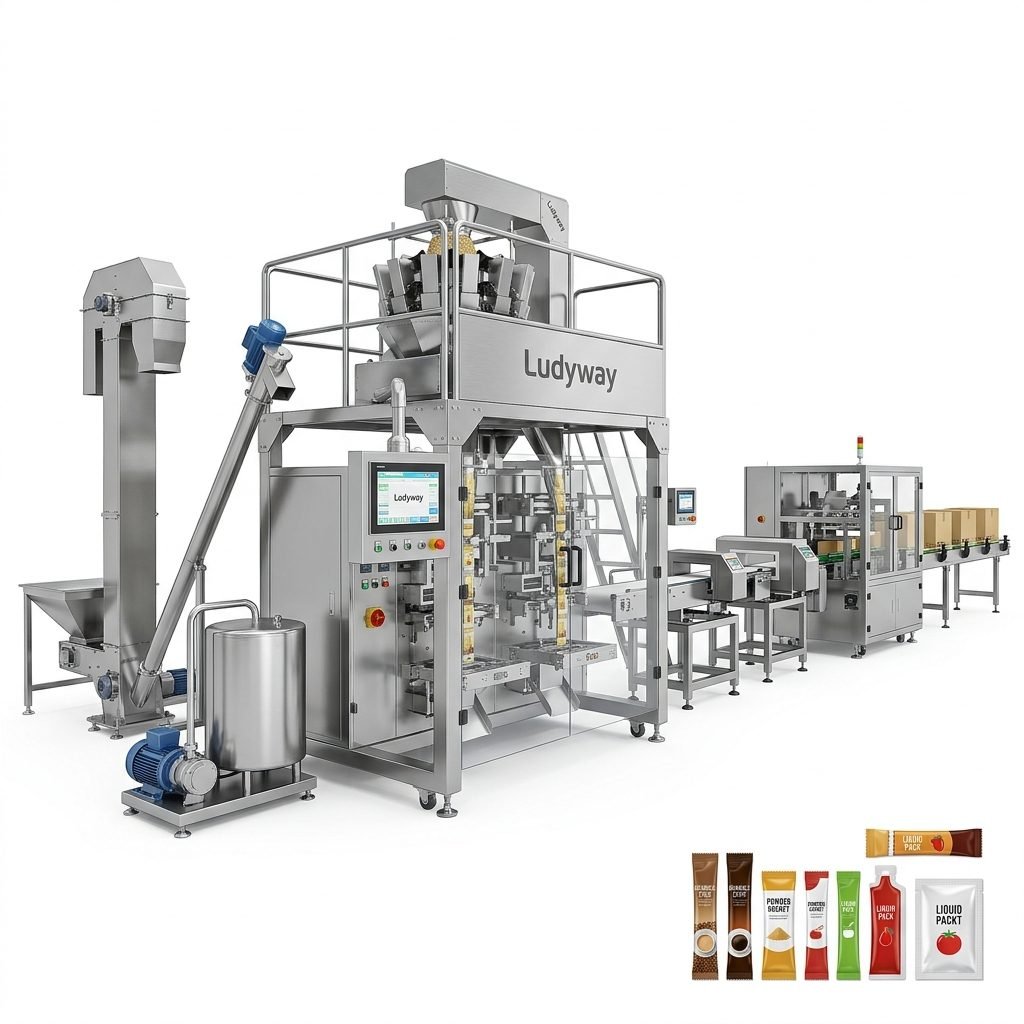
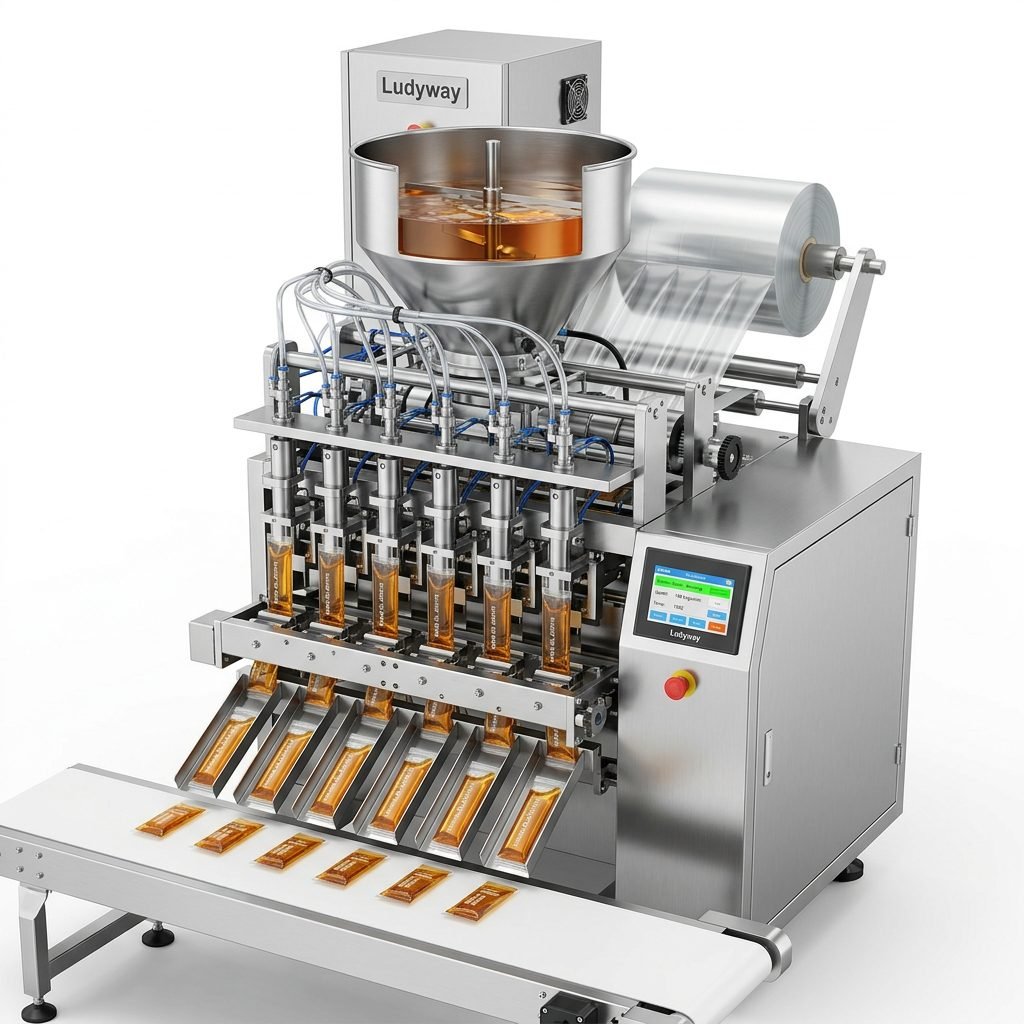
Why should a top performer join your company? Your EVP must articulate the unique opportunities you offer. For example, at Ludyway Packing Machine, the EVP is built on over 30 years of industry experience, a commitment to innovation evidenced by 50+ intelligent machine models, and the scale provided by a 20,000㎡ modern production facility. Highlight projects involving cutting-edge technology and global impact.
The Power of a Turnkey Vision
Top executives are drawn to companies that solve complex problems. Emphasizing your capability to deliver complete turnkey production solutions—from single machines to fully integrated automated lines—positions your company as a strategic partner, not just a vendor. This vision attracts leaders who want to build and scale comprehensive systems for global clients in the food, pharmaceutical, and health industries.
Mastering the Assessment and Engagement Process
Identifying a candidate is only half the battle; accurately assessing and persuading them is critical.
Conduct Rigorous, Scenario-Based Interviews
Utilize case studies and real-world scenarios relevant to your business challenges. For instance, present a case on entering a new geographic market or developing a service strategy for a newly launched high-speed packaging line. Evaluate their problem-solving approach, technical depth, and commercial reasoning.
Showcase Organizational Strength and Stability
During the interview process, demonstrate your company’s foundation. Share insights into your engineering capabilities, quality control processes, and long-term client partnerships. A history of steady growth, like Ludyway’s journey from a focused engineering team to an international provider, reassures candidates of the organization’s resilience and potential.
Facilitate “Team Fit” and Cultural Interviews
Arrange meetings with future peers and key team members. This allows candidates to gauge the team’s expertise and collaborative spirit, while your team assesses interpersonal and leadership fit. It turns the recruitment process into a mutual exploration.
Onboarding for Long-Term Success and Retention
Securing the executive is the beginning. A structured onboarding plan is essential for integration and impact.
Assign a strategic mentor (e.g., the CEO or Board Chair) to provide context and navigate internal networks. Clearly link their goals to the company’s strategic objectives from day one. Encourage them to visit key facilities and meet with major clients early on to build a firsthand understanding of operations and market needs.
Final Thoughts: A Strategic Imperative
In the competitive packaging equipment landscape, your leadership team is your ultimate competitive advantage. Executive search cannot be an administrative task; it must be a core strategic function. By adopting a specialized, proactive, and engaging process—underpinned by a compelling vision of innovation and global partnership—you can successfully attract and secure the visionary talent needed to lead your company into the future.
Frequently Asked Questions (FAQs)
Q1: What is the most common mistake companies make when recruiting packaging equipment executives?
A: The most common mistake is using a generic recruitment approach. This industry requires highly specialized knowledge. Companies often undervalue deep technical expertise in machinery automation or specific application domains (like aseptic pharmaceutical packaging), focusing too much on general management experience instead.
Q2: How important is international experience for a packaging equipment executive today?
A: It is critically important. The market is global, with supply chains, manufacturing, and clients spread worldwide. Experience in navigating different regulatory standards, cultural business practices, and establishing service networks in key regions like Europe, North America, or Southeast Asia is a significant advantage.
Q3: Should we prioritize candidates from direct competitors?
A: While candidates from competitors bring valuable industry insights, it’s essential to look broader. Talent from related sectors like industrial automation, robotics, or end-user industries (e.g., a production head from a major food brand) can bring fresh perspectives on efficiency, reliability, and customer needs that drive disruptive innovation.
Q4: How can we assess a candidate’s ability to drive innovation?
A: Go beyond claims on a resume. Ask for specific examples of past projects where they led the development or implementation of a new technology, such as IoT-enabled machine monitoring, sustainable material handling systems, or AI-driven quality inspection. Discuss their process for managing R&D investment and fostering a culture of innovation within engineering teams.
Q5: What role does company culture play in attracting top executive talent?
A: A decisive role. Top candidates seek environments that value engineering excellence, quality, and long-term client partnerships. A culture that is agile, supports calculated risk-taking for innovation, and has a clear, stable history is highly attractive. Demonstrating a commitment to professional growth and global collaboration is key.