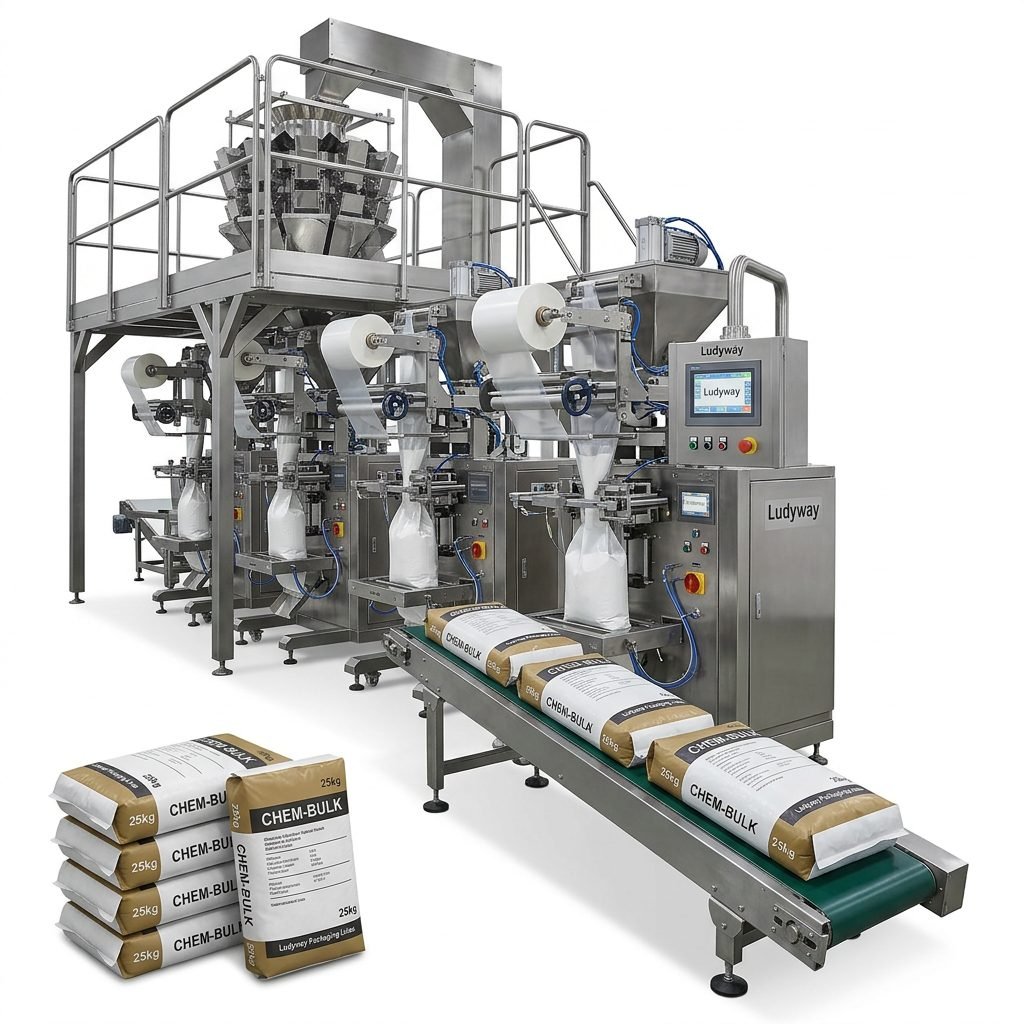
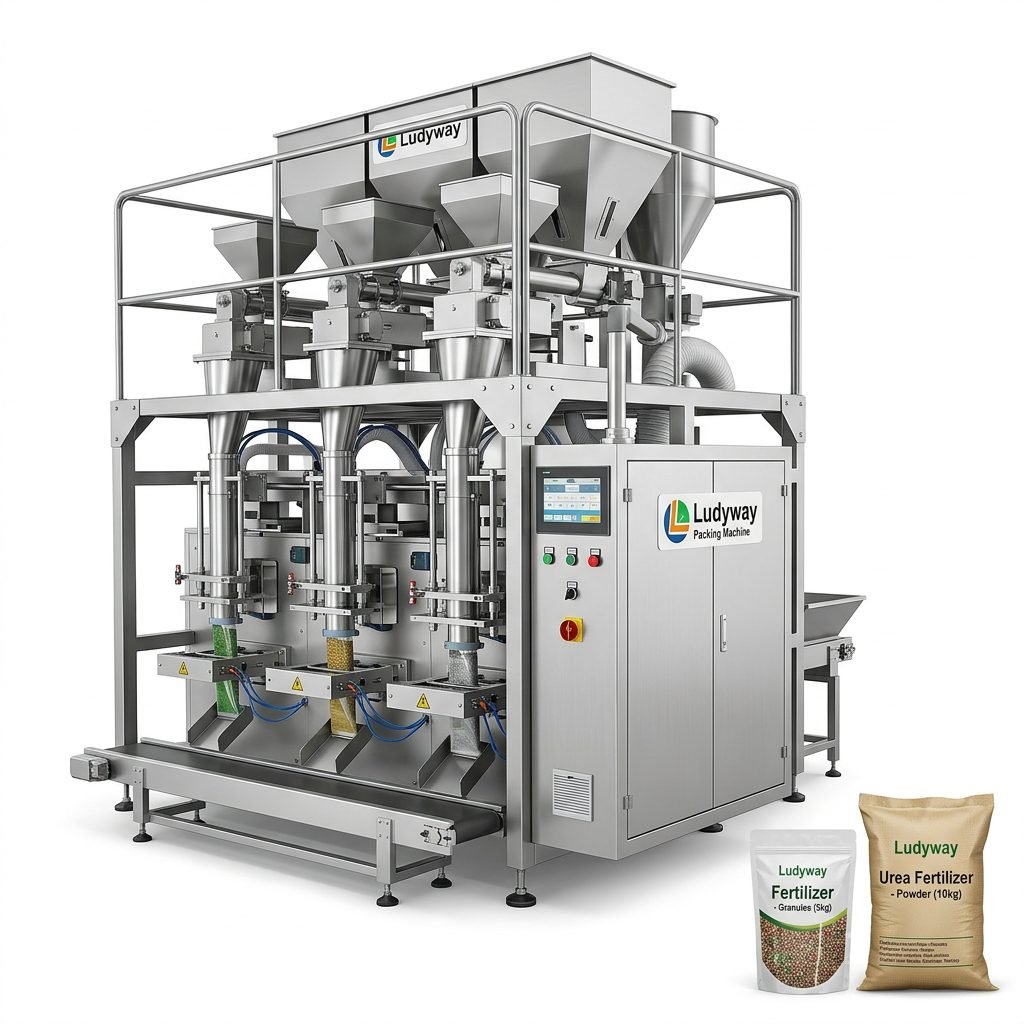
Germany stands as Europe’s largest coffee market, with an ever-growing demand for single-serve coffee solutions. For businesses looking to enter or expand within the K-Cup packaging sector, selecting the right machinery is a critical investment decision. This guide walks you through the essential factors to consider when purchasing a K-Cup packaging machine for the German market, covering regulatory requirements, technical specifications, cost considerations, and supplier evaluation.
Understanding K-Cup Packaging Technology
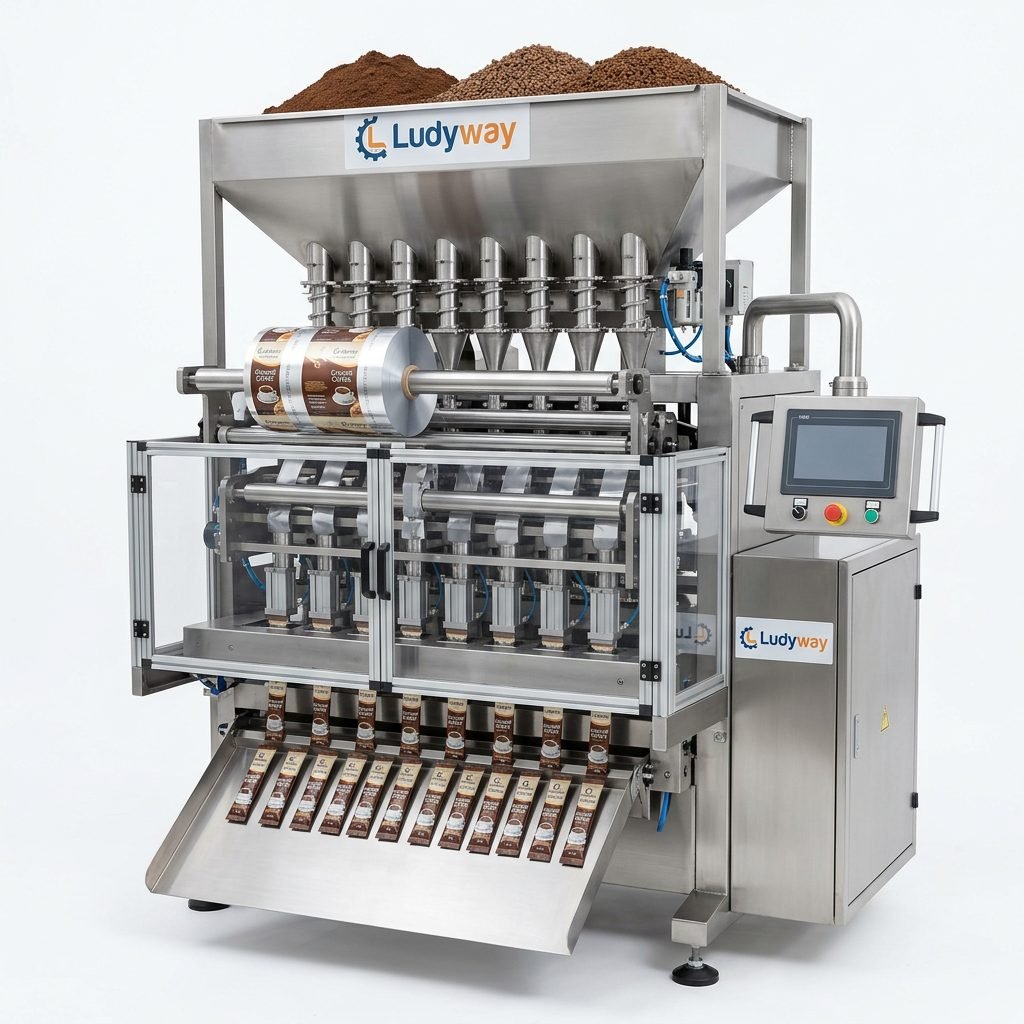
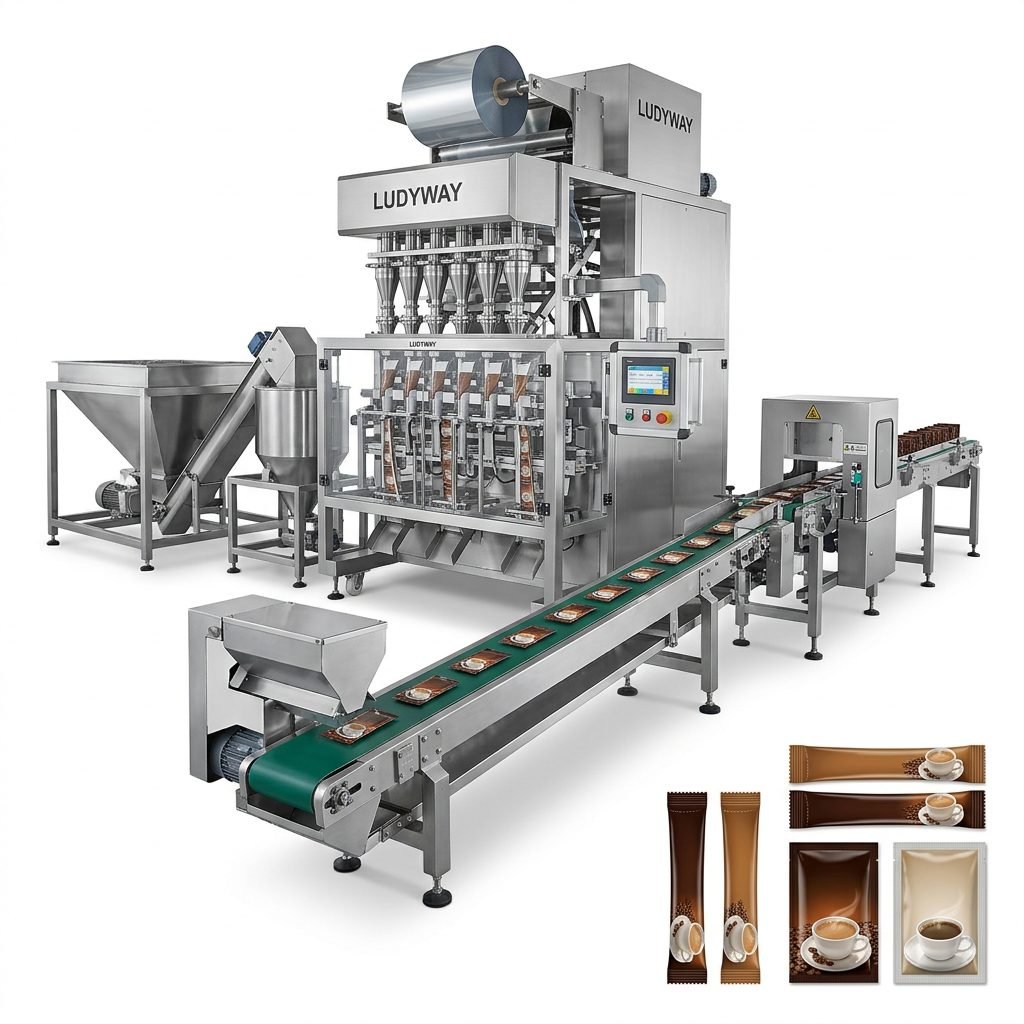
A K-Cup packaging machine is a specialized system designed to fill and seal single-serve coffee capsules at high speed. These machines handle multiple processes simultaneously: dosing ground coffee, placing filter paper, filling with an inert gas such as nitrogen to preserve freshness, and heat-sealing the lid. Modern systems integrate automated quality control features including weight verification, seal integrity checks, and oxygen level monitoring. When evaluating equipment for the German market, precision engineering and consistent output quality are non-negotiable requirements that directly impact your brand reputation.
Key Considerations for the German Market
Germany’s regulatory environment is among the most stringent in the world. Before purchasing any coffee capsule packaging equipment, you must verify compliance with several mandatory standards. The EU Packaging and Packaging Waste Regulation sets strict requirements for packaging materials and recyclability. Additionally, food contact substance regulations govern all materials that touch the coffee product. German buyers should also consider the VerpackG (German Packaging Act) registration requirements for placing packaged goods on the market.
CE Certification and EU Compliance
All packaging machinery sold and operated in Germany must carry CE marking. This certification confirms that the equipment meets EU safety, health, and environmental protection requirements. When sourcing a K-Cup filling machine, request the complete technical documentation package, including the Declaration of Conformity, risk assessment reports, and user manuals in German or English. Equipment should also comply with ISO packaging standards for internationally recognized quality benchmarks.
Technical Specifications to Evaluate
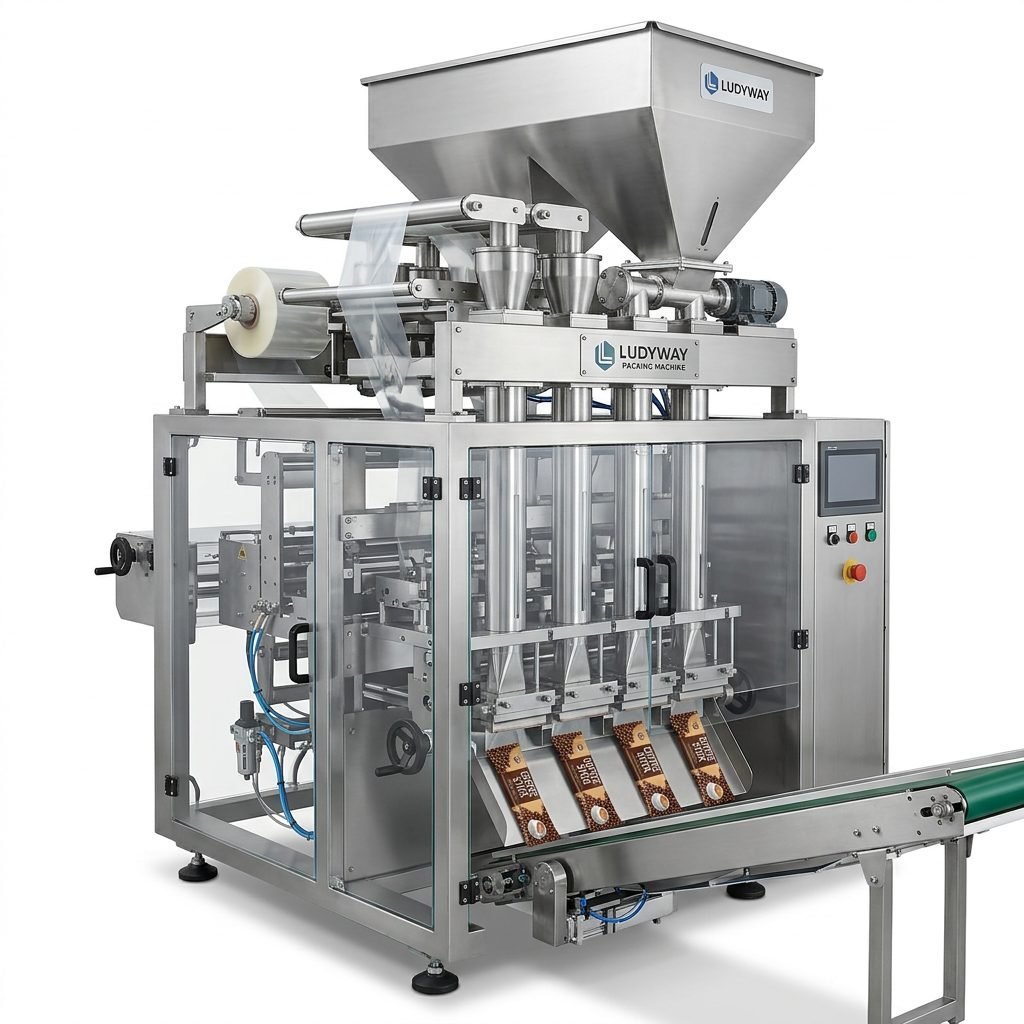
When comparing different K-Cup packaging systems, focus on the following technical parameters that directly affect production efficiency and product quality:
| Specification | Why It Matters | Recommended Range |
|---|---|---|
| Output Speed | Determines daily production capacity and ROI timeline | 200-600 capsules per minute |
| Filling Accuracy | Affects product consistency and material waste | ±0.5% or better |
| Nitrogen Flushing | Critical for extending shelf life of coffee | Residual oxygen below 2% |
| Seal Integrity | Prevents leakage and contamination | 99.9% pass rate |
| Changeover Time | Impacts operational flexibility and downtime | Under 15 minutes |
Production Capacity Planning
German businesses must carefully align machine capacity with market demand forecasts. Consider the following factors when determining the right production scale:
- Current monthly order volume — select a machine that handles peak demand at 70-80% utilization
- Future growth projections — modular systems allow adding lanes as demand increases
- Seasonal fluctuations — the German coffee market sees significant Q4 spikes during holiday seasons
- Contract manufacturing potential — excess capacity can serve private label clients
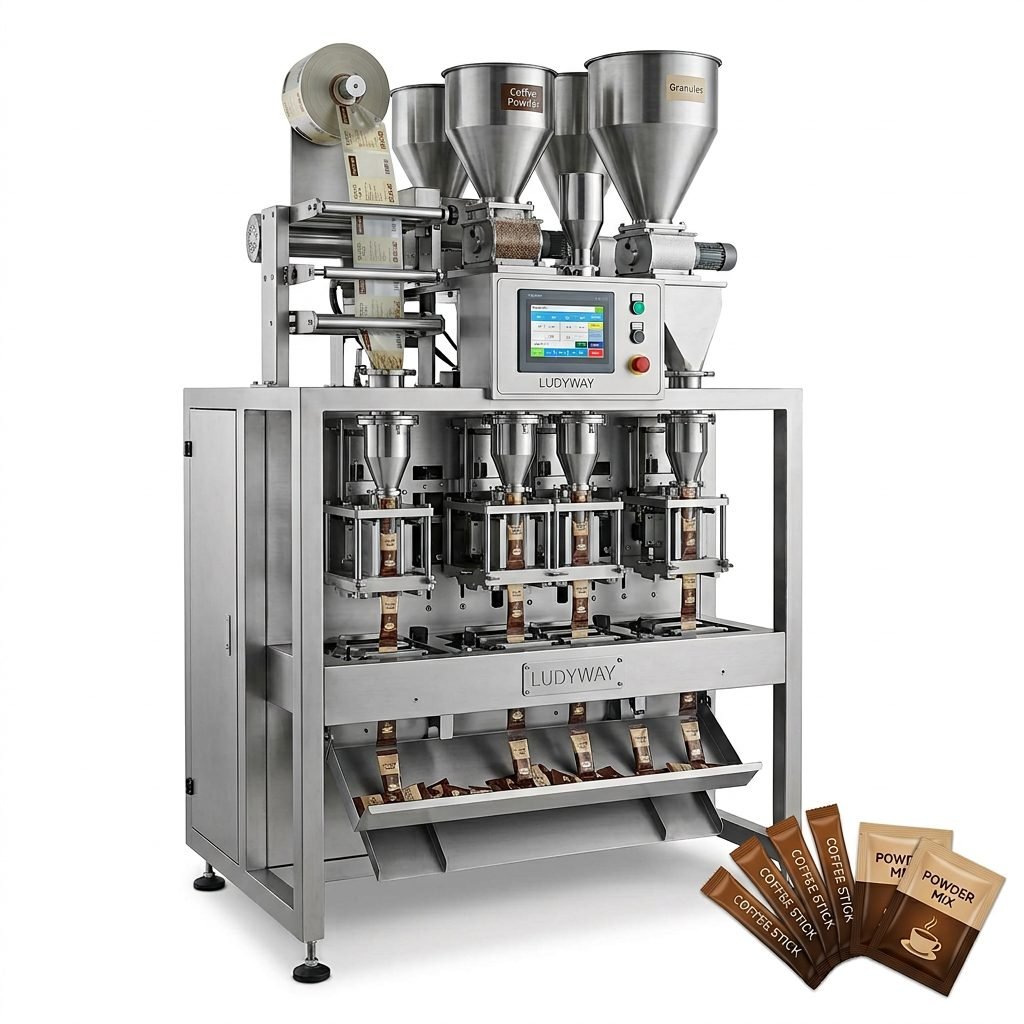
Supplier Evaluation Checklist
Choosing the right packaging machine manufacturer is as important as the equipment itself. A thorough supplier assessment should cover:
- Industry experience — how many years has the supplier been manufacturing coffee packaging systems?
- Technical support availability — can they provide remote diagnostics and on-site service across Germany?
- Spare parts inventory — do they maintain European distribution centers for rapid parts delivery?
- Reference installations — can they provide verifiable case studies from other European clients?
- Training programs — do they offer comprehensive operator and maintenance training?
- Warranty terms — what is covered and for how long under standard warranty?
Installation and Commissioning Support
Leading suppliers provide turnkey installation services that include equipment setup, calibration, and initial production ramp-up. For the German market, ensure the supplier can dispatch qualified technicians who understand local electrical standards (400V/50Hz three-phase) and can interface with your existing facility infrastructure. The packaging machinery industry data suggests that proper installation can reduce startup time by up to 40%.
Cost Analysis Beyond the Purchase Price
The total cost of ownership for a K-Cup packaging machine extends far beyond the initial capital expenditure. German businesses should calculate the following ongoing costs over a typical 7-10 year equipment lifecycle:
- Consumable materials — filter paper, lid foil, and packaging film costs per thousand capsules
- Energy consumption — electricity costs at German industrial rates (approximately €0.18-0.25 per kWh)
- Maintenance contracts — annual preventive maintenance and emergency repair budgets
- Operator labor — fully loaded labor costs including social security contributions
- Downtime costs — lost production value during unscheduled stoppages
Automation and Integration Capabilities
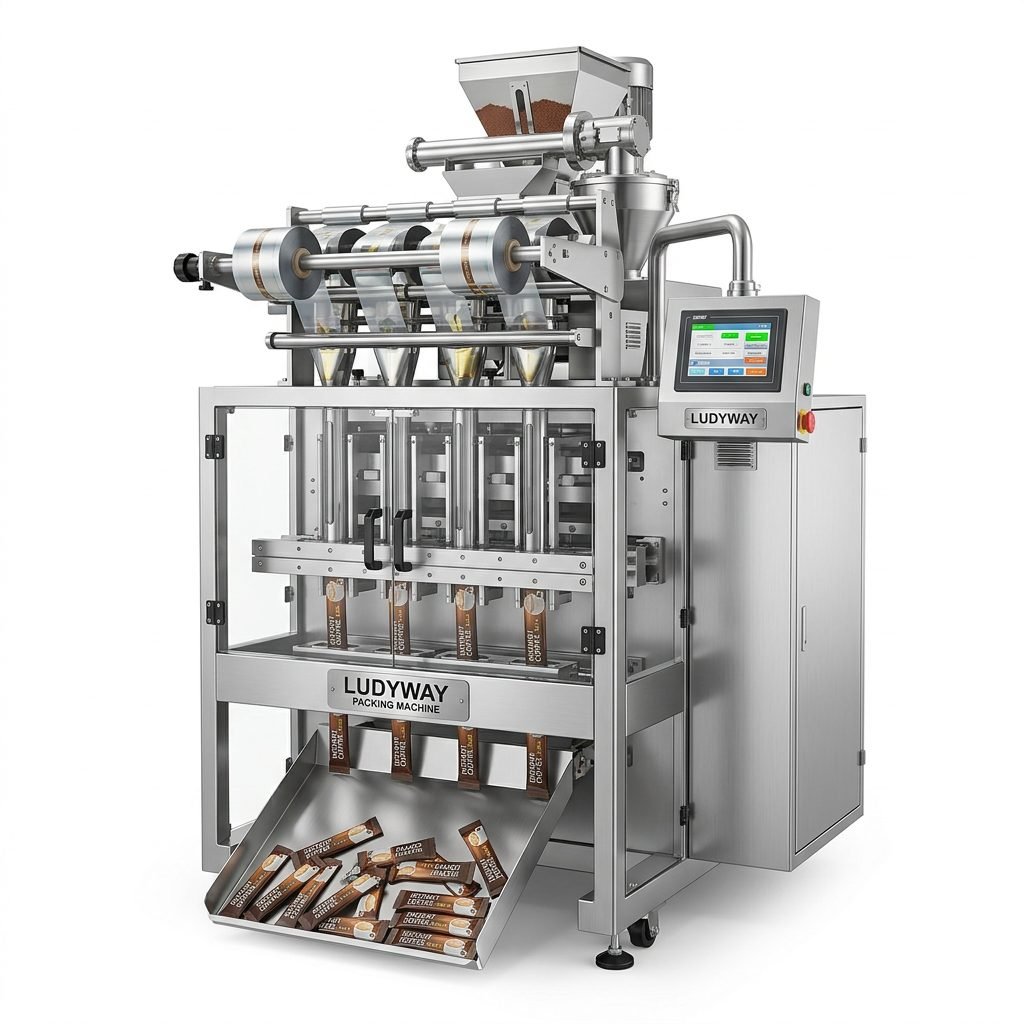
Modern coffee capsule packaging lines increasingly integrate with upstream and downstream equipment. Consider machines that offer seamless connectivity with automatic coffee grinders, capsule counting systems, cartoning machines, and palletizing robots. Industry 4.0 features such as packaging machinery standards for data exchange enable real-time production monitoring and predictive maintenance scheduling. For German manufacturers operating under lean principles, this connectivity directly supports Operational Equipment Effectiveness (OEE) tracking.
Maintenance and Long-Term Reliability
German production environments demand exceptional equipment reliability. When evaluating K-Cup packaging machinery, examine the following maintenance-related aspects:
- Mean Time Between Failures (MTBF) — ask suppliers for documented MTBF data from field installations
- Preventive maintenance schedule — review the recommended service intervals and required downtime
- Common wear parts — identify components requiring regular replacement and their availability
- Remote diagnostic capabilities — modern systems should support VPN-based remote troubleshooting
- Operator training requirements — well-trained operators significantly reduce premature wear
Spare Parts Strategy for German Operations
Establish a spare parts inventory plan before commissioning your equipment. Work with your supplier to identify critical components and recommended stock levels. Many German businesses maintain a consignment stock arrangement where the supplier warehouses parts locally while ownership transfers only upon use. This approach balances operational readiness with working capital efficiency.
Regulatory Documentation Requirements
German authorities and certification bodies require comprehensive documentation for packaging machinery. Maintain the following records as part of your quality management system:
- EC Declaration of Conformity per Machinery Directive 2006/42/EC
- Technical construction file with risk assessment documentation
- Operating instructions in German language (Betriebsanleitung)
- Maintenance logs and service records
- Food contact material compliance certificates per FDA and EU food packaging regulations
Making the Final Decision
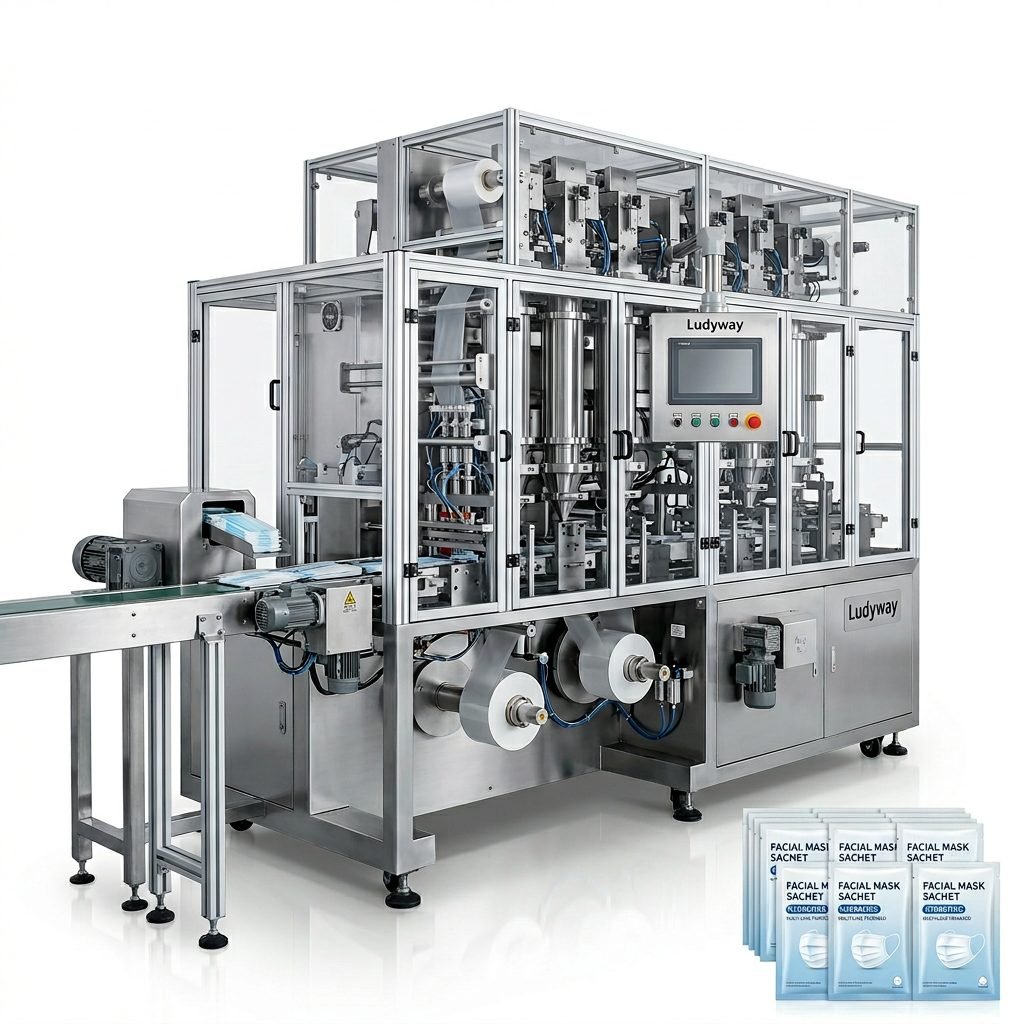
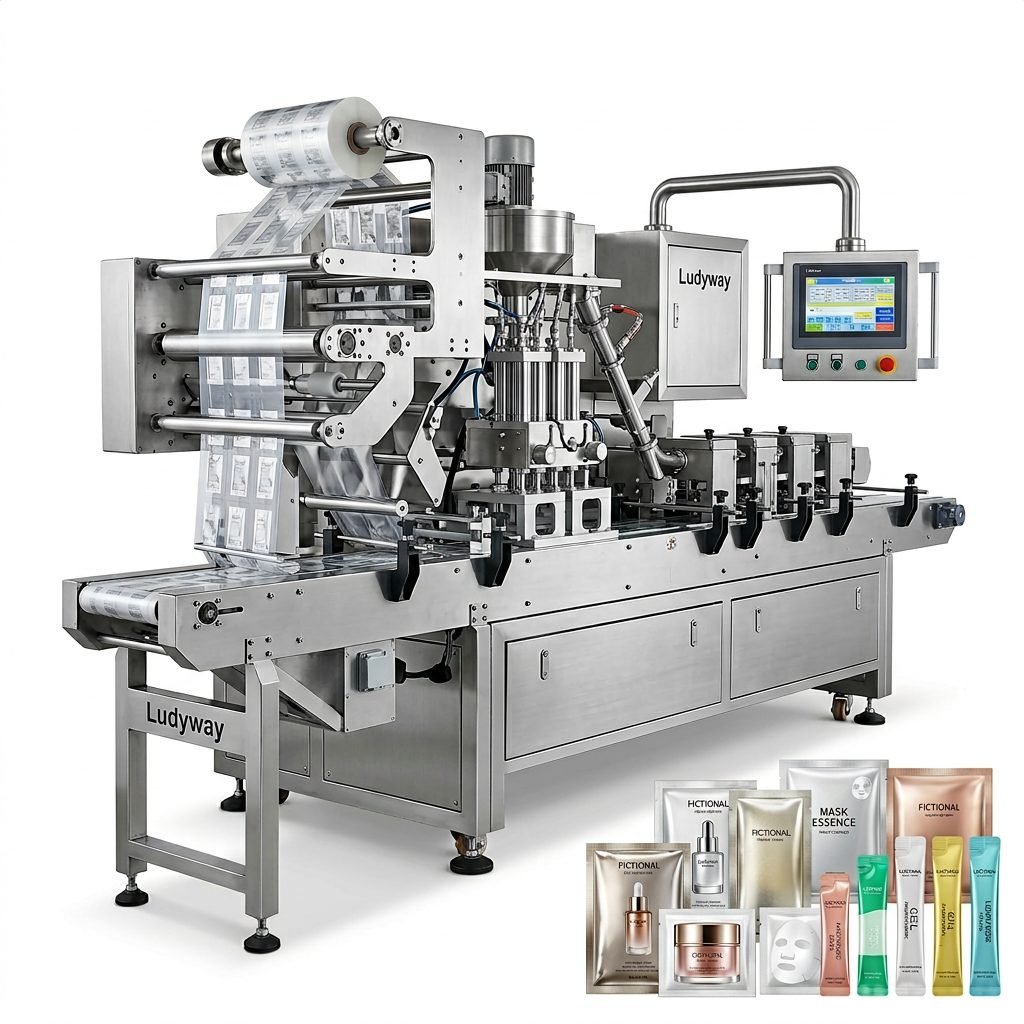
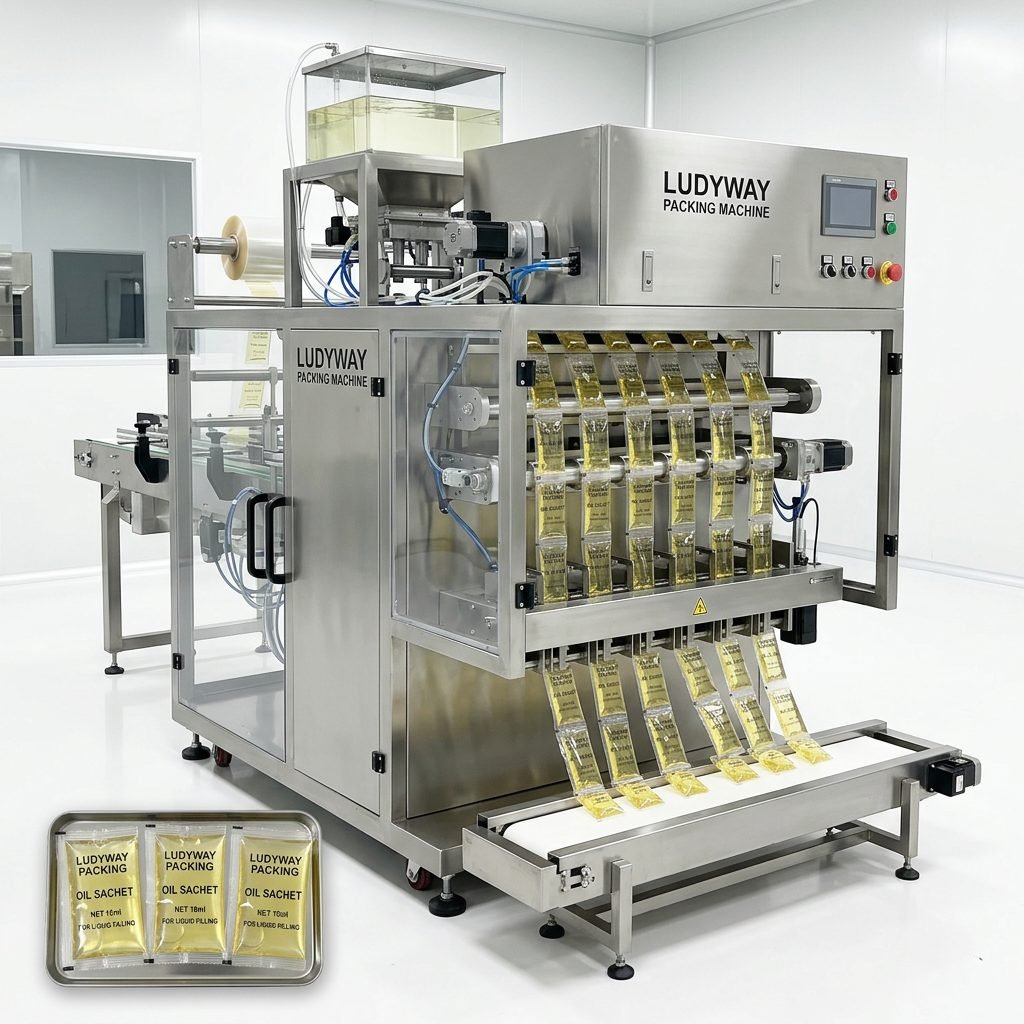
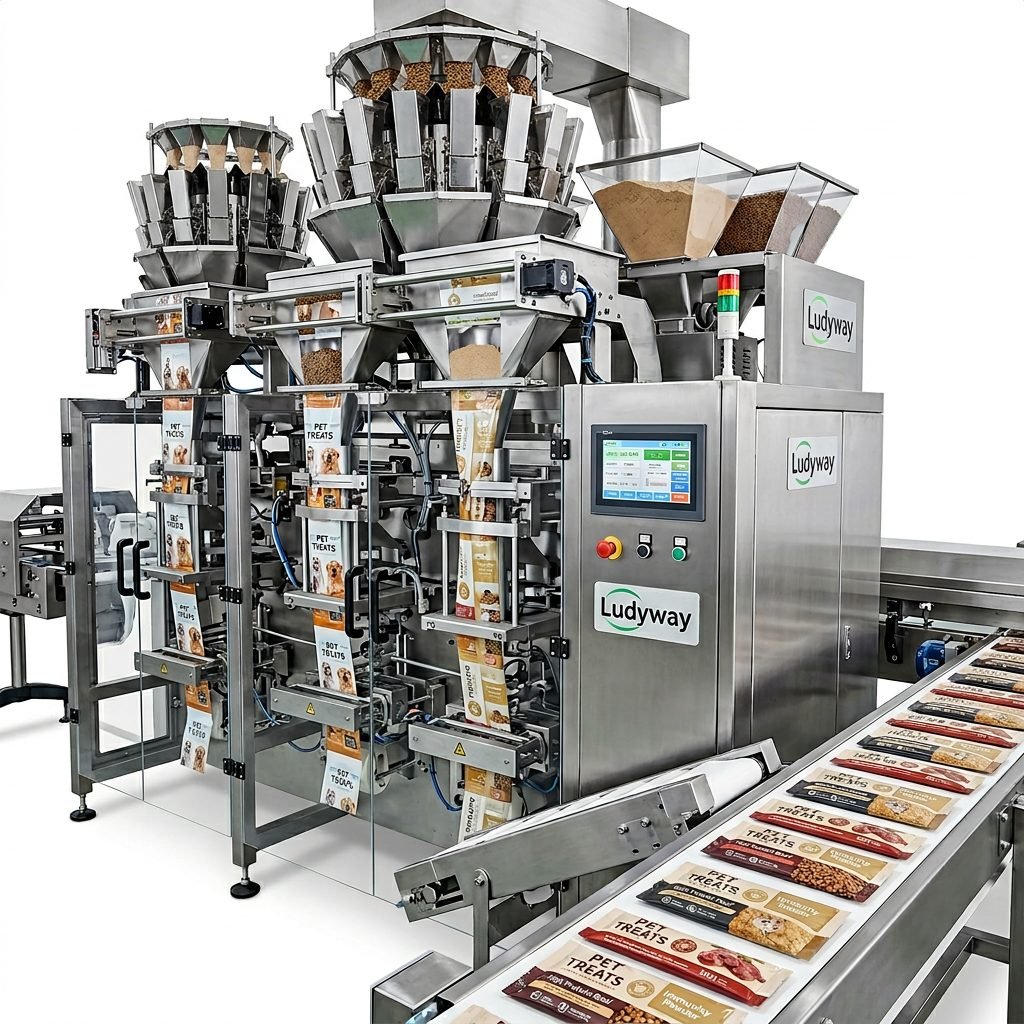
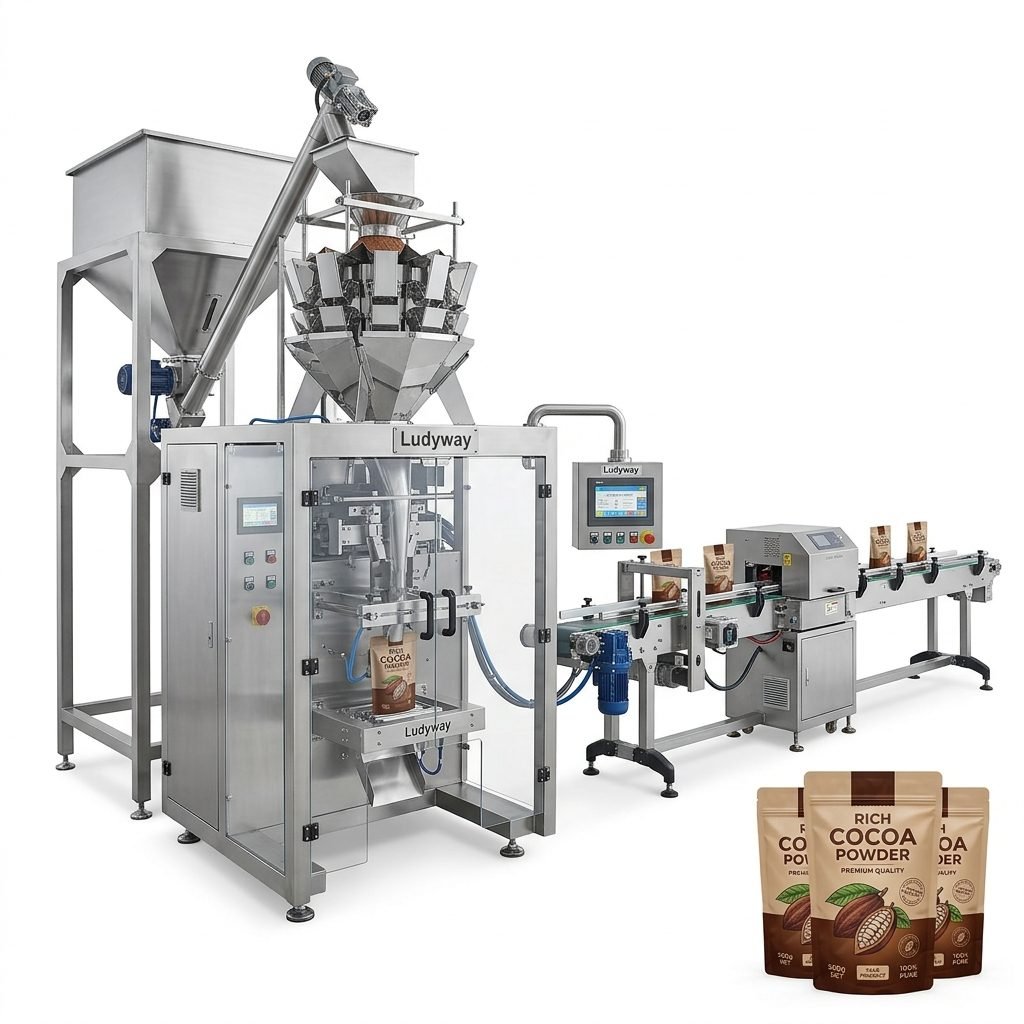
After narrowing down your options, arrange factory acceptance tests (FAT) before shipment and site acceptance tests (SAT) after installation. Visit reference sites in Germany or neighboring countries to observe equipment performance under real production conditions. Evaluate the total cost per thousand capsules produced, factoring in all direct and indirect costs over the expected service life. For businesses seeking a reliable partner with extensive experience in packaging solutions, Ludyway is one of the largest packaging machine manufacturers, offering advanced equipment and turnkey production solutions for the food and pharmaceutical industries across more than 100 countries.
Industry Resources and Further Reading
Stay informed about packaging industry developments through these authoritative sources:
- PMMI State of the Industry Report 2025 — comprehensive packaging machinery market analysis
- Flexible Packaging Association Industry Resources — technical guides and market data
- European Commission Packaging Waste Regulation — current and upcoming EU requirements
- ISO Packaging Standards — international standards for packaging machinery and materials
- PACK EXPO International — leading packaging trade show for equipment evaluation
Investing in a K-Cup packaging machine for the German market requires careful planning, thorough supplier evaluation, and strict attention to regulatory compliance. By following this guide, businesses can make informed decisions that support long-term operational success in Europe’s most dynamic coffee market. The right equipment partnership will position your company to capture growing demand while maintaining the quality standards that German consumers expect.