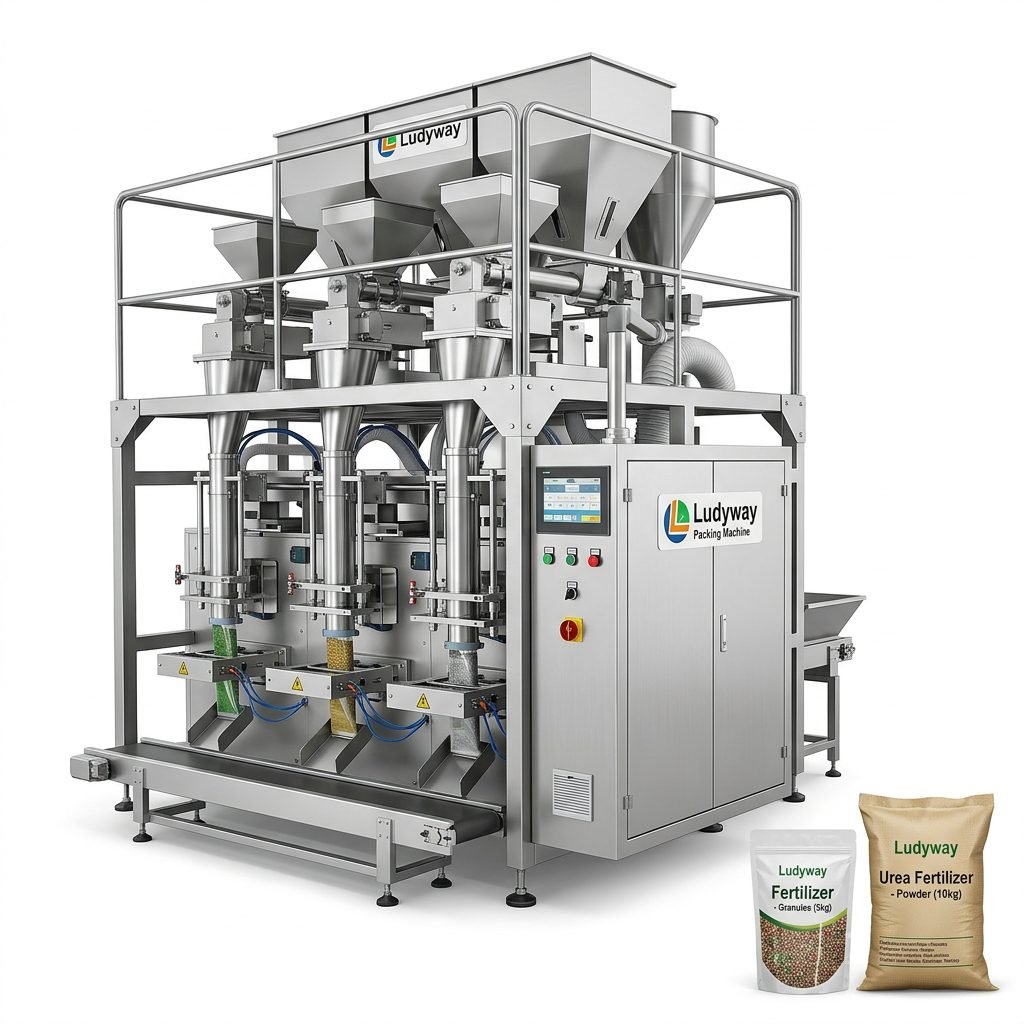
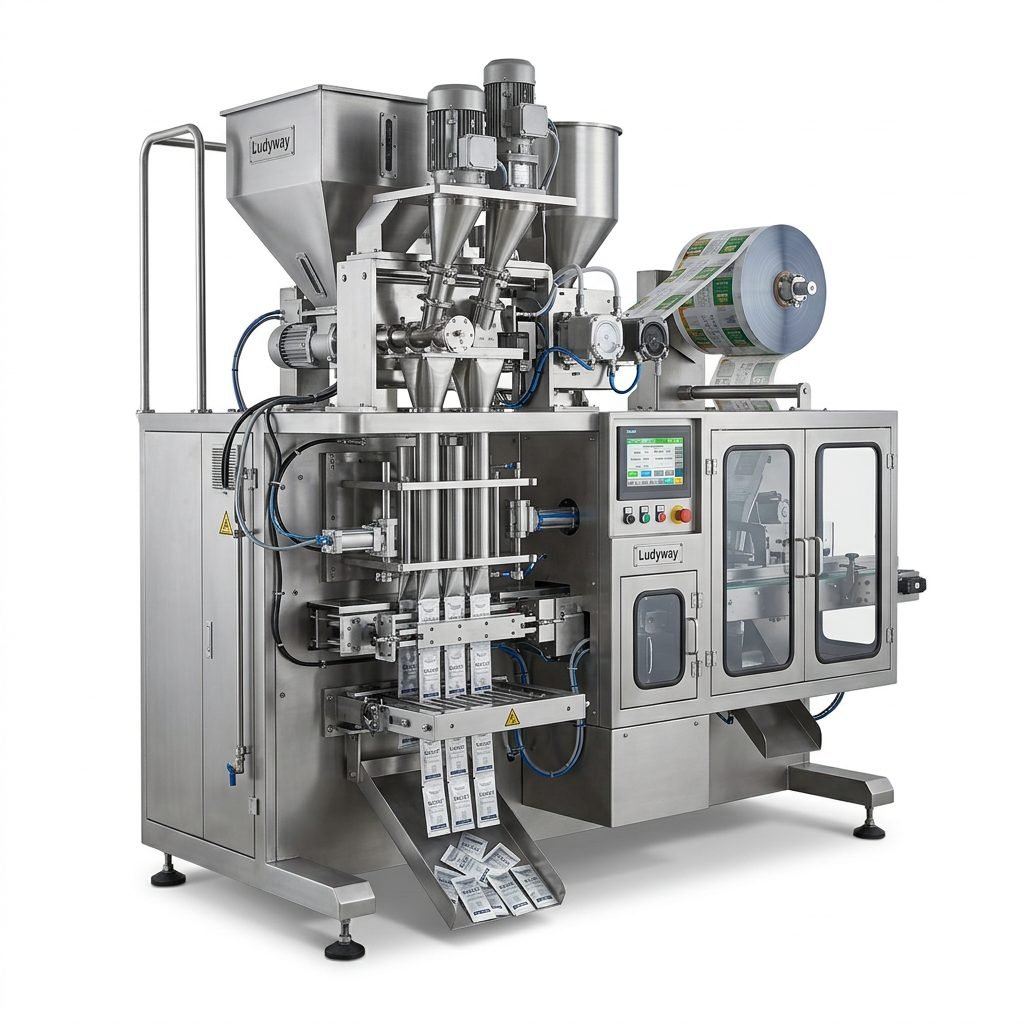
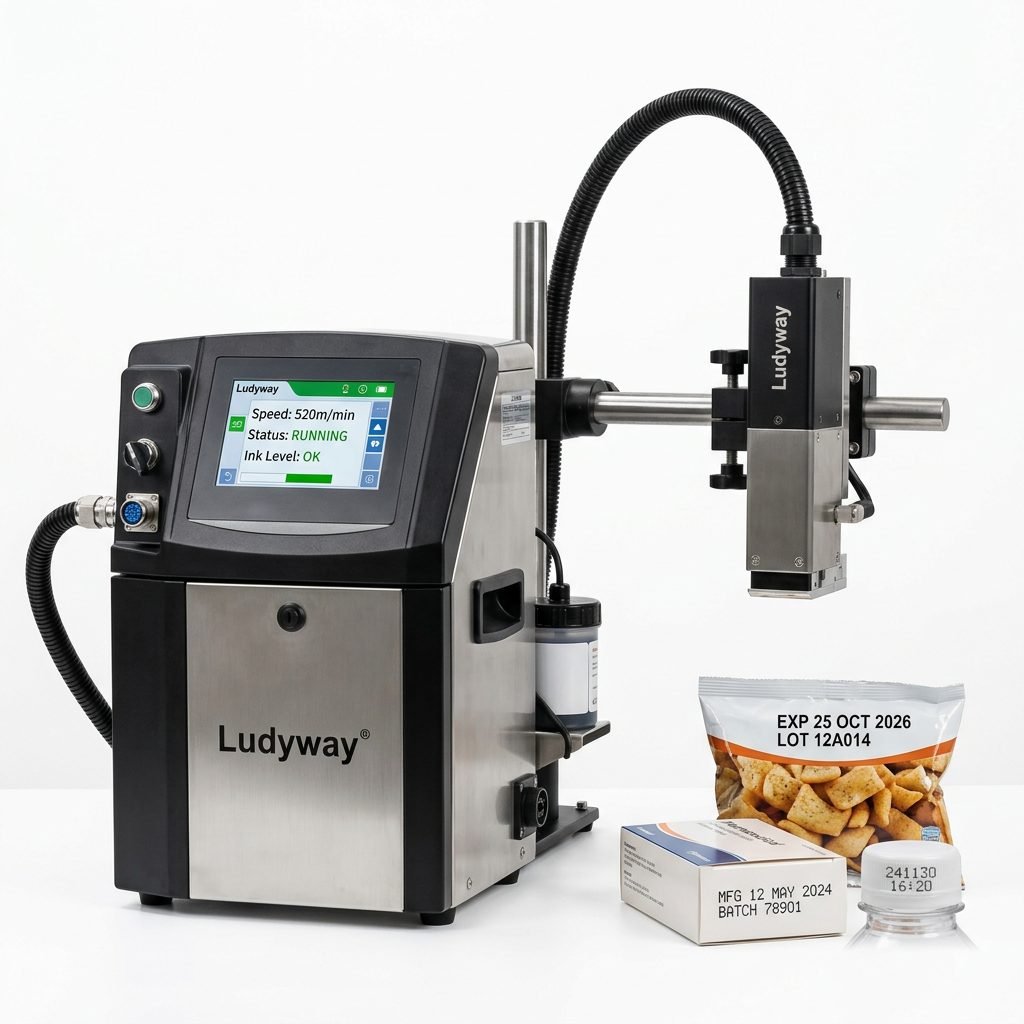
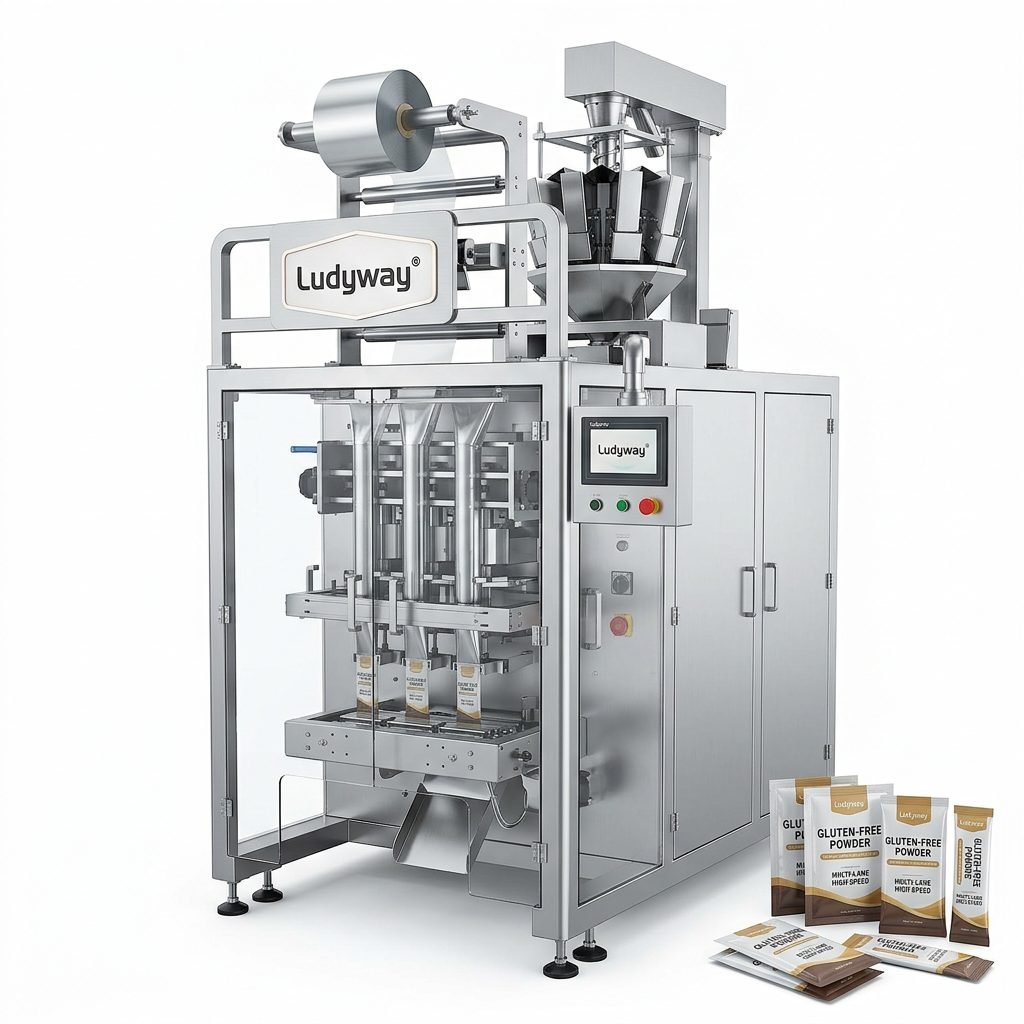
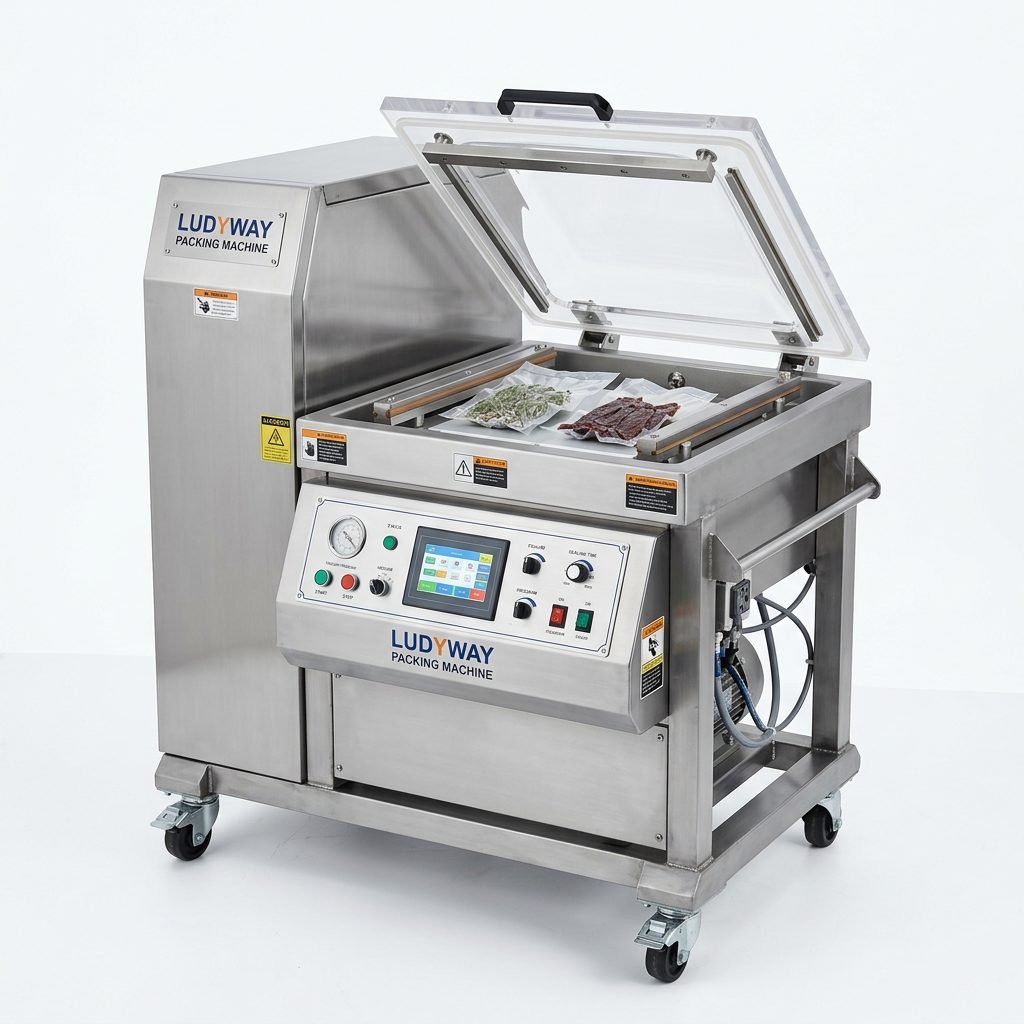
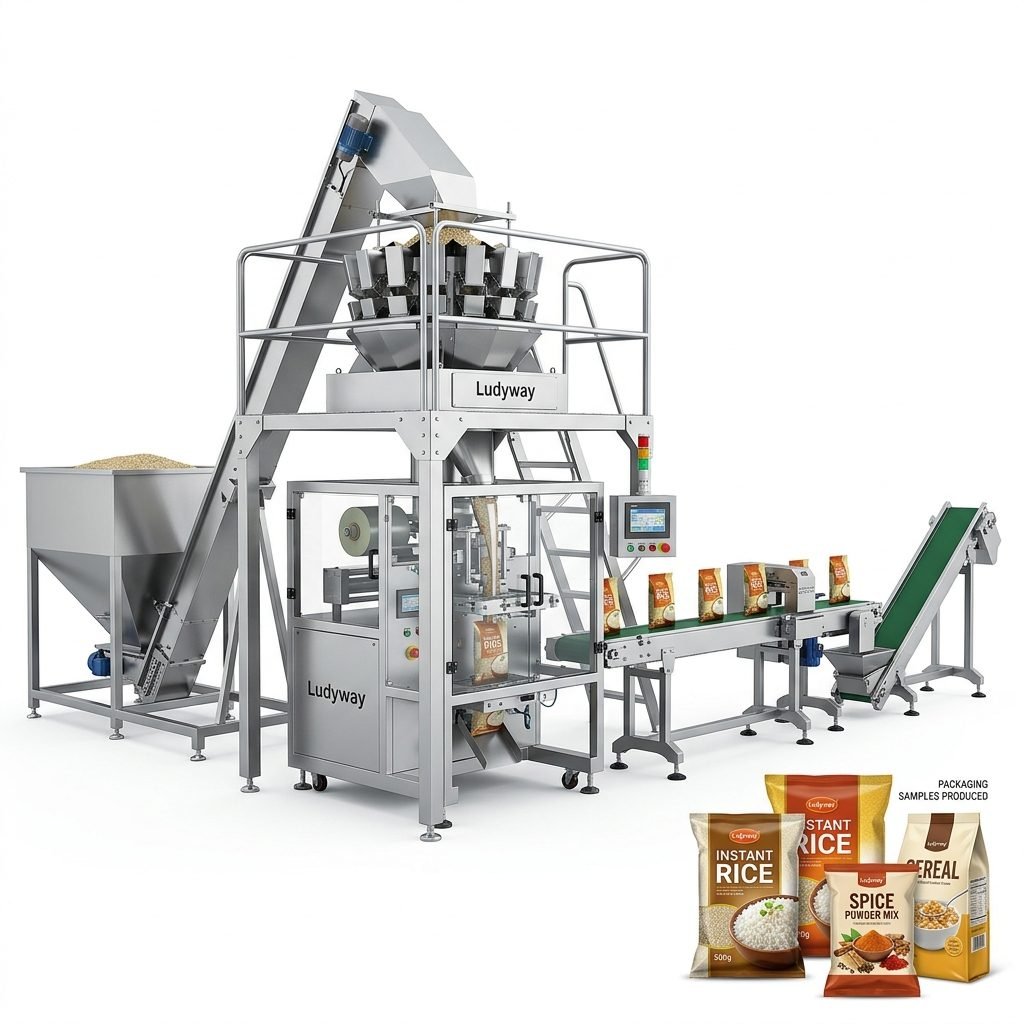
In today’s fast-paced industrial landscape, achieving peak efficiency in production and logistics is not just a goal—it’s a necessity for staying competitive. This is where the concept of full-service industrial packaging equipment solutions becomes a critical strategic advantage. These comprehensive systems go beyond simply providing a machine; they encompass the entire packaging process, from initial design and equipment selection to integration, maintenance, and optimization. By streamlining packaging operations, businesses can significantly reduce downtime, minimize material waste, enhance product protection, and accelerate throughput, directly impacting both production output and logistical efficiency.
The Core Components of a Full-Service Solution
A truly full-service approach integrates several key components into a seamless workflow. It begins with a thorough analysis of your specific products, production volumes, and logistical requirements.
Key Pillars of Integrated Packaging
Consultation & System Design: Experts work with you to design a packaging line that fits your exact needs, considering factors like speed, format, and future scalability.
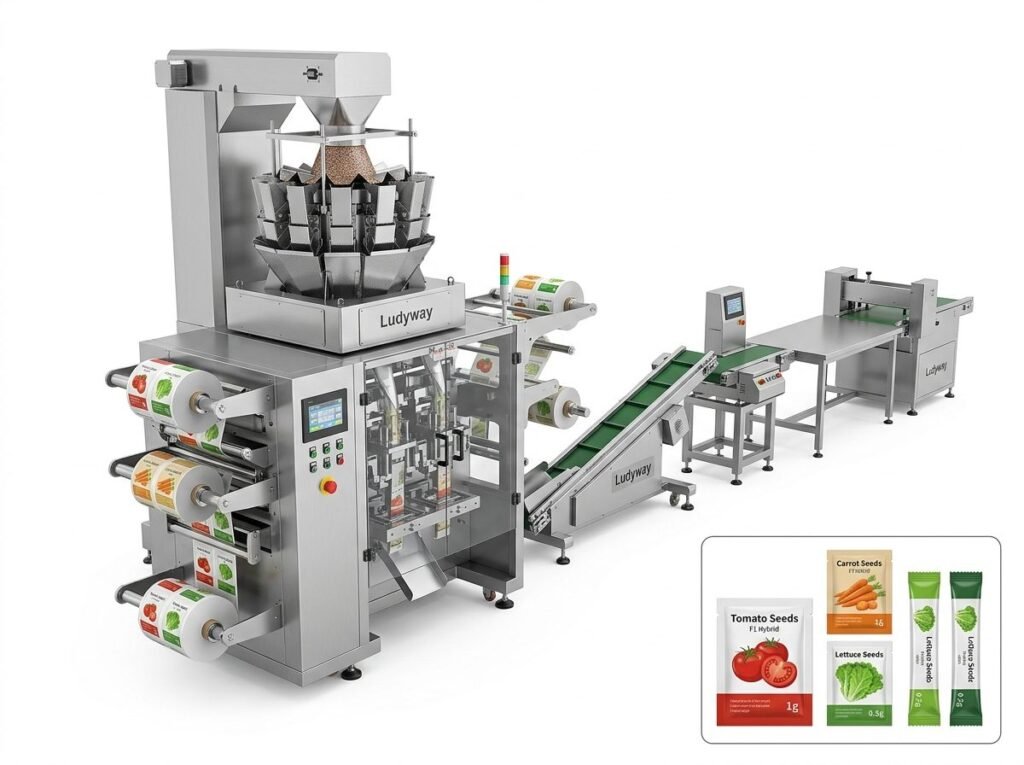
Equipment Provision & Integration: Supplying not just standalone machines, but a synchronized system where fillers, sealers, labelers, and cartoners work in harmony.
Automation & Control Systems: Implementing programmable logic controllers (PLCs) and human-machine interfaces (HMIs) to monitor and control the entire line from a central point.
Training & Technical Support: Ensuring your team is fully equipped to operate and perform basic maintenance on the equipment, backed by reliable technical assistance.
Driving Efficiency in Production Lines
On the production floor, efficiency is measured by output, consistency, and uptime. Full-service packaging solutions are engineered to maximize all three.
Speed and Throughput Optimization
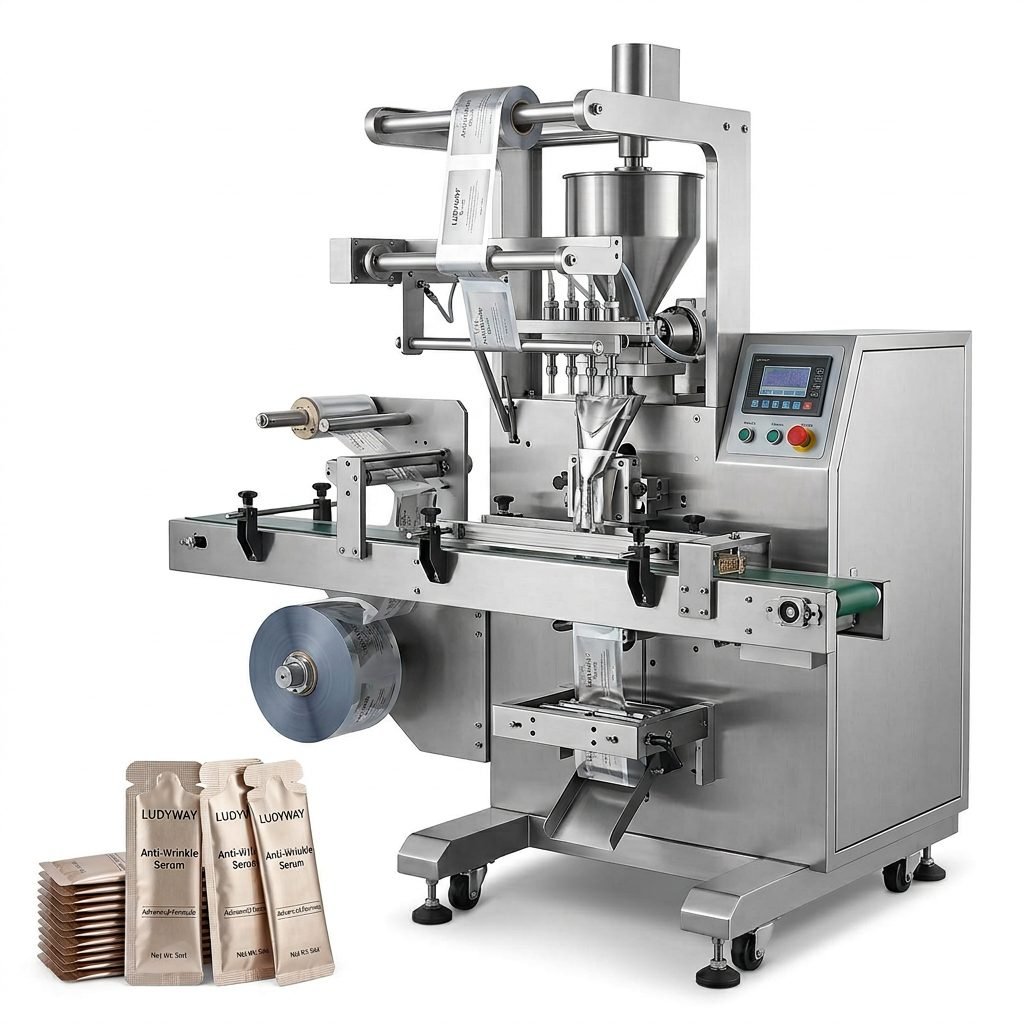
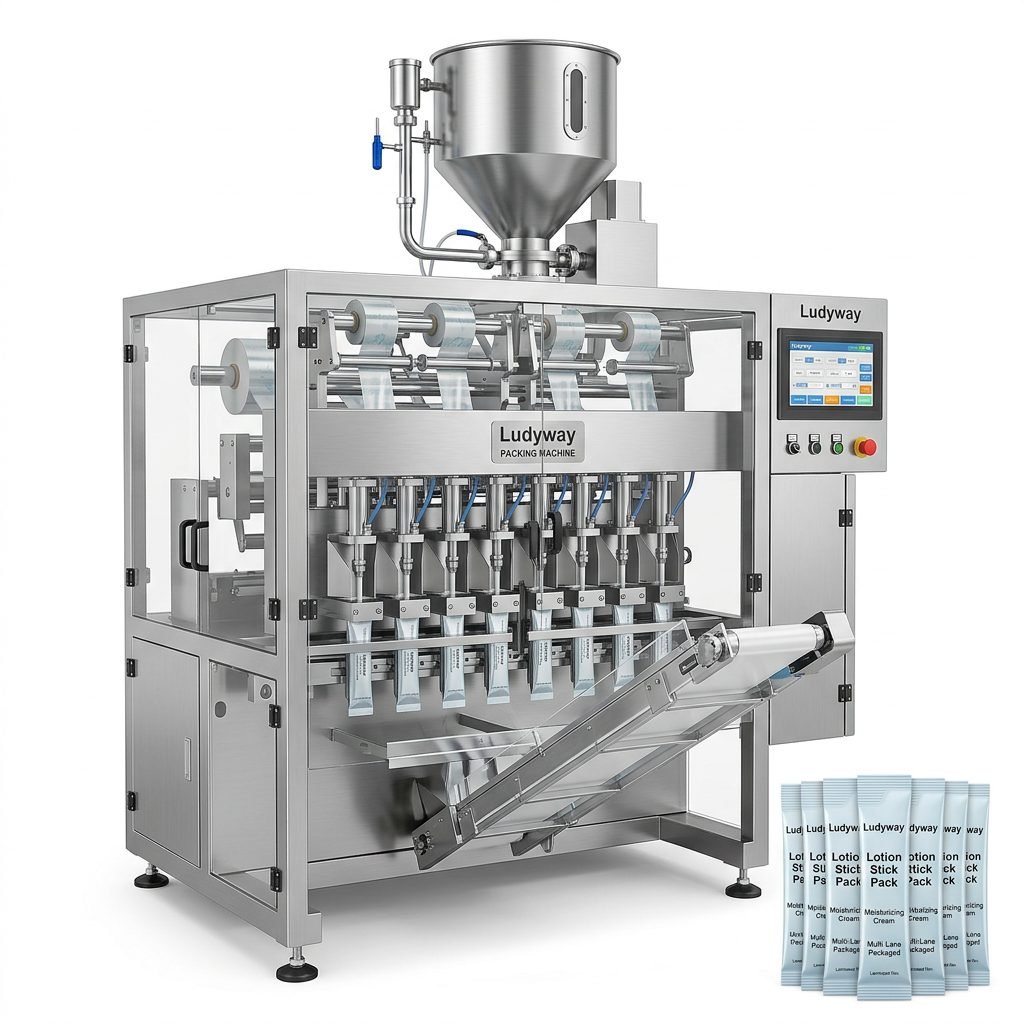
Modern automated packaging systems, such as high-speed multi-lane stick pack or sachet machines, can handle hundreds of packages per minute. This relentless pace eliminates bottlenecks that manual or semi-automatic processes create. By automating tasks like feeding, filling, sealing, and counting, production lines achieve a continuous, high-velocity flow that directly translates to higher daily output and better utilization of labor.
Consistency and Quality Assurance
Human error in packaging—be it in fill weight, seal integrity, or labeling—can lead to product waste, customer complaints, and costly recalls. Automated equipment provides unparalleled consistency. Every package is filled, sealed, and labeled with precise accuracy. This not only ensures product quality and safety but also protects your brand’s reputation. For industries like pharmaceuticals and food, this level of control is non-negotiable.
→ Did You Know?
Advanced checkweighers and vision inspection systems can be integrated into the line to automatically reject underweight, overweight, or mislabeled packages, ensuring 100% quality compliance before products ever leave the production area.
Enhancing Logistics and Supply Chain Operations
The benefits of sophisticated packaging extend far beyond the factory floor, deeply influencing logistics, warehousing, and distribution.
Optimized Packaging for Storage and Transport
Full-service solutions consider the entire journey of a product. Equipment can be configured to create packages with uniform dimensions and robust construction that maximize pallet density, stabilize loads, and minimize damage during transit. This leads to more efficient use of warehouse space, lower shipping costs per unit, and a significant reduction in goods damaged in transit.
Traceability and Data Integration
Contemporary logistics demands traceability. Packaging lines can be equipped with printers and applicators for scannable barcodes, QR codes, or RFID tags. This data, integrated into Warehouse Management Systems (WMS) and Enterprise Resource Planning (ERP) software, provides real-time visibility into inventory levels, shipment status, and batch tracking—streamlining the entire supply chain from production to end-user.
The Value of Partnership with a Specialized Provider
Implementing such a comprehensive system is a significant investment. Partnering with an experienced provider like Ludyway Machinery, which brings over 30 years of industry expertise, mitigates risk and ensures long-term success.
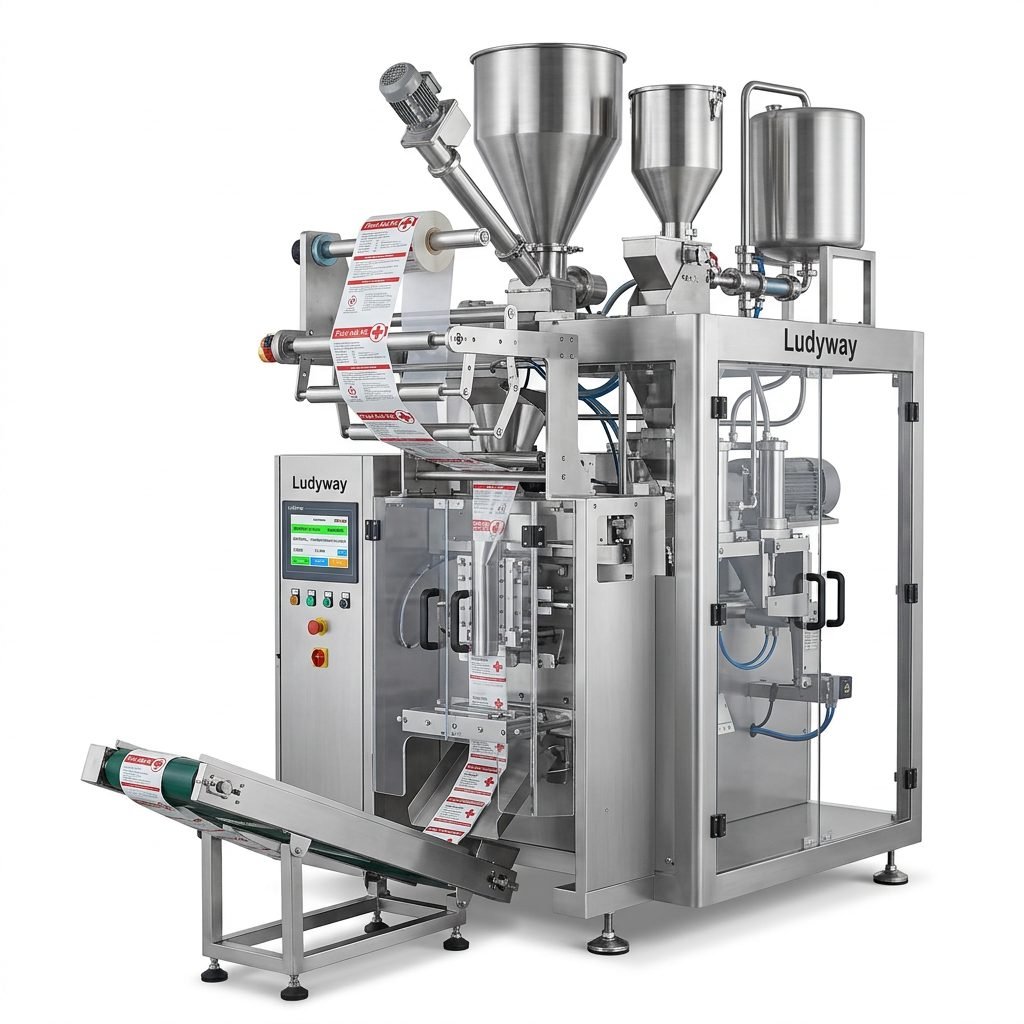
A partner with deep experience doesn’t just sell machines; they become an extension of your engineering team. They understand the challenges of packaging granules, powders, and liquids. They can draw from a portfolio of over 50 intelligent packaging machine models to recommend the optimal configuration. Most importantly, they provide the ongoing support and spare parts necessary to maintain peak operational efficiency for years to come, safeguarding your productivity and return on investment.
Conclusion: A Strategic Investment for Modern Manufacturing
Adopting full-service industrial packaging equipment solutions is a strategic decision that pays dividends across the entire business. It transforms packaging from a cost center and potential bottleneck into a driver of efficiency, quality, and growth. By ensuring faster production, fewer errors, lower logistical costs, and enhanced supply chain intelligence, these solutions empower manufacturers to meet modern market demands with agility and confidence. In an era where efficiency is synonymous with competitiveness, a robust and intelligent packaging operation is no longer optional—it’s foundational.
Frequently Asked Questions (FAQs)
What industries benefit most from full-service packaging solutions?
While beneficial to many, industries with high-volume, repetitive packaging needs or strict quality standards see the greatest ROI. This includes the food & beverage, pharmaceutical, nutraceutical, chemical, and personal care industries, where hygiene, accuracy, and speed are paramount.
How does a full-service approach differ from just buying a machine?
Buying a machine is a transaction. A full-service solution is a partnership. It includes pre-sale consulting, custom system design, professional installation and integration, comprehensive operator training, and dedicated after-sales support and maintenance services, ensuring the system delivers its promised value.
Can these systems be integrated with our existing production equipment?
Yes, a key role of a full-service provider is systems integration. Experienced engineers can design interfaces and conveyors to connect new packaging machinery with your existing upstream (e.g., mixers, cookers) and downstream (e.g., palletizers) equipment, creating a unified production line.
What is the typical timeline for implementing a new packaging line?
The timeline varies based on complexity. A standard system might take 8 to 16 weeks from order to commissioning, including manufacturing, factory testing, shipment, and on-site installation. More complex, fully customized turnkey lines require more detailed planning and a longer timeline.
How do we ensure the chosen solution is scalable for future growth?
During the initial consultation, discuss your 3-5 year growth projections. A reputable provider will design a system with modularity and scalability in mind, allowing for future additions like extra packaging lanes, higher-speed components, or additional automation features without needing to replace the entire core system.