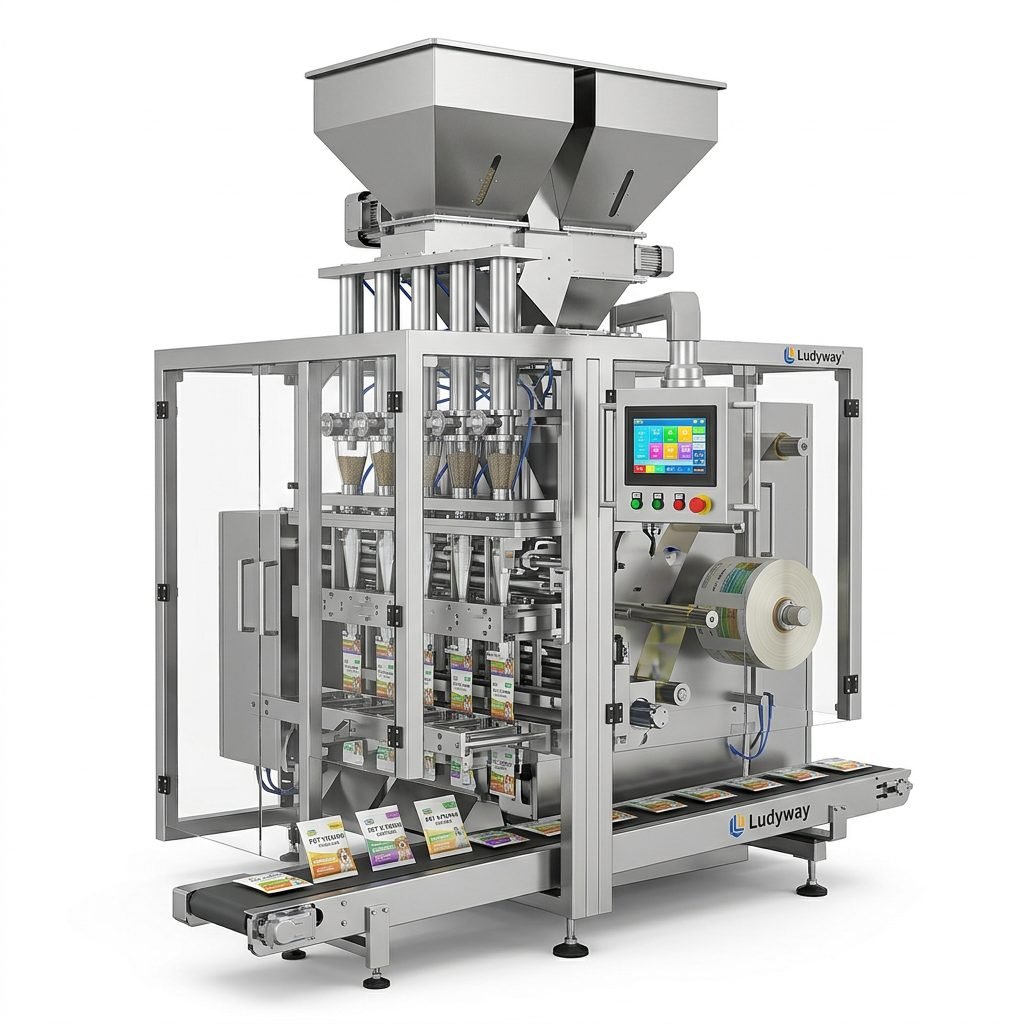
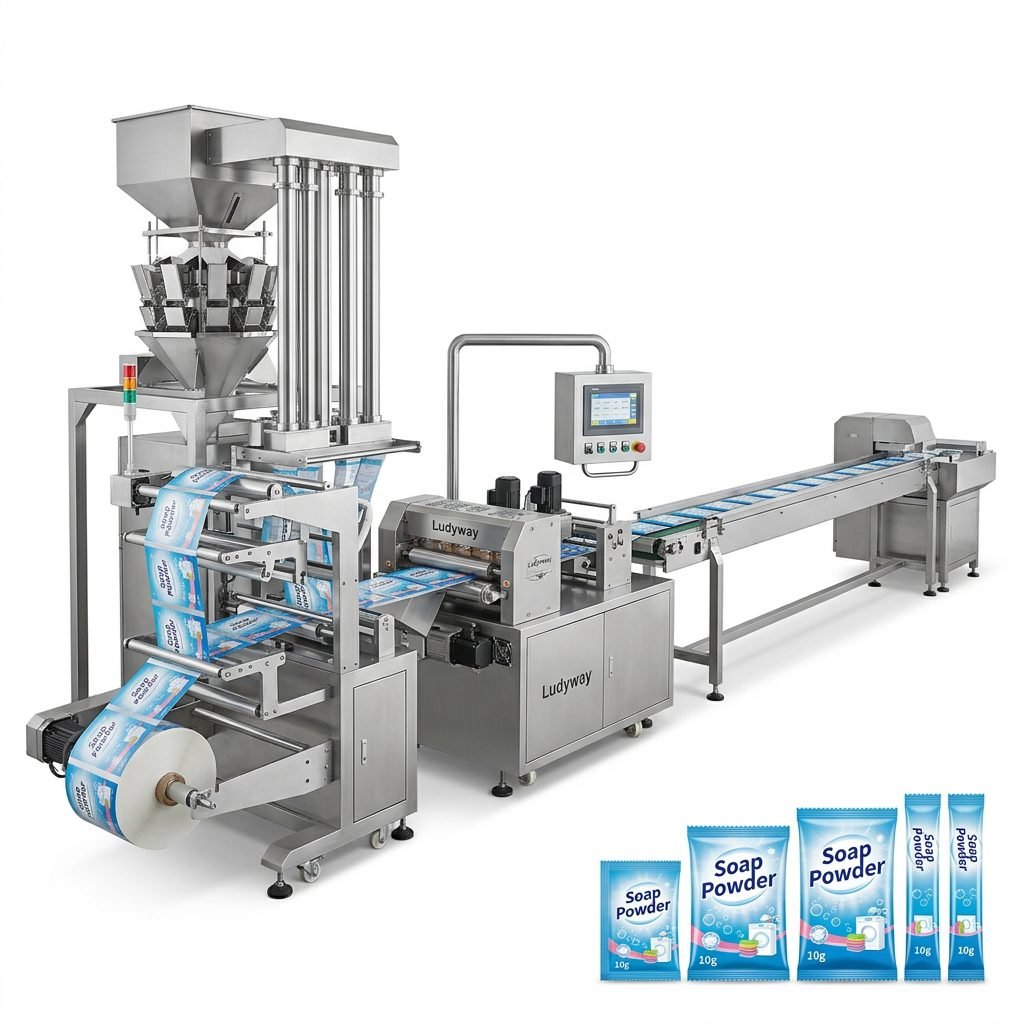
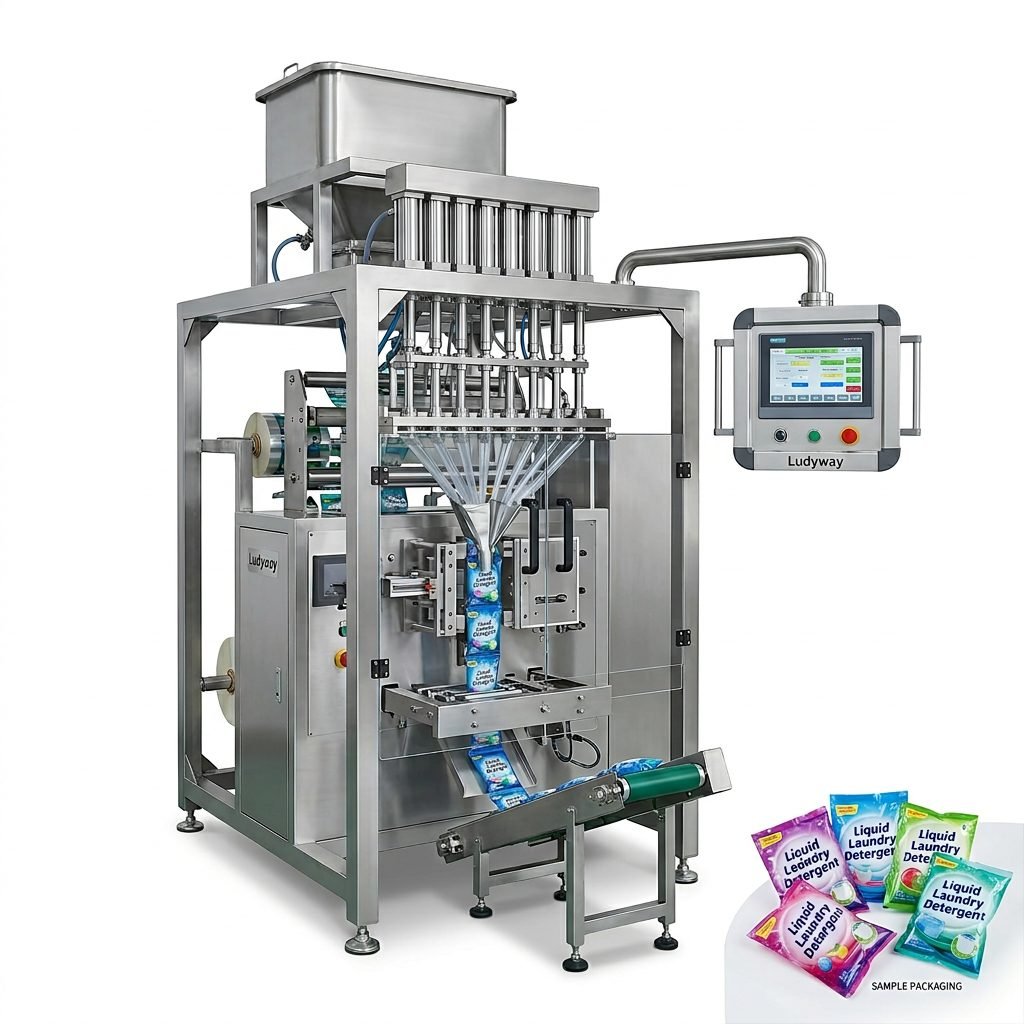
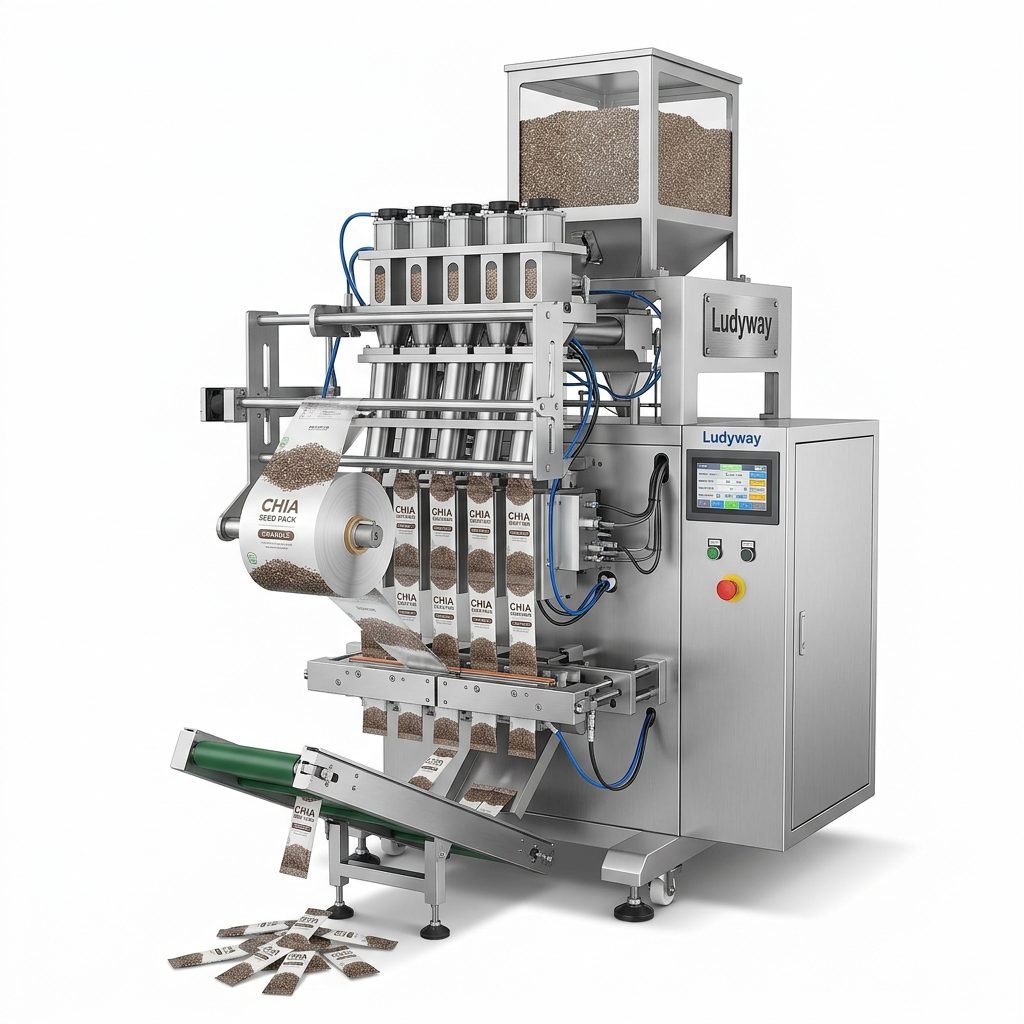
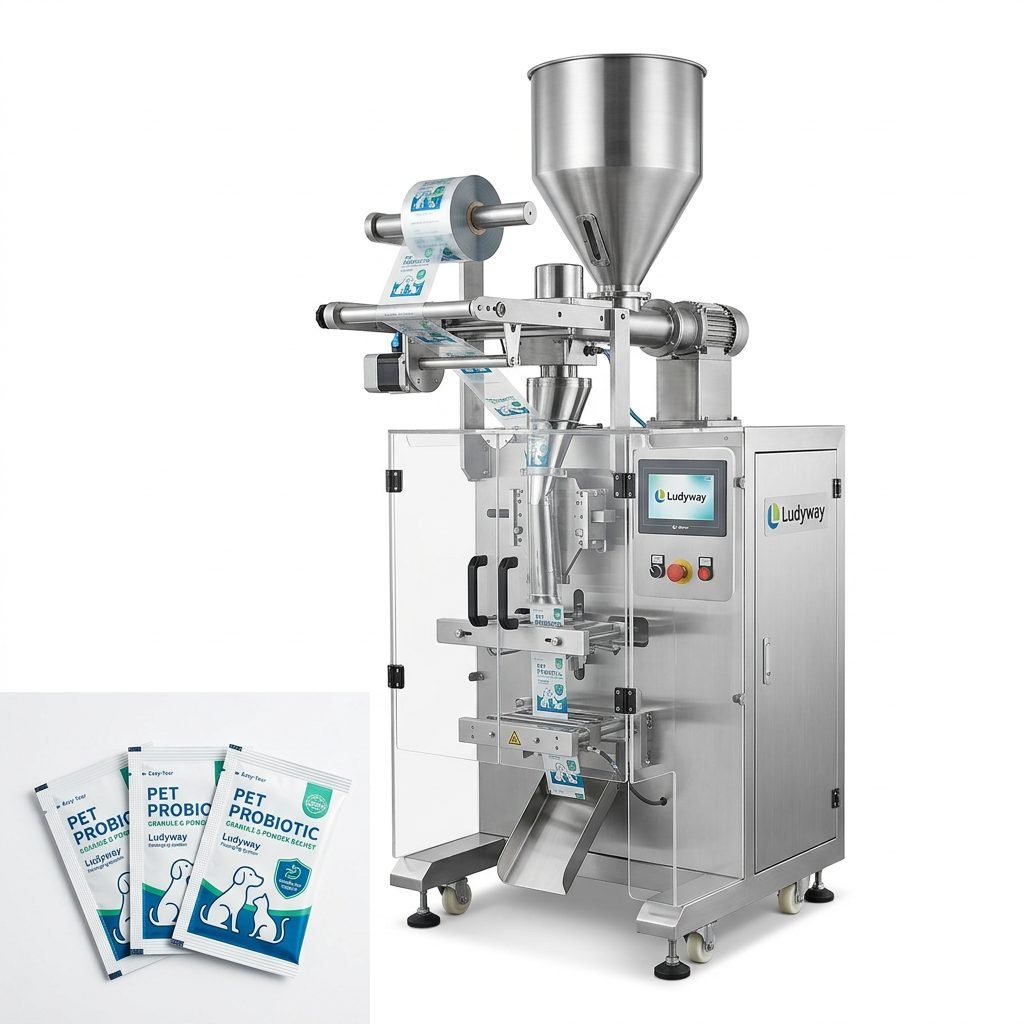
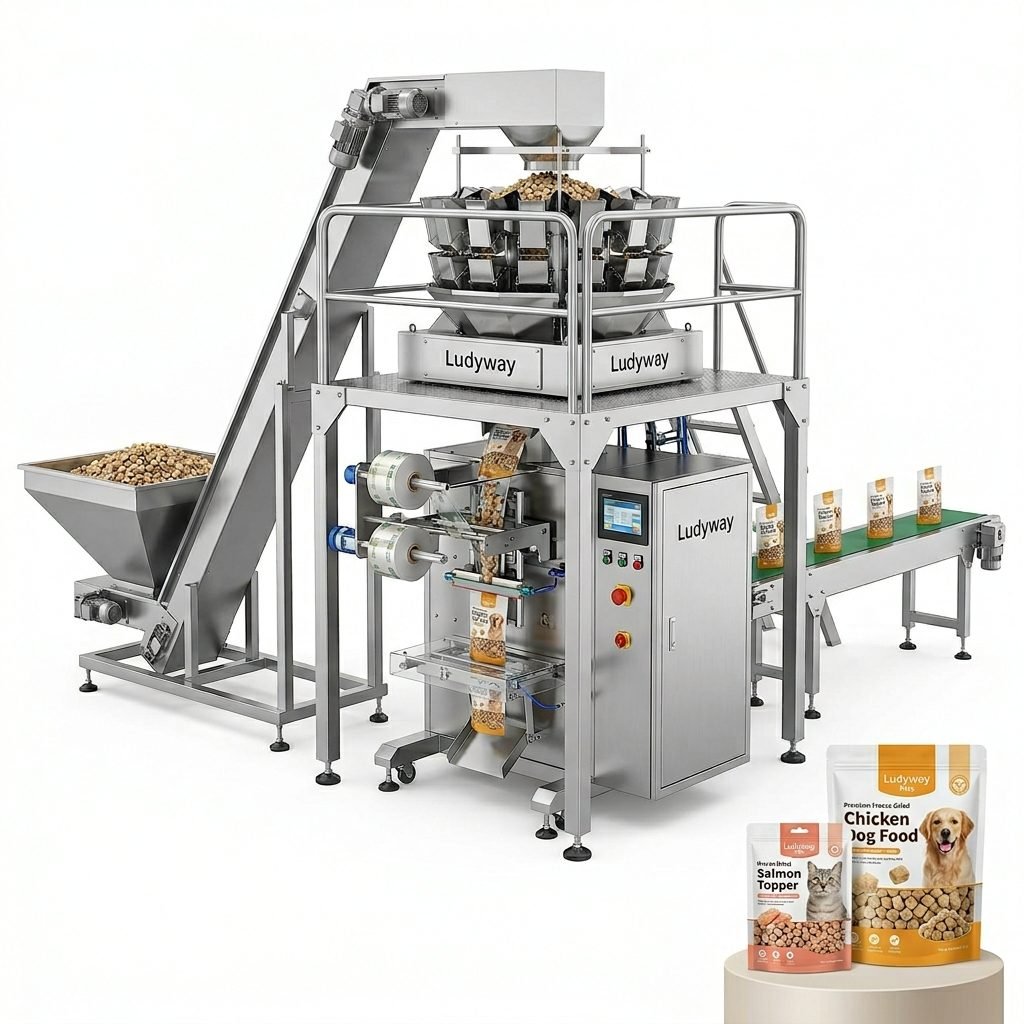
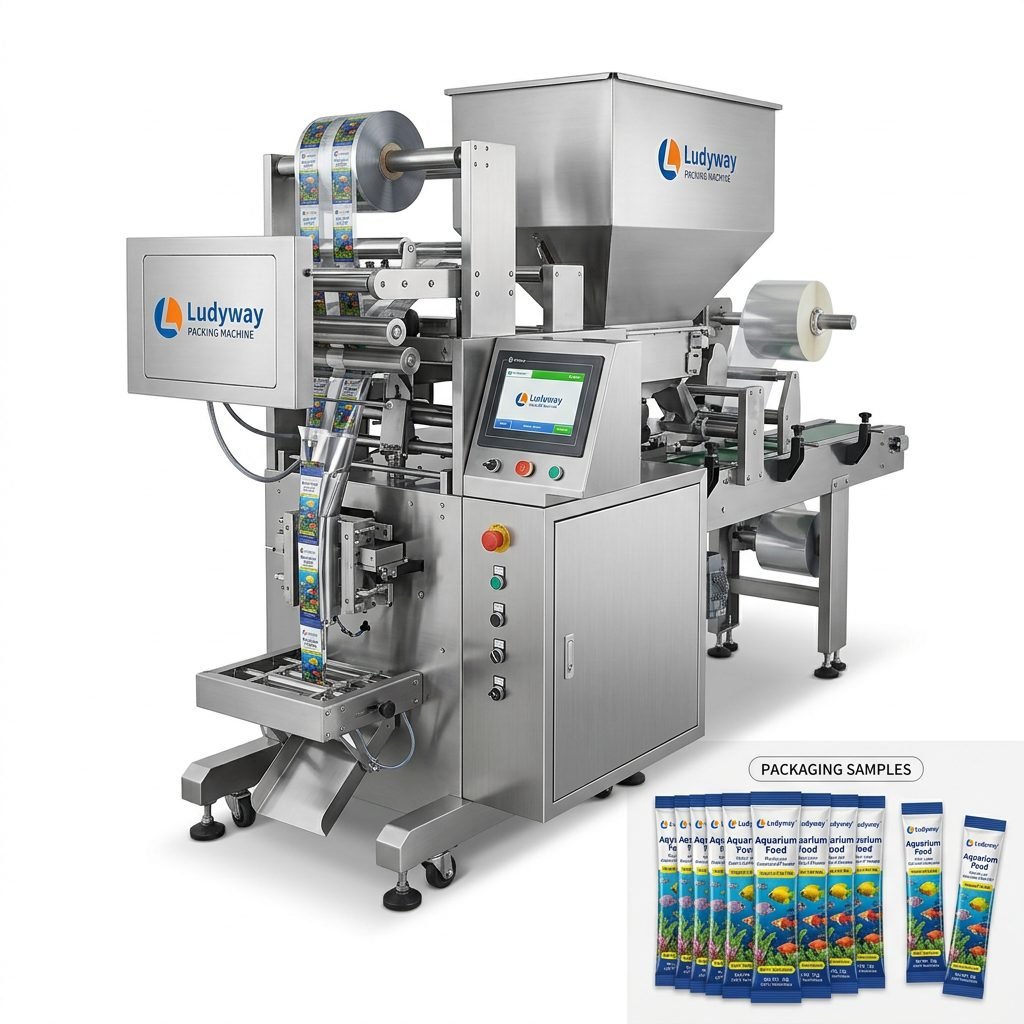
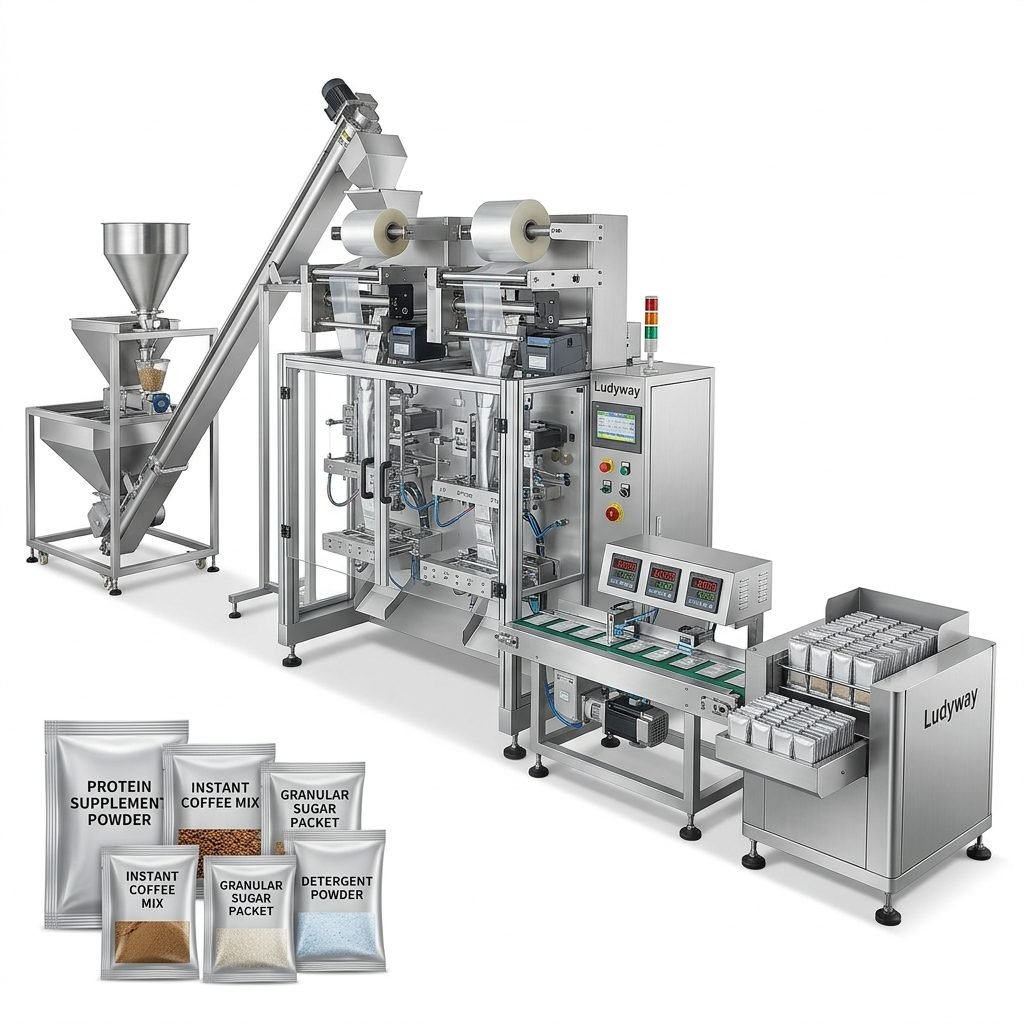
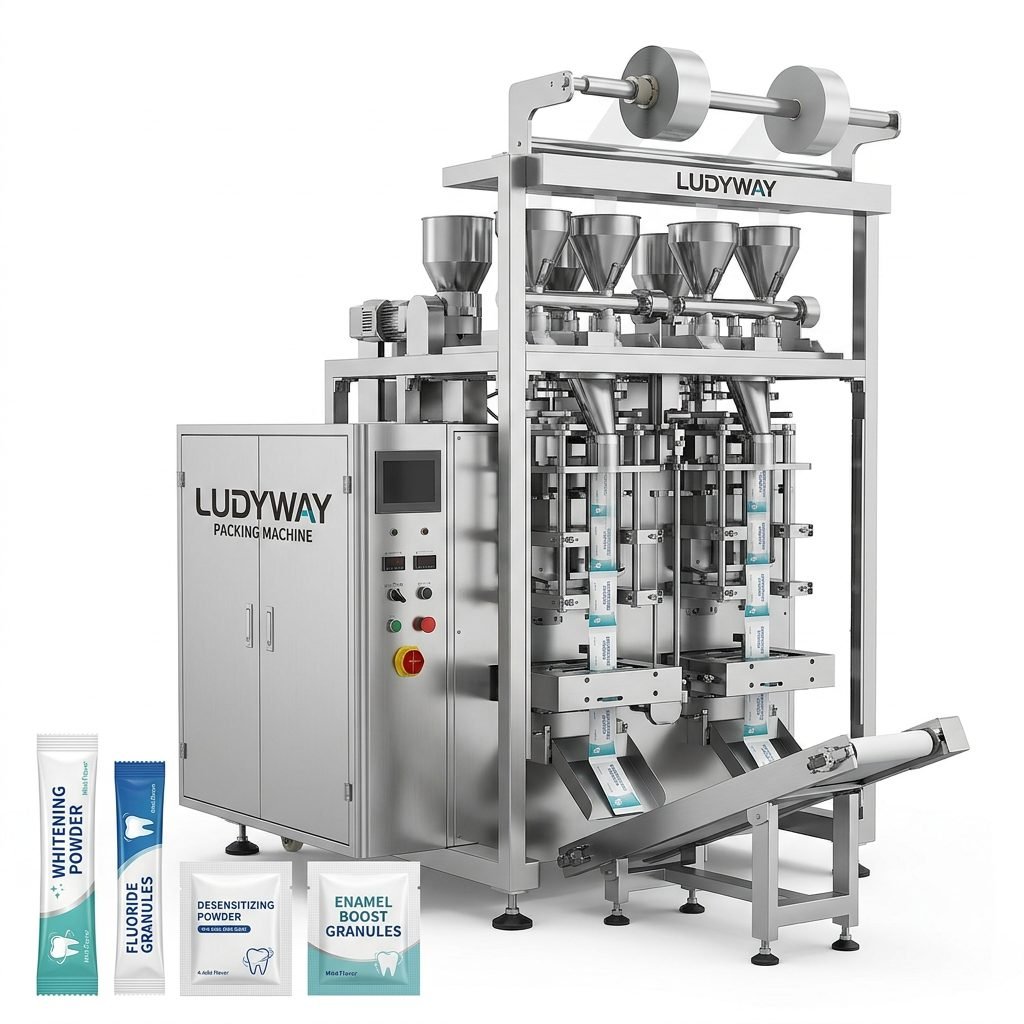
Liquid bag filling machines are widely used in modern packaging lines for food, beverage, pharmaceutical, cosmetic, and chemical products. For manufacturers that need clean, consistent, and high-speed pouch or sachet filling, the right system can greatly improve output while reducing waste, labor dependency, and contamination risk.
From juice and sauces to shampoo, serum, detergent, and oral liquids, these machines are designed to deliver accurate dosing, hygienic sealing, and stable production performance. As market demand grows for convenient single-use and flexible liquid packaging, more businesses are investing in automated bag filling equipment that supports both quality control and production scalability.
What Is a Liquid Bag Filling Machine?
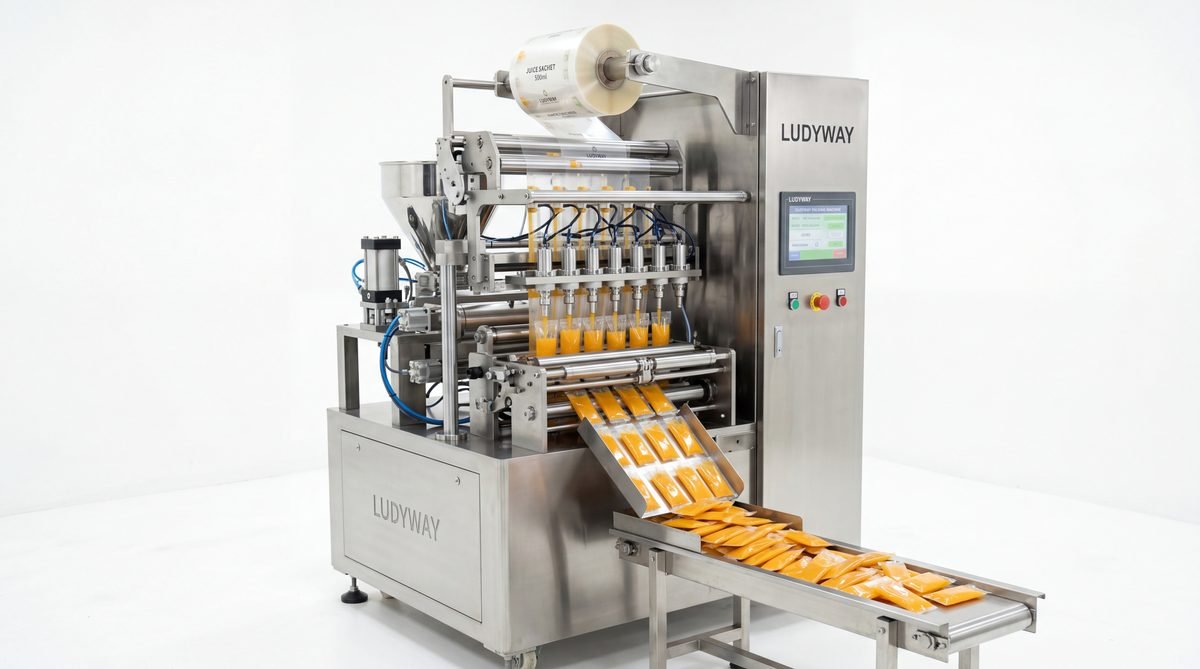
A liquid bag filling machine is an automated packaging system designed to fill liquid or semi-liquid products into bags, sachets, stick packs, or premade pouches, then seal them securely. Depending on the product viscosity and packaging format, the machine may use piston filling, pump filling, gravity filling, servo-driven metering, or other precision dosing technologies.
These machines are commonly applied to:
- Water, juice, milk, and beverage concentrates
- Sauces, ketchup, honey, syrup, and edible oil
- Shampoo, lotion, serum, and cosmetic liquids
- Hand sanitizer, detergent, and household cleaners
- Pharmaceutical oral liquids and health supplement products
Why Accurate Liquid Filling Matters
In liquid packaging, even a small deviation in fill volume can affect product cost, consumer trust, compliance, and brand reputation. Overfilling increases material loss, while underfilling may lead to complaints or regulatory issues. A well-designed liquid bag filling machine helps manufacturers maintain consistent fill weights, secure seals, and repeatable packaging quality.
- Improved product consistency across every bag or pouch
- Reduced waste through precise volumetric or weight-based dosing
- Better hygiene with enclosed product contact parts
- Higher packaging speed for growing production demands
- Lower labor costs through automation and line integration
Key Features of an Efficient Liquid Bag Filling Machine
When evaluating equipment, buyers should focus not only on speed but also on machine stability, cleaning convenience, filling precision, and compatibility with different liquid types.
| Feature | Why It Matters |
|---|---|
| Precision dosing system | Helps maintain accurate fill volume and reduces giveaway |
| Food-grade or pharma-grade contact parts | Supports hygienic production and easier compliance |
| Servo control | Improves repeatability, speed adjustment, and operation accuracy |
| Leak-proof sealing design | Essential for liquid products to prevent package failure |
| Easy cleaning structure | Reduces downtime between product changes and supports sanitation |
| Multi-format compatibility | Allows one machine to handle different bag sizes and liquid products |
Common Types of Liquid Bag Filling Solutions
1. Sachet Liquid Filling Machines
Suitable for small-dose packaging such as ketchup, shampoo, oral liquid, and sample products. These machines are ideal for high-volume retail and single-use applications.
2. Stick Pack Liquid Filling Machines
Designed for slim, narrow package formats. They are commonly used for honey, energy gel, functional drinks, and cosmetic serums where portability and shelf appeal are important.
3. Premade Pouch Liquid Filling Machines
These systems handle preformed bags or pouches and are often selected for larger pack sizes, stand-up pouches, spouted pouches, and premium liquid packaging applications.
4. Form-Fill-Seal Liquid Packaging Machines
A complete solution that forms the bag from roll film, fills the liquid, and seals the package in one automated process. This type is often preferred for high-efficiency continuous production.
Industries That Benefit Most
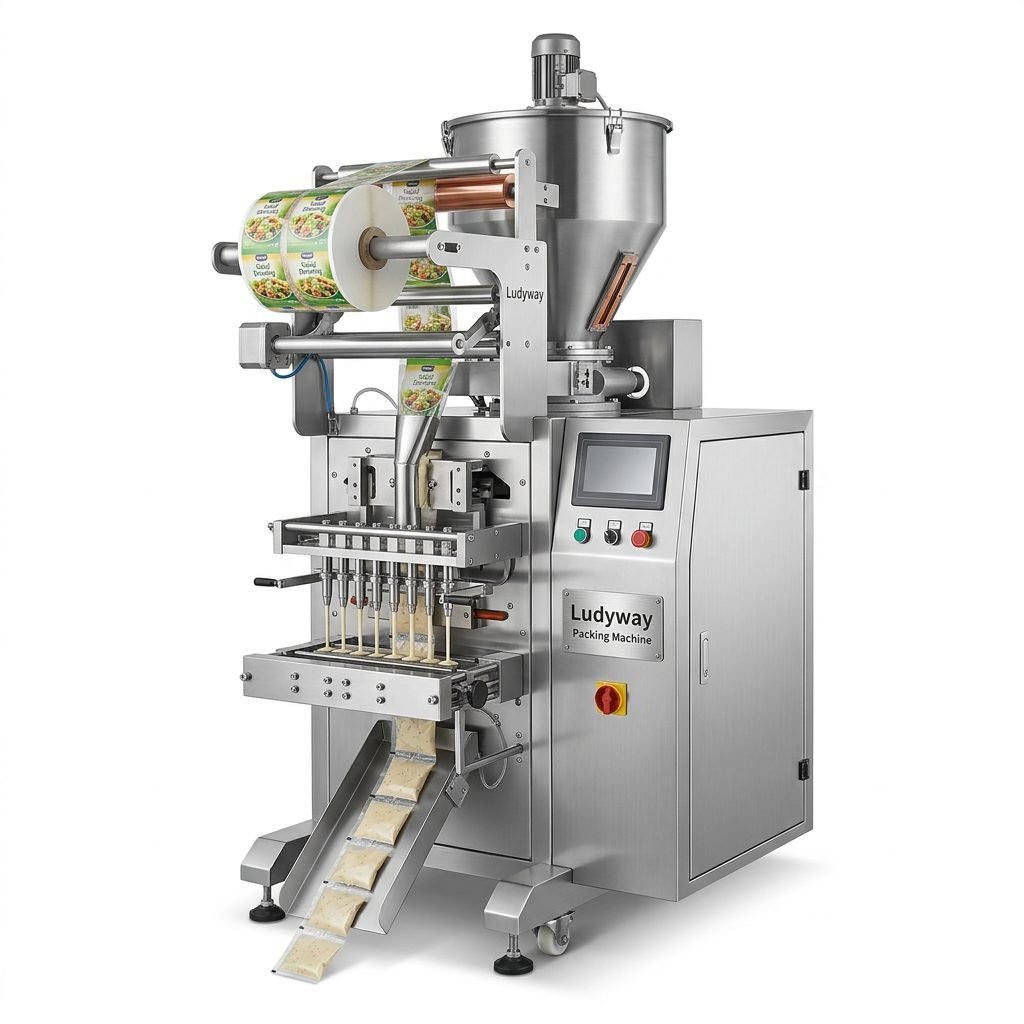
A liquid bag filling machine is not limited to one sector. It supports a wide range of products with different viscosity levels, packaging materials, and hygiene requirements.
| Industry | Typical Liquid Products | Packaging Format |
|---|---|---|
| Food & Beverage | Juice, sauce, oil, syrup, dressing | Sachet, pouch, stick pack |
| Pharmaceutical | Oral liquids, medical gels, health supplements | Sachet, stick pack, bottle-linked lines |
| Cosmetics | Serum, lotion, cream, shampoo | Sachet, tube, pouch |
| Chemical & Home Care | Detergent, cleaner, sanitizer, solvents | Sachet, pouch, bag |
How to Choose the Right Machine for Your Product
Choosing the best solution depends on more than just the package shape. Buyers should evaluate the entire production requirement, from product characteristics to downstream automation.
- Product viscosity: Thin liquids and thick sauces require different filling systems
- Packaging size: Small sample sachets and large pouches need different machine structures
- Output target: Required packs per minute affects machine model selection
- Seal quality needs: Products prone to leakage require strong temperature and sealing control
- Cleaning standards: Food and pharma applications may need easier disassembly or CIP-friendly design
- Integration demand: Consider whether coding, labeling, cartoning, or checkweighing will be added
Hygienic Design: A Critical Buying Factor
Hygiene is one of the most important aspects of liquid packaging machinery. Product-contact components should be made of suitable stainless steel and engineered to minimize residue buildup. For food, healthcare, and pharmaceutical products, machine surfaces should be easy to clean, corners should be smooth, and transfer systems should reduce the chance of contamination.
A hygienic liquid bag filling machine also helps businesses:
- Meet stricter production standards
- Reduce product changeover risk
- Protect sensitive formulas
- Maintain longer-term package integrity
Advantages of Automated Liquid Packaging Lines
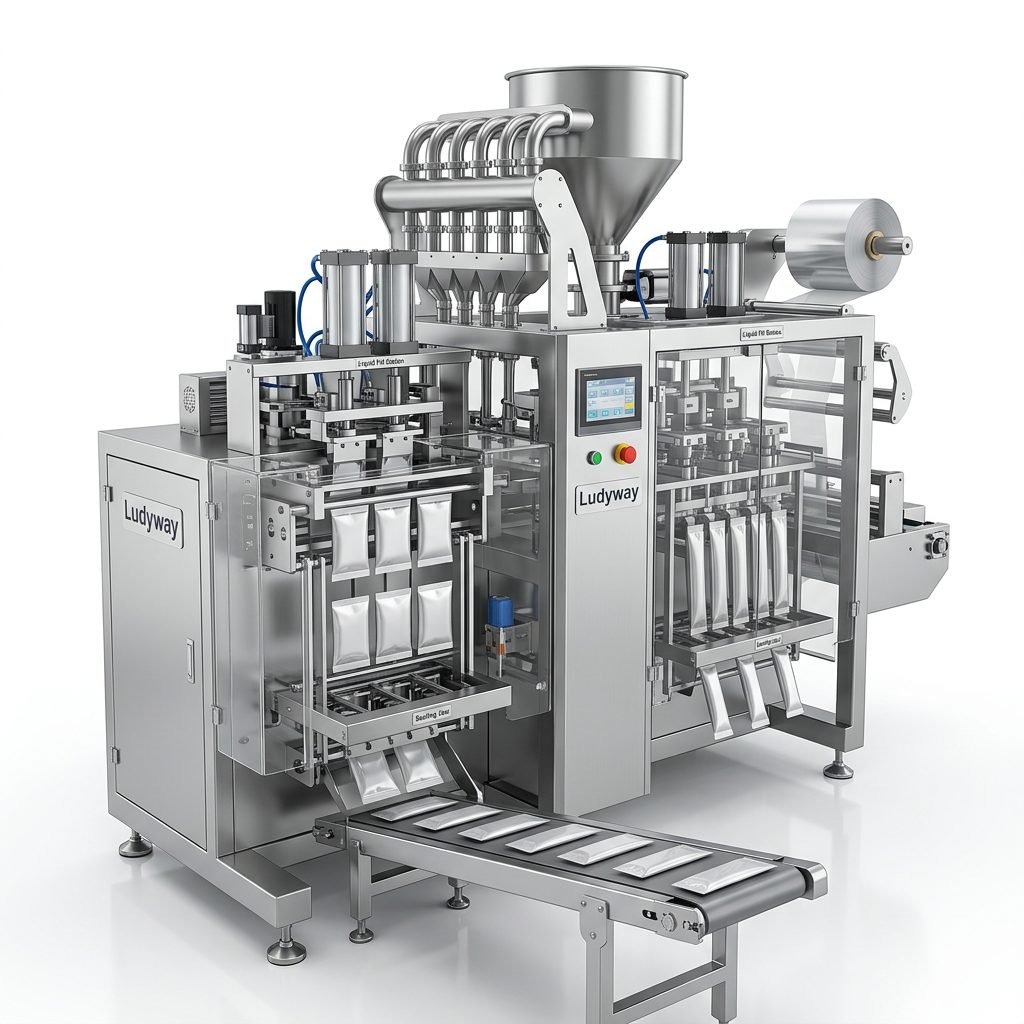
Many manufacturers no longer buy a standalone filler only. Instead, they look for a complete system that includes liquid preparation, feeding, filling, sealing, coding, inspection, cartoning, and end-of-line packing. This approach improves line coordination and reduces manual handling.
A complete automated line can deliver:
- Higher production capacity with fewer interruptions
- More stable packaging quality from start to finish
- Lower dependence on manual operators
- Better traceability through coding and inspection modules
- Greater flexibility for future product expansion
What Buyers Often Ask Before Purchasing
Can one machine fill different liquids?
Yes, many systems can handle multiple liquid types, but the final suitability depends on viscosity, foaming behavior, corrosiveness, and package format.
Is it possible to customize bag size?
In most cases, yes. Many machines support adjustable bag length, width range, and filling volume, especially when designed for flexible production needs.
How important is after-sales support?
It is very important. Installation guidance, spare parts availability, troubleshooting support, and technical training directly affect long-term machine performance.
Reliable Manufacturing Support for Liquid Packaging Projects
For buyers looking for scalable and customized packaging automation, Ludyway liquid packaging machine solutions are backed by more than 30 years of industry experience, a manufacturing base of over 20,000 square meters, and broad export service across more than 100 countries and regions. The company provides standalone machines as well as turnkey packaging lines for food, pharmaceutical, cosmetic, and chemical applications.
Final Considerations for Long-Term Value
A liquid bag filling machine should be evaluated as a long-term production asset, not just a short-term equipment purchase. The best solution combines precision, hygiene, reliability, and expandability. Businesses that choose the right machine can improve packaging efficiency, reduce operational costs, and strengthen product consistency across every batch.
Whether you package beverages, condiments, personal care liquids, or pharmaceutical products, investing in the right automated liquid filling and sealing system is a practical step toward faster, cleaner, and more profitable production.