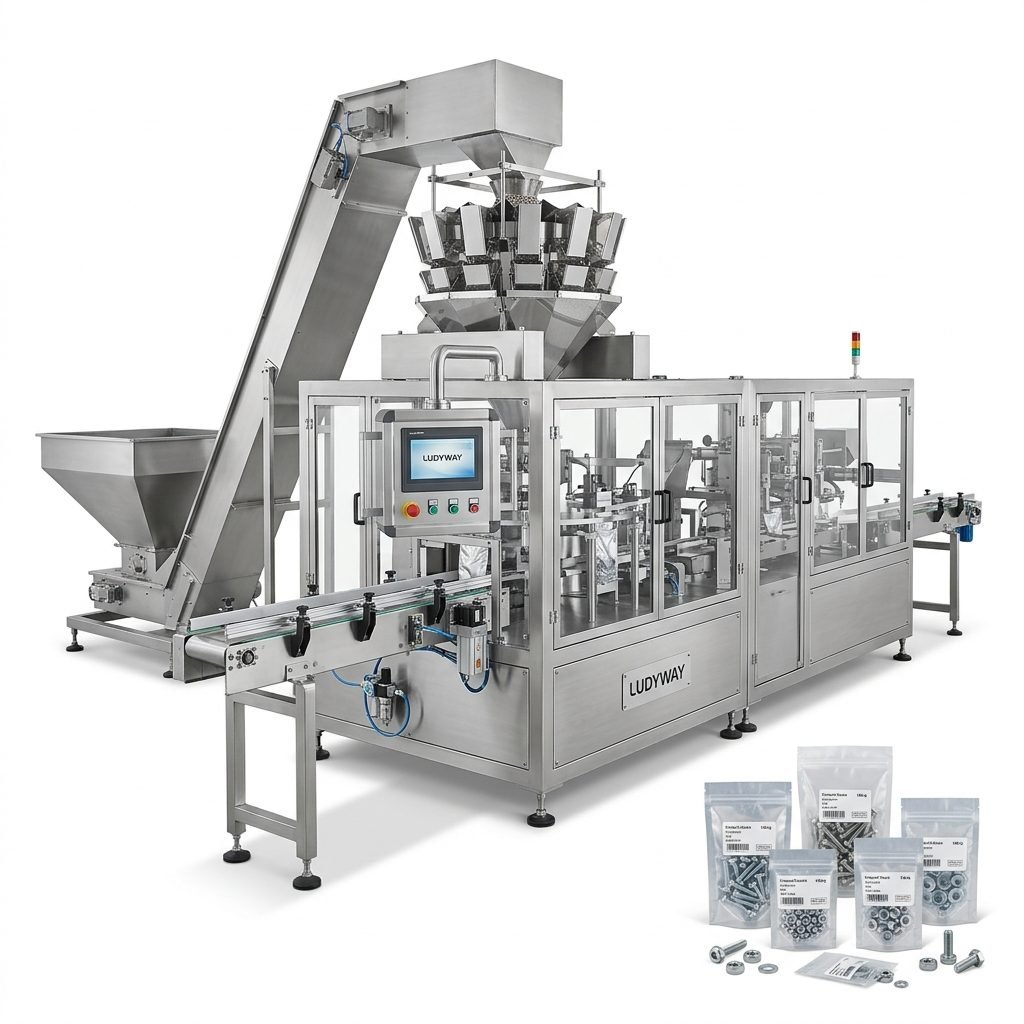
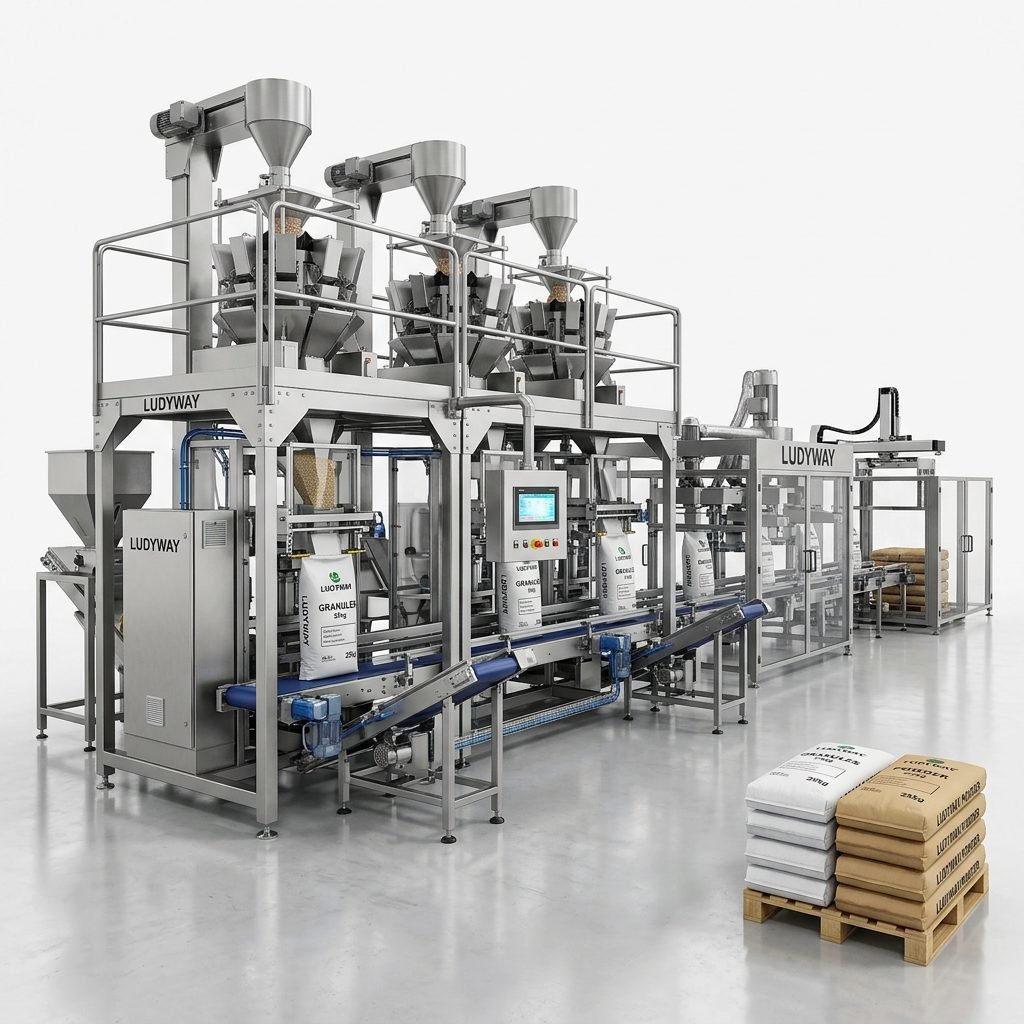
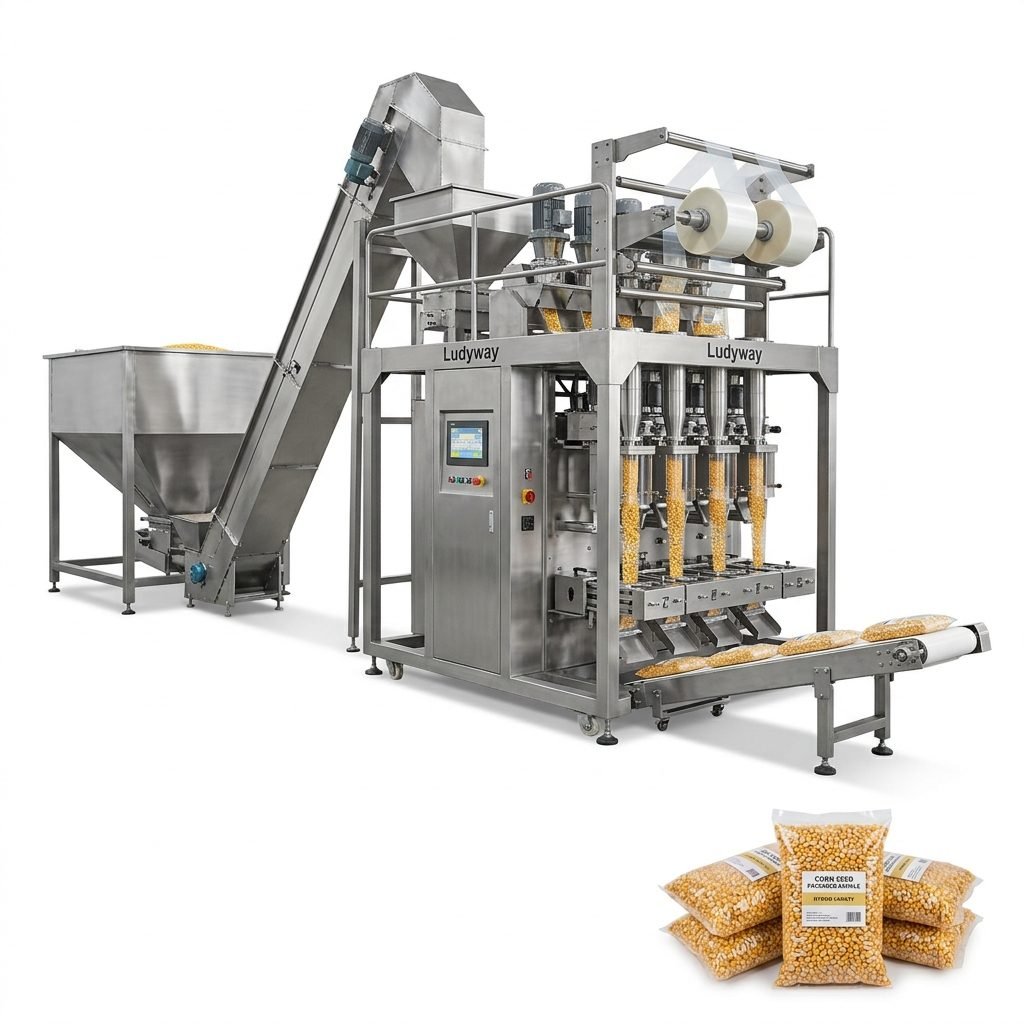
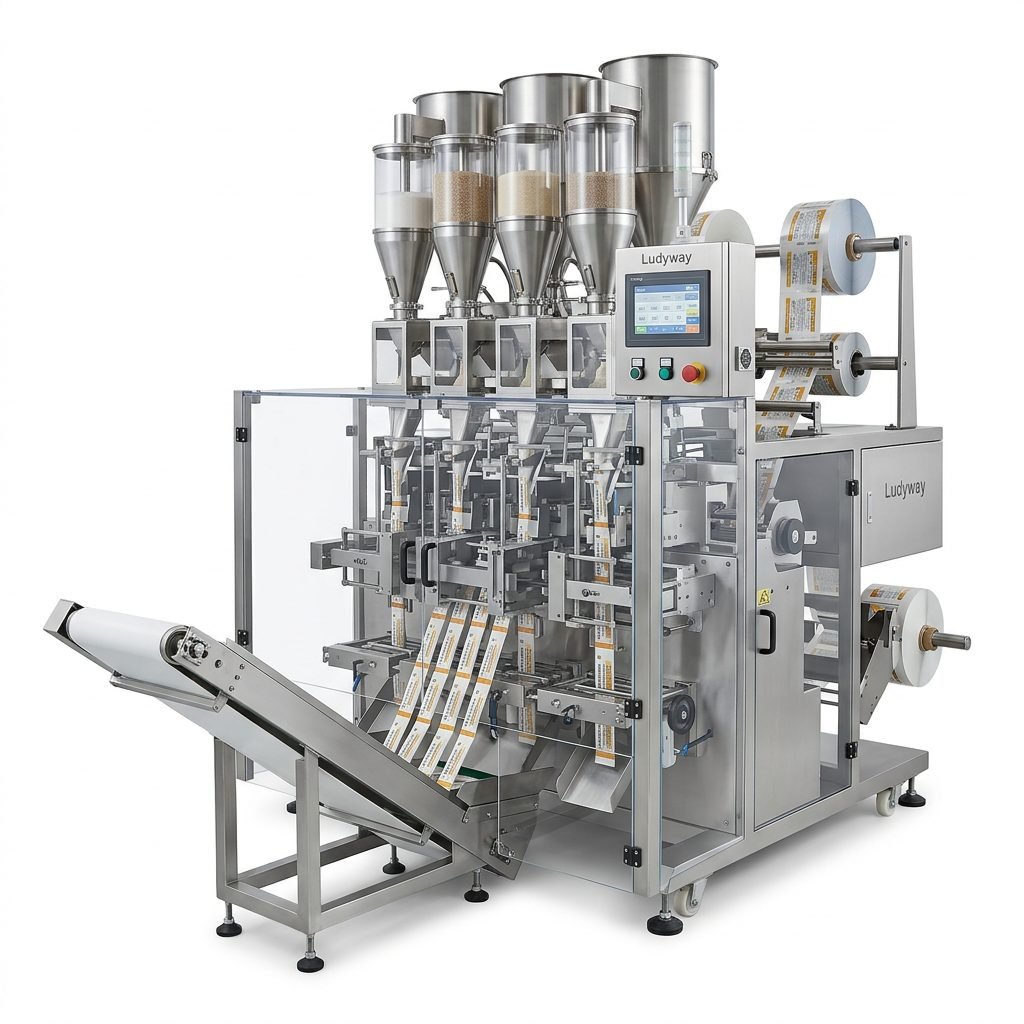
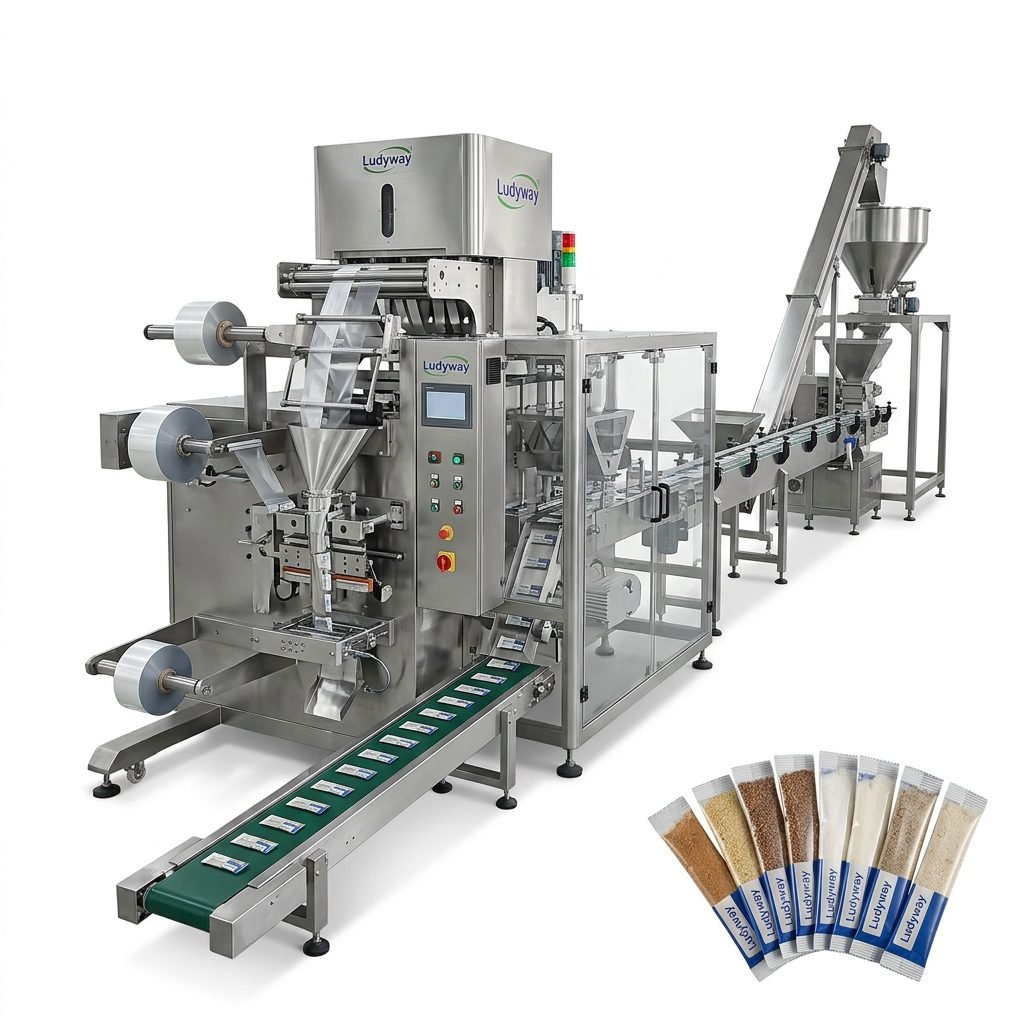
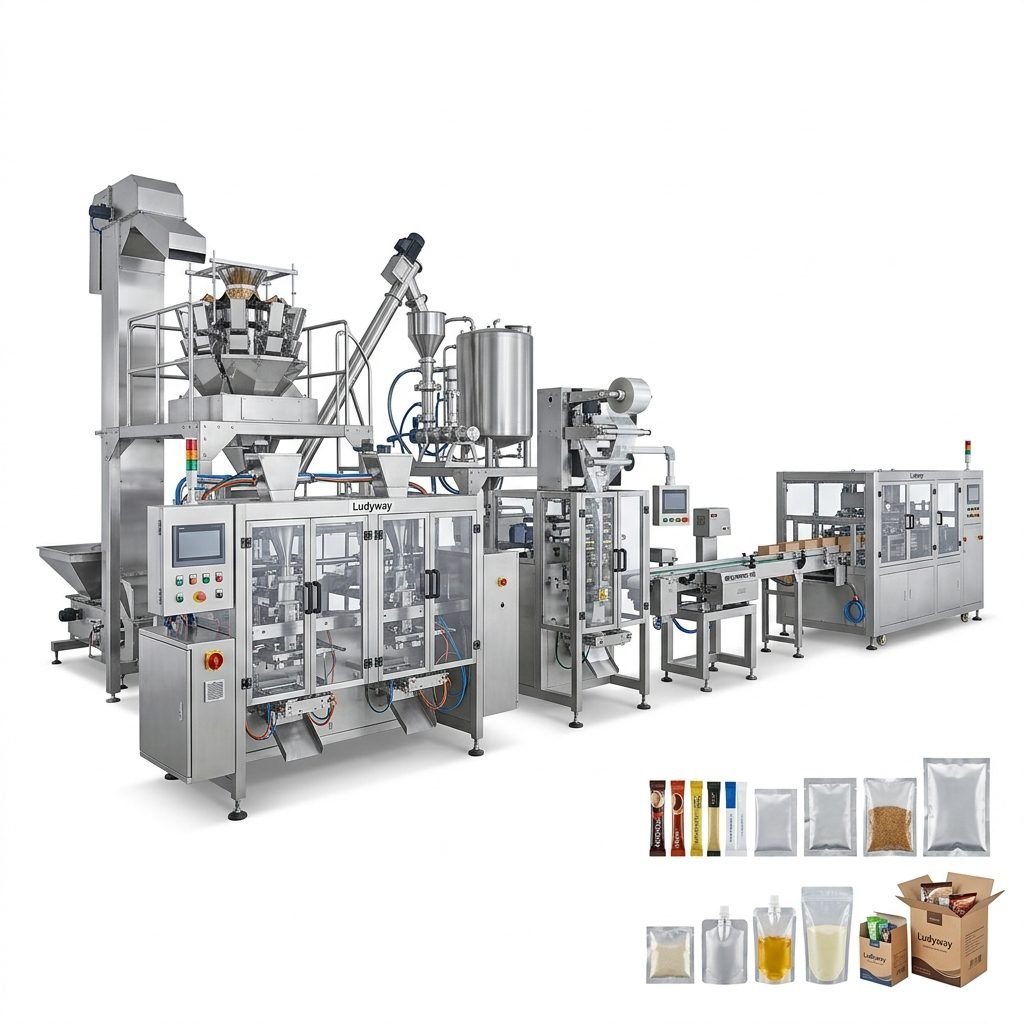
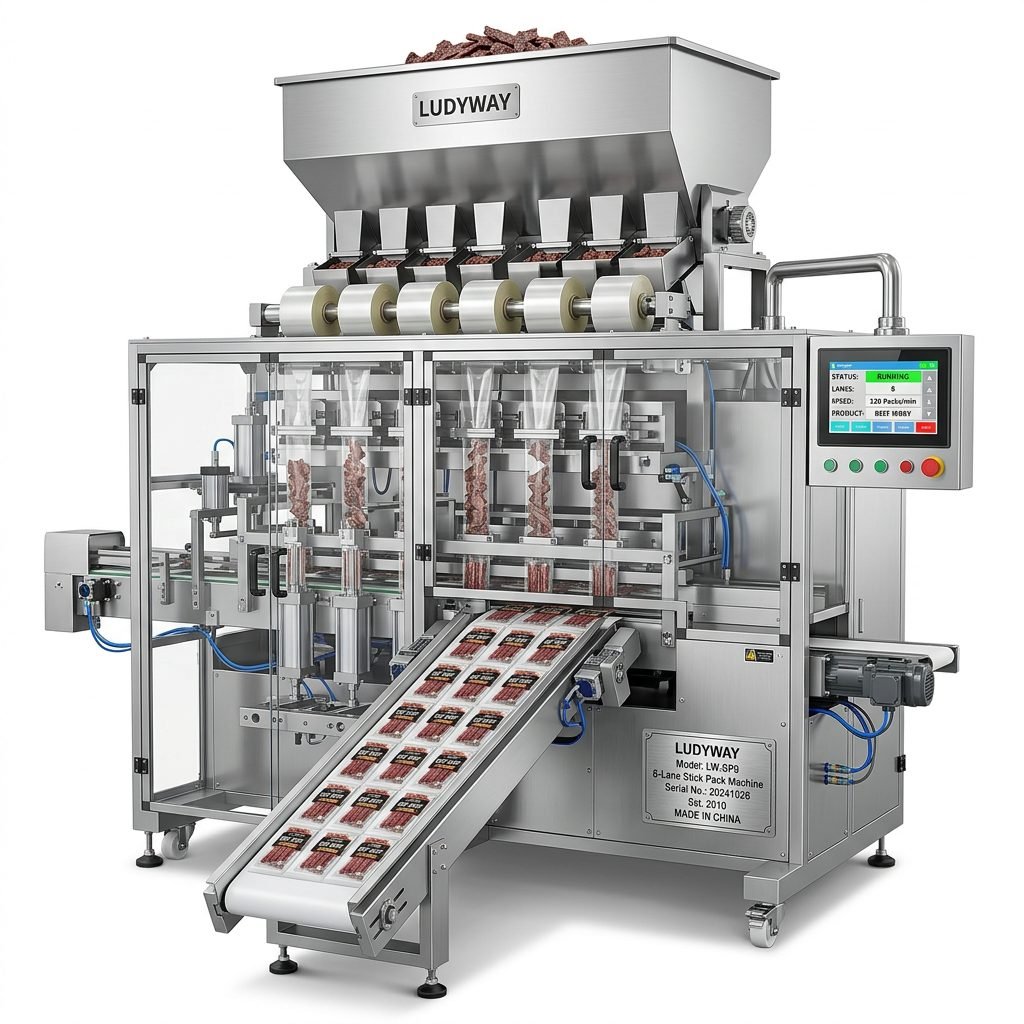
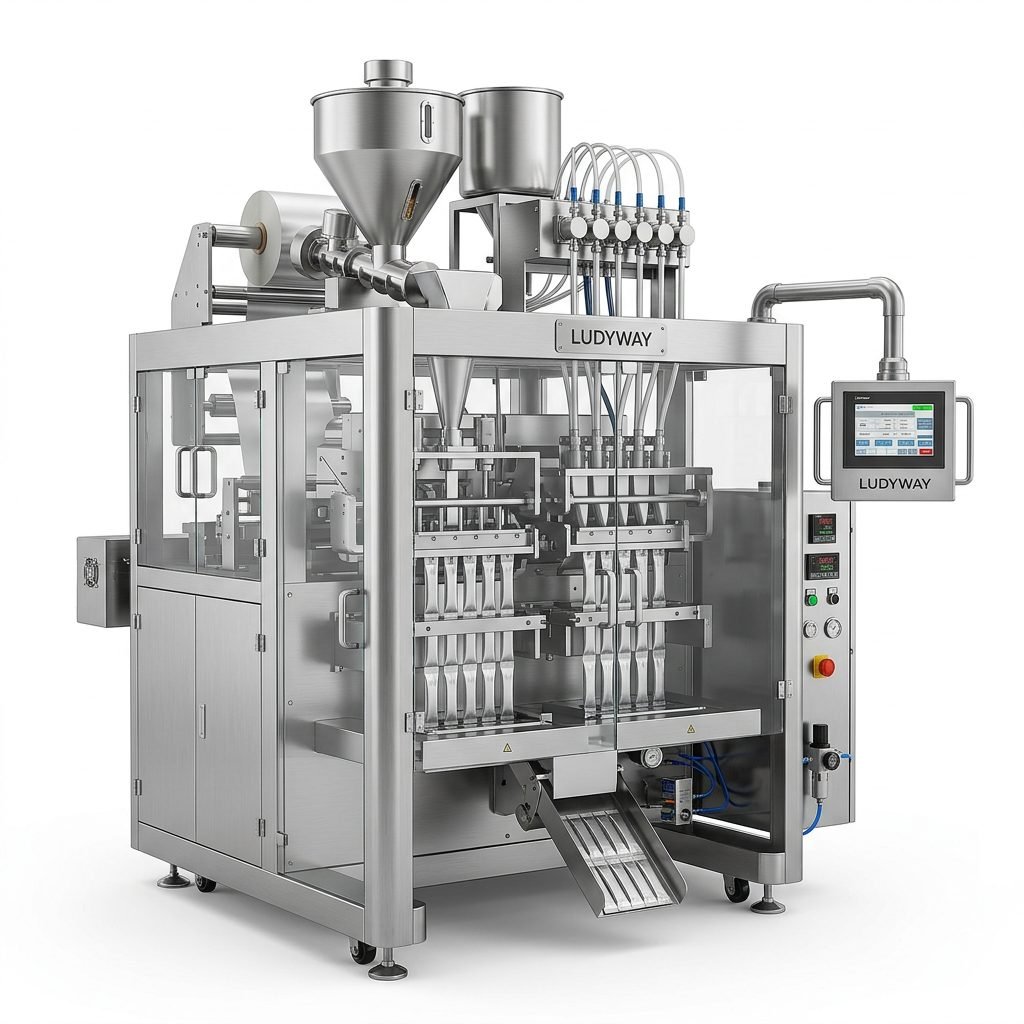
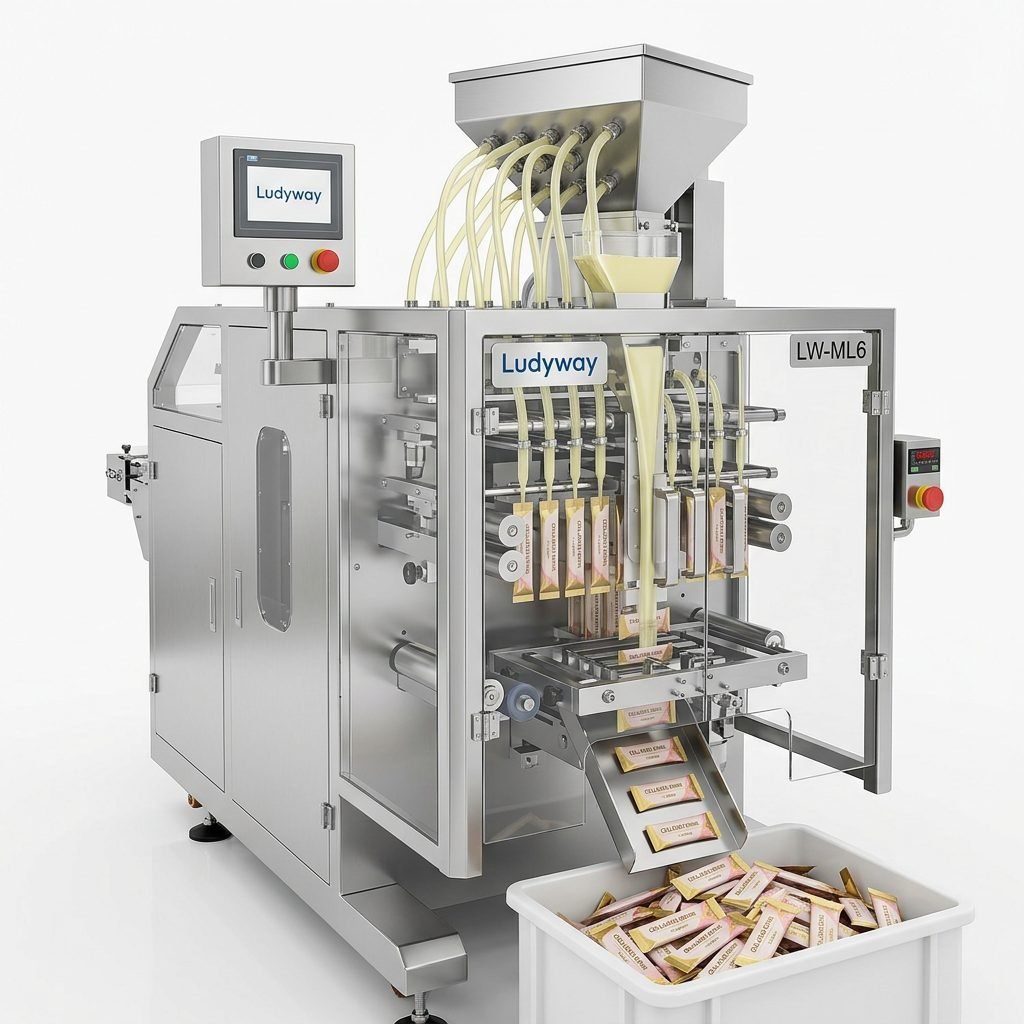
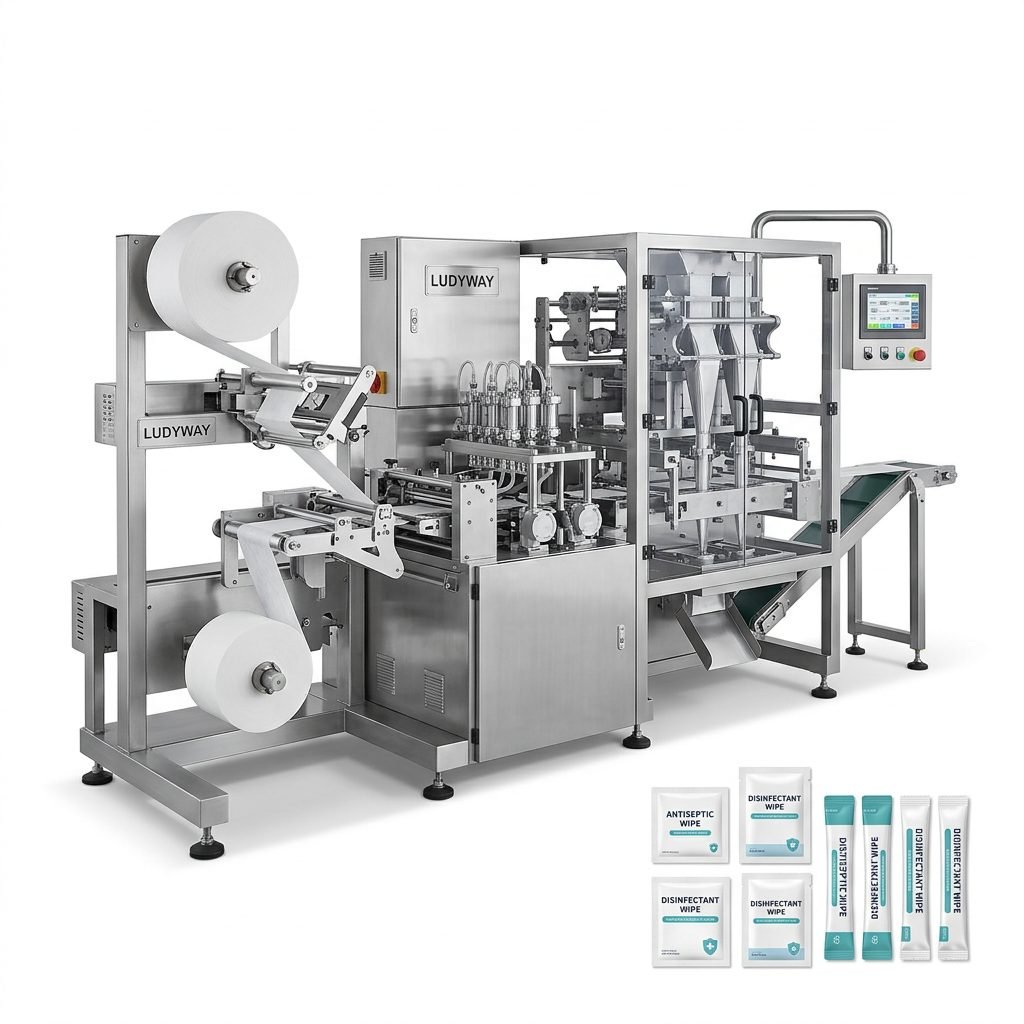
Rotary packing machines are the workhorses of high-speed production lines. Their ability to deliver continuous, precise filling and sealing makes them indispensable. However, to achieve a consistent return on investment and avoid unplanned downtime, adhering to a strict preventive maintenance schedule is non-negotiable. This guide walks you through the essential procedures to ensure your equipment’s long-term performance and reliability.
Understanding the Core Maintenance Principles
Before picking up a wrench, it is critical to understand that a rotary machine operates through synchronized mechanical and electronic systems. Effective maintenance combines daily operator checks with deeper technical inspections. The goal is twofold: preserving the mechanical integrity of rotating components and ensuring the accuracy of the electronic controls.
1. Daily Cleaning and Sanitation Protocols
The most immediate threat to a rotary system is product buildup. Especially in food, pharmaceutical, or chemical applications, leftover powder or granules can cause friction, corrosion, and cross-contamination. At the end of every shift, operators should remove residual product using approved cleaning agents and compressed air. Pay special attention to the sealing jaws and filling nozzles; hardened residue here directly impacts pack integrity.
2. Lubrication: The Lifeblood of Rotary Motion
A rotary packing machine relies on a central turret and numerous cam-driven stations. Without proper lubrication, metal-on-metal contact leads to rapid wear and timing misalignment. Strictly follow the manufacturer’s lubrication chart. Never over-grease bearings, as this can attract dust and create a grinding paste that accelerates wear. Always use food-grade lubricants for applications involving consumables to maintain safety compliance.
3. Inspection of Wear Parts and Sealing Components
Sealing quality is the ultimate test of a rotary machine’s health. Inspect heating elements and thermocouples daily for accurate temperature control. Check the Teflon coatings on sealing bars for scratches or peeling. Even a minor imperfection on a rotary jaw can result in leaks. Regularly replacing low-cost wear parts like gaskets, O-rings, and cutting blades prevents catastrophic failures of major assemblies.

Key Areas for Long-Term Performance
4. Calibrating Filling Accuracy
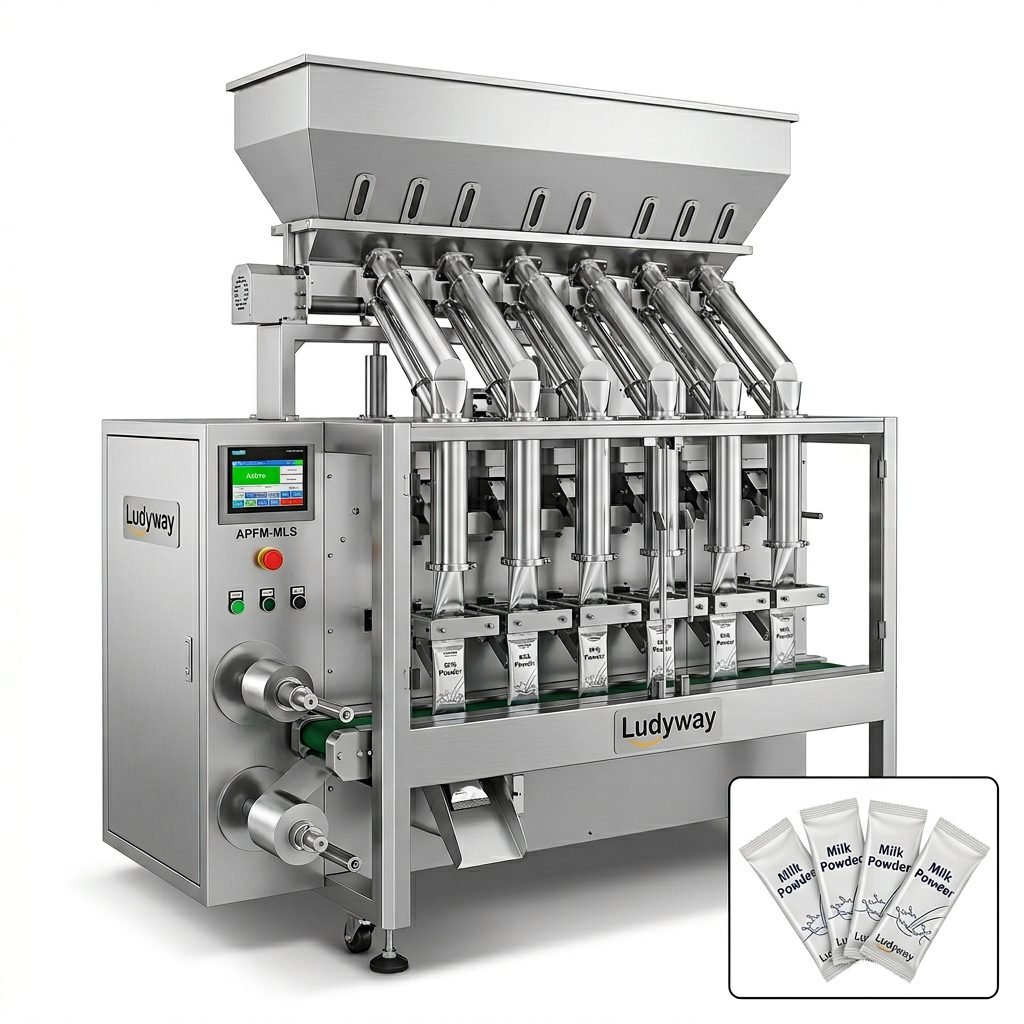
Drift in fill weight is a common symptom of mechanical lag or electronic signal error. Implement a regular verification routine using a calibrated scale. For multi-lane rotary stick pack machines, cross-check each lane individually. Inaccurate dosing not only wastes product but can also breach legal weight requirements. If deviation persists after recalibrating the servo drive, inspect the volumetric cups or auger screws for physical damage.
5. Tension Control and Film Tracking
The rotary motion of the film unwinding system requires precise tension. If the film web oscillates or registers incorrectly, the printed design will drift. Inspect the dancer arms and pneumatic brakes for responsiveness. For reliable long-term performance, keep the photocell sensors clean and ensure the rollers are perfectly parallel. A misaligned roller is often the hidden culprit behind chronic film jams.
6. Electrical Cabinet and Sensor Hygiene
High-speed packaging generates significant airborne particles. The electrical control cabinet must remain sealed and, if equipped, the positive pressure fans must be operational. Use dry, oil-free compressed air to gently dust circuit boards periodically. Optical sensors and fiber-optic amplifiers should be wiped with a lint-free cloth. A dirty sensor slowing the reaction time by just milliseconds can render a rotary cycle unsynchronized.
Routine Component Replacement Table
| Component | Action | Frequency |
|---|---|---|
| Sealing Jaw Teflon Tape | Inspect & Replace | Weekly |
| Cutting Blades | Sharpen or Replace | Monthly |
| Turret Grease Points | Refill | Every 200 Hours |
| Suction Cups/Vacuum Valves | Clean & Check Cracks | Daily |
| Timing Belts | Tension & Wear Check | Quarterly |
Documentation and Professional Support
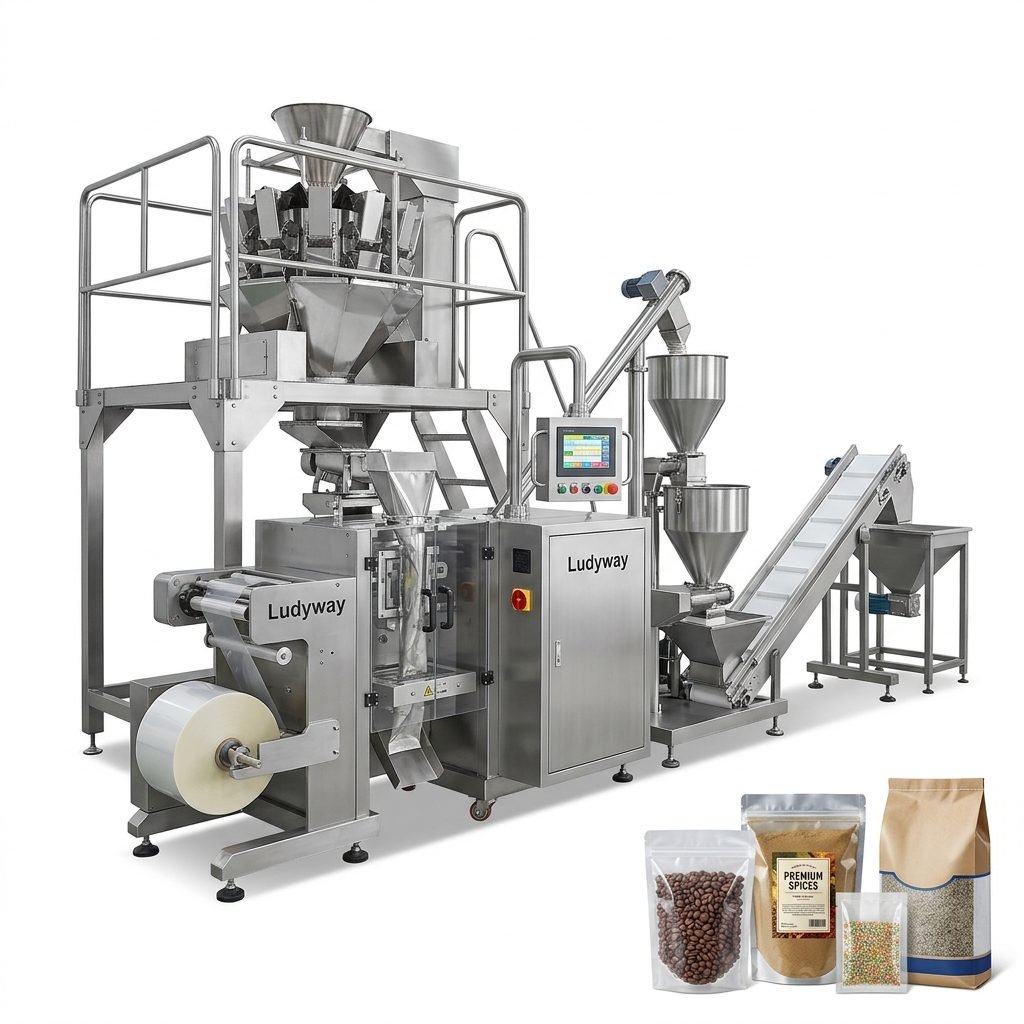
A maintenance logbook is a critical tool for troubleshooting recurring faults. Record every intervention, including minor adjustments to temperature or pressure settings. Over time, this data reveals patterns that indicate deeper systemic issues, such as a degrading motor drive. When complex faults arise, it is beneficial to partner with an experienced OEM that understands the nuances of vertical and rotary bagging technology. Companies like Ludyway, supported by over 30 years of industry expertise and a modern manufacturing facility, do not just supply equipment but provide comprehensive turnkey packaging solutions and long-term technical support to optimize your production continuity.
Integrating End-of-Line Equipment Safety
While focusing on the rotary core is vital, remember that blockages in downstream equipment can stall the entire machine. Inspect conveyors, shrink wrappers, and especially cartoners that synchronize with the rotary speed. If a case packer rejects a batch improperly, it can trigger a backup that physically damages the discharge chute of the packing machine. Always test the E-stop and safety interlock circuits during maintenance windows to ensure the machine protects both the operator and itself.
Empirical Lubrication and Inspection Schedule
- Every Shift: Wipe down sealing surfaces; visually check for loose fasteners.
- Every Week: Deep clean product contact parts; inspect film tracking belts.
- Every Month: Calibrate load cells; verify all pneumatic pressure regulators.
- Every 6 Months: Replace rotary carbon brushes (if applicable); perform insulation resistance test on heaters.
By transforming maintenance from a reactive fix into a strategic daily routine, you ensure that your rotary packing machine retains its peak mechanical efficiency and precision for years to come. Regular upkeep not only extends the hardware’s lifespan but also guarantees consistent pack quality, keeping consumer trust intact.