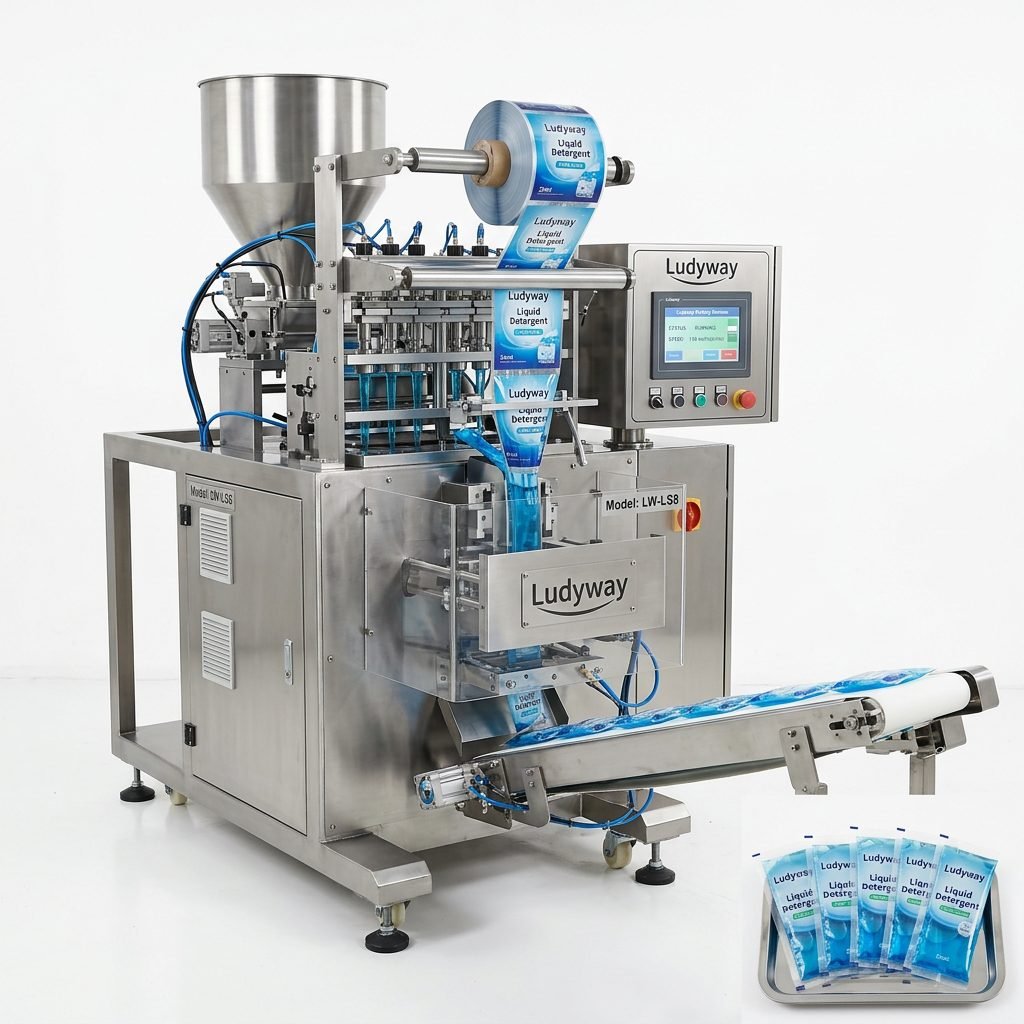
Choosing a Little David packaging machine is often part of a bigger decision: finding the right case sealing, carton closing, and end-of-line automation setup for your production goals. Whether you run a food plant, a pharmaceutical line, an e-commerce fulfillment center, or a general manufacturing facility, understanding how this type of machine works can help you compare equipment more confidently and avoid costly mistakes.
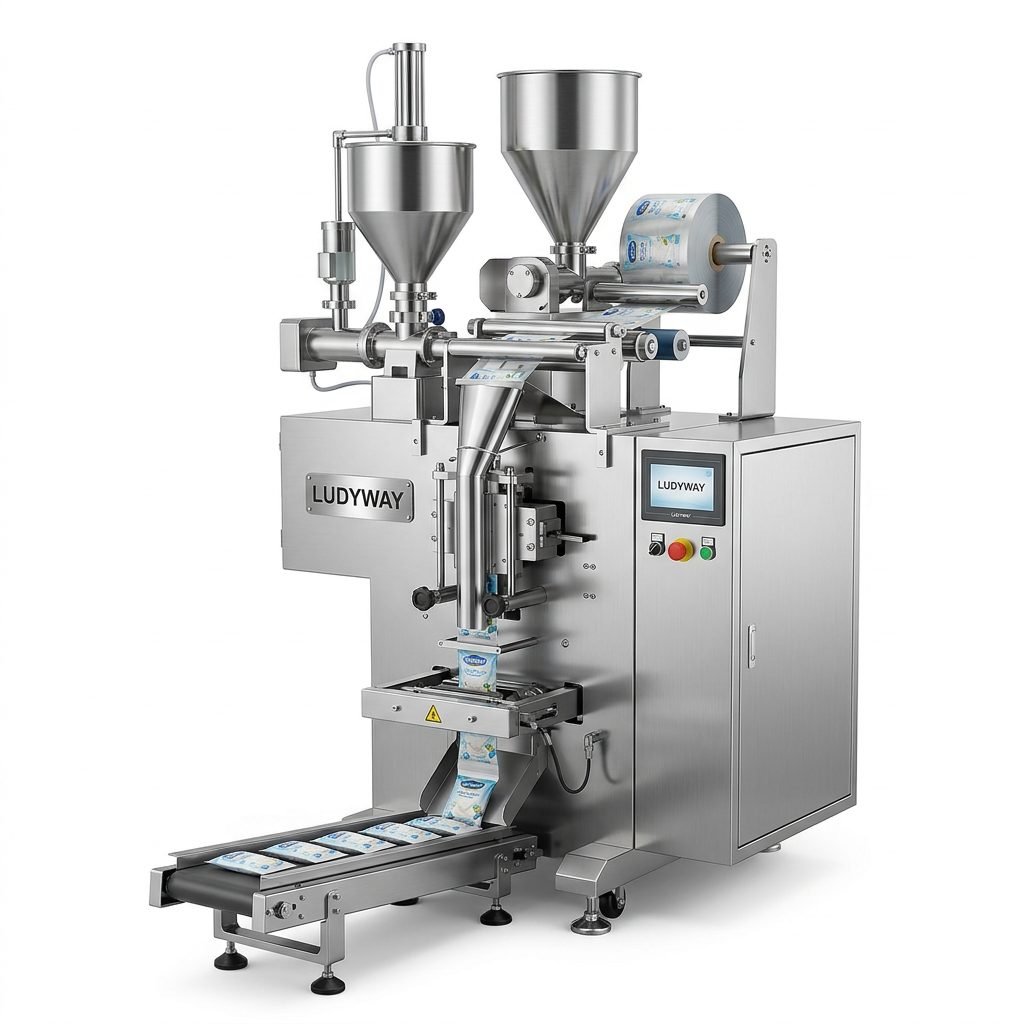
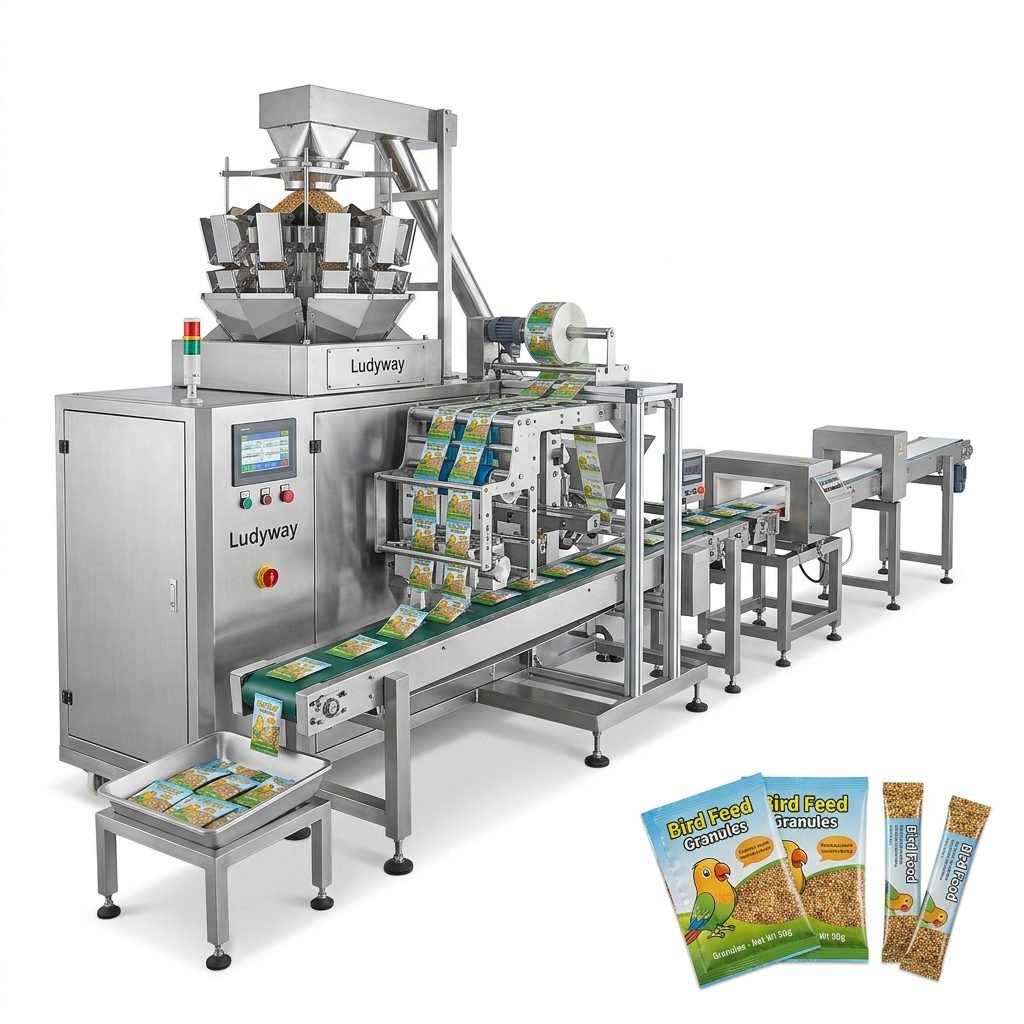
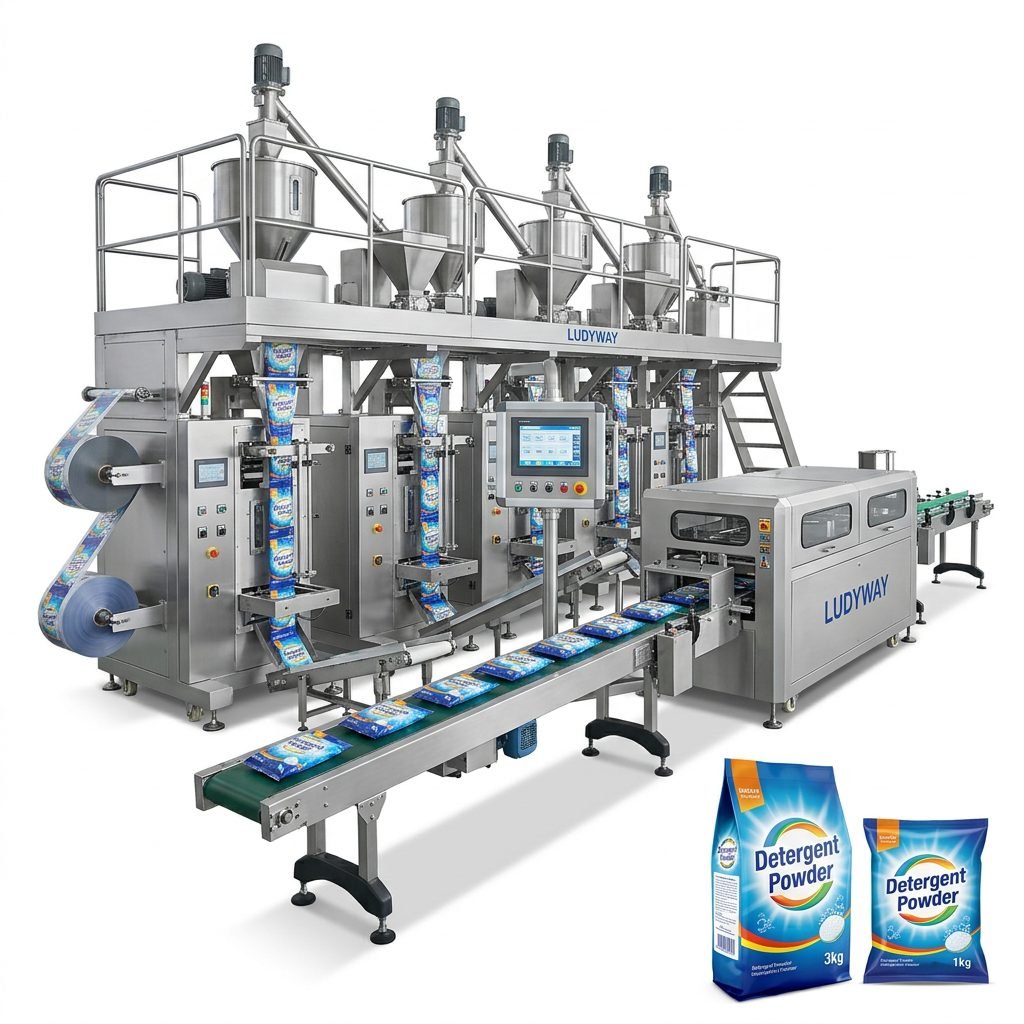
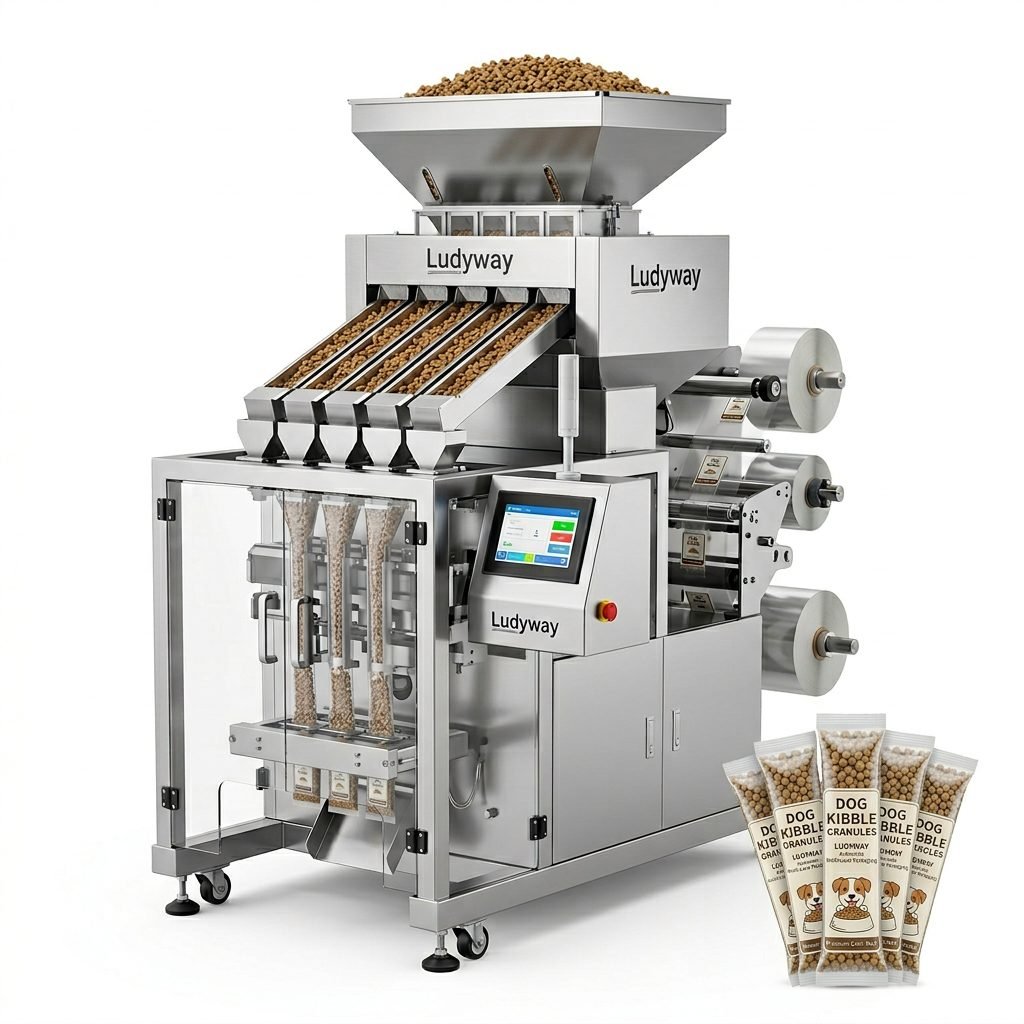
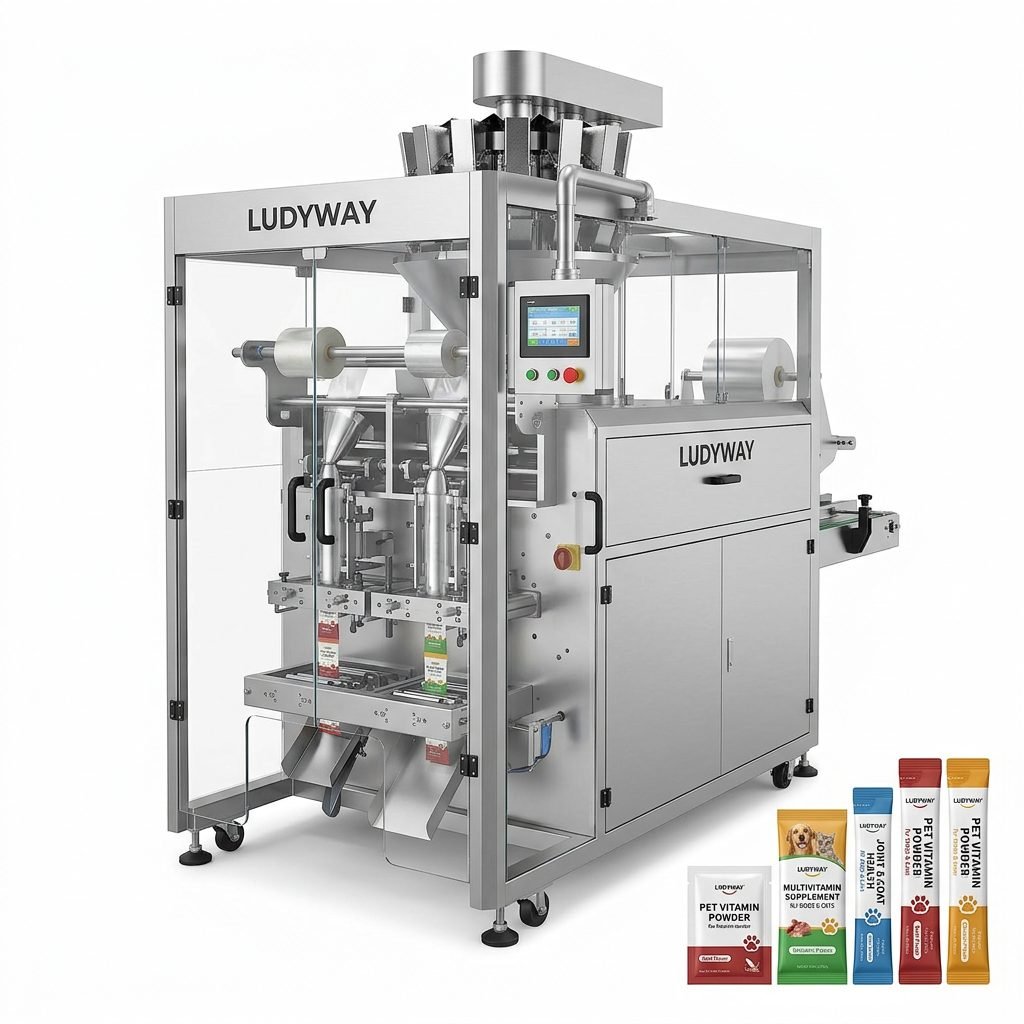
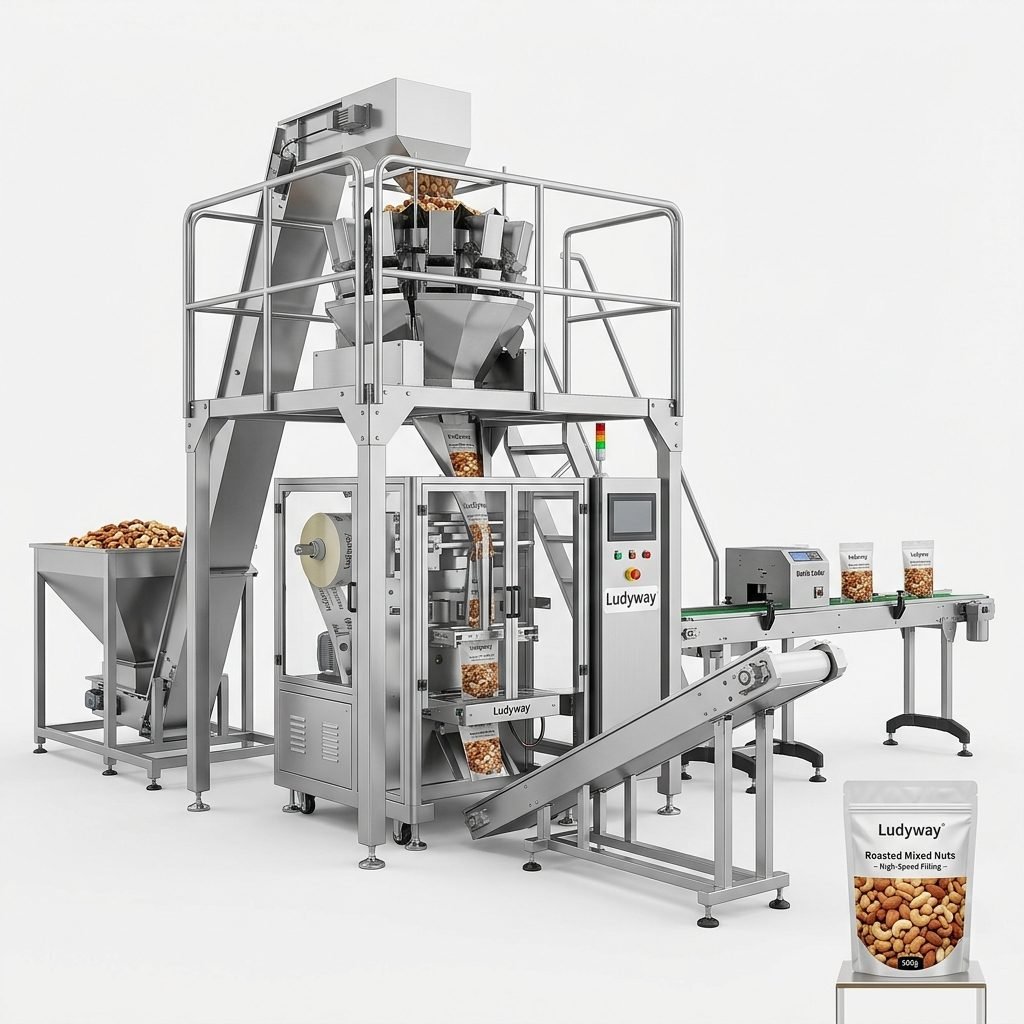
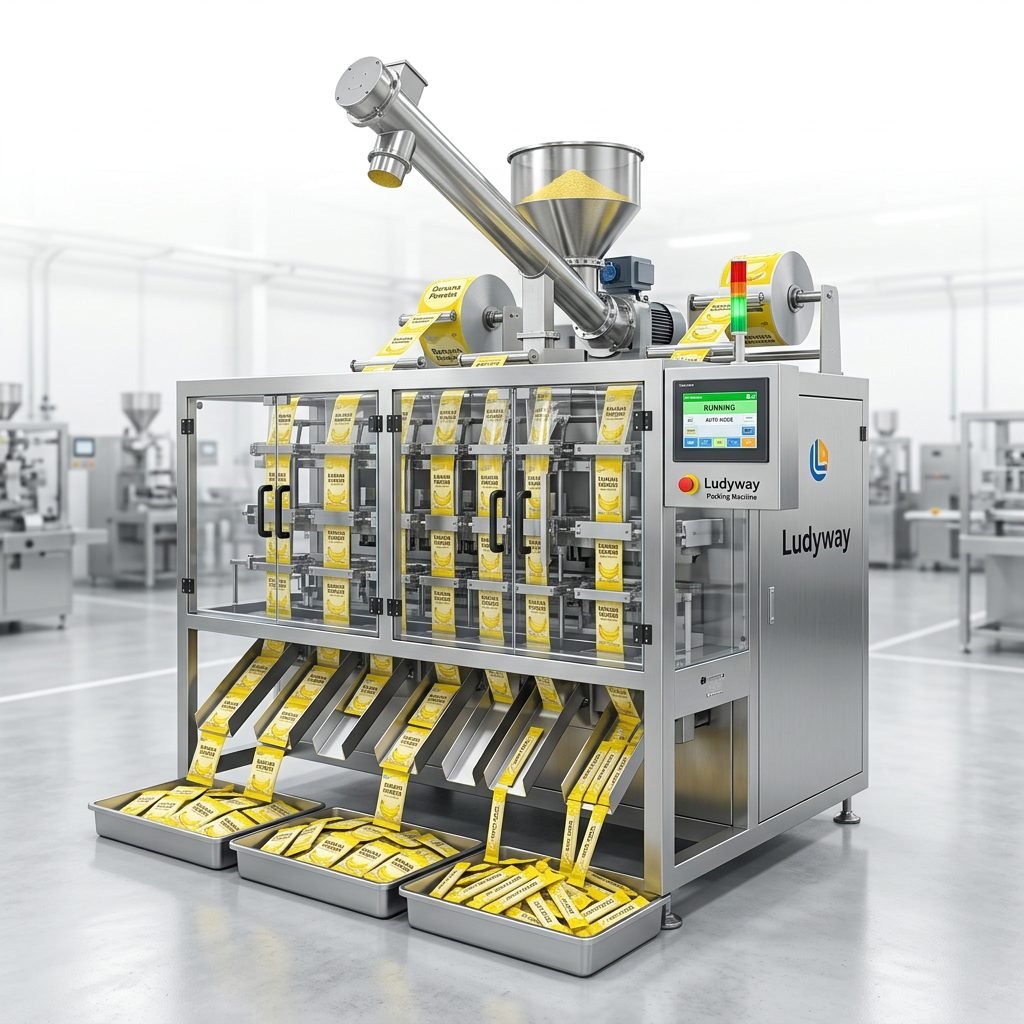
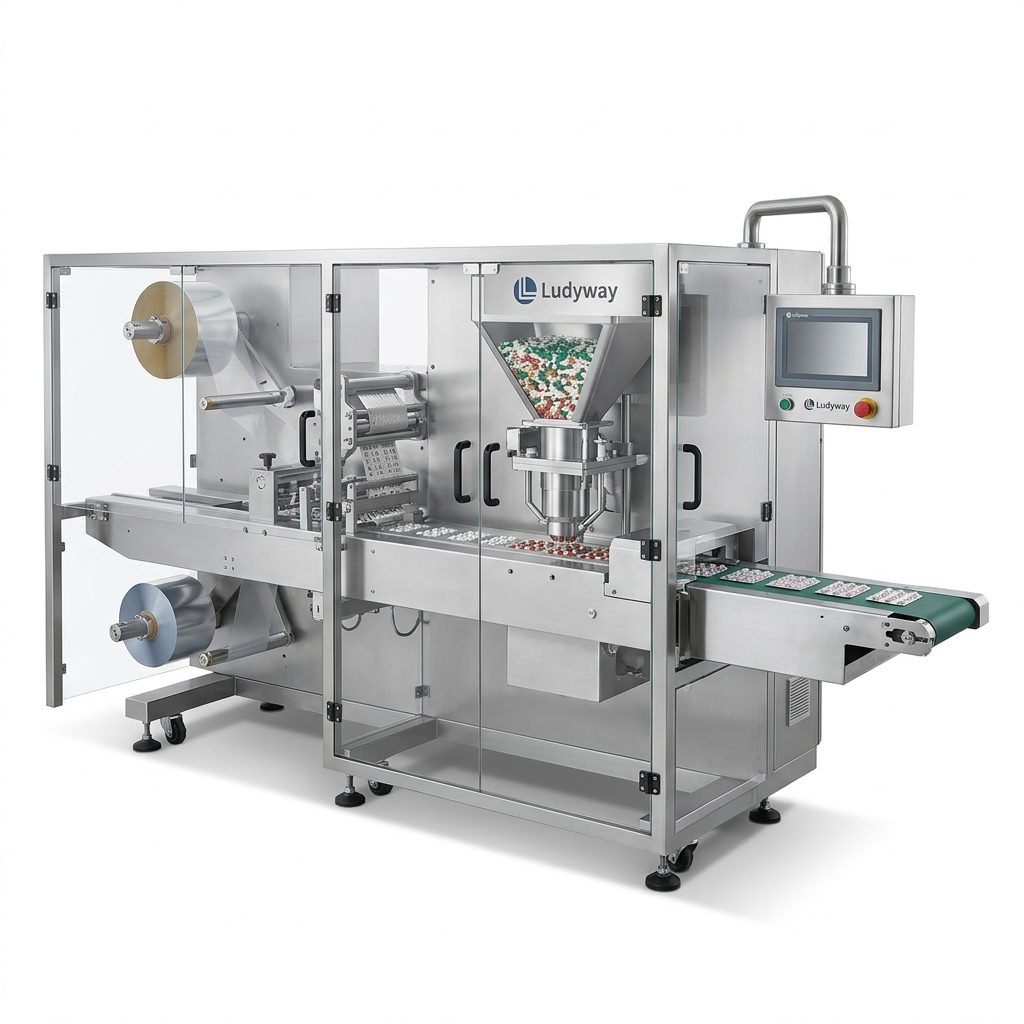
In this guide, you’ll learn how Little David packaging machines work, where they are commonly used, what benefits they offer, and what to evaluate before buying. You’ll also see how these systems compare with broader automated packaging solutions available from manufacturers such as Ludyway, a supplier of packaging machines and turnkey packaging lines for global markets.
What Is a Little David Packaging Machine?
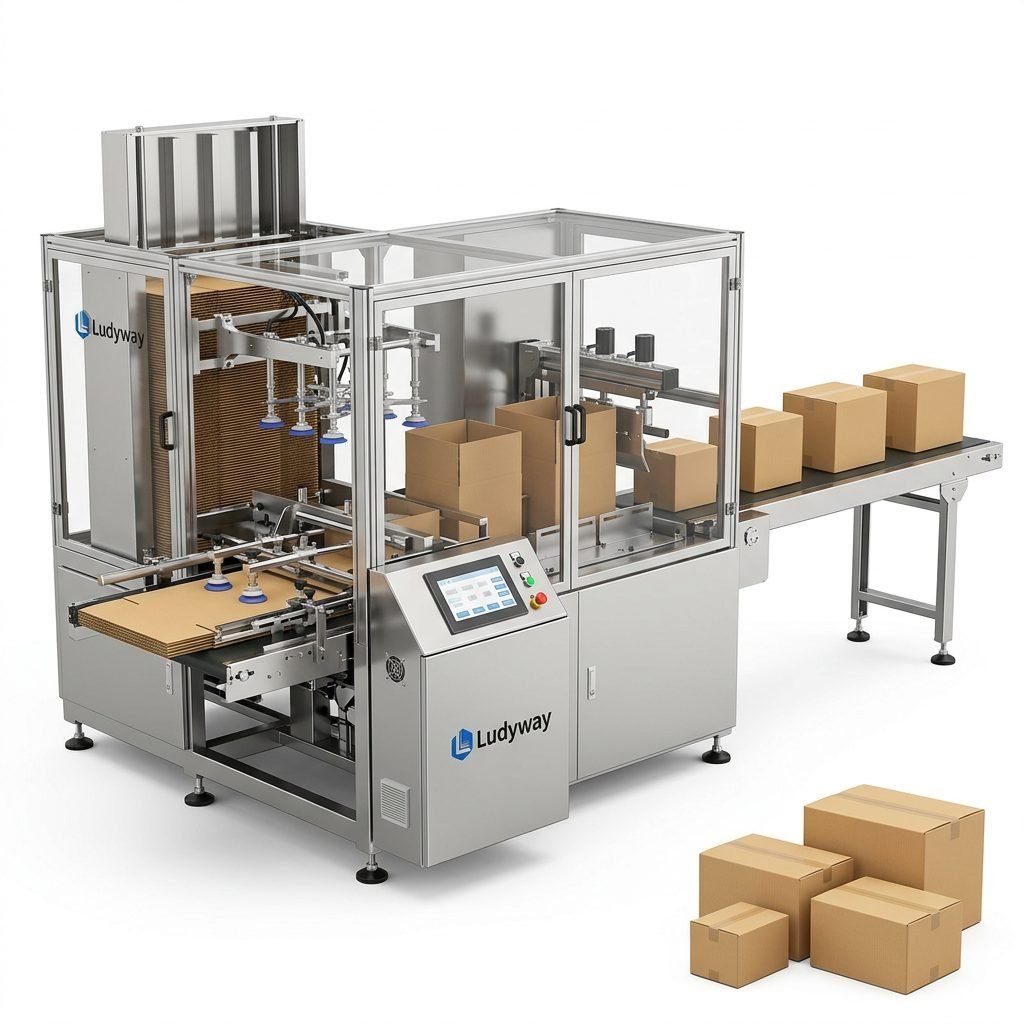
A Little David packaging machine usually refers to case sealing, carton erecting, taping, labeling, or end-of-line packaging equipment designed to improve packaging speed and consistency. These machines are commonly used after products have already been filled into primary packaging such as bottles, pouches, sachets, trays, or cartons.
Instead of handling the product itself, many of these systems focus on the secondary and tertiary packaging stages, such as:
- Closing corrugated boxes
- Applying tape uniformly
- Printing or applying shipping labels
- Preparing cartons for shipping
- Improving packaging line throughput
For businesses shipping high volumes every day, this type of machine can reduce manual labor, improve seal quality, and create a more professional packaged result.
How Does a Little David Packaging Machine Work?
The exact operating principle depends on the machine type, but most follow a similar automation flow. A box, carton, or case enters the machine, is positioned by guides or belts, processed by a taping or sealing head, and then discharged for the next stage such as labeling, weighing, palletizing, or warehousing.
Basic working process
- Case feeding: The operator or upstream conveyor introduces the carton or case.
- Positioning: Side belts, guide rails, or stops align the package.
- Flap folding or closure preparation: Depending on the model, top flaps may be folded automatically or manually.
- Sealing: Tape heads or sealing units apply adhesive tape or another closure method.
- Discharge: The sealed case exits to downstream equipment.
- Optional coding/labeling: Print-and-apply systems or coding units may add traceability information.
Main components
- Infeed conveyor or roller section
- Carton guides and adjustment mechanisms
- Top and bottom tape heads
- Drive belts or transport rollers
- Operator control panel
- Sensors for product detection and alignment
- Optional label applicator, coder, or checkweigher interface
Manual, semi-automatic, and automatic differences
| Type | How It Works | Best For |
|---|---|---|
| Manual | Operator closes and seals cartons by hand | Low-volume operations |
| Semi-automatic | Operator places case; machine applies sealing automatically | Medium-volume lines |
| Automatic | Machine feeds, folds, seals, and transfers cartons with minimal intervention | High-volume production and logistics centers |
Key Benefits of Using This Type of Packaging Machine
For many manufacturers, the biggest advantage is not just automation—it is repeatable packaging quality at scale.
1. Faster throughput
Automated case sealing is significantly faster than hand taping. This helps maintain output when upstream filling and packing equipment is running at higher speeds.
2. Better seal consistency
Uneven tape placement can lead to open cartons, damaged shipments, and returns. Machine-applied sealing creates a more consistent closure pattern.
3. Labor savings
Reducing repetitive manual case sealing allows operators to focus on quality checks, material handling, and line supervision.
4. Lower packaging waste
Properly adjusted tape heads can minimize tape waste and reduce the chance of rework caused by poor adhesion or incorrect application.
5. Easier integration with full packaging lines
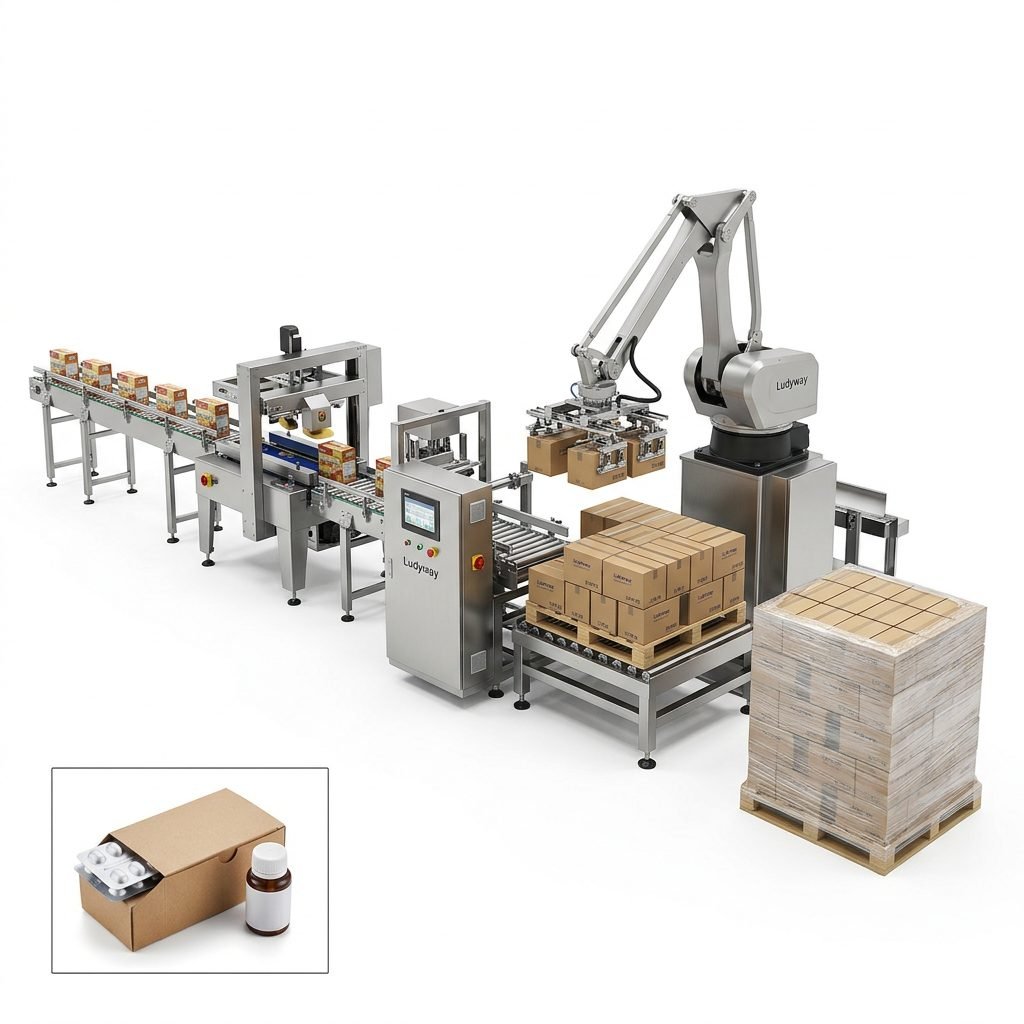
These machines can often connect with conveyors, checkweighers, printers, labelers, robotic palletizers, and warehouse systems.
6. Improved shipping presentation
Uniformly sealed cartons look cleaner and more professional, which is especially important for retail-ready or export shipments.
Common Applications
Although often associated with shipping cases, this equipment category serves a wide range of industries. Typical applications include:
- Food and beverage: cartons for snacks, powders, bottled goods, sauces, and bulk packs
- Pharmaceutical: secondary packaging for medicine cartons, bottles, and healthcare products
- Cosmetics and personal care: boxed creams, tubes, and sachet displays
- Chemicals: sealed outer cartons for pouches, bottles, and industrial supplies
- E-commerce and logistics: fast and repeatable parcel box sealing
- Pet food and feed: shipping cartons for retail and wholesale packaged products
Who Should Buy a Little David Packaging Machine?
This type of equipment is generally a strong fit if your operation has any of the following challenges:
- Workers spend too much time hand-taping cartons
- Carton sealing quality is inconsistent
- Your shipping volume is increasing
- You need a cleaner end-of-line workflow
- You want to connect packaging, labeling, and palletizing into one process
It is especially suitable for companies that already have primary packaging equipment in place and need to upgrade secondary packaging efficiency.
Buying Guide: What to Check Before You Invest
Not every packaging machine is right for every plant. Before purchasing, review the points below carefully.
Carton size range
Check the minimum and maximum case dimensions your line uses. If you run multiple SKUs, fast changeover is critical.
Production speed
Match the machine’s rated speed with your actual line demand, not just your current average. Leave room for future expansion.
Box material and quality
Lightweight corrugated material may behave differently from heavy-duty export cartons. The machine should handle your box style reliably.
Tape type and consumption
Understand what tape width, adhesive type, and roll length the machine supports. This affects operating cost over time.
Integration needs
If you need a complete line, think beyond sealing. You may need conveyors, carton erectors, coding systems, checkweighers, metal detectors, case packers, or palletizing equipment.
Operator friendliness
Look for simple adjustments, intuitive controls, accessible maintenance points, and clear safety design.
Maintenance and spare parts
Wear parts such as belts, blades, tape heads, and sensors should be easy to replace. Technical support availability is also very important.
Future scalability
If your business may move from semi-automatic sealing to a full automated packaging line, choose equipment that can integrate later.
| Buying Factor | Why It Matters | Buyer Tip |
|---|---|---|
| Case Size Flexibility | Determines whether one machine can handle multiple SKUs | Ask for the real adjustment time between sizes |
| Speed Capacity | Prevents bottlenecks in production | Compare rated speed vs. actual working speed |
| Automation Level | Affects labor and productivity | Choose based on throughput and labor cost |
| Support & Parts | Reduces downtime risk | Confirm spare part lead times before purchase |
| Line Integration | Supports long-term automation strategy | Plan upstream and downstream equipment together |
Little David Packaging Machine vs. Turnkey Packaging Line
One important point for buyers is that a carton sealing machine alone may solve only one part of the packaging process. If your facility is growing, it may be smarter to evaluate whether you need a single machine or a complete integrated line.
A single machine is ideal when:
- Your current bottleneck is only case sealing
- You already have conveyors and downstream handling
- Your product mix is relatively stable
- You want a quick productivity upgrade
A turnkey line is better when:
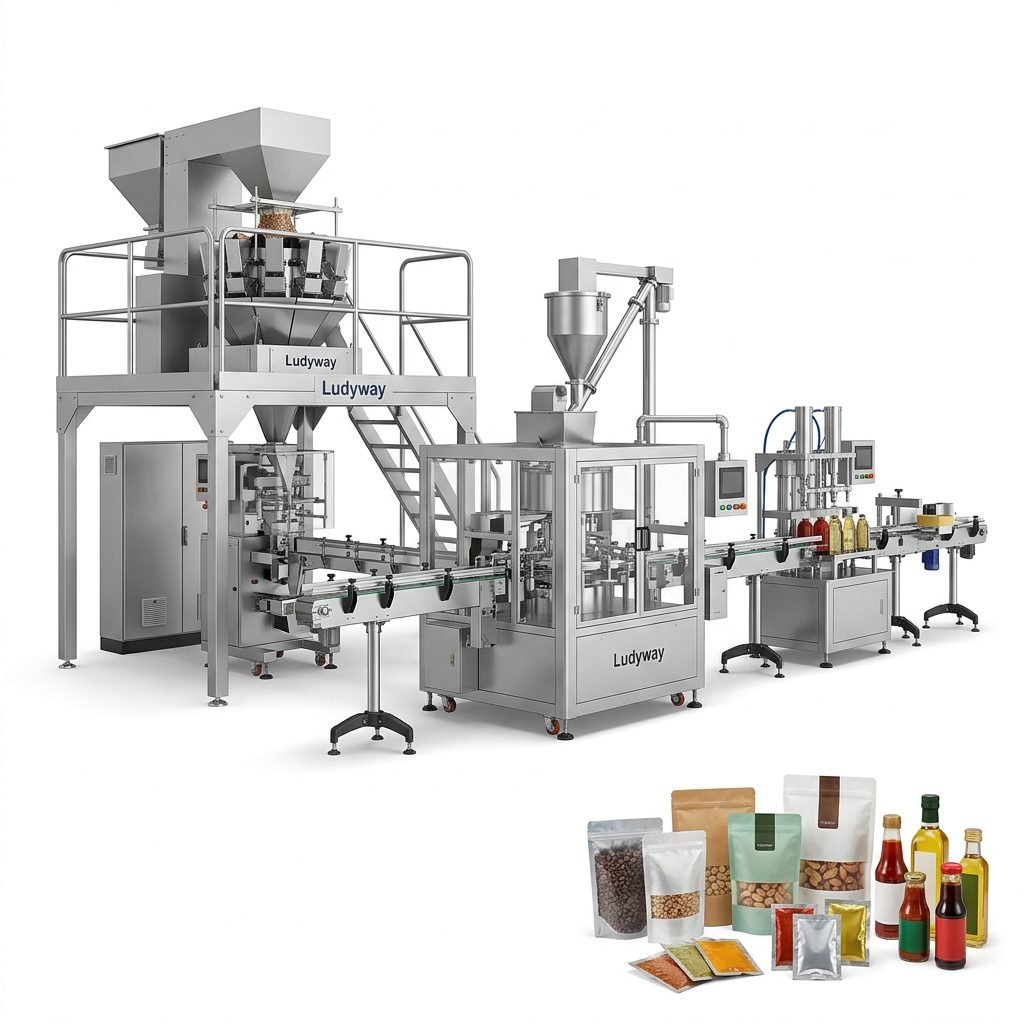
- You need feeding, filling, sealing, coding, cartoning, and palletizing together
- You handle powders, granules, liquids, or pouches across multiple SKUs
- You want unified controls and easier project management
- You are building or expanding a modern automated factory
Questions to Ask the Supplier Before Buying
- What carton dimensions can the machine handle?
- How many cases per minute can it run under real conditions?
- How long does changeover take?
- What consumables and spare parts are required?
- Can it integrate with my existing conveyor line?
- What training and after-sales support are included?
- Is remote troubleshooting available?
- What is the warranty coverage?
Signs You Need to Upgrade from Manual Sealing
If you are unsure whether now is the right time to invest, these warning signs usually indicate that manual packaging is costing more than it saves:
- Frequent shipping complaints due to poor carton closure
- Seasonal labor shortages affect output
- Packaging quality varies by operator
- Order volume is rising faster than labor availability
- Production lines stop because the end-of-line process is too slow
When the end-of-line becomes the bottleneck, the entire packaging system underperforms.
Final Buying Insight
A Little David packaging machine can be a practical and effective solution for businesses that need dependable case sealing and end-of-line efficiency. The right model can improve throughput, reduce labor dependency, and create cleaner, more secure shipments.
However, the best buying decision comes from looking at the full packaging workflow rather than one isolated machine. If your operation includes filling, sachet packing, bottling, cartoning, labeling, and palletizing, a broader automation strategy may deliver much greater long-term value than a stand-alone case sealer.
Before placing an order, compare machine speed, carton compatibility, maintenance needs, integration potential, and supplier support. That approach will help you choose equipment that fits both your current production target and your future growth plan.