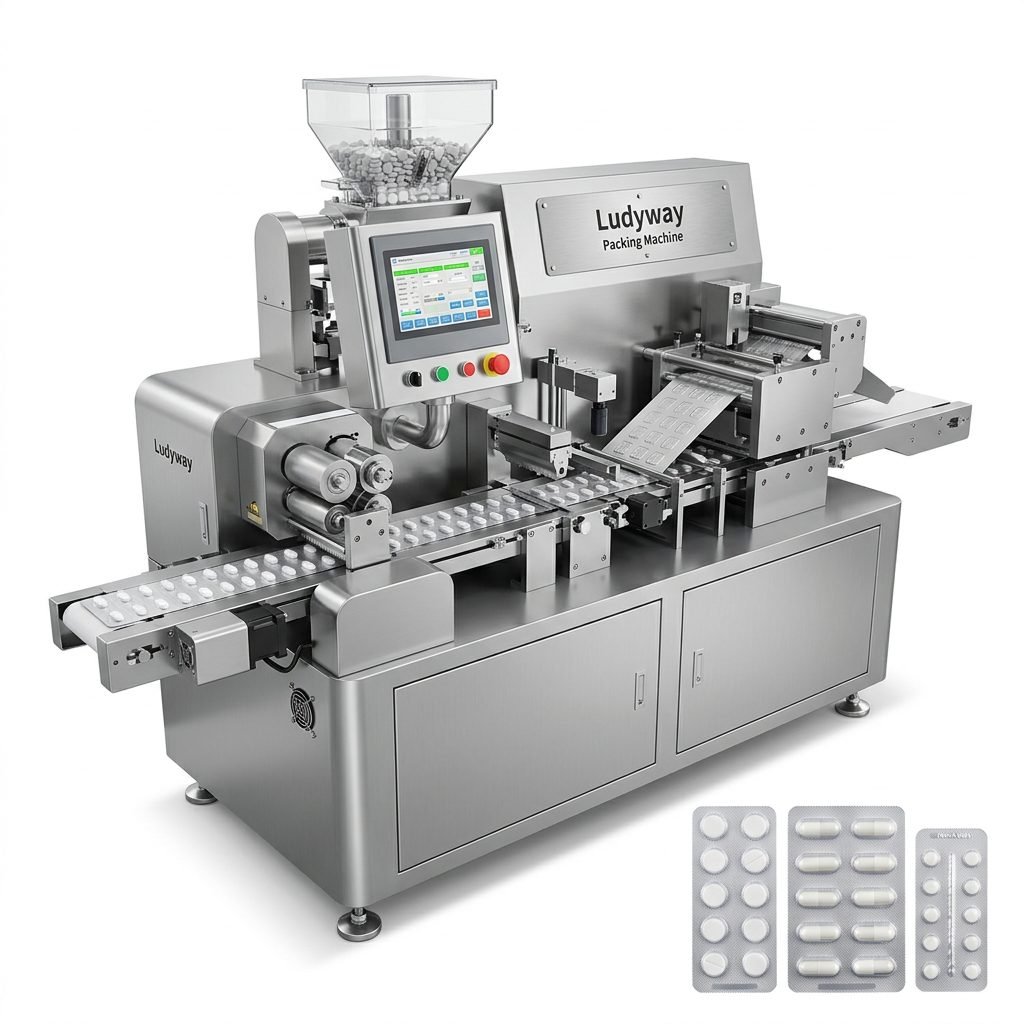
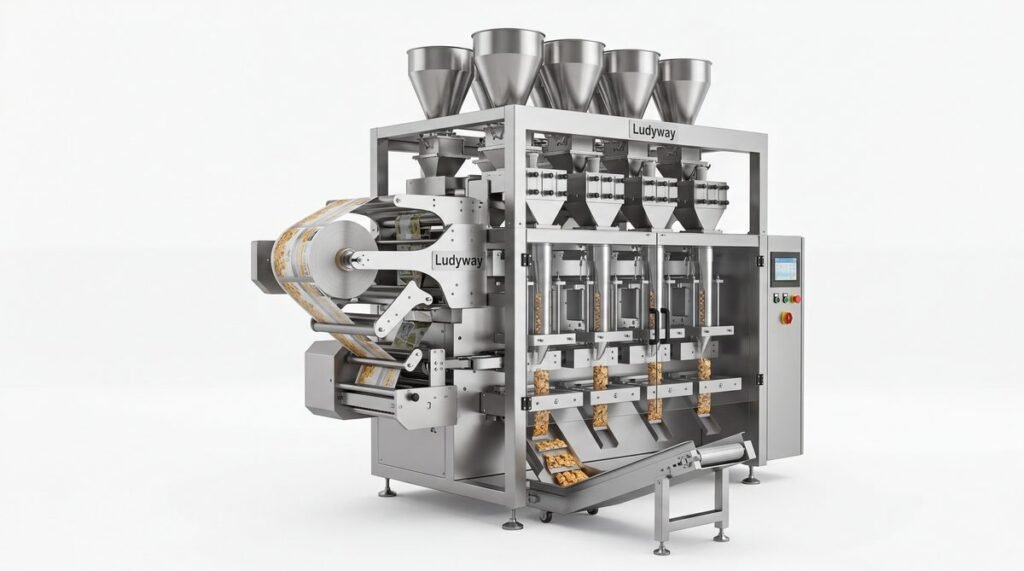
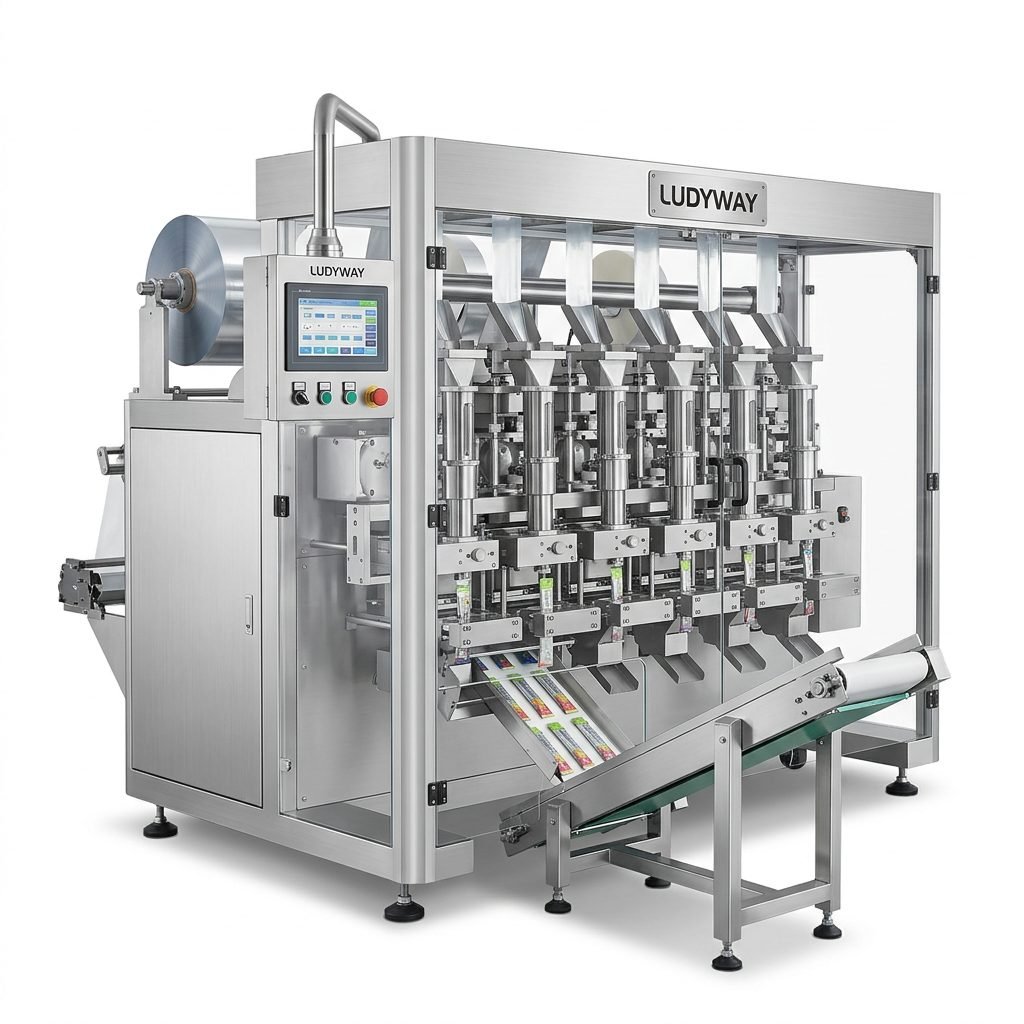
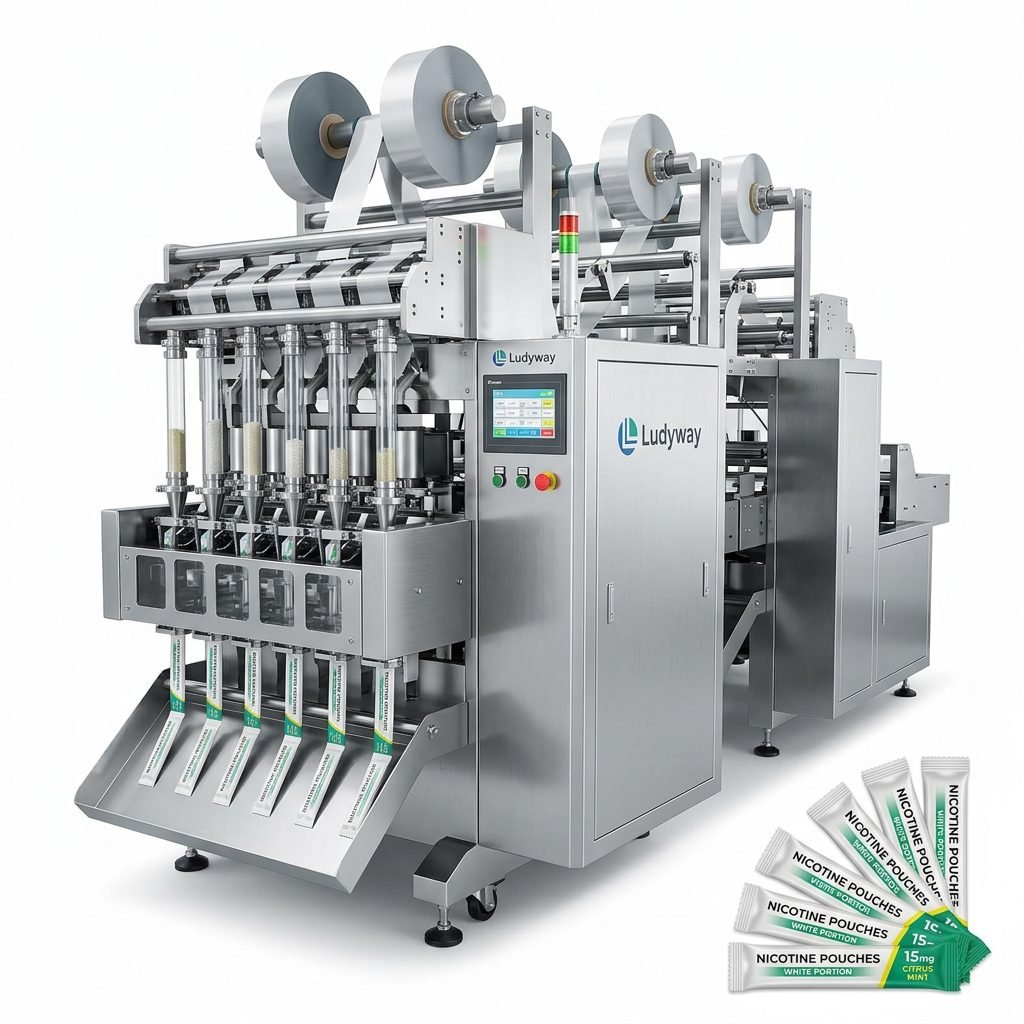
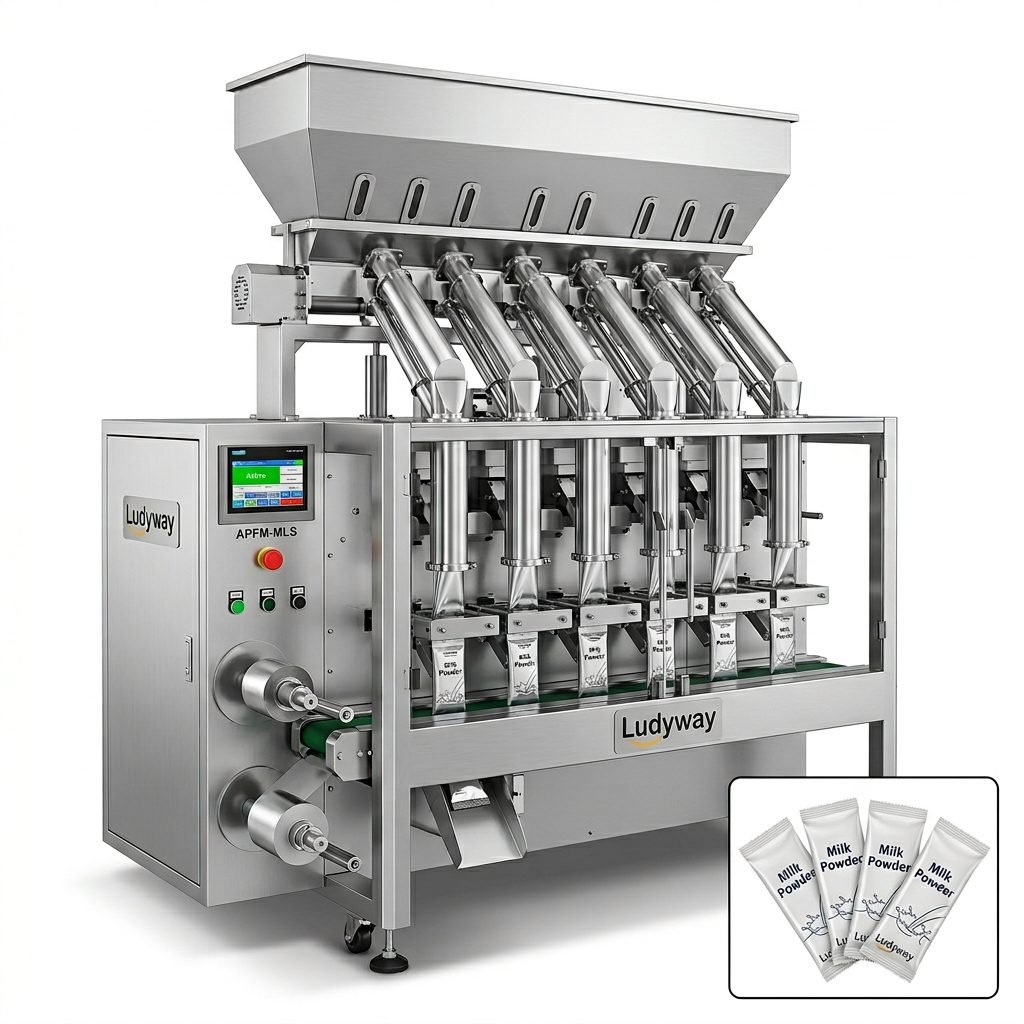
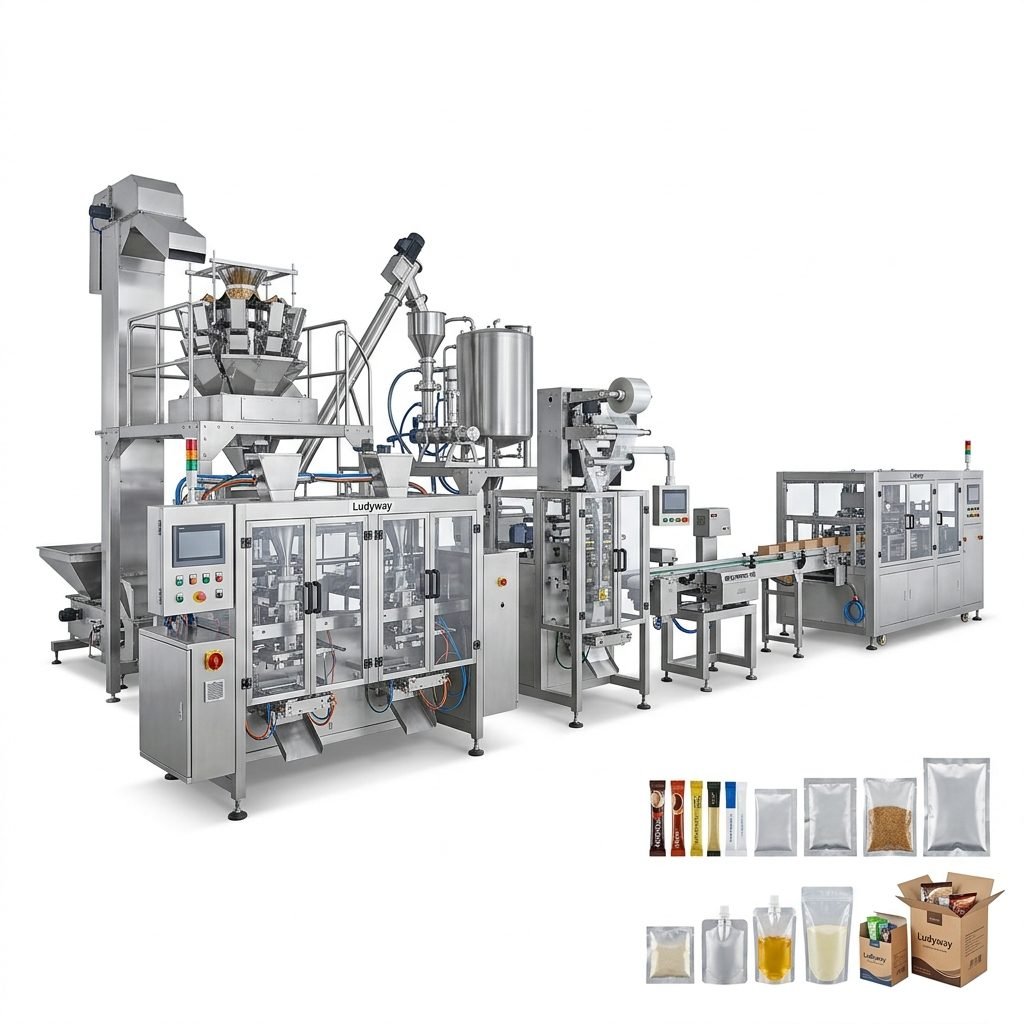
Selecting the perfect cake packaging machine is a critical decision for any bakery or food production business. The right equipment not only protects your delicate products but also enhances brand presentation and streamlines your operation. This comprehensive guide will walk you through the different types of cake packaging machines, their key features, and the essential factors to consider when making your investment.
Understanding the Different Types of Cake Packaging Machines
The market offers a variety of packaging solutions, each suited to different product forms, scales, and requirements. Knowing the core types is the first step.
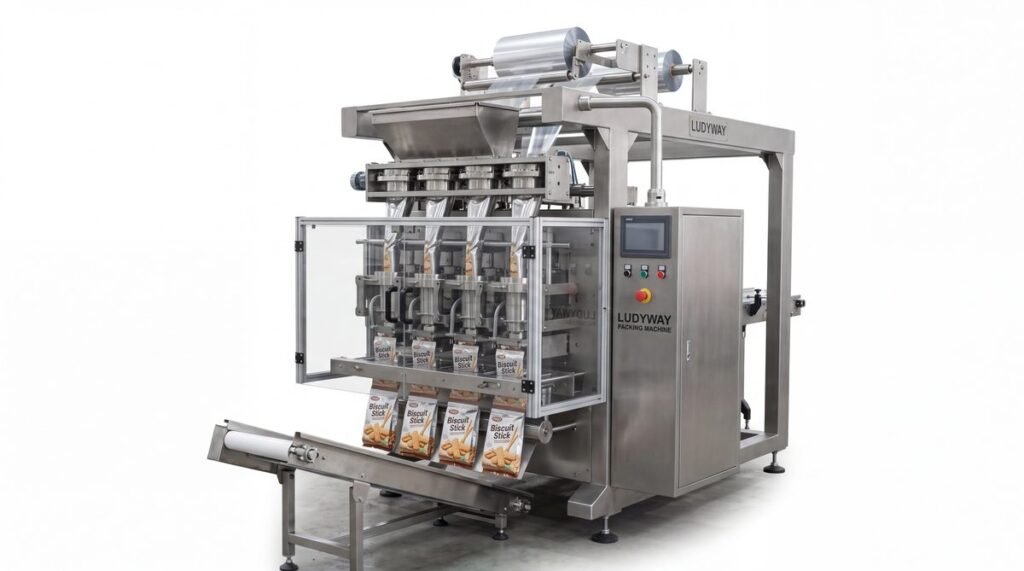
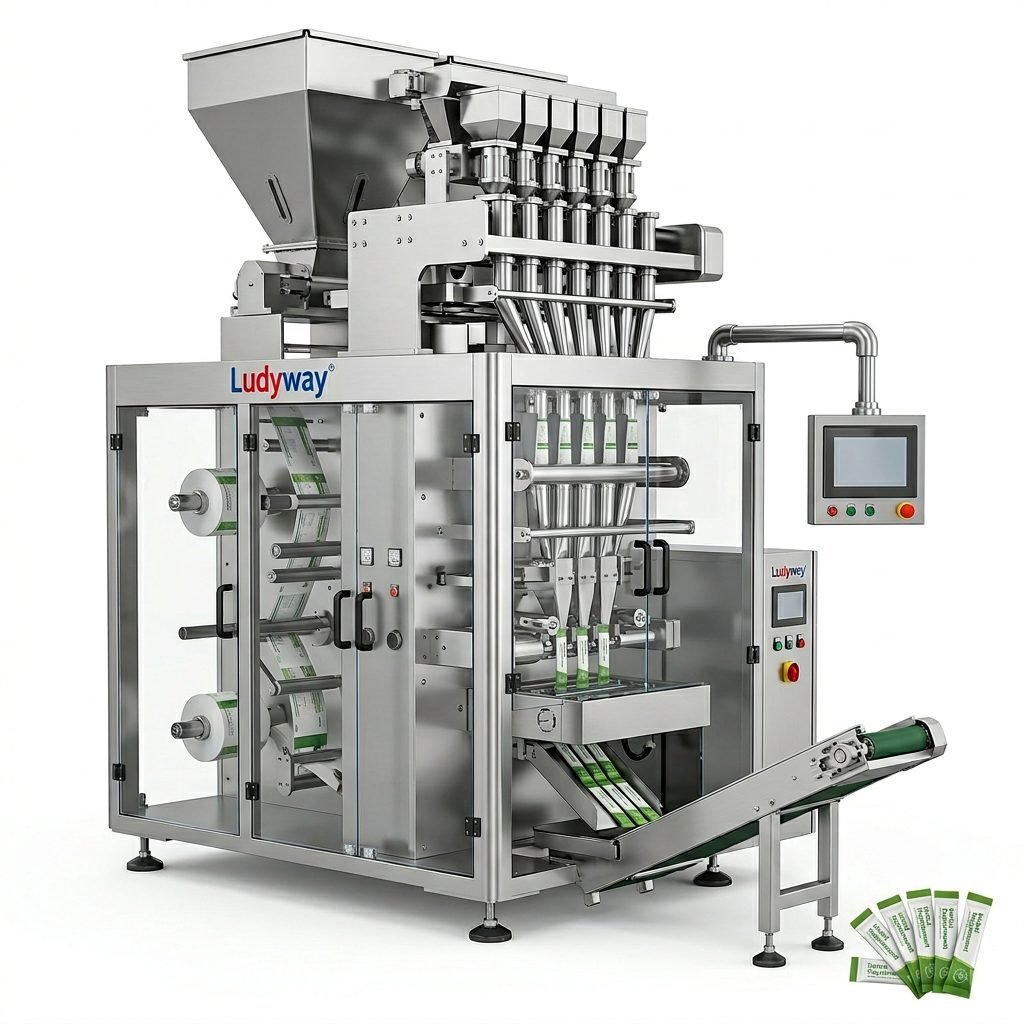
Vertical Form-Fill-Seal (VFFS) Machines
These are highly versatile and common machines. They form a bag from a roll of film, fill it with the product (like cake slices or cupcakes), and then seal it. Ideal for granules, powders, and small individual items. They are excellent for high-speed production of single-serve packages.
Horizontal Form-Fill-Seal (HFFS) Machines
Often used for more rigid or tray-based packaging. These machines typically form a cavity or use a pre-made tray, place the product (like a whole cake or tart), and then apply a lidding film. This method provides superior product visibility and protection for delicate shapes.
Tray Sealing Machines
Designed for packaging cakes already placed in plastic, aluminum, or pulp trays. The machine applies a top film—which can be clear, printed, or metallized—and hermetically seals it. This is the go-to choice for supermarkets and retail-ready packaging, offering a premium look and excellent shelf-life extension.
Flow Wrapping Machines
Also known as fin-seal wrappers, these encase the product in a loose pouch of film, creating tight, neat seals at both ends. Perfect for wrapping individually wrapped cake bars, muffins, or pastries. They are fast, efficient, and use film economically.
Shrink Wrapping Machines
These use a loose bag of shrink film that, when heated, tightly conforms to the product’s shape. Ideal for bundling multiple items (like a pack of cupcakes) or providing a tamper-evident seal over a boxed cake. It creates a tight, professional finish.
Key Features and Technologies to Look For
Modern cake packaging machines come equipped with advanced features that boost efficiency, hygiene, and flexibility.
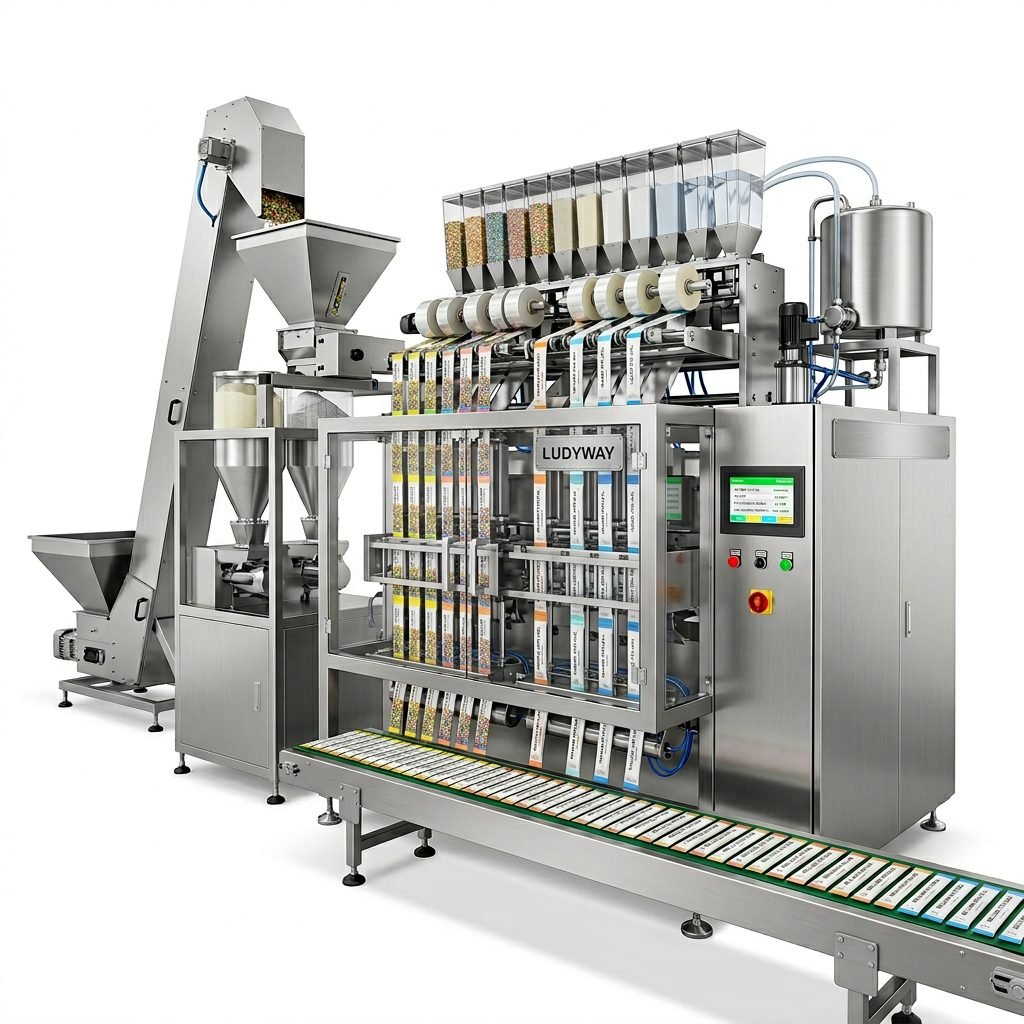
1. Precision Weighing and Filling Systems
Accuracy is non-negotiable. Look for machines with servo-driven auger fillers, weigh scales, or volumetric cup fillers to ensure consistent product weight in every package, reducing giveaway and ensuring compliance.
2. Advanced Sealing Mechanisms
The seal integrity dictates shelf life. Features like constant heat control, cool seal bars, and adjustable pressure ensure strong, airtight seals even on challenging films or with crumb contamination.
3. User-Friendly PLC Control Interface
A clear, intuitive touchscreen PLC allows for easy recipe storage, quick changeovers between different cake products, and real-time monitoring of production speed, counts, and diagnostics.
4. Hygiene and Cleanability Design
Food safety is paramount. Machines should have stainless steel contact parts, smooth surfaces without crevices, and easy-access panels for thorough cleaning and maintenance, complying with food-grade standards.
5. Flexibility and Quick Changeover
The ability to handle different package sizes, film types, and products with minimal downtime is crucial for bakeries with diverse offerings. Look for tool-less adjustments and modular designs.
How to Choose the Right Cake Packaging Machine: A Step-by-Step Guide
Making the right choice involves a careful assessment of your specific needs.
Step 1: Analyze Your Product and Packaging Requirements
Define what you are packaging: whole cakes, slices, cupcakes, or pastries? Determine the packaging material: flexible film, rigid trays, or flow-wrap? Consider if you need gas flushing (MAP) for extended freshness or high-clarity film for visual appeal.
Step 2: Evaluate Your Production Volume and Speed Needs
Calculate your current and projected output. A small bakery might need 20-30 packages per minute, while a large-scale manufacturer may require 200+ per minute. Match the machine’s speed to your demand to avoid bottlenecks or over-investment.
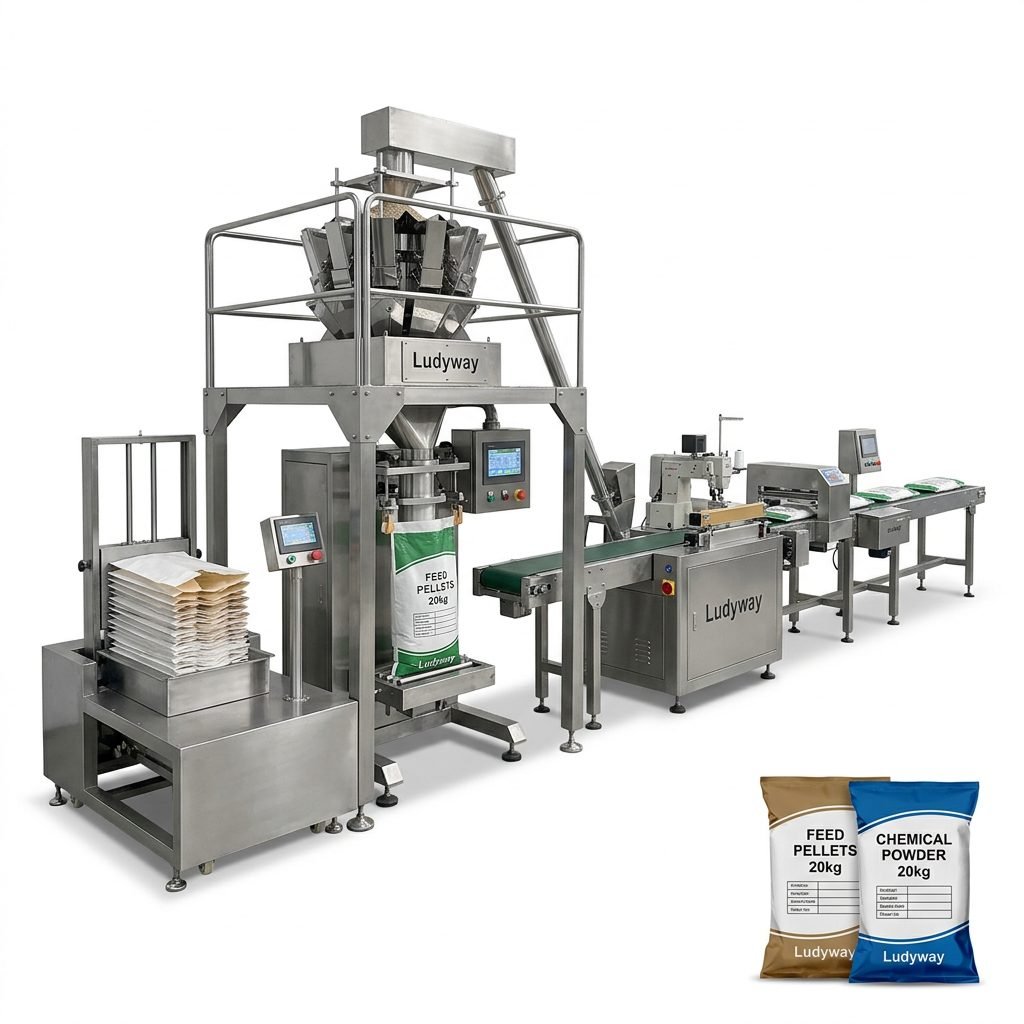
Step 3: Consider Floor Space and Integration
Measure your available space. Vertical machines often have a smaller footprint than horizontal lines. Also, think about upstream and downstream integration—will it connect to your existing cooling conveyor, labeling system, or checkweigher?
Step 4: Prioritize Ease of Use and Maintenance
Assess the skill level of your operators. A complex machine requires trained staff. Reliable suppliers like Ludyway Packaging Machinery offer comprehensive training and clear manuals. Also, check the availability of spare parts and technical support.
Step 5: Set a Realistic Budget and Consider ROI
Look beyond the initial purchase price. Consider total cost of ownership, including energy consumption, film waste, maintenance, and potential downtime. A slightly more expensive, robust machine from a reputable manufacturer with 30+ years of experience can offer better long-term value and reliability.
Step 6: Request Demos and Check References
Always ask for a live or video demonstration using a product and film similar to yours. Request contact information for existing customers in similar businesses to get honest feedback on performance and after-sales service.
Partnering with the Right Supplier
Your machine is only as good as the company behind it. A trustworthy supplier provides more than just hardware.
They offer tailored solutions, not just off-the-shelf models. They have the engineering capability to customize aspects of the machine for your unique needs. Look for a partner with a proven track record in the food and bakery industry, who understands the challenges of packaging delicate, perishable items like cakes.
Strong after-sales support, including installation, training, readily available spare parts, and responsive technical assistance, is critical for minimizing operational disruptions. A supplier with a global service network ensures support wherever your production is located.
Frequently Asked Questions (FAQs)
What is the average cost of a cake packaging machine?
Costs vary widely based on type, speed, and automation level. Basic semi-automatic sealers start around a few thousand dollars, while fully automated, high-speed HFFS or VFFS lines can range from $50,000 to over $200,000. It’s best to get a detailed quote based on your specifications.
Can one machine handle different types of cakes and packaging?
Yes, many machines are designed for flexibility. Key factors are the machine’s changeover capability (tool-less adjustments are best) and the range of film or tray sizes it can accommodate. Discuss your product mix with the supplier to ensure the machine can be configured for all your needs.
How does Modified Atmosphere Packaging (MAP) work for cakes?
MAP machines flush the air inside the package and replace it with a protective gas mix (usually nitrogen and/or carbon dioxide). This significantly slows down mold growth and oxidation, extending the shelf life of fresh cakes by several days or even weeks, reducing waste and expanding distribution reach.
What maintenance does a cake packaging machine require?
Daily cleaning of product contact parts is essential. Regular maintenance includes lubricating moving parts, checking seal bar integrity, calibrating scales, and inspecting electrical components. Following the manufacturer’s maintenance schedule is crucial for consistent performance and longevity.
How do I choose between a vertical (VFFS) and horizontal (HFFS) machine?
Choose VFFS for high-speed packaging of free-flowing or small individual items like cake pops or crumbles into pouches. Choose HFFS for packaging delicate, whole items (like layered cakes on trays) where product presentation and protection are the top priorities, and you need a rigid or tray-based package.