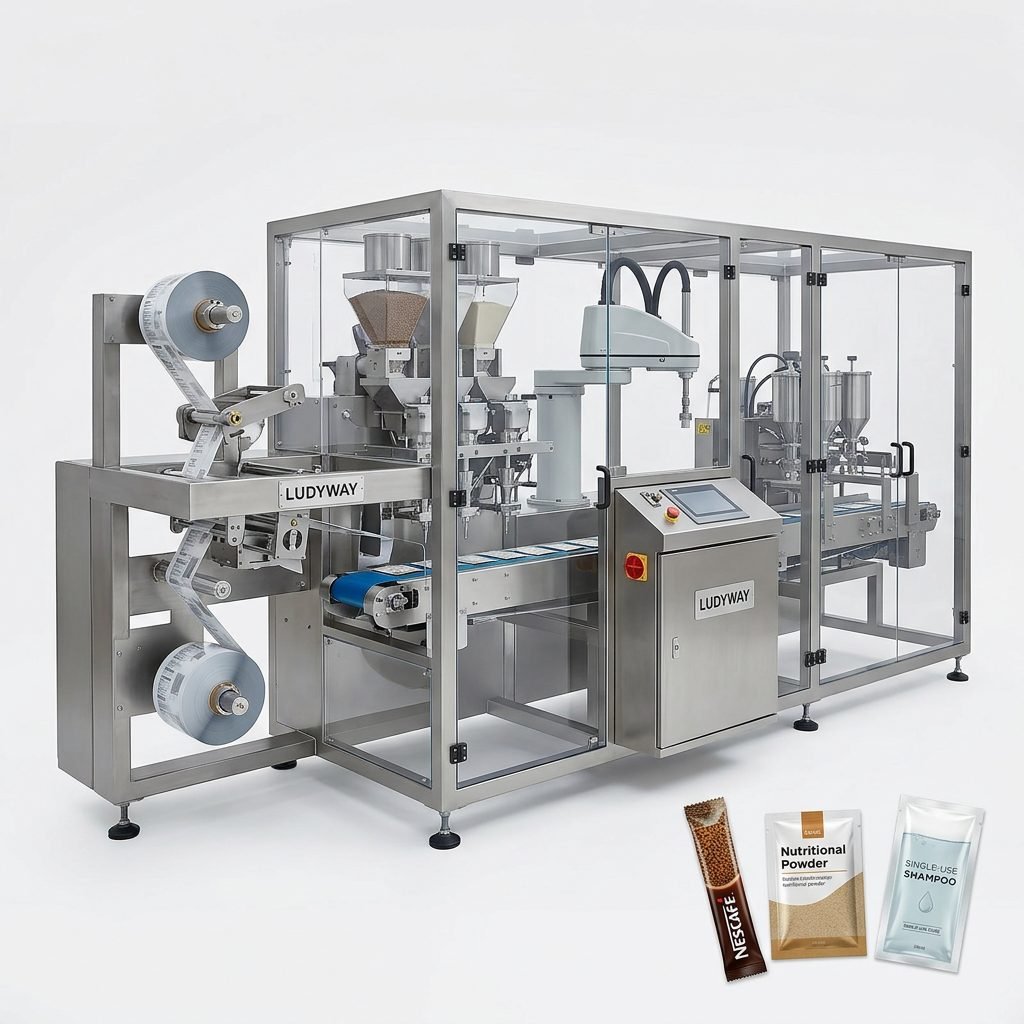
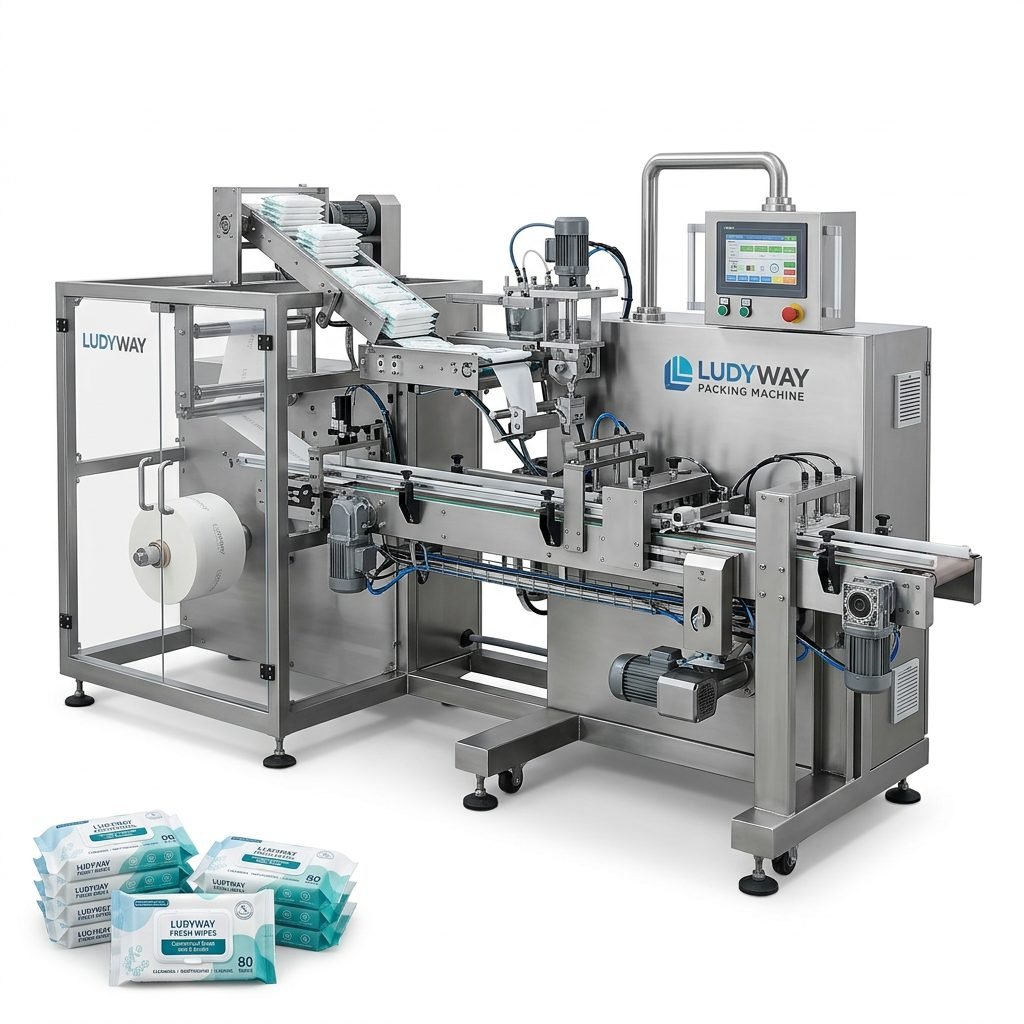
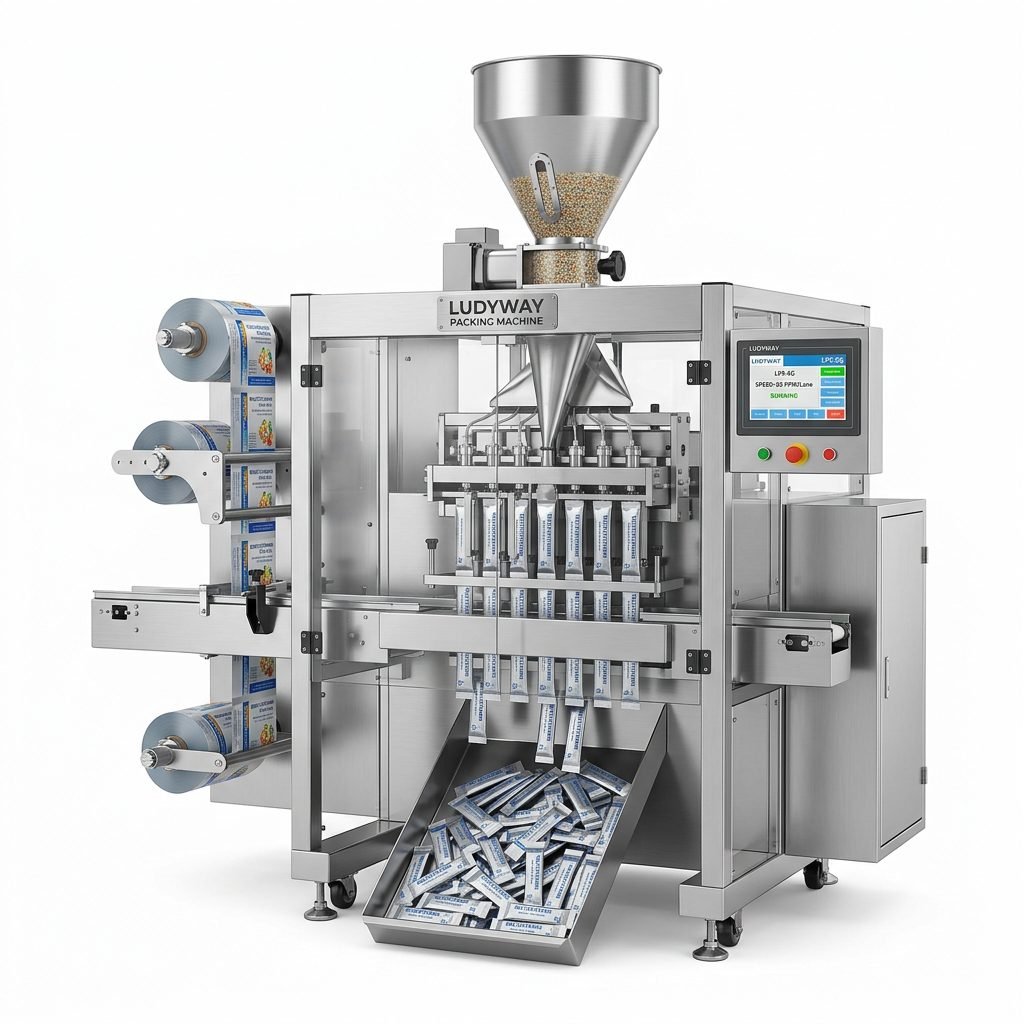
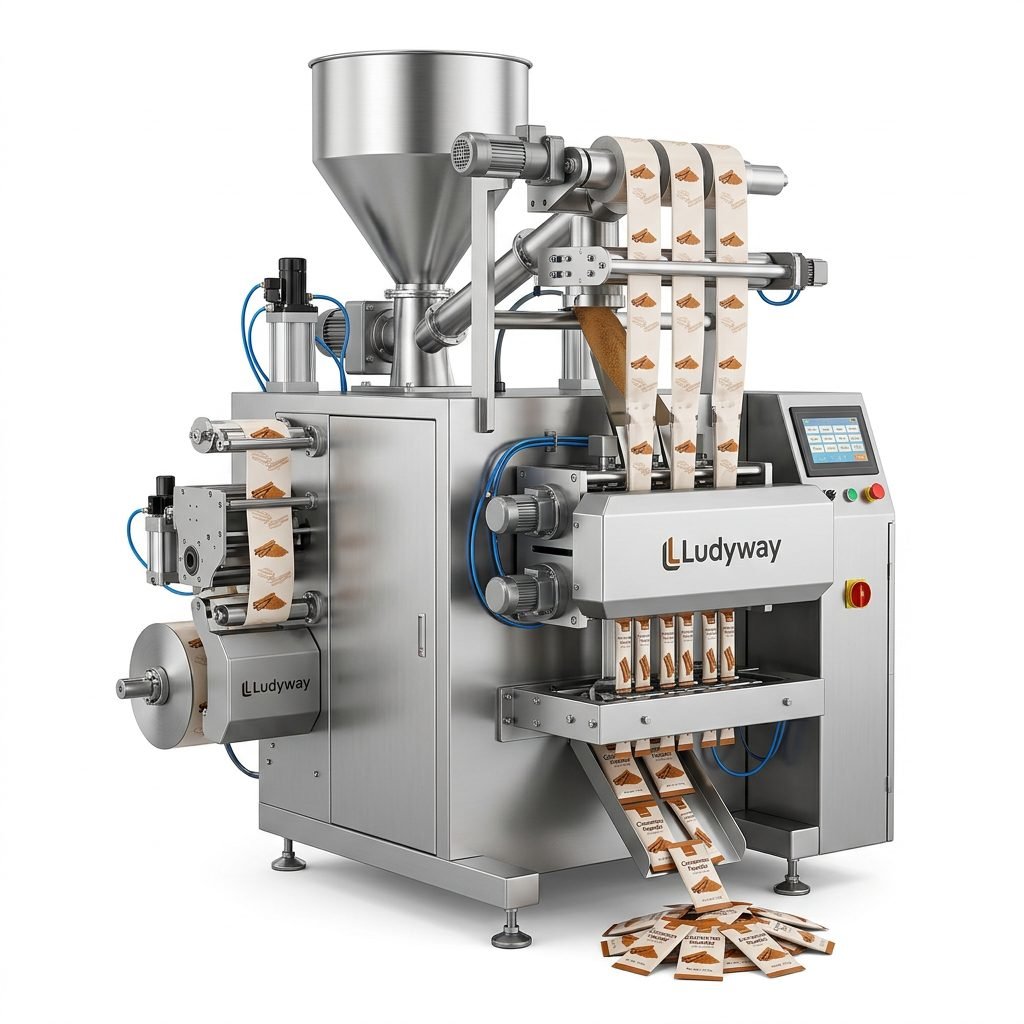
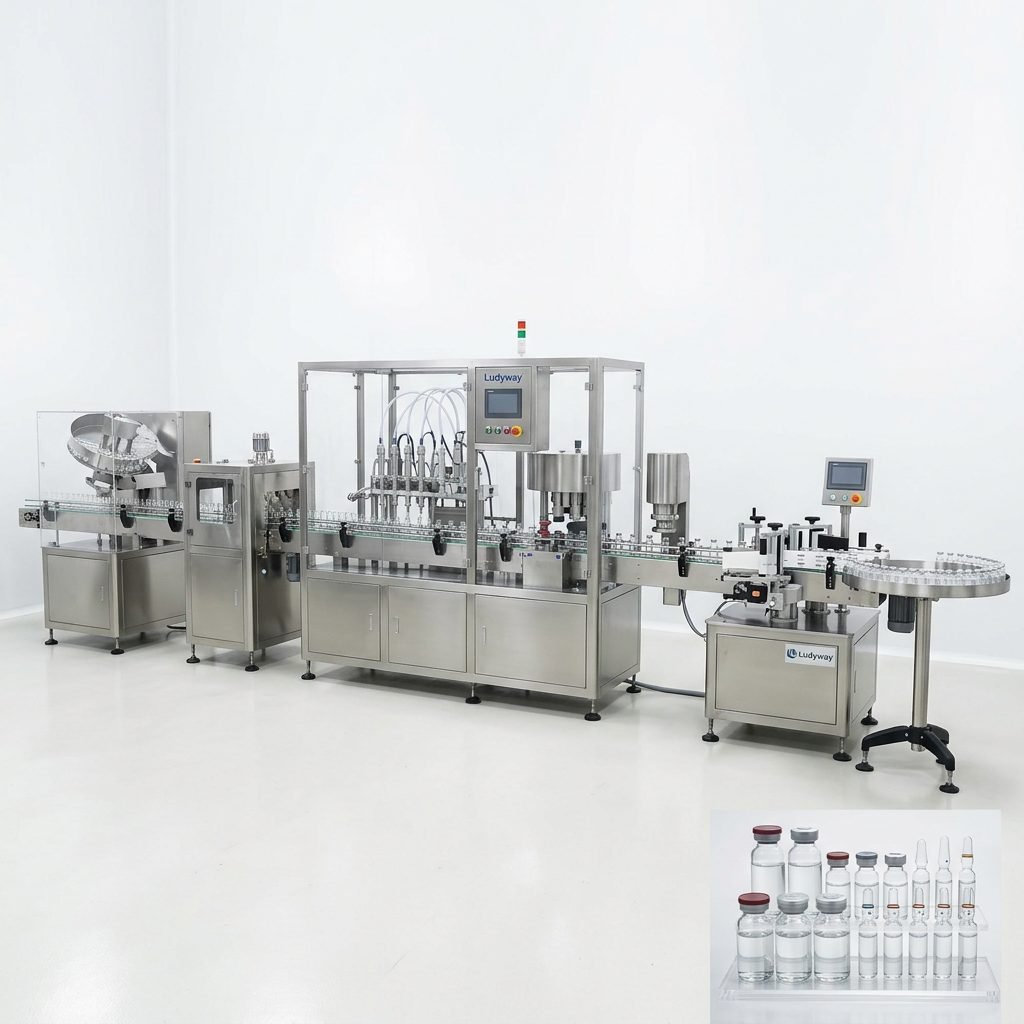
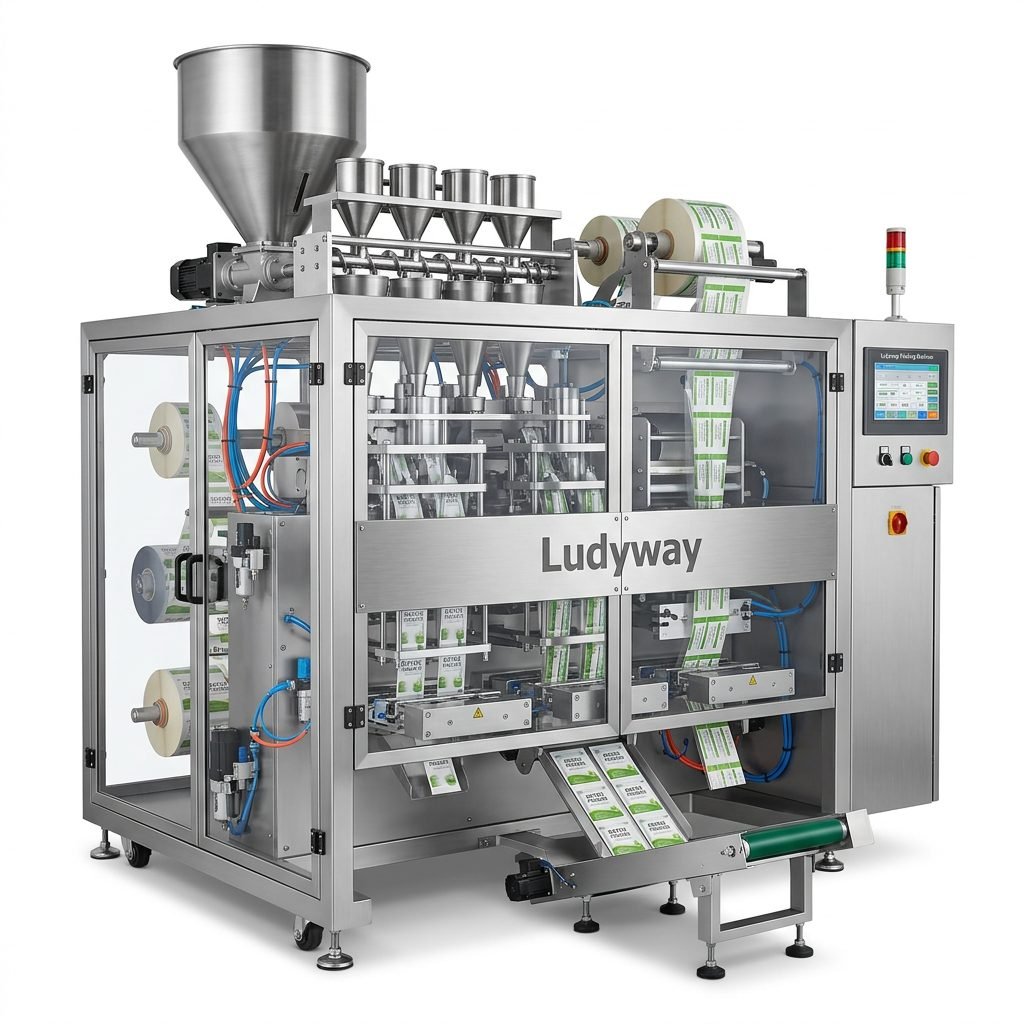
In spice processing, packaging speed and cleanliness directly affect product quality, shelf appeal, and production cost. A modern masala packing machine helps manufacturers handle powdered and granulated spices with better accuracy, less waste, and more stable output. Whether you pack turmeric, chili powder, cumin, garam masala, black pepper, coriander powder, or blended seasoning mixes, the right machine can transform daily operations.
For growing brands and large-scale factories alike, automated masala packaging is no longer just about filling pouches faster. It is also about hygiene, dust control, sealing quality, batch consistency, and the flexibility to work with different pouch sizes and packaging formats.
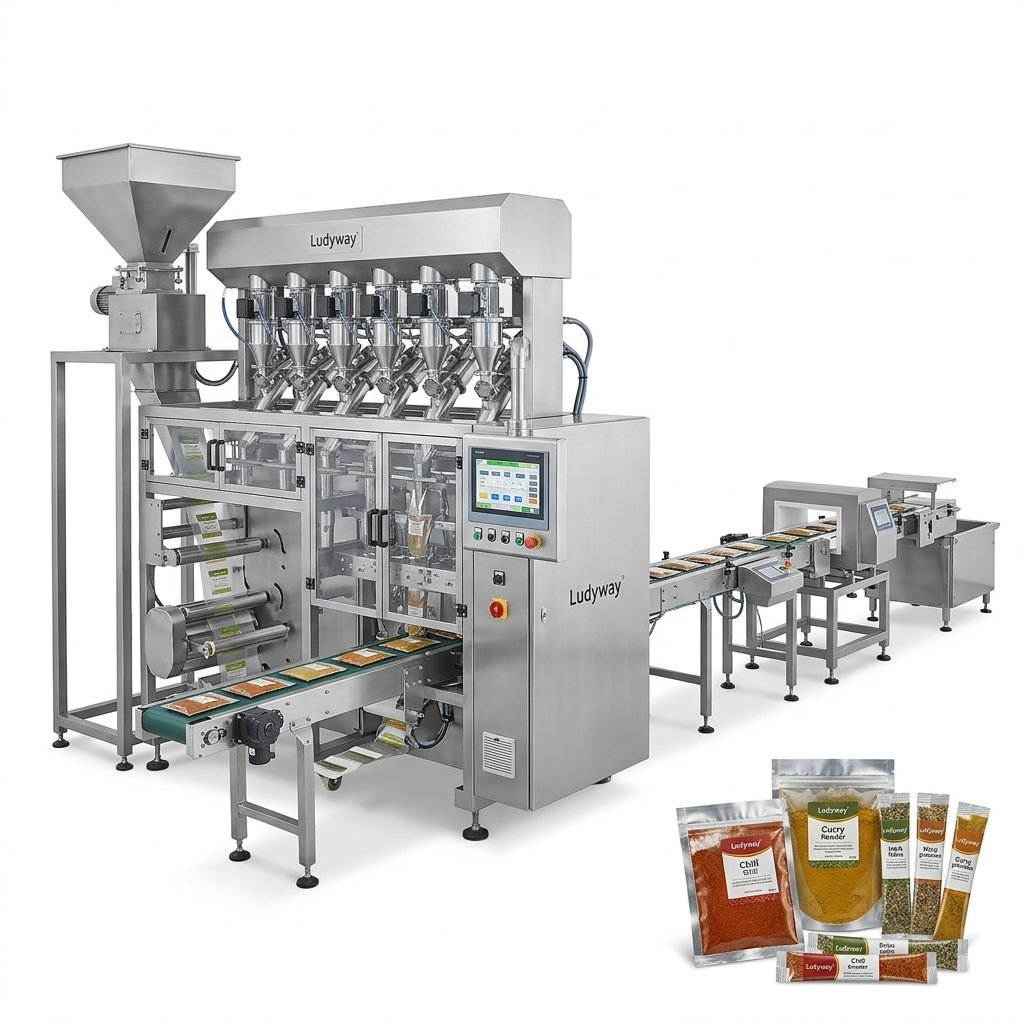
Why masala packaging needs specialized equipment
Masala products are not always easy to handle. Fine powders can create airborne dust, cling to machine surfaces, and affect sealing areas. Some spice blends flow freely, while others bridge, cake, or settle unevenly. In addition, strong aromas and oil content in certain seasonings can influence material handling and package integrity.
A dedicated masala packing machine is designed to solve these practical issues through controlled feeding, accurate dosing, reliable sealing, and cleaner product transfer. This improves both production efficiency and final package presentation.
- Reduces powder dust during filling
- Improves weight accuracy and consistency
- Supports hygienic contact parts and easier cleaning
- Minimizes product loss and sealing contamination
- Increases packaging speed for retail and bulk formats
- Helps maintain a professional, uniform package appearance
How a masala packing machine improves faster, cleaner production
Packaging automation creates value in several ways. First, it reduces dependency on manual labor for repetitive filling and sealing work. Second, it keeps product contact more controlled, which is essential for food hygiene. Third, it creates predictable output that makes planning easier for procurement, warehousing, and shipment.
The biggest operational gains usually come from the combination of speed, precision, and cleanliness. When a machine fills correctly and seals consistently, less time is spent reworking poor packages, cleaning spilled spice powder, or rejecting underweight sachets.
| Production Challenge | Machine-Based Solution | Result |
|---|---|---|
| Powder spilling during filling | Precise auger or volumetric dosing with controlled discharge | Cleaner machine area and less waste |
| Inconsistent bag weights | Servo-driven filling and stable metering system | Better accuracy and reduced giveaway |
| Poor seal quality | Clean sealing jaws and optimized heat control | Improved package integrity |
| Slow output | Automatic multi-lane or vertical form-fill-seal system | Higher throughput per shift |
| Difficult product changeover | Adjustable parameters and modular machine configuration | Greater flexibility across SKUs |
Common packaging formats for masala products
Masala brands often sell products in multiple formats to meet different consumer and distribution needs. A suitable packaging machine should match your market strategy, not just your current production line.
Popular format options
- Small sachets: ideal for sample packs, instant seasoning kits, and single-use portions
- Stick packs: suitable for travel-friendly or measured-use spice blends
- Pillow pouches: common for retail masala and spice powder sales
- Premade pouches: useful for premium shelf display and brand presentation
- Bulk bags: suited for foodservice, distributors, and industrial buyers
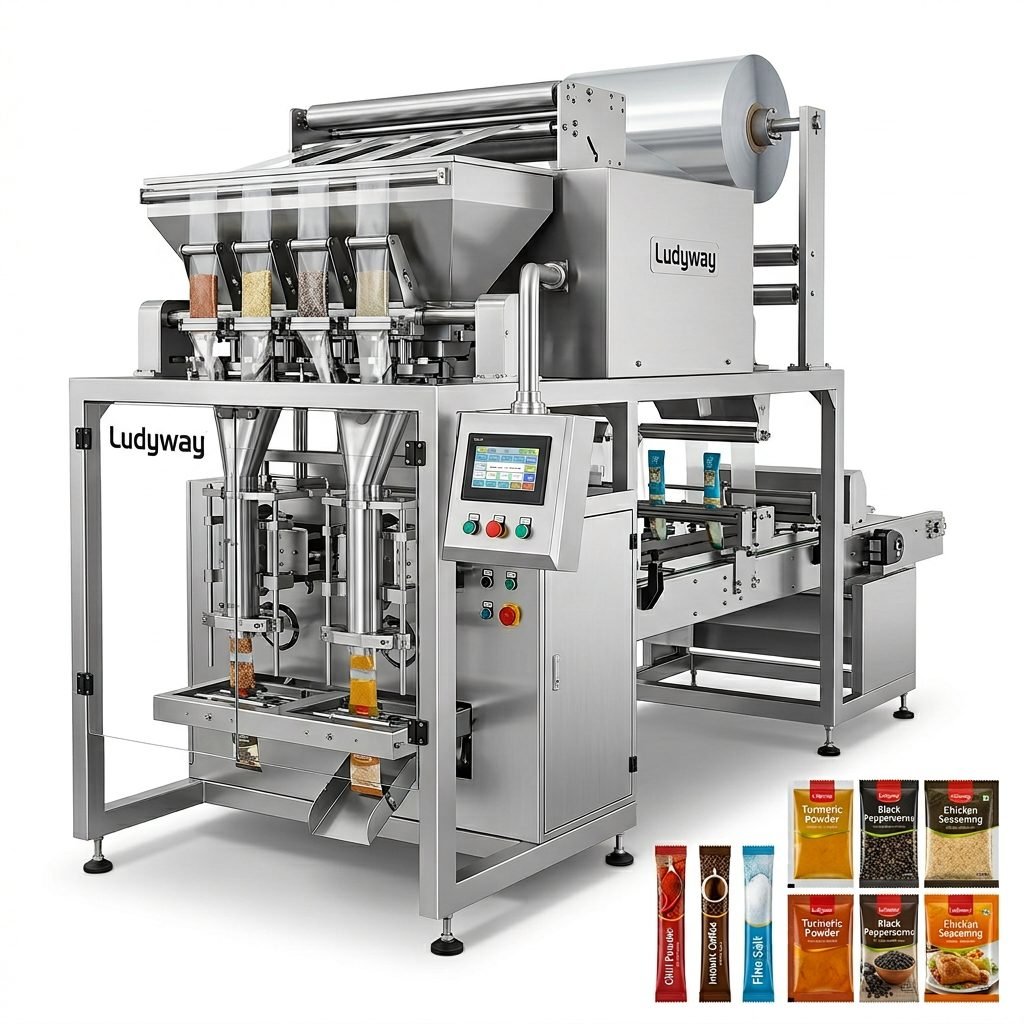
Types of masala packing machines
Different products and production targets require different machine structures. Choosing the wrong type can lead to poor flow, unstable filling, unnecessary cleaning time, or low return on investment.
1. Vertical form-fill-seal machines
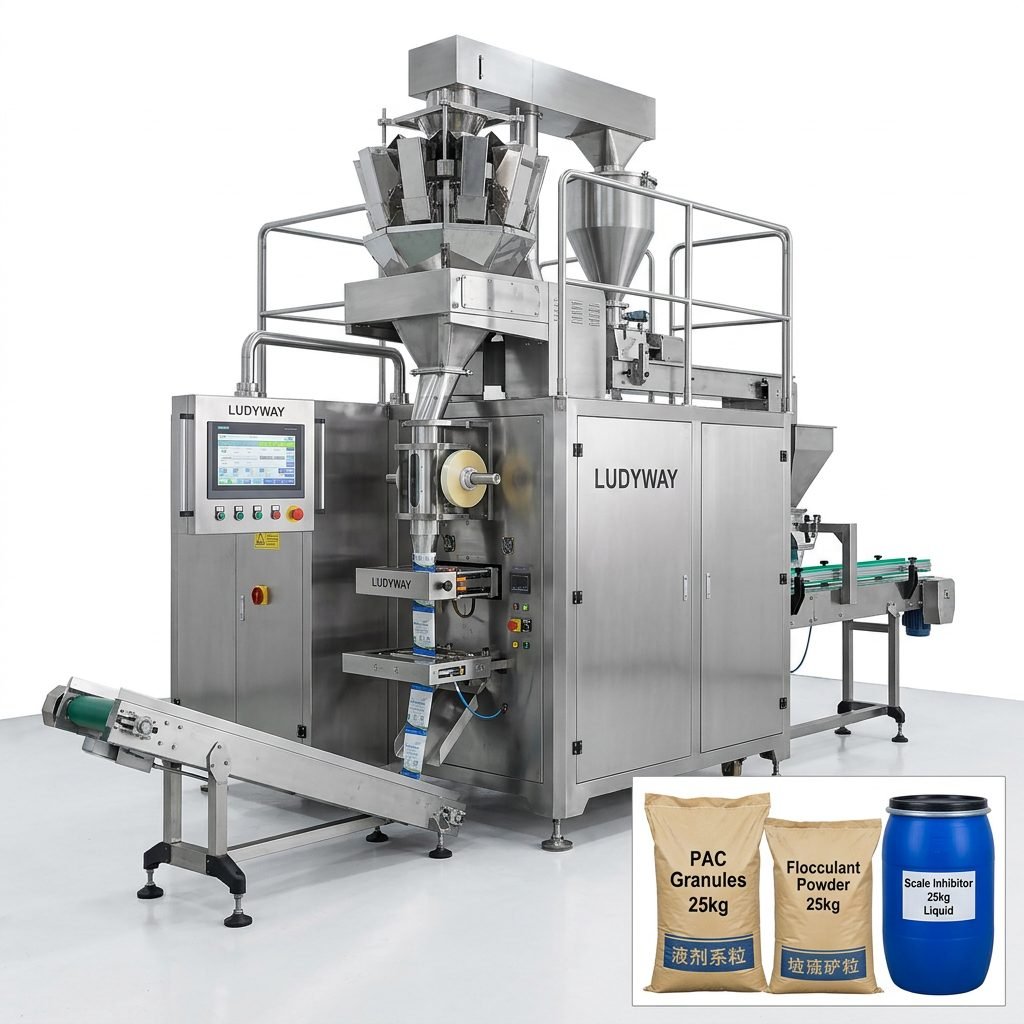
These machines form the pouch from roll film, fill the product, and seal it in one continuous process. They are a practical choice for many spice powder and granule applications because they combine efficiency and compact layout.
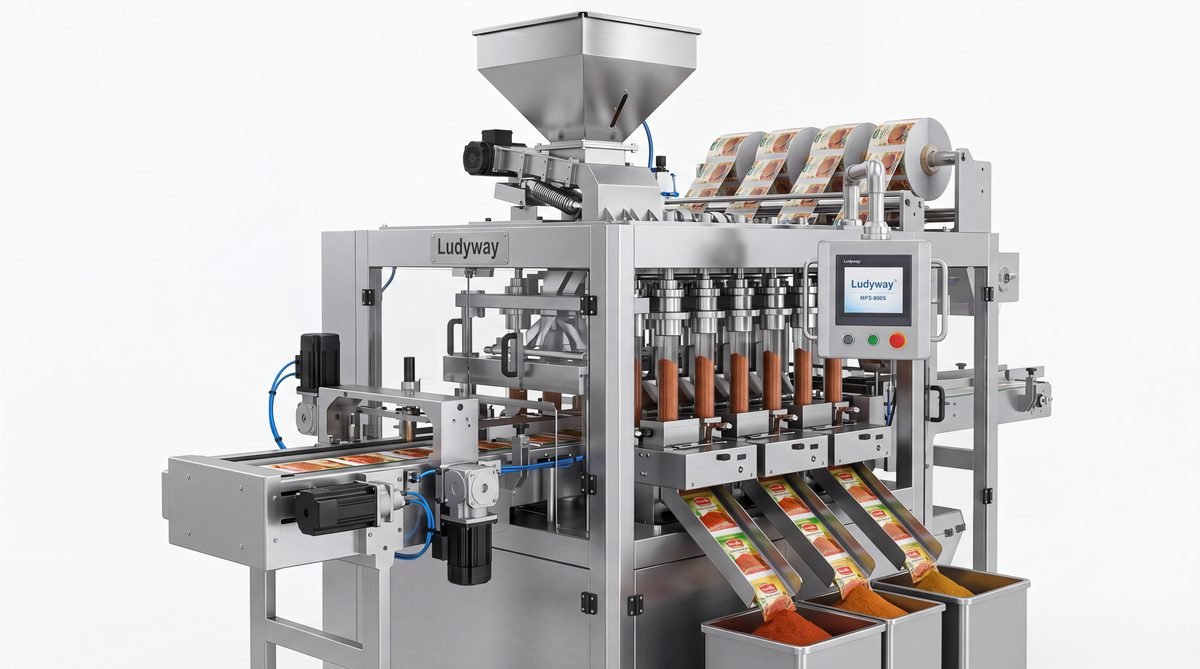
2. Multi-lane sachet and stick pack machines
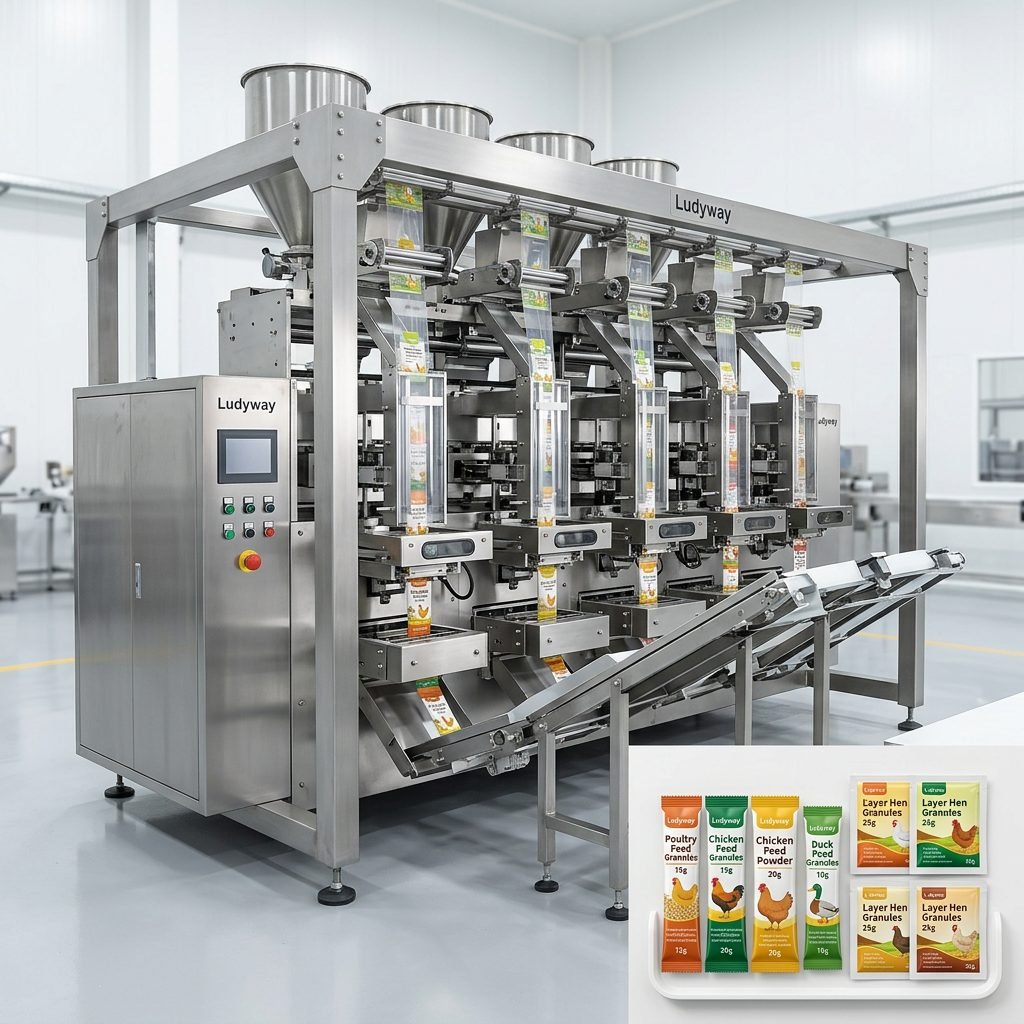
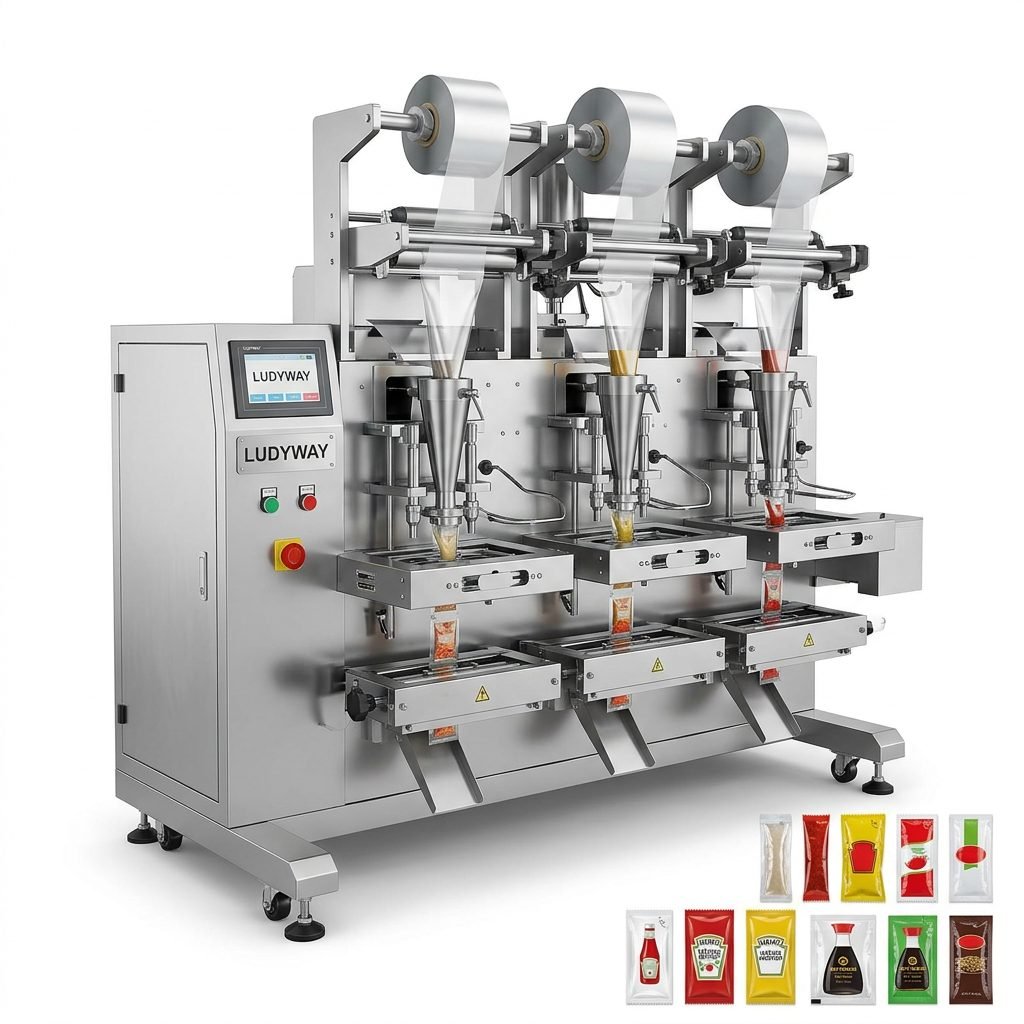
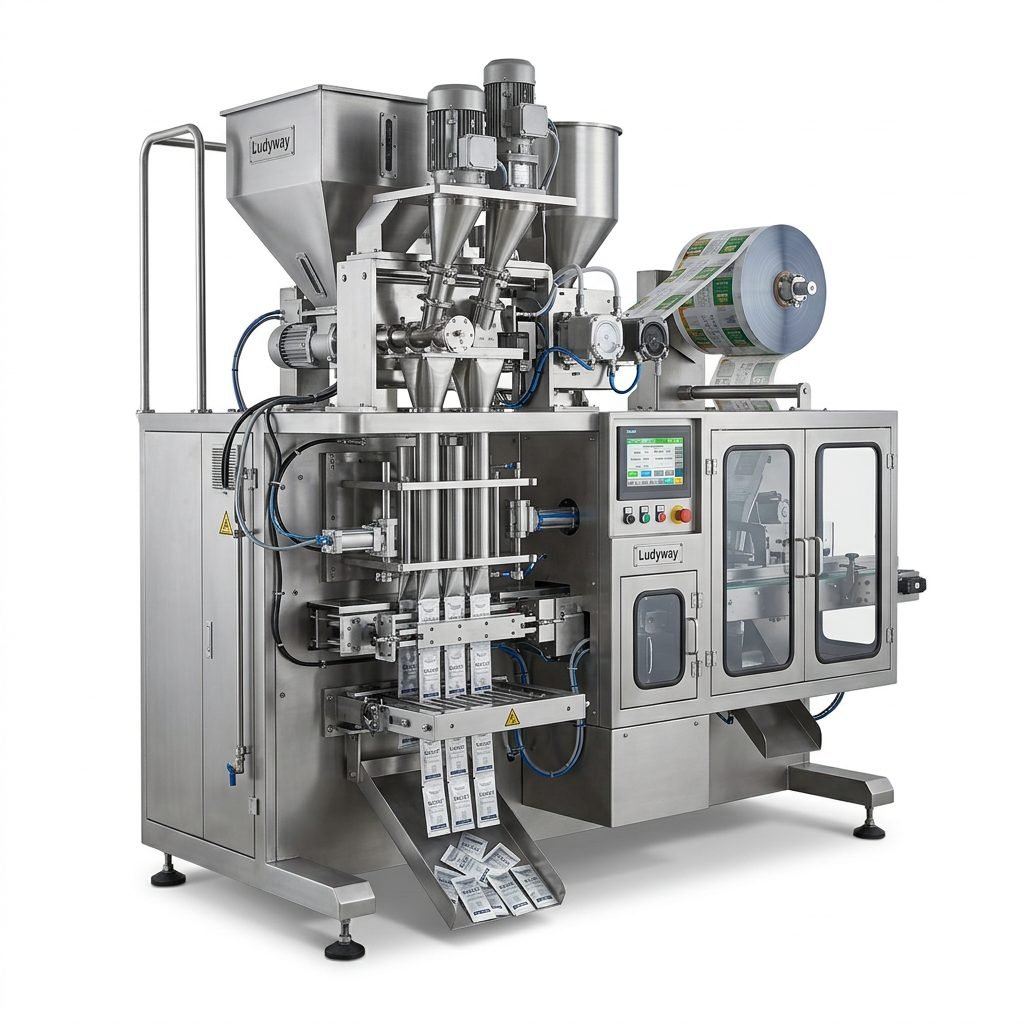
Multi-lane systems are ideal for very high output where small sachets or stick packs are required. They allow several packs to be produced at the same time, which significantly boosts productivity.
3. Premade pouch packing machines
These machines work with already formed pouches and are often preferred for premium masala packaging, zip pouches, or more visually distinctive retail designs.
4. Semi-automatic filling systems
For smaller businesses or new spice brands, semi-automatic systems can be an entry point into more controlled packaging without the full investment of a complete automatic line.
Key features to look for in a masala packing machine
Not every packaging machine is equally suitable for spice applications. Fine powders demand more attention to filling precision, dust reduction, and sealing reliability than many other dry products.
- Accurate dosing system for powders and blended seasonings
- Dust-control design to keep seals clean and improve hygiene
- Easy-clean contact parts for faster product changeovers
- Stable sealing performance for leak prevention and shelf life
- Flexible pouch size adjustment for multiple SKUs
- User-friendly controls for quick parameter setup
- Line integration capability with conveyors, coding, cartoning, and inspection equipment
Ideal products that can be packed
A masala packing machine can usually handle a wide range of spice and seasoning products, depending on the feeding and filling system selected.
| Product Type | Typical Characteristics | Recommended Packaging Style |
|---|---|---|
| Turmeric powder | Fine, dusty, strong color | Sachets, stick packs, pillow pouches |
| Chili powder | Fine powder, may irritate if airborne | Sealed sachets, retail pouches |
| Coriander powder | Light powder with variable flow | Sachets and medium pouches |
| Garam masala blend | Mixed particle sizes and aroma-rich formula | Retail pouches and stick packs |
| Seasoning granules | Free-flowing granule form | Sachets, pillow bags, bulk bags |
Benefits for spice manufacturers and co-packers
Spice companies often manage both volume pressure and quality expectations. Retailers want attractive packaging, distributors want dependable supply, and end users want freshness. An automated masala packaging setup helps satisfy all three.
- Supports high-volume production with stable output
- Improves workplace cleanliness in powder-handling zones
- Reduces manual contact and contamination risk
- Helps standardize pack weight and appearance
- Improves packaging efficiency during peak seasonal demand
- Enables easier scaling from local to export-level production
Important factors before choosing a machine
Before investing in a masala packing machine, buyers should map technical requirements carefully. The best decision is usually based on product behavior, target capacity, package style, and future expansion plans.
Questions to consider
- Is the masala fine powder, coarse powder, or granulated seasoning?
- What bag size range will be required now and later?
- How many packs per minute are needed?
- Do you need simple stand-alone equipment or a complete line?
- Will the machine need nitrogen flushing, coding, check weighing, or cartoning?
- How quickly must the machine be cleaned between flavor changes?
- What level of automation is suitable for your budget and labor model?
From stand-alone equipment to complete packaging lines
Many spice manufacturers start with a single packaging machine and later expand into a more integrated line. This may include feeding systems, auger fillers, conveyors, date coding, metal detection, checkweighing, cartoning, and case packing. A scalable system protects your investment and makes future expansion easier.
For companies seeking line integration, Ludyway masala packing machine solutions are supported by more than 30 years of packaging equipment experience, a manufacturing facility of over 20,000 square meters, and broad expertise in automatic machines and turnkey packaging lines for powders, granules, liquids, and pouch-based products.
Maintenance and hygiene best practices
Even the most advanced equipment performs best when supported by good maintenance and cleaning routines. Spice powders can accumulate around contact points, dosing components, and sealing areas if daily care is neglected.
- Clean product-contact parts on a scheduled basis
- Check sealing jaws and temperature settings regularly
- Monitor dosing consistency with sample weight verification
- Inspect film tracking and pouch forming components
- Keep dust extraction or collection systems working efficiently
- Train operators on product changeover and sanitation procedures
SEO-focused buyer takeaway
A high-performance masala packing machine is one of the smartest investments for spice manufacturers that want faster throughput, cleaner operation, lower product loss, and more consistent packaging quality. From small sachets to high-speed multi-lane packaging lines, the right solution can help businesses improve productivity while protecting flavor, freshness, and brand reputation.
If your production line handles spice powders, blended masalas, or seasoning granules, choosing equipment with precise dosing, dust control, reliable sealing, and scalable automation will provide long-term value across retail, wholesale, and export packaging operations.