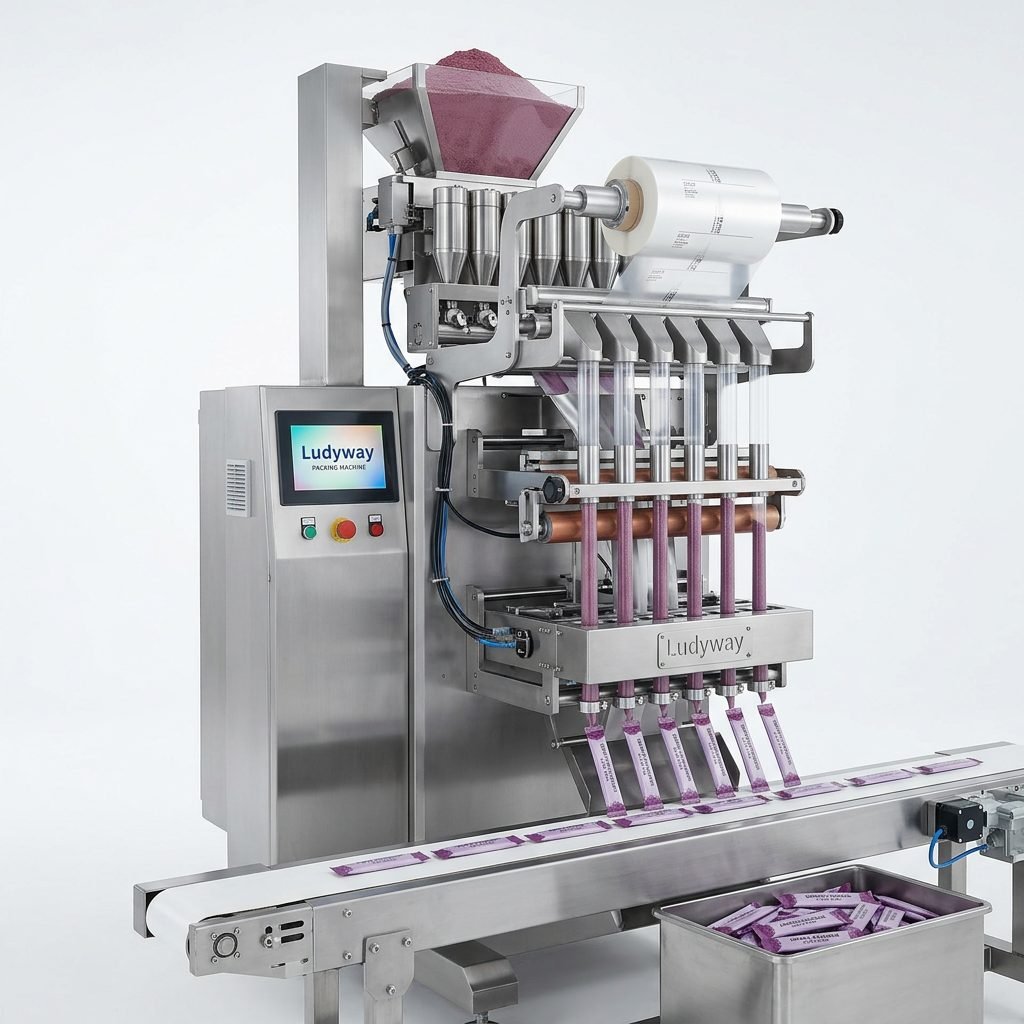
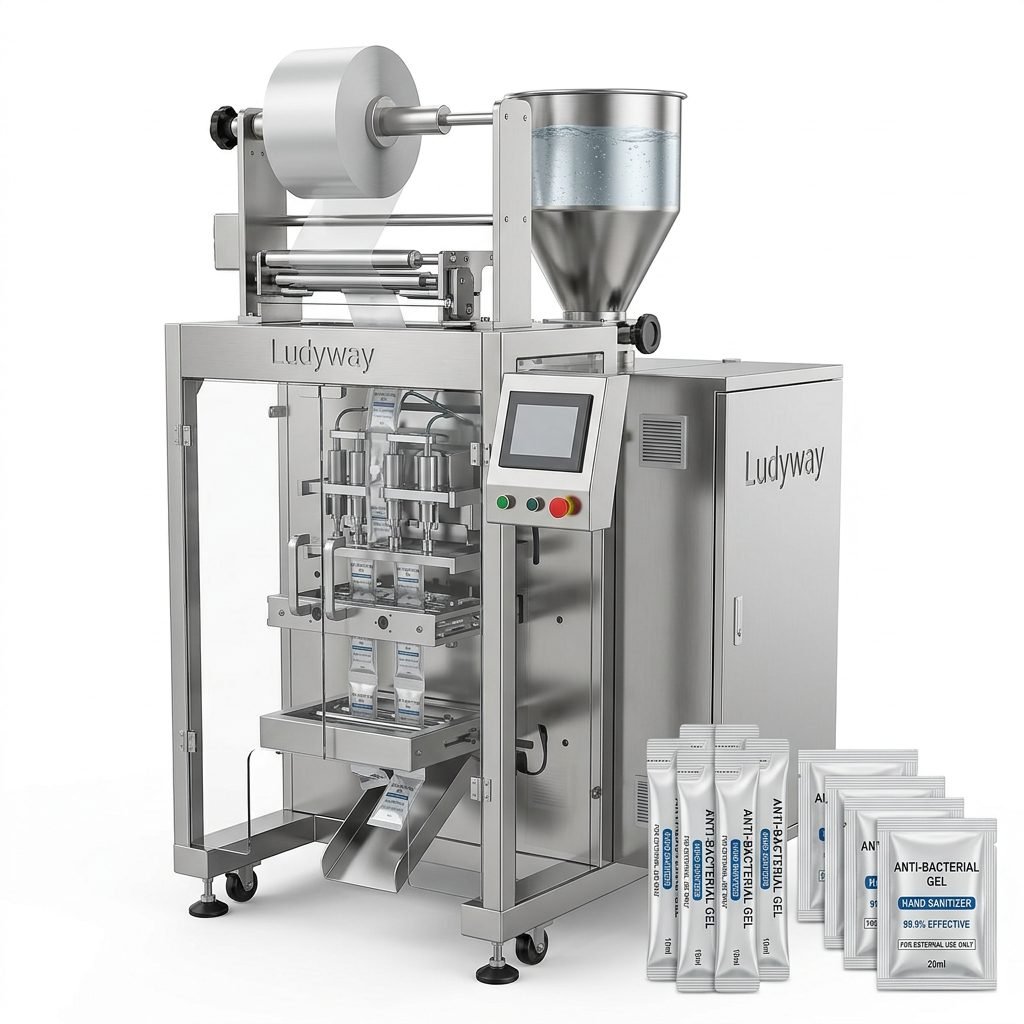
Bar packaging machines are essential equipment in modern manufacturing, particularly for the food, pharmaceutical, and health product industries. They automate the process of forming, filling, and sealing individual bars or stick packs, ensuring hygiene, consistency, and high-speed production. This guide provides a comprehensive overview of bar packaging machines, detailing their various types, explaining their working processes, and offering crucial insights on how to select the right equipment for your specific needs.
Understanding the Different Types of Bar Packaging Machines
The market offers several types of bar packaging machines, each designed for specific applications, production scales, and product characteristics. Choosing the right type is the first critical step toward a successful packaging operation.
Vertical Form-Fill-Seal (VFFS) Machines
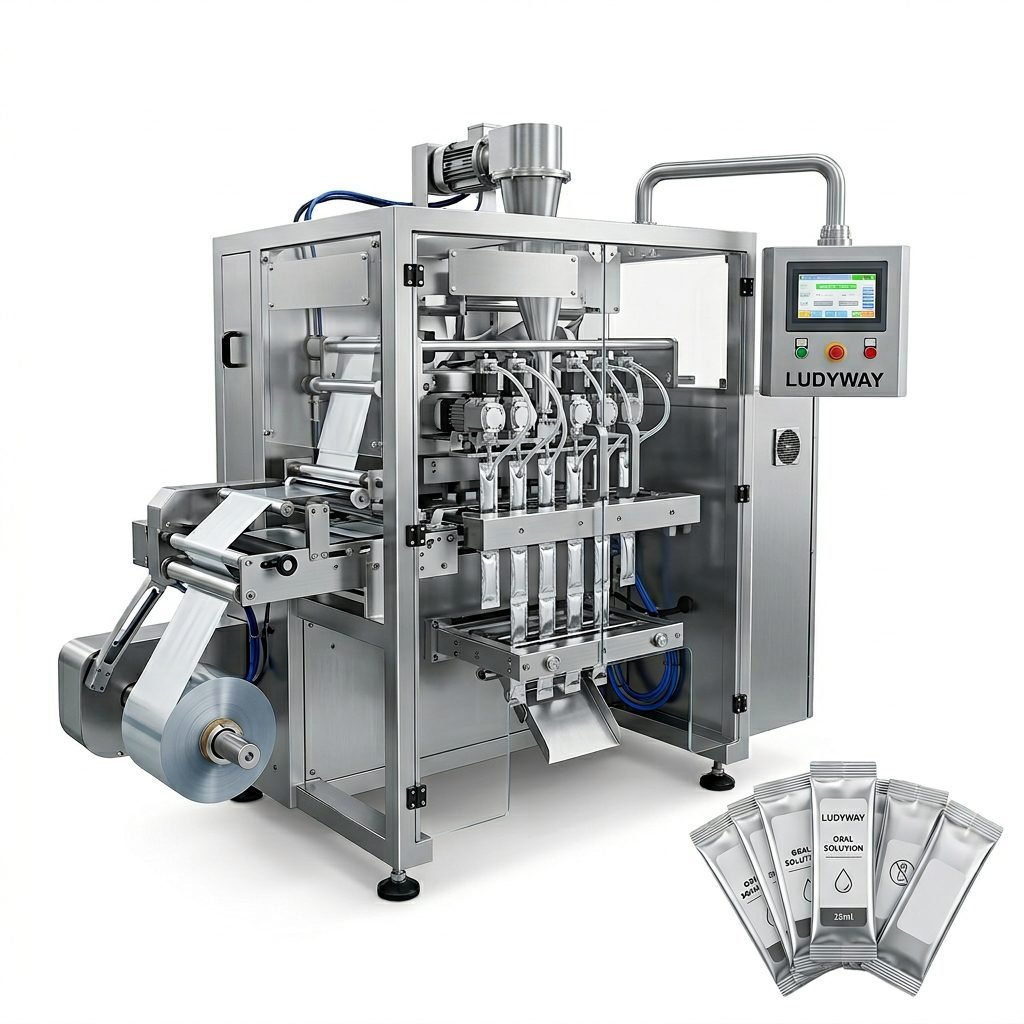
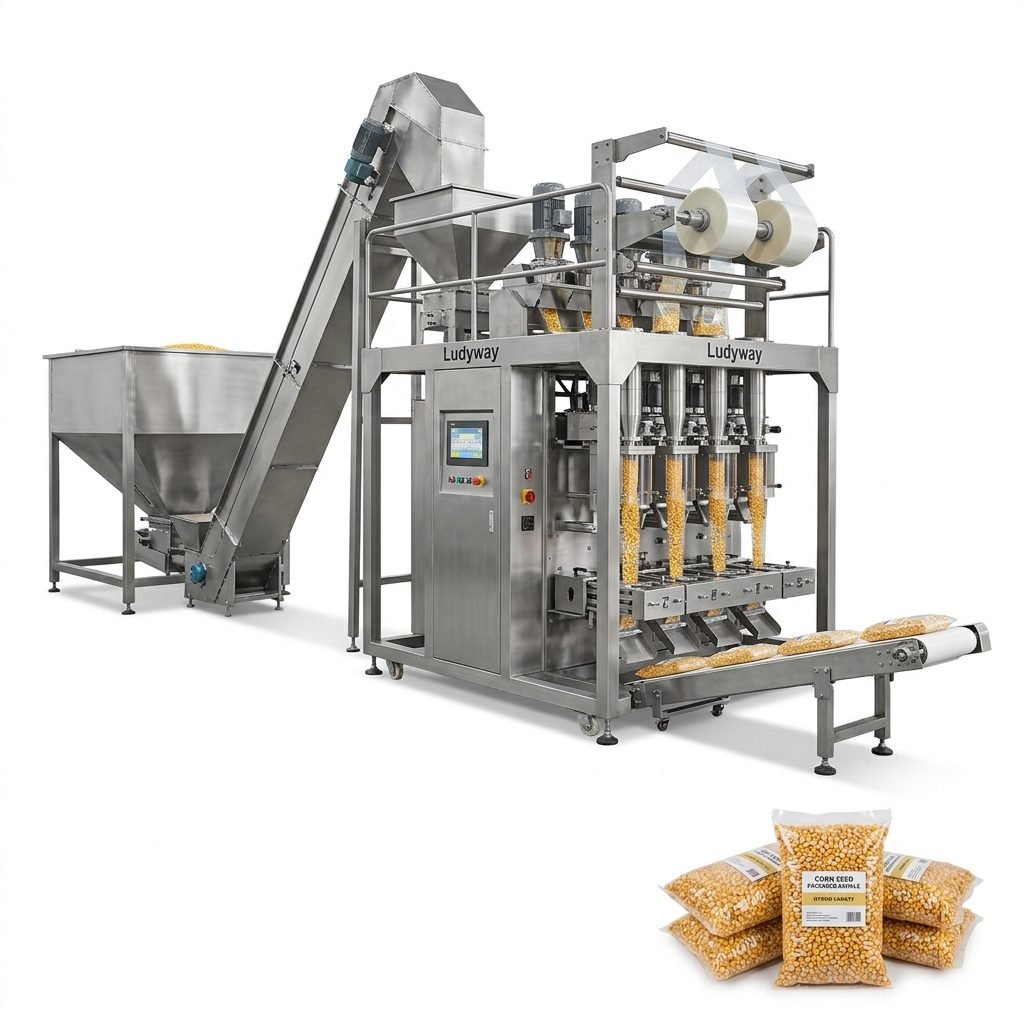
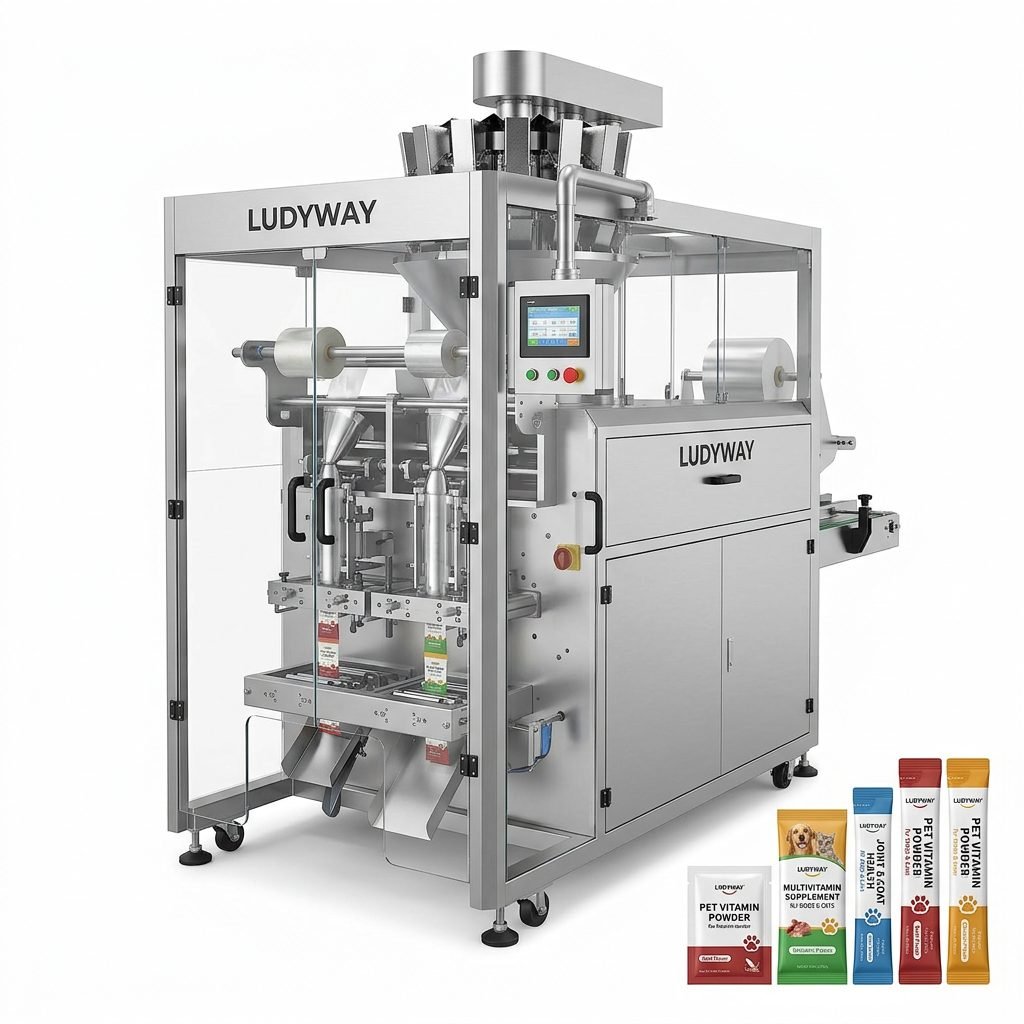
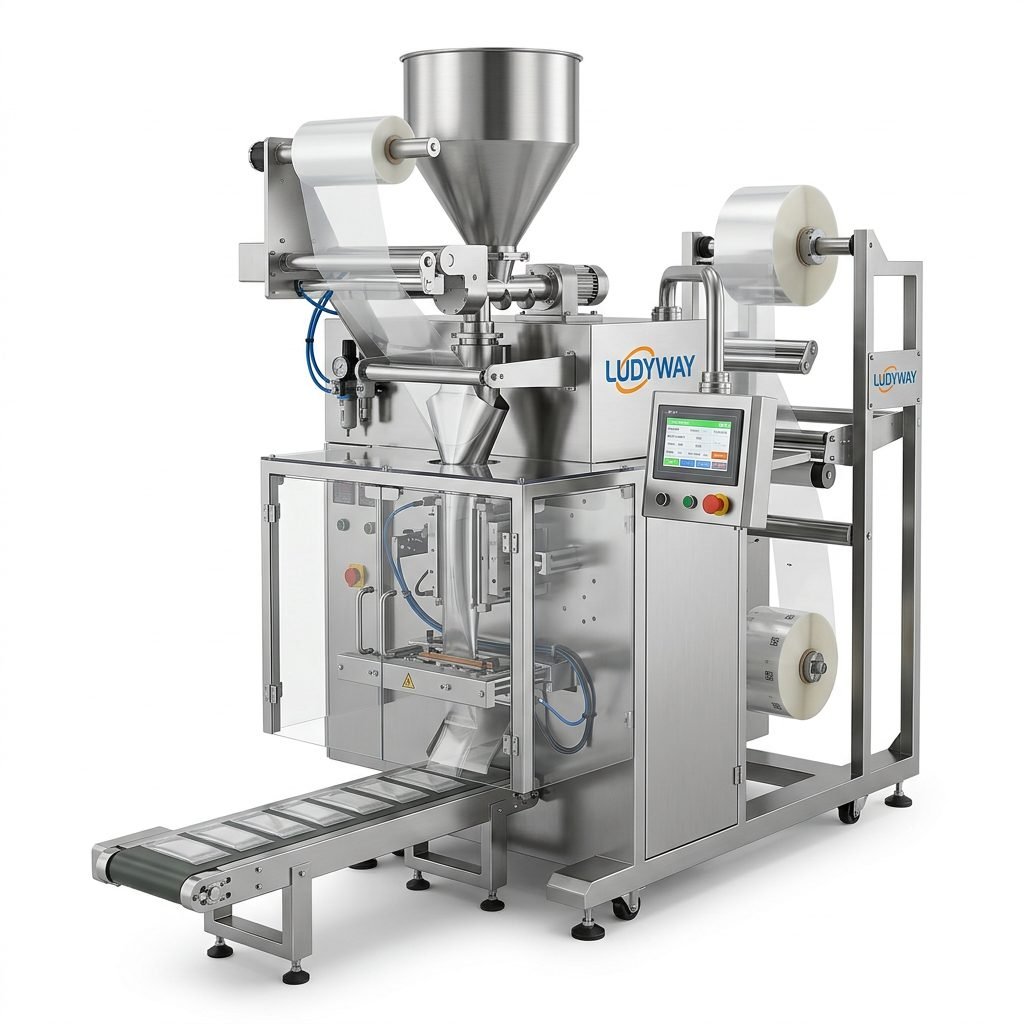
These are among the most common and versatile bar packaging machines. They use a roll of flat packaging film, form it into a tube vertically, fill the product, and then seal and cut it into individual bars. VFFS machines are highly efficient for free-flowing granular or powdered products like instant coffee, protein powder, or sugar sticks. They are known for their compact footprint and ability to handle rapid product changeovers.
Horizontal Form-Fill-Seal (HFFS) Machines
In contrast to VFFS, HFFS machines form the packaging film horizontally. This method is often preferred for more delicate products, multi-component fills, or when a specific pillow-style pack shape is required. They offer excellent presentation and are suitable for products like cereal bars, tea bags, or medical sample strips.
Multi-Lane Stick Pack Machines
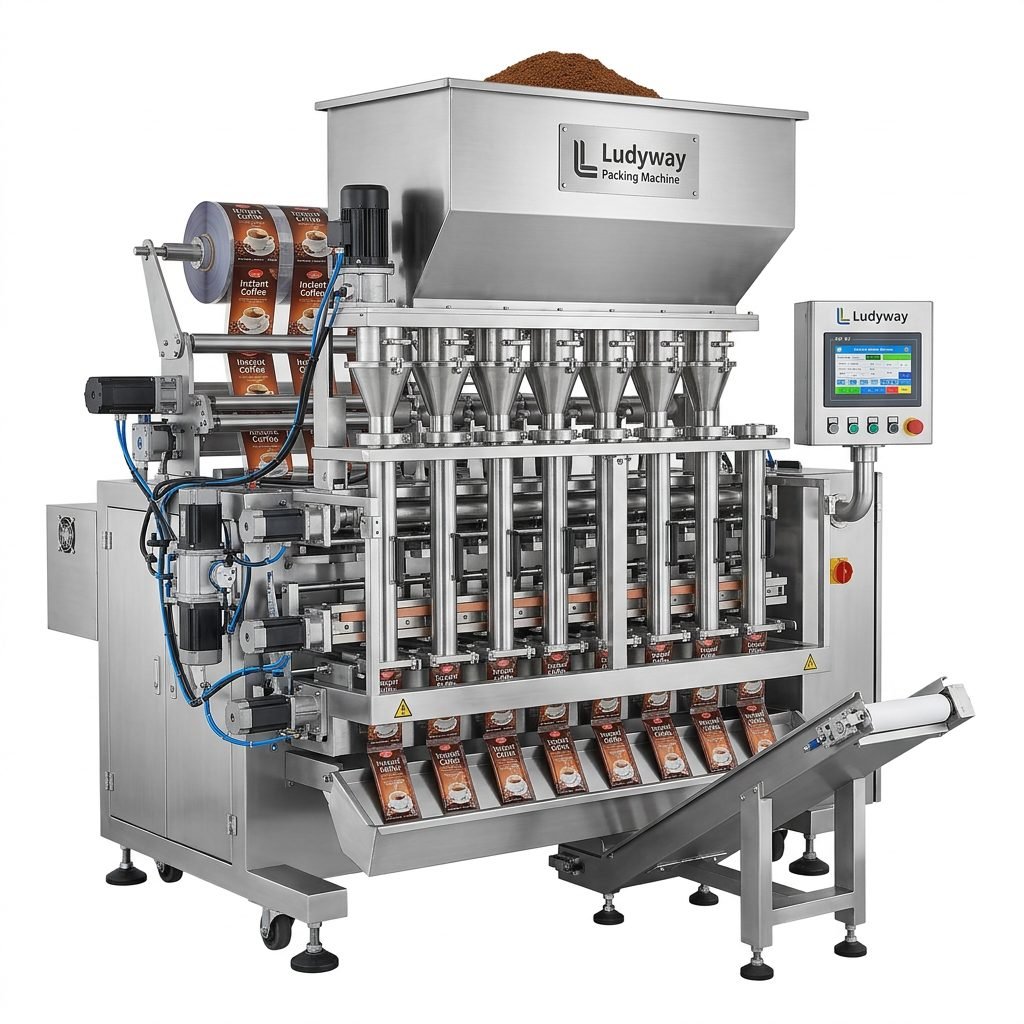
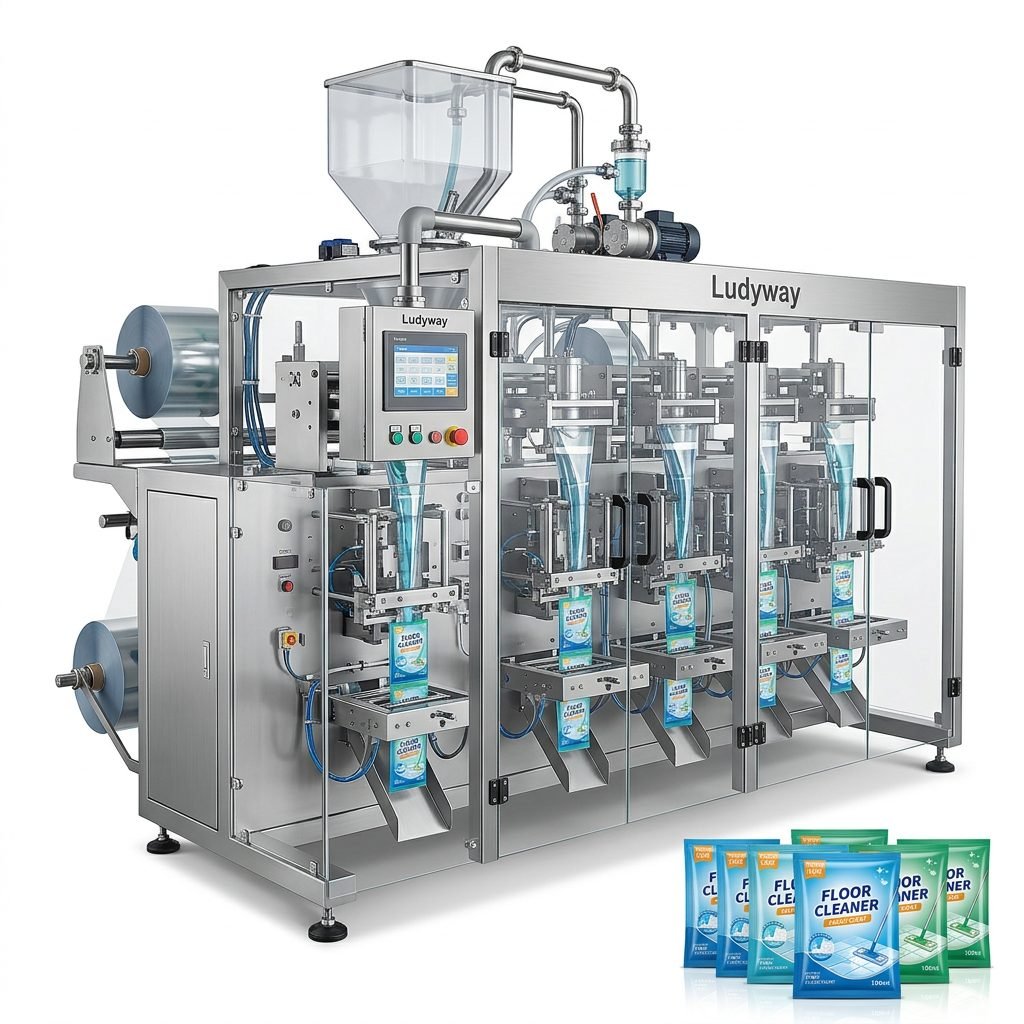
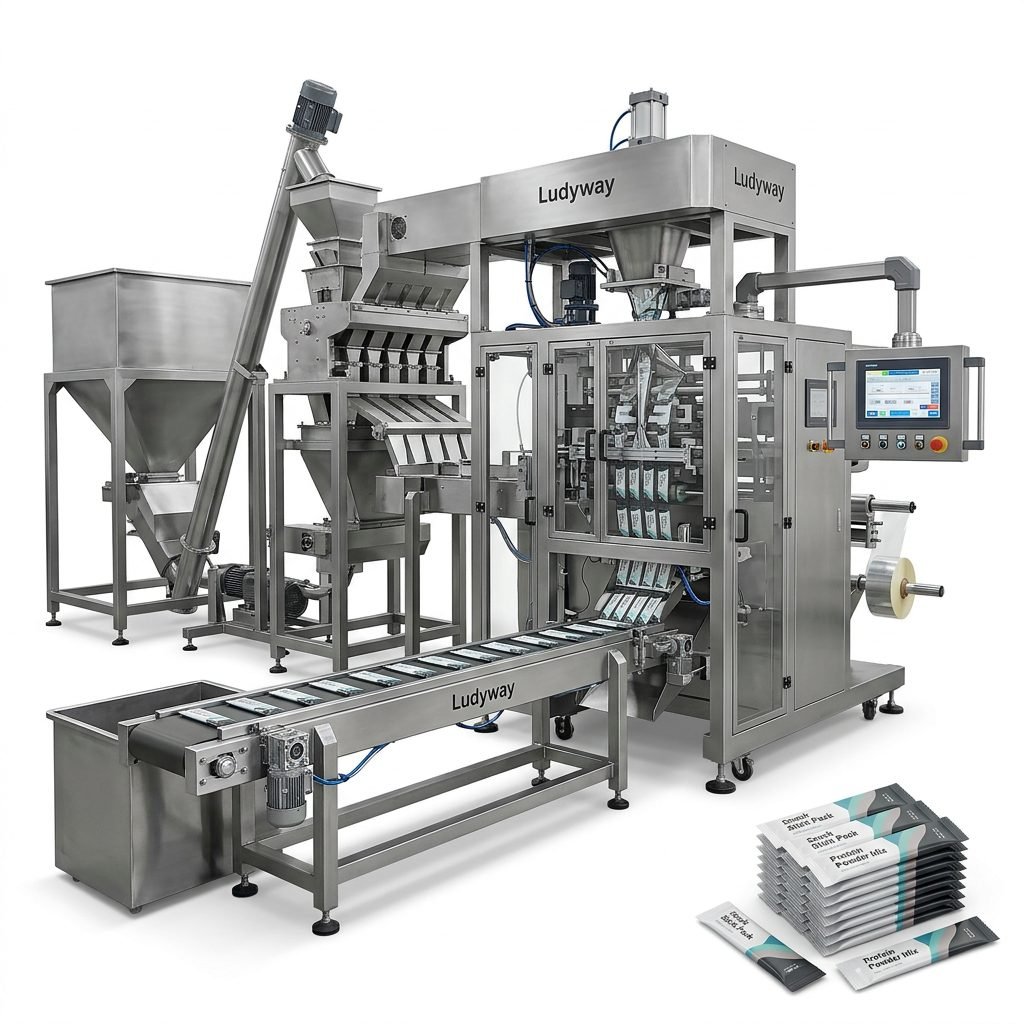
For high-volume production, multi-lane machines are the industry standard. These sophisticated systems operate multiple packaging lanes simultaneously from a single film roll. This design dramatically increases output while maintaining consistency across all lanes. They are ideal for large-scale production of items such as electrolyte powder, instant drink mixes, or pharmaceutical sachets.
Pre-Made Pouch Machines
This type of machine uses pre-manufactured, flat-bottomed pouches or stick packs. The machine’s function is to open, fill, and then seal these pre-formed pouches. This method is excellent for products that are challenging for form-fill-seal processes, such as oily, sticky, or non-free-flowing items. It also allows for more complex pouch materials and structures.
The Working Process of a Bar Packaging Machine
While specific steps vary by machine type, the core working principle of an automated bar packaging system follows a logical sequence to transform raw materials and film into finished, sealed packs.
Step 1: Film Unwinding and Forming
The process begins with a roll of packaging film—often a laminated material for barrier properties—being fed into the machine. In a VFFS machine, a forming collar shapes the flat film into a vertical tube around the filling tube. In an HFFS machine, the film is drawn over a forming box to create the desired pouch shape.
Step 2: Longitudinal Sealing
As the film is formed into a tube or shape, the longitudinal seal is made. This is the seal that runs the length of the pack. It is typically created using heat and pressure (a heat seal) or ultrasonic welding, depending on the film material.
Step 3: Product Metering and Filling
This is the heart of the operation. The product is precisely measured—via volumetric cup, auger filler, pump, or weigh scale—and then deposited into the formed film tube or pouch. Accuracy and consistency at this stage are paramount for product quality, cost control, and regulatory compliance. Multi-lane machines will have a distribution system to feed each lane equally.
Step 4: Cross Sealing and Cutting
After filling, the machine creates the cross seals (the top and bottom seals of an individual bar). Heated jaws come together to seal the film and simultaneously cut between seals to separate the finished bar from the continuous tube. This action creates the hermetic seal for the current pack and the bottom seal for the next pack in sequence.
Step 5: Discharge and Collection
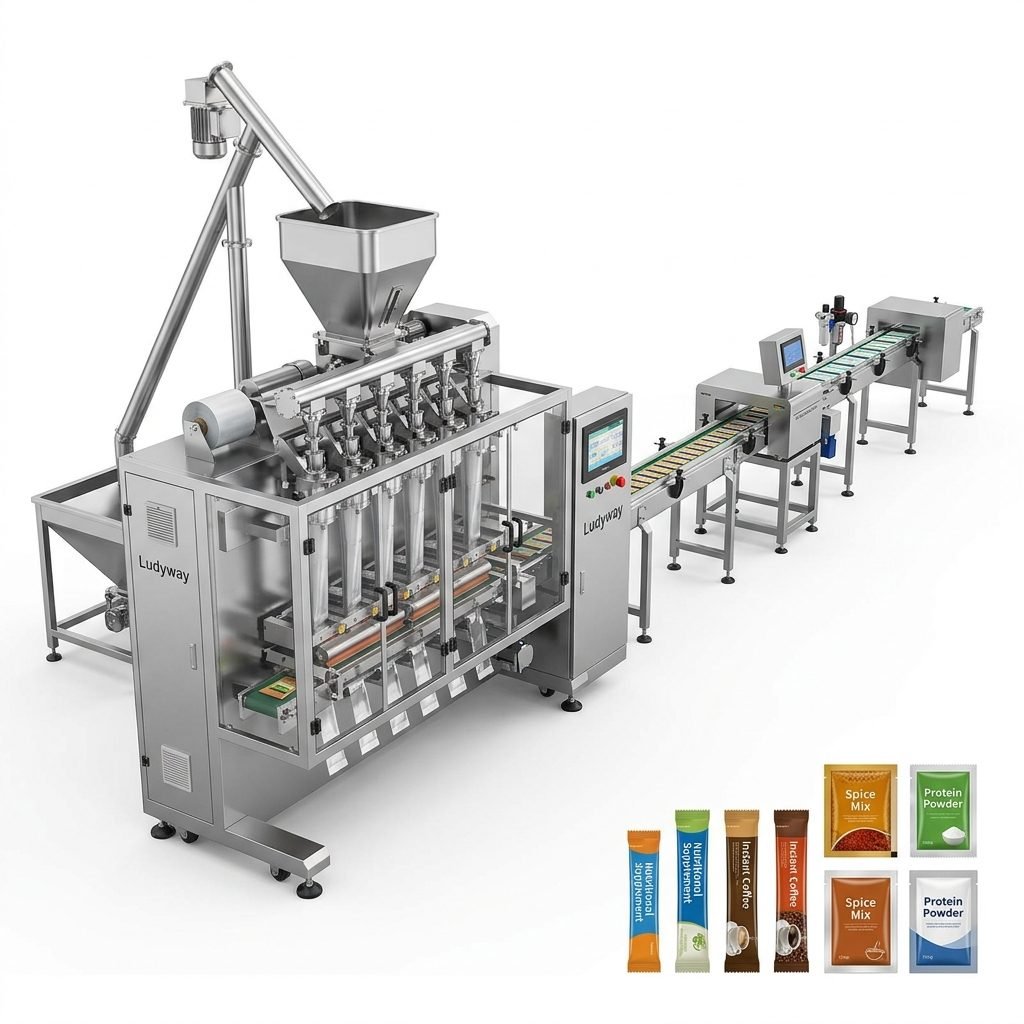
The finished, individual bars are discharged from the machine, often via a chute or conveyor belt, for collection, cartoning, or further downstream packaging operations. Modern machines integrate smoothly with checkweighers, metal detectors, and cartoners for a complete line.
How to Choose the Right Bar Packaging Equipment
Selecting the ideal bar packaging machine requires a careful analysis of your product, production goals, and operational environment. Here are the key factors to consider.
1. Product Characteristics
Your product dictates the machine technology. Analyze its flowability (granular, powder, liquid), abrasiveness, hygroscopicity, and particle size. Sticky or oily products may require specialized augers or pre-made pouch systems. Products sensitive to oxygen or moisture need machines compatible with high-barrier laminates.
2. Required Production Speed and Output
Calculate your required output in packs per minute (PPM) or shifts. A single-lane VFFS machine might suffice for startups or small batches, while a multi-lane stick pack machine is necessary for high-volume contracts. Always consider future growth and choose a machine with some capacity headroom.
3. Packaging Material and Seal Type
The machine must be compatible with your chosen film structure (e.g., PET/AL/PE). Confirm the sealing method: constant heat, impulse heat, or ultrasonic sealing. The right seal ensures package integrity and shelf life. Discuss material trials with your supplier, like Ludyway Packaging Machinery, to ensure performance.
4. Level of Automation and Integration
Determine the needed automation level. Basic machines require manual film loading and product feeding. Fully automated lines include auto film splicing, bulk product supply systems, and integrated control systems with recipe management and production data tracking for improved efficiency.
5. Hygiene and Compliance Standards
For food, pharmaceutical, or nutraceutical products, regulatory compliance is non-negotiable. Machines should have easy-clean designs (smooth surfaces, minimal crevices), be constructed from food-grade materials (e.g., 304 or 316 stainless steel), and meet relevant standards like GMP, FDA, or CE requirements.
6. Supplier Support and Service
The machine is a long-term investment. Evaluate the supplier’s reputation, availability of spare parts, technical support, and training offerings. A reliable partner provides comprehensive after-sales service, which is crucial for minimizing downtime and ensuring continuous operation.
Frequently Asked Questions (FAQs)
What is the typical production speed range for a bar packaging machine?
Speeds vary widely based on the machine type and configuration. A single-lane stick pack machine may operate at 60-120 packs per minute (PPM), while advanced multi-lane systems can achieve speeds from 400 to over 1000 PPM, depending on the number of lanes and product characteristics.
Can one machine handle different product types, like powder and granules?
Many machines are designed with versatility in mind. By changing the filling system (e.g., swapping an auger filler for a volumetric cup filler), a single machine can often handle different free-flowing product forms. However, significant changes (e.g., switching to liquids) typically require a different machine or major component changes.
How important is the packaging film material selection?
It is critically important. The film provides the barrier against moisture, oxygen, and light that protects your product’s quality and shelf life. An incompatible film can lead to sealing failures, poor machinability, and spoiled product. Always conduct runnability tests with your chosen film on the specific machine model.
What are the key maintenance requirements for these machines?
Regular daily cleaning is essential. Periodic maintenance includes lubricating moving parts (with food-grade lubricant if applicable), checking and calibrating the sealing jaw temperatures, inspecting wear parts like sealing jaws and cutting blades, and ensuring all sensors and drives are functioning correctly. Following the manufacturer’s maintenance schedule is vital.
What should I look for in a reliable bar packaging machine supplier?
Look for a supplier with proven industry experience, a strong portfolio of successful installations, and transparent customer testimonials. They should offer robust after-sales support, readily available spare parts, and comprehensive operational training. A supplier willing to conduct product tests with your materials is often a good indicator of a collaborative partnership focused on your success.