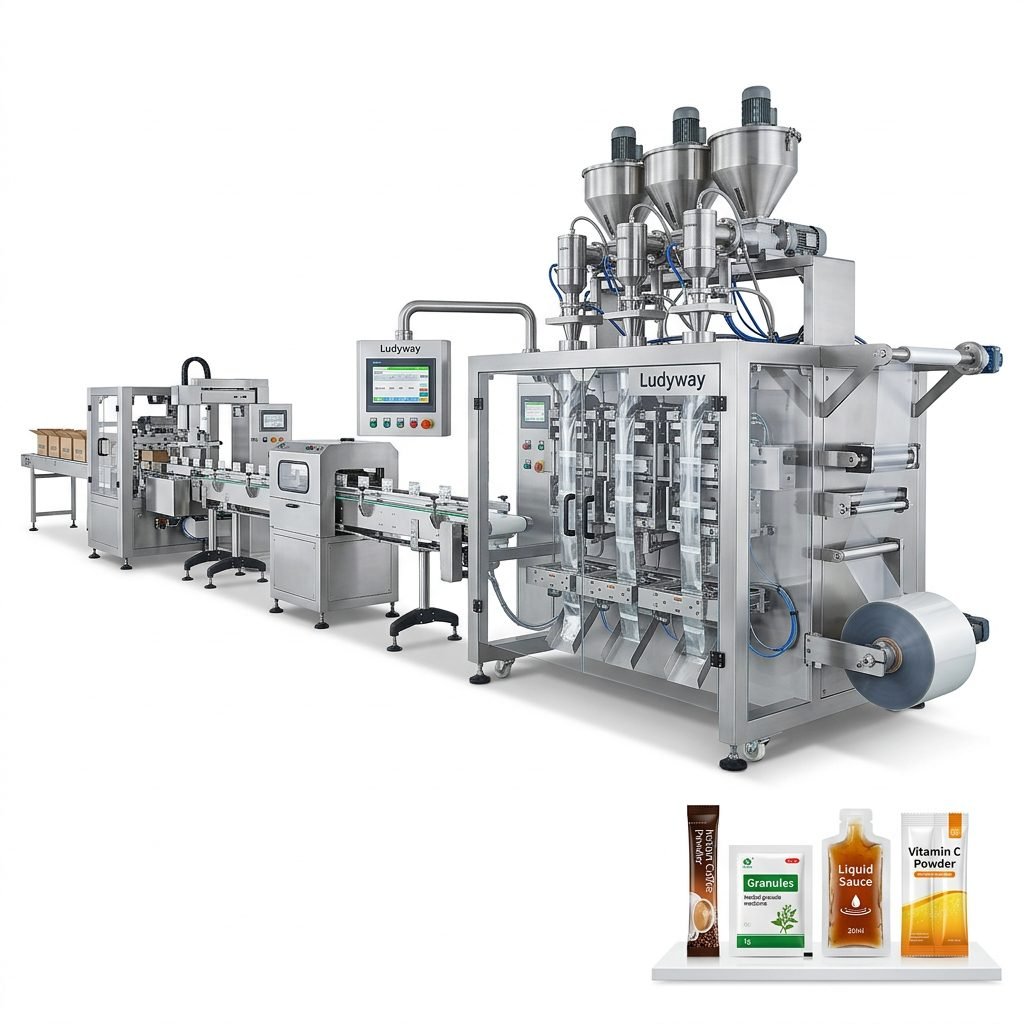
Choosing the right meal packaging machine is not only about buying equipment. It is about building a packaging solution that fits your product, production target, packaging format, hygiene standard, labor structure, and long-term growth plan. For food manufacturers, meal replacement brands, ready-to-eat producers, central kitchens, and nutrition companies, the right machine can directly improve output, consistency, shelf appeal, and operating efficiency.
If you are comparing food packing solutions for powdered meals, sauce meals, frozen meal kits, granule mixes, or complete prepared food lines, this guide will help you understand what matters most before making an investment.
What Is a Meal Packaging Machine?
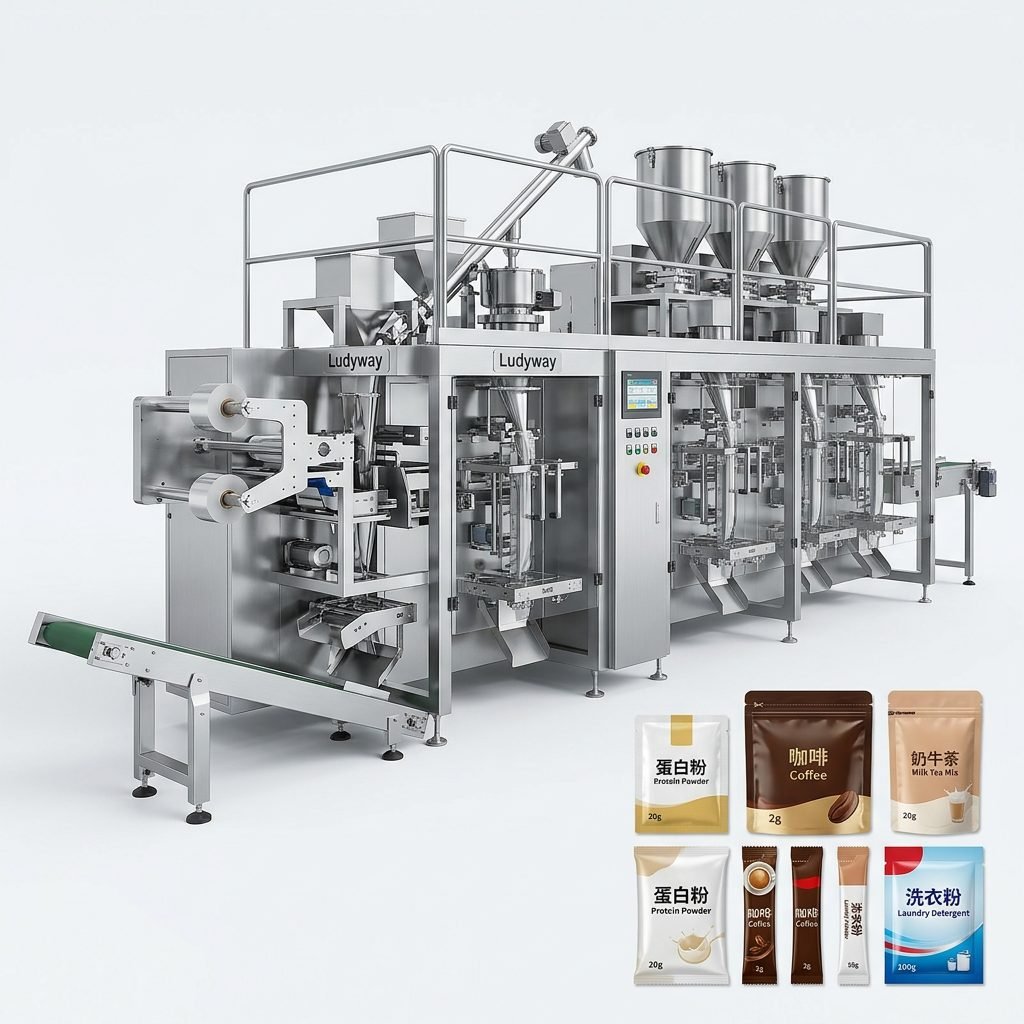
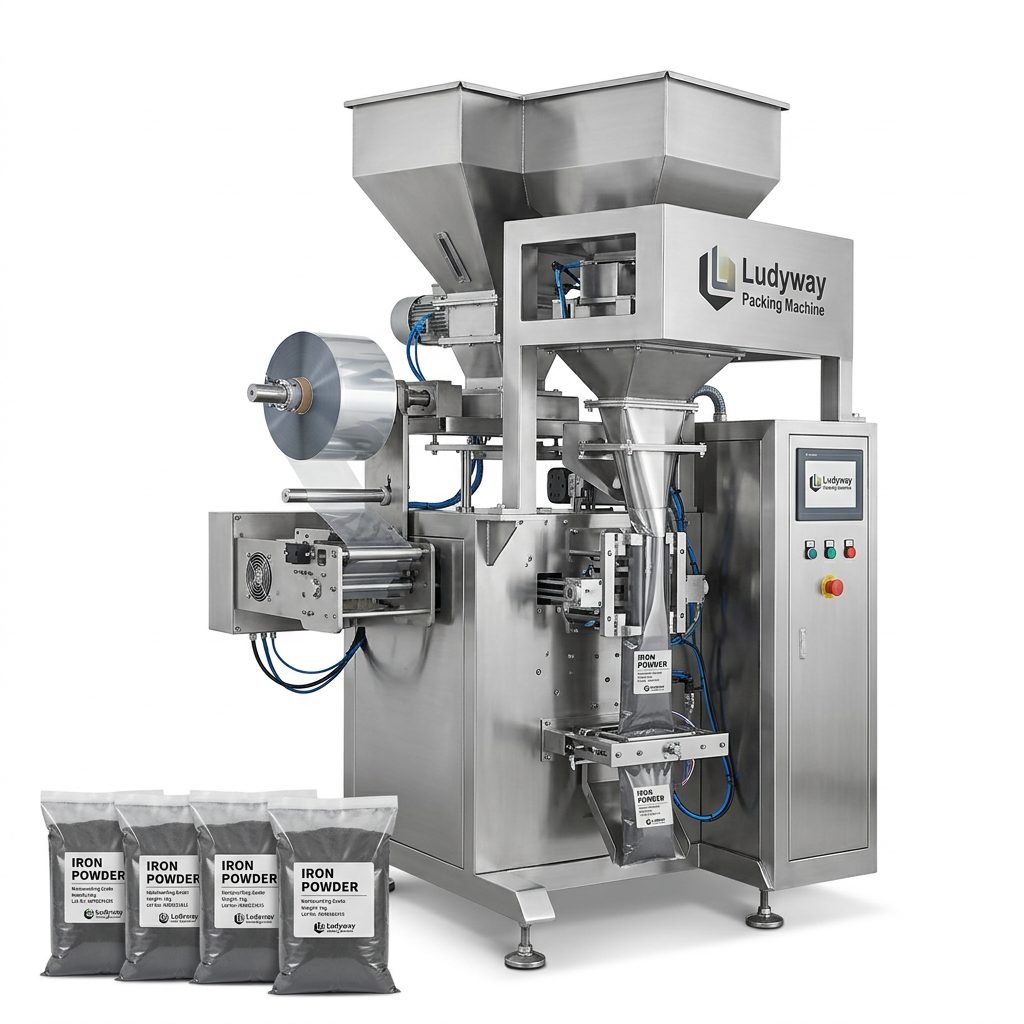
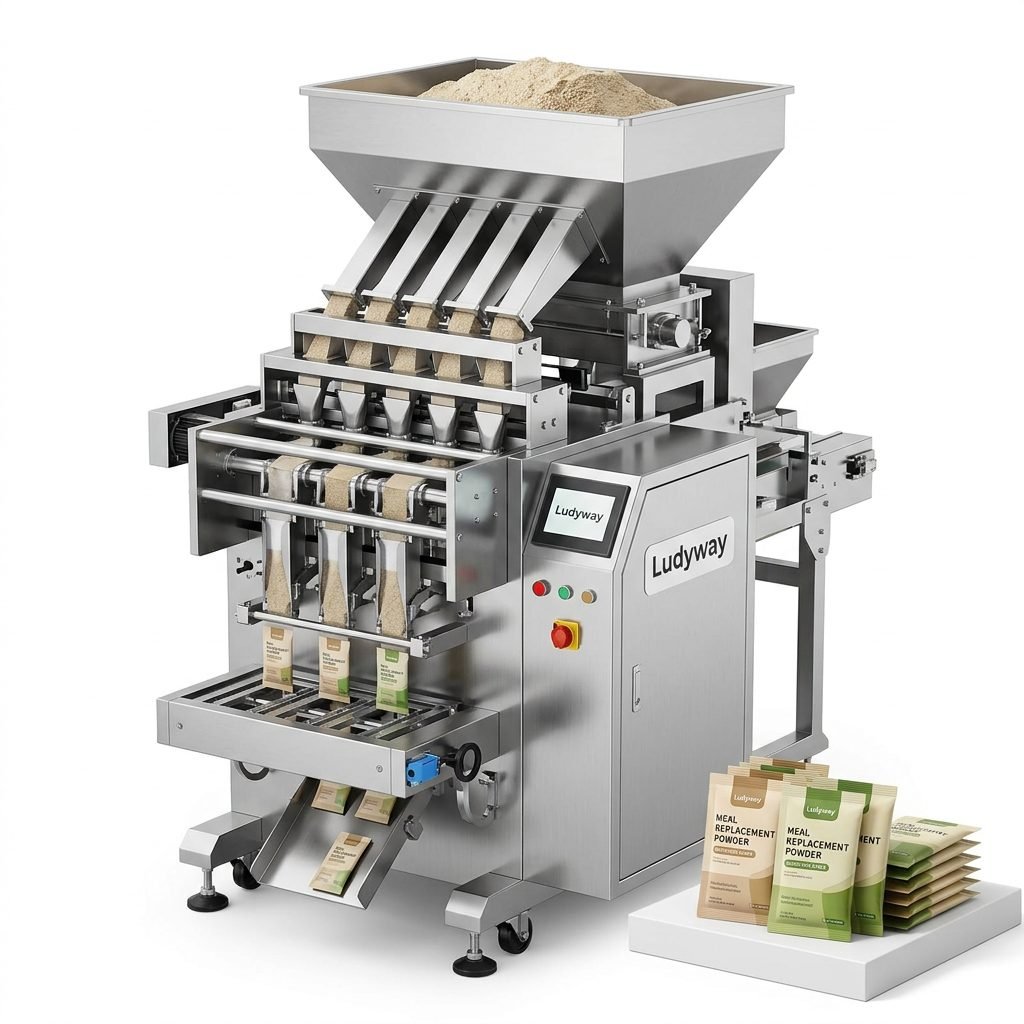
A meal packaging machine is a system used to automatically fill, seal, code, and sometimes cartoning or bundle meal-related products into suitable packaging formats. Depending on the food type, it may handle:
- Meal replacement powders
- Instant soup and seasoning mixes
- Ready meal sauces and pastes
- Frozen or dehydrated meal components
- Rice, grains, cereal blends, and nutrition mixes
- Single-serve sachets, stick packs, pouches, or larger bags
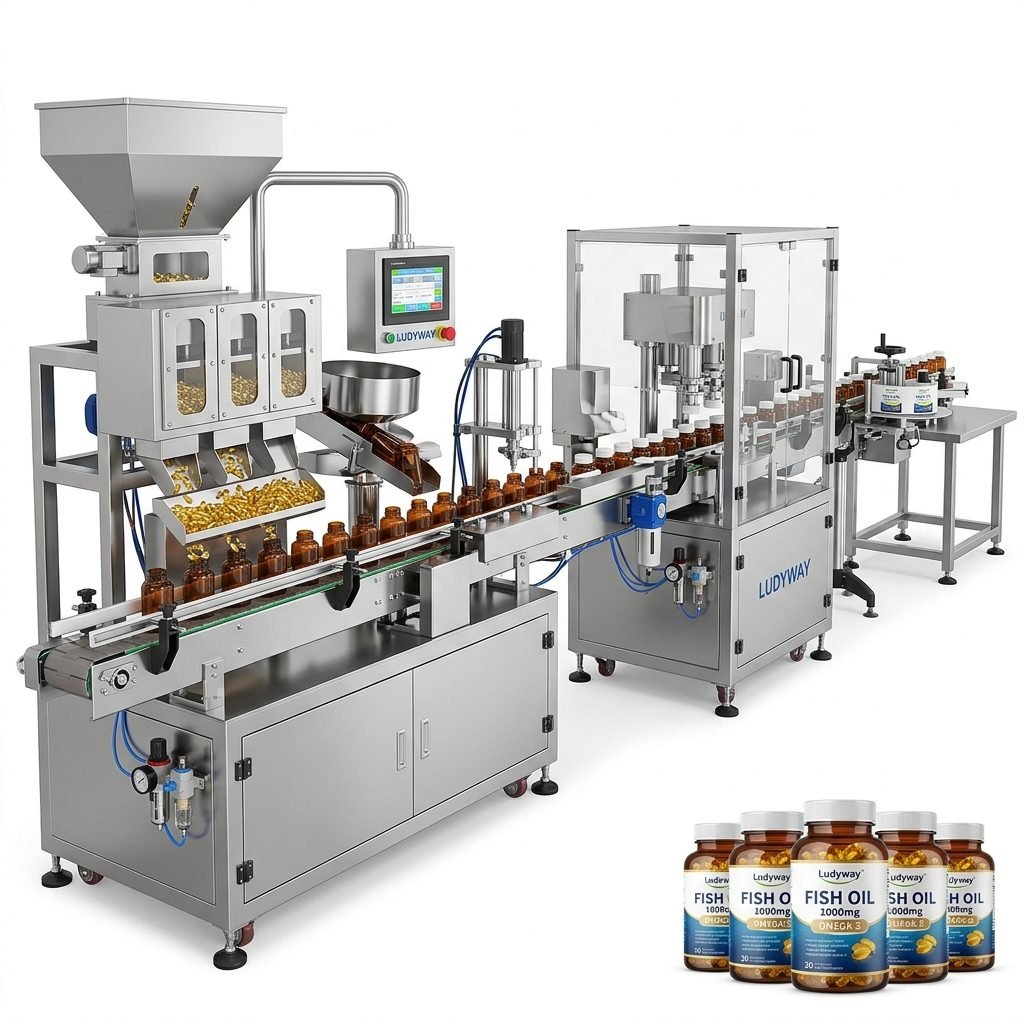
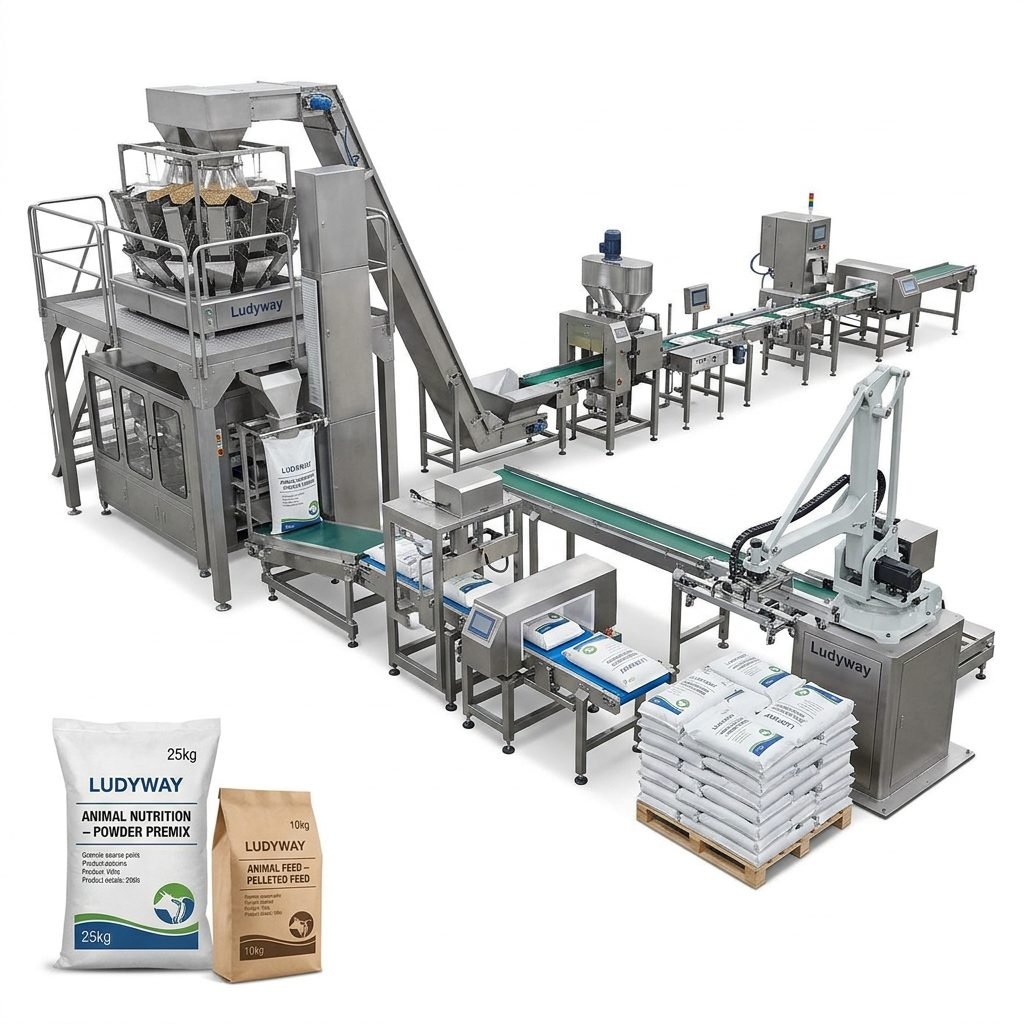
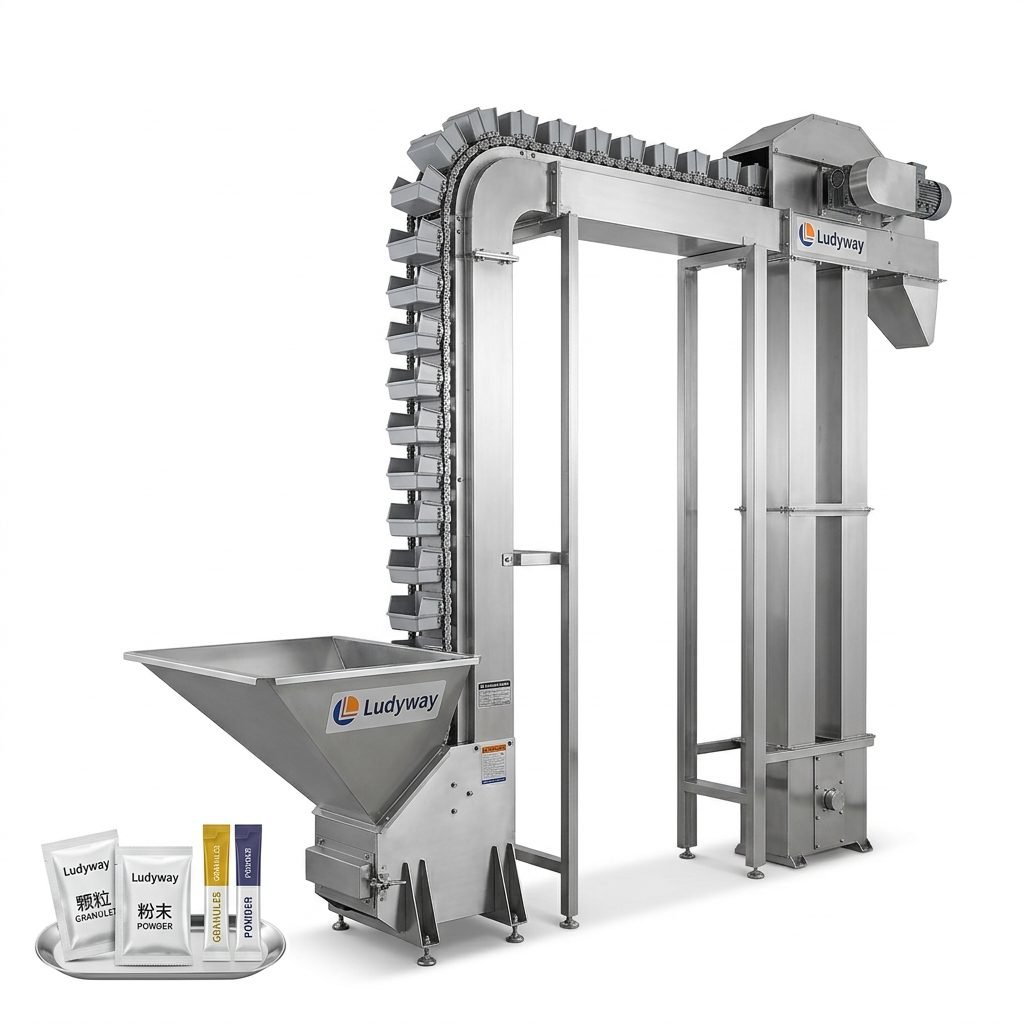
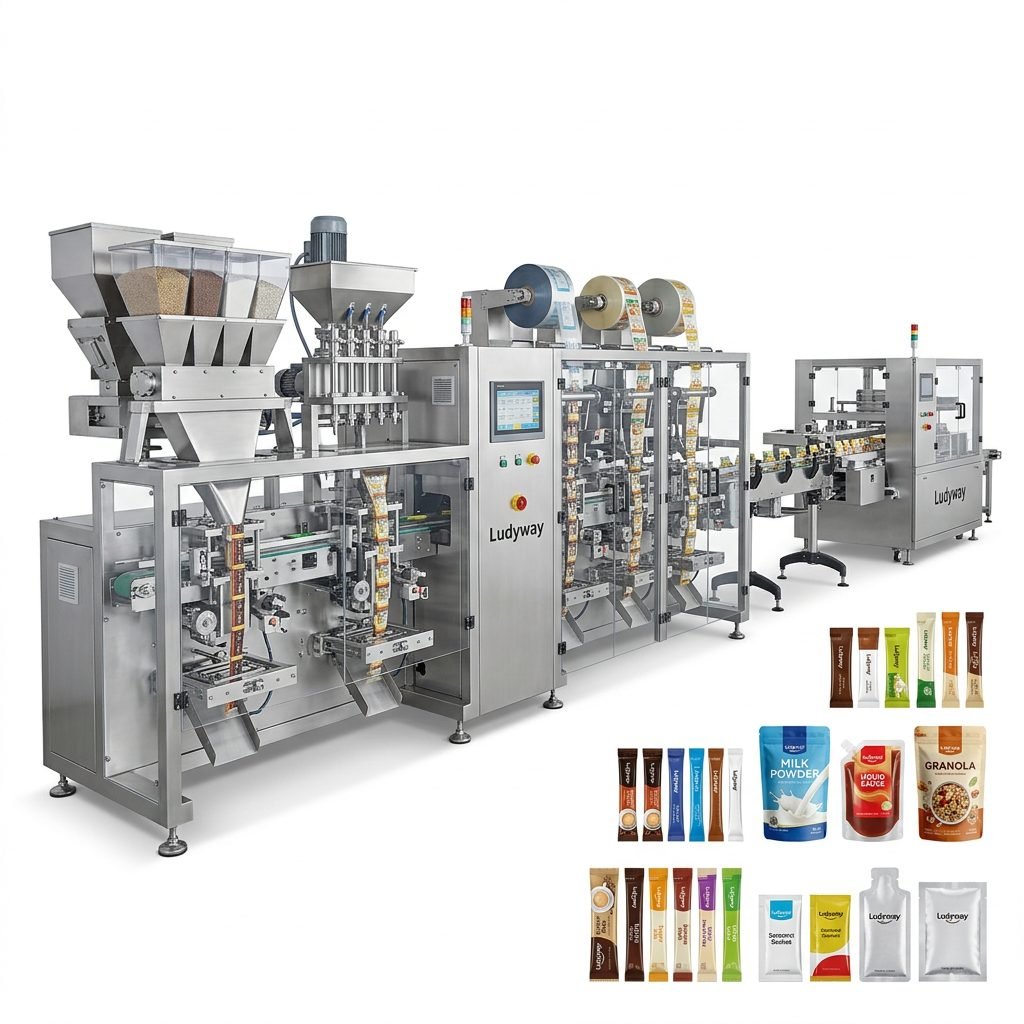
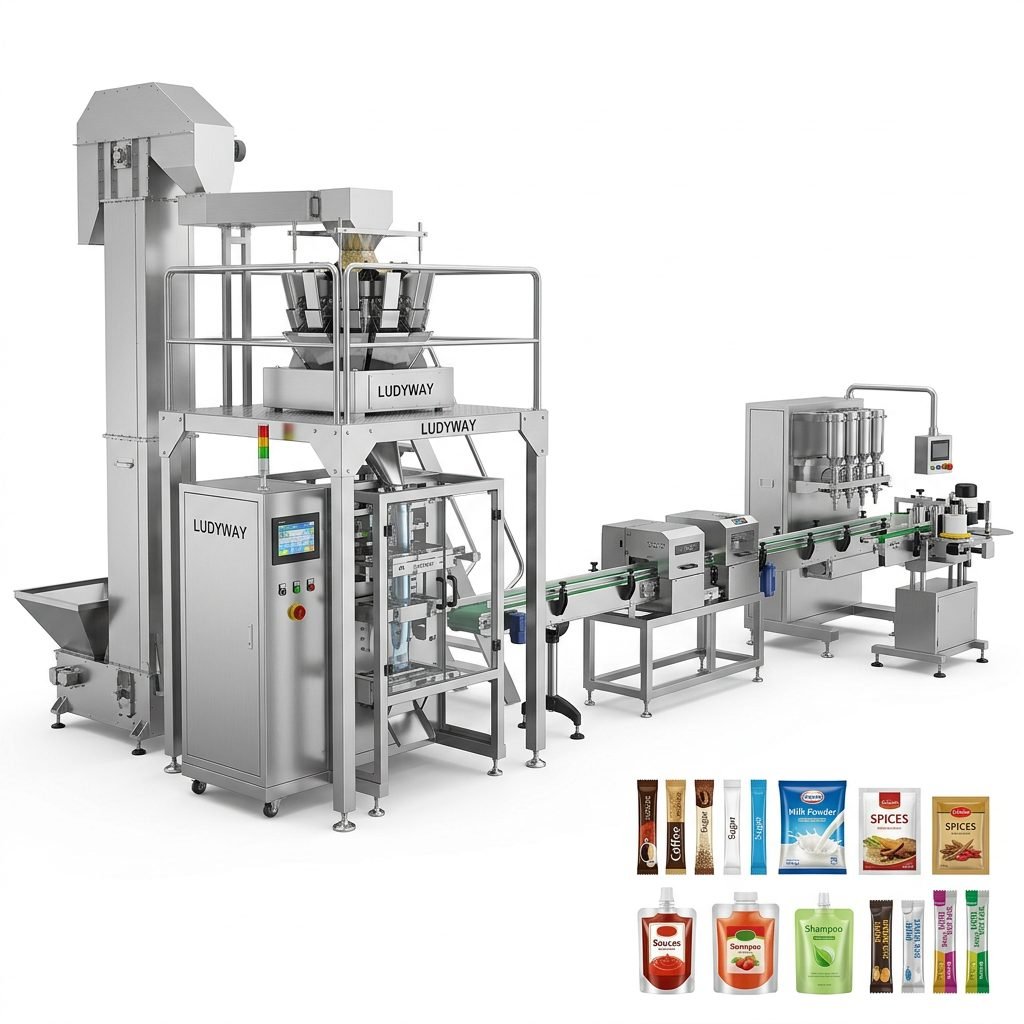
The machine can be a standalone unit or part of a complete packaging line with feeding, dosing, sealing, coding, checkweighing, metal detection, cartoning, case packing, and palletizing.
Why the Right Food Packing Solution Matters
A poor machine choice often causes underfilling, leakage, unstable sealing, material waste, sanitation risks, excessive downtime, and higher labor dependency. A suitable solution supports both current production and future expansion.
The right meal packaging system should help you achieve:
- Stable filling accuracy
- Clean and secure sealing
- Better food safety compliance
- Reduced manual handling
- Flexible package size changes
- Lower waste and rework rates
- Higher packaging speed with consistent quality
Start with Your Product Type
Before selecting any machine, define exactly what kind of meal product you pack. The material characteristics determine the filling method, sealing structure, machine design, and optional accessories.
| Product Type | Typical Packaging Format | Recommended Machine Type |
|---|---|---|
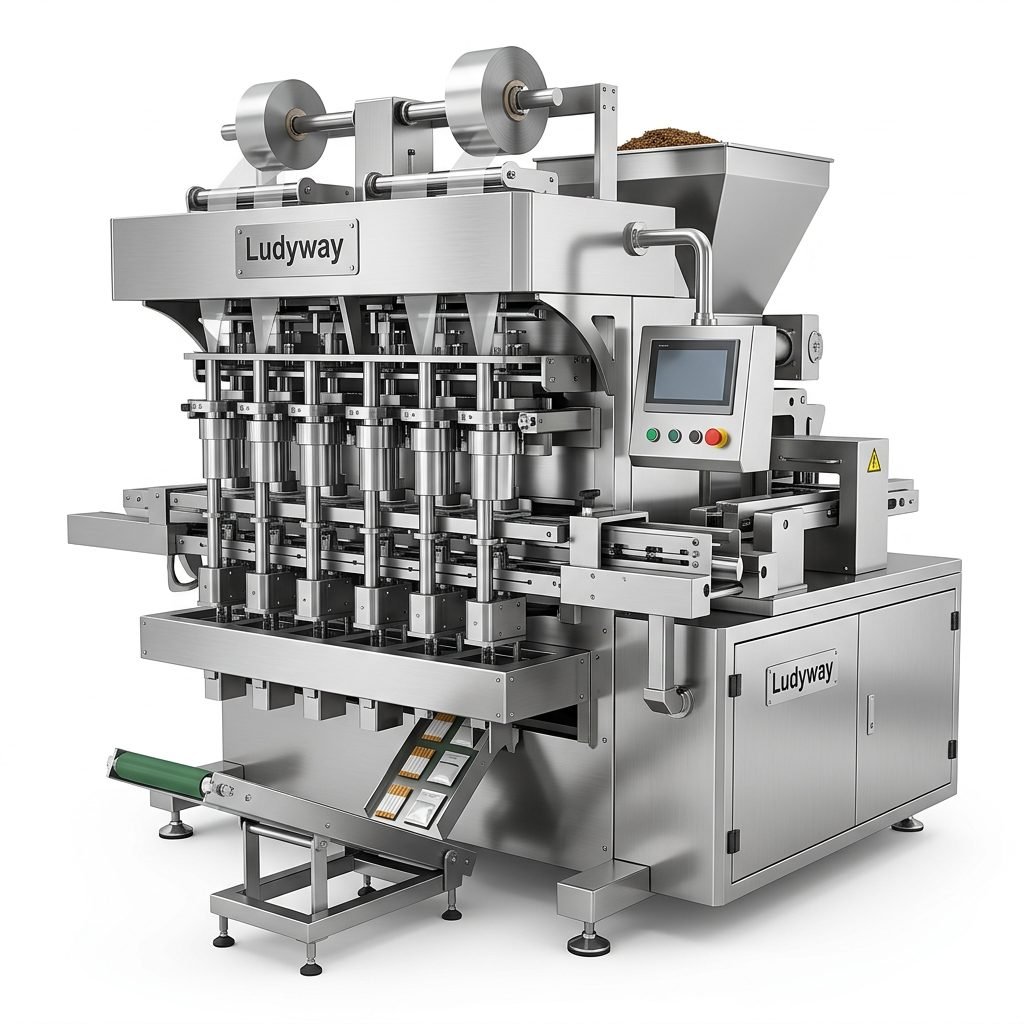
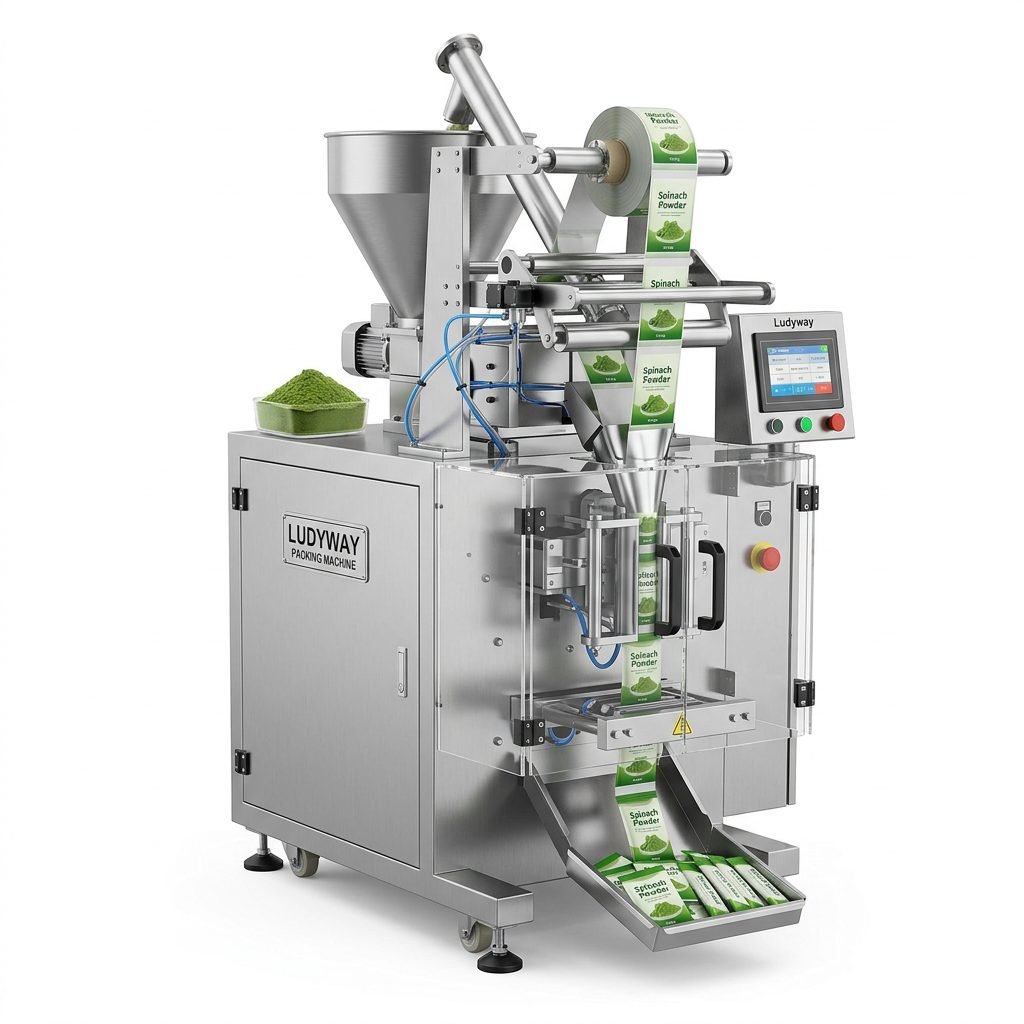
| Meal replacement powder | Sachet, stick pack, pouch | Auger filling machine, multi-lane sachet or stick pack system |
| Granule meal mix | Sachet, pillow bag, premade pouch | Volumetric cup or weighing filling machine |
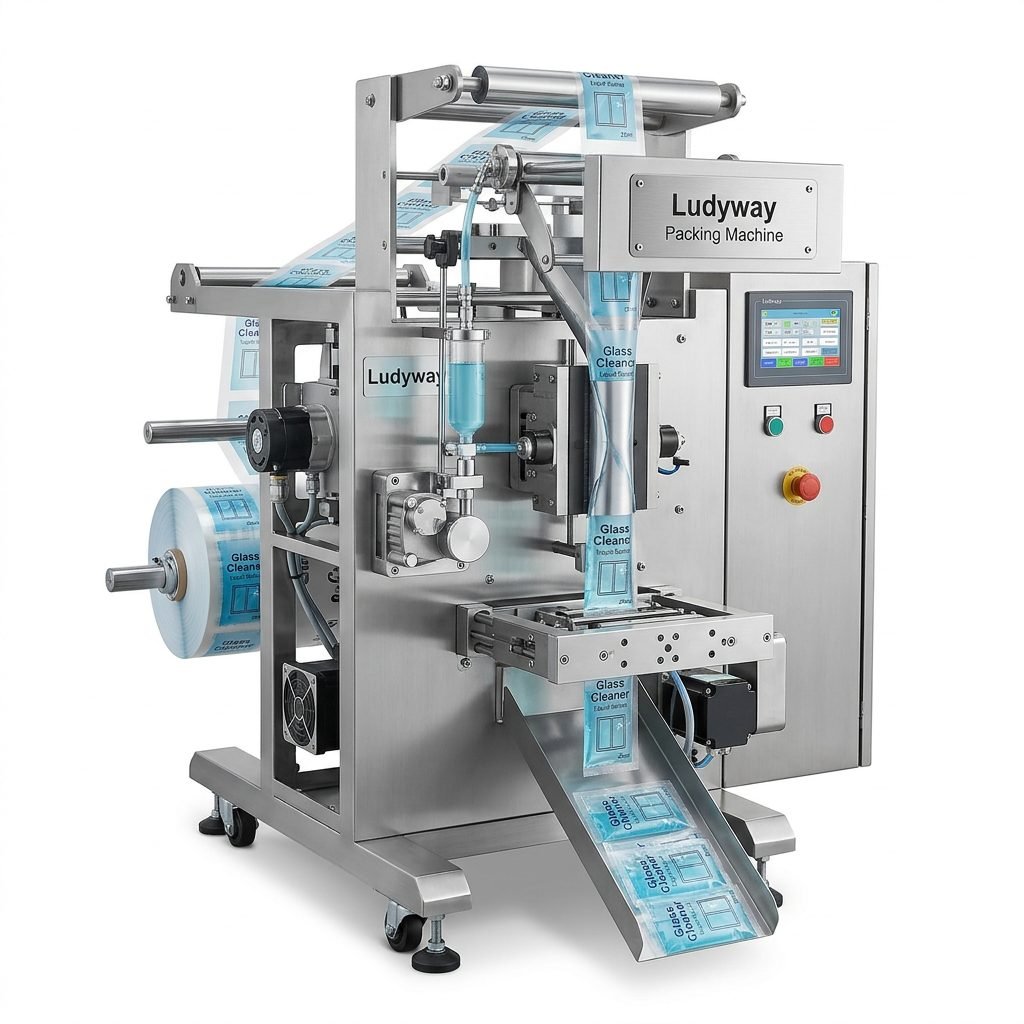
| Sauce or liquid meal base | Sachet, spouted pouch, bottle | Pump filling and sealing machine |
| Paste or viscous product | Pouch, sachet, cup | Servo piston filling system |
| Frozen or prepared meal packs | Tray, pouch, vacuum bag | Integrated tray sealing or pouch packaging line |
For example, free-flowing powder and sticky sauce require very different dosing systems. If your machine is not matched to the product behavior, even a high-speed model may perform poorly in actual production.
Choose the Right Packaging Format
The package style affects machine layout, consumer convenience, material cost, and retail presentation. Common meal packaging formats include:
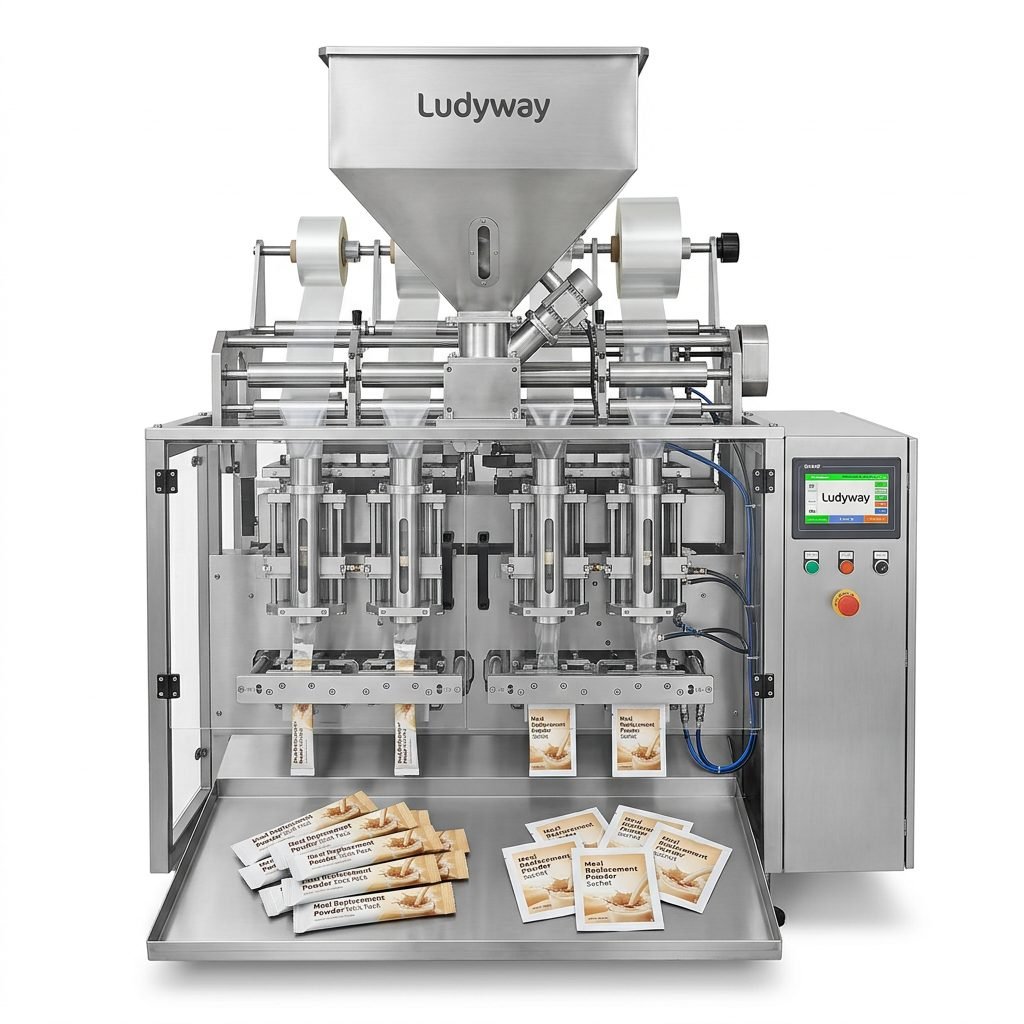
- Sachets for single-serve powders, soups, supplements, and sauces
- Stick packs for portable meal powders and drinkable nutrition products
- Pouches for premium branding, larger fill volumes, or meal kits
- Bottles or jars for dry mixes and liquid meal products
- Trays for ready meals and prepared dishes
- Bulk bags for foodservice, industrial kitchens, or B2B ingredient supply
If your brand focuses on convenience and travel-friendly formats, stick packs and sachets may be the best choice. If shelf impact and resealability matter more, premade pouches can offer stronger commercial value.
Key Questions to Ask Before Buying
A machine should be selected based on practical production requirements, not just brochure speed. Ask these questions first:
- What meal product are you packaging?
- Is it powder, granule, liquid, paste, or mixed material?
- What is the target pack size range?
- How many packs per minute do you need?
- Do you need single-lane or multi-lane output?
- What packaging film or pouch material will you use?
- Do you require nitrogen flushing, date coding, or vacuum functions?
- Is the machine easy to clean between flavor changes?
- Do you need future integration with cartoning or case packing?
Important Machine Selection Factors
1. Filling Accuracy
For meal powders and nutrition products, accuracy is critical. Overfilling increases material cost. Underfilling can create compliance and customer trust issues. Choose a machine with a dosing method suited to your material density and flowability.
2. Packaging Speed
The right speed depends on your order volume and shift planning. Do not simply choose the fastest model. A more stable medium-speed line can often outperform a high-speed line with frequent stoppages.
3. Sealing Quality
Meals and meal components often need strong sealing to protect freshness, reduce contamination risk, and support transport. Seal consistency is especially important for powders that can contaminate the seal area.
4. Hygienic Design
Food manufacturers should prioritize stainless steel structure, accessible contact parts, low dust retention, and easy washdown or dry-cleaning design. This is especially important for allergen control and frequent flavor changes.
5. Flexibility
If you plan to launch multiple SKUs, choose equipment that allows quick changeover for different bag lengths, fill weights, and film types.
6. Automation Level
A complete food packing solution may include automatic feeding, weighing, filling, sealing, coding, inspection, cartoning, and palletizing. Higher automation can reduce labor pressure and improve production consistency.
7. Maintenance and Support
A machine is only valuable if it can run reliably. Evaluate spare parts availability, remote support, troubleshooting response, operator training, and documentation quality.
Standalone Machine or Turnkey Packaging Line?
This depends on your production stage and expansion goals.
| Option | Best For | Advantages |
|---|---|---|
| Standalone packaging machine | Small and mid-scale production | Lower upfront cost, simple setup, easier for single product lines |
| Turnkey packaging line | Growing brands and industrial food plants | Higher efficiency, better integration, lower labor use, scalable automation |
If you expect rapid growth, a turnkey solution may be more economical in the long run because it reduces repeated upgrades and integration issues later.
How to Match the Machine to Your Business Size
Small Businesses and New Brands
Focus on compact layout, lower MOQ-friendly output, easy operation, and simple maintenance. Flexible pouch or sachet systems are often ideal.
Mid-Sized Food Manufacturers
You may need higher speed, better changeover efficiency, and improved packaging consistency. Multi-lane systems or integrated pouch lines are often a good fit.
Large-Scale Industrial Operations
Large factories should evaluate complete line automation, data integration, inspection systems, coding, cartoning, and end-of-line packaging. At this level, packaging is part of overall factory productivity, not an isolated process.
Common Mistakes When Choosing a Meal Packaging Machine
- Choosing based only on price
- Ignoring material characteristics during testing
- Buying excessive speed without stable performance
- Overlooking cleaning and sanitation requirements
- Not planning for future product expansion
- Skipping factory acceptance tests or sample validation
- Failing to confirm after-sales support details
The best solution is not the cheapest or the largest machine. It is the machine that fits your real production conditions and supports stable long-term operation.
Should You Request a Machine Test?
Yes. A real product test is one of the most important steps before ordering. It helps confirm filling accuracy, sealing quality, output speed, powder dust behavior, material feeding stability, and final package appearance.
When sending samples to a supplier, provide:
- Your actual product material
- Target fill weight
- Desired bag or pouch dimensions
- Packaging film structure
- Expected daily or hourly output
- Any special compliance or hygiene requirements
What to Look for in a Packaging Machine Supplier
A strong supplier should offer more than equipment assembly. They should understand packaging applications and production integration.
- Experience in food packaging automation
- Ability to provide custom configuration
- Knowledge of powder, granule, liquid, and paste applications
- Support for standalone machines and complete lines
- Clear service process and technical communication
- Export experience and documentation capability
For businesses seeking scalable food automation, meal packaging machine solutions from Ludyway are often considered for projects requiring flexible machine configurations, turnkey packaging line capability, and long-term application support across food, health, and related industries.
Signs You Need to Upgrade Your Current Food Packing Solution
- Frequent downtime is affecting delivery schedules
- Manual labor costs keep increasing
- Package appearance is inconsistent
- Fill weight variation causes product giveaway
- You are launching new SKUs but your machine lacks flexibility
- You cannot meet hygiene or audit requirements efficiently
- Your current line cannot connect with coding, cartoning, or inspection equipment
Final Selection Checklist
| Checklist Item | Why It Matters |
|---|---|
| Product type confirmed | Determines filling and sealing method |
| Packaging format selected | Affects machine structure and branding |
| Production speed defined | Prevents under- or over-investment |
| Accuracy requirement verified | Controls cost and compliance risk |
| Cleaning standard reviewed | Supports food safety and fast changeover |
| Upgrade path considered | Protects future expansion capability |
| Supplier support confirmed | Reduces technical and operational risk |
Conclusion
Selecting the right meal packaging machine means aligning machine capability with your product, pack style, output goal, hygiene expectations, and business strategy. Whether you pack meal replacement powder, instant food mixes, ready meal sauces, or complete food products, the ideal system should deliver reliable performance, stable package quality, and room for growth.
Take time to evaluate your application carefully, request testing, compare solution flexibility, and choose a supplier that understands both machinery and real packaging production. That approach will help you invest in a food packing solution that performs well not just on paper, but every day on your production floor.