Selecting the right gum packaging machine is a critical decision for any confectionery manufacturer. The right equipment not only ensures product protection and shelf appeal but also directly impacts production efficiency, operational costs, and your ability to scale. This guide will walk you through the different types of gum packaging machines, their key features, and the essential factors to consider when choosing the best one for your specific production needs.
Understanding the Different Types of Gum Packaging Machines
The gum packaging landscape is diverse, with machines designed for specific formats and production volumes. Understanding these types is the first step in making an informed choice.
1. Stick Pack Packaging Machines
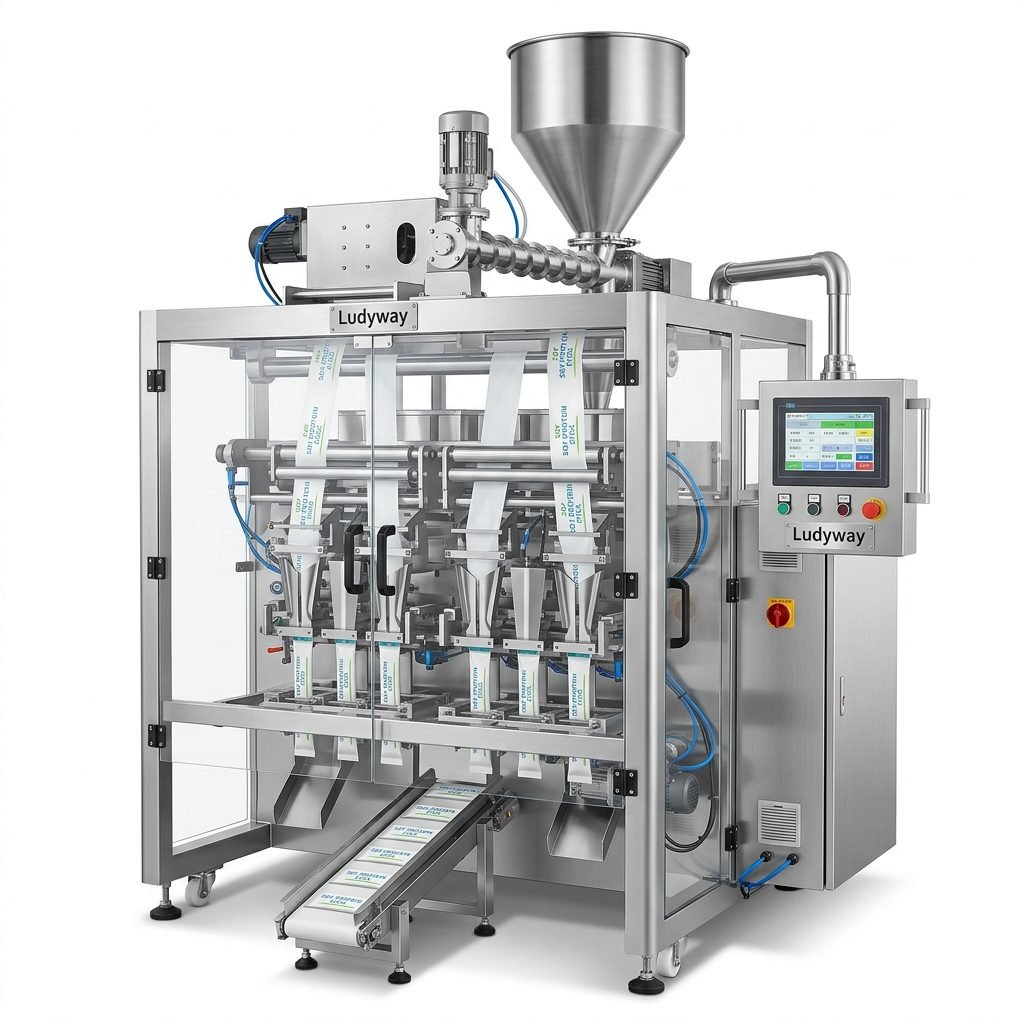
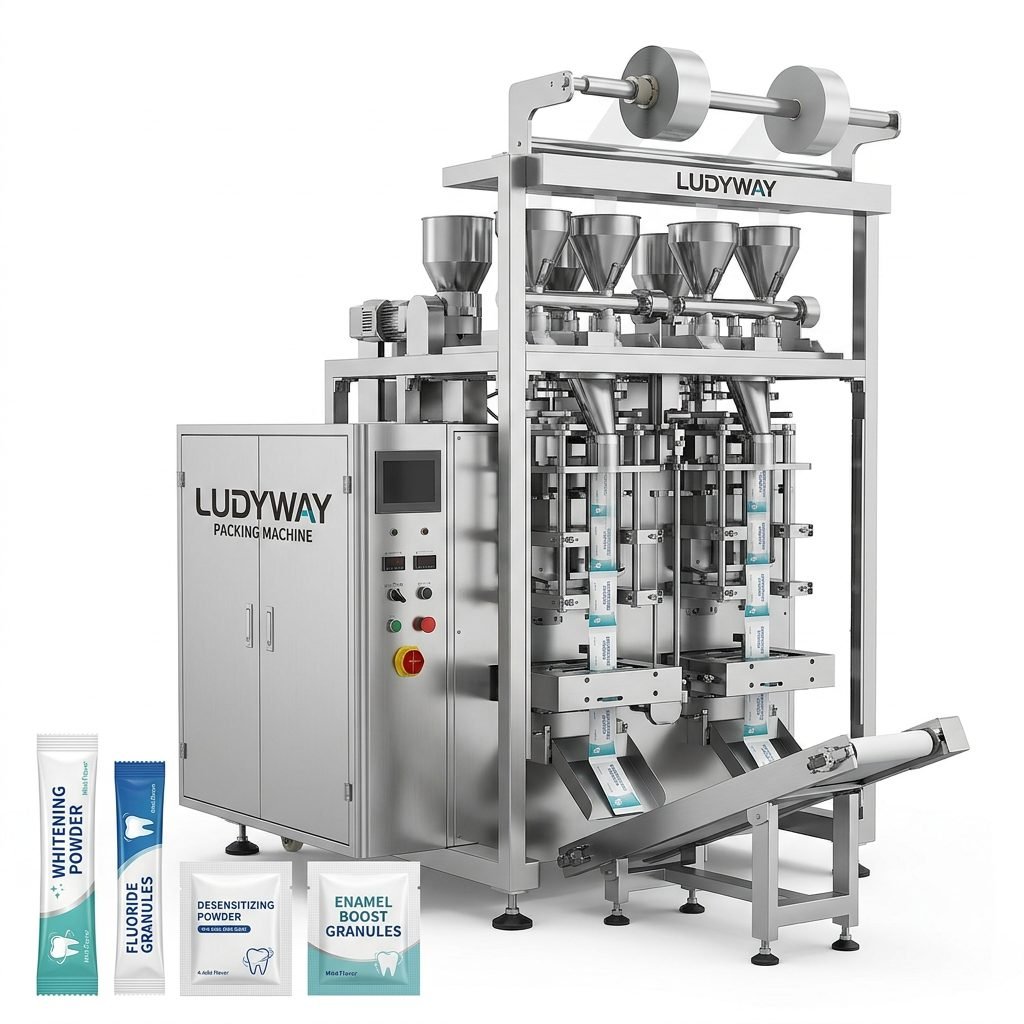
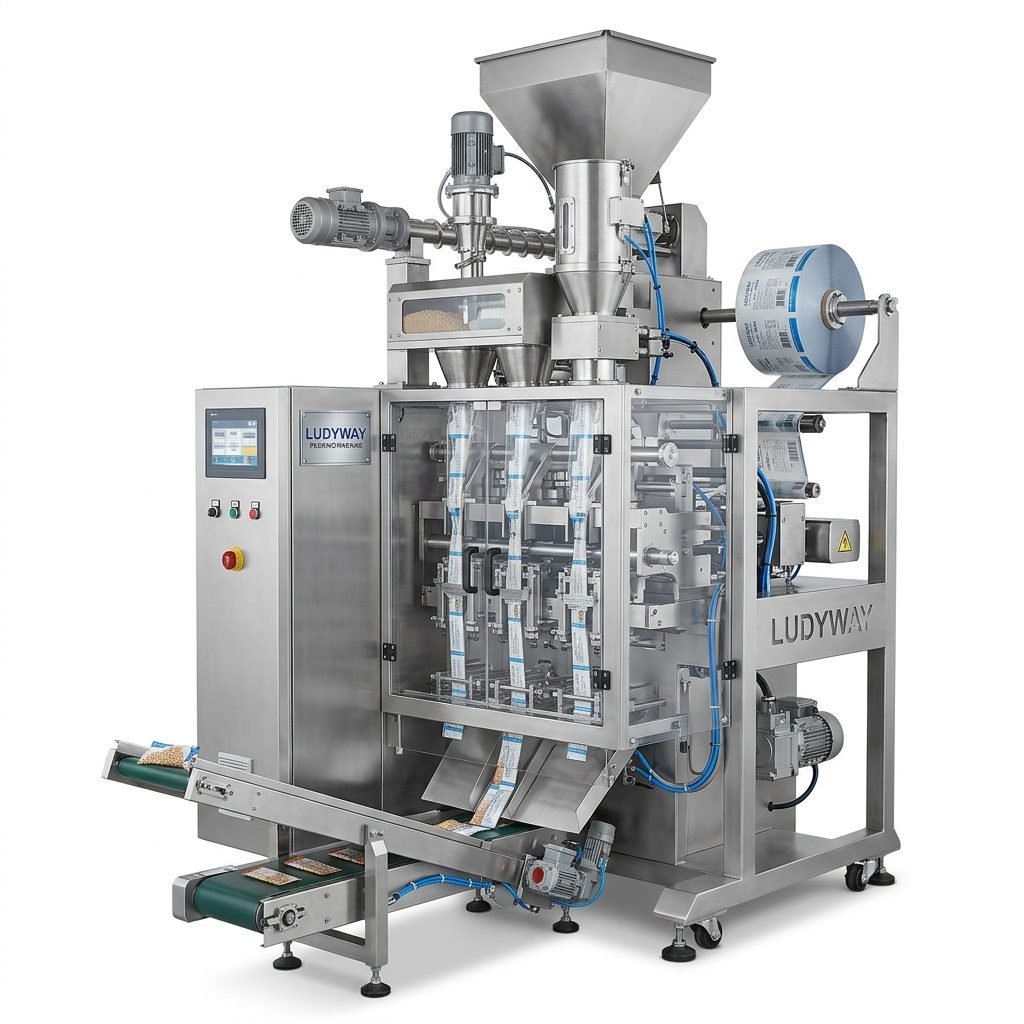
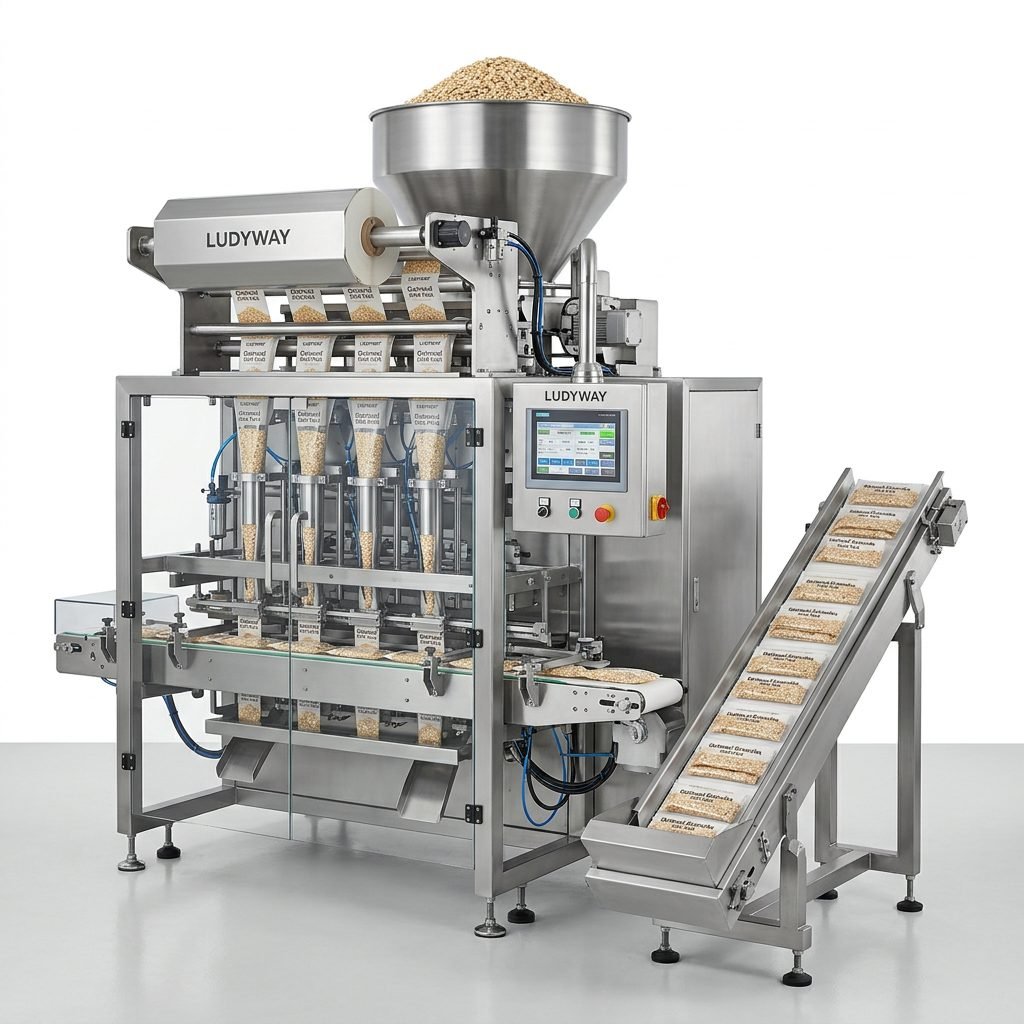
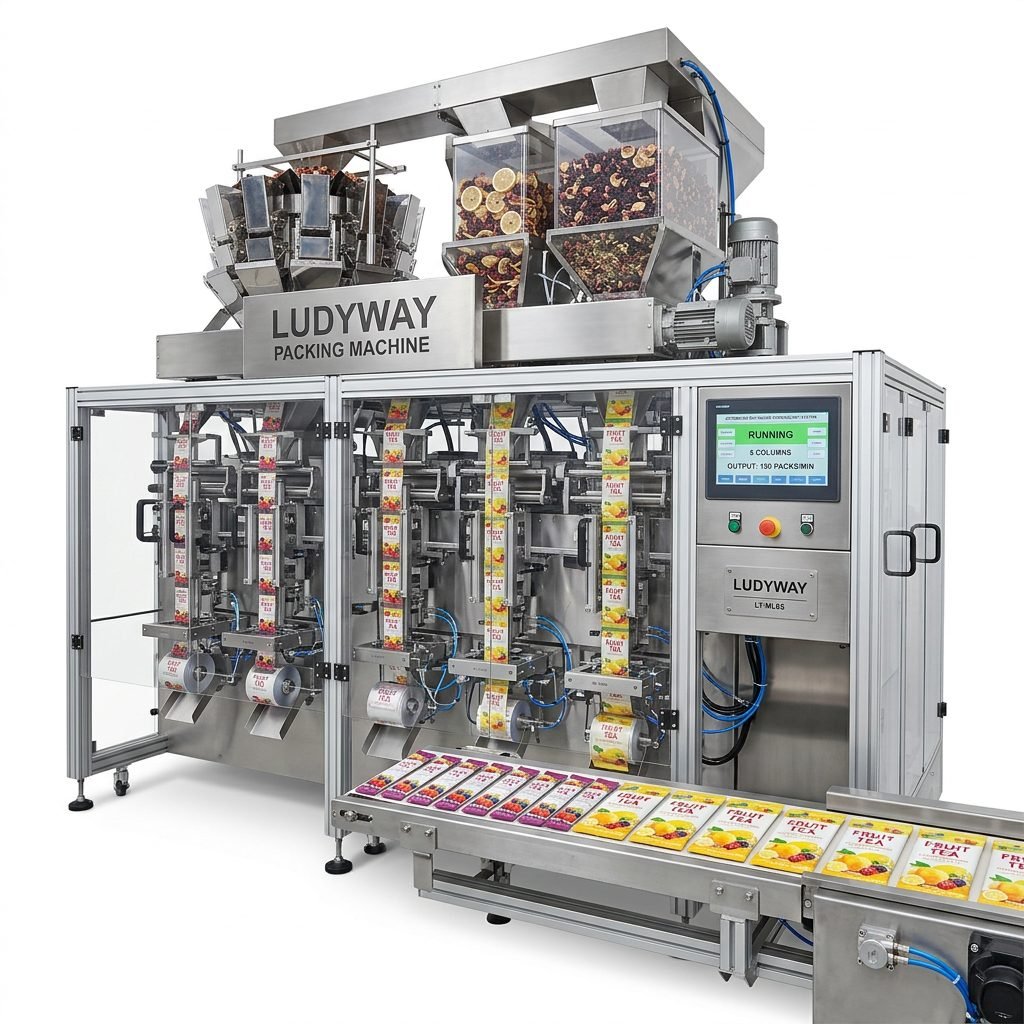
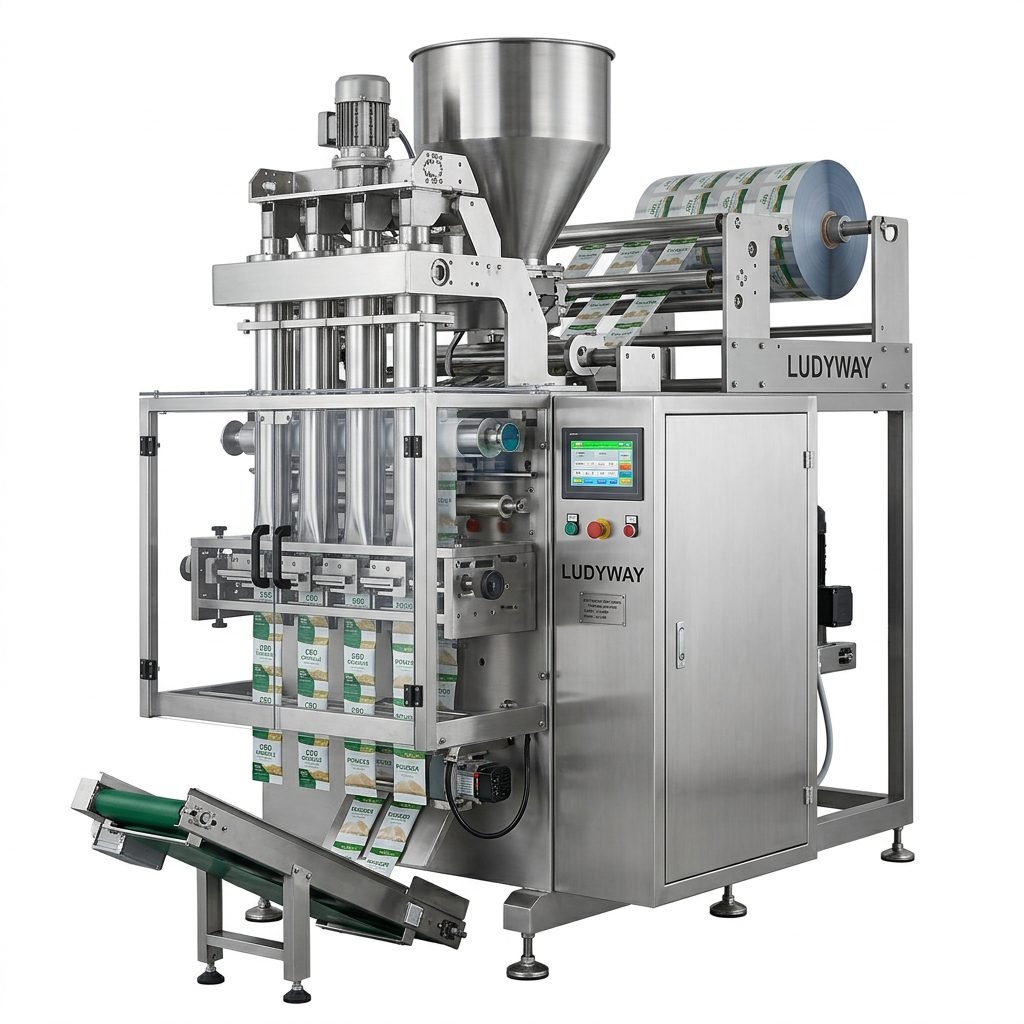
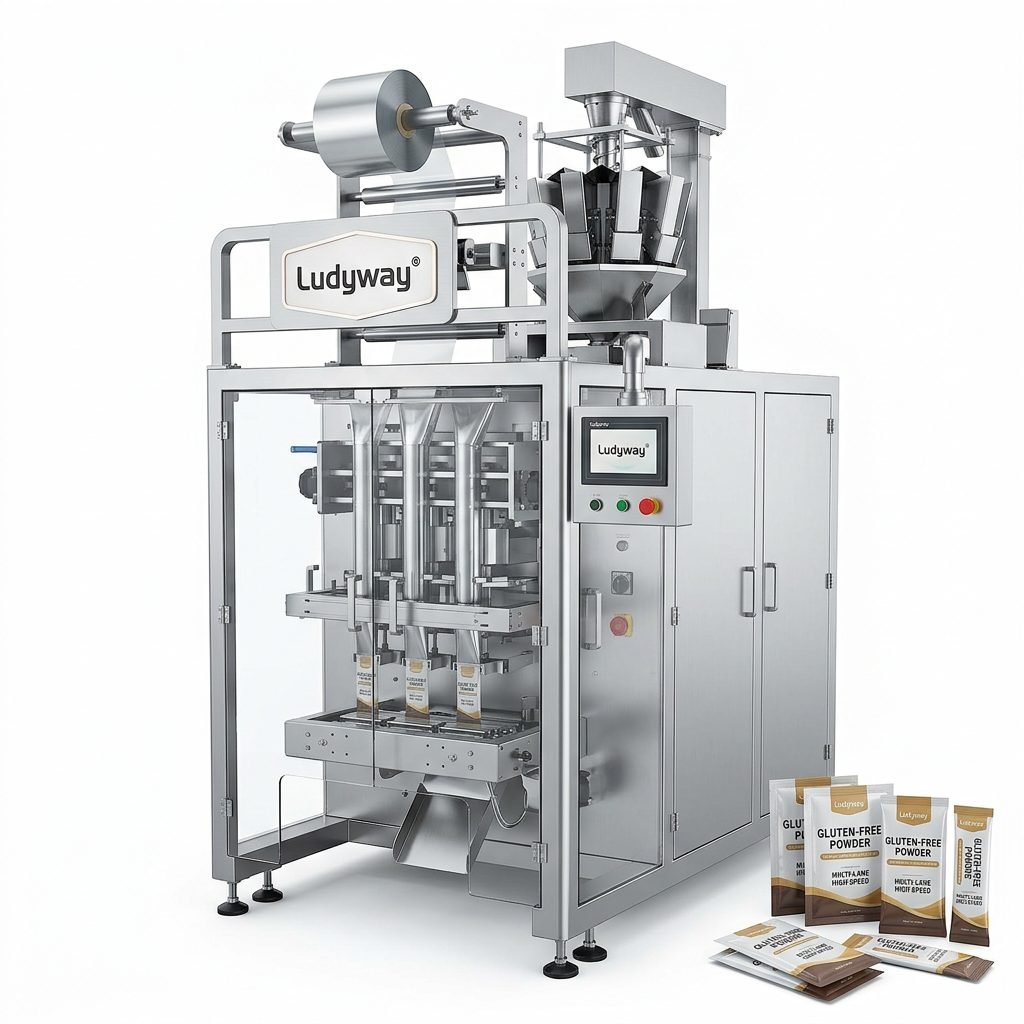
Stick packs are a dominant format for chewing gum, offering portability, portion control, and a sleek, modern look. Stick pack machines are designed to form, fill, and seal individual stick-shaped pouches from a roll of film at high speeds. They are ideal for single-serve gum pieces or strips. Modern multi-lane stick pack machines can produce dozens of sticks simultaneously, making them perfect for high-volume production lines.
2. Sachet (Pouch) Packaging Machines
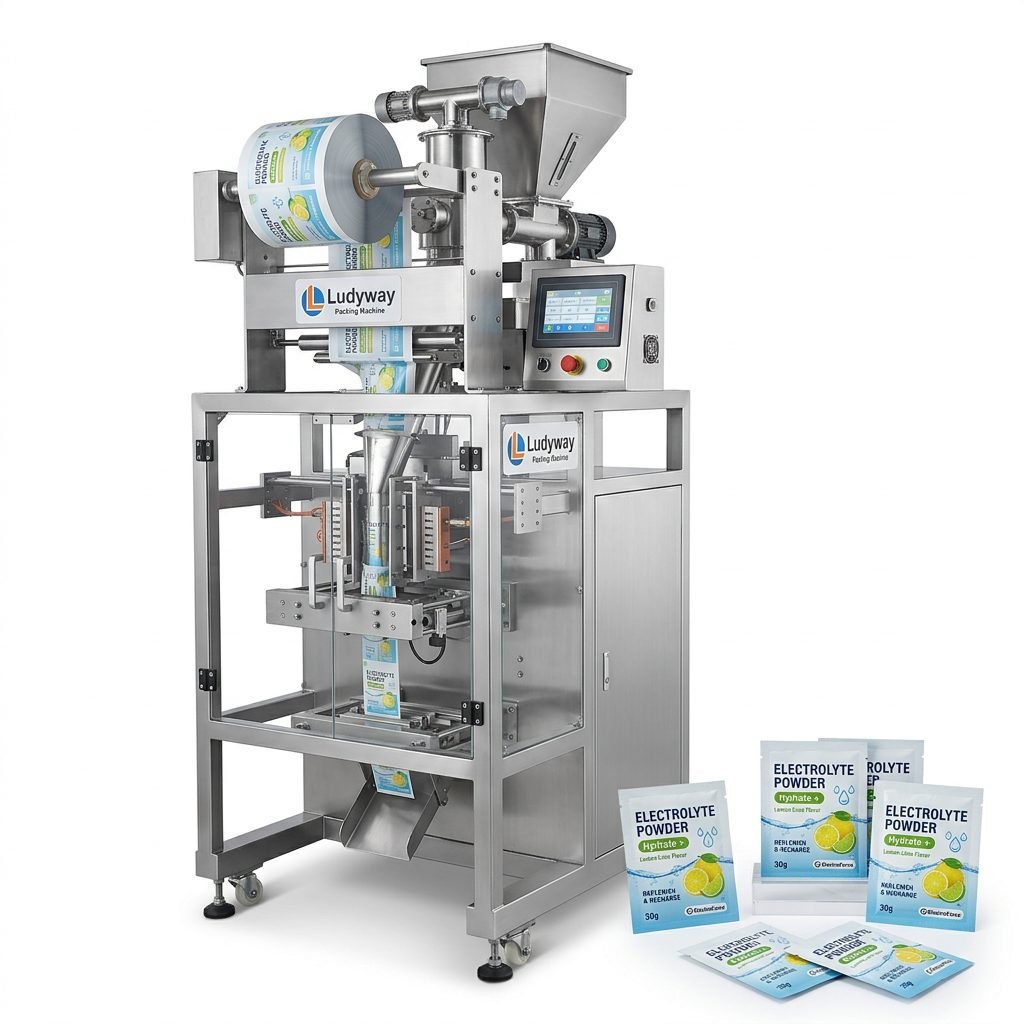
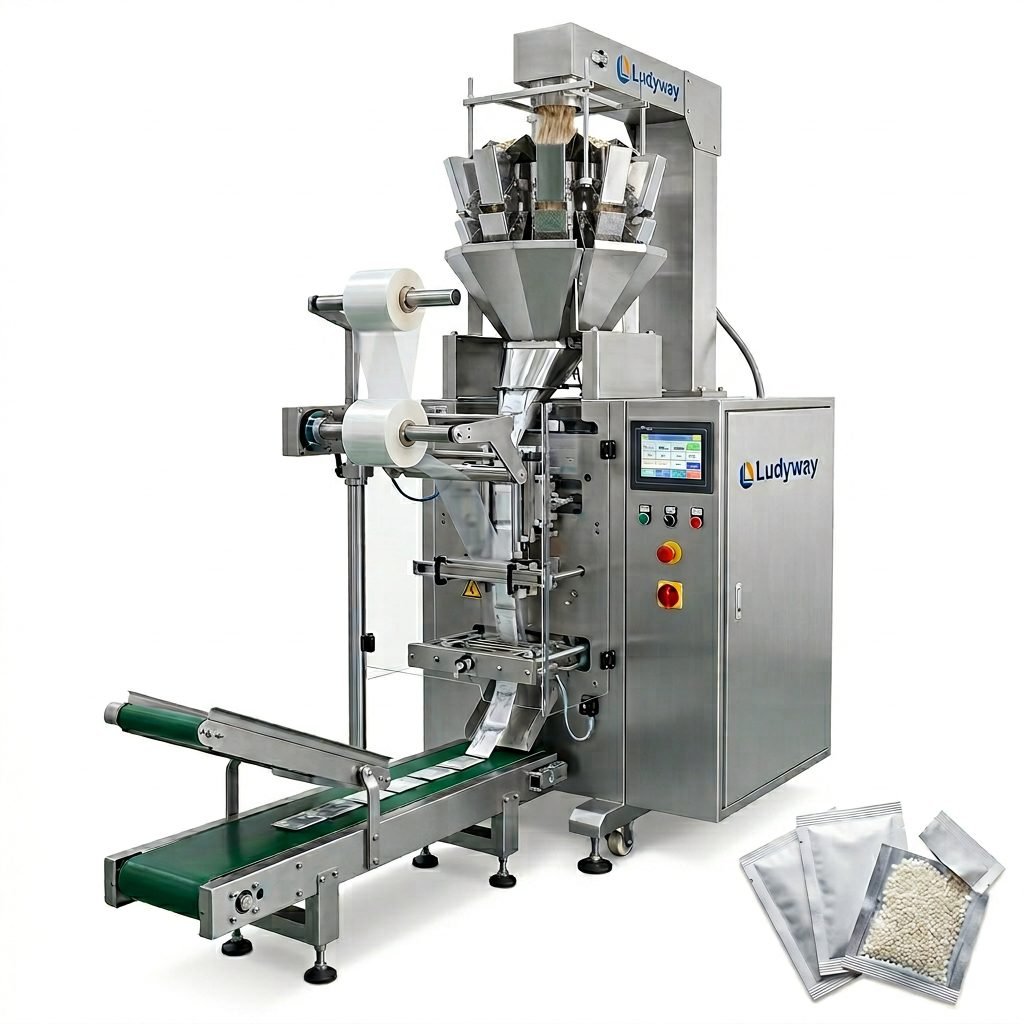
These machines create small, flat pouches or sachets, which are commonly used for packaging multiple pieces of gum, bubble gum balls, or powdered gum products. Sachet packaging offers excellent graphic display space for branding. Machines range from simple vertical form-fill-seal (VFFS) units for standard three- or four-side sealed pouches to more complex systems that can include features like zippers for re-closability or tear-notches for easy opening.
3. Blister Packaging Machines
Blister packs provide superior product protection and a premium, pharmacy-like presentation. A blister machine forms a plastic cavity (blister) around the gum product and seals it to a cardboard or foil backing. This format is excellent for sugar-free gums, medicated chewing gums, or products where hygiene and tamper-evidence are top priorities. It’s often used in combination with cartoning equipment for final retail boxing.
4. Flow Wrap Machines
Also known as fin-seal wrappers, these machines are typically used for wrapping already grouped gum pieces—like a pack of five sticks or a slab of bubble gum—in a single, sealed wrapper. The product is fed into the machine, which wraps it in a film that is sealed with a longitudinal fin seal and two end seals. This is a classic, cost-effective method for secondary packaging of multiple units.
Key Features to Evaluate in a Gum Packaging Machine
Beyond the basic type, several features differentiate machines and determine their suitability for your operation.
🔍 Production Speed & Output
Measured in packs per minute (PPM), this is a fundamental specification. Match the machine’s maximum speed with your current and projected future output requirements. A high-speed 200 PPM stick pack machine might be overkill for a small artisan brand but essential for a large-scale contract manufacturer.
🛠️ Flexibility & Changeover
Can the machine handle different gum sizes, shapes, and packaging formats? Quick-change parts and tool-less adjustments significantly reduce downtime when switching products. Look for machines with digital settings memory to recall parameters for different SKUs instantly.
⚙️ Automation Level & Integration
Consider the machine’s place in your line. Does it require manual feeding, or can it be integrated with upstream equipment like counting scales or downstream systems like cartoners? Features like automatic film splicing, fault detection with auto-stop, and PLC control with touchscreen HMI enhance efficiency and reduce labor.
🛡️ Construction & Hygiene
For food-grade products like gum, machine construction is vital. Stainless steel contact parts are standard for cleanability and corrosion resistance. Look for designs with smooth surfaces, minimal crevices, and compliance with relevant food safety standards (e.g., FDA, CE).
How to Choose the Best Gum Packaging Machine for Your Production
Making the final decision requires a holistic view of your business and technical requirements.
Step 1: Define Your Product and Packaging Specifications
Be precise about your gum product (size, weight, shape, stickiness) and your desired packaging (film type, pouch dimensions, seal type, printing requirements). Create physical samples or mock-ups. This information is non-negotiable for machine suppliers to provide an accurate quote and machine recommendation.
Step 2: Assess Your Production Volume and Growth Plans
Are you a startup needing 50 packs per minute or an established brand needing 500? Buying a machine that is at 80% of its capacity is often wiser than maxing out a smaller machine, as it allows for growth and reduces wear. Consider multi-lane machines for high-volume stick or sachet production, as they multiply output without doubling the footprint.
Step 3: Evaluate Total Cost of Ownership (TCO)
Look beyond the initial purchase price. Factor in:
• Operating Costs: Film waste rates, energy consumption, required operator skill level.
• Maintenance: Availability and cost of spare parts, ease of routine servicing.
• Support: Quality of installation, training, and after-sales technical support from the supplier.
Partnering with an experienced supplier like Ludyway Machinery, which offers comprehensive turnkey solutions and reliable support, can minimize long-term operational risks and hidden costs.
Step 4: Prioritize Ease of Use and Service Support
A user-friendly interface reduces training time and operator error. Ensure the supplier provides thorough training and has a proven track record of responsive technical support. Check if they offer remote diagnostics and local service engineers to minimize potential downtime.
Step 5: Request a Live or Video Performance Test
Always ask for a product-specific test run using your actual gum and packaging materials (or close equivalents). This is the only way to verify the machine’s performance, seal integrity, and final package appearance before committing to the purchase.
Common Questions About Gum Packaging Machines
What is the typical lifespan of a gum packaging machine?
With proper maintenance and operation, a well-built gum packaging machine from a reputable manufacturer can last 10 to 15 years or more. Key factors include construction quality, duty cycle, and adherence to preventive maintenance schedules.
Can one machine handle different gum shapes and packaging styles?
Some machines offer high flexibility with quick-change parts for different pouch sizes or formats. However, switching between vastly different formats (e.g., from stick packs to blister packs) typically requires completely different machines. Discuss your product range with the supplier to find the best compromise between flexibility and specialization.
How important is the choice of packaging film?
Extremely important. The film must have the right barrier properties (e.g., moisture, aroma), sealability, machinability, and stiffness. Your machine supplier should work with you or your film converter to recommend the optimal material that runs reliably on their equipment and protects your product.
What are the key maintenance routines?
Daily cleaning, lubrication of moving parts as specified, and inspection of sealing jaws and cutting blades are essential. Regular checks of electrical components and pneumatic systems (filters, lubricators) are also crucial to prevent unexpected breakdowns.
What training is usually provided with a new machine?
A reputable supplier should provide on-site installation, commissioning, and comprehensive training for your operators and maintenance technicians. This should cover machine operation, basic troubleshooting, routine maintenance, and safety procedures.