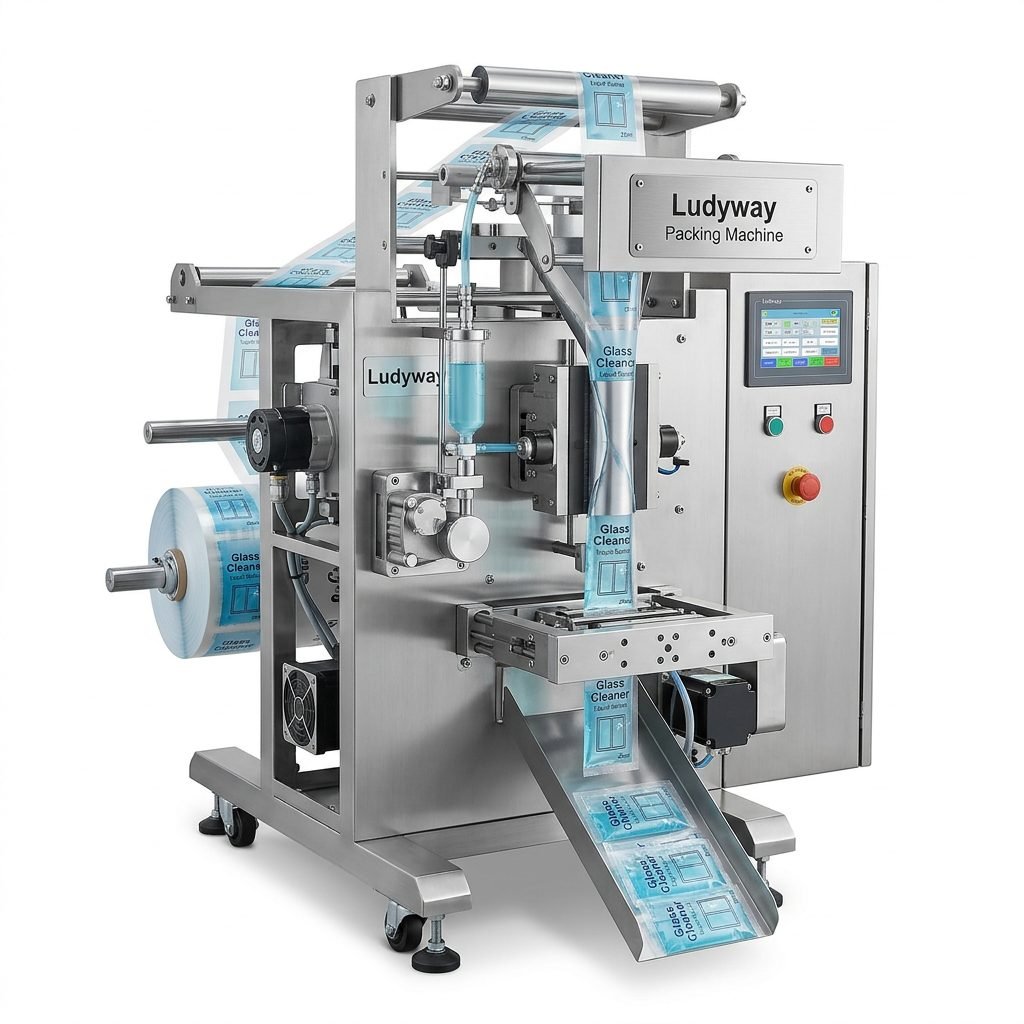
Medical packaging plays a critical role in protecting product safety, sterility, dosage accuracy, traceability, and compliance. Whether you package powders, granules, liquids, wipes, gloves, dressings, test kits, or single-use medical consumables, choosing the right machine can directly affect production efficiency, regulatory performance, and total operating cost.
This guide explains the main types of medical packaging machines, their core features, and the most practical factors buyers should evaluate before making an investment.
What Is a Medical Packaging Machine?
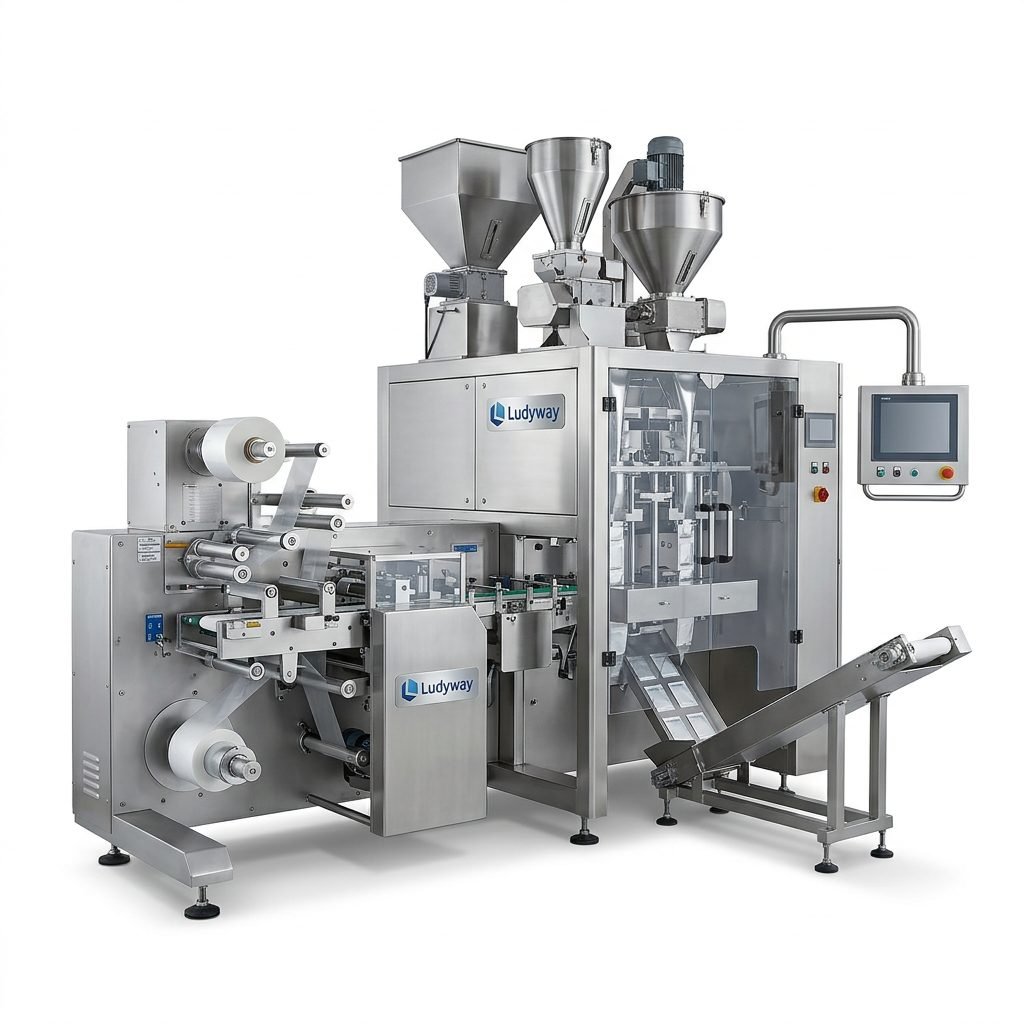
A medical packaging machine is specialized equipment used to fill, seal, wrap, label, count, cartone, or otherwise package medical and healthcare products in a controlled and repeatable way. These machines are designed to meet stricter hygiene and process standards than ordinary packaging equipment.
Depending on the application, the machine may be used for:
- Pharmaceutical powders and granules
- Oral liquids and unit-dose sachets
- Medical wipes and alcohol pads
- Bandages, dressings, and sterile consumables
- Diagnostic kits and test components
- Medical gloves, masks, and disposable products
Why the Right Medical Packaging Equipment Matters
In medical and pharmaceutical packaging, machine selection affects far more than speed. It also influences:
- Product safety through contamination control and secure sealing
- Dose consistency through accurate filling systems
- Compliance readiness through traceability, coding, and validation support
- Shelf life through barrier packaging and sealing integrity
- Operational efficiency through automation and reduced manual handling
Main Types of Medical Packaging Machines
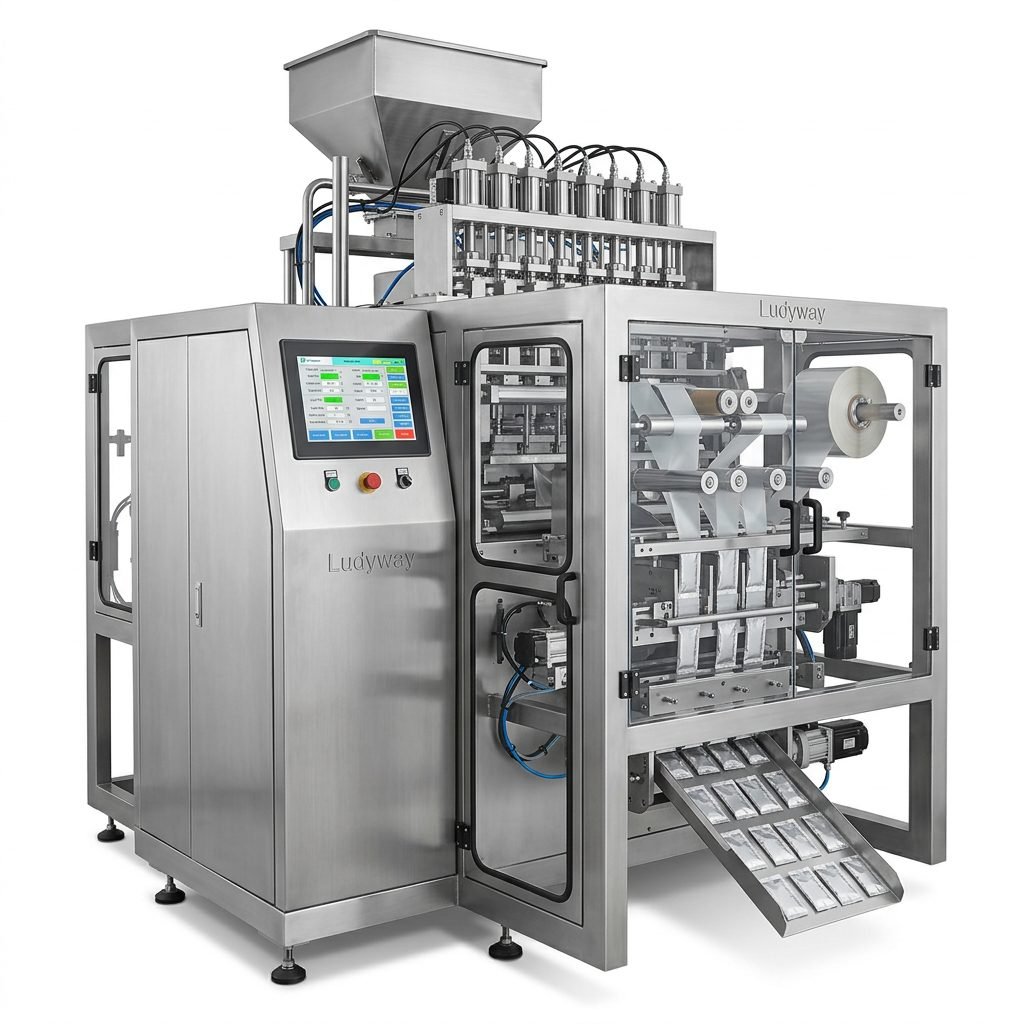
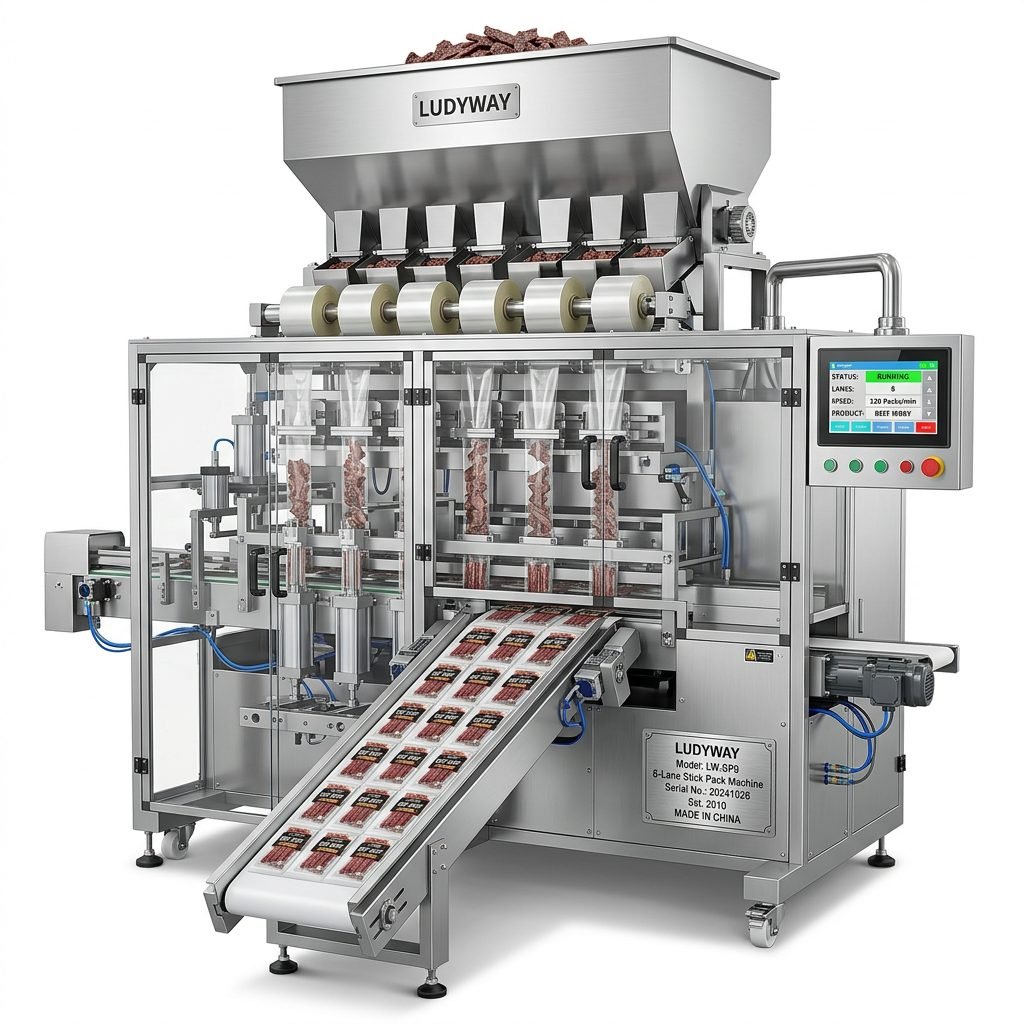
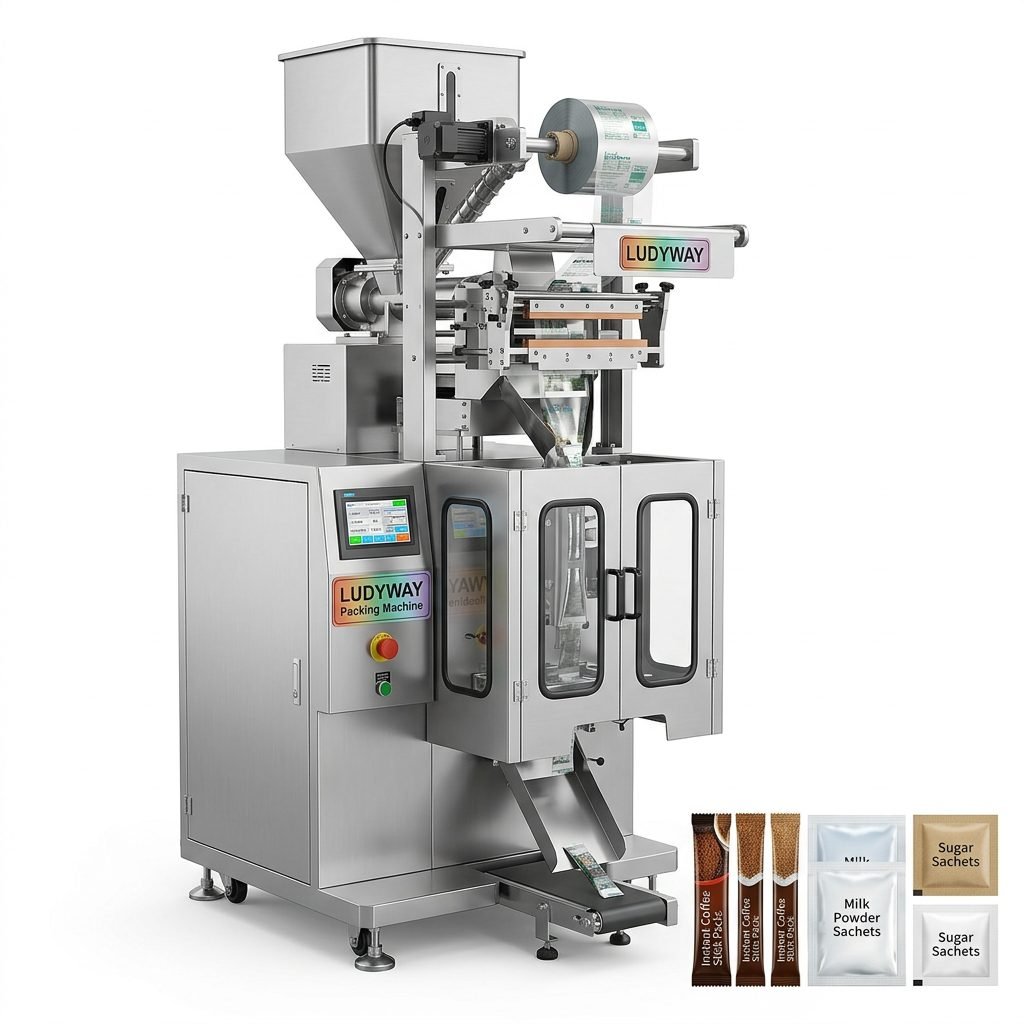
1. Sachet and Stick Pack Packaging Machines
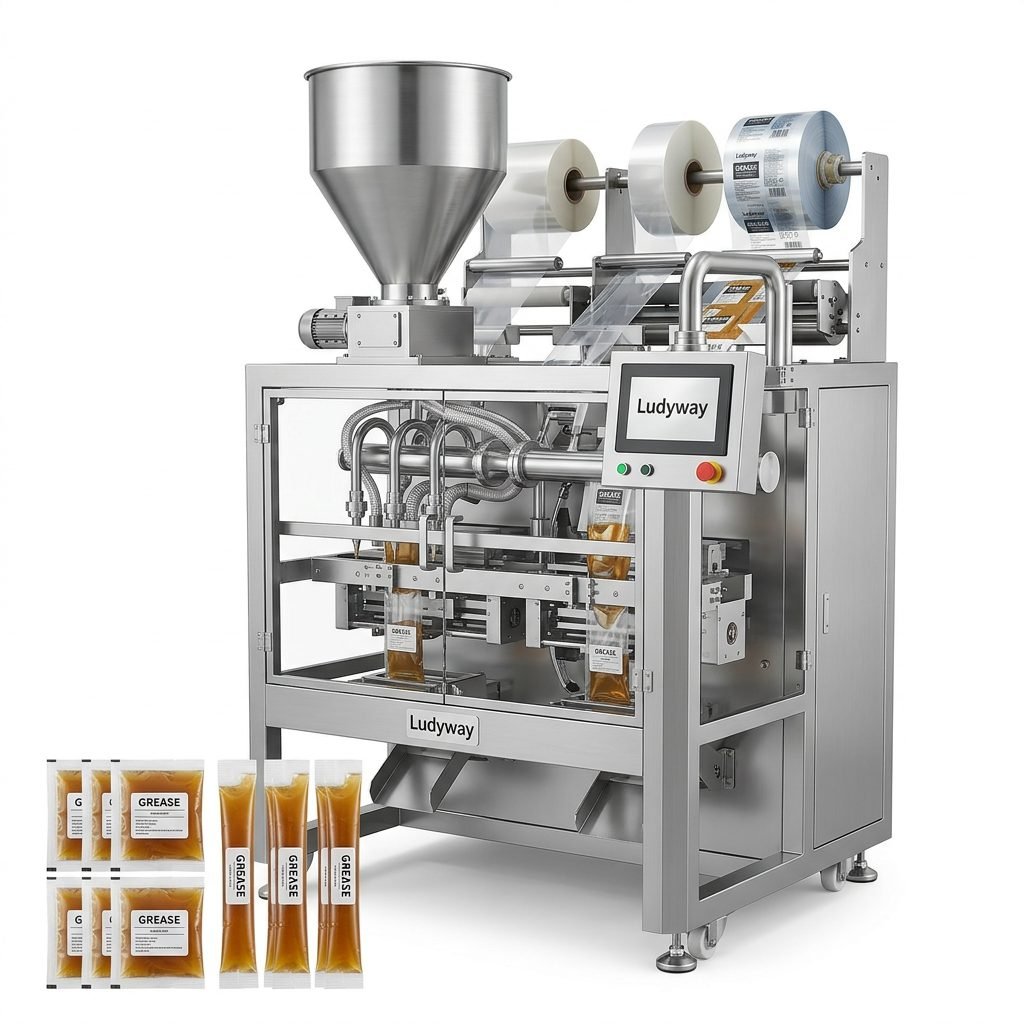
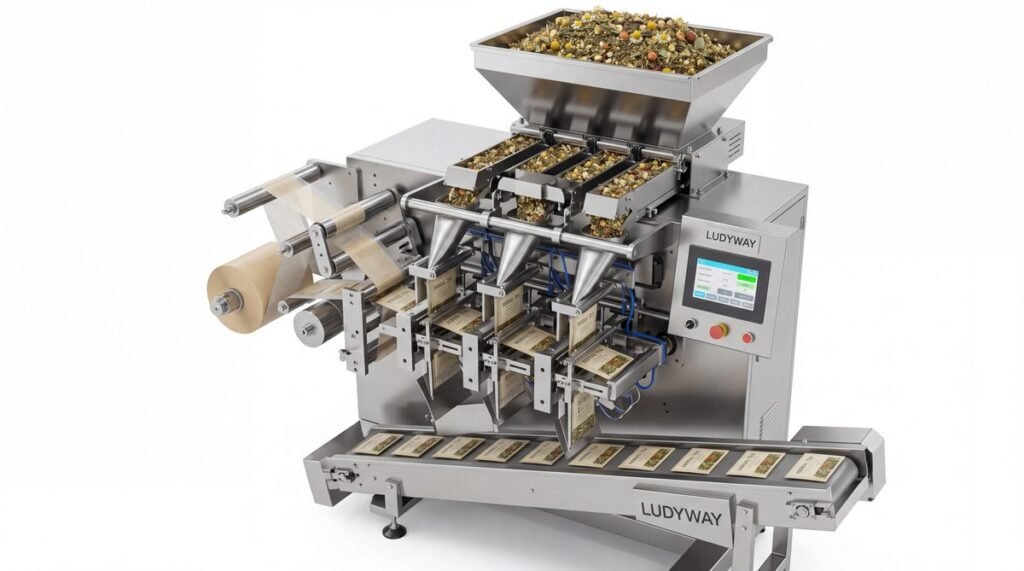
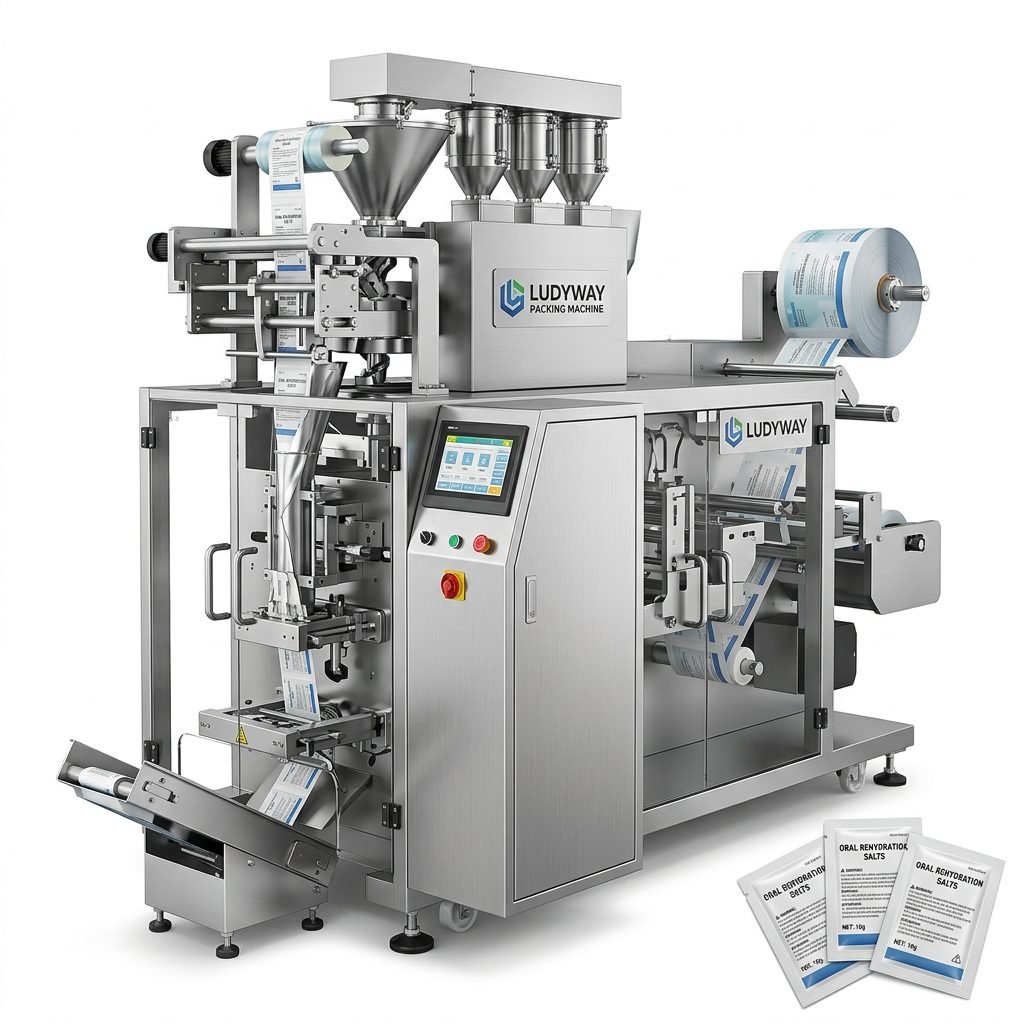
These machines are widely used for packaging pharmaceutical powders, oral rehydration salts, glucose powder, granules, diagnostic reagents, and some liquid or gel products in single-dose sachets or stick packs.
They are especially suitable for products that require precise dosage, compact packaging, and convenient unit use.
Typical applications:
- Cold medicine granules
- Electrolyte or glucose powder
- Health supplement powders
- Topical gel sachets
- Medical disinfectant sachets
2. Blister Packaging Machines
Blister machines are commonly used for tablets, capsules, lozenges, and some small medical devices. They form cavities, place products into the pockets, and seal them with foil or lidding material.
This format offers strong protection, dose separation, and excellent product visibility.
3. Pouch Packaging Machines
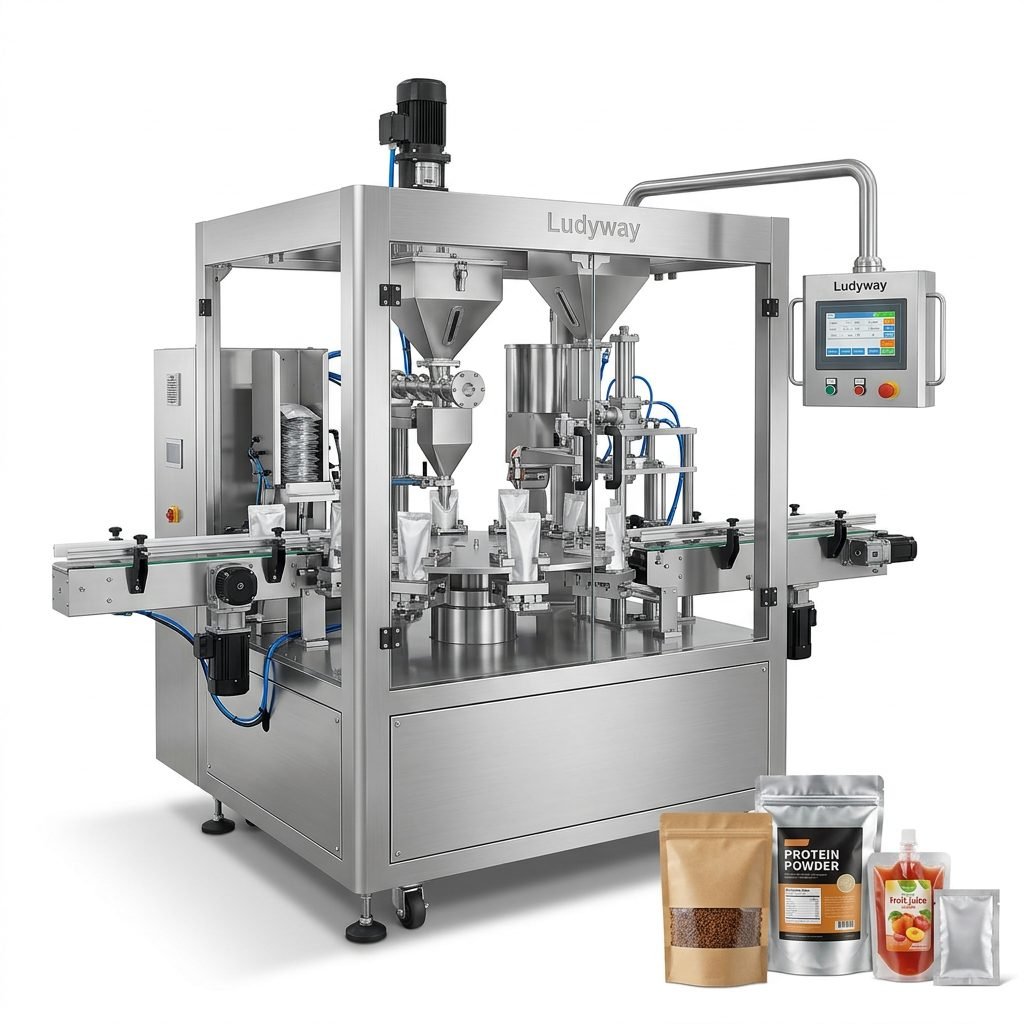
Premade pouch or form-fill-seal pouch machines are used for a broad range of medical and healthcare products, including powders, liquids, wipes, and specialty consumables. Pouch systems are often chosen when larger volumes or premium barrier structures are required.
4. Liquid Filling and Sealing Machines
These machines package syrups, oral liquids, disinfectant liquids, gels, and other flowable medical products into bottles, vials, sachets, ampoules, or pouches. The filling system may use piston, pump, peristaltic, or servo-controlled technology depending on viscosity and dosing precision.
5. Flow Wrapping and Sterile Product Packaging Machines
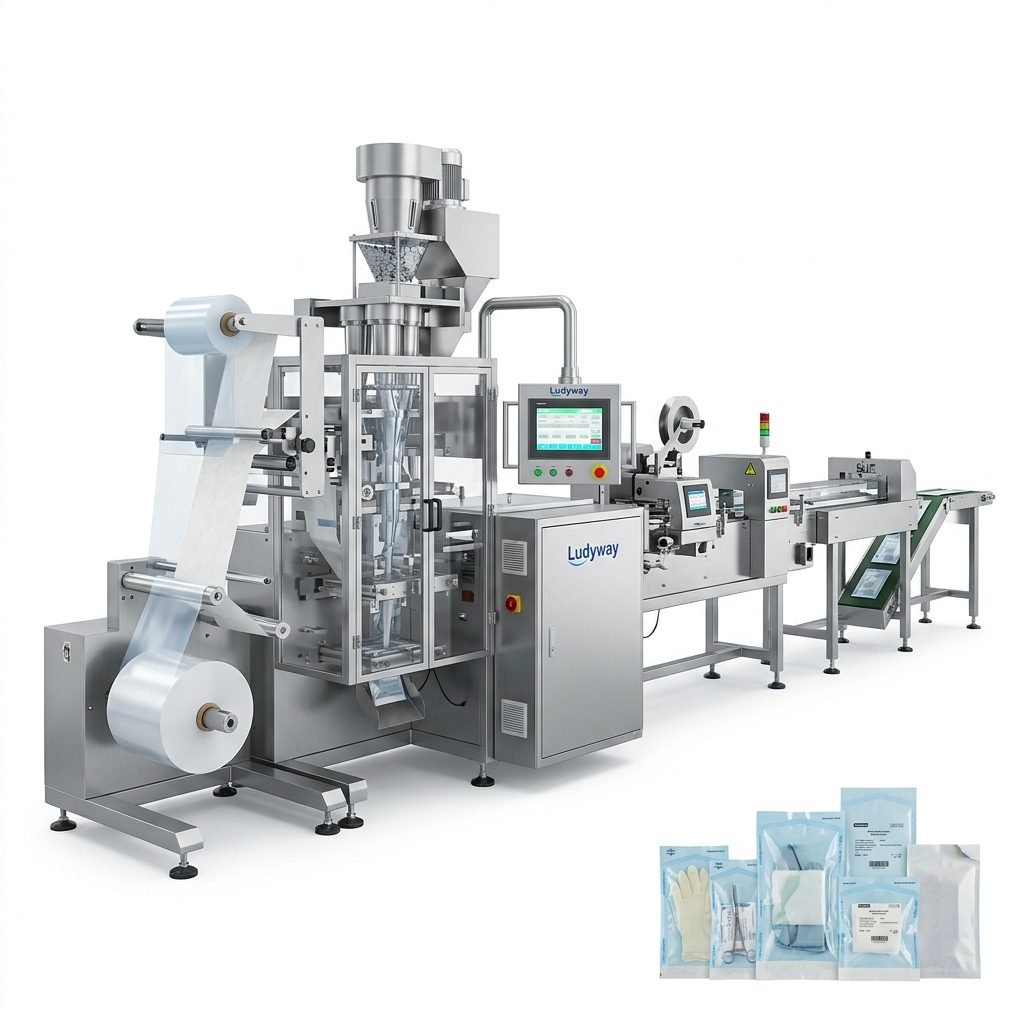
Flow wrappers and sterile barrier packaging systems are used for items such as bandages, masks, dressings, wipes, and disposable medical devices. Their job is to protect the product while ensuring seal integrity and packaging consistency.
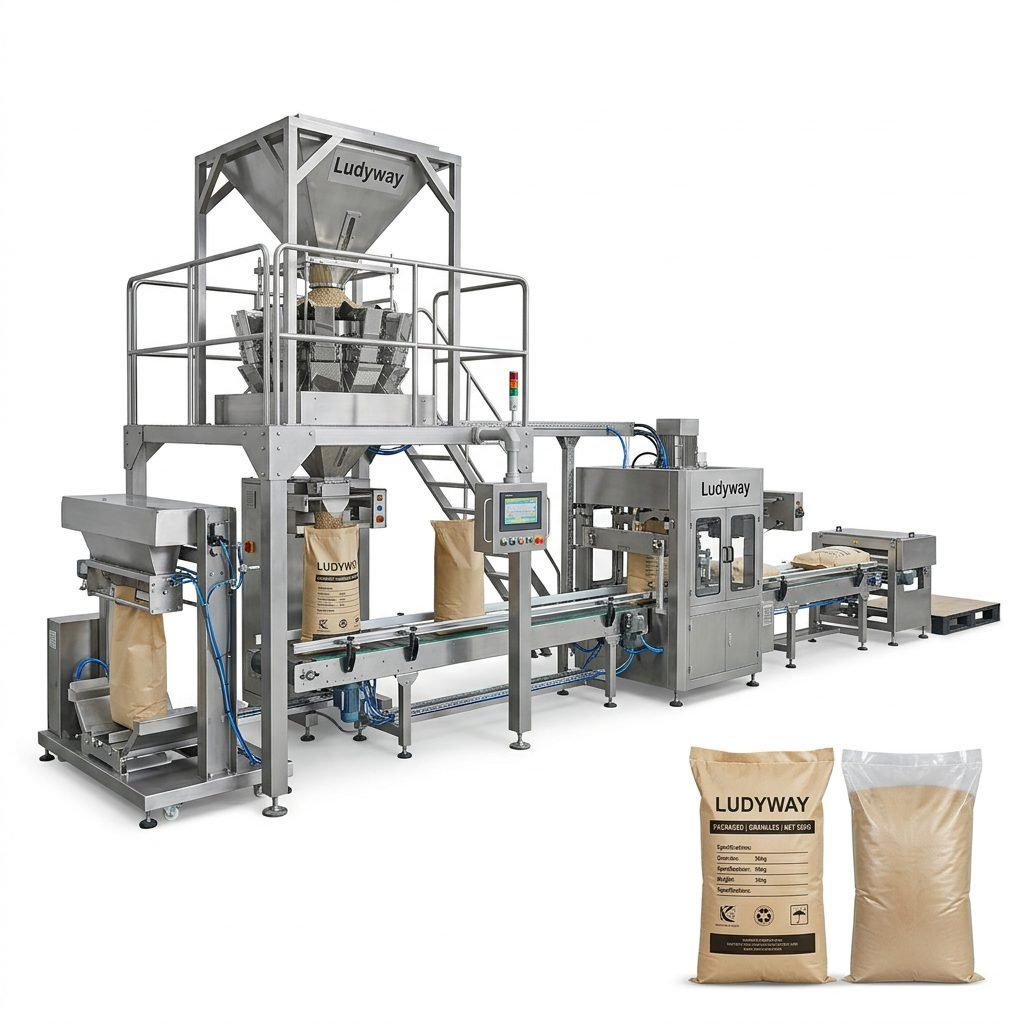
6. Cartoning, Labeling, Coding, and End-of-Line Systems
A complete medical packaging process often requires more than primary packaging. Secondary and end-of-line systems may include:
- Cartoners
- Case packers
- Checkweighers
- Metal detectors or inspection systems
- Batch coding and serialization equipment
- Palletizing systems
Key Features to Look For in a Medical Packaging Machine
Accurate Filling Performance
Medical products often require tight tolerance control. A suitable machine should provide stable and repeatable filling accuracy for the product form being processed, whether powder, granule, liquid, or gel.
Reliable Sealing Quality
Seal consistency is essential for protecting the product from moisture, oxygen, contamination, and leakage. Poor sealing can lead to rejected batches, recalls, and shelf-life problems.
Cleanable Hygienic Structure
The machine should be designed for hygienic production, with smooth contact surfaces, easy cleaning access, and material compatibility suitable for medical or pharmaceutical environments.
Traceability and Coding Compatibility
Modern medical packaging increasingly requires batch coding, date printing, serialization, and data integration. Machines that support coding devices and inspection systems can improve compliance management.
Flexible Format Changeover
If you package multiple SKUs, dosage sizes, or pouch dimensions, fast changeover becomes a major productivity advantage. Modular tooling and user-friendly HMI control help reduce downtime.
Stable Automation and Integration
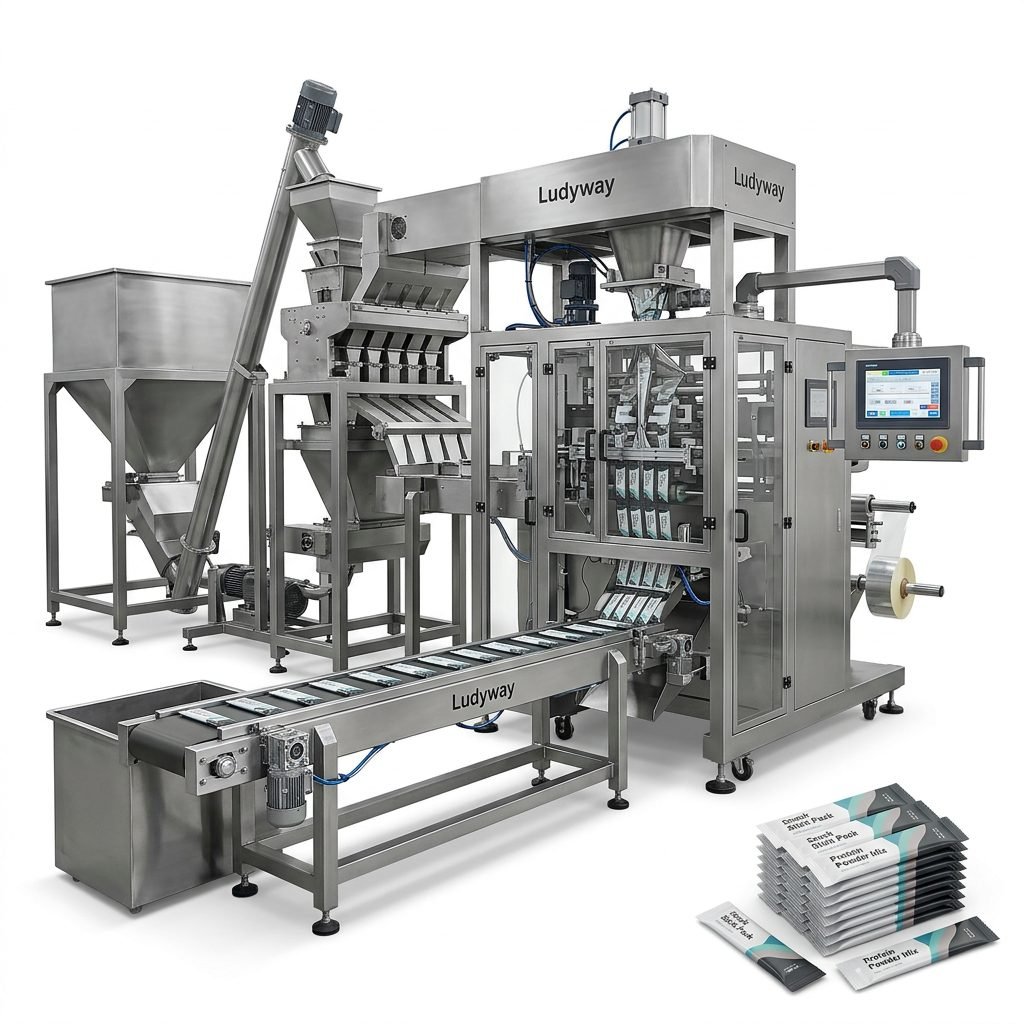
Many manufacturers no longer buy standalone equipment only. They want an integrated line that connects feeding, filling, sealing, inspection, cartoning, and case packing. This improves consistency and lowers labor dependence.
Comparison of Common Medical Packaging Machine Types
| Machine Type | Best For | Main Advantage | Typical Output Style |
|---|---|---|---|
| Sachet / Stick Pack Machine | Powders, granules, oral liquids, gels | Unit-dose convenience and high efficiency | Small single-use packs |
| Blister Packaging Machine | Tablets, capsules, small devices | Excellent protection and dose separation | Blister cards |
| Liquid Filling Machine | Syrups, disinfectants, oral liquids | Precise liquid dosing | Bottles, vials, sachets |
| Sterile Product Wrapper | Dressings, gloves, masks, wipes | Protective sealing and hygienic handling | Pouches, wraps, packs |
| Cartoning / End-of-Line System | Secondary packaging | Automation and logistics efficiency | Cartons, cases, pallets |
How to Choose the Right Medical Packaging Machine
1. Start with Product Type
The first question is simple: what exactly are you packaging? Powder, granule, liquid, wipe, tablet, diagnostic component, or sterile device all require different handling technologies.
2. Define the Required Packaging Format
Choose the package style based on your distribution channel, dosing needs, user convenience, and compliance requirements. Common medical formats include:
- Sachets
- Stick packs
- Blisters
- Bottles
- Pouches
- Sterile barrier packs
3. Evaluate Output Requirements
If your production is growing, low-speed equipment may quickly become a bottleneck. Buyers should assess:
- Current daily output
- Projected future demand
- Shift patterns
- Peak seasonal requirements
4. Review Regulatory and Validation Needs
Medical packaging equipment should align with your market and facility requirements. This may include material traceability, documentation support, IQ/OQ assistance, cleanroom compatibility, and inspection integration.
5. Consider Material Compatibility
Different packaging films, foils, laminates, and sterile materials require different sealing and handling performance. A machine should be matched not only to the product, but also to the packaging material structure.
6. Think Beyond the Single Machine
Many companies benefit more from a connected line than from isolated equipment. Feeding, filling, sealing, coding, checking, cartoning, and case packing should work together smoothly to reduce operator intervention and improve line efficiency.
7. Assess Supplier Experience
The supplier’s engineering capability, export experience, customization ability, and after-sales support matter as much as the equipment itself. For example, Ludyway medical packaging machine solutions are backed by more than 30 years of manufacturing experience, a factory of over 20,000 square meters, and broad turnkey line capability for pharmaceutical and related industries.
Questions Buyers Should Ask Before Purchasing
- What products and package sizes can the machine handle?
- What filling accuracy can be achieved in real production?
- How easy is cleaning, maintenance, and changeover?
- Can the machine integrate with coding, inspection, and cartoning systems?
- What documentation and qualification support are available?
- Is customization possible for future SKUs?
- What spare parts and technical service support are offered?
Common Mistakes to Avoid
- Choosing only by price and ignoring long-term operating stability
- Buying a machine with insufficient speed for expansion plans
- Overlooking packaging film compatibility and sealing tests
- Ignoring regulatory documentation needs until late in the project
- Selecting a standalone machine when a turnkey line is more efficient
Who Typically Needs Medical Packaging Machines?
These systems are commonly used by:
- Pharmaceutical manufacturers
- Nutraceutical and supplement brands
- Medical consumables producers
- Hospital supply contractors
- Diagnostic kit manufacturers
- Contract packaging companies
When Is a Turnkey Packaging Line the Better Choice?
A turnkey line is often the better investment when you need to scale output, reduce manual labor, standardize packaging quality, and simplify project management. Instead of sourcing each machine from different vendors, a complete line can provide better integration and more consistent operating logic.
A turnkey line is especially useful when you need:
- Primary and secondary packaging in one workflow
- Higher automation with fewer operators
- Better data traceability and inspection points
- Faster installation and line coordination
- One supplier for technical communication and support
Final Buying Checklist
| Checklist Item | What to Confirm |
| Product Form | Powder, granule, liquid, gel, wipe, device, tablet, or consumable |
| Package Type | Sachet, stick pack, blister, bottle, pouch, or sterile pack |
| Capacity | Current output and future growth requirement |
| Accuracy | Filling tolerance and sealing consistency |
| Compliance | Documentation, coding, validation, inspection support |
| Integration | Can it connect with upstream and downstream equipment? |
| Supplier Strength | Experience, customization ability, service responsiveness, export track record |
Conclusion
The best medical packaging machine is not simply the fastest or cheapest model. It is the one that fits your product characteristics, packaging format, hygiene requirements, output target, and compliance expectations. By evaluating machine type, filling precision, sealing quality, integration ability, and supplier strength, buyers can make a more reliable long-term decision.
For manufacturers handling pharmaceutical powders, medical sachets, sterile supplies, oral liquids, or complete automated lines, a well-matched packaging solution can significantly improve safety, consistency, and production efficiency.