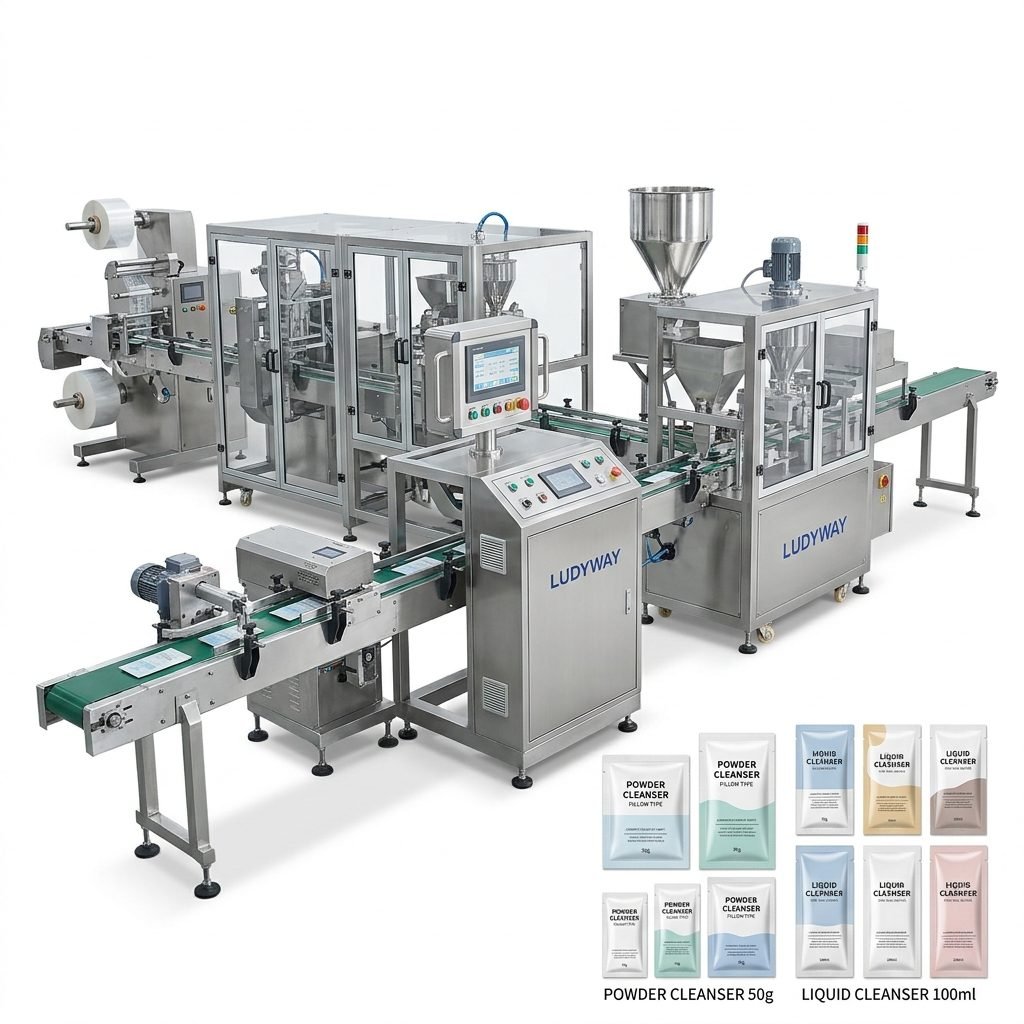
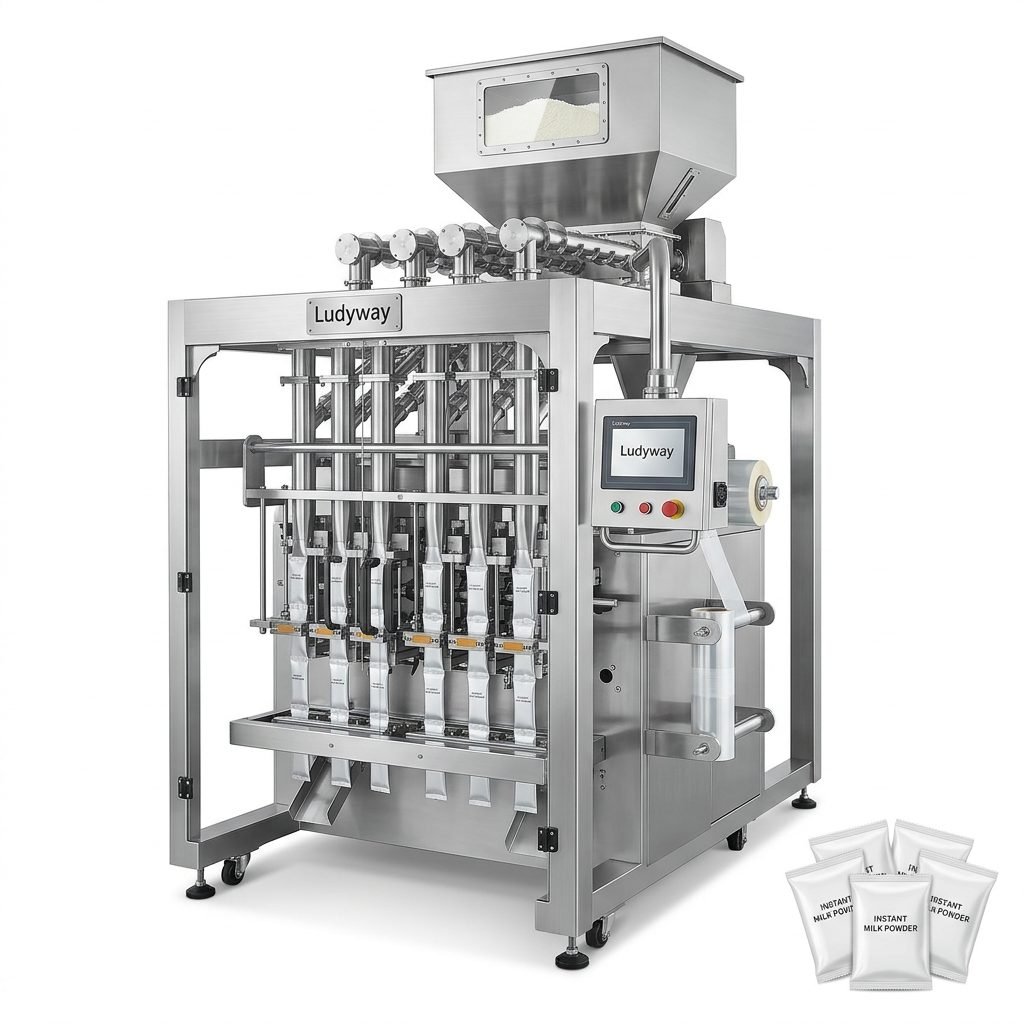
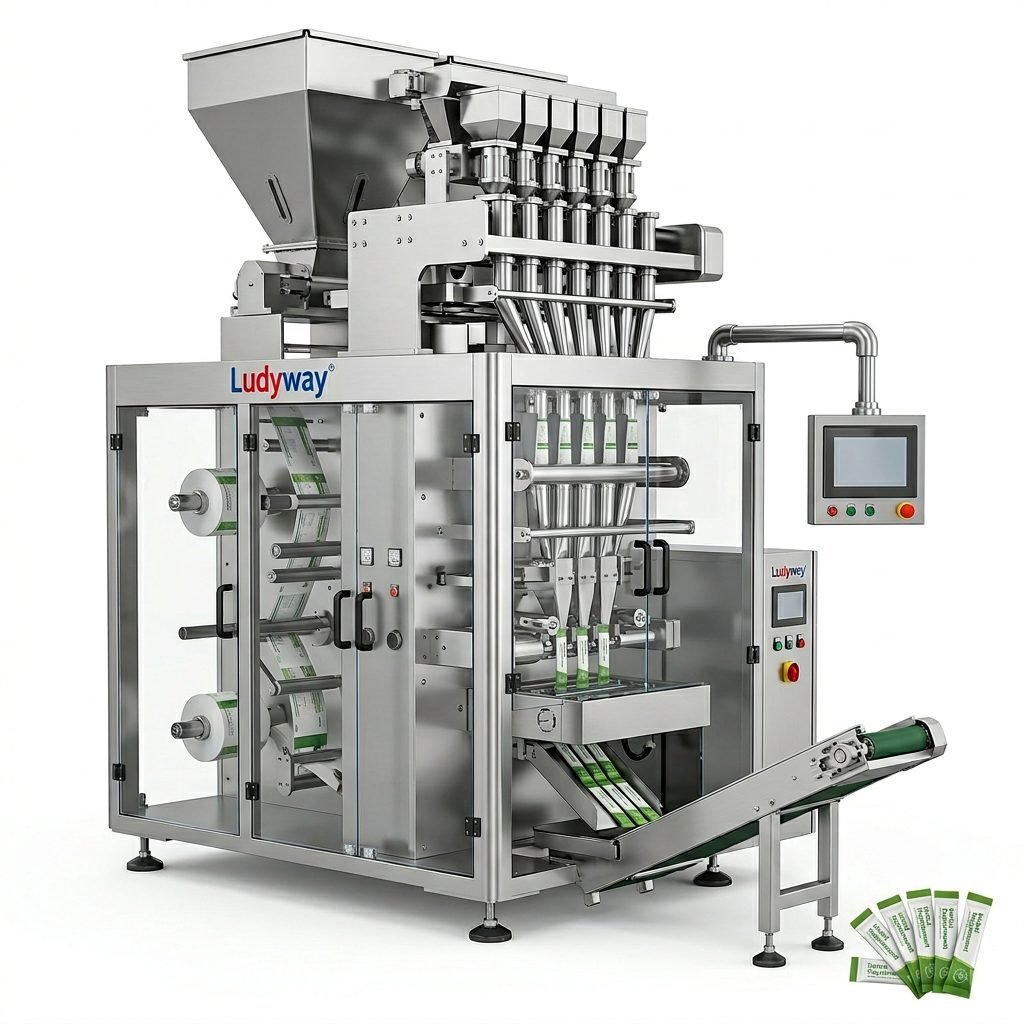
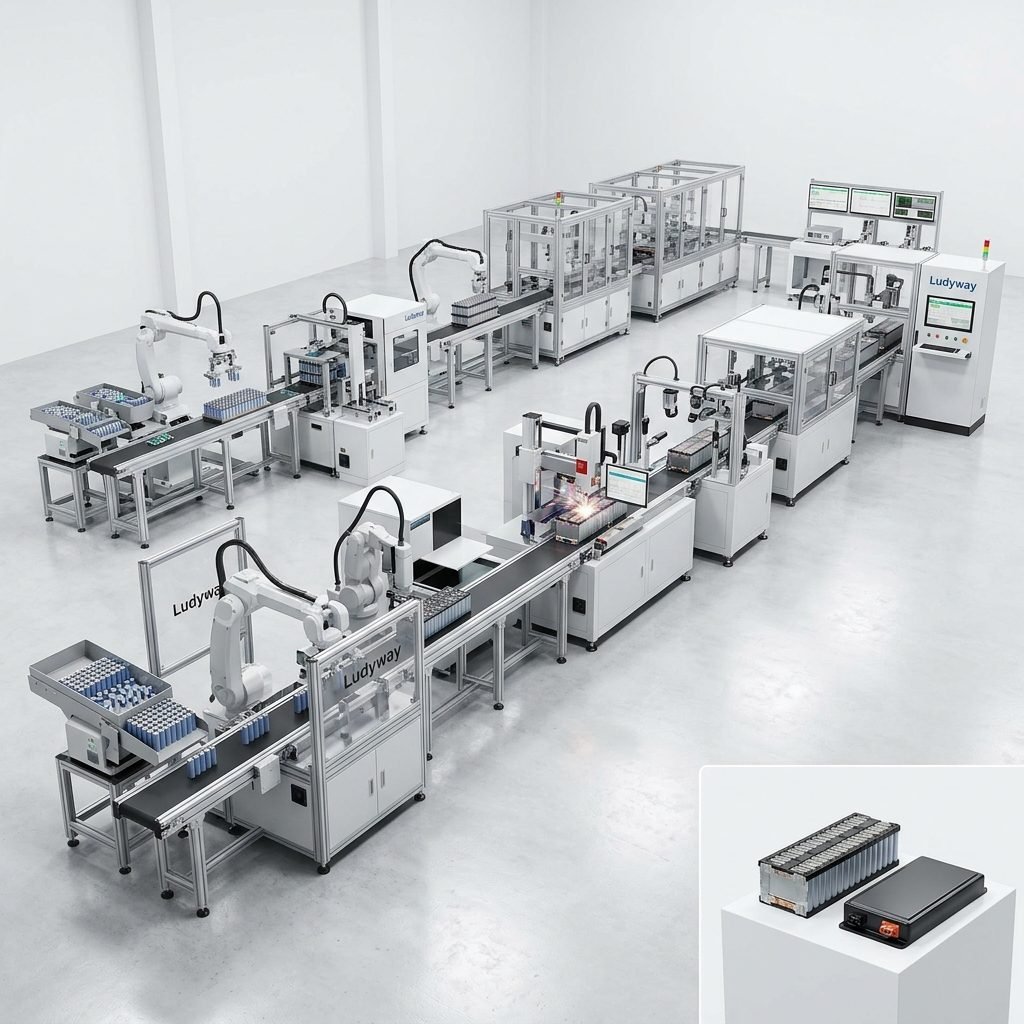
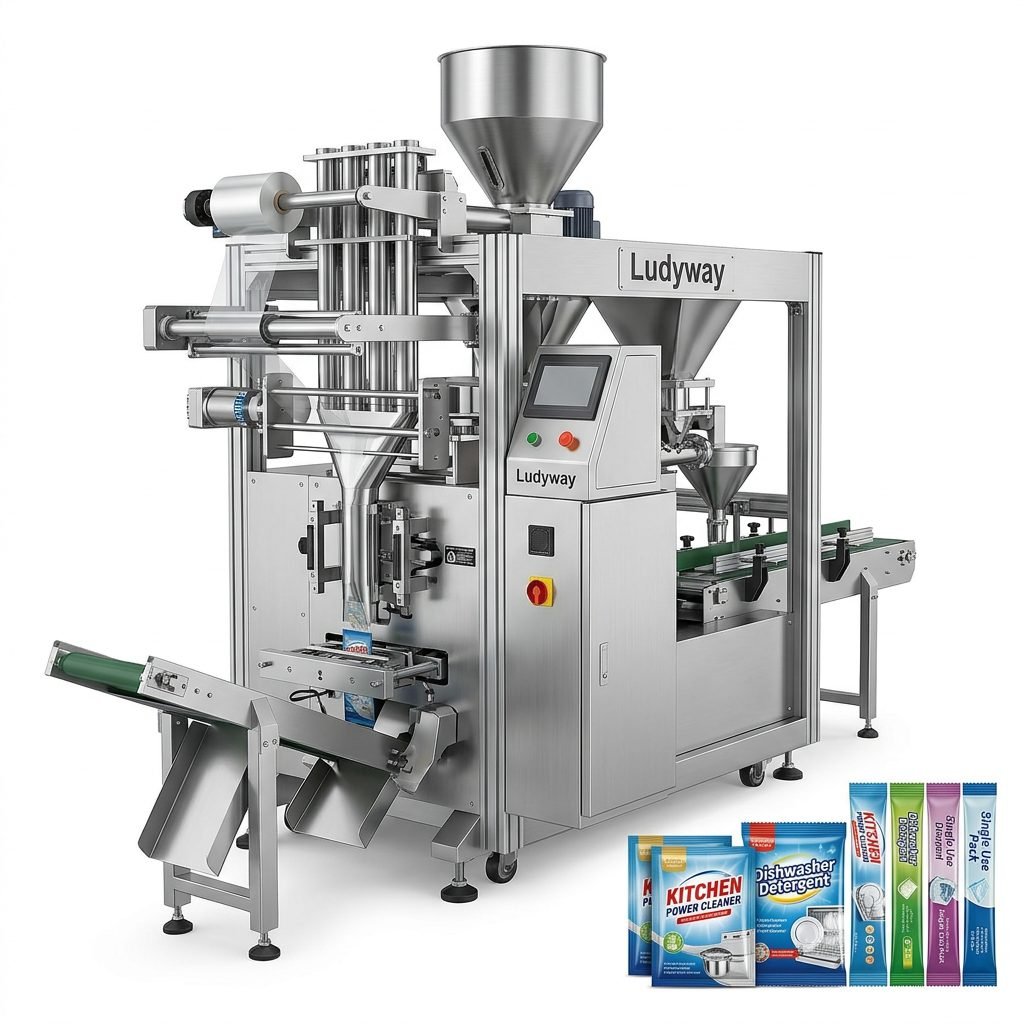
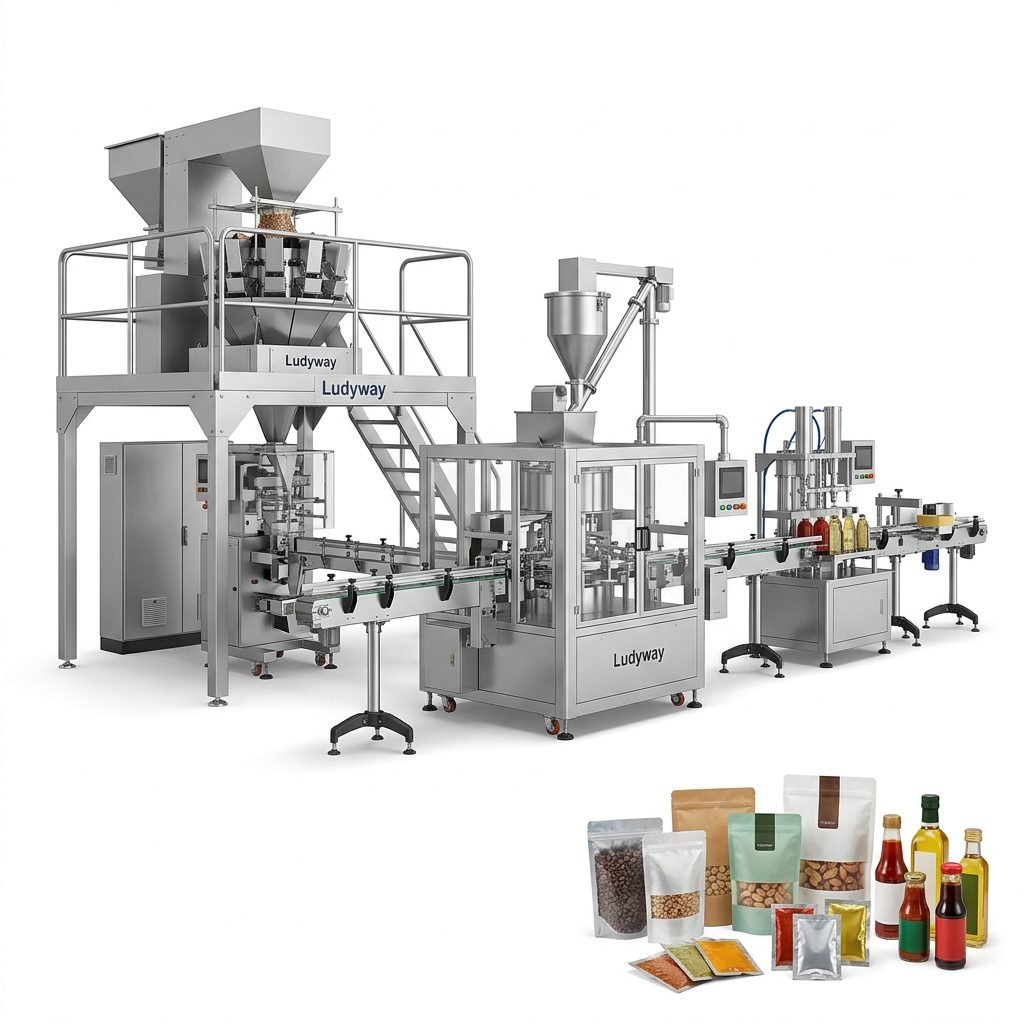
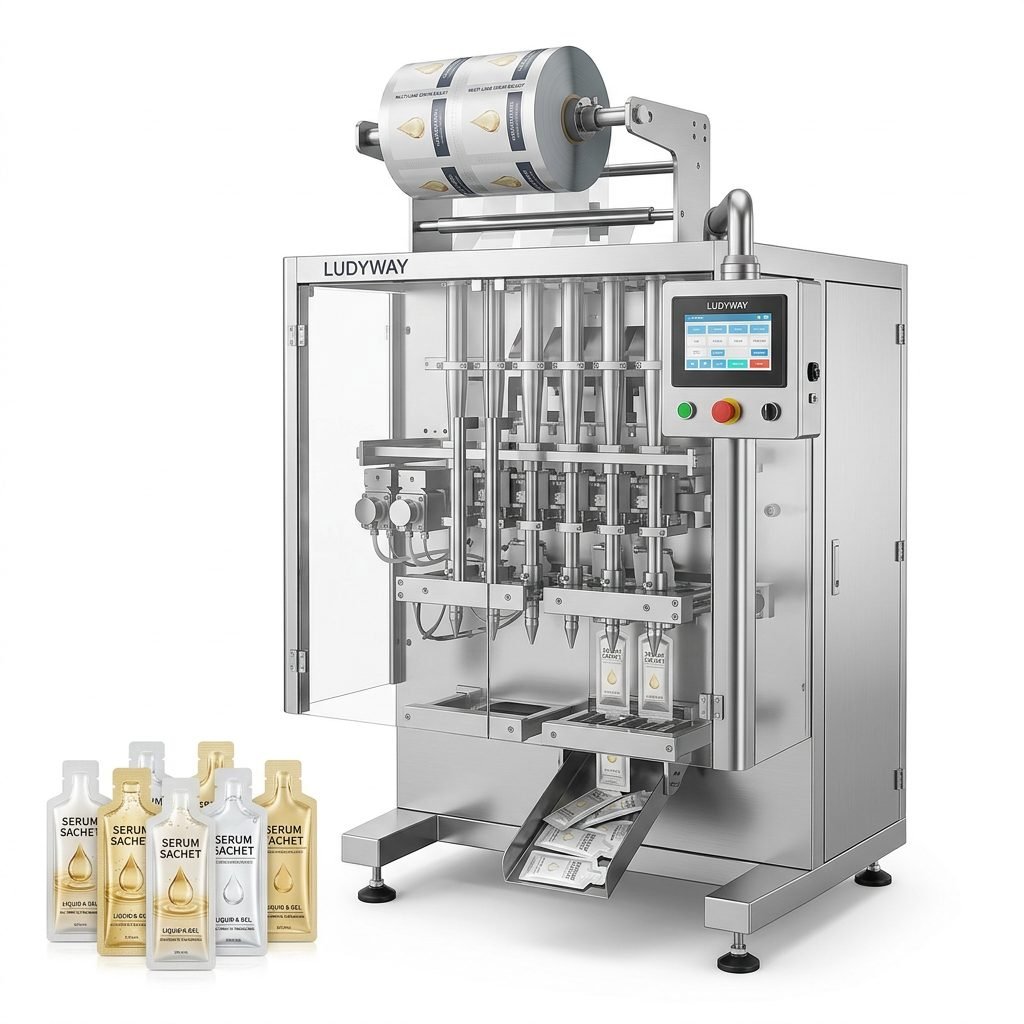
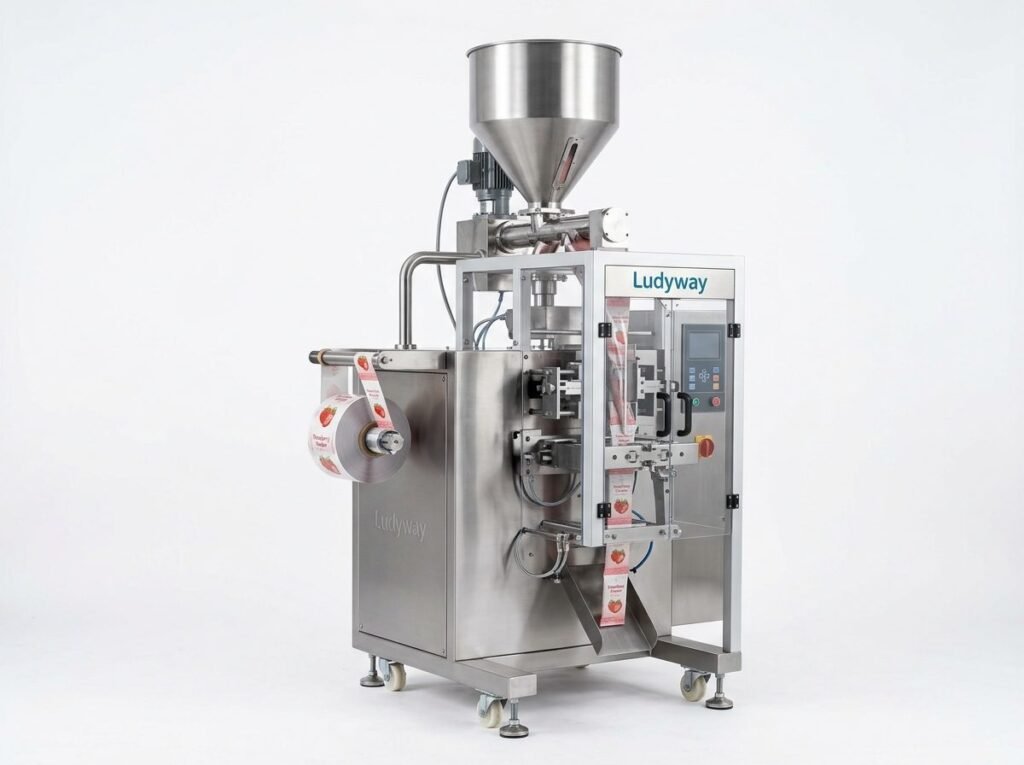
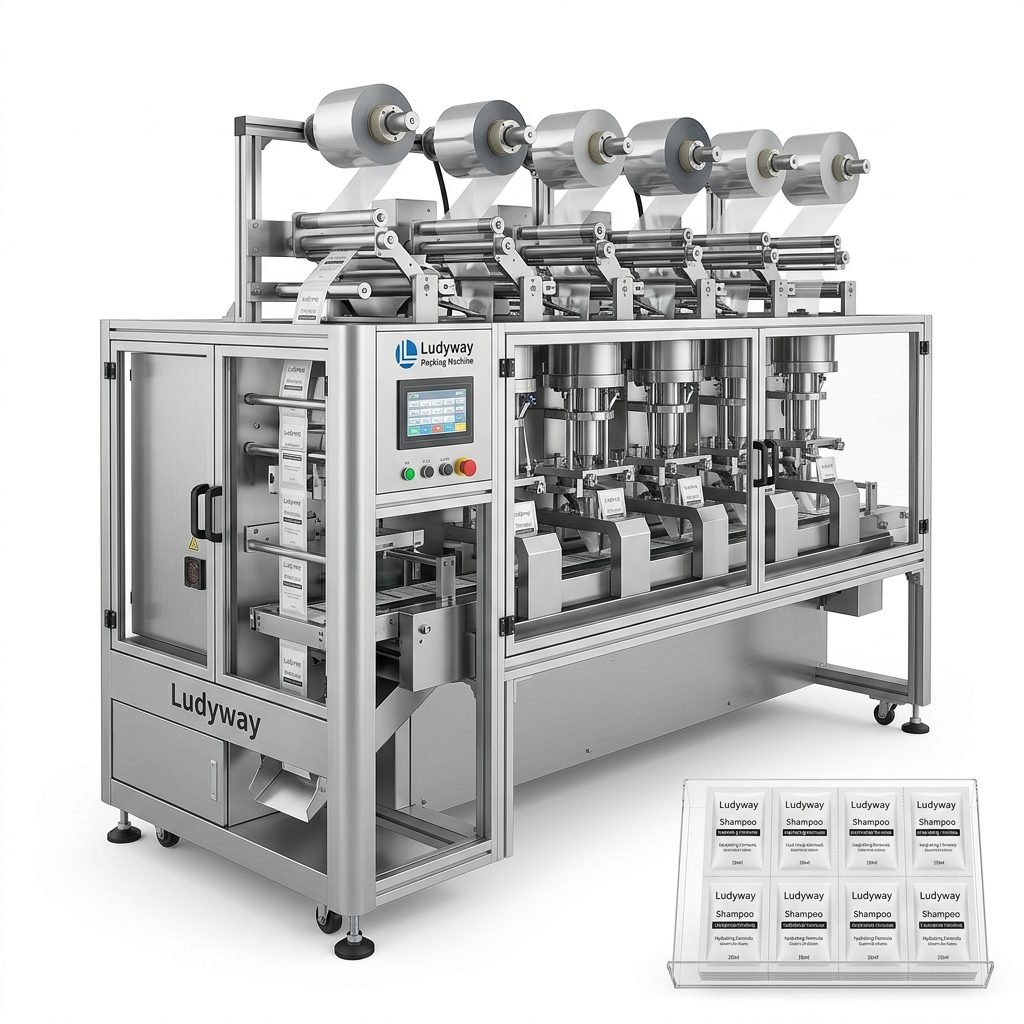
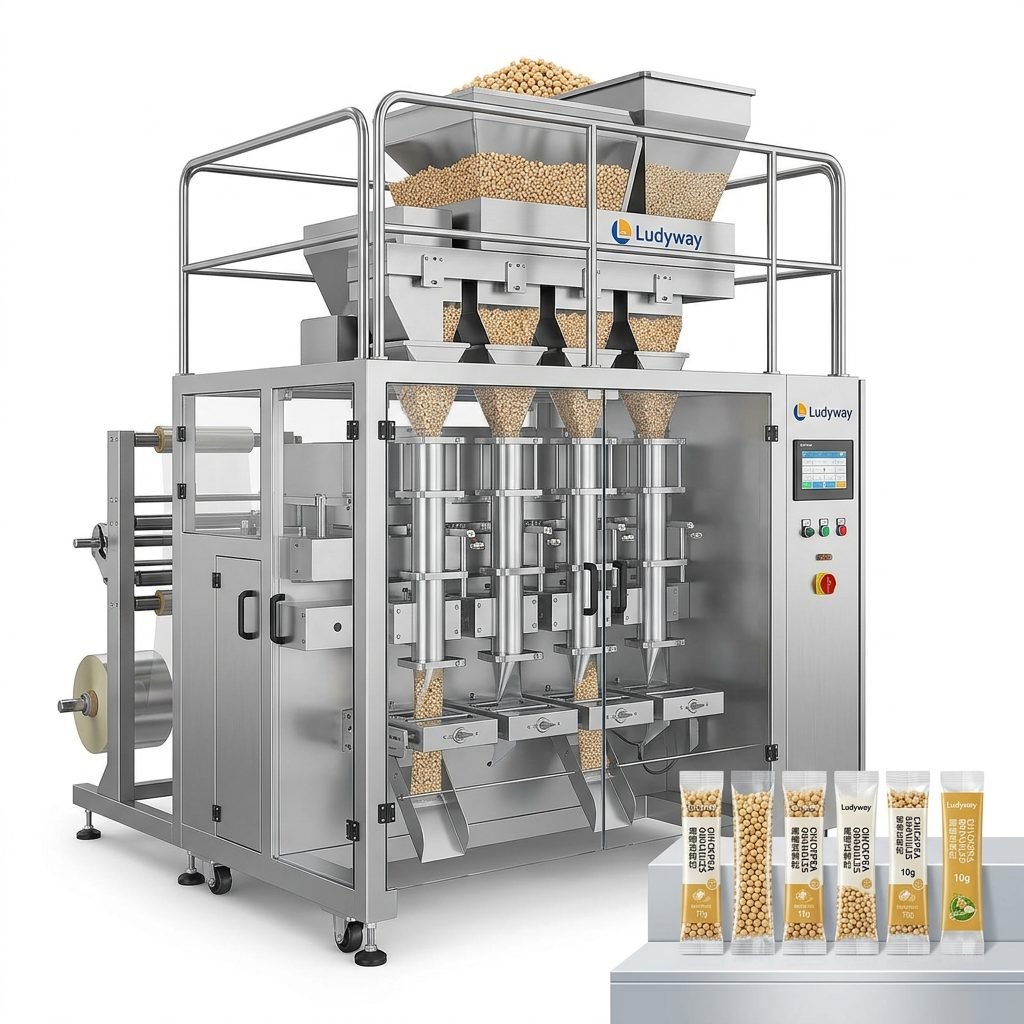
Vertical packaging machines, also known as VFFS (Vertical Form, Fill, and Seal) machines, are the workhorses of modern production lines. They efficiently package a vast array of products—from snacks and coffee to pharmaceuticals and hardware—into pouches, sachets, and stick packs. This comprehensive guide delves into the types, working principles, key applications, and essential buying tips to help you select the perfect machine for your needs.
Core Advantage
Their primary advantage lies in a compact footprint. Unlike horizontal systems, VFFS machines use a vertical process, taking up minimal floor space while maintaining high output speeds, making them ideal for facilities where space is at a premium.
Main Types of Vertical Packaging Machines
Understanding the different configurations is the first step in making an informed decision. The type you need depends heavily on your product characteristics and desired pouch style.
1. Single-Tube Machines
The most common and cost-effective entry point. A single tube forms, fills, and seals one pouch at a time from a roll of film. Perfect for low to medium-volume production of standard items like candy, granola, or small hardware parts.
2. Multi-Tube Machines
These machines feature multiple feeding tubes (often 2 to 8) operating in parallel from a single film roll. They dramatically increase output by producing several pouches simultaneously. Ideal for high-volume production of small, uniform items like stick packs for sugar, instant coffee, or sauce portions.
3. Auger Filler Machines
Designed specifically for powders and fine granules (e.g., flour, spice blends, protein powder). They use a rotating auger screw to dispense product with high accuracy. Critical for products where precise weight control and minimal dust are paramount.
4. Liquid & Viscous Product Machines
Equipped with specialized pumps (such as piston or peristaltic pumps) to handle liquids, pastes, and gels (e.g., sauces, shampoos, oils). They prevent dripping and ensure clean, accurate fills.
5. Weighing Machines (Multi-Head Weighers)
For non-uniform products like snacks, frozen vegetables, or mixed nuts. Product is fed into a multi-head weigher that dynamically combines weigh buckets to achieve a precise target weight before dropping into the forming tube. This is the solution for combination weighing with speed and accuracy.
How Does a Vertical Packaging Machine Work?
The VFFS process is an elegant dance of automation, typically following these stages in a continuous cycle:
The Operational Cycle
1. Film Feeding & Forming: A roll of packaging film (laminate or single-layer) is fed upward. A forming collar shapes the flat film into a continuous vertical tube around the filling tube.
2. Vertical Sealing: A vertical back seal bar creates the tube’s rear seam.
3. Cross Sealing & Cut-Off: The cross (horizontal) seal jaws perform two functions: they create the top seal of the finished pouch below and the bottom seal of the new pouch being formed above, then cut the finished pouch free.
4. Product Filling: Product is measured and dispensed into the formed tube through the central filling spout during a precise moment in the cycle.
5. Discharge: The completed, sealed pouch is discharged onto a conveyor or collection bin.
Key Applications Across Industries
The versatility of vertical packaging machines makes them indispensable in numerous sectors. For instance, in markets with strong tea cultures, like the UK or Japan, VFFS machines are crucial for packaging single-serving tea bags or matcha powder into airtight stick packs, preserving aroma and freshness—a key quality consumers expect.
Food & Beverage
The largest application area. Used for snacks, pasta, coffee, spices, sugar, powdered drinks, and frozen foods. Machines can incorporate features like gas flushing for modified atmosphere packaging (MAP) to extend shelf life.
Pharmaceutical & Healthcare
Packaging single-dose powders, effervescent tablets, herbal supplements, or medical salts. Requires machines that facilitate compliance with strict hygiene and accuracy standards, often constructed with easy-clean designs.
Cosmetics & Personal Care
Filling shampoo, conditioner, lotion, or face mask samples into sachets. Liquid-fill VFFS machines with precise pump systems are essential here.
Hardware & Industrial
Packaging small items like screws, nails, bolts, or chemical additives. Durable machines that can handle abrasive materials are typically used.
Essential Buying Tips for Your Vertical Packager
Investing in a vertical packaging machine is a significant decision. Here are critical factors to consider to ensure you get the right equipment from a reliable partner like Ludyway Machinery.
1. Define Your Product & Packaging Specifications
- Product Type: Is it a powder, granule, liquid, or solid piece?
- Pouch Dimensions: Required width, length, and seal type.
- Film Material: Determine the necessary barrier properties (e.g., moisture, oxygen).
- Production Speed: Calculate your required output in pouches per minute (PPM).
2. Choose the Right Filling System
This is the heart of the machine and must match your product. Auger for powders, volumetric cup for granules, pump for liquids, and scale for weighed products. Accuracy is non-negotiable to reduce giveaway and ensure compliance.
3. Evaluate Machine Construction & Reliability
Look for robust frames, high-quality sealing jaws, and durable servo motors or mechanical drives. A well-built machine from an experienced manufacturer minimizes downtime. Companies with decades of experience, such as Ludyway, often provide more reliable and proven designs.
4. Prioritize Ease of Use & Changeover
User-friendly PLC touchscreen controls and quick-change parts for pouch size adjustments are vital for flexible production and reducing operator training time.
5. Consider After-Sales Support & Service
Ensure the supplier offers comprehensive technical support, training, readily available spare parts, and a clear warranty. Global service networks are crucial for international operations. A partner committed to long-term cooperation is invaluable.
Pro Tip: Request a Product Test
Always send your actual product and packaging film to the supplier for a live performance test. This is the only way to verify speed, accuracy, and seal quality on your specific materials before purchase.
Frequently Asked Questions (FAQs)
What is the main difference between vertical (VFFS) and horizontal (HFFS) packaging machines?
The core difference is orientation and space. VFFS machines are taller, have a smaller footprint, and form the package vertically around the product. HFFS machines are longer, require more floor space, and form pouches horizontally before placing the product inside. VFFS is generally more common for granular, powdered, and liquid products, while HFFS is often used for items that are difficult to drop, like bulky or fragile products.
How accurate are the filling systems on these machines?
Accuracy depends on the filling system and product. Auger fillers for powders can achieve ±0.5-1% accuracy. Multi-head weighers for solids are exceptionally accurate, often within ±0.5-1 gram. Volumetric cup fillers for granules are slightly less precise but faster. For the highest accuracy, discuss your product’s specific characteristics with the machine supplier.
Can one machine handle different pouch sizes and products?
Yes, most modern vertical packaging machines are designed for quick changeover. By changing the forming tube, sealing jaws, and sometimes the film reel holder, operators can switch between different pouch sizes in 15-30 minutes. However, switching between vastly different product types (e.g., powder to liquid) usually requires a different filling system or a dedicated machine.
What kind of maintenance do vertical packaging machines require?
Regular maintenance is key to longevity. Daily tasks include cleaning product contact parts and wiping down surfaces. Weekly and monthly checks involve lubricating moving parts, inspecting seals and wear parts, and verifying temperature sensors. Always follow the manufacturer’s specific maintenance schedule.
How do I choose between a single-tube and a multi-tube machine?
Choose a single-tube machine for lower volume, larger pouches, or frequent product/pouch size changes. Choose a multi-tube machine when your primary need is very high output of small, uniform pouches (like stick packs) and changeovers are less frequent. The investment is higher, but the productivity gain is significant.