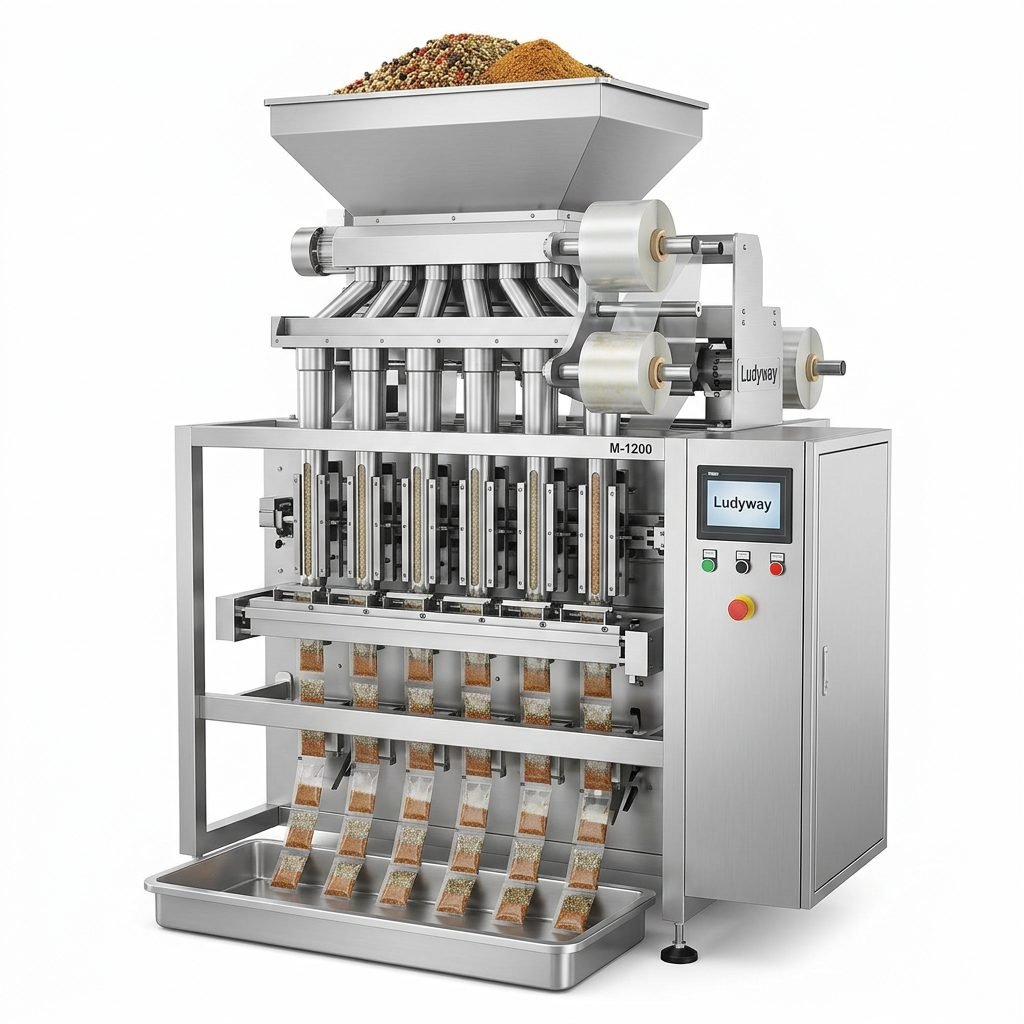
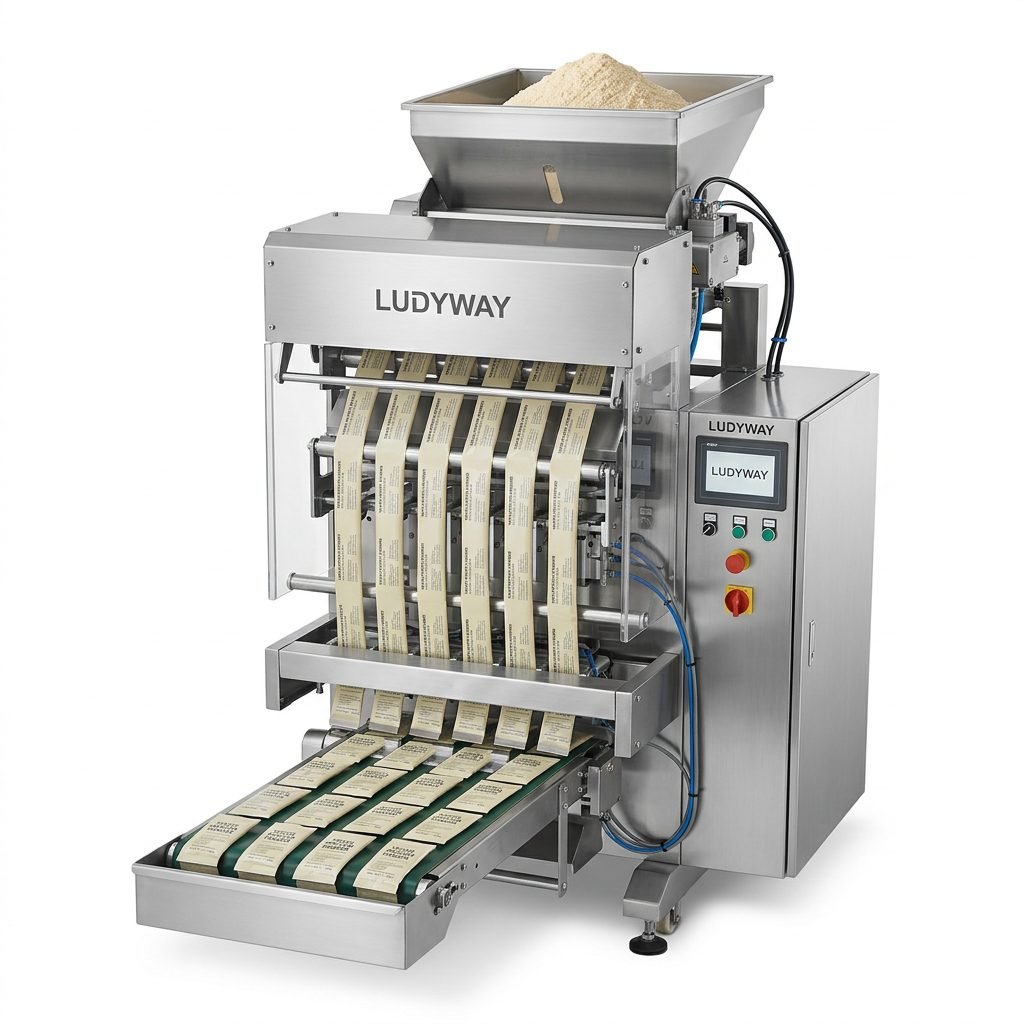
In pharmaceutical manufacturing, packaging is not just the final step of production—it is a critical control point for product safety, dosage accuracy, traceability, compliance, and operational efficiency. Choosing the right medication packaging machine can directly affect product quality, labor costs, output consistency, and your ability to meet GMP and market requirements.
Whether you package powders, granules, oral liquids, tablets, capsules, medical cotton, or sterile healthcare items, the ideal solution should match your product characteristics, packaging format, hygiene level, and production targets. This guide explains how to evaluate the best machine for accurate and efficient medication packaging.
Why the Right Medication Packaging Machine Matters
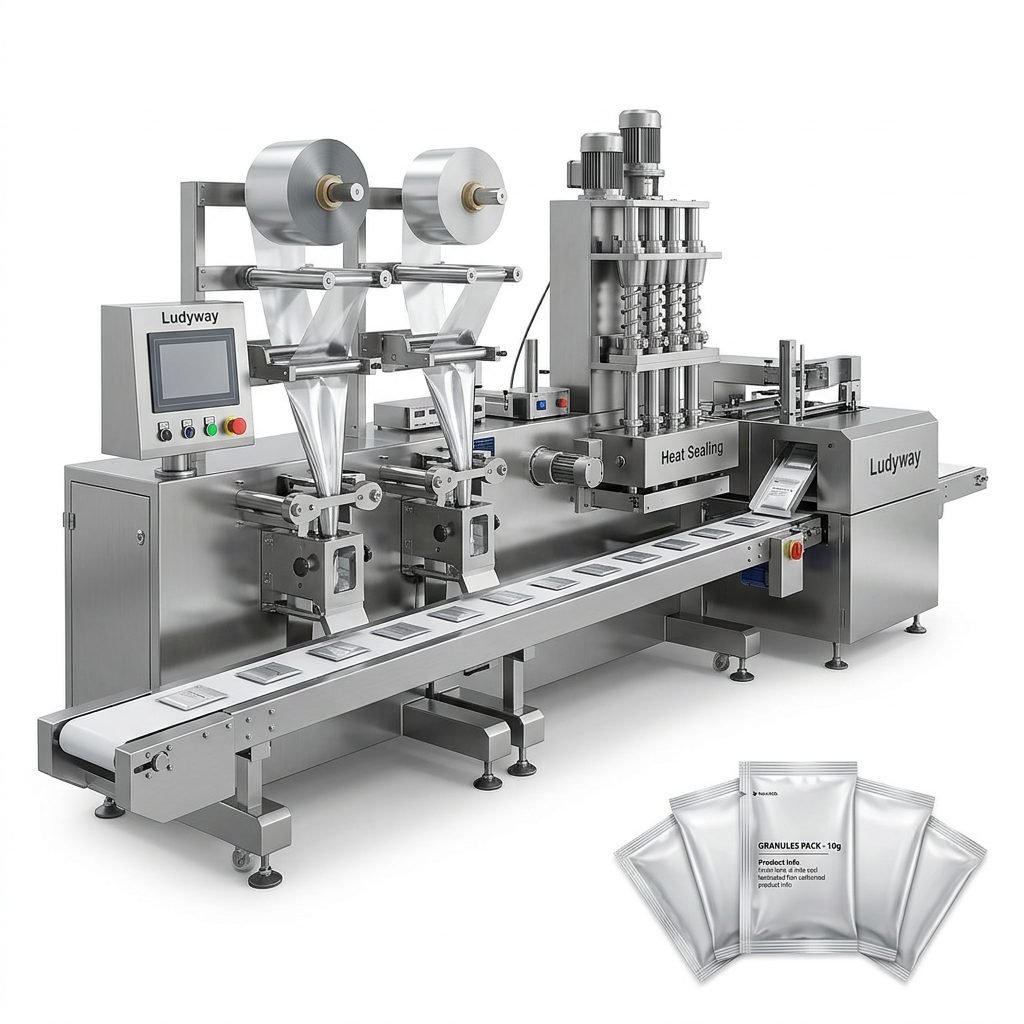
In the pharmaceutical and healthcare sectors, packaging equipment must do much more than fill and seal. It must maintain repeatable dose control, support product protection, reduce contamination risks, and integrate with quality inspection systems. A poor equipment choice can lead to:
- Inconsistent fill weights or dosage deviations
- Seal defects and package leakage
- Frequent downtime and low throughput
- Higher reject rates and material waste
- Difficulty meeting validation and compliance requirements
- Higher total operating cost over time
By contrast, a well-matched medication packaging solution improves line stability, enhances product presentation, and supports long-term production growth.
Start With Your Product Type
The first step is to identify exactly what kind of medication or health product you need to package. Different formulations require different feeding, dosing, sealing, and handling technologies.
| Product Type | Recommended Packaging Approach | Key Focus |
|---|---|---|
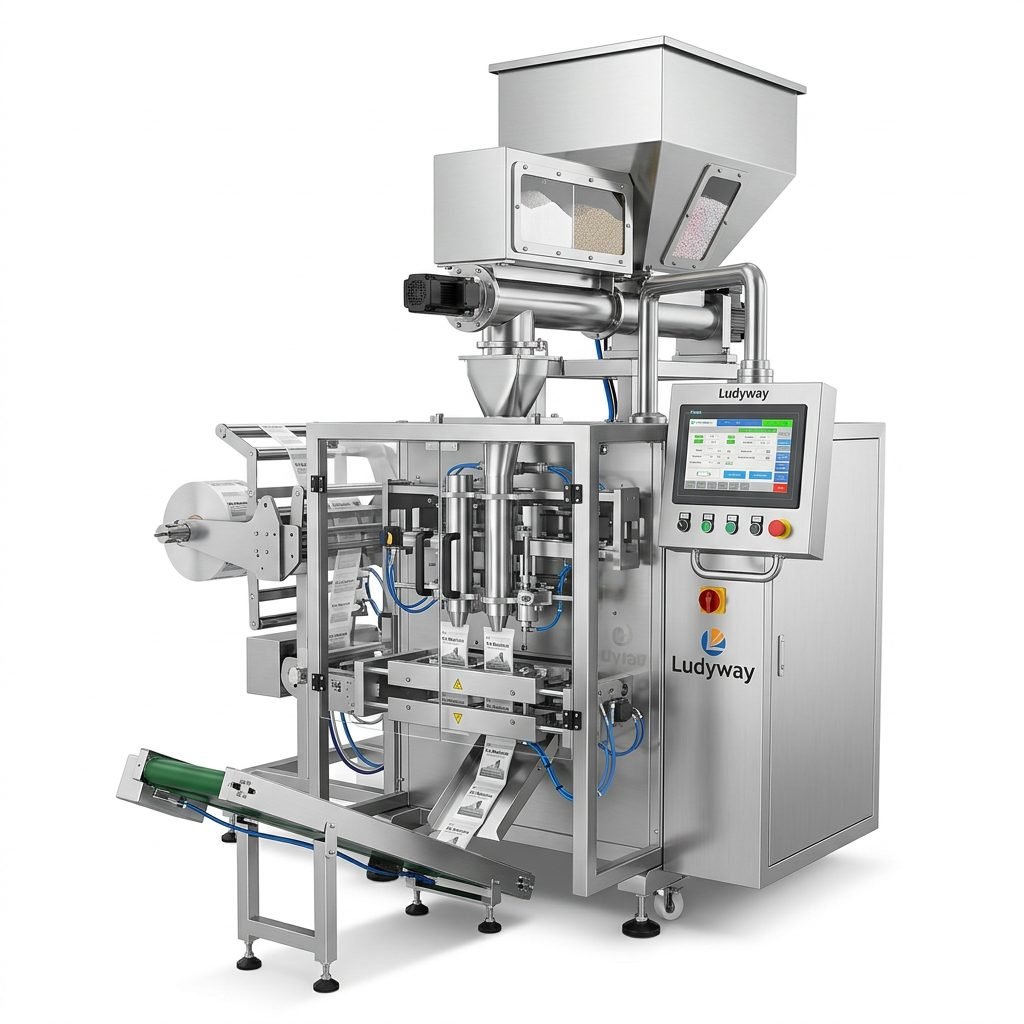
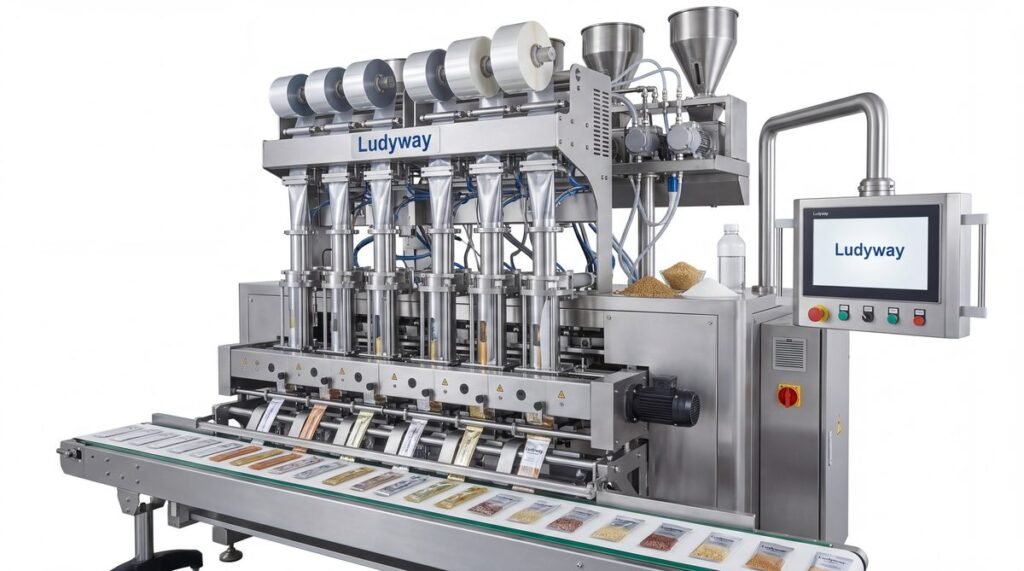
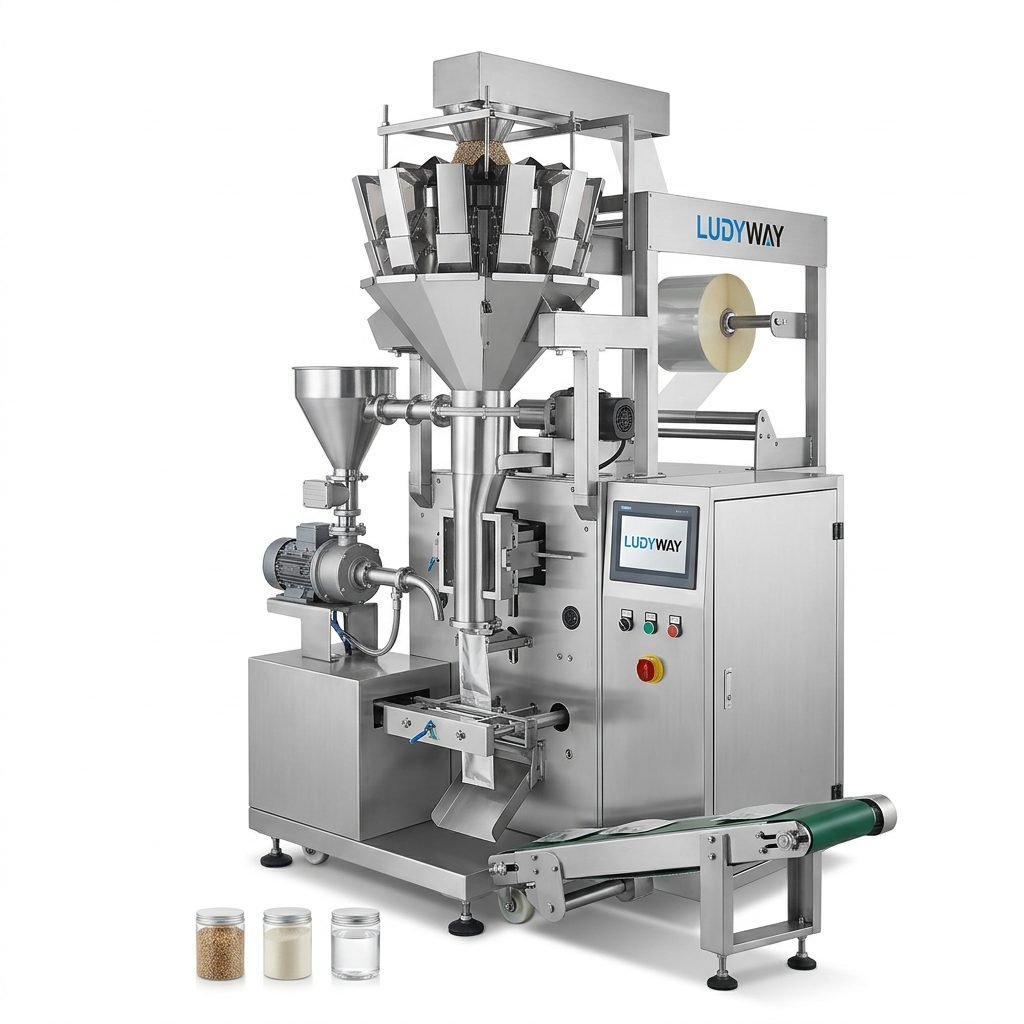
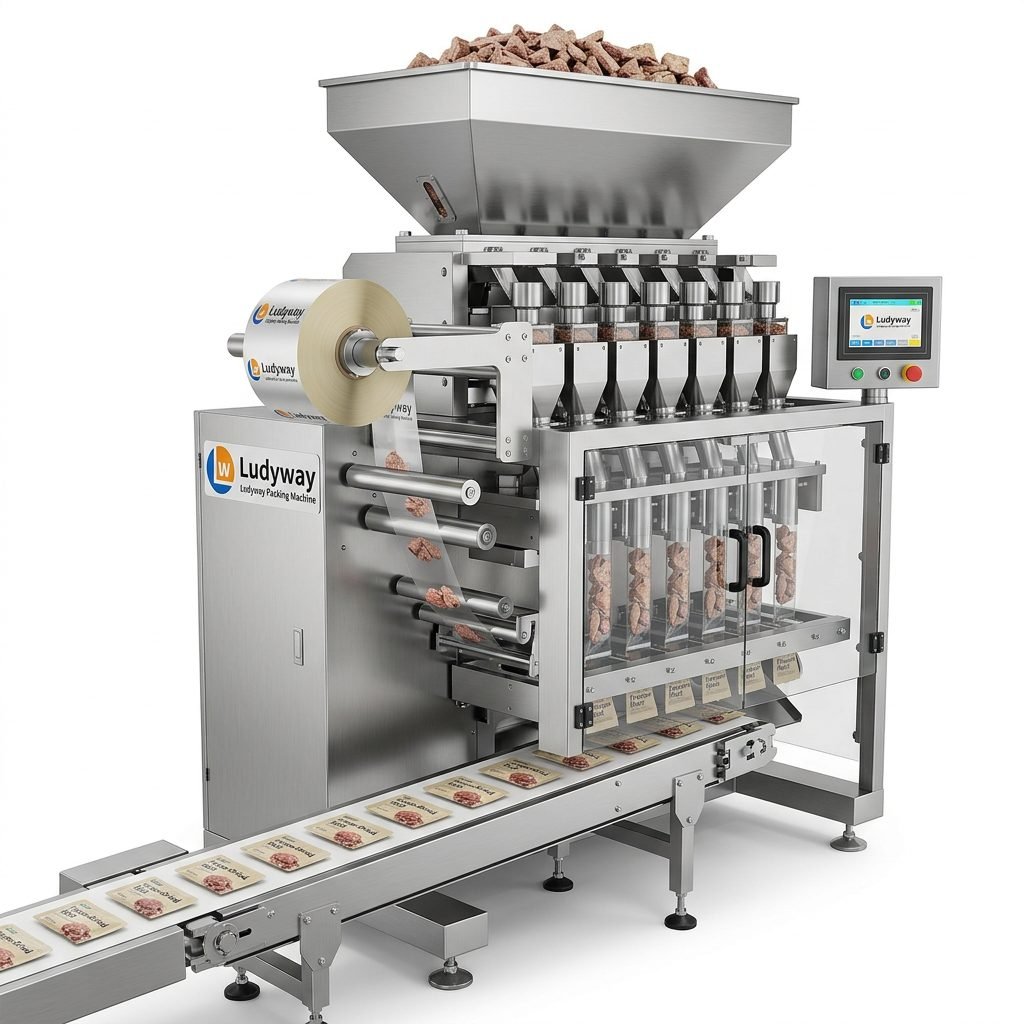
| Powders | Auger filling sachet or stick pack machines | Dust control, precision dosing, seal cleanliness |
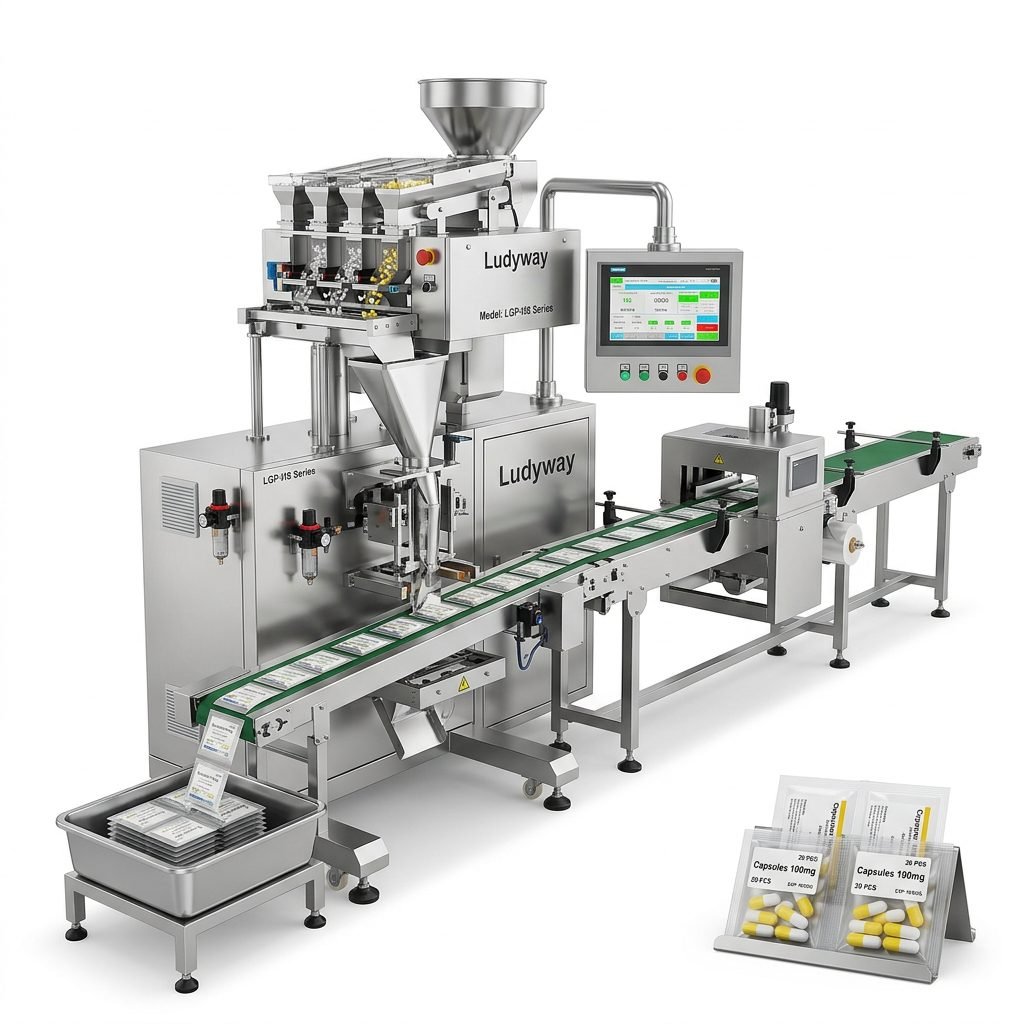
| Granules | Volumetric cup or weighing systems | Flowability, counting accuracy, anti-breakage |
| Liquids | Liquid filling and sealing machines | No-drip filling, hygienic piping, leak-proof sealing |
| Pastes / gels | Piston or servo pump systems | Viscosity control, cut-off cleanliness, filling stability |
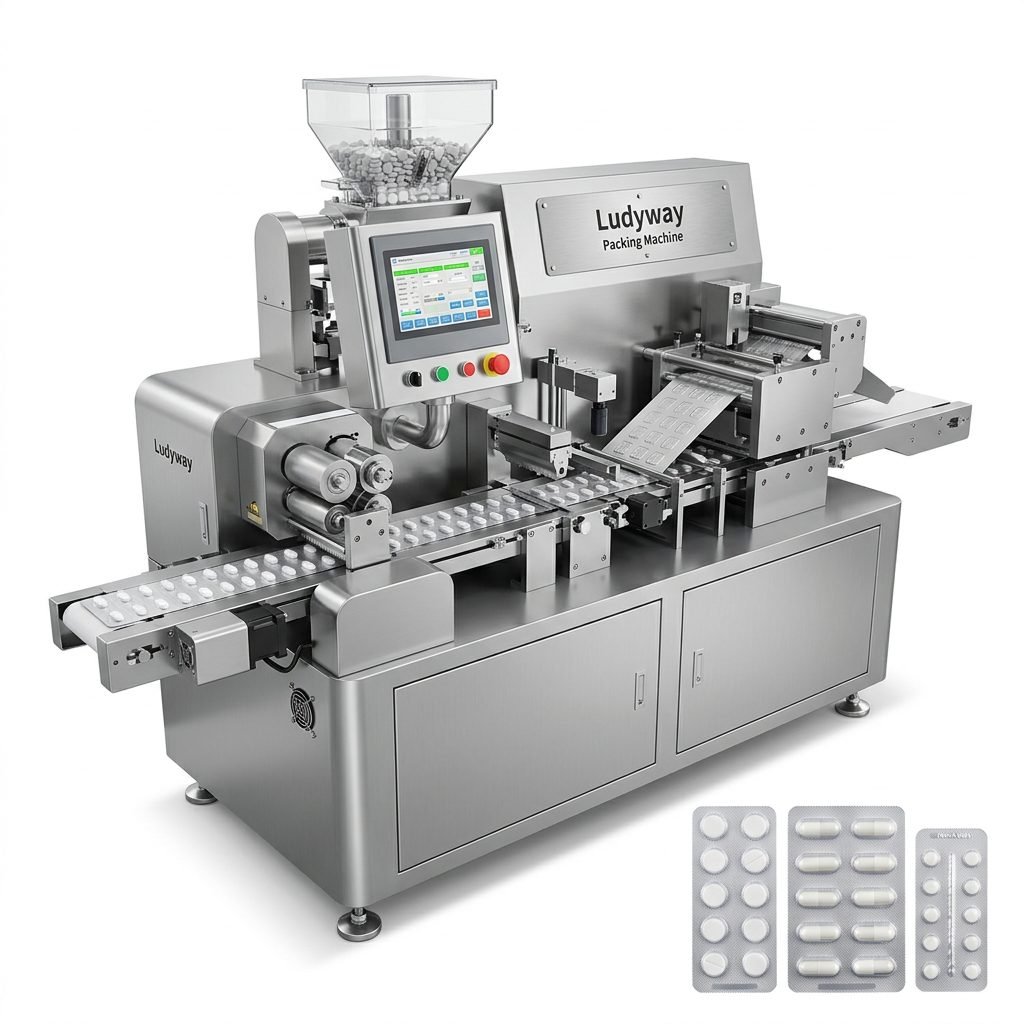
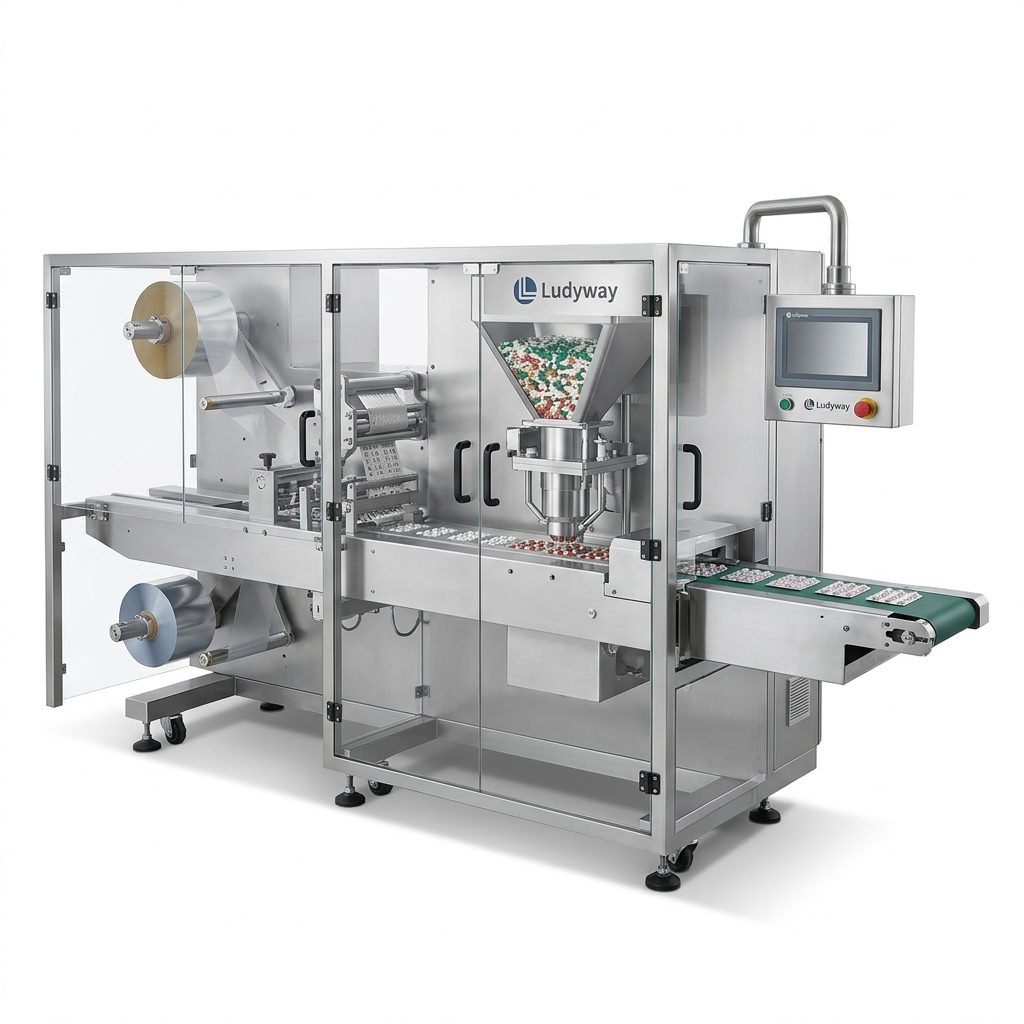
| Tablets / capsules | Counting, blister, bottle, or strip packaging systems | Counting reliability, anti-mixup, traceability |
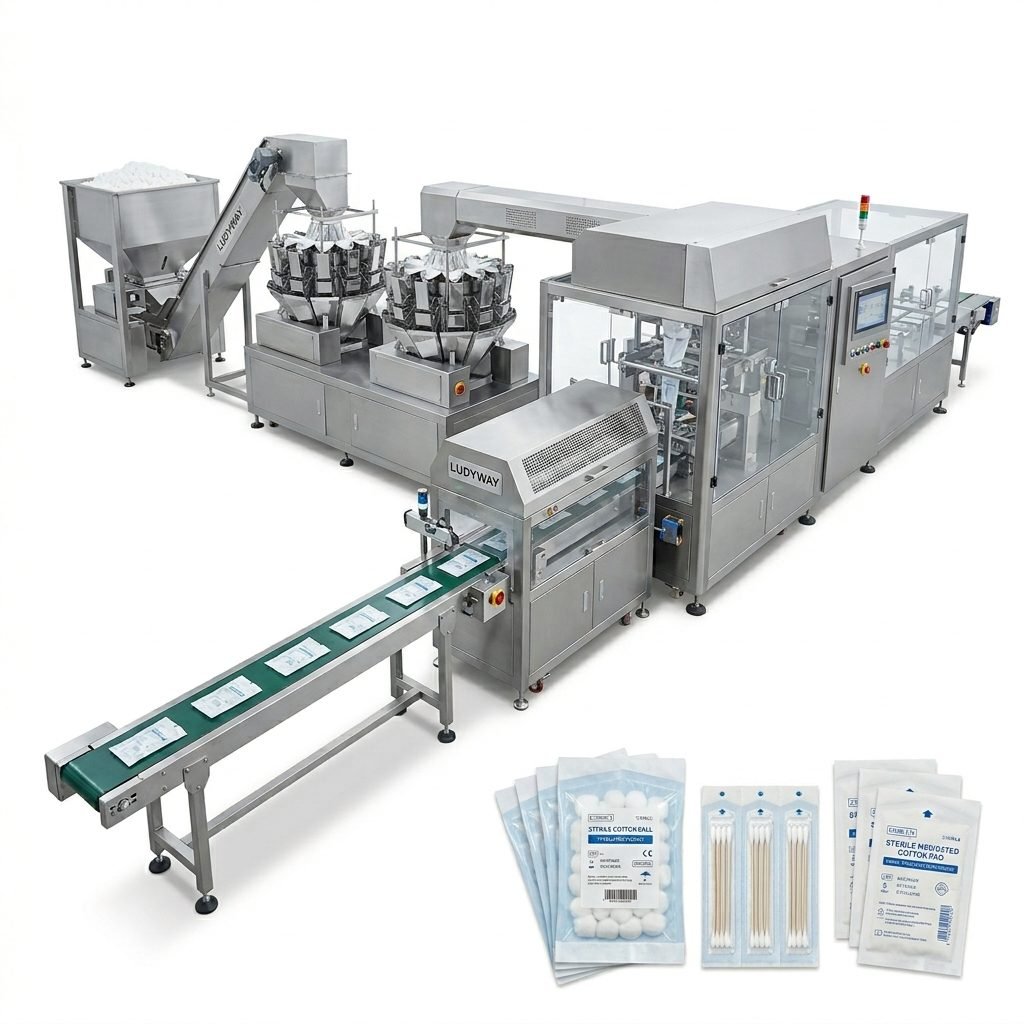
| Medical consumables | Sterile pouch or medical product packaging lines | Clean packaging environment, sealing integrity |
If your product has poor flowability, is moisture-sensitive, or requires strict sterility control, these conditions should be addressed at the machine selection stage—not after installation.
Choose the Right Package Format
Medication products are sold in many formats, and each one affects machine design, production speed, and downstream handling. Common pharmaceutical packaging formats include:
- Sachets for powders, granules, liquids, and single-dose applications
- Stick packs for compact unit-dose pharmaceuticals and supplements
- Bottles and vials for oral liquids, tablets, capsules, and syrups
- Blister packs for tablets and capsules requiring strong protection and traceability
- Pouches for medical products, wipes, powders, or specialty healthcare items
When selecting a machine, ask whether the package style suits your market positioning. For example, single-dose stick packs may support patient convenience and dosing compliance, while bottle lines may be better for large-volume retail pharmacy distribution.
Focus on Filling Accuracy First
For medication packaging, accuracy is non-negotiable. Even a small deviation can create compliance issues, product recalls, or customer dissatisfaction. The right machine should provide stable and repeatable filling performance across long production runs.
What affects filling accuracy?
- Product density variation
- Powder flowability or granule size uniformity
- Filling system type
- Servo control quality
- Machine vibration and structural stability
- Environmental humidity and temperature
- Operator setup consistency
For pharmaceutical powders, servo auger fillers are often preferred for precise metering. For granules, multi-head weighing or high-precision volumetric systems may be more suitable depending on dosage range and speed requirements.
Ask suppliers these questions:
- What filling tolerance can the machine achieve for my specific product?
- Can it maintain accuracy at maximum production speed?
- Has it been tested with similar pharmaceutical materials?
- Can the machine store recipes for different SKUs?
- How easy is calibration and validation?
Evaluate Speed Without Sacrificing Stability
High speed looks attractive on paper, but real packaging performance depends on stable continuous output, not peak speed under ideal conditions. In medication production, stable sealing, correct filling, low rejection, and easy cleaning are often more valuable than headline speed alone.
A good buying approach is to compare machines by:
- Actual packs per minute in real production
- Overall equipment effectiveness
- Downtime frequency
- Changeover time between product formats
- Maintenance complexity
- Reject rate at normal operating speed
If you handle multiple SKUs or small batch runs, a slightly lower-speed machine with faster product changeover may deliver better overall productivity.
Pay Attention to Hygiene and Compliance Design
Pharmaceutical packaging equipment should be designed for clean production and easy sanitation. Smooth contact surfaces, sanitary material construction, enclosed filling zones, dust extraction compatibility, and cleanable assemblies all help reduce contamination risk.
Important features to look for include:
- Stainless steel product contact parts
- Dust-proof or enclosed dosing area
- Easy disassembly for cleaning
- Minimal dead corners and residue buildup points
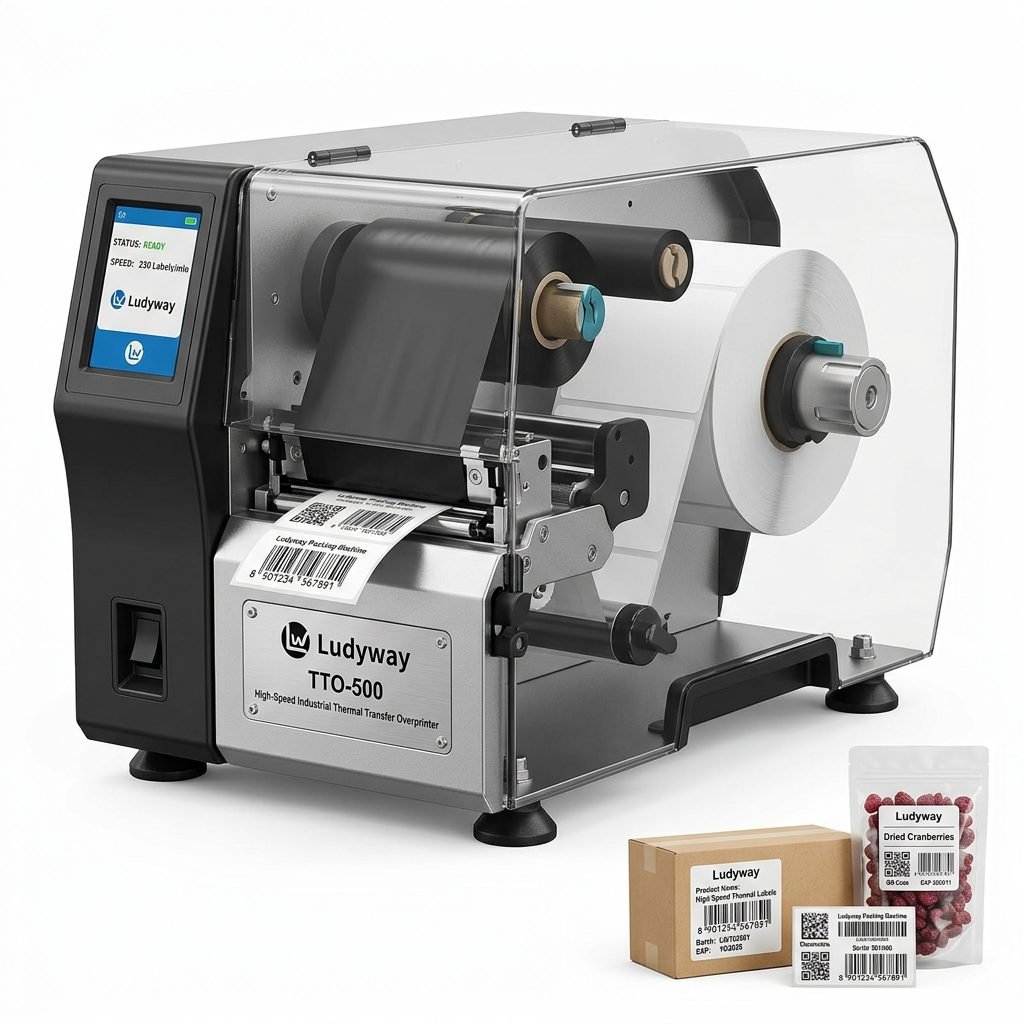
- Batch coding and traceability support
- Integration with checkweighers, metal detectors, or vision inspection
If you package sterile or sensitive medical products, sealing integrity and environmental control become even more important. In those cases, the packaging line should be considered as a full system rather than a stand-alone machine.
Think About Automation Level
The best solution is not always the most complex one. Your ideal automation level depends on production volume, labor costs, factory space, operator skill, and future expansion plans.
| Automation Level | Best For | Benefits |
|---|---|---|
| Semi-automatic | Small batches, pilot production, limited budgets | Lower upfront cost, simpler operation |
| Fully automatic stand-alone | Medium-volume production | Higher speed, reduced labor, better consistency |
| Integrated turnkey line | Large-scale pharmaceutical operations | End-to-end automation, data traceability, line efficiency |
If your business is growing, it is smart to choose equipment that allows future upgrades such as cartoning, labeling, checkweighing, coding, case packing, and palletizing integration.
Consider Total Cost, Not Just Purchase Price
A lower machine price does not always mean lower cost. Over several years of use, operating efficiency and maintenance performance often matter more than initial investment.
Look at total cost of ownership:
- Machine purchase cost
- Installation and commissioning
- Validation support
- Spare parts availability
- Energy consumption
- Film and packaging material waste
- Labor requirements
- Maintenance time and service cost
- Downtime impact on production planning
A well-engineered machine with strong technical support can save significant money through lower rejection rates, easier operation, and longer service life.
Don’t Ignore Changeover and Flexibility
Many pharmaceutical businesses produce multiple SKUs, dosage sizes, or package formats. In that case, changeover speed becomes a major factor. A machine that is hard to clean, recalibrate, or reset can slow down your entire operation.
Look for packaging machines that offer:
- Quick recipe storage and retrieval
- Tool-free or simplified format changes
- Adjustable dosing range
- Flexible sealing and cutting settings
- Compatibility with multiple film structures
- User-friendly HMI interface
Flexibility is especially valuable for contract manufacturers, supplement brands, and pharmaceutical companies introducing new products regularly.
Assess Supplier Capability Carefully
The machine itself is only part of the investment. The supplier’s engineering capability, responsiveness, customization skill, and after-sales support are just as important. For medication packaging, you need a partner who understands both packaging technology and industry-specific production needs.
A reliable supplier should be able to provide:
- Product testing and sample evaluation
- Machine customization based on dosage and package format
- Line layout advice
- Installation and training support
- Documentation for operation and maintenance
- Remote troubleshooting and spare parts service
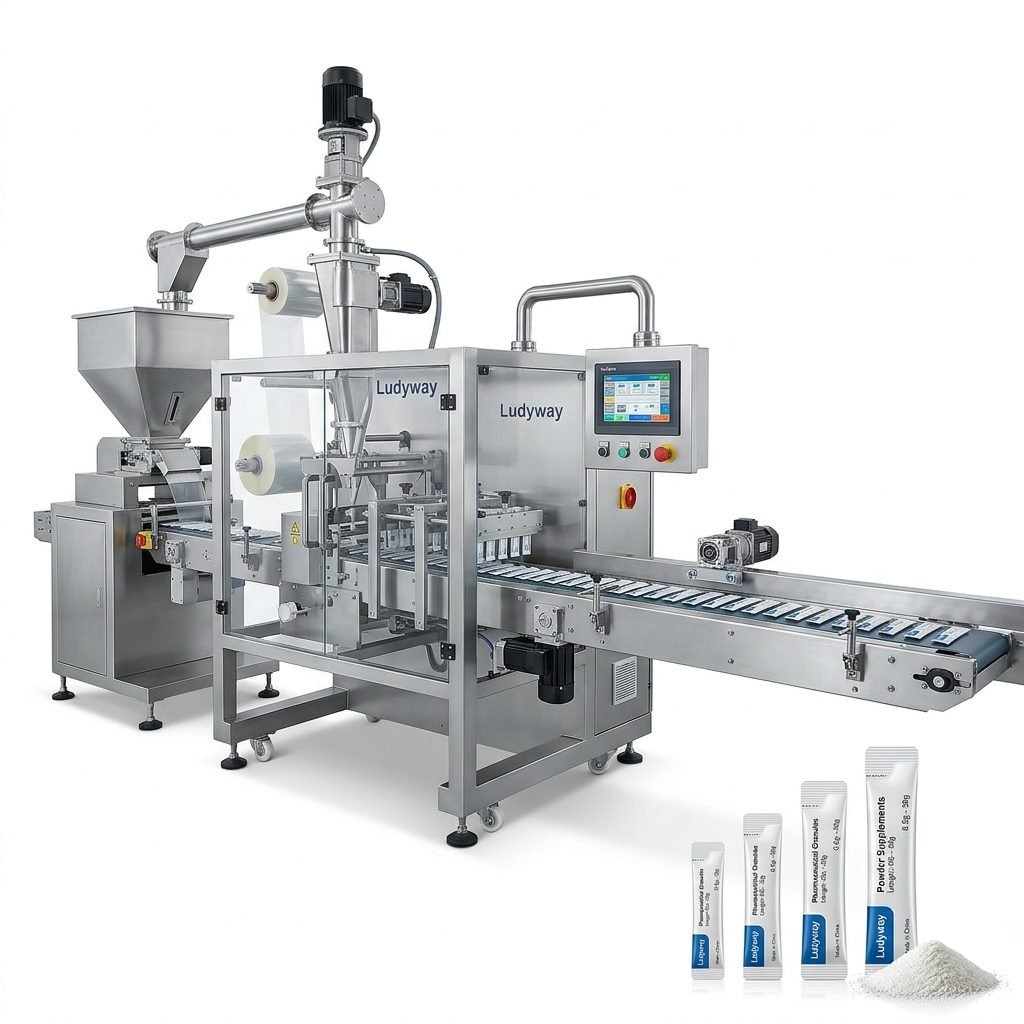
For buyers seeking scalable pharmaceutical automation, Ludyway medication packaging machine solutions can support a wide range of powder, granule, liquid, sachet, stick pack, and turnkey line requirements with extensive manufacturing experience.
Questions to Ask Before You Buy
Before making a final decision, prepare a clear technical checklist. Here are some essential questions:
- What product types has this machine packaged successfully before?
- What is the real production speed with my package size?
- What accuracy level can be guaranteed?
- How long does product changeover take?
- What cleaning and validation procedures are required?
- Can the system integrate with coding, inspection, and cartoning equipment?
- What are the main wearing parts and service intervals?
- What remote and on-site technical support is available?
- Can the machine be expanded into a complete packaging line later?
Common Mistakes to Avoid
- Choosing based only on price
- Ignoring actual product behavior during filling
- Buying a machine with insufficient hygiene design
- Overestimating speed needs and underestimating changeover needs
- Failing to verify after-sales service capability
- Not planning for future production expansion
Final Buying Perspective
The best medication packaging machine is the one that fits your product, dosage requirements, packaging format, compliance needs, and production goals. A successful choice balances accuracy, efficiency, hygiene, flexibility, and long-term reliability.
If possible, request sample testing with your real product, review machine configuration details carefully, and evaluate whether the supplier can support your packaging line as your business grows. In pharmaceutical packaging, the right decision today can protect quality, improve output, and strengthen your competitiveness for years to come.