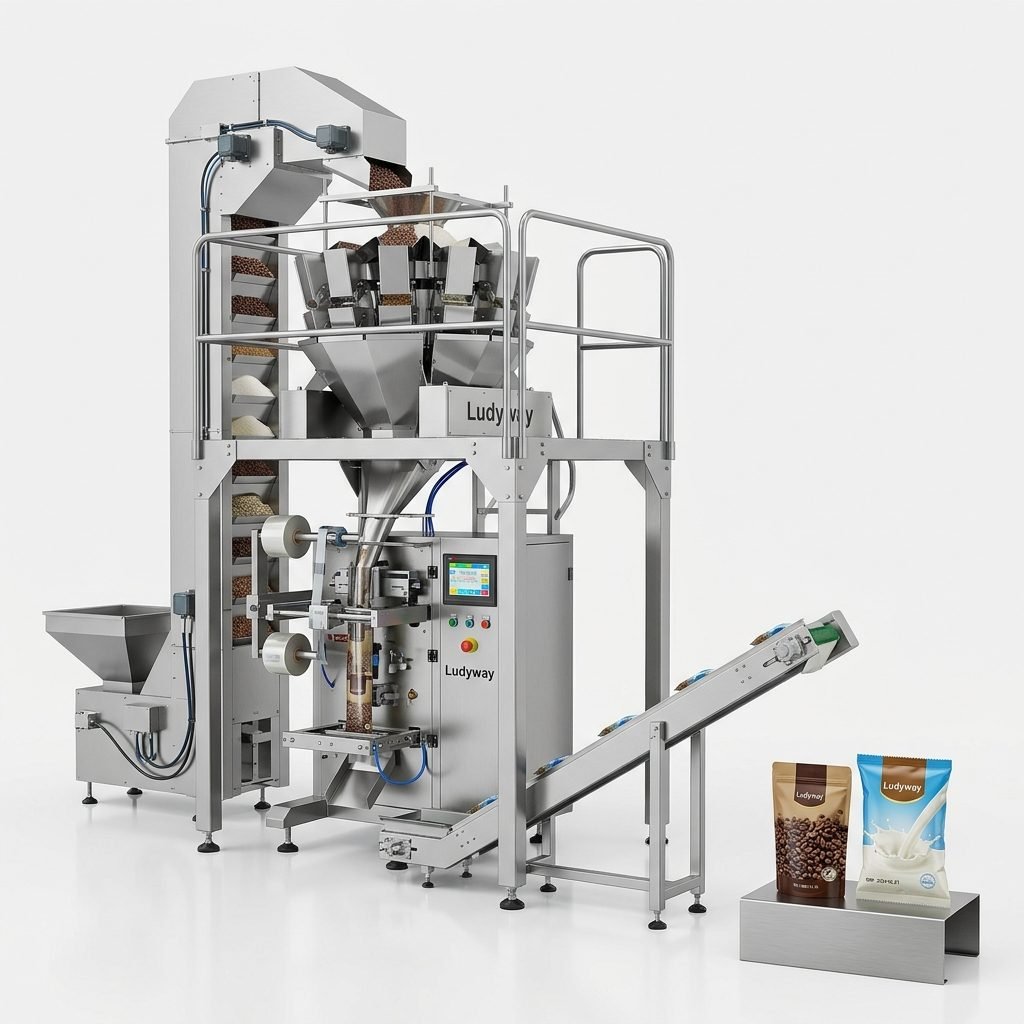
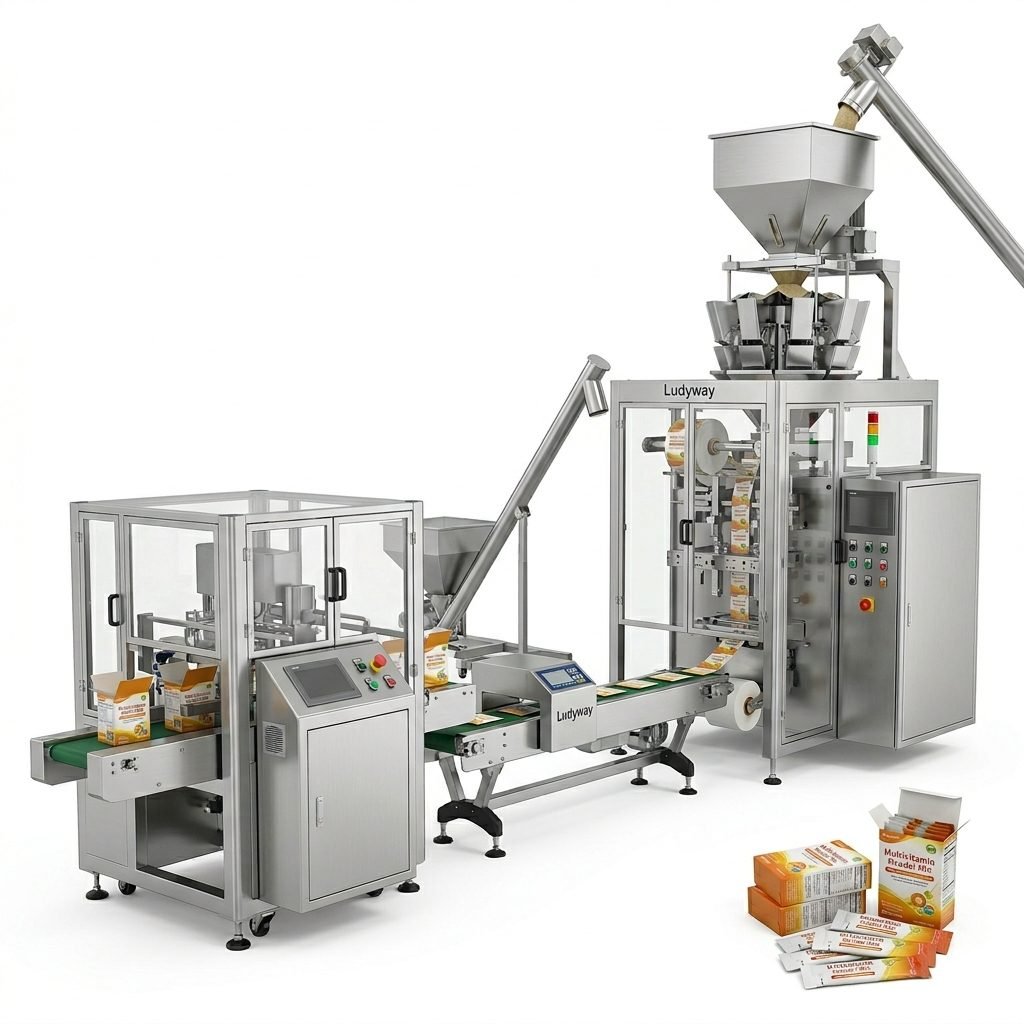
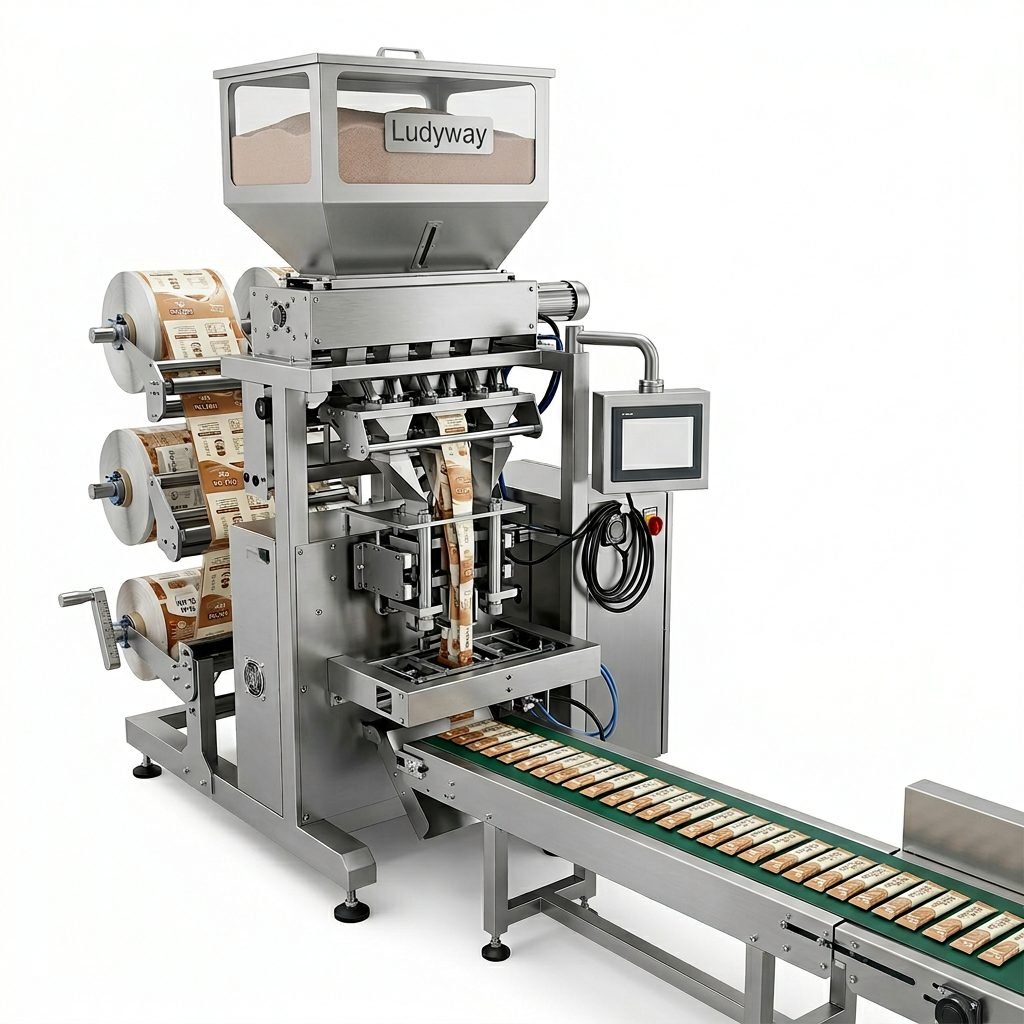
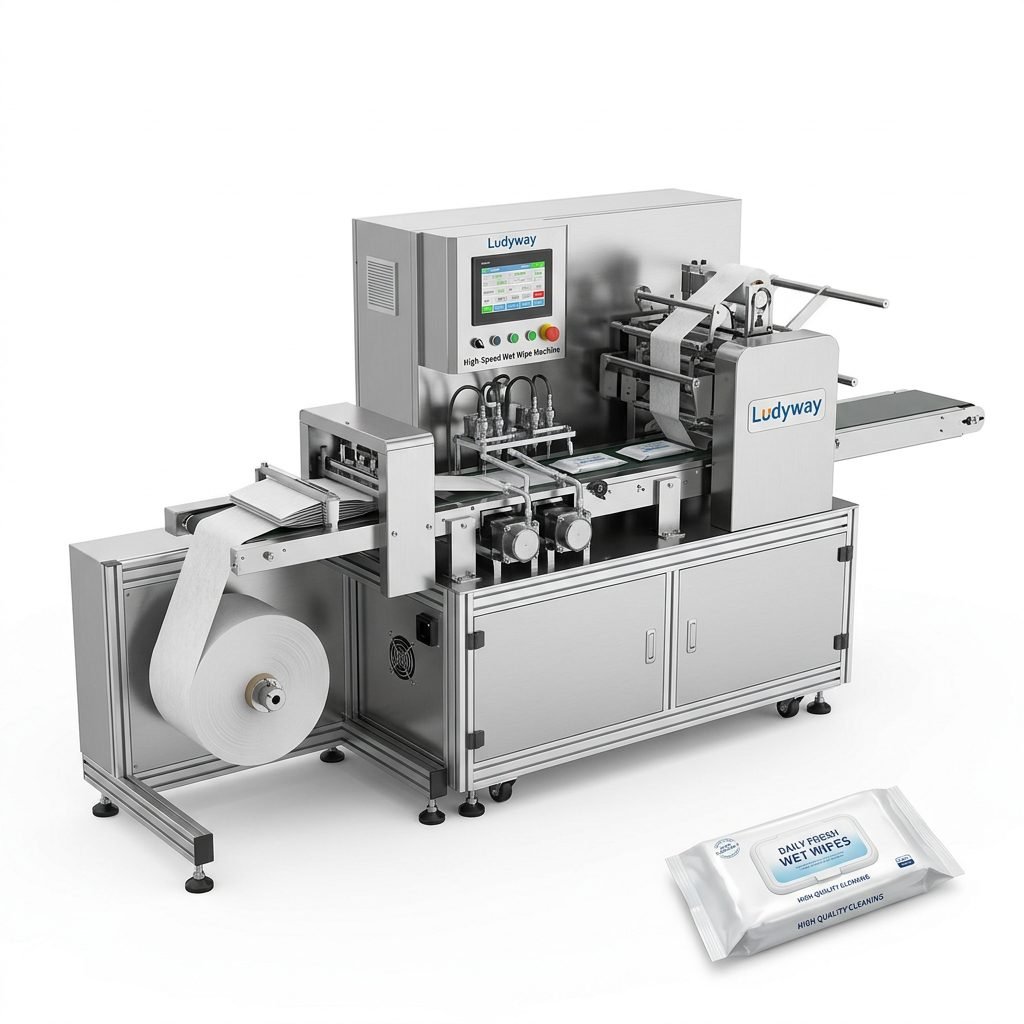
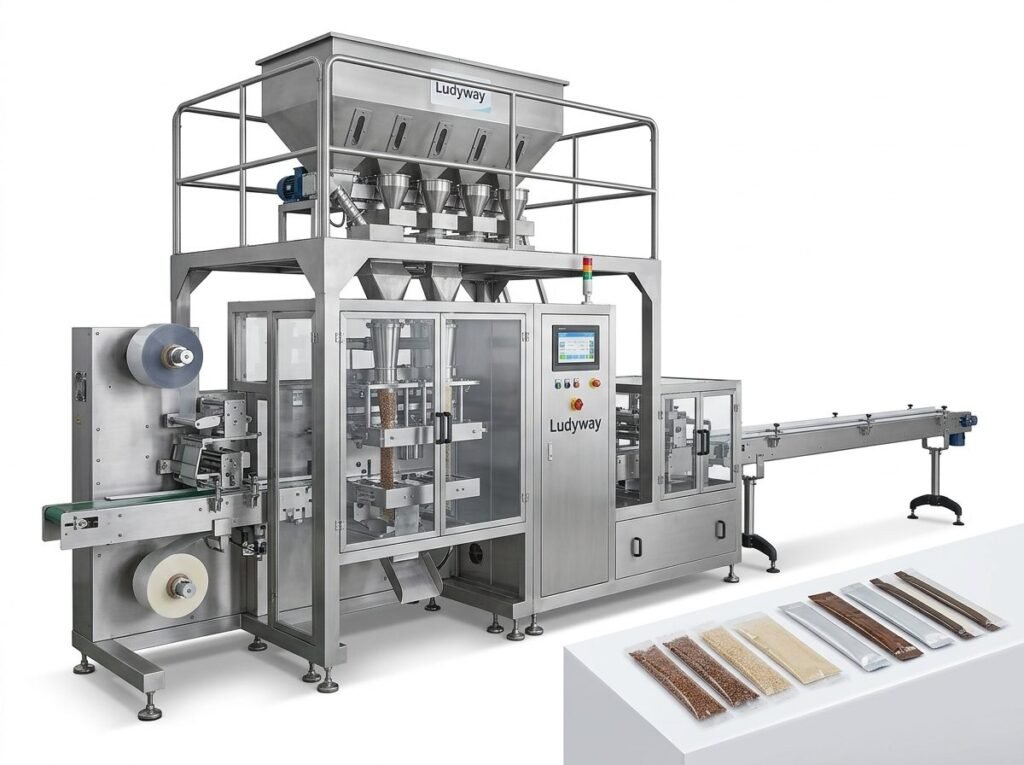
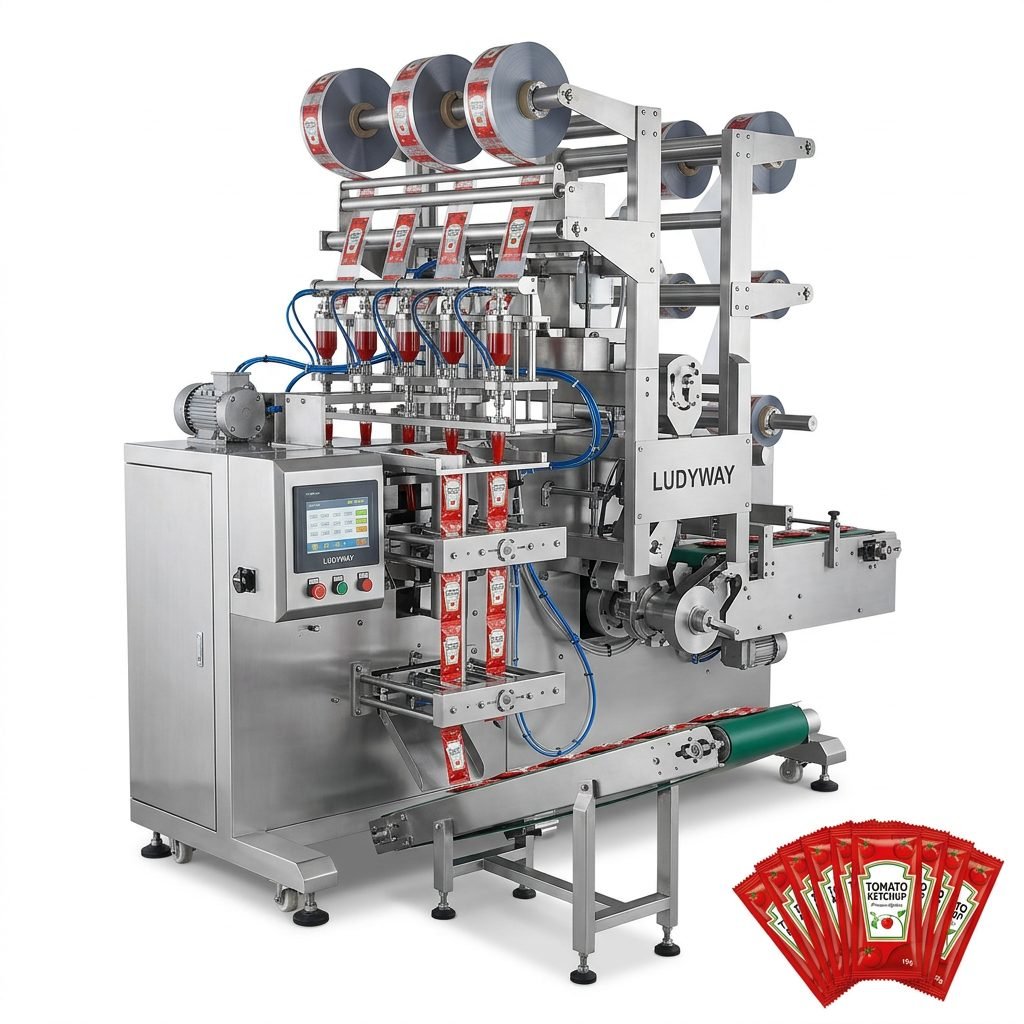
Pharmaceutical blister packaging machines are essential for manufacturers that need clean, secure, traceable, and efficient packaging for tablets and capsules. In modern pharmaceutical production, blister packs are widely preferred because they protect products from moisture, contamination, light exposure, and handling damage while also improving dosage control and patient convenience.
Whether you are producing OTC medicines, prescription drugs, nutraceuticals, or healthcare supplements, choosing the right blister packaging system can directly affect output, compliance, labor cost, packaging consistency, and long-term profitability.
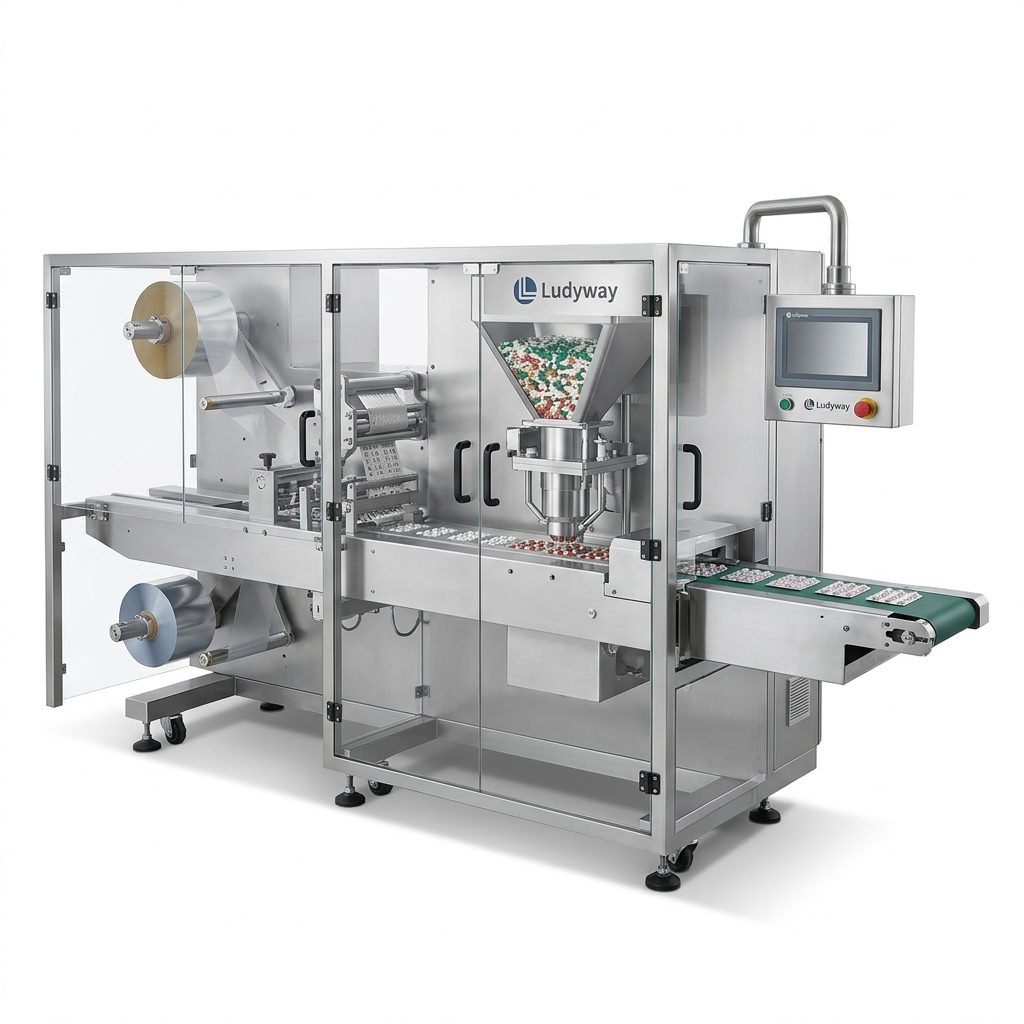
What Is a Pharmaceutical Blister Packaging Machine?
A pharmaceutical blister packaging machine is an automated system used to place tablets, capsules, or similar solid-dose products into pre-formed cavities and seal them with lidding material, usually aluminum foil or other barrier films. The result is a compact unit-dose package that protects each dose individually.
These machines are commonly used for:
- Tablets
- Hard capsules
- Softgels
- Effervescent tablets
- Lozenges
- Nutraceutical and supplement products
Why blister packaging is so popular in pharma
- Excellent barrier protection
- Accurate unit-dose presentation
- Reduced risk of cross-contamination
- Better tamper evidence
- Improved patient compliance
- Clear coding and batch traceability
- Professional retail appearance
How a Blister Packaging Machine Works
Although machine designs vary, the general process follows a clear sequence. Understanding this workflow helps buyers evaluate speed, precision, and suitability for their product type.
- Film feeding: The forming material, such as PVC, PVDC, PET, or aluminum, is unwound into the machine.
- Blister forming: Cavities are created by thermoforming or cold forming.
- Product feeding: Tablets or capsules are automatically counted, aligned, and placed into each cavity.
- Inspection: Vision systems or sensors check for missing, broken, or misaligned products.
- Sealing: Lidding foil is heat sealed to close the blister pack.
- Coding and embossing: Batch number, date, or lot information is added.
- Punching/cutting: The web is cut into final blister cards.
- Discharge or cartoning: Finished blisters move to cartoning or secondary packaging.
Main Types of Pharmaceutical Blister Packaging Machines
1. Thermoforming blister machines
These machines heat plastic film and form cavities using pressure or vacuum. They are widely used because they offer good speed, clear visibility of the product, and cost-effective packaging for many tablet and capsule applications.
Best for: standard tablets, capsules, and retail-friendly blister packs.
2. Cold forming blister machines
Cold forming uses aluminum-based laminate material without heating. It provides superior barrier protection against moisture, oxygen, and light, which is ideal for highly sensitive pharmaceutical products.
Best for: moisture-sensitive or high-value formulations.
3. Roller plate blister machines
These systems use a roller for forming and sealing, often delivering stable production and efficient operation for many medium- to high-speed applications.
4. Flat plate blister machines
Flat plate designs are known for strong sealing pressure and are often preferred when higher sealing quality is required, especially for aluminum-aluminum packaging.
Key Components of a Blister Packaging Machine
| Component | Function |
|---|---|
| Forming station | Creates blister cavities from film or foil material |
| Feeding system | Places tablets or capsules into blister pockets accurately |
| Sealing station | Seals lidding foil onto the blister web |
| Coding unit | Prints lot number, batch code, and date information |
| Punching/cutting unit | Cuts the sealed web into final blister cards |
| Control system | Manages speed, temperature, alarms, recipes, and settings |
| Inspection system | Detects missing products, poor sealing, or coding errors |
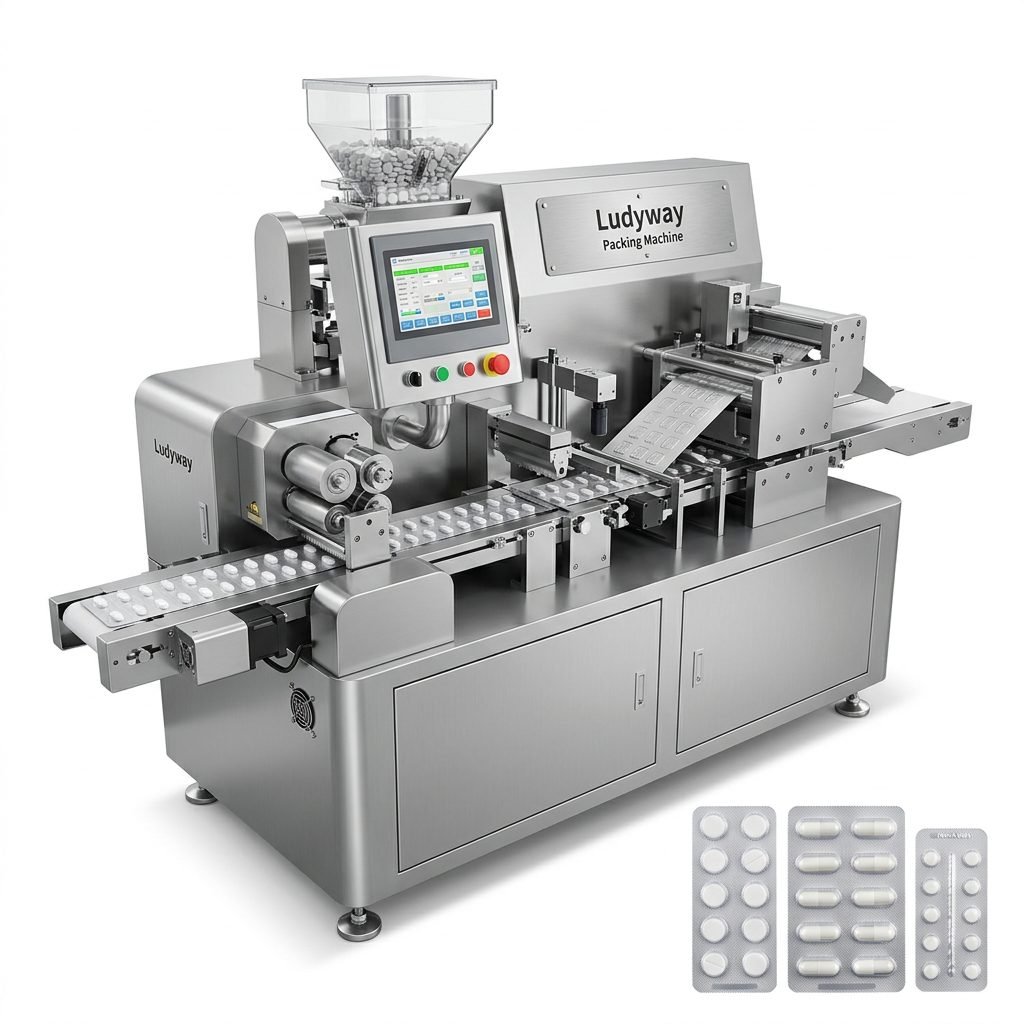
Tablets vs. Capsules: Different Packaging Considerations
Tablets and capsules may use the same blister machine platform, but they do not always behave the same during feeding and sealing.
Tablet packaging challenges
- Tablet chipping or edge breakage
- Dust generation during feeding
- Shape-specific orientation issues
- Higher sensitivity for coated tablets
Capsule packaging challenges
- Capsule body-cap separation risk
- Orientation and alignment control
- Gentle handling requirements
- Potential deformation under poor feeding conditions
For both product types, feeding accuracy and cavity compatibility are critical. The wrong feeder or poorly matched mold can increase product waste, stoppages, and quality complaints.
Advantages of Using a Pharmaceutical Blister Packaging Machine
- Higher efficiency: Automation increases output and reduces manual handling.
- Stronger product protection: Each dose is sealed separately.
- Better compliance: Supports GMP-oriented production and traceability.
- Reduced contamination risk: Limited direct contact during packaging.
- Improved consistency: Uniform packs enhance brand quality.
- Lower labor cost: Fewer manual operations are needed.
- Easier retail distribution: Blisters are compact and easy to carton.
Important Materials Used in Blister Packaging
Material selection affects shelf life, visibility, cost, machine compatibility, and overall package performance.
| Material | Common Use | Key Benefit |
|---|---|---|
| PVC | Standard blister packs | Economical and transparent |
| PVC/PVDC | Moisture-sensitive products | Better moisture barrier |
| Alu-Alu | Sensitive drugs | Excellent barrier protection |
| PET | Alternative clear packaging | Strength and clarity |
| Lidding foil | Sealing layer | Secure closure and printability |
How to Choose the Right Pharmaceutical Blister Packaging Machine
Buying the right machine requires more than comparing speed alone. A well-matched machine should fit your product, packaging format, compliance goals, and production growth plan.
1. Product type and size range
Confirm the machine can handle your exact tablet or capsule size, shape, fragility, and dosing layout.
2. Required output
Consider blister packs per minute, shifts per day, and future demand. Under-buying leads to bottlenecks, while over-buying can waste budget.
3. Packaging material compatibility
Not every machine handles both thermoforming and cold forming equally well. Check material support before purchase.
4. Changeover convenience
If you package multiple SKUs, fast mold change and recipe storage can save major downtime.
5. GMP and validation requirements
Pharmaceutical production often requires documentation, traceability, hygienic design, and validation support.
6. Integration with downstream equipment
The machine should connect smoothly with cartoners, checkweighers, vision inspection, serialization, and case packing systems.
7. Maintenance and spare parts
Reliable after-sales support is essential for reducing downtime and protecting long-term ROI.
Essential Features to Look For
- Servo-driven motion control
- HMI touchscreen with recipe memory
- Automatic feeding and product rejection
- Missing tablet or capsule detection
- Stable heat sealing control
- Easy-clean structure
- Low-noise operation
- Quick tooling replacement
- Batch coding and embossing
- Support for line integration and automation upgrades
Common Problems and How to Reduce Them
Poor sealing quality
This can result from incorrect temperature, pressure inconsistency, contaminated sealing surfaces, or incompatible materials.
Product breakage
Usually caused by aggressive feeding, improper cavity design, or unstable vibration settings.
Missing tablets or capsules
Often linked to feeder mismatch, excessive speed, or lack of inspection systems.
Frequent downtime
This may be due to difficult changeovers, low-quality components, or poor preventive maintenance routines.
Tip: Regular maintenance, trained operators, proper tooling selection, and stable environmental conditions can greatly improve blister line performance.
Blister Packaging Machine vs. Bottle Packaging: Which Is Better?
The answer depends on your product strategy, regulatory requirements, target market, and customer preference.
| Factor | Blister Packaging | Bottle Packaging |
|---|---|---|
| Dose protection | Excellent individual protection | Shared internal environment |
| Patient convenience | High for daily-dose control | Good for bulk usage |
| Moisture resistance | Very strong with right materials | Depends on bottle and desiccant |
| Retail presentation | Premium and organized | Simple and practical |
| Packaging format | Unit-dose | Multi-dose |
Industries That Use Blister Packaging Machines
While the pharmaceutical sector is the main user, blister systems are also widely used in adjacent industries.
- Pharmaceutical manufacturing
- Nutraceutical production
- Healthcare supplements
- Veterinary medicine
- Medical consumables
- OTC drug packaging
Benefits of Integrating a Full Packaging Line
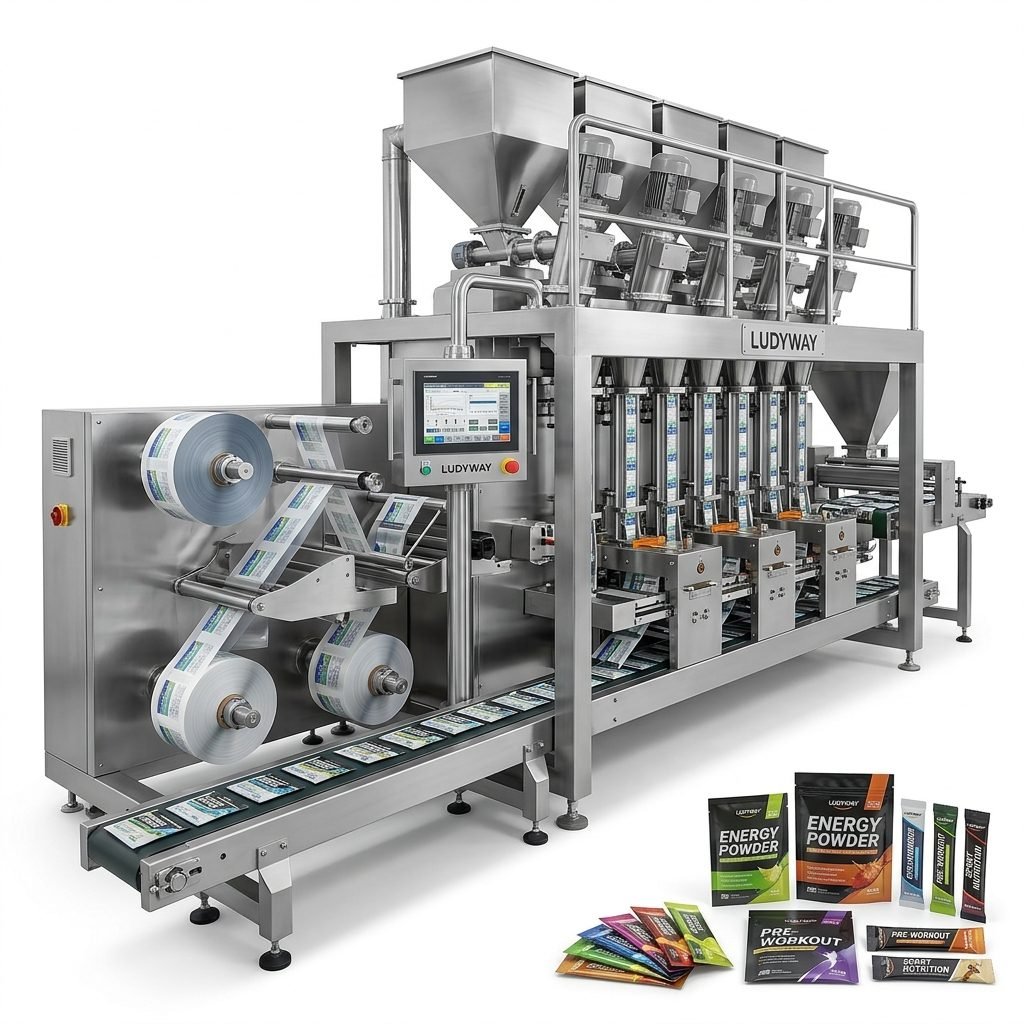
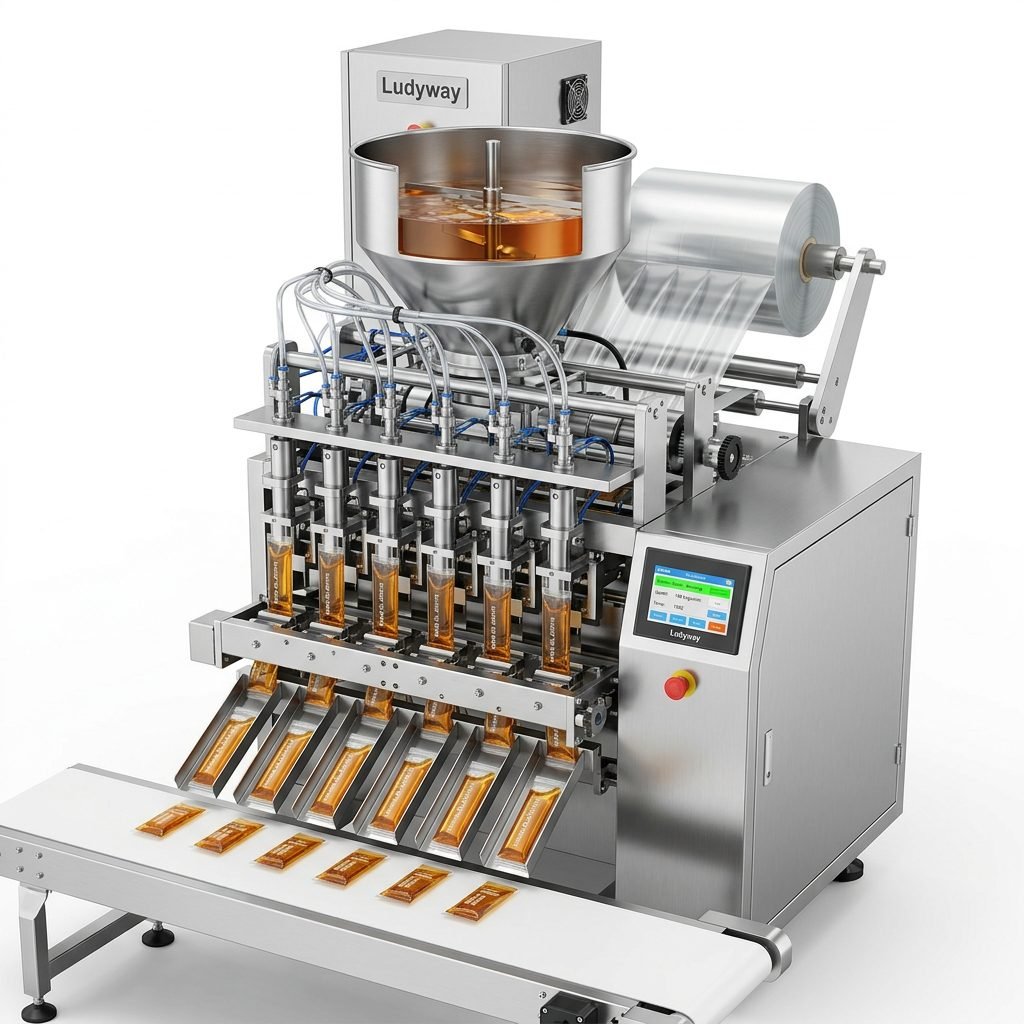
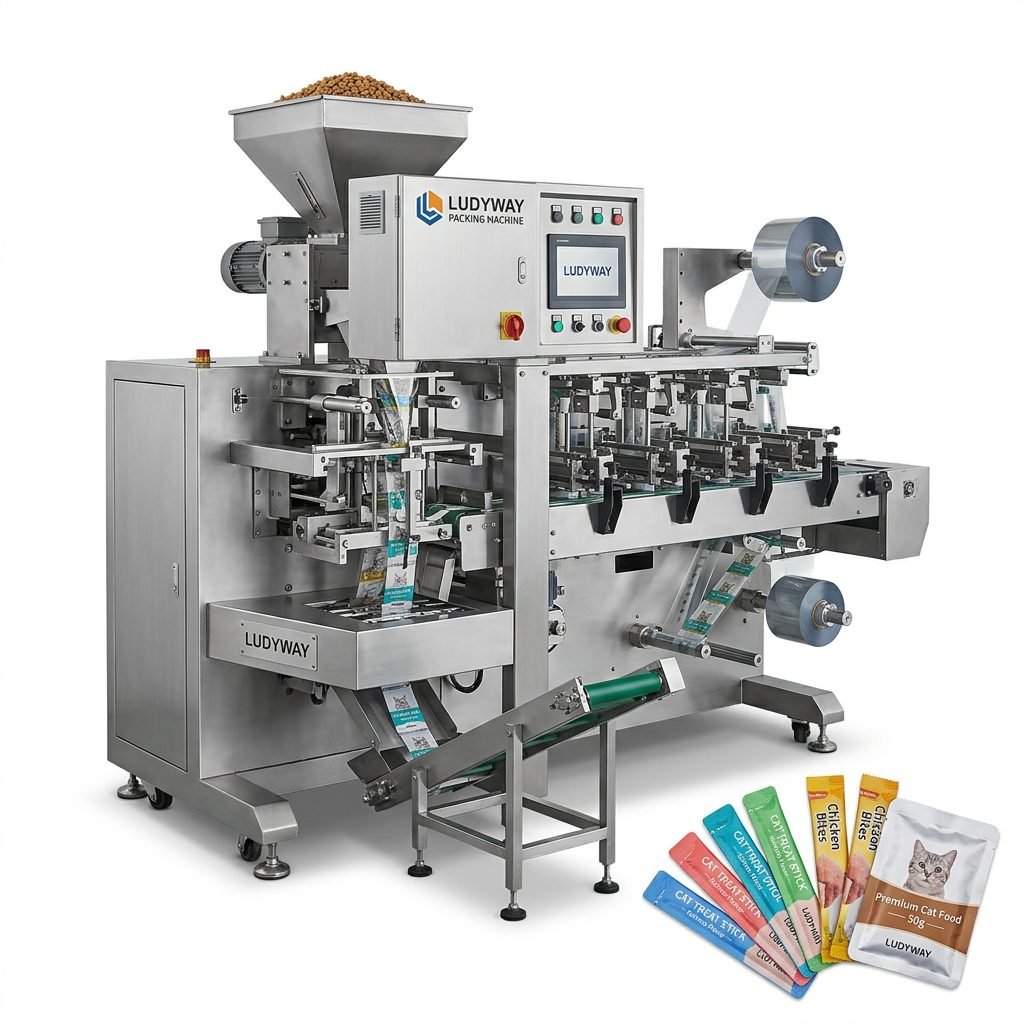
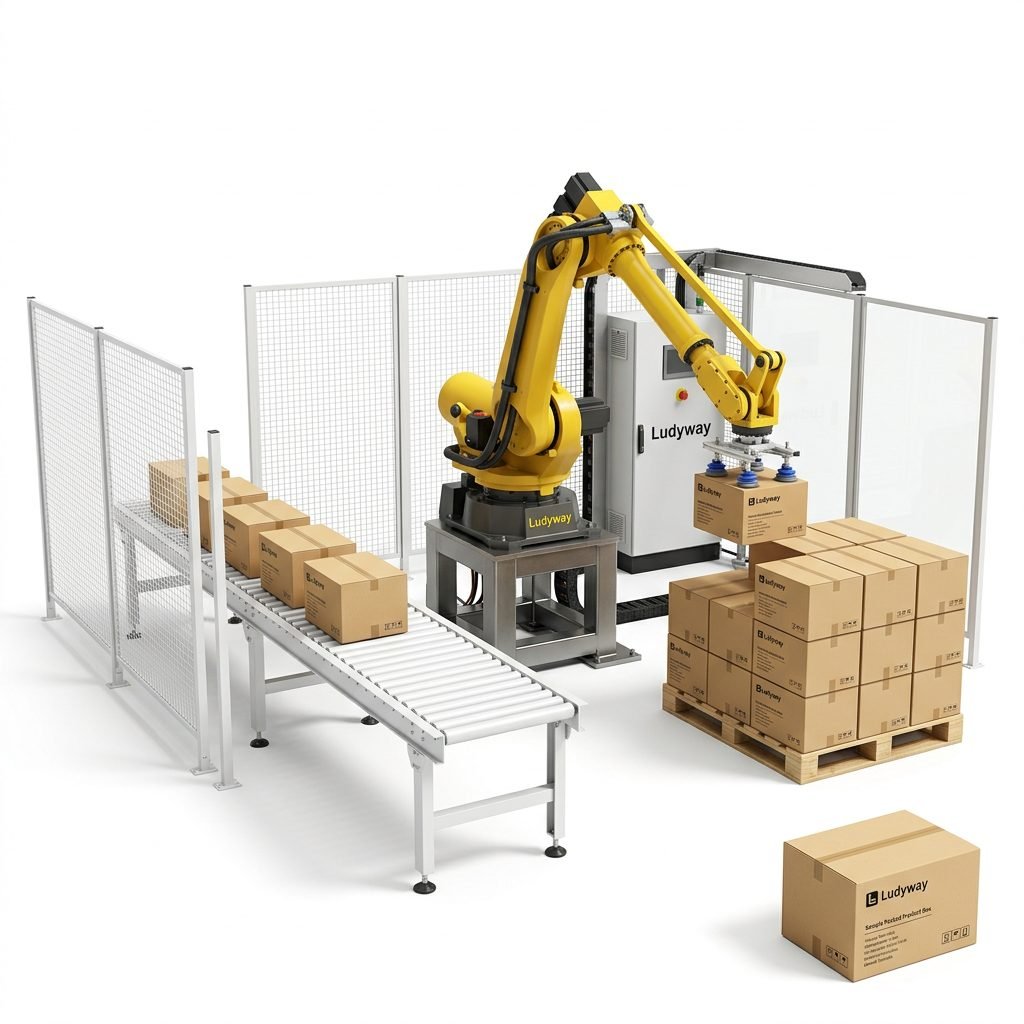
A standalone blister machine is useful, but many manufacturers improve productivity even further by integrating it into a complete line. This can include product feeding, blister packing, vision inspection, cartoning, case packing, coding, and palletizing.
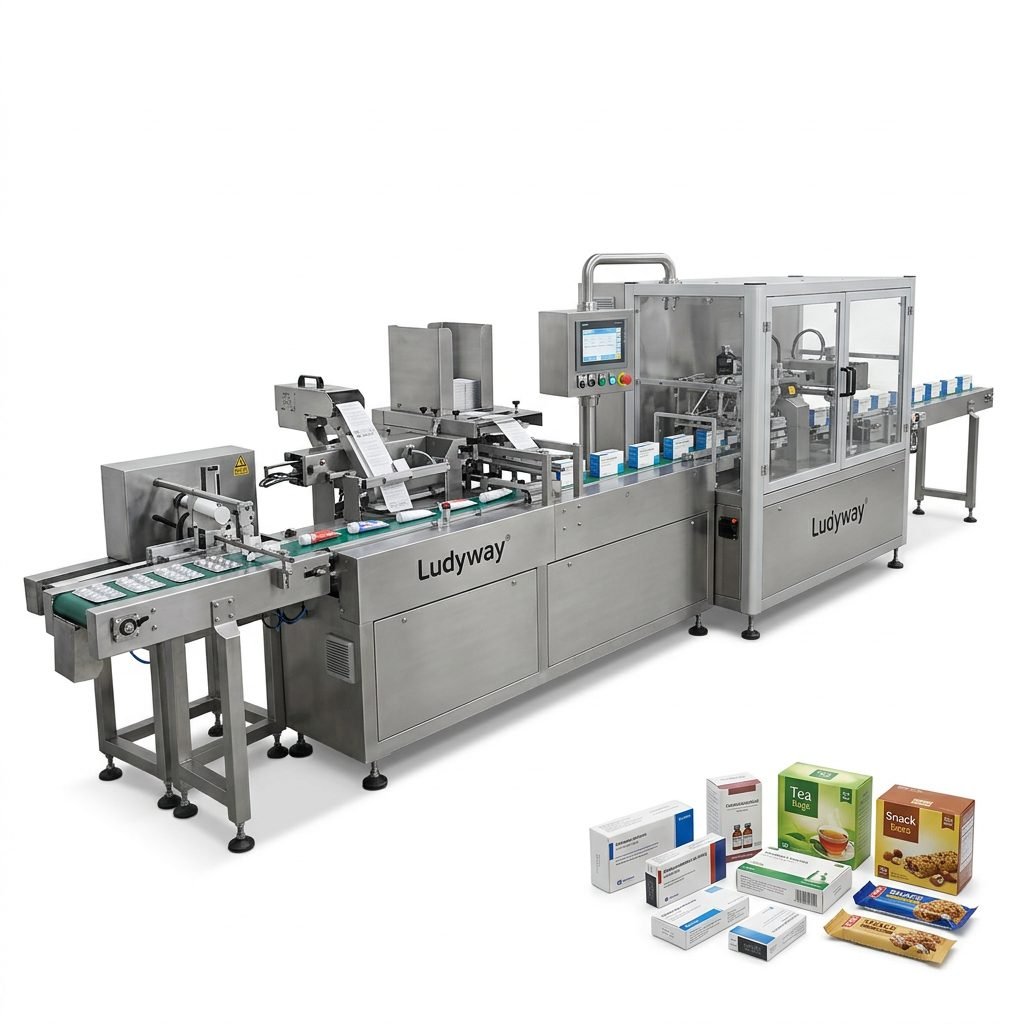
For companies planning scalable pharmaceutical automation, working with an experienced supplier such as Ludyway pharmaceutical packaging machine solutions can help simplify line matching, customization, and long-term technical support.
Maintenance Best Practices
- Inspect forming and sealing stations daily
- Keep feeders and tooling clean
- Check wear parts on a routine schedule
- Calibrate temperature and pressure settings
- Verify coding accuracy regularly
- Train operators on changeover procedures
- Use original or compatible spare parts with verified quality
Questions to Ask Before Buying
- What tablet and capsule sizes can the machine handle?
- Does it support both PVC and Alu-Alu materials?
- What is the actual running speed under production conditions?
- How long does format changeover take?
- Are validation documents available?
- Can it integrate with cartoning and serialization systems?
- What remote or on-site support is provided?
- How quickly can spare parts be supplied?
Final Thoughts on Efficient Tablet and Capsule Packaging
A pharmaceutical blister packaging machine is more than a packaging device—it is a key part of product protection, compliance, and production efficiency. The right machine can help you increase throughput, improve packaging consistency, reduce waste, and build a more reliable pharmaceutical packaging process.
When evaluating options, focus on product compatibility, material support, sealing quality, automation level, inspection capability, and after-sales service. A machine that fits your real production needs will deliver better performance than one chosen only for headline speed.
For tablet and capsule manufacturers aiming for efficient, hygienic, and scalable packaging, investing in the right blister packaging technology is a smart long-term decision.