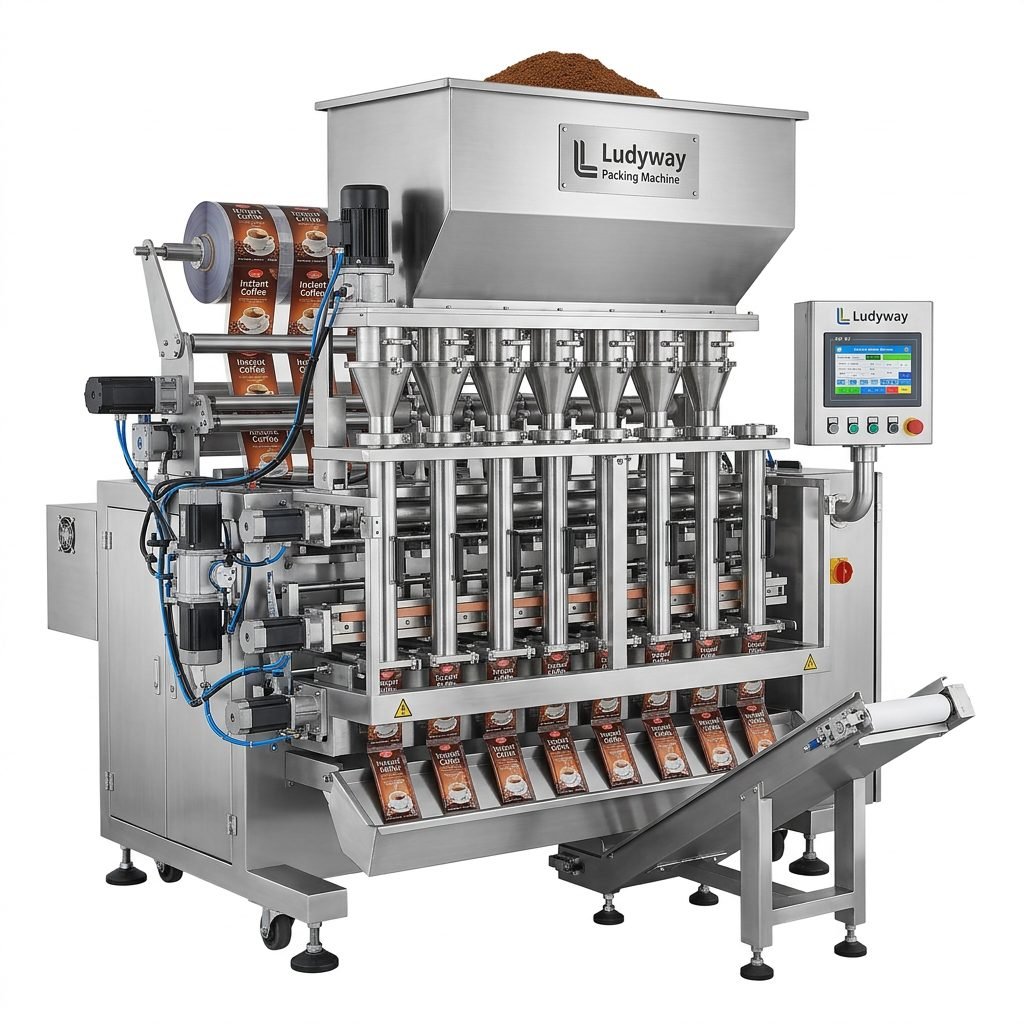
Investing in a milk packaging machine is a critical decision for dairy processors, co-packers, and food manufacturers across North America. Whether you are packing fluid milk, flavored milk, cream, or dairy-based beverages, selecting the right equipment directly impacts shelf life, production efficiency, and regulatory compliance. This guide walks you through the essential factors to consider when evaluating milk packaging machinery for the U.S. and Canadian markets.
Understanding Milk Packaging Formats in North America
The North American dairy market utilizes several distinct packaging formats, each requiring specific machinery capabilities. Your choice of format will determine the type of packaging equipment you need.
- Gable-top cartons: Traditional for fresh fluid milk in gallon, half-gallon, quart, and pint sizes.
- Plastic jugs and bottles: HDPE and PET containers dominate the retail milk segment.
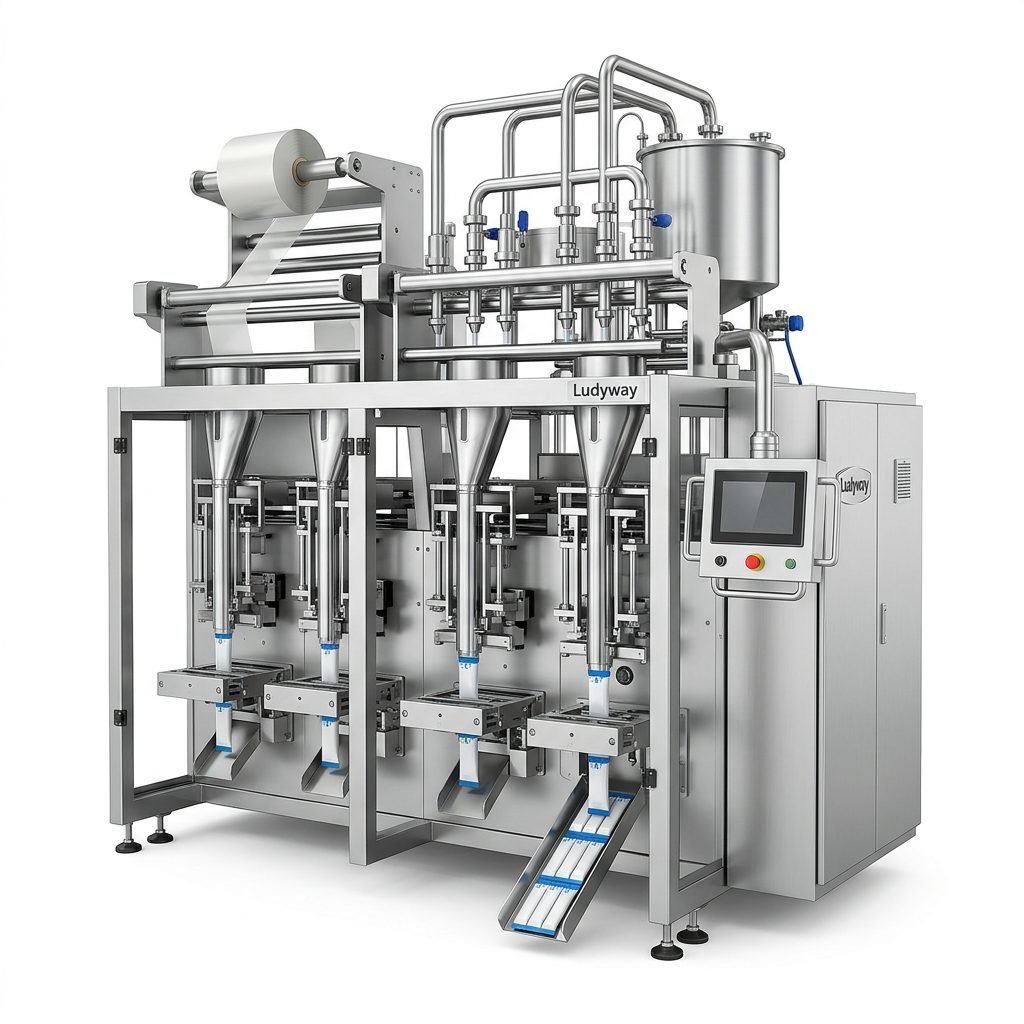
- Pouches and sachets: Growing in popularity for single-serve and portion-controlled dairy products.
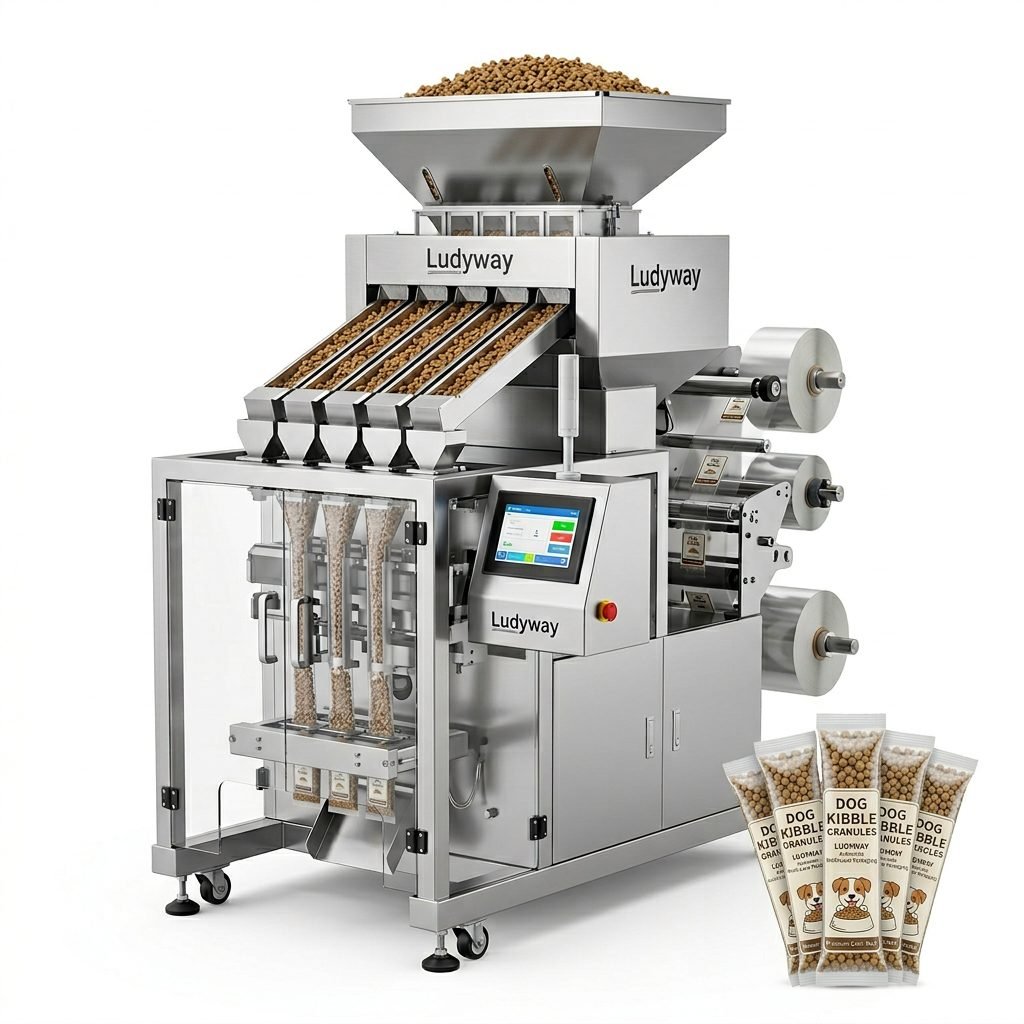
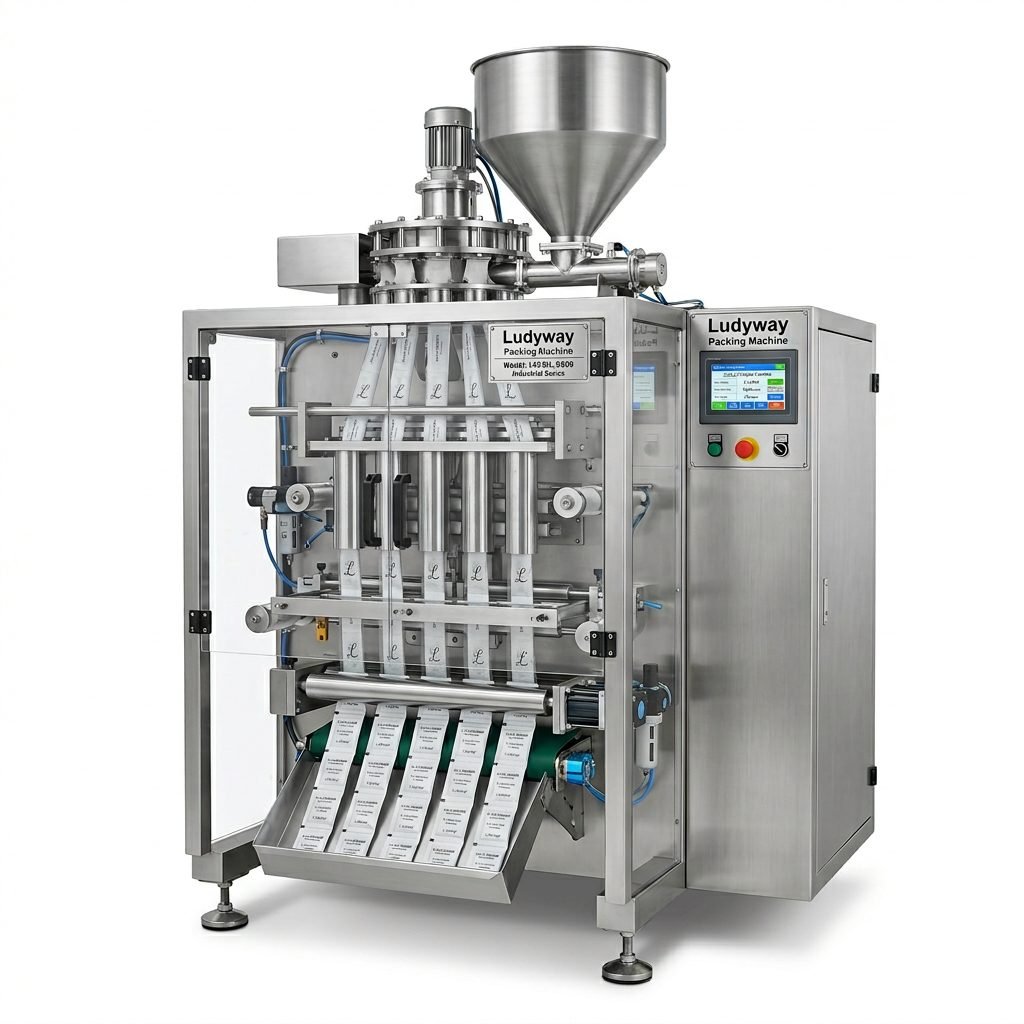
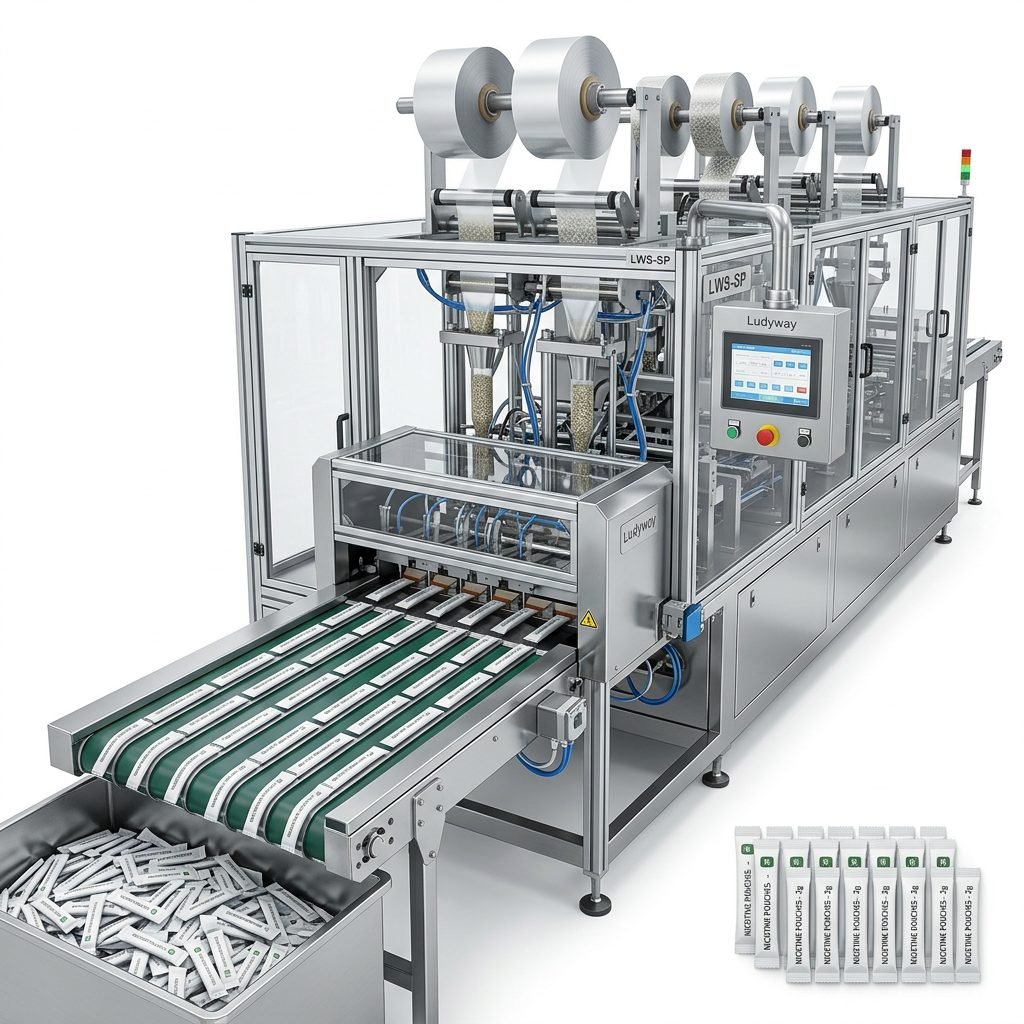
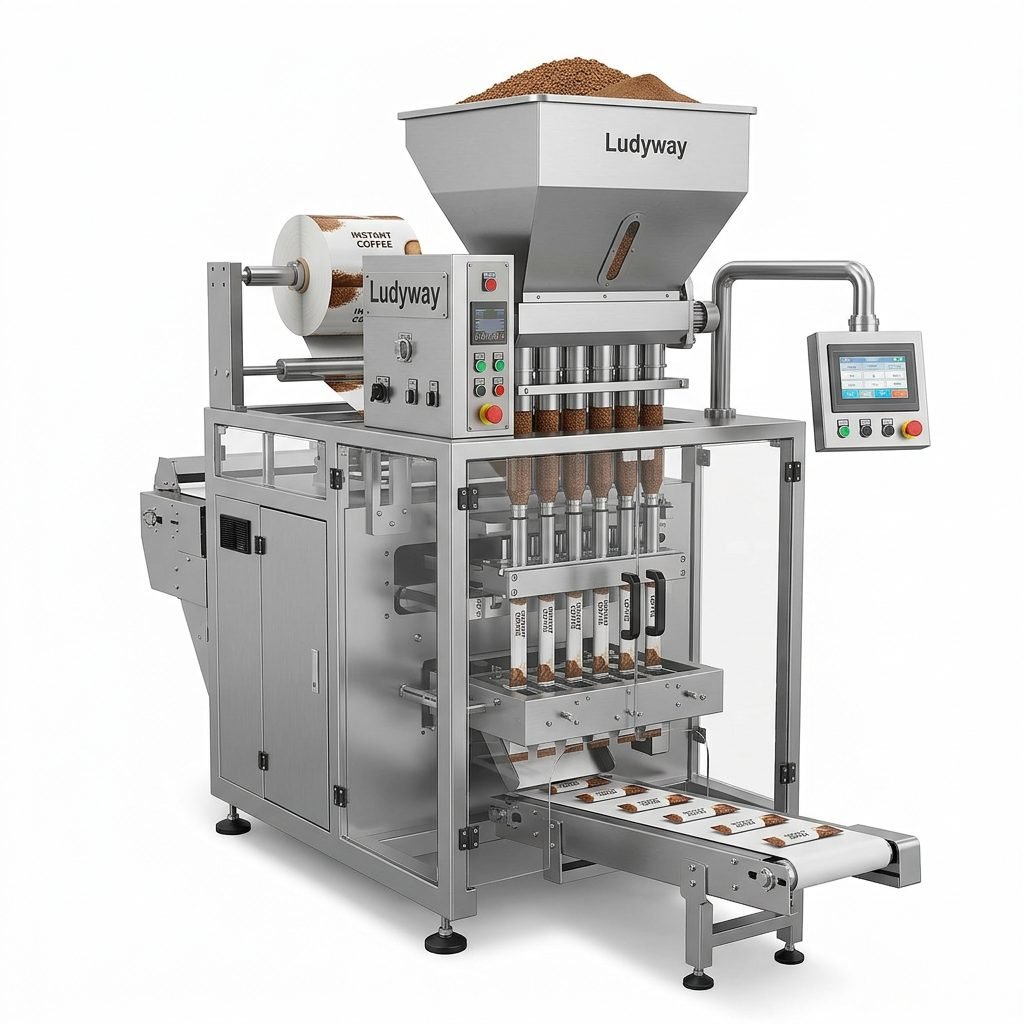
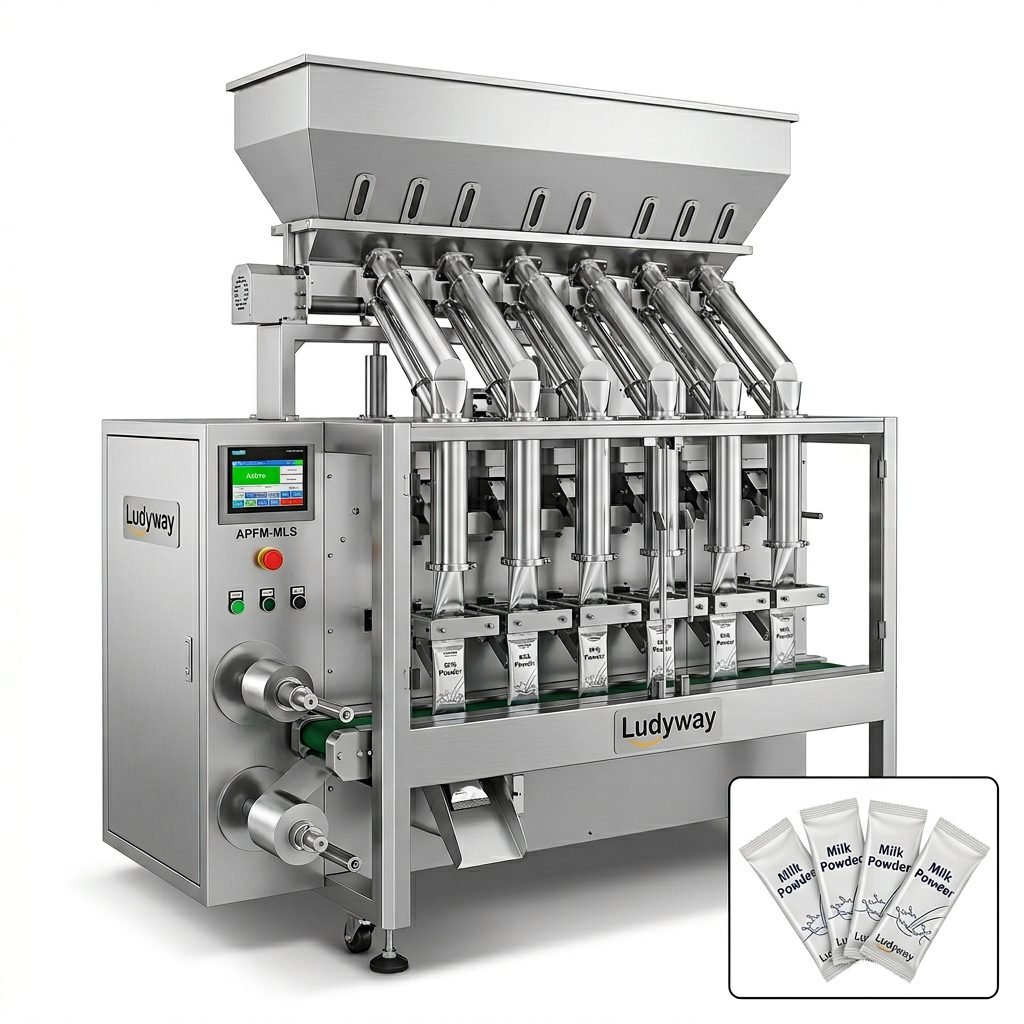
- Stick packs: Ideal for powdered milk, creamers, and dairy-based supplement products.
- Aseptic cartons: Shelf-stable milk products requiring ultra-clean or aseptic filling technology.
Key Machine Types for Dairy Processing
Different dairy products demand different filling technologies. Understanding these distinctions is essential before contacting packaging machine manufacturers.
Liquid Milk Filling Machines
For fluid milk, cream, and liquid dairy beverages, volumetric piston fillers and flow meter systems offer high accuracy at speeds ranging from 1,000 to 12,000 containers per hour. Sanitary design with CIP (Clean-in-Place) compatibility is non-negotiable for FDA and CFIA compliance.
Powdered Milk Packaging Equipment
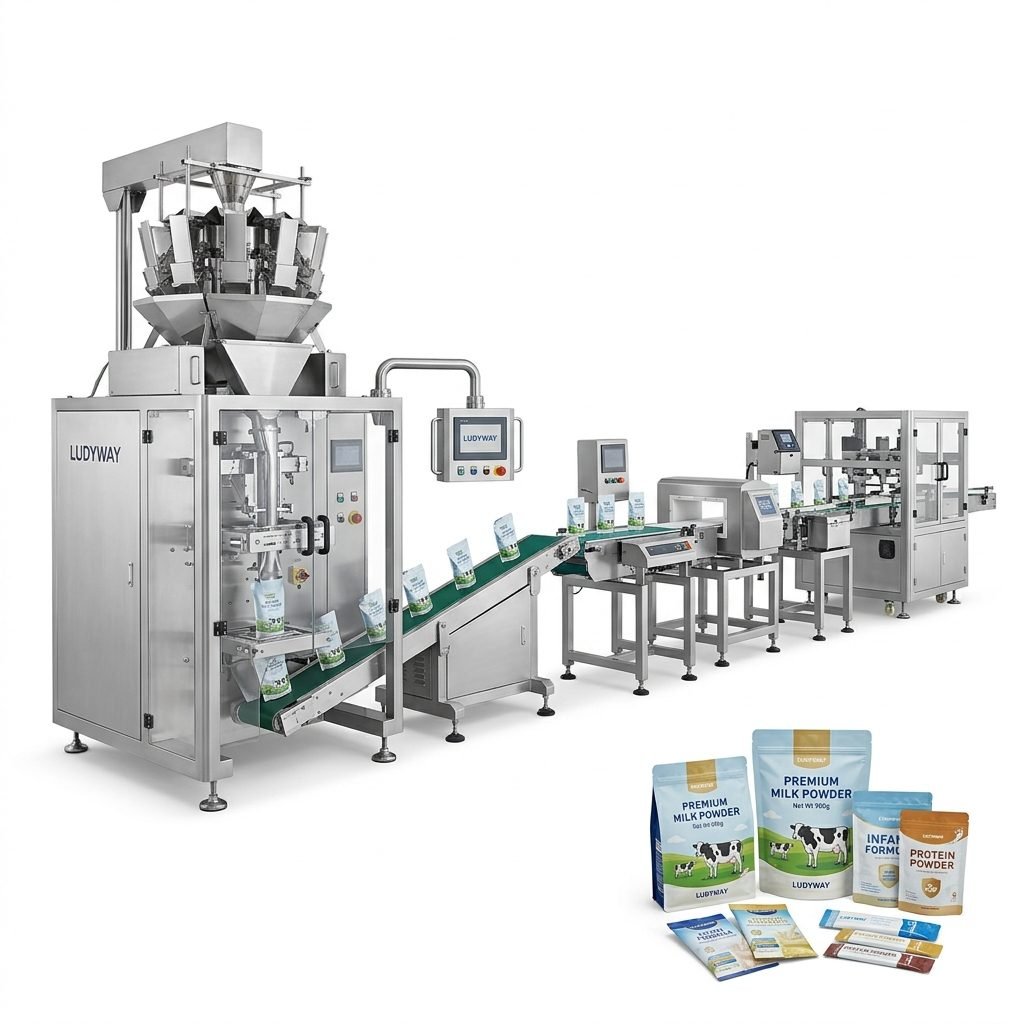
Powdered milk, infant formula, and dairy-based nutritional powders require auger fillers or multi-head weighers for precise portion control. These systems must manage dust control and prevent product contamination during the filling process.
Critical Factors When Selecting a Milk Packaging Machine
Before making a purchase decision, evaluate these six critical areas to ensure your packaging system meets both current needs and future growth targets.
Production Capacity and Speed Requirements
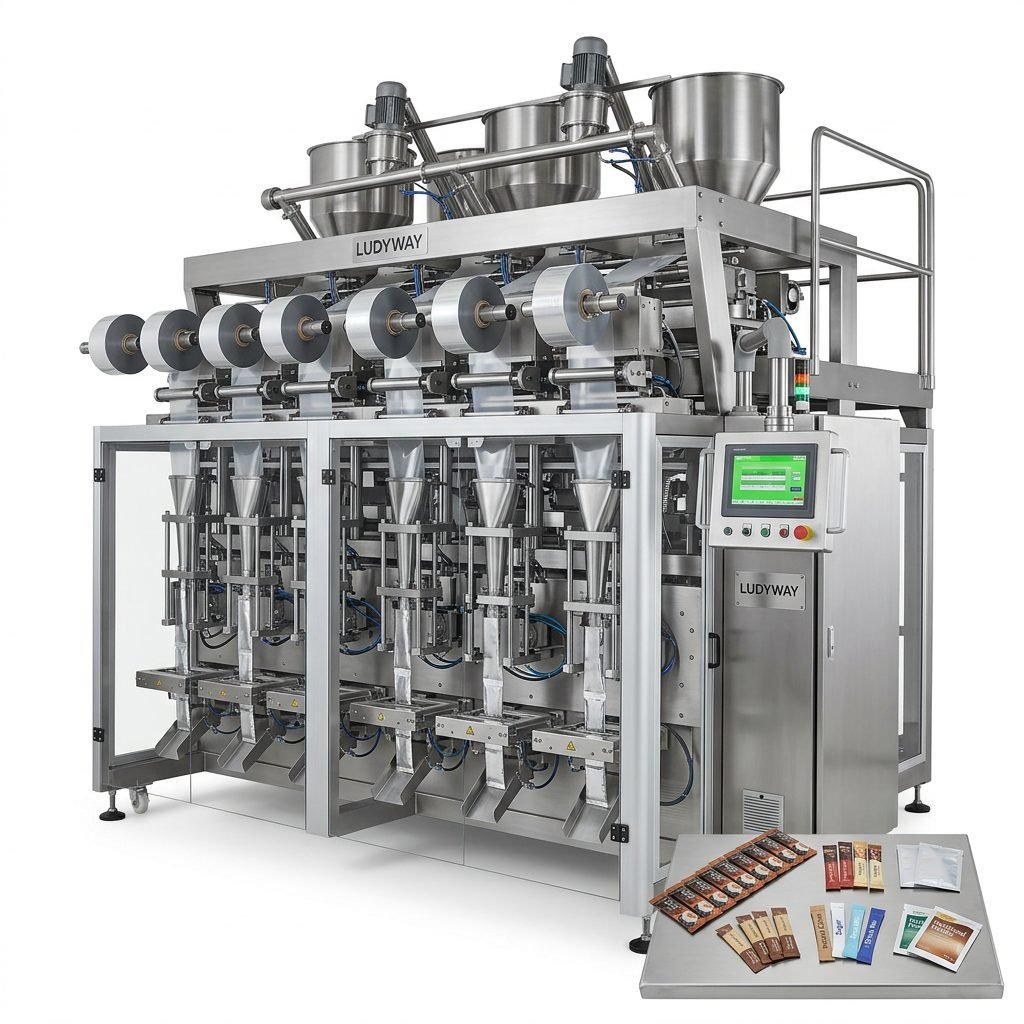
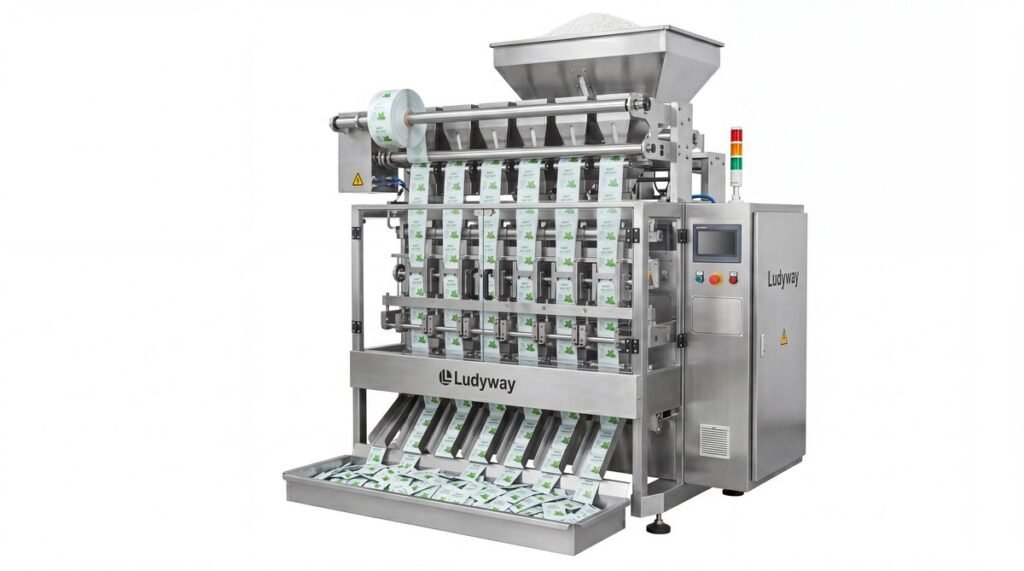
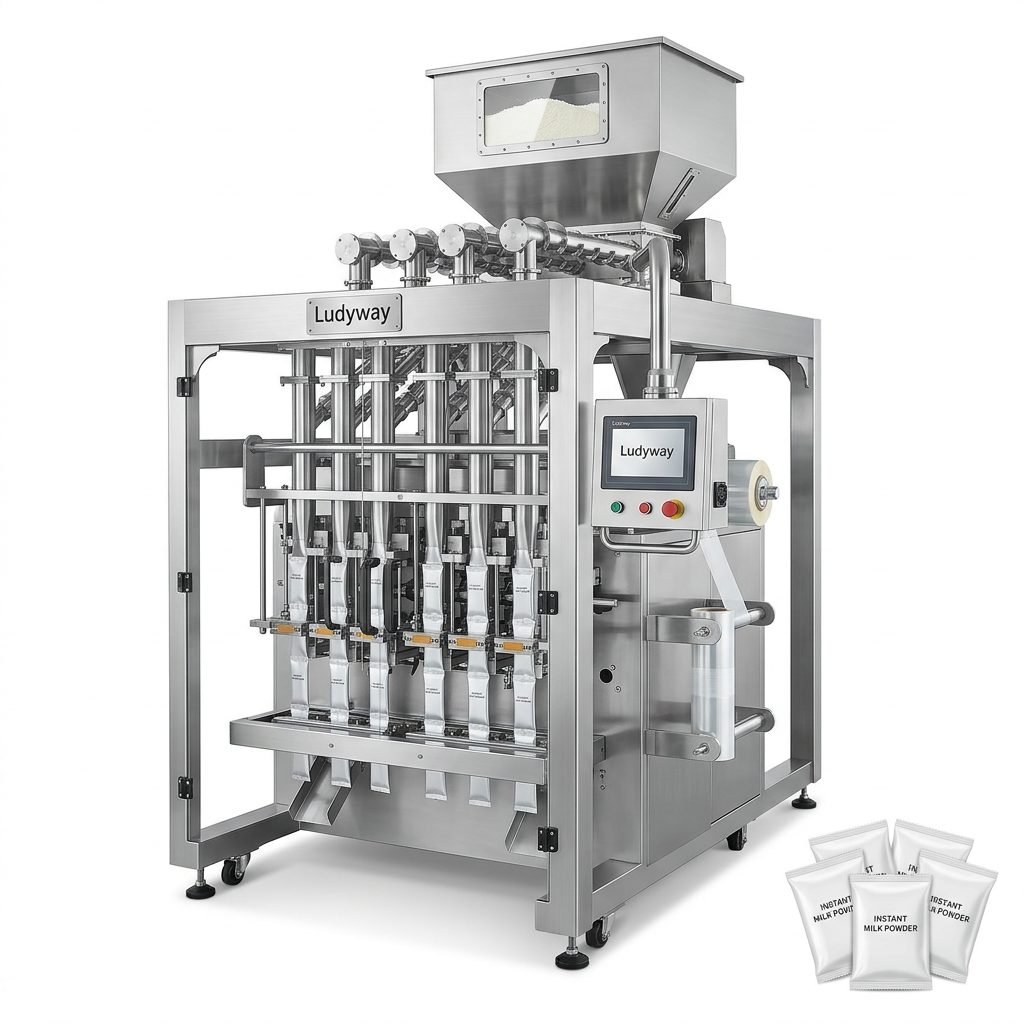
Calculate your required output in units per minute or hour. Consider peak production seasons and allow for 20-30% headroom above current demand to accommodate growth. Multi-lane systems can significantly boost throughput for sachet and stick-pack formats.
Material Compatibility and Changeover Flexibility
Your machine should handle the specific packaging materials you plan to use—whether that is multilayer barrier films, paperboard, HDPE, or PET. Quick-changeover features reduce downtime when switching between formats, flavors, or package sizes.
Sanitary Design and Cleanability
For dairy applications, 3-A Sanitary Standards compliance is often required. Look for stainless steel construction, sloped surfaces, minimal crevices, and accessible components that support effective sanitation protocols. This is particularly important for FDA food packaging requirements in the U.S. market.
Automation and Integration Capabilities
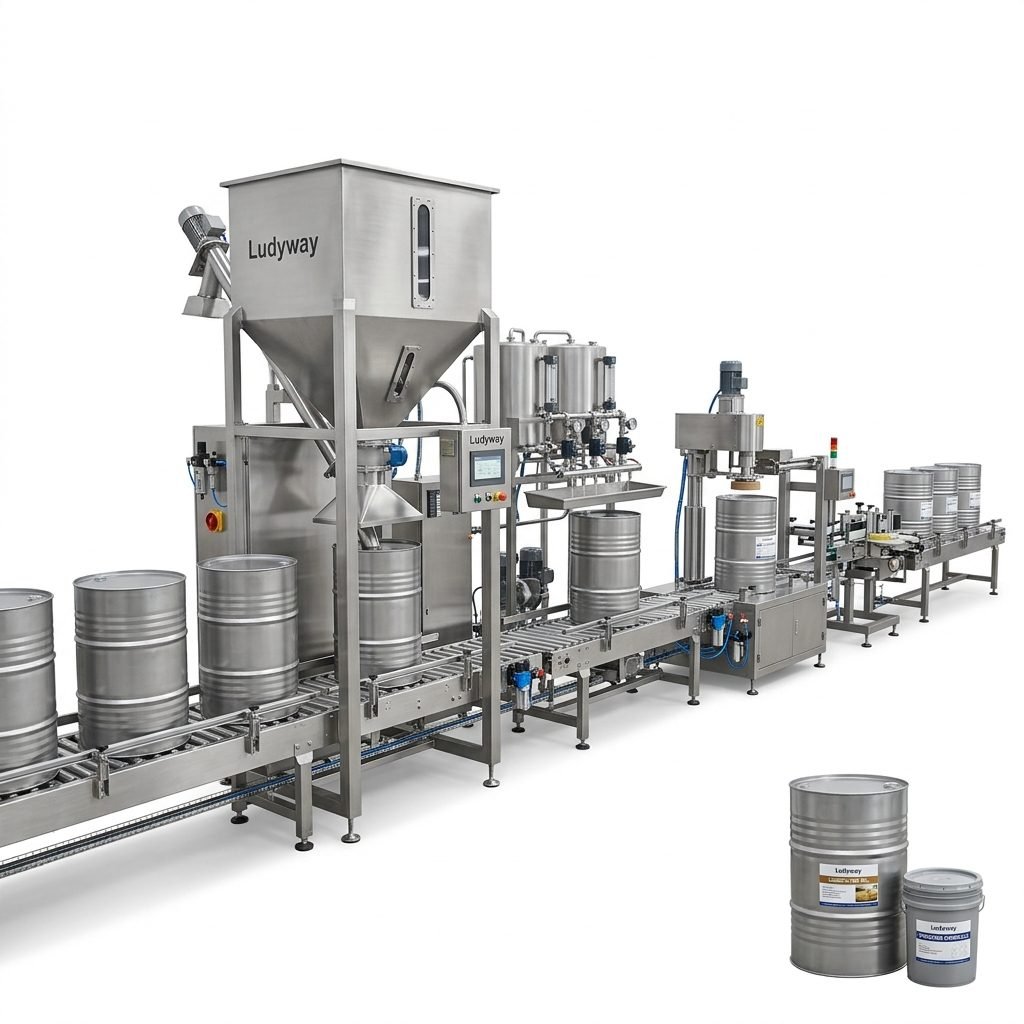
Modern milk packaging lines increasingly incorporate robotics for case packing, palletizing, and material handling. Evaluate whether the machine can integrate with upstream processing equipment and downstream secondary packaging systems.
Regulatory Compliance for the North American Market
Dairy packaging equipment sold and operated in North America must meet stringent regulatory standards. The PMMI packaging industry resources provide valuable guidance on current requirements.
- FDA 21 CFR Part 110/117: Current Good Manufacturing Practice (cGMP) for food manufacturing and packaging.
- Pasteurized Milk Ordinance (PMO): Specific requirements for Grade A milk processing equipment in the U.S.
- CFIA regulations: Canadian Food Inspection Agency standards for dairy processing facilities.
- UL/CSA electrical certification: Required for electrical systems on machinery installed in North America.
- 3-A Sanitary Standards: Widely referenced for dairy equipment design and material specifications.
Comparing Packaging Machine Configurations
The following table summarizes common milk packaging machine configurations and their typical applications in North American dairy operations.
| Machine Type | Best For | Speed Range | Key Consideration |
|---|---|---|---|
| Rotary Liquid Filler | Fluid milk in bottles/jugs | 2,000-12,000 bph | High initial investment |
| Gable-Top Carton Filler | Fresh milk cartons | 1,500-8,000 cph | Carton blank inventory |
| Multi-Lane Stick Pack | Powdered milk, creamers | 200-800 ppm | Film selection critical |
| Aseptic Filling System | Shelf-stable dairy | 3,000-10,000 uph | Sterile environment required |
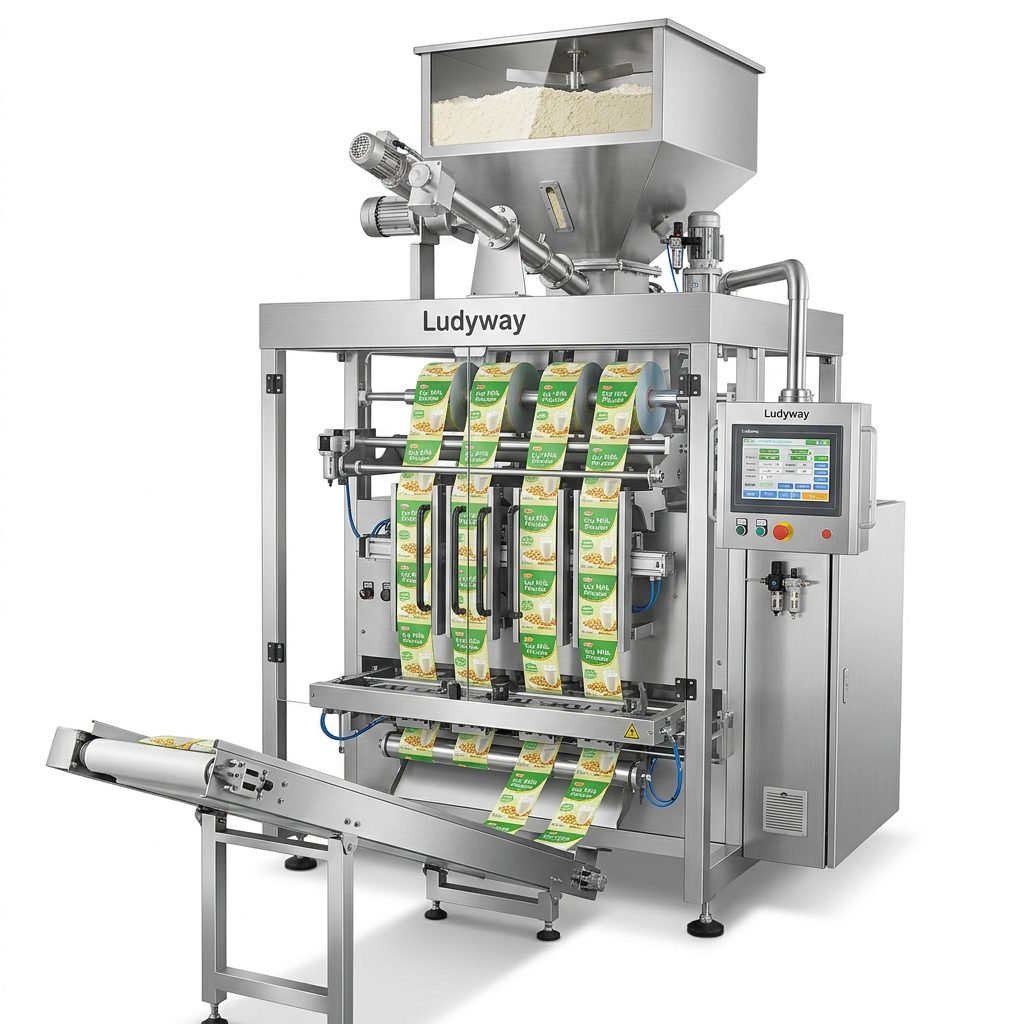
| Vertical Form-Fill-Seal | Milk powder sachets | 60-200 ppm | Versatile format options |
Total Cost of Ownership Considerations
Beyond the initial purchase price, evaluate the total cost of ownership over the expected service life of the equipment—typically 10 to 15 years for well-maintained dairy packaging machinery.
- Spare parts availability: Confirm that critical wear components are readily available from North American distributors to minimize downtime.
- Energy consumption: Modern servo-driven systems can reduce electrical consumption by 30-40% compared to pneumatic alternatives.
- Labor requirements: Automated systems may reduce operator count but require higher-skilled technicians for maintenance.
- Film and material waste: Precise tension control and registration systems minimize trim waste and rejected packages.
- Warranty and service: Look for comprehensive warranties and accessible technical support within North American time zones.
Questions to Ask Before Purchasing
When evaluating equipment from different suppliers, use this checklist to guide your discussions and compare options effectively.
- Is the machine designed to meet 3-A sanitary standards for dairy applications?
- What is the actual demonstrated speed with milk products, not just the theoretical maximum?
- How many format changeovers can be completed per shift, and what is the average changeover time?
- Does the supplier offer onsite installation support and operator training in North America?
- Are there reference installations at other dairy facilities that you can visit or contact?
- What preventive maintenance schedule is recommended, and are service contracts available?
Industry Resources and Further Reading
Stay informed about packaging machinery standards and market trends through these authoritative sources:
- PMMI Business Intelligence – Packaging Industry Data
- PACK EXPO International – Packaging Trade Show
- Flexible Packaging Association – Industry Resources
- FDA – Packaging and Food Contact Substances
- ISO – Packaging Standards
- PMMI – 2026 State of the Industry Report
Choosing a Reliable Packaging Partner
Selecting the right milk packaging machine is only part of the equation. Equally important is partnering with a manufacturer that understands the unique demands of the North American dairy industry—from regulatory compliance to production efficiency and after-sales support. Ludyway is one of the largest packaging machine manufacturers in China, specializing in advanced packaging equipment and turnkey production solutions for the food, pharmaceutical, and health industries, with over 30 years of industry expertise and more than 50 intelligent packaging machine models serving customers in over 100 countries.
For more insights on packaging machinery trends and market growth, read the Ludyway Packaging Machinery Global Growth Trend report.
By carefully evaluating your production requirements, regulatory obligations, and long-term operational goals, you can select a milk packaging system that delivers consistent quality, reliable performance, and strong return on investment for years to come.