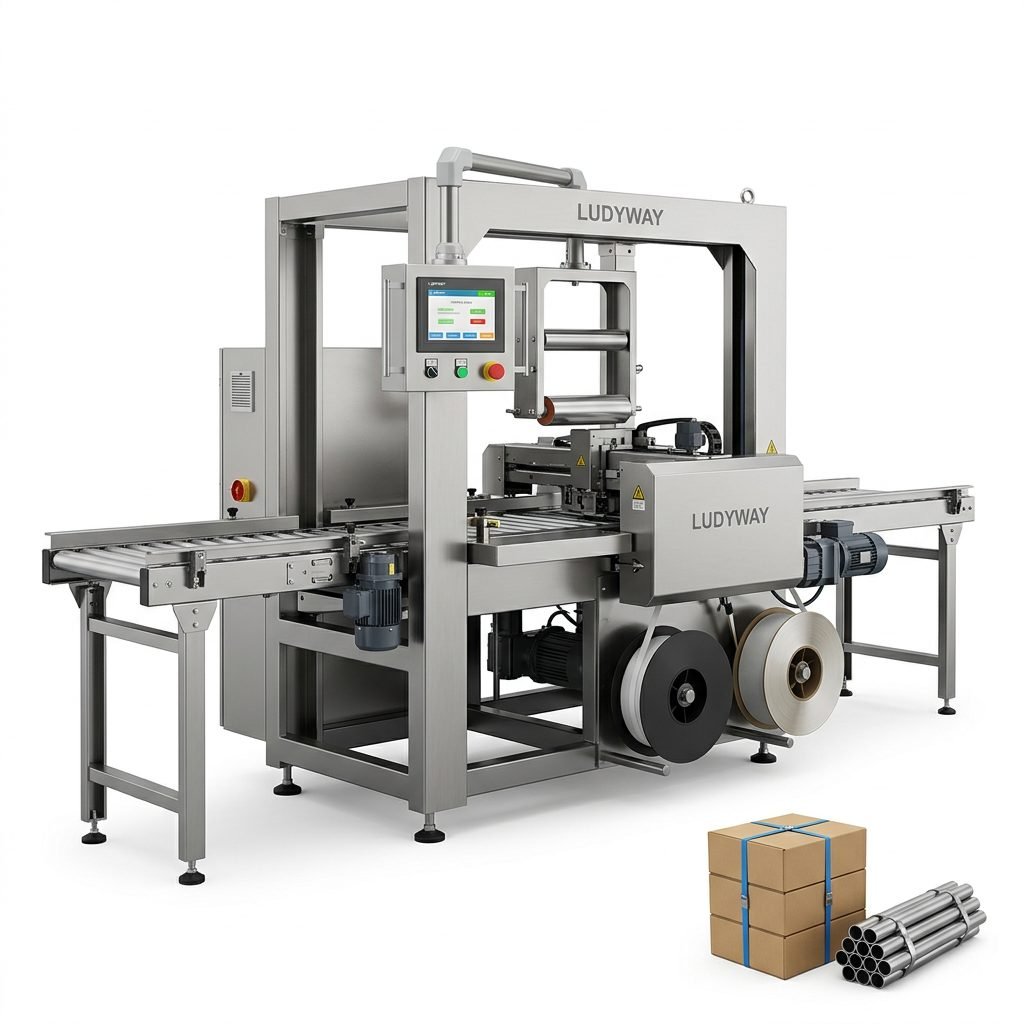
Investing in the right milk packaging machine is a critical decision for dairy processors, beverage manufacturers, and food production companies. Whether you are packaging fresh liquid milk, milk powder, flavored milk drinks, or shelf-stable dairy products, the efficiency, hygiene, and reliability of your packaging equipment directly impact product quality and your bottom line. This comprehensive guide covers everything you need to know about milk packaging machines — from key machine types and cost considerations to global supplier evaluation and industry standards.
Understanding Milk Packaging Machine Types
Modern dairy packaging lines encompass a wide variety of machine configurations, each designed for specific product formats, production volumes, and packaging materials. Selecting the correct type is the foundation of a successful packaging operation.
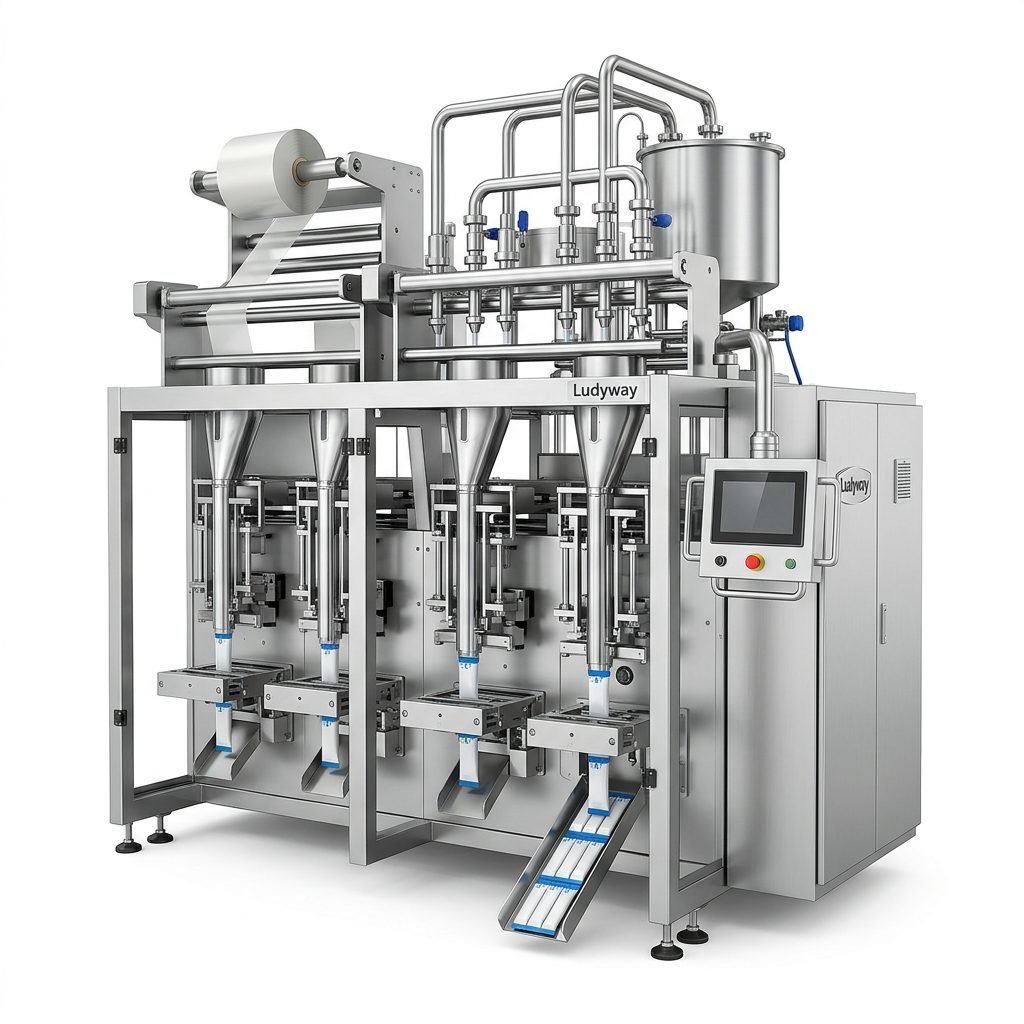
Liquid Milk Pouch and Sachet Machines
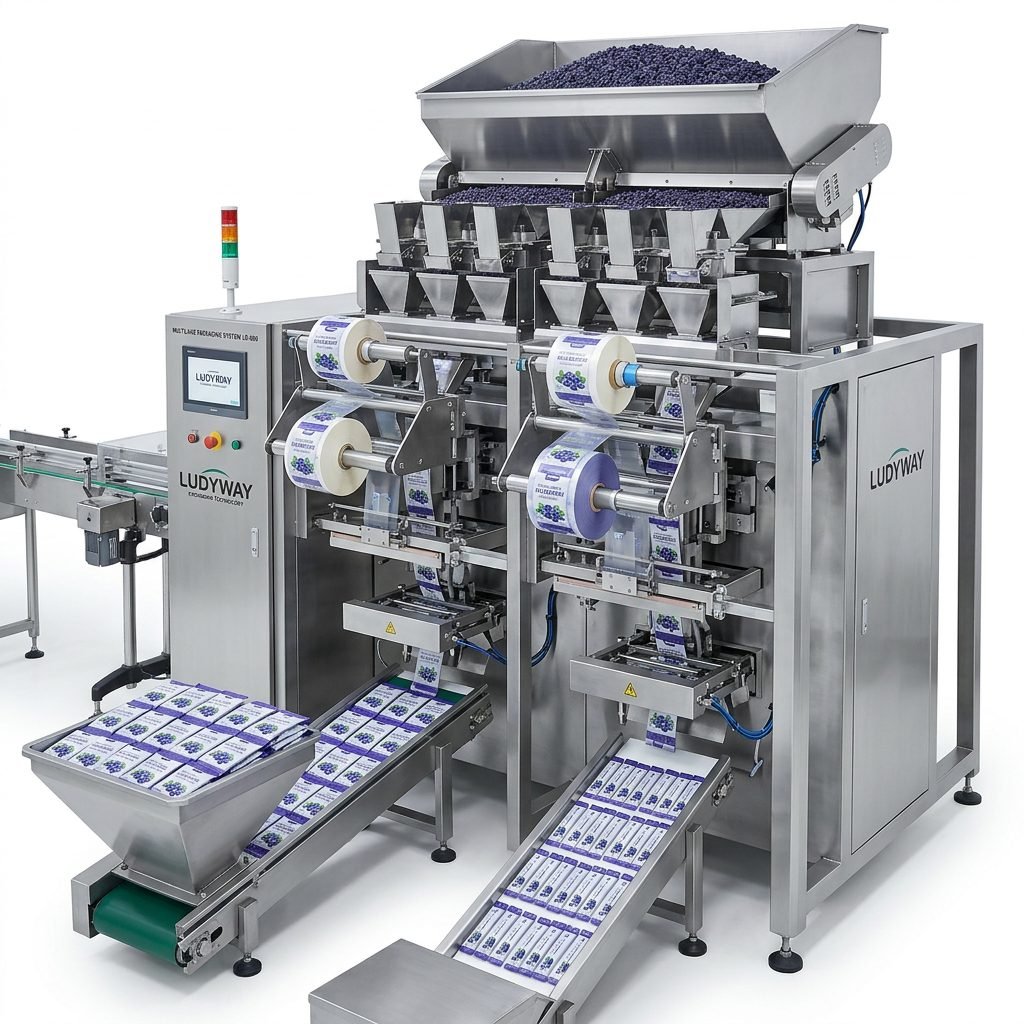
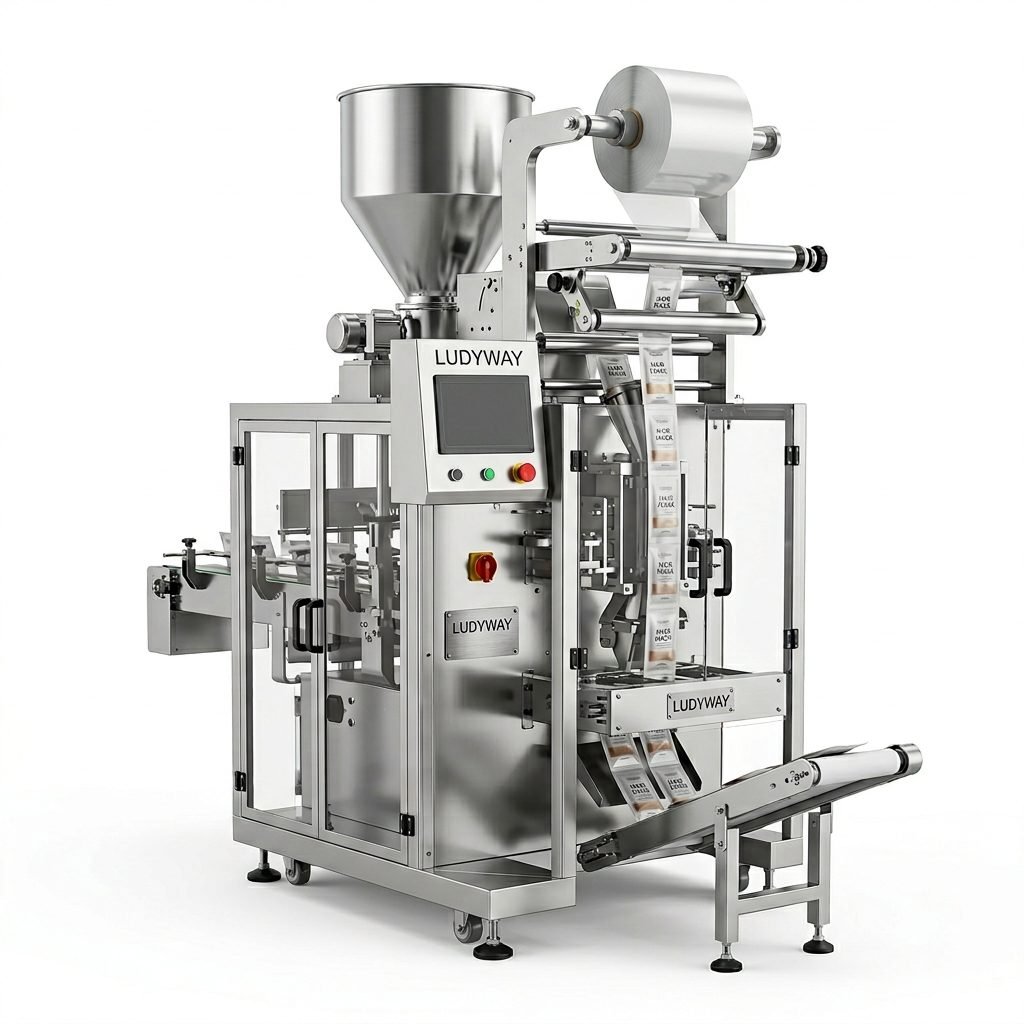
These systems are designed for high-speed filling and sealing of liquid milk into flexible pouches or sachets. They typically feature multi-lane configurations that can produce dozens of filled pouches simultaneously. Key features include precision volumetric filling, UV sterilization, and date coding capabilities. These machines are widely used for portions of fresh milk, flavored milk, and creamers.
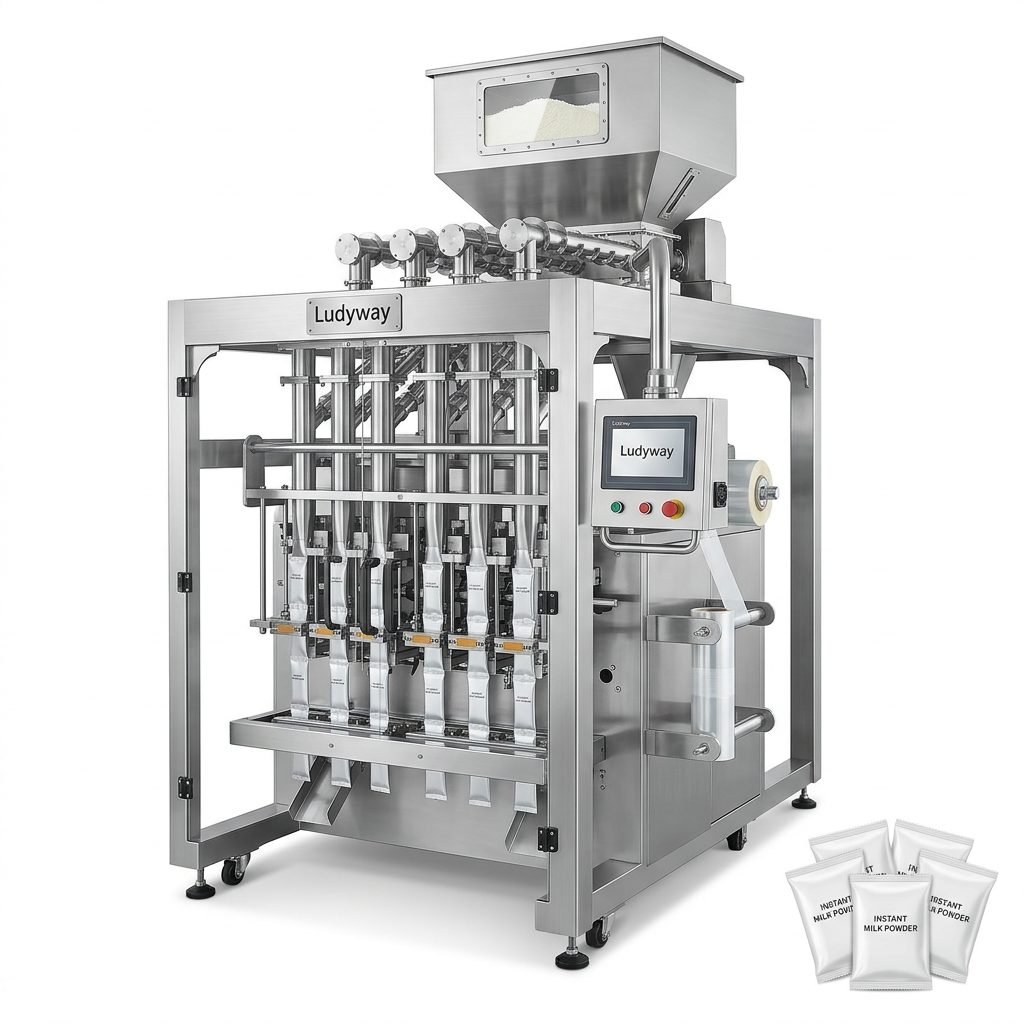
Milk Powder Stick Pack and Sachet Machines
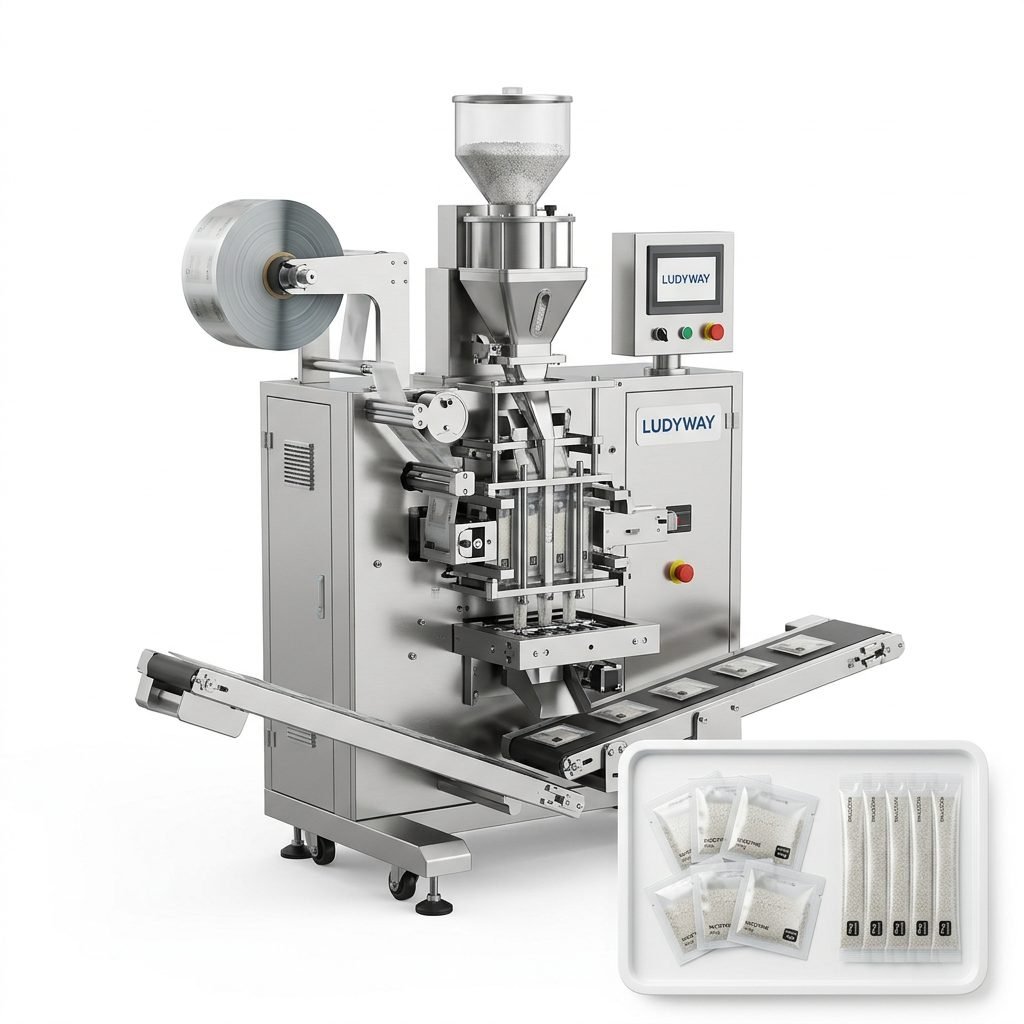
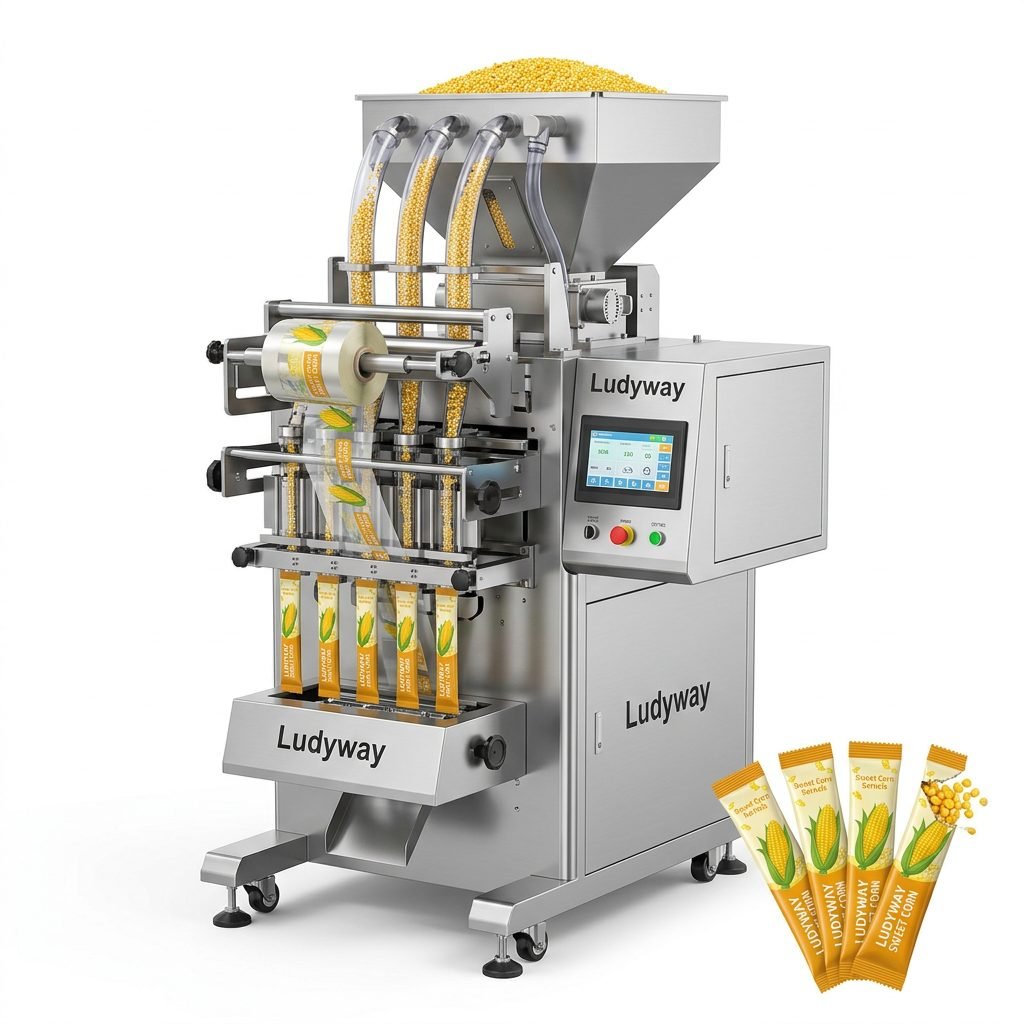
For powdered milk products, multi-lane stick pack and sachet machines dominate the market. These packaging systems use vertical form-fill-seal (VFFS) technology to create individual stick packs or flat sachets from roll stock film. They incorporate auger fillers or volumetric cup fillers for accurate powder dosing. Industries such as infant formula, nutritional supplements, and instant milk powder rely heavily on this milk powder packaging equipment.
Bottle Filling and Capping Lines
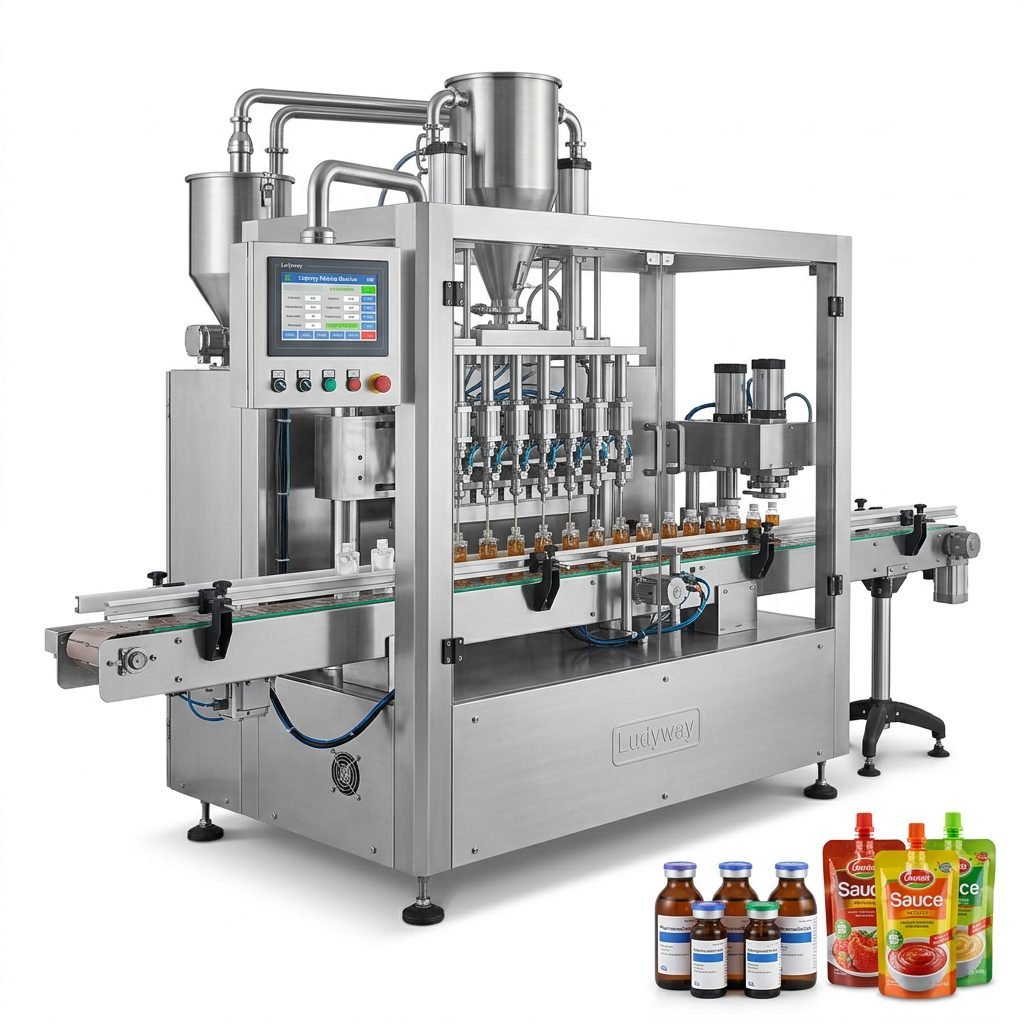
For liquid milk packaged in bottles, fully automated filling and capping lines are the standard. These systems integrate bottle rinsing, filling, capping, labeling, and shrink-sleeve application. They are commonly used for pasteurized milk, UHT milk, and drinkable yogurt products. Hygienic design with CIP (Clean-in-Place) compatibility is essential for food contact compliance.
Bulk Bag and Tote Filling Systems
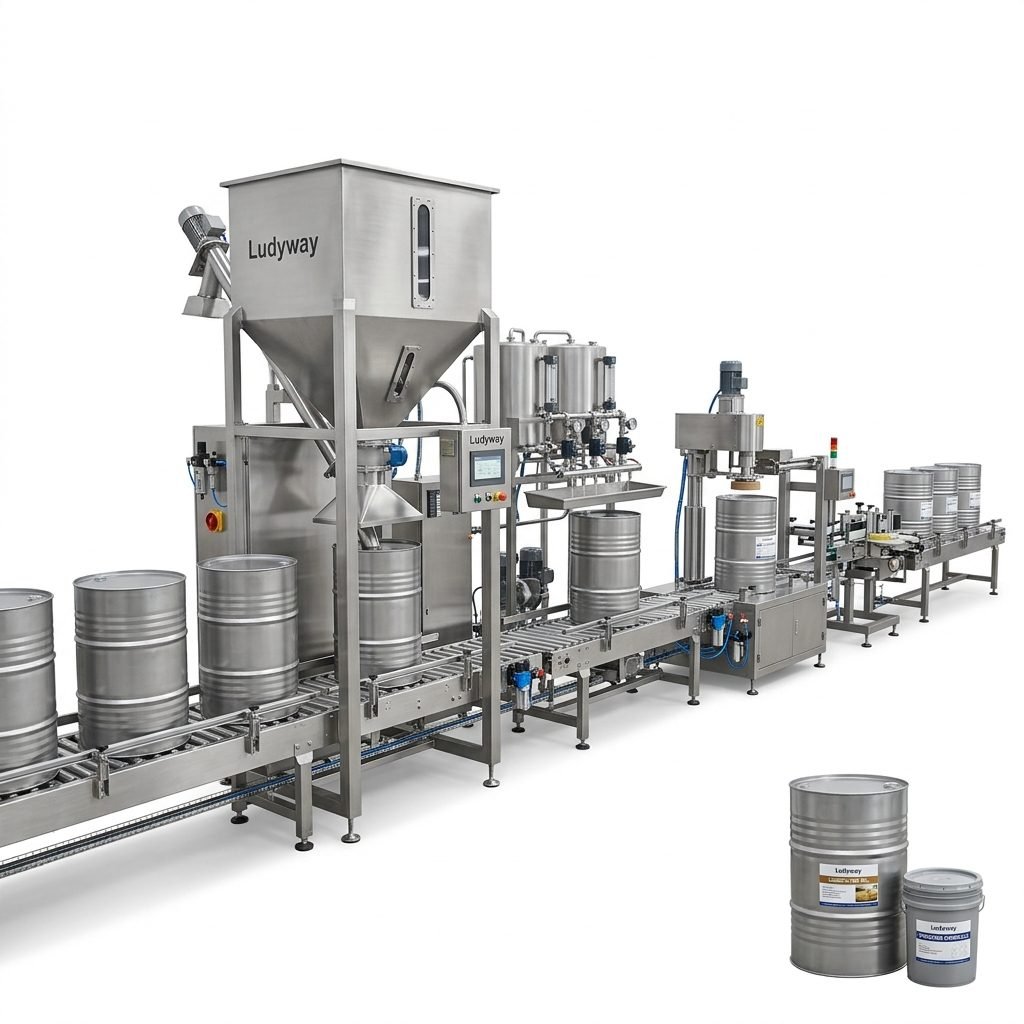
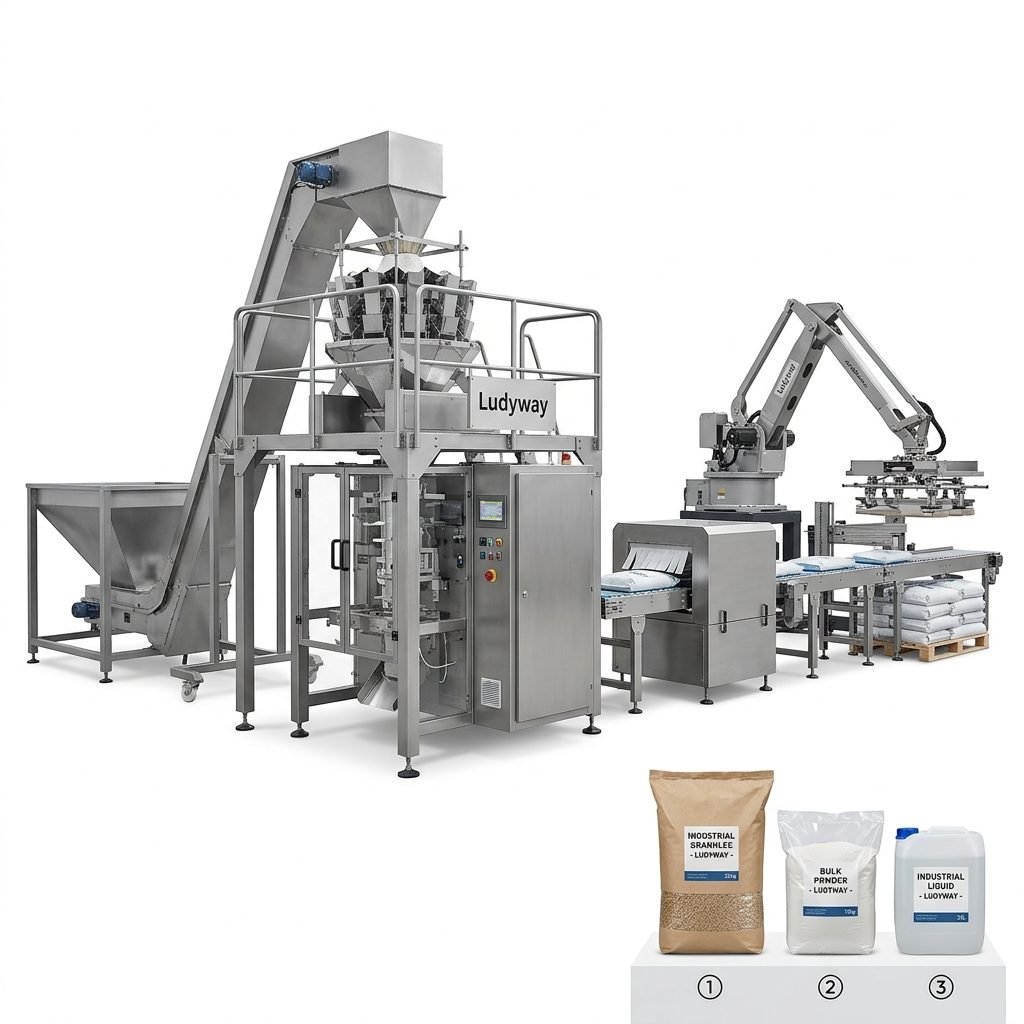
For industrial milk powder destined for further processing or B2B distribution, bulk bag filling systems are employed. These machines fill large bags (10kg, 25kg, or 50kg) or flexible intermediate bulk containers (FIBCs). They integrate high-precision weighing, dust collection, and automated sealing to ensure product integrity during storage and transport.
Key Cost Factors for Milk Packaging Machines
Understanding the cost structure helps you budget realistically and evaluate supplier quotations. The price of a milk packaging machine varies significantly based on several factors:
| Cost Factor | Impact on Price | Typical Range (USD) |
|---|---|---|
| Automation Level | Semi-automatic vs. fully automatic | $5,000 – $150,000+ |
| Number of Lanes | Single-lane vs. multi-lane (4, 6, 8, 10+) | $10,000 – $200,000+ |
| Filling Technology | Volumetric, auger, net weigh, flow meter | $3,000 – $50,000 (module) |
| Packaging Format | Stick pack, sachet, pouch, bottle, bulk bag | $8,000 – $300,000+ |
| Hygiene & Compliance | Stainless steel, CIP, FDA-compliant design | Adds 15% – 30% to base cost |
| Additional Modules | Labeling, coding, cartoning, palletizing | $5,000 – $100,000+ per module |
For small to medium-scale operations, entry-level single-lane machines may start around $10,000. In contrast, fully automated multi-lane milk packaging lines with integrated cartoning systems can exceed $500,000. It is essential to evaluate total cost of ownership, including spare parts, maintenance, and energy consumption, not just the upfront equipment price.
Critical Features to Evaluate When Buying
Beyond the basic machine type and price, several technical and operational features should be carefully assessed to ensure your milk packaging machine delivers consistent performance over its service life.
Hygiene and Sanitary Design
Dairy packaging requires strict sanitary standards. Look for machines constructed with 304 or 316 stainless steel product contact surfaces, sloped surfaces for drainage, and tool-free disassembly for cleaning. Compliance with ISO packaging standards and FDA regulations for food contact materials is non-negotiable.
Filling Accuracy and Speed
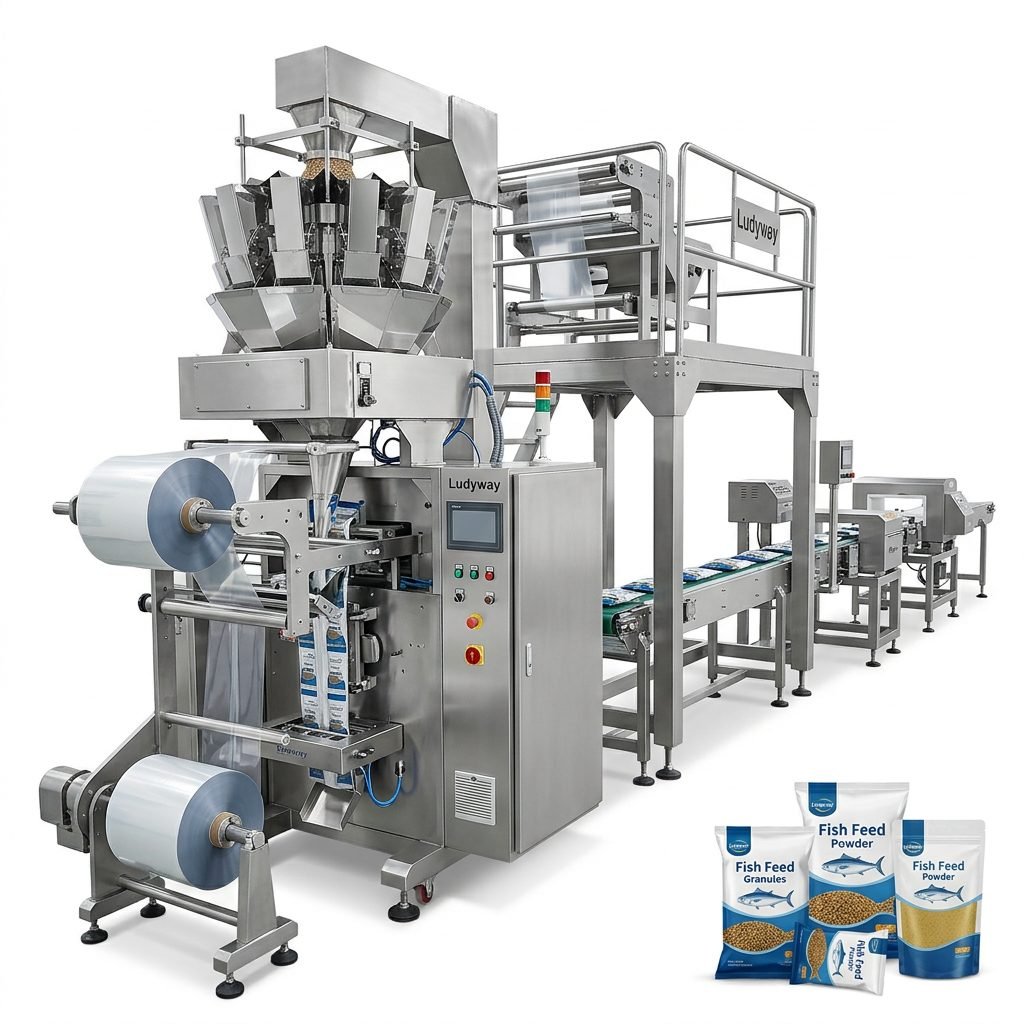
Accurate filling minimizes product giveaway and ensures regulatory compliance. Evaluate the filling system’s accuracy (typically ±0.5% to ±1% for liquid milk, ±1% to ±2% for milk powder) and the maximum production speed in pouches or bottles per minute. Multi-lane stick pack machines can achieve speeds of 400–600 packs per minute with 8–10 lanes.
Automation and Integration Capabilities
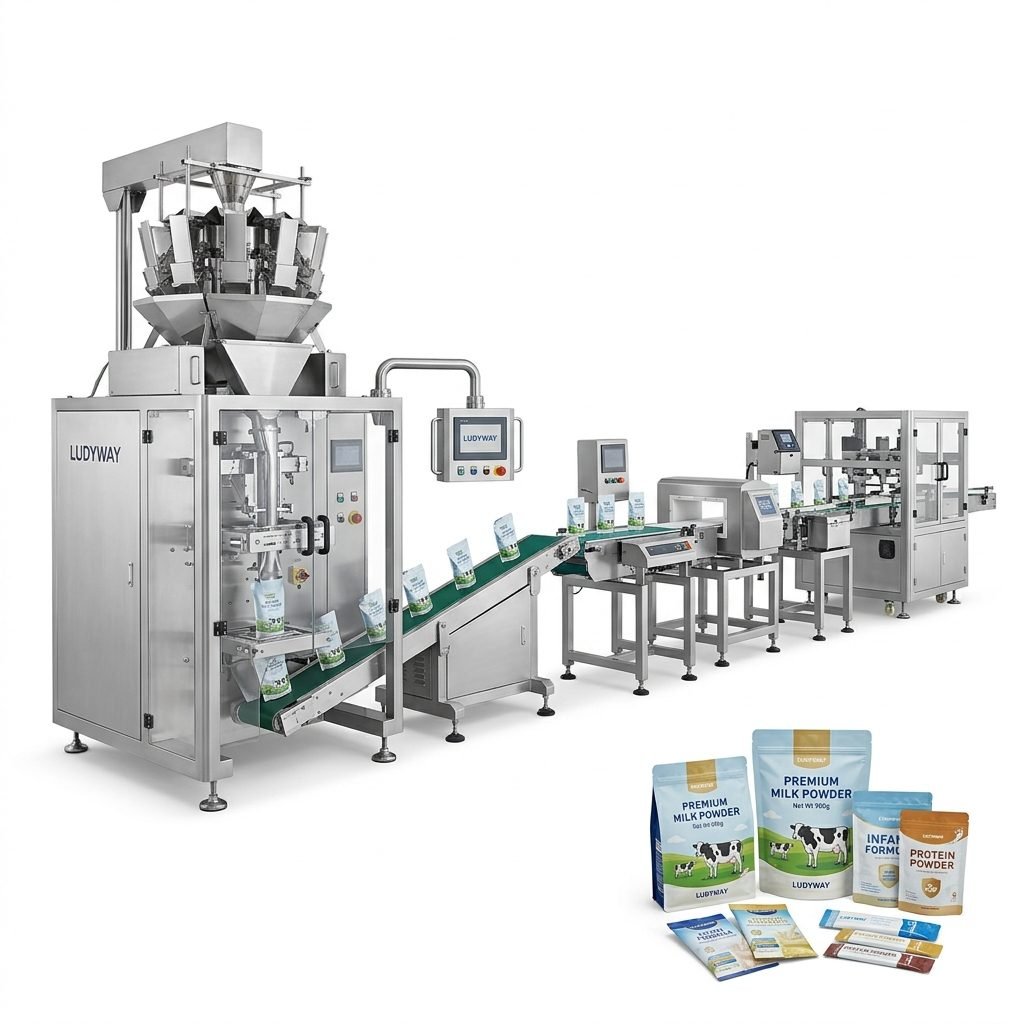
Modern packaging lines increasingly rely on automation. Consider machines that support integration with upstream processing equipment and downstream secondary packaging systems such as cartoners, case packers, and palletizers. PLC controls with HMI touchscreens, recipe management, and remote diagnostic capabilities improve operational efficiency.
Changeover Flexibility
If you produce multiple SKUs (different flavors, formats, or sizes), quick changeover capability is essential. Look for machines with servo-driven adjustments, quick-release forming tubes, and memory-stored recipes that enable format changes in minutes rather than hours.
Comparing Global Packaging Machine Suppliers
The global market for milk packaging equipment is served by manufacturers across Europe, North America, and Asia. Each region brings distinct advantages in terms of technology, pricing, and service.
- European Suppliers: Known for high-end engineering and precision. Typically offer advanced automation and compliance with EU regulations. Price point is generally the highest.
- North American Suppliers: Offer robust and reliable equipment with strong local service networks. Often specialize in larger-scale production lines for the domestic dairy industry.
- Asian Suppliers: Provide cost-effective solutions with rapidly improving technology. Many Chinese manufacturers now offer competitive quality at significantly lower prices, making them attractive for global buyers seeking value.
One notable player in the Asian market is Ludyway, a large packaging machine manufacturer based in China with over 30 years of industry experience. The company offers more than 50 intelligent packaging machine models, including multi-lane stick pack and sachet systems suitable for milk powder and liquid dairy applications. With a 20,000㎡ manufacturing facility and customers in over 100 countries, they represent the growing capabilities of global packaging machinery suppliers in delivering cost-effective production solutions.
Questions to Ask Potential Suppliers
Before finalizing a purchase, thorough due diligence on supplier capabilities is essential. Use this checklist when communicating with potential equipment vendors:
- Can you provide references from dairy or milk powder clients with similar production requirements?
- What are the lead times for manufacturing, shipping, and installation?
- Do you offer Factory Acceptance Testing (FAT) before shipment?
- What is the warranty period and what does it cover?
- Do you provide on-site installation and training support?
- How do you handle spare parts supply and after-sales service in our region?
- Can the machine be customized for our specific packaging format and material requirements?
Industry Standards and Certifications
Ensuring your packaging equipment meets relevant industry standards is critical for product safety, regulatory compliance, and market access. Key certifications and standards applicable to milk packaging machines include:
| Standard / Certification | Focus Area | Relevance |
|---|---|---|
| FDA 21 CFR Part 110/117 | Food safety and GMP | Required for U.S. market dairy products |
| EU Regulation 1935/2004 | Food contact materials | Mandatory for European market access |
| ISO 9001:2015 | Quality management systems | Demonstrates supplier quality commitment |
| CE Marking | EU safety and health requirements | Required for equipment sold in the EU |
| 3-A Sanitary Standards | Dairy equipment sanitary design | Highly recommended for liquid milk lines |
Making the Right Investment Decision
Purchasing a milk packaging machine is a long-term capital investment that requires balancing technical specifications, budget constraints, and future scalability. Here are final recommendations for a successful procurement process:
- Define your production requirements clearly: Specify target output, packaging formats, product viscosity or density, and any special handling needs (e.g., nitrogen flushing for extended shelf life).
- Request detailed quotations from multiple suppliers: Compare not only prices but also technical specifications, warranty terms, and after-sales service commitments.
- Visit supplier facilities when possible: Observing equipment in operation and meeting the engineering team provides invaluable insight into build quality and company culture.
- Consider turnkey solutions: For new production lines, a turnkey packaging solution that integrates filling, sealing, cartoning, and palletizing from a single supplier can simplify project management and ensure compatibility.
- Plan for future growth: Select a machine with capacity headroom to accommodate increased production volumes over the next 3–5 years.
By thoroughly evaluating machine types, understanding cost drivers, and partnering with a reputable global supplier, you can secure a milk packaging machine that delivers reliable performance, product quality, and a strong return on investment for years to come.