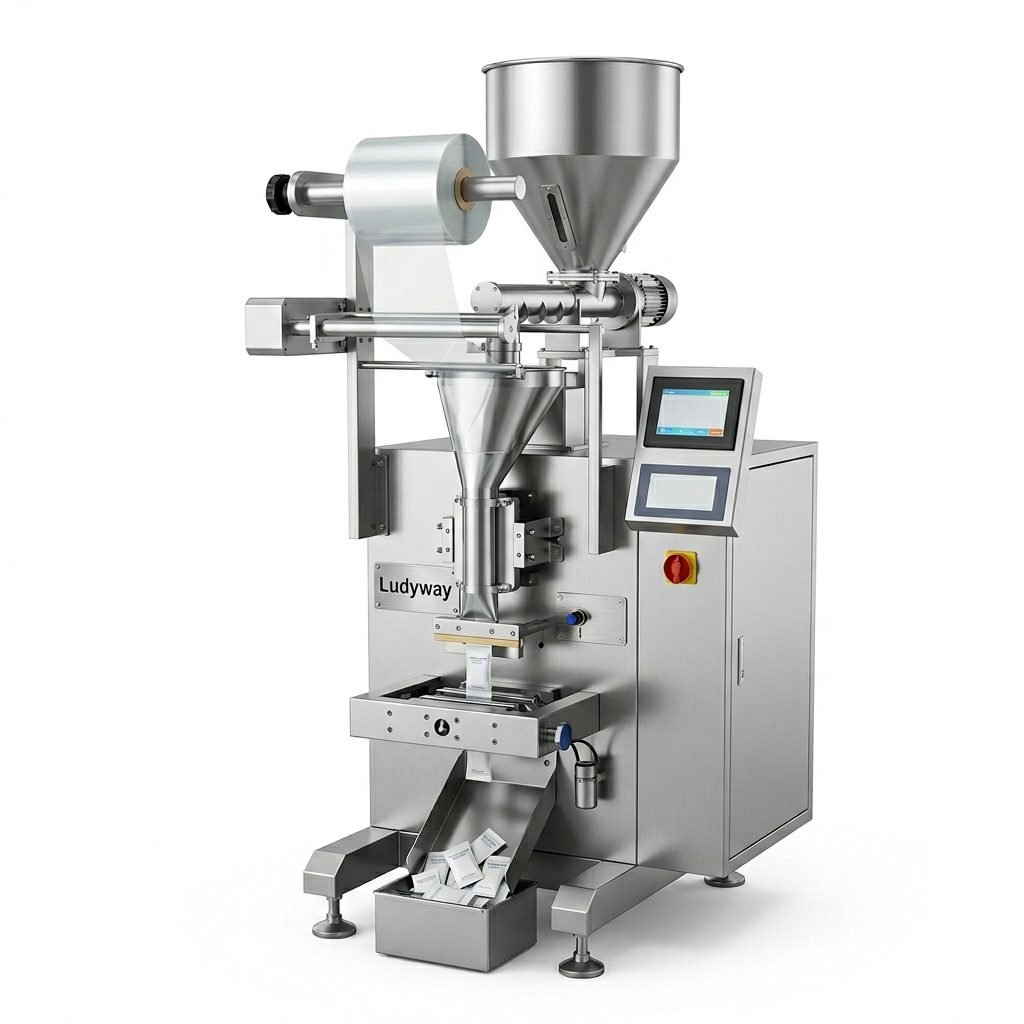
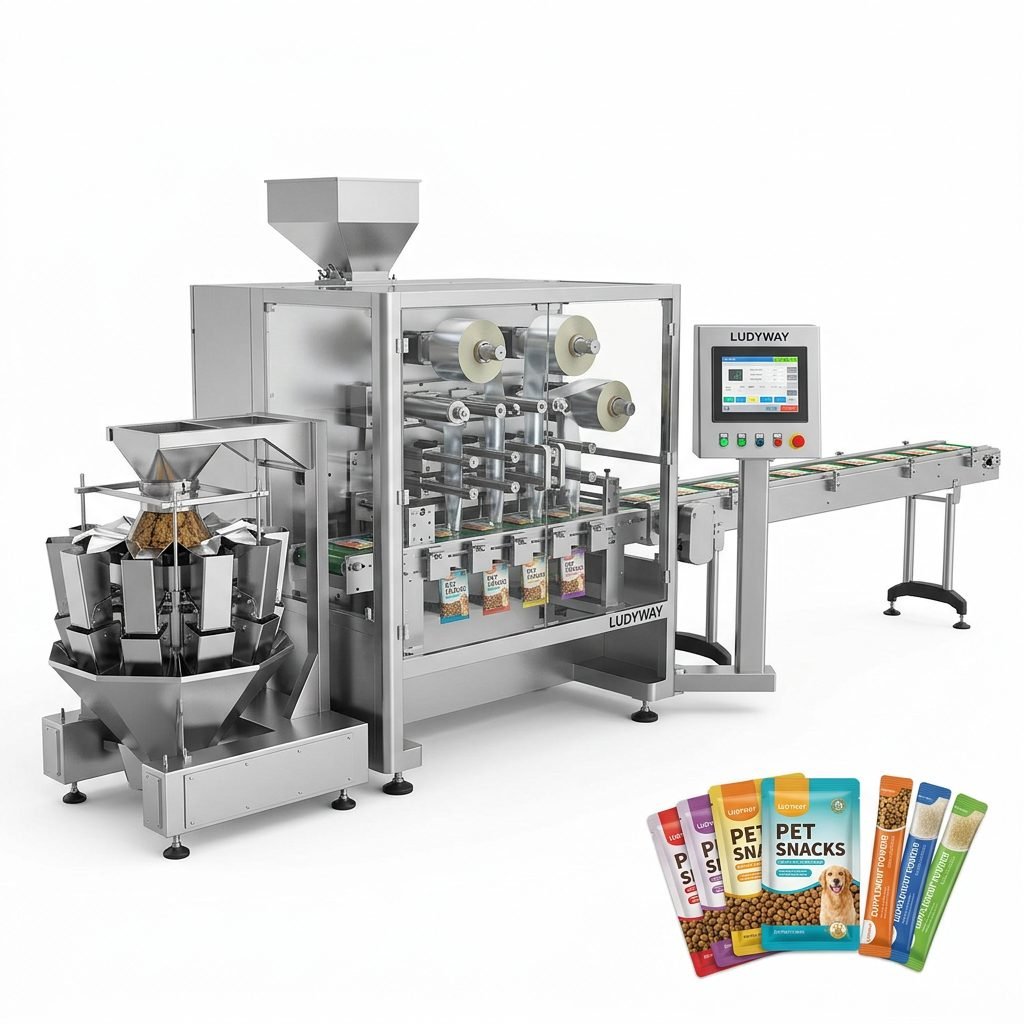
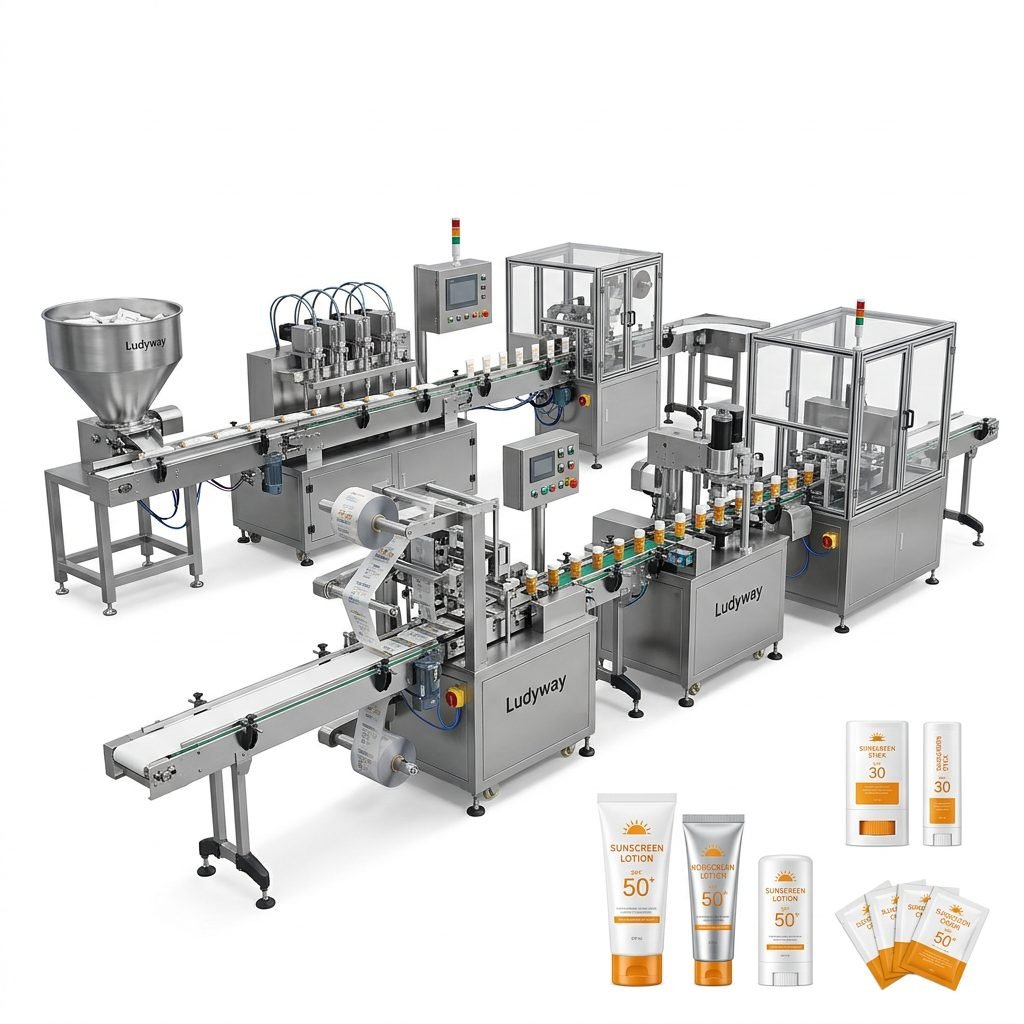
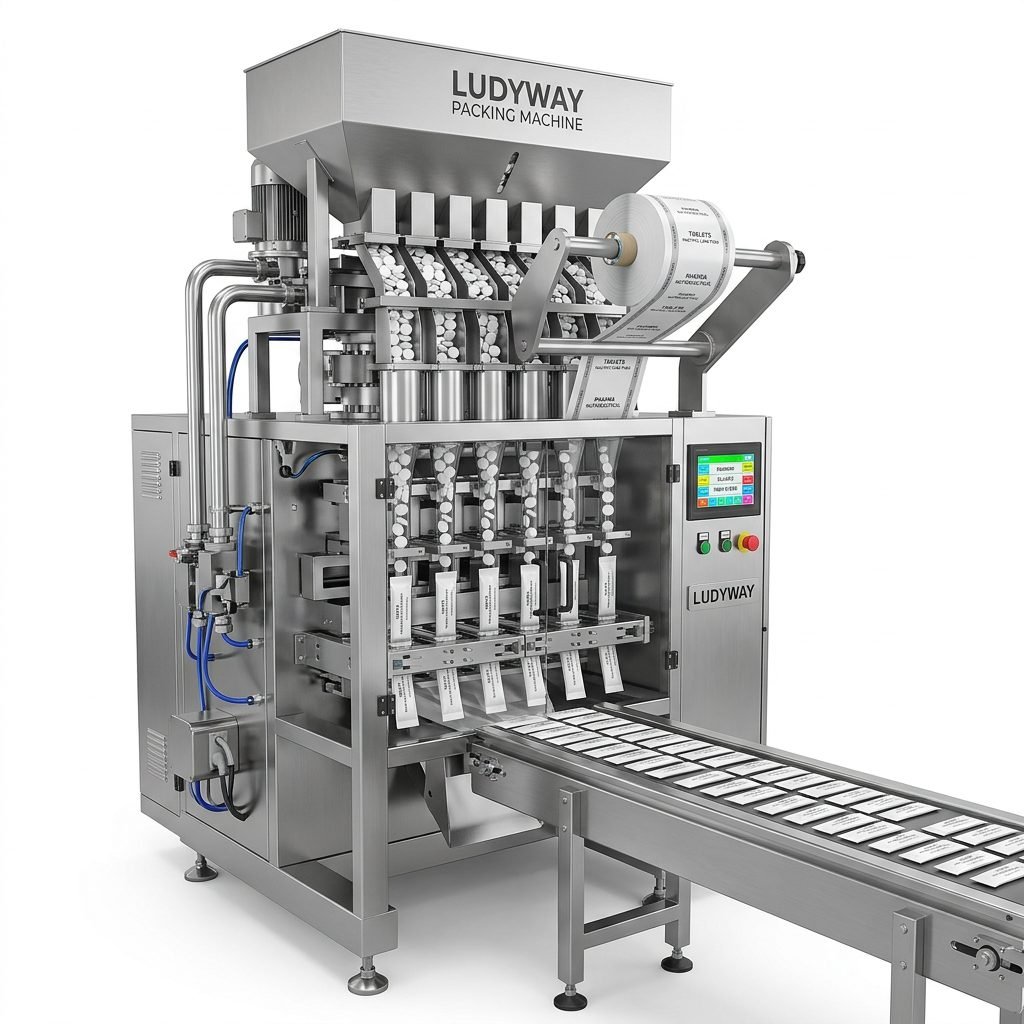
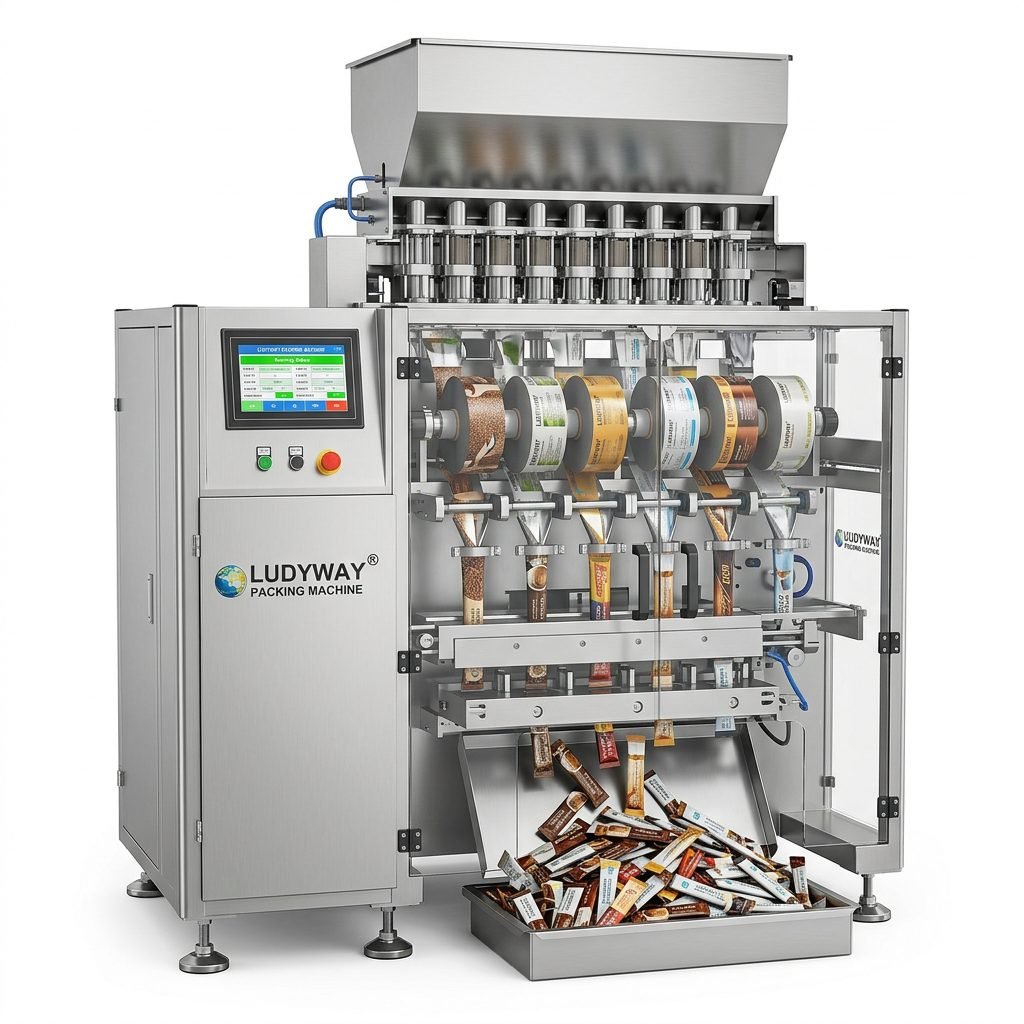
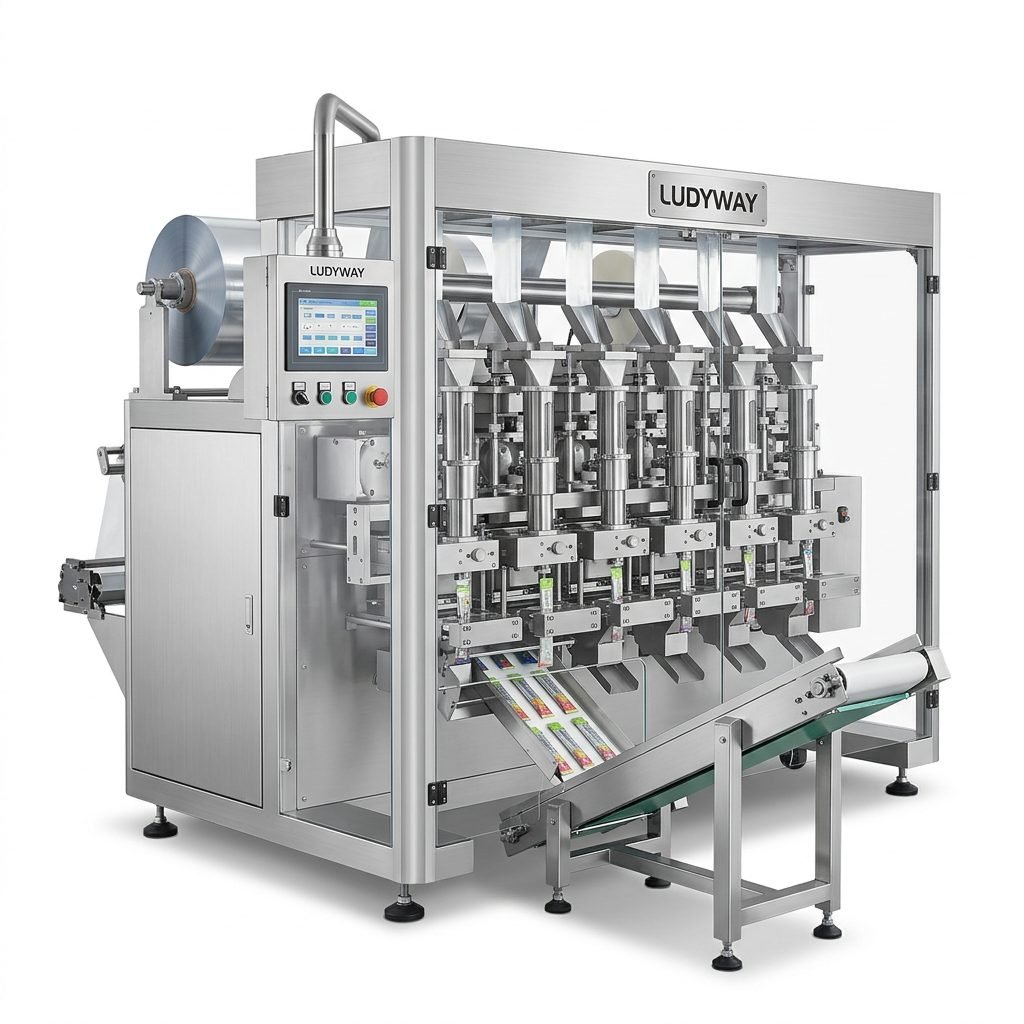
Investing in a tea liquid soap packaging machine is a significant decision for manufacturers in the personal care, cosmetic, and household cleaning industries. Understanding the full cost breakdown, from entry-level semi-automatic units to high-speed multi-lane sachet packaging systems, is crucial for budgeting and maximizing return on investment. This guide explores the price ranges, key factors influencing cost, and practical buying tips to help you make an informed purchase.
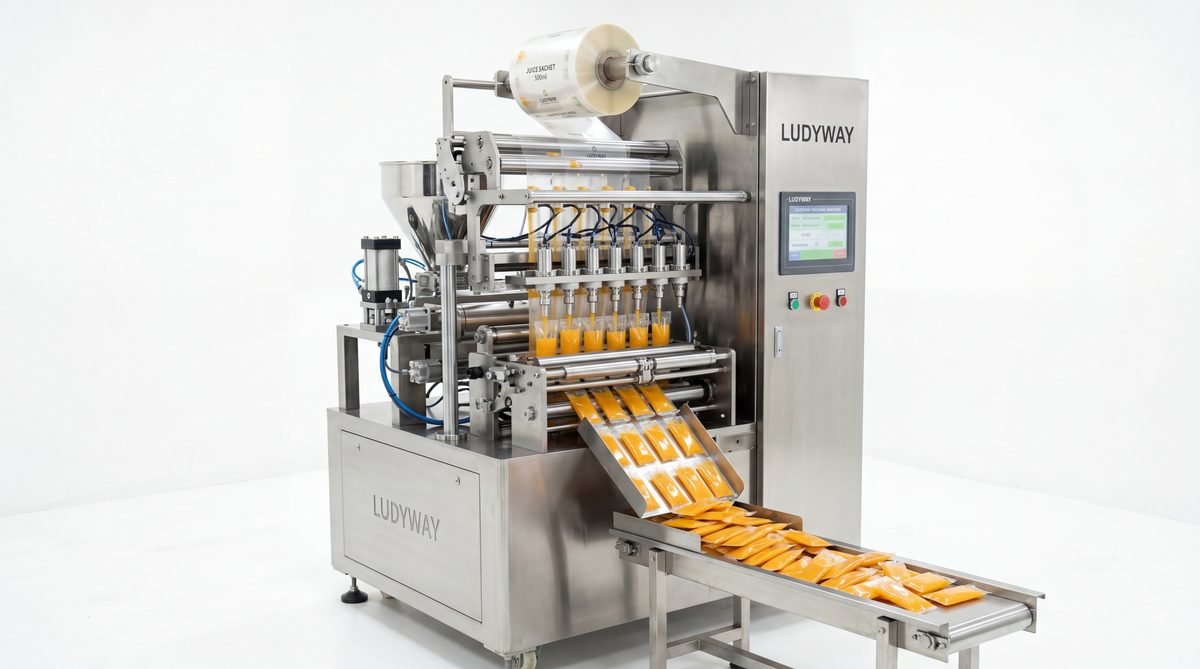
Typical Price Ranges for Tea Liquid Soap Packaging Machines
The cost of a tea liquid soap packaging machine varies widely based on automation level, production speed, and configuration. Below is a general pricing overview to set realistic expectations.
| Machine Type | Speed Range | Estimated Price (USD) |
|---|---|---|
| Semi-Automatic Single Lane | 15-30 sachets/min | $5,000 – $15,000 |
| Automatic 4-6 Lane Sachet Machine | 120-200 sachets/min | $25,000 – $60,000 |
| High-Speed 8-12 Lane System | 300-600 sachets/min | $65,000 – $150,000 |
| Fully Automated Turnkey Line | Custom configured | $150,000 – $500,000+ |
Understanding What Influences the Final Price
Several critical factors determine the final cost of a liquid soap packaging machine. Being aware of these variables helps you negotiate better and avoid unexpected expenses.
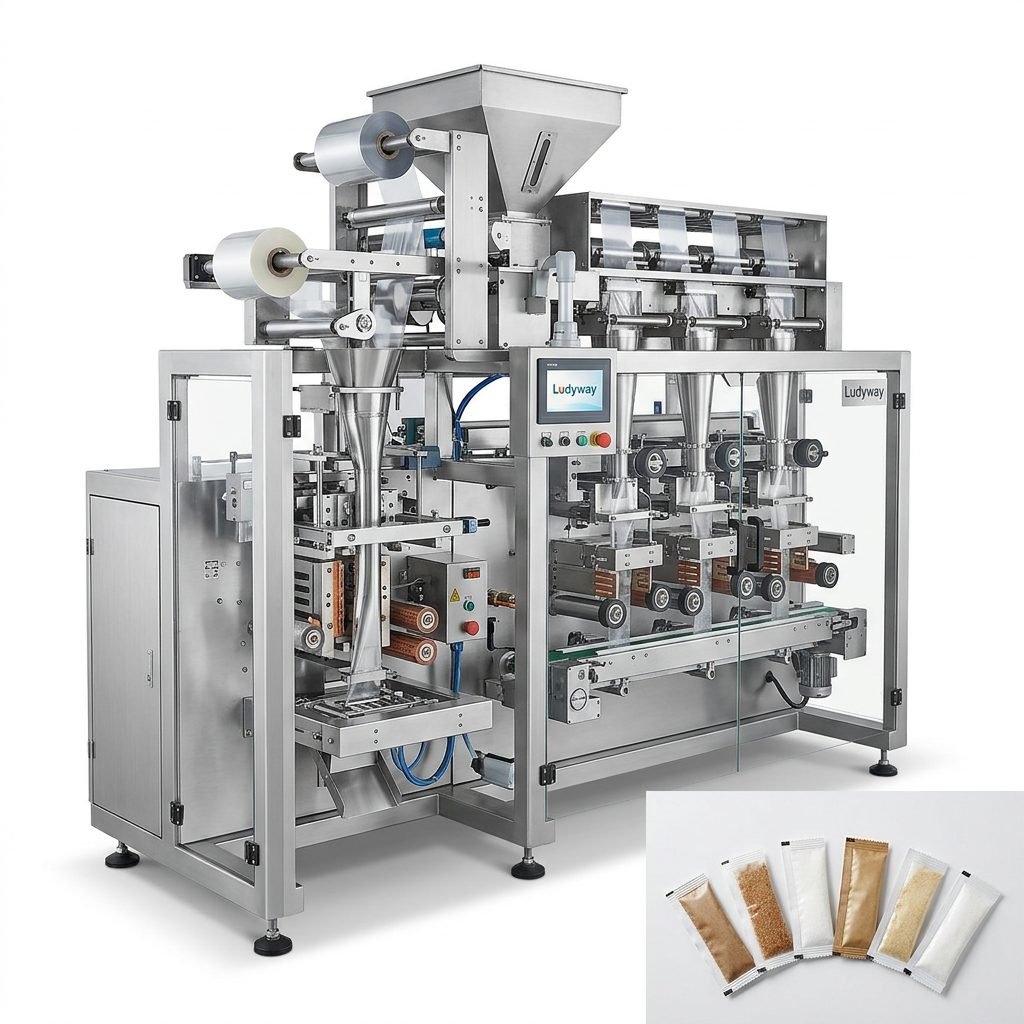
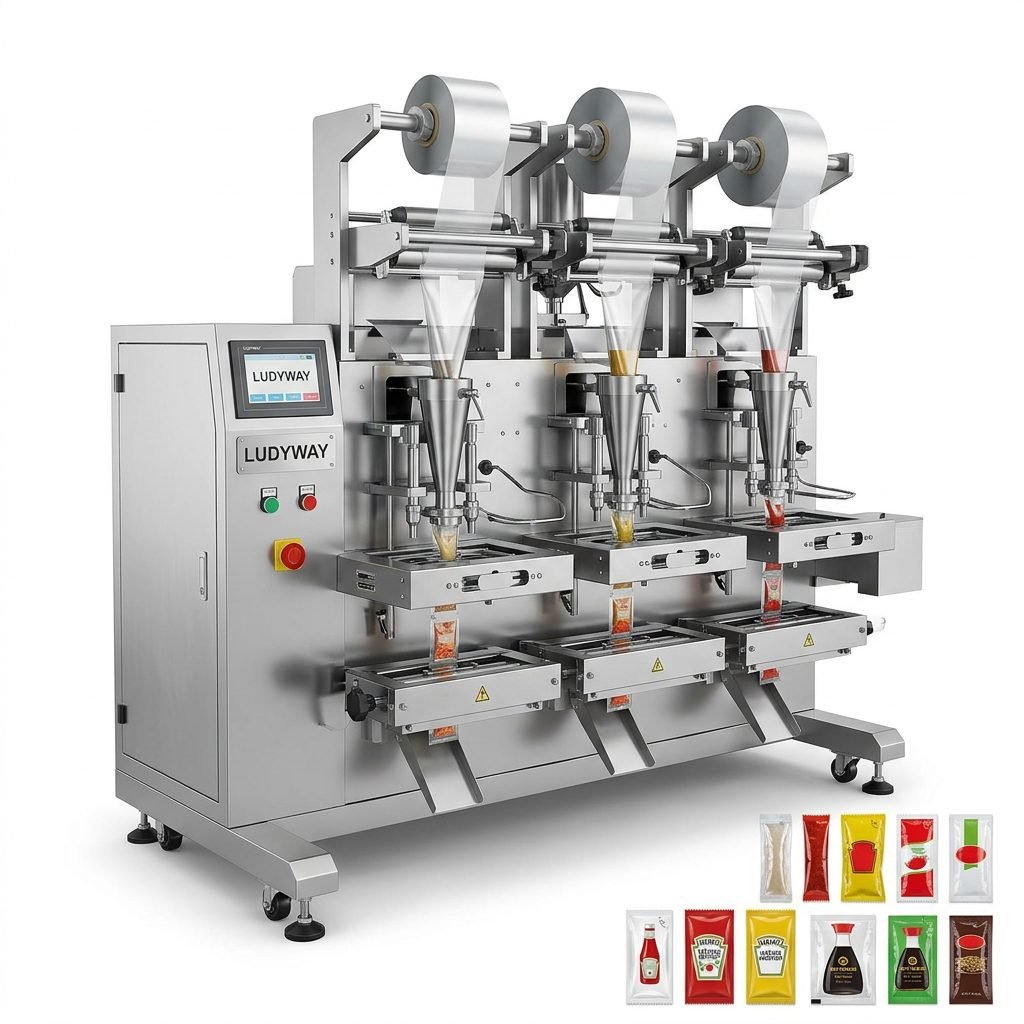
- Number of Lanes: Multi-lane machines dramatically increase output but come at a higher upfront cost. A 4-lane machine costs significantly less than a 12-lane system.
- Filling Technology: Piston fillers, peristaltic pumps, and magnetic flow meters each have different price points and accuracy levels suitable for varying liquid viscosities.
- Automation Level: Manual feeding versus fully automated systems with integrated conveyors, cartoning, and palletizing modules increases the investment proportionally.
- Construction Materials: Stainless steel 304 vs. 316L for corrosive tea soap formulations affects both price and longevity.
- Brand and Origin: European and Japanese machines typically command premium pricing, while high-quality Chinese manufacturers offer competitive alternatives without compromising on performance.
- After-Sales Support: Extended warranties, on-site installation, and training packages add to the initial cost but reduce long-term operational risks.
Comparing Entry-Level vs. Industrial Production Machines
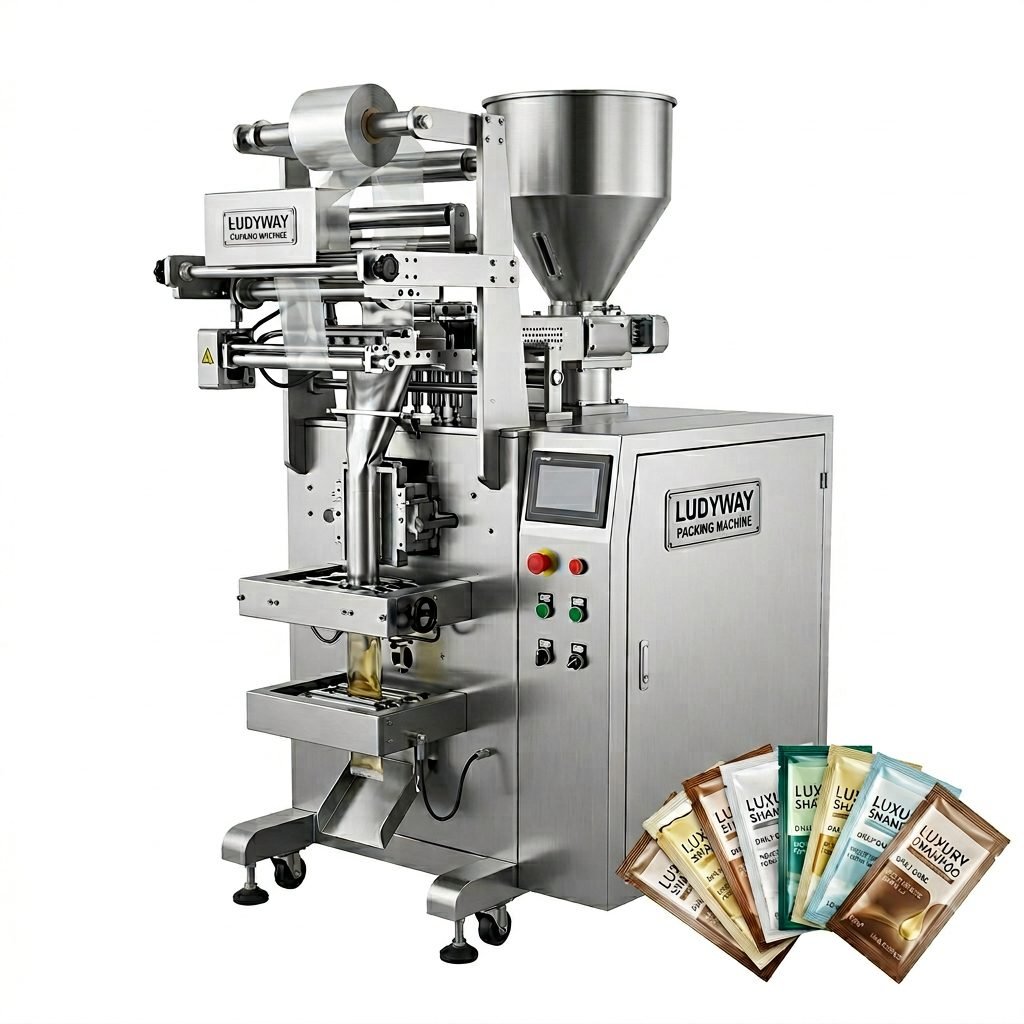
For startups and small-scale producers, an entry-level semi-automatic machine priced between $5,000 and $15,000 may suffice for initial market testing. These units typically require manual film loading and limited lane configurations. In contrast, industrial multi-lane packaging systems designed for continuous 24/7 operation incorporate servo-driven controls, automatic film splicing, and integrated quality inspection systems, pushing the investment well above $100,000.
According to PMMI industry data, the global demand for flexible packaging machinery continues to grow, particularly in the personal care segment. This trend validates the strategic importance of investing in reliable liquid sachet packaging equipment.
Key Features to Look for When Evaluating Price Quotes
When comparing quotations from different suppliers, focus on the following specifications to ensure you are comparing equivalent configurations:
- Servo motor brand (Siemens, Omron, Panasonic vs. generic alternatives)
- PLC control system (Siemens S7 series vs. basic controllers)
- Film registration accuracy (±0.5mm vs. ±1mm tolerance)
- Filling accuracy for varying liquid viscosities
- CE certification and compliance with FDA food contact standards
- Availability of spare parts and local technical support
- Included accessories such as date coders, nitrogen flushing, and reject systems
Hidden Costs You Should Anticipate
Beyond the machine price itself, several ancillary expenses can impact your total budget. Shipping and insurance for heavy industrial equipment, especially from overseas suppliers, can add $3,000 to $8,000 or more. Installation and commissioning by factory-trained engineers ranges from $2,000 to $10,000 depending on complexity. Additionally, ongoing consumables such as packaging film, ink for date coders, and lubricants contribute to the total cost of ownership. Factor in operator training and potential factory modifications to accommodate the equipment footprint as well.
Buying Tips to Maximize Value
1. Define Your Production Requirements Clearly
Before contacting suppliers, document your target output per shift, sachet size range, liquid viscosity characteristics, and available factory floor space. This preparation streamlines the quotation process and prevents overpaying for unnecessary features.
2. Request Video Demonstrations and Samples
Reputable manufacturers should provide video proof of their machines running similar liquid products. Request that they run your specific tea liquid soap formulation and send sealed samples for evaluation of seal integrity and fill accuracy.
3. Evaluate Total Cost of Ownership
A cheaper machine with higher maintenance requirements and frequent downtime can cost more over five years than a premium flexible packaging system with robust engineering. Calculate energy consumption, spare parts availability, and expected service intervals before making your decision.
4. Visit the Manufacturing Facility
Whenever possible, arrange a factory visit to assess manufacturing quality, quality control processes, and the engineering team’s expertise. This is particularly important for investments exceeding $50,000.
5. Negotiate Comprehensive After-Sales Packages
Beyond the machine price, negotiate for extended warranty coverage, complimentary spare parts kits, operator training sessions, and ongoing technical support. These elements add substantial value and protect your investment.
Why Consider Chinese Manufacturers for High-Value Solutions
In recent years, leading Chinese packaging machinery manufacturers have made remarkable advancements in engineering quality, automation integration, and international certifications. Companies with over 30 years of experience and large-scale manufacturing facilities can offer machines that rival European brands in performance while remaining 30-50% more cost-effective. This value proposition is particularly compelling for businesses seeking high-speed multi-lane sachet packaging solutions for liquid products like tea soap, shampoo, and detergent.
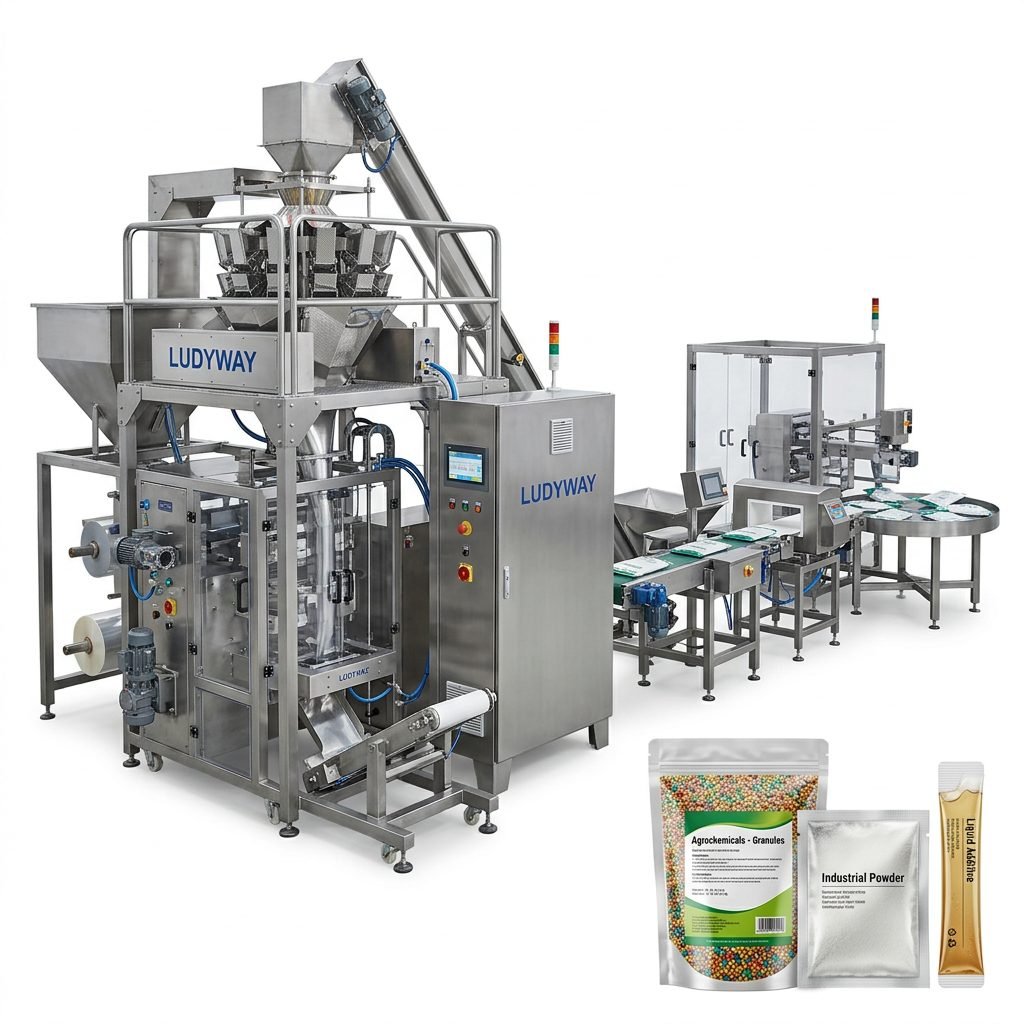
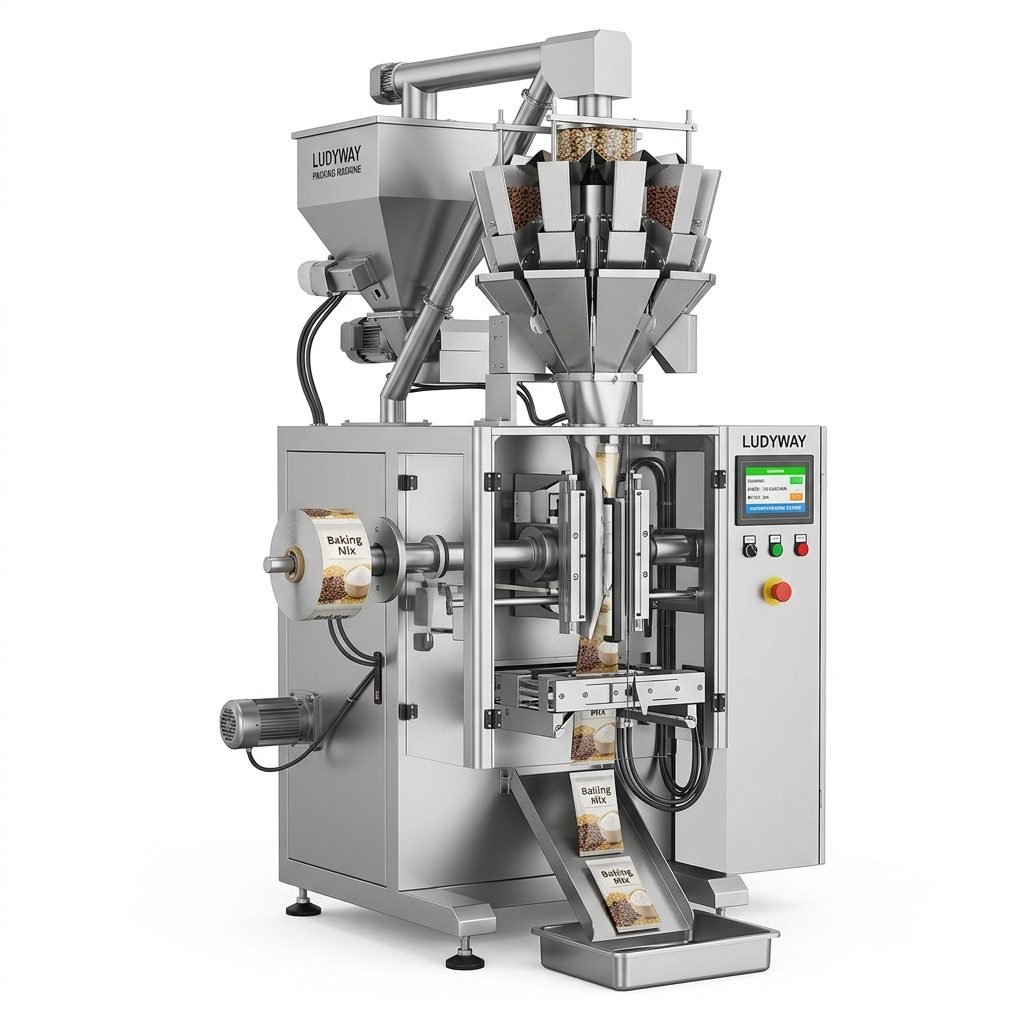
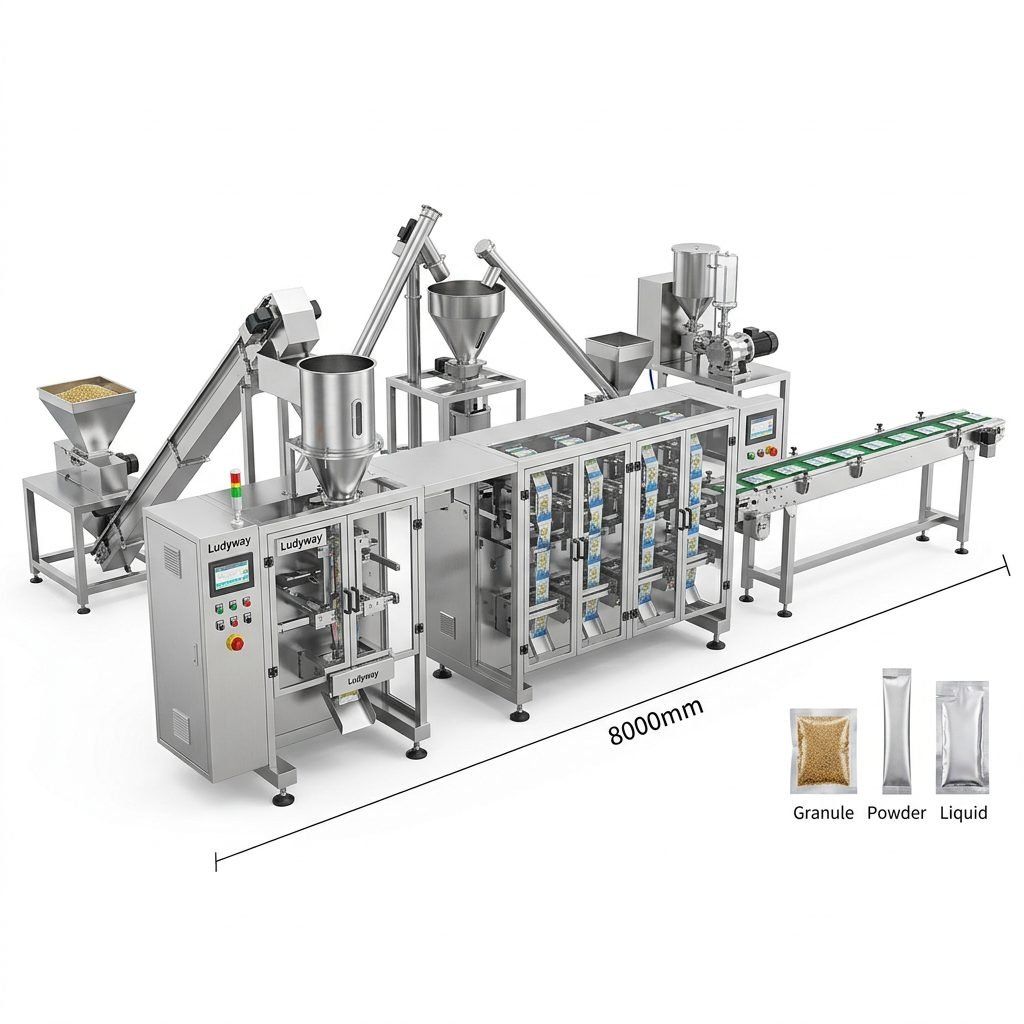
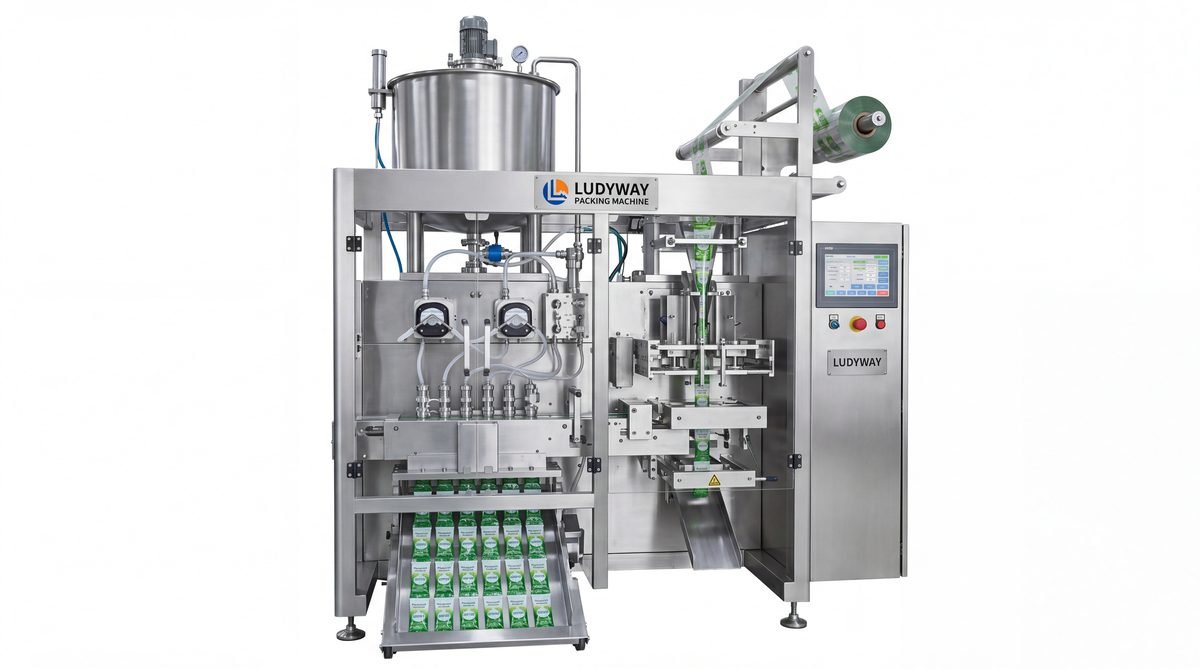
One such manufacturer is Ludyway, a company with more than three decades of expertise in advanced packaging equipment. Operating from a modern 20,000㎡ production facility and serving customers across 100+ countries, Ludyway provides reliable packaging machine solutions for granule, powder, and liquid applications. For businesses evaluating tea liquid soap packaging machine options, suppliers with this level of manufacturing capability and global experience represent a strategic sourcing choice.
Financing and Leasing Options
For businesses seeking to manage cash flow while acquiring liquid packaging machinery, several financing pathways exist. Equipment leasing companies specialize in industrial machinery and can structure payments over 24 to 60 months. Some manufacturers also offer deferred payment terms for qualified buyers. Additionally, export credit agencies in various countries provide financing support for importing capital equipment. Explore these options early in your procurement process to understand the full financial picture.
Industry Standards and Compliance Considerations
When purchasing a tea liquid soap packaging machine, ensure the equipment complies with relevant industry standards. Machines should meet ISO packaging standards and be constructed with food-grade materials suitable for products that may contact skin. Electrical components should carry CE or UL certifications depending on your region. Proper documentation of compliance simplifies import customs clearance and regulatory inspections.
Frequently Asked Questions About Pricing
How much does a basic tea liquid soap sachet machine cost?
A basic single-lane semi-automatic machine typically starts around $5,000 to $8,000, suitable for small-scale production or startups testing the market.
What is the price difference between 4-lane and 8-lane machines?
An 8-lane system generally costs approximately 60-80% more than a comparable 4-lane configuration due to additional filling stations, larger frame construction, and more complex control systems.
Are used or refurbished machines worth considering?
Refurbished machines can offer 30-50% cost savings but require thorough inspection of wear parts, control system functionality, and seal integrity before purchase. Always verify the refurbishment process and warranty terms.
How long does delivery and installation take?
Standard delivery for new machines ranges from 30 to 90 days depending on customization requirements and current production schedules. Installation and commissioning typically require 3 to 7 working days on site.
Planning Your Investment Timeline
From initial inquiry to full production, plan for a 3 to 6-month timeline. This allows adequate time for requirement analysis, supplier evaluation, machine customization, factory acceptance testing, shipping, installation, and operator training. Rushing this process can lead to costly configuration errors or inadequate preparation of your production facility. For more insights on packaging machinery market trends, consult resources from the Flexible Packaging Association.
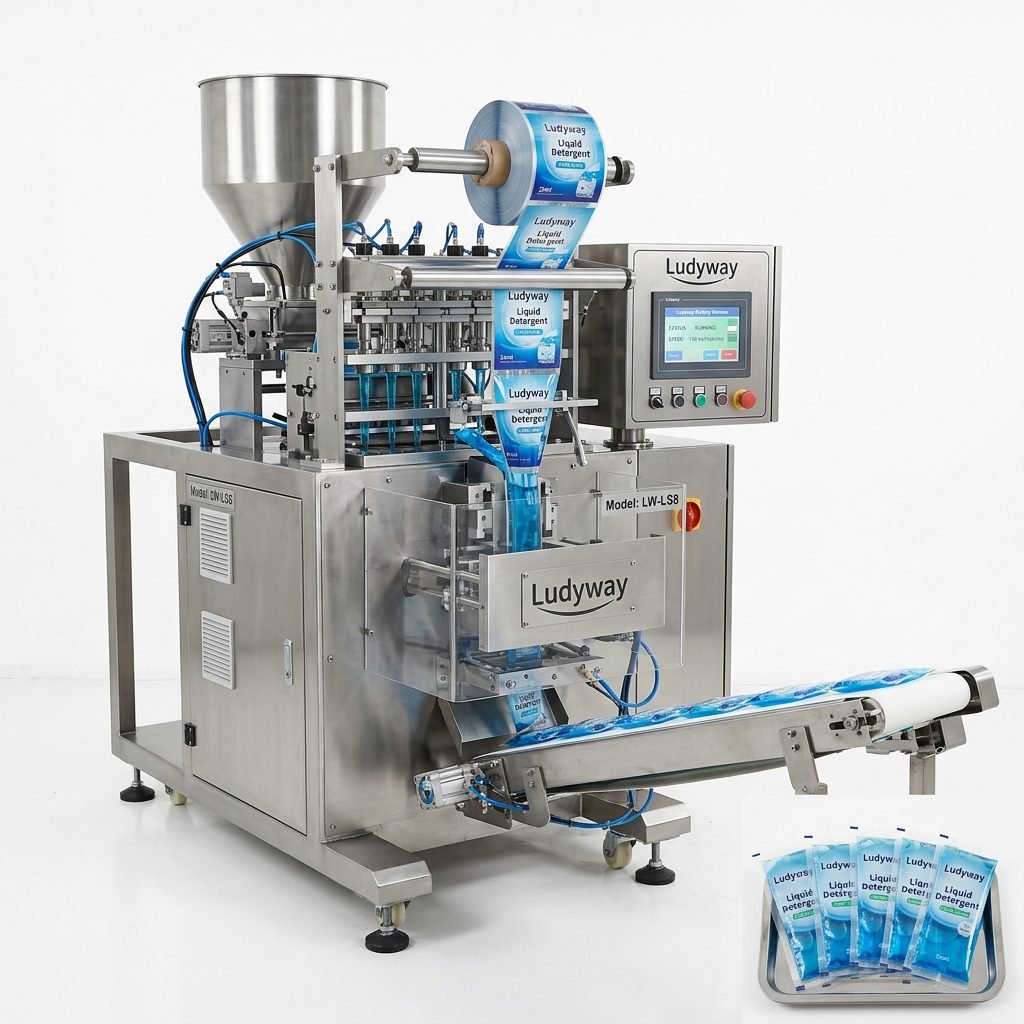
Final Recommendation: When evaluating a tea liquid soap packaging machine, prioritize build quality, supplier reliability, and after-sales support over the lowest initial price. A well-engineered machine from an established manufacturer delivers superior total value through higher uptime, consistent fill accuracy, and lower long-term maintenance costs. Request detailed quotations from at least three qualified suppliers, compare specifications carefully, and validate performance through sample runs before finalizing your purchase decision.