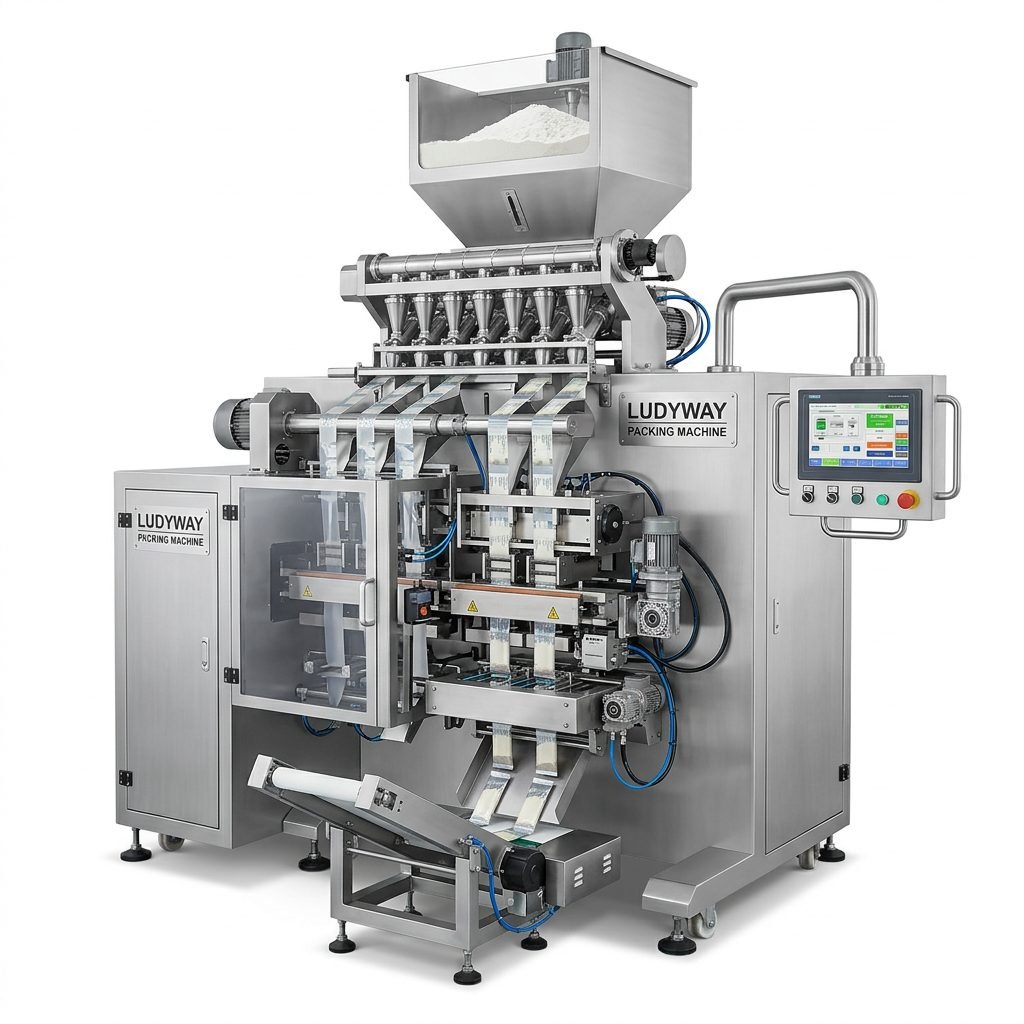
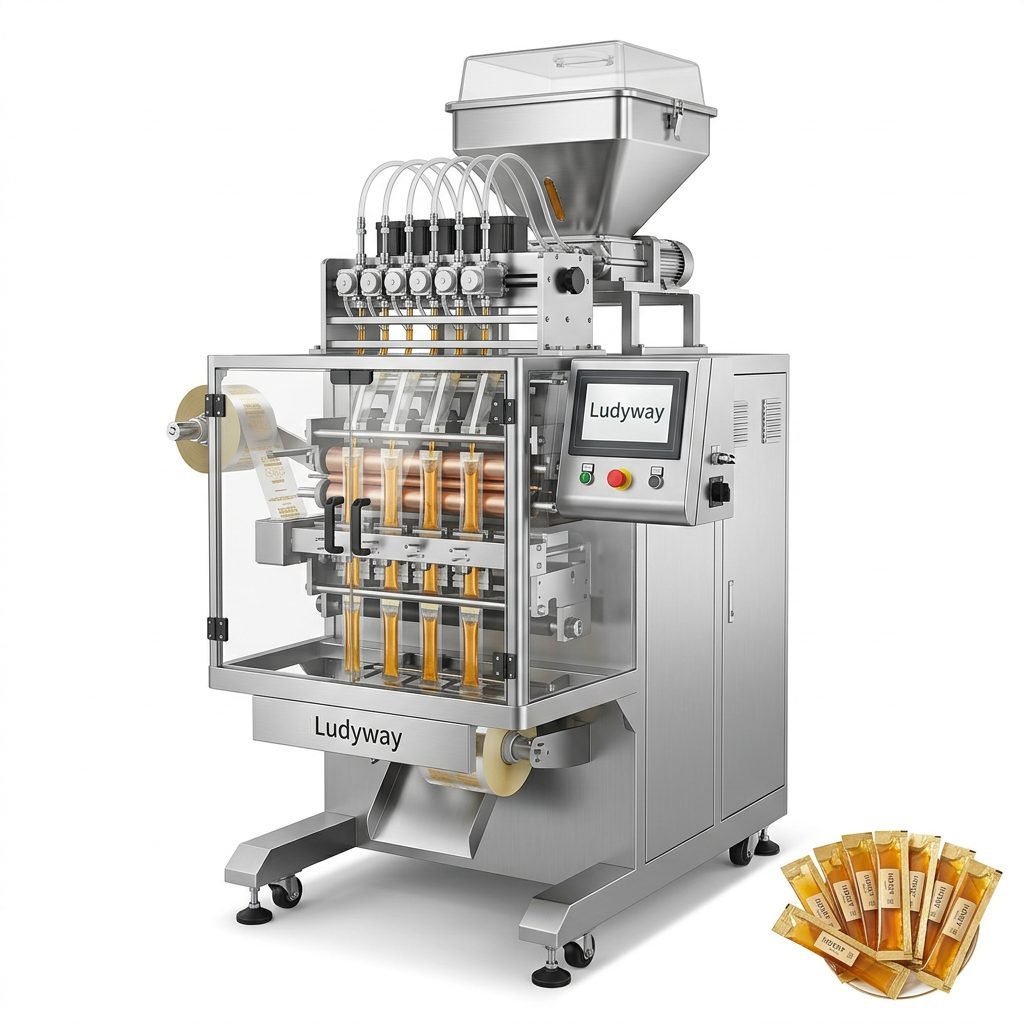
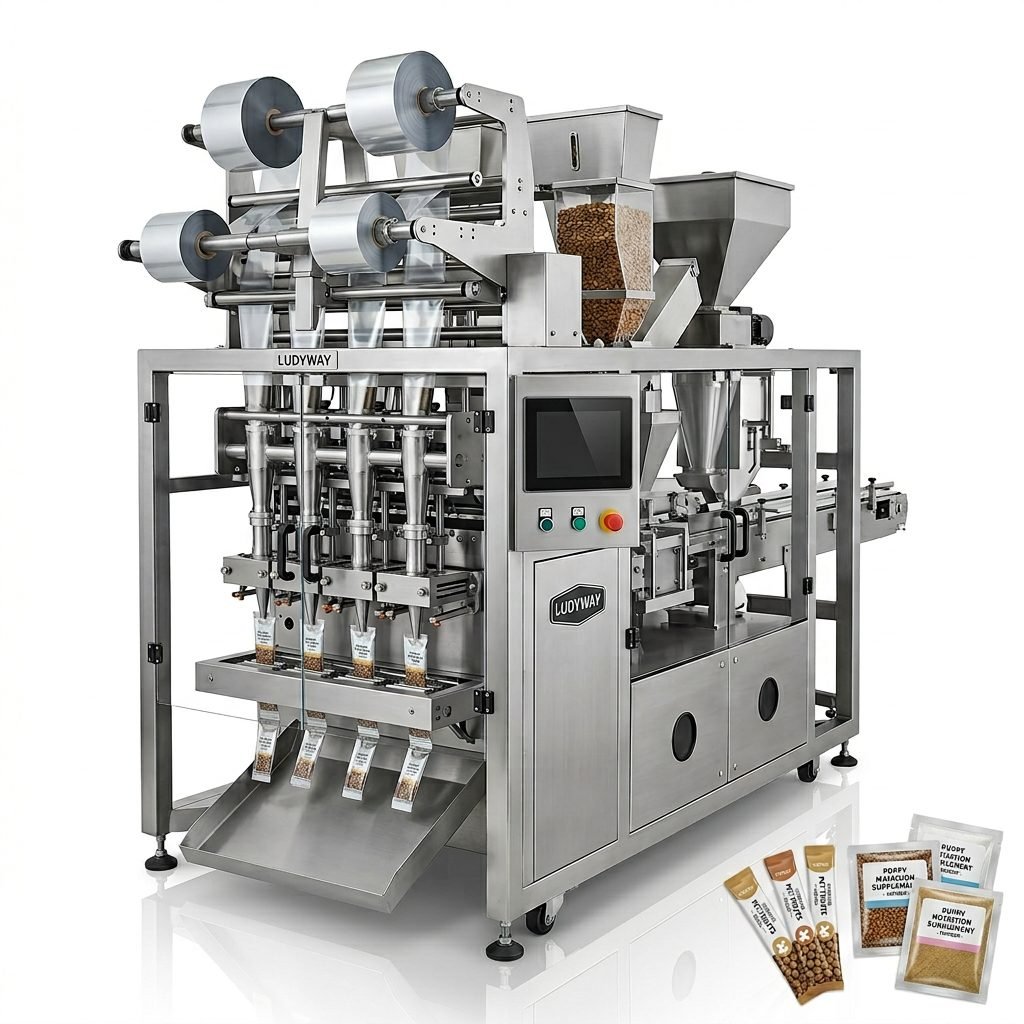
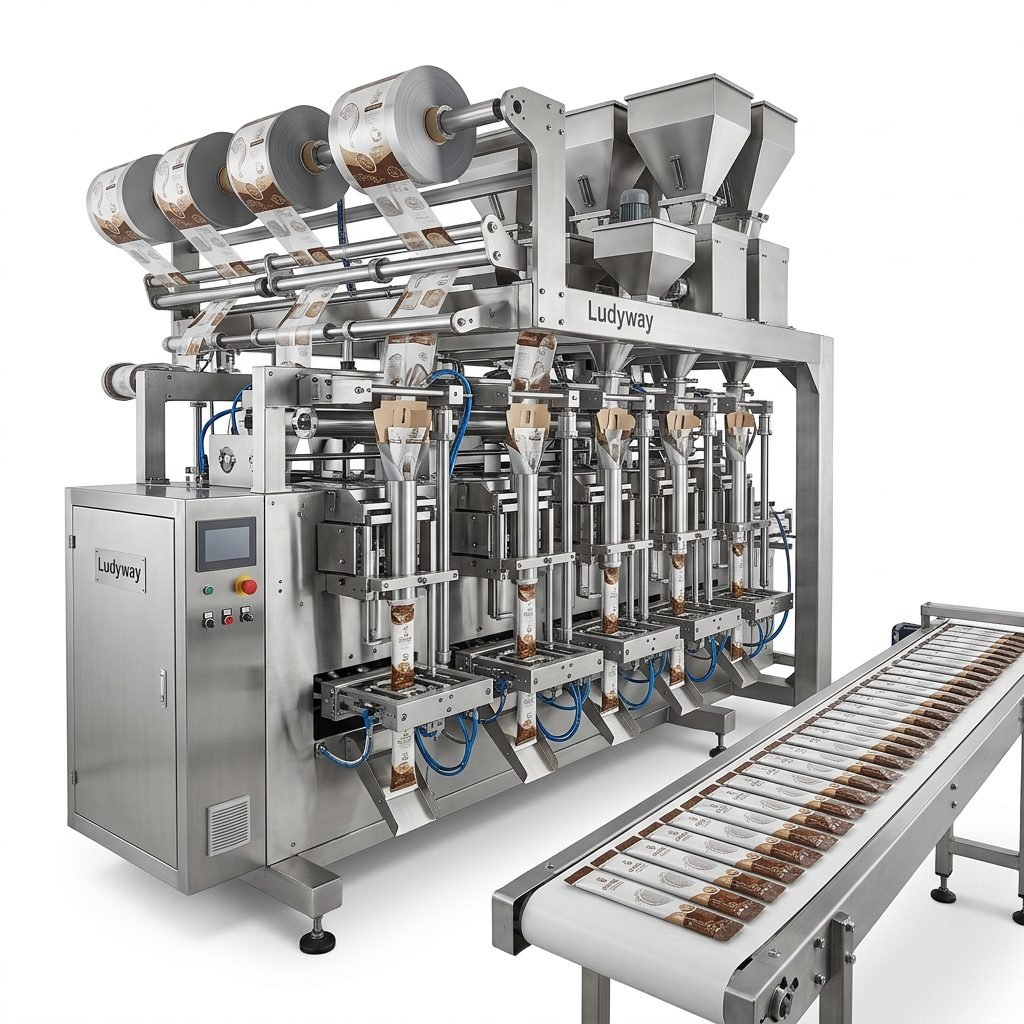
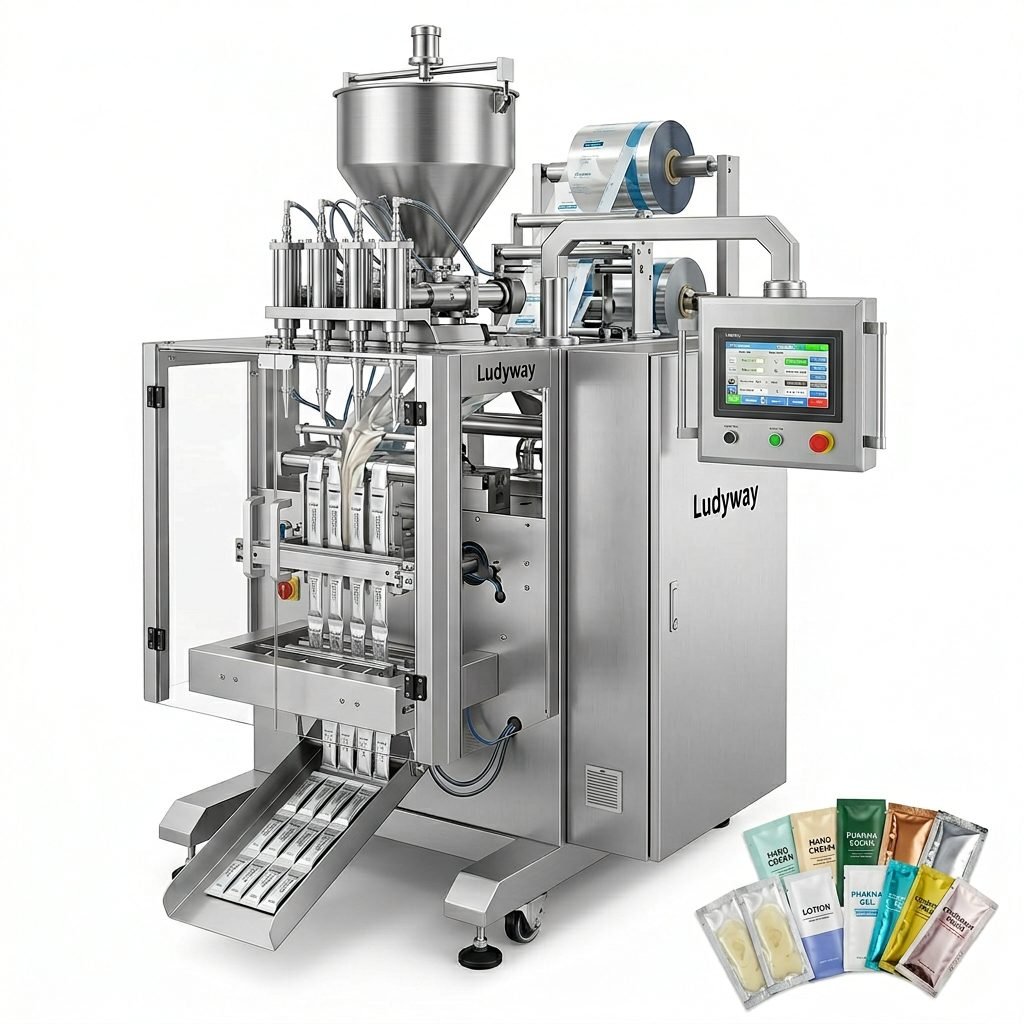
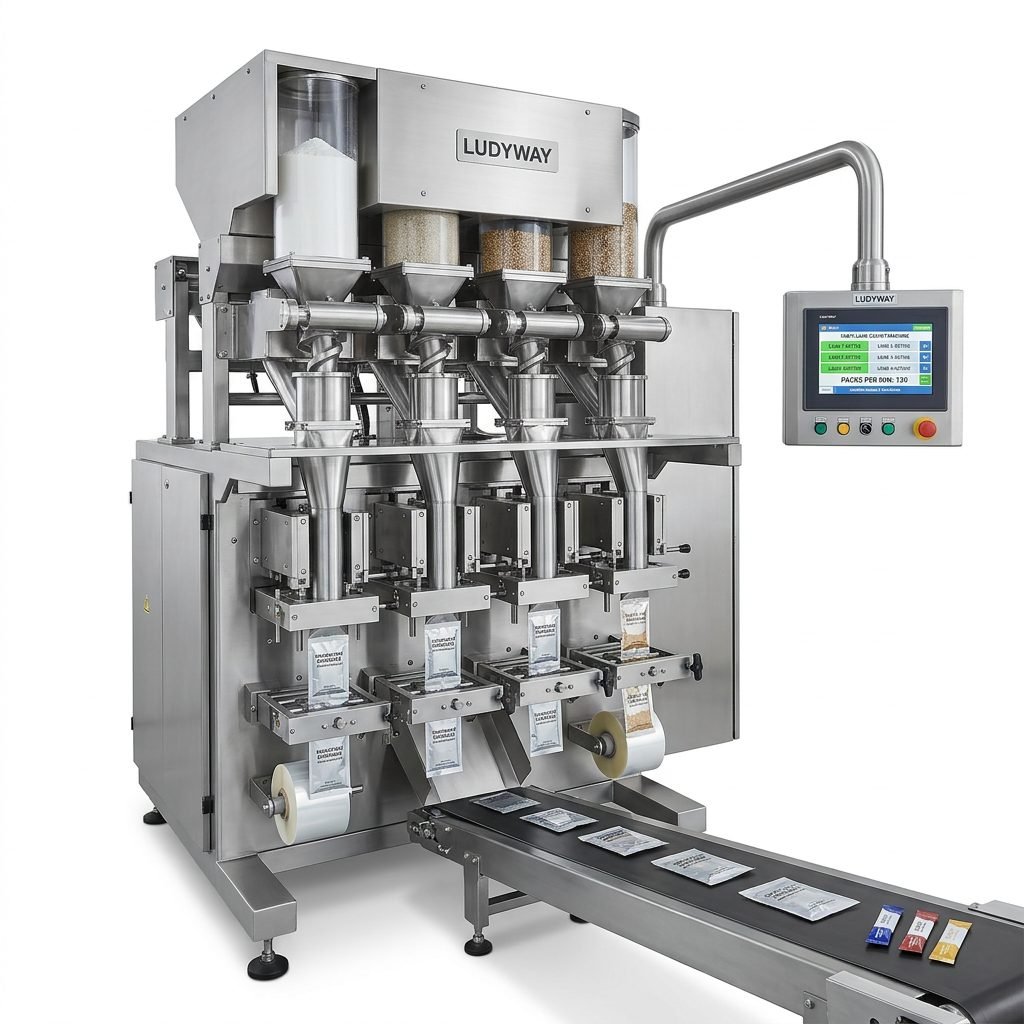
Investing in a milk powder packaging machine is a critical decision for U.S. dairy processors, co-packers, and infant formula manufacturers. The right equipment directly impacts product shelf life, fill accuracy, and regulatory compliance with FDA standards. This comprehensive guide walks you through everything you need to evaluate before purchasing powder packaging equipment for the American market.
Key Factors U.S. Buyers Must Evaluate
Before contacting suppliers, clearly define your production requirements. The following factors will determine which packaging machinery configuration best suits your operation:
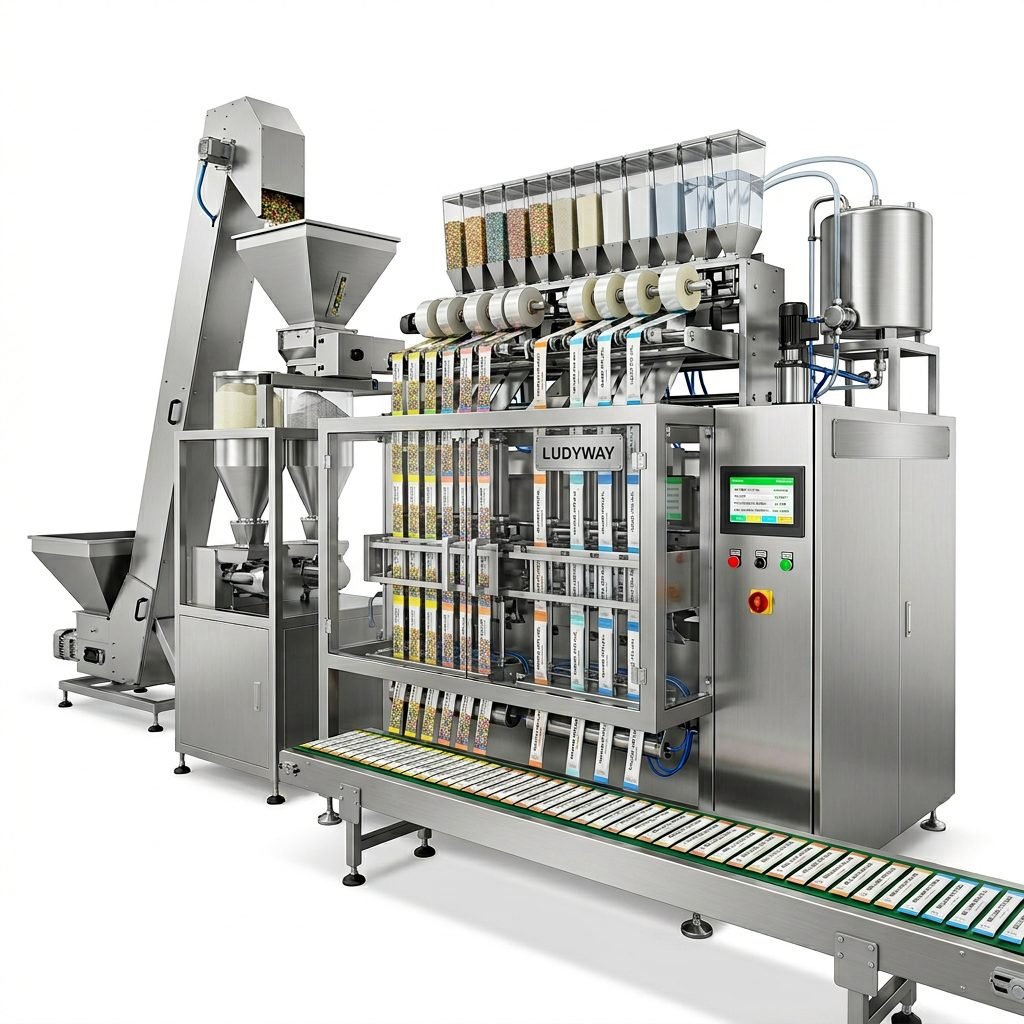
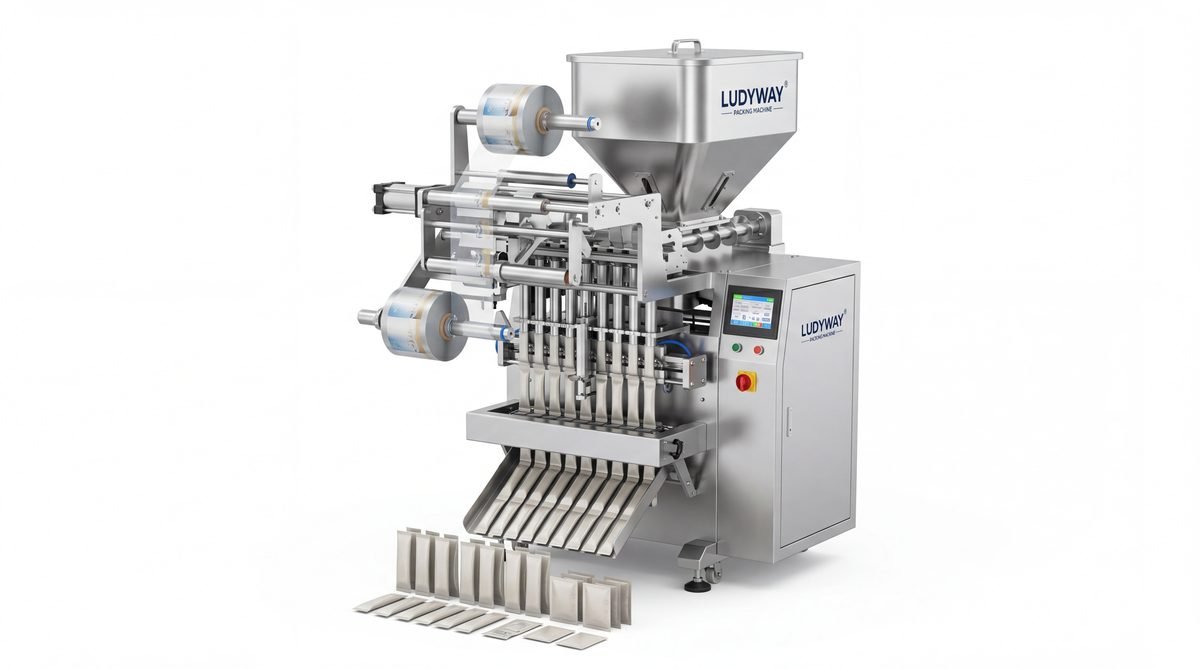
- Production capacity: How many pouches or sachets per minute do you need? Multi-lane packaging systems can achieve 300–600 packs per minute.
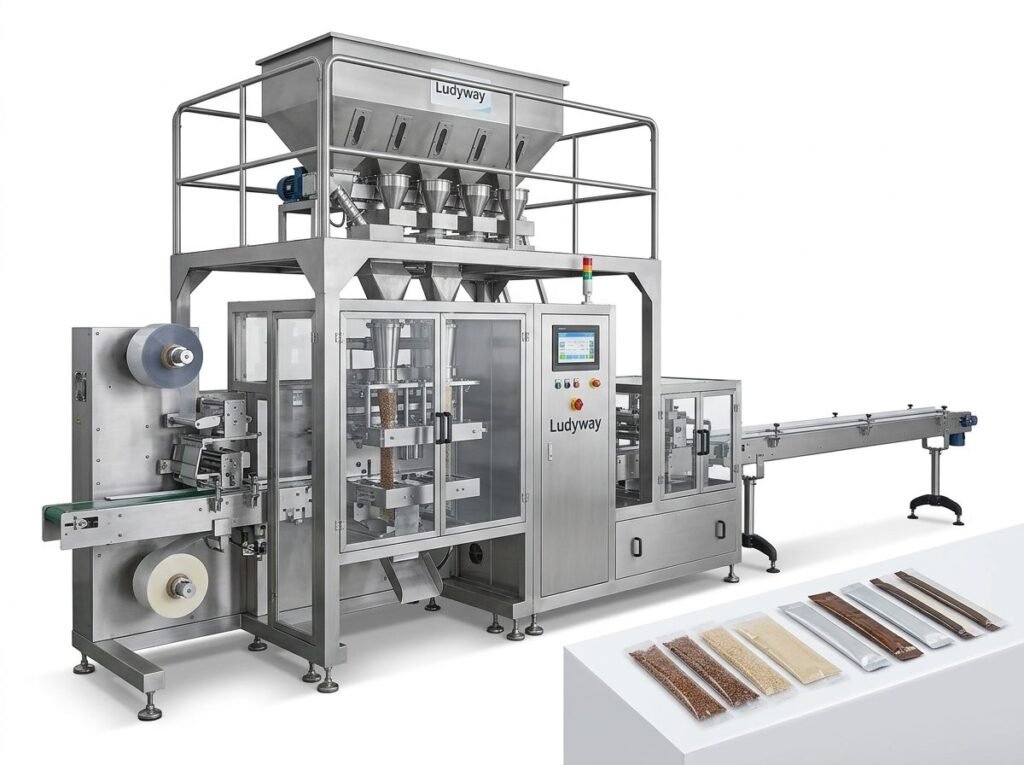
- Package format: Stick packs, flat sachets, gusseted pouches, or pre-made pouch filling — each requires different machinery configurations.
- Fill weight range: From single-serve 1g stick packs to bulk 2kg pouches, your target weight dictates the dosing mechanism.
- Powder characteristics: Milk powder density, flowability, and dust levels affect auger filler selection and dust extraction needs.
- Bag material compatibility: Ensure the machine handles your chosen laminate structure, including foil-based barriers for extended shelf life.
Types of Milk Powder Packaging Machines
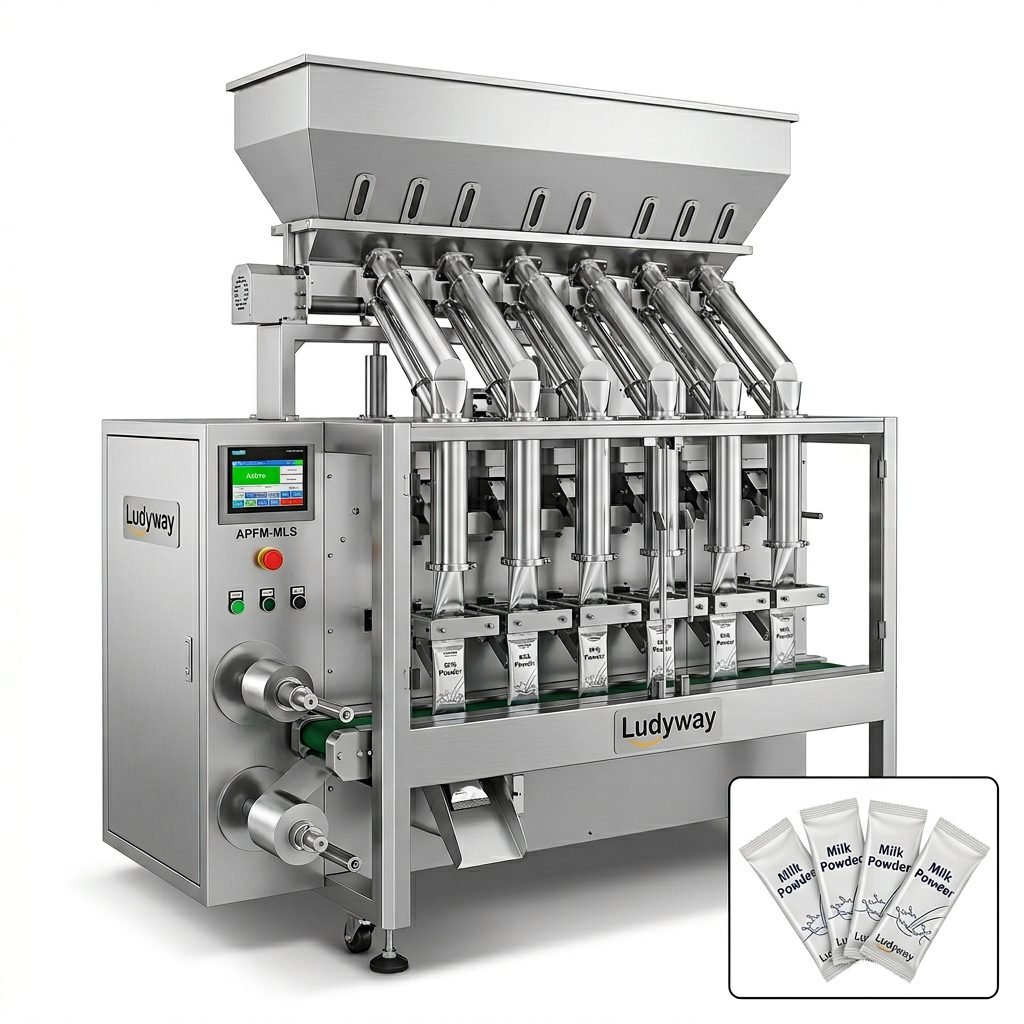
Understanding the different machine categories helps narrow your search. The table below compares the most common configurations used across U.S. dairy and nutrition facilities:
| Machine Type | Best For | Speed Range | Typical Fill Weight |
|---|---|---|---|
| Single-Lane VFFS | Small to mid-scale production | 30–80 packs/min | 10g–2kg |
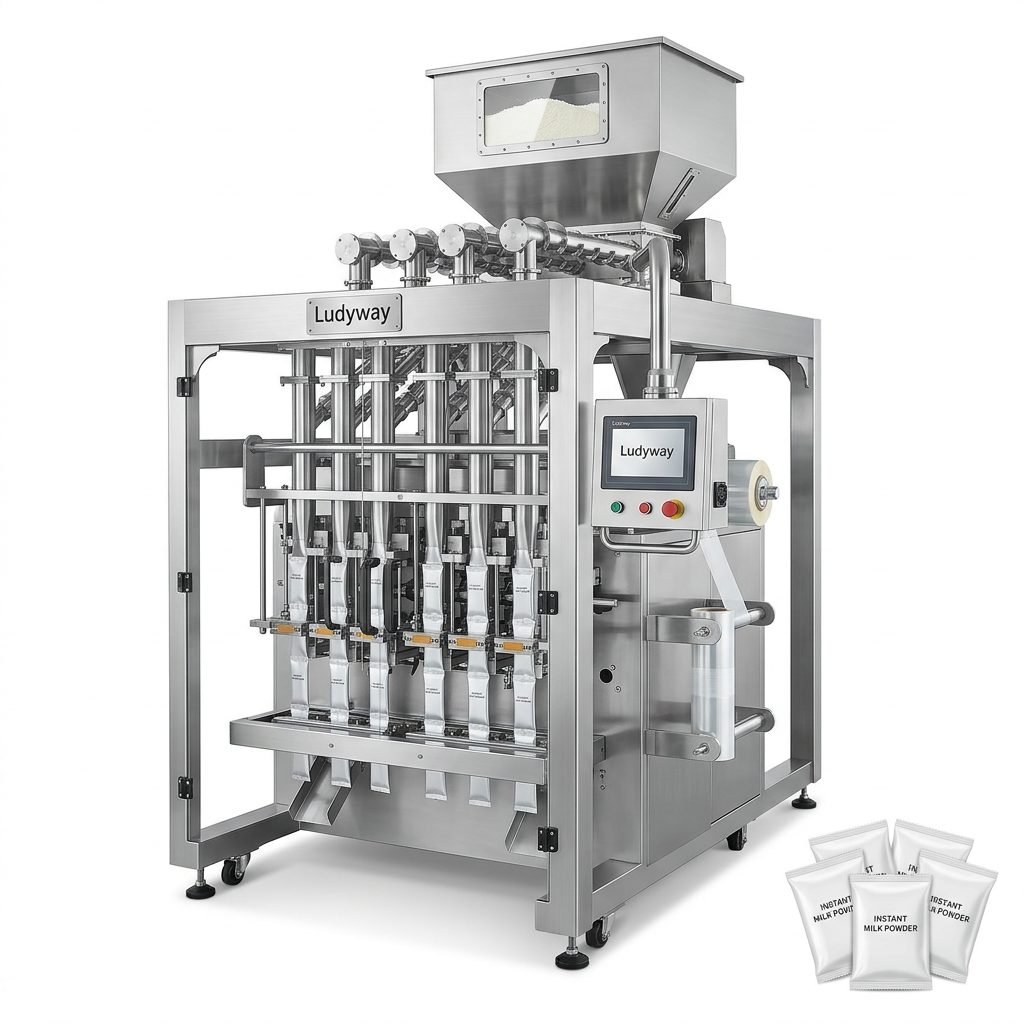
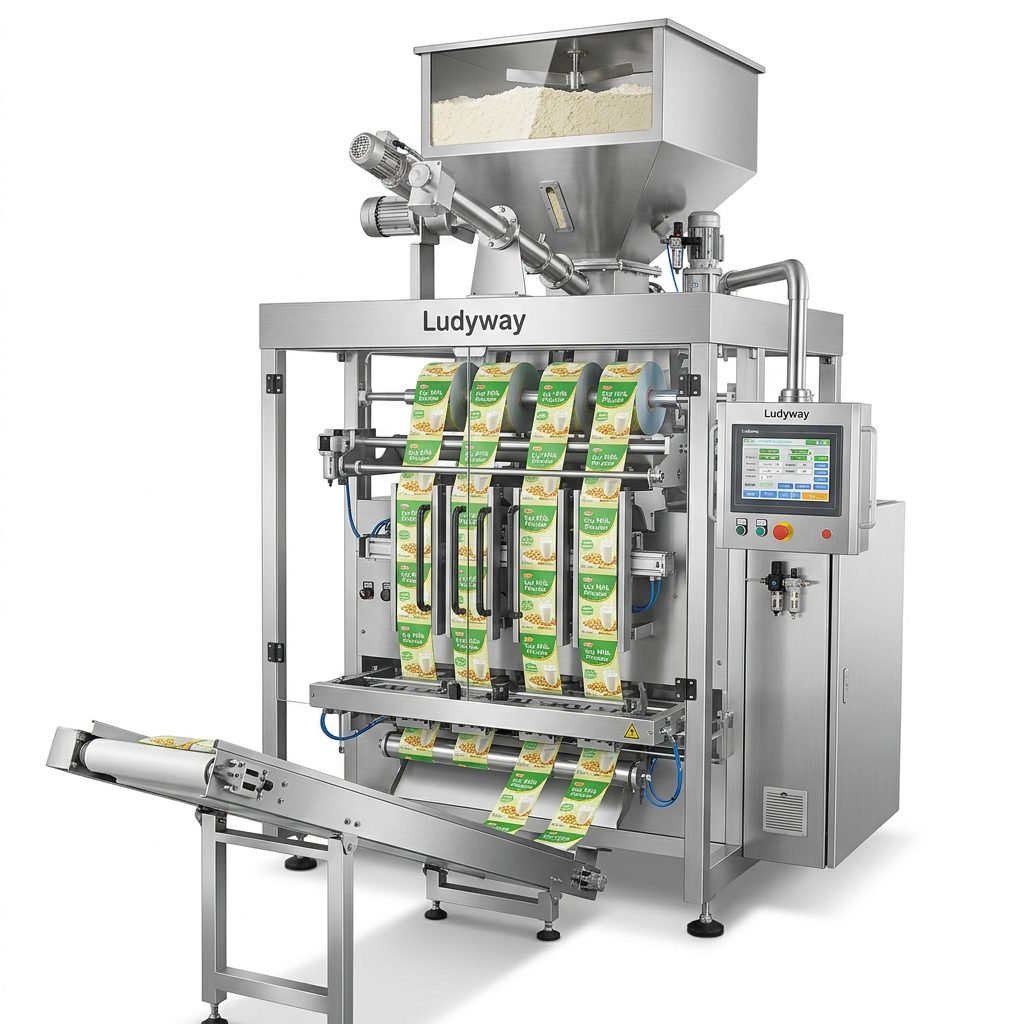
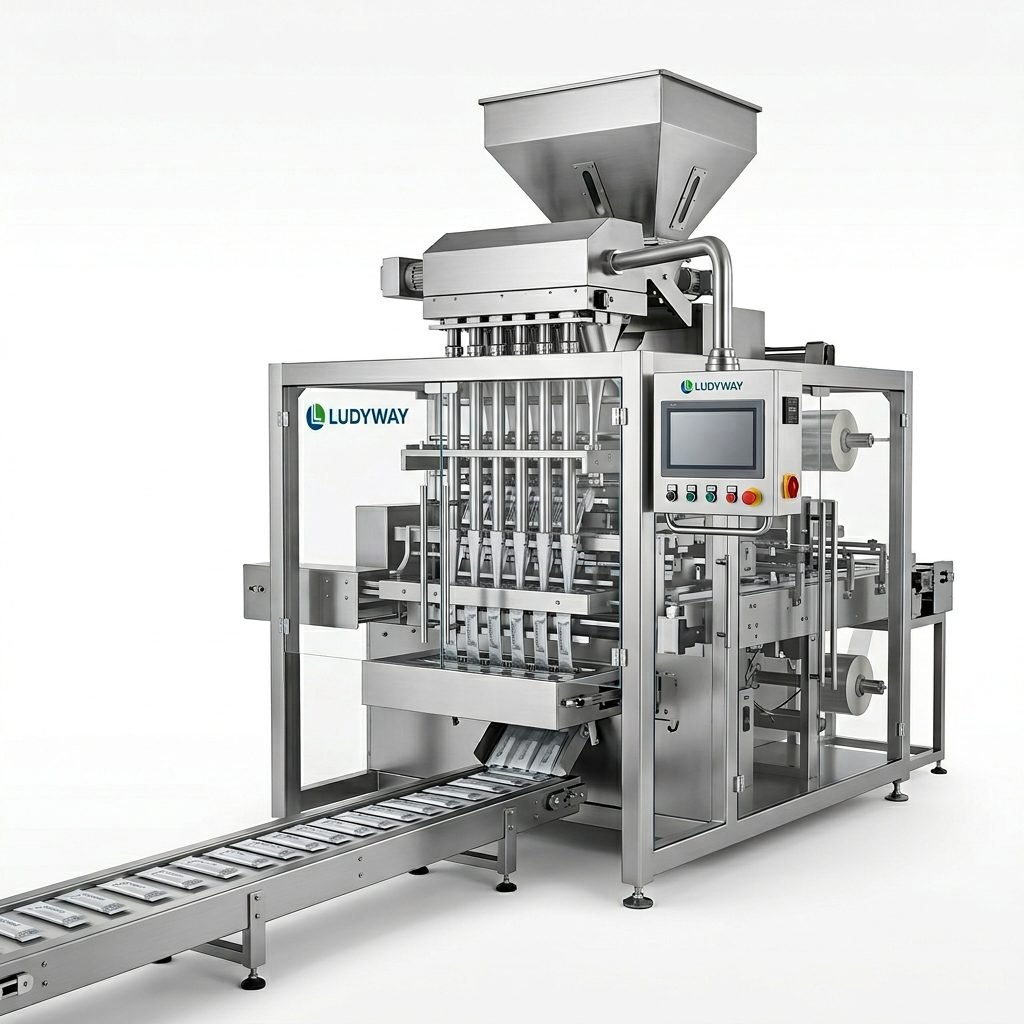
| Multi-Lane Stick Pack | High-volume single-serve | 200–600 packs/min | 1g–30g |
| Pre-Made Pouch Filler | Flexible pouch formats | 30–120 packs/min | 50g–5kg |
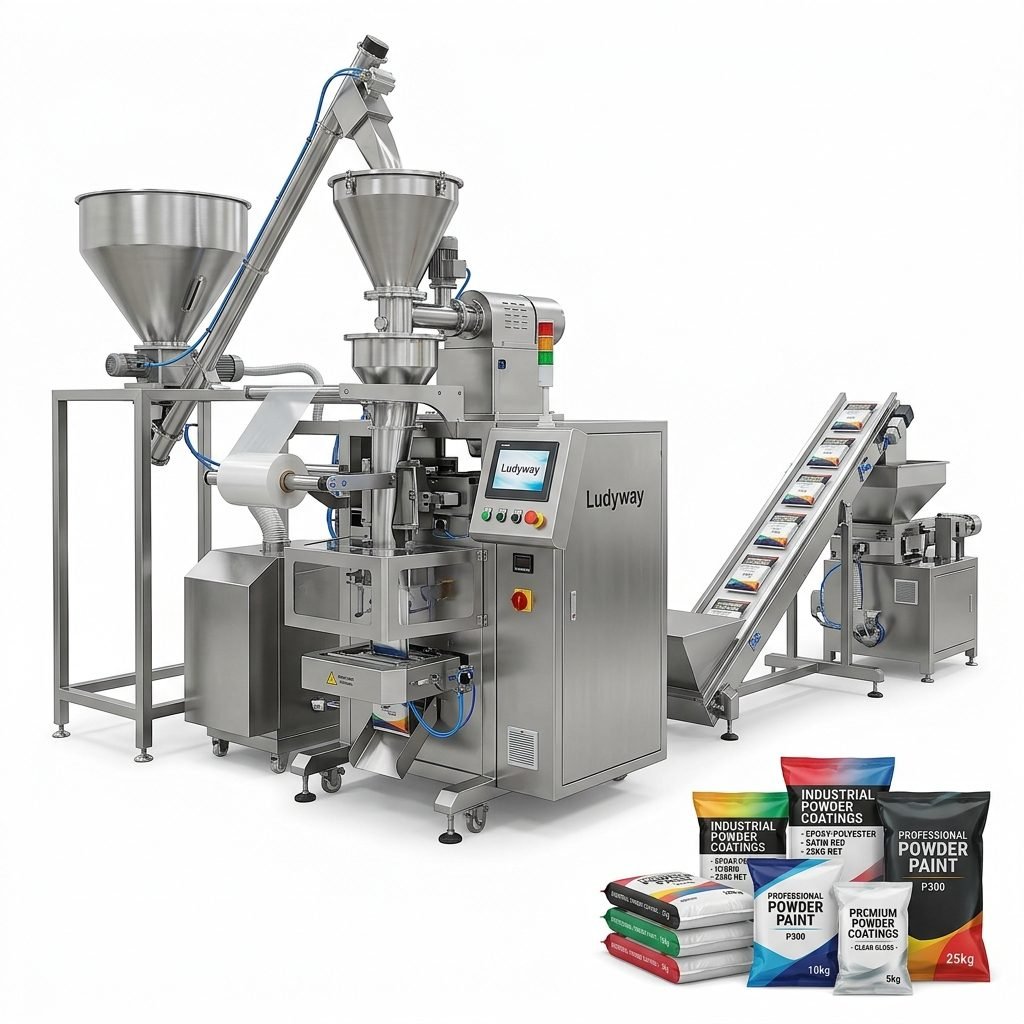
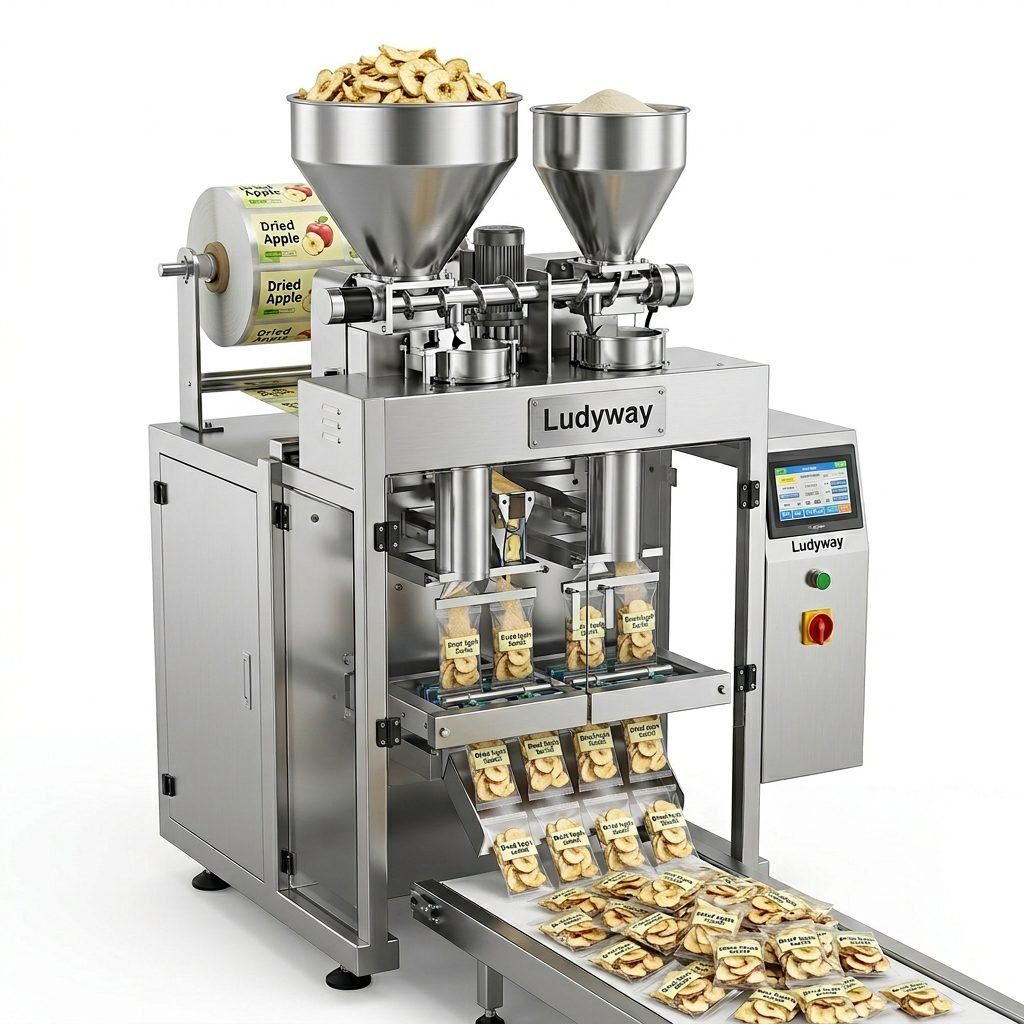
| Vertical Auger Filler | Free-flowing milk powders | 40–150 packs/min | 5g–1kg |
Auger Filler vs. Multi-Head Weigher for Milk Powder
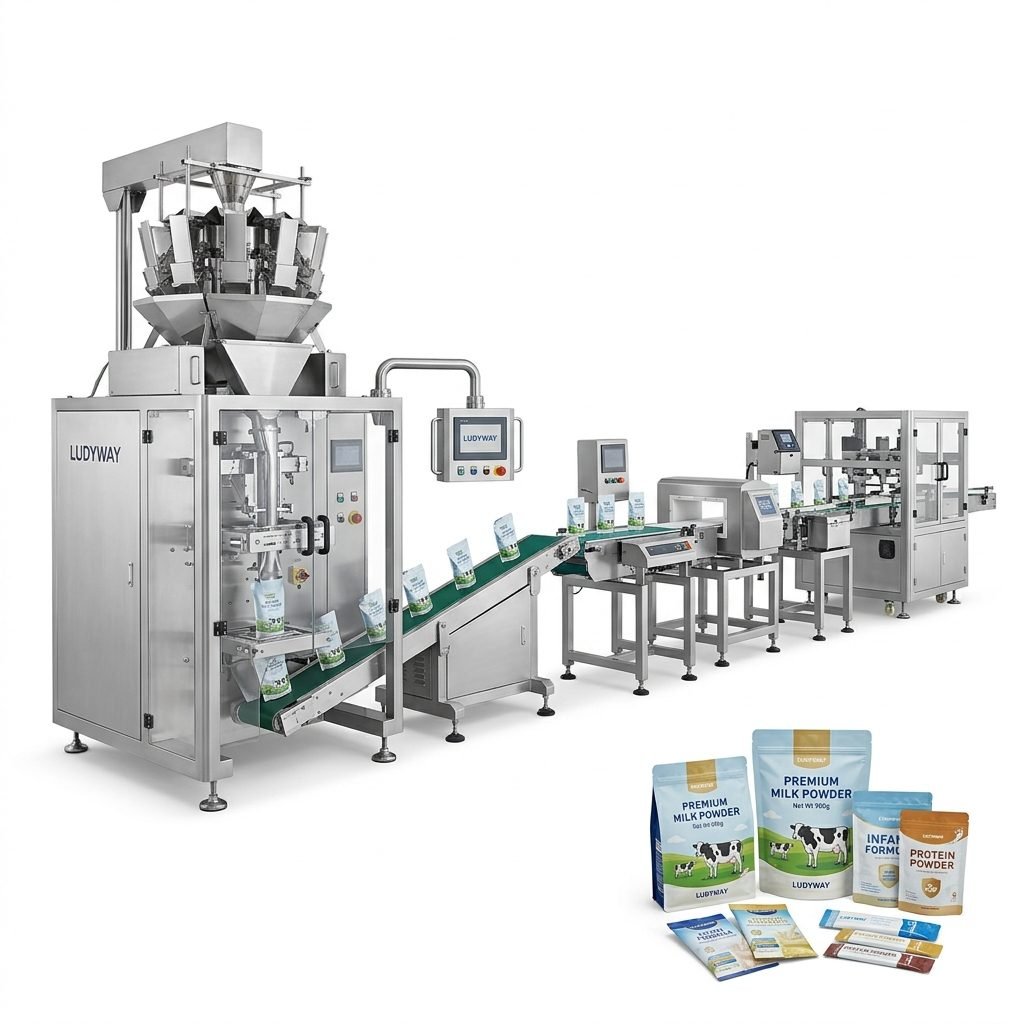
For volumetric dosing, auger fillers offer cost-effective accuracy for consistent-density powders. However, if your milk powder formulation varies in bulk density or you require gravimetric precision, a multi-head weigher combined with vertical form-fill-seal technology delivers superior weight accuracy. Multi-head systems are especially valuable when FDA labeling regulations demand tight net weight tolerances.
FDA Compliance and Food-Grade Requirements
U.S. buyers must prioritize equipment that meets FDA food contact substance regulations and cGMP guidelines. Key compliance areas include:
- Stainless steel construction: All product contact surfaces should be 304 or 316L stainless steel with sanitary welding.
- Dust containment: Enclosed filling zones and vacuum dust extraction prevent cross-contamination in ISO-compliant packaging environments.
- Clean-in-place (CIP) compatibility: Tool-free disassembly and washdown-ready designs reduce cleaning downtime.
- Validation documentation: IQ/OQ/PQ protocols should be available from your equipment supplier.
Automation Level: Semi-Automatic vs. Fully Integrated Lines
The degree of automation you choose affects labor costs, throughput consistency, and initial capital expenditure. Consider these configurations:
| Automation Level | Components | Ideal Application |
|---|---|---|
| Semi-Automatic | Manual pouch loading, automatic filling and sealing | Startups and low-volume specialty products |
| Fully Automatic Standalone | Auto film unwinding, forming, filling, sealing, cutting | Mid-tier brands scaling production |
| Turnkey Packaging Line | Feeding, filling, cartoning, case packing, palletizing | High-volume co-packers and national brands |
Total Cost of Ownership Considerations
Beyond the purchase price, U.S. buyers should calculate the total cost of ownership over the expected 10–15 year machine lifespan:
- Spare parts availability: Confirm that critical components like sealing jaws, auger screws, and heating elements are readily available from U.S.-based inventory or quick-ship programs.
- Energy consumption: Multi-lane machines with servo-driven systems typically consume less power per pouch than pneumatic alternatives.
- Film waste rates: Precision registration systems minimize material waste during start-up and splices.
- Technical support: Verify that your supplier offers remote troubleshooting, U.S. time zone support, and on-site service options.
Evaluating Supplier Capabilities
When sourcing a milk powder packaging machine for the U.S. market, look for manufacturers with demonstrated export experience and references from American clients. Ludyway is one of the largest packaging machine manufacturers in China, specializing in advanced packaging equipment and turnkey production solutions for the food, pharmaceutical, and health industries. With over 30 years of industry expertise, a modern 20,000㎡ manufacturing facility, and more than 50 intelligent packaging machine models, the company serves customers in over 100 countries and regions. Key supplier evaluation criteria include:
- UL or CE-certified electrical components acceptable for U.S. installations
- Documentation available in English, including technical manuals and maintenance guides
- Proven track record with dairy powder applications
- Willingness to conduct factory acceptance testing (FAT) before shipment
Nitrogen Flushing and Modified Atmosphere Packaging
For milk powder products requiring extended shelf life, nitrogen flushing systems are essential. Modified atmosphere packaging displaces oxygen to preserve nutritional content and prevent oxidation. Ensure your selected machine offers integrated gas flushing with adjustable flow rates and residual oxygen monitoring capabilities.
Key Questions to Ask Before Purchasing
Prepare these questions when engaging with packaging equipment suppliers:
- What is the actual demonstrated speed with milk powder, not just the mechanical maximum?
- Are the sealing jaw temperature controls PID-based for consistent seal integrity?
- Does the machine include automatic film tracking and edge guiding?
- What is the typical changeover time between different pouch sizes?
- Is remote diagnostic support available for U.S. customers?
- Can the supplier provide third-party validation references from previous U.S. installations?
Warranty and After-Sales Support
A comprehensive warranty covering parts and labor for at least 12 months is standard expectation. Beyond warranty, evaluate the supplier’s ability to provide ongoing technical support, preventative maintenance programs, and expedited spare parts delivery to U.S. locations. The 2025 State of the Industry report from PMMI highlights that after-sales service quality has become the top differentiator among packaging machinery suppliers serving North American markets.
Final Recommendations for U.S. Buyers
Selecting the right milk powder packaging machine requires balancing production requirements, regulatory compliance, and long-term operational costs. Prioritize suppliers who understand FDA cGMP requirements, offer sanitary machine designs, and provide responsive North American support. Whether you need a single-lane VFFS for artisan dairy products or a high-speed multi-lane stick pack system for national distribution, thorough due diligence during the evaluation phase pays dividends throughout the equipment’s operational life.