Fresh fruit and produce businesses need packaging that is fast, hygienic, visually appealing, and gentle on delicate products. An apple packing machine helps growers, exporters, distributors, and food processors improve throughput while reducing manual handling, product damage, and packaging inconsistency. Whether you are packing fresh apples, dried apple slices, mixed fruit snacks, or ready-to-sell produce portions, the right machine can turn packaging into a competitive advantage.
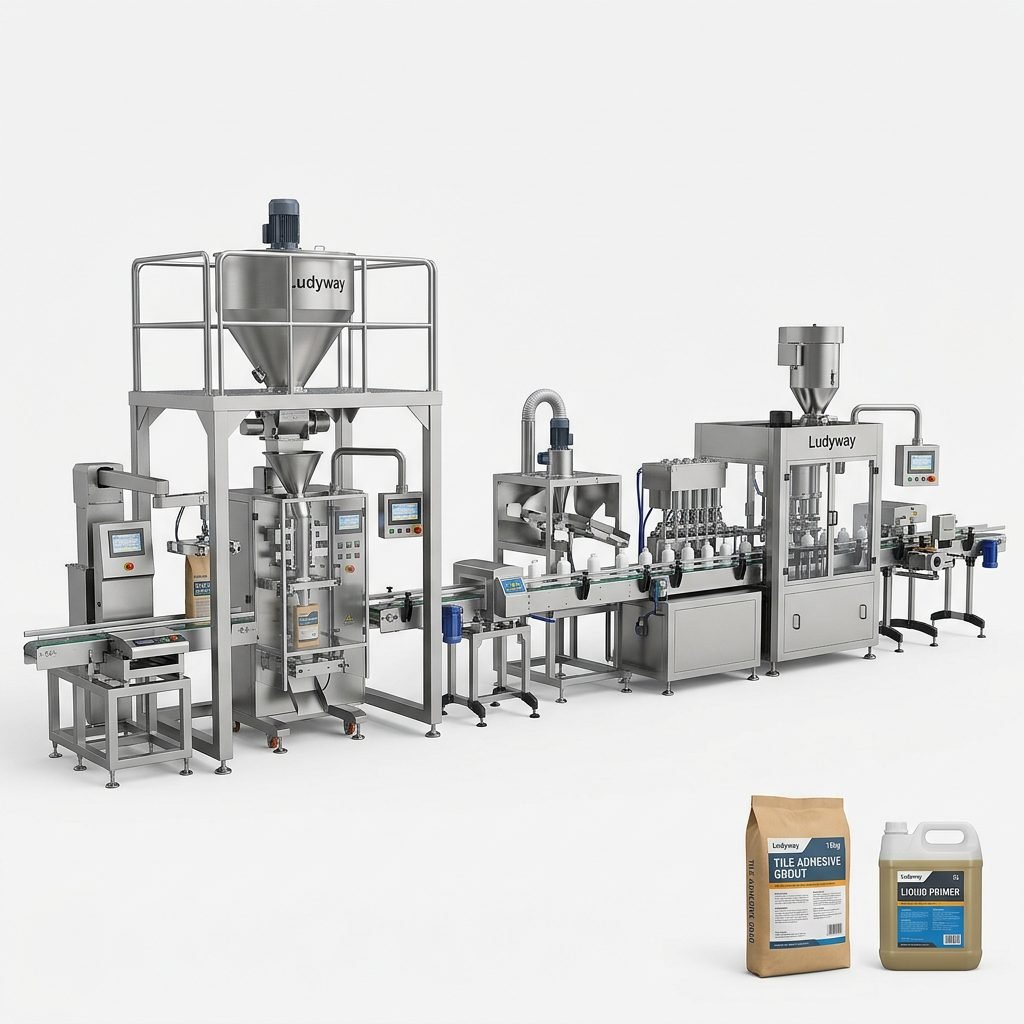
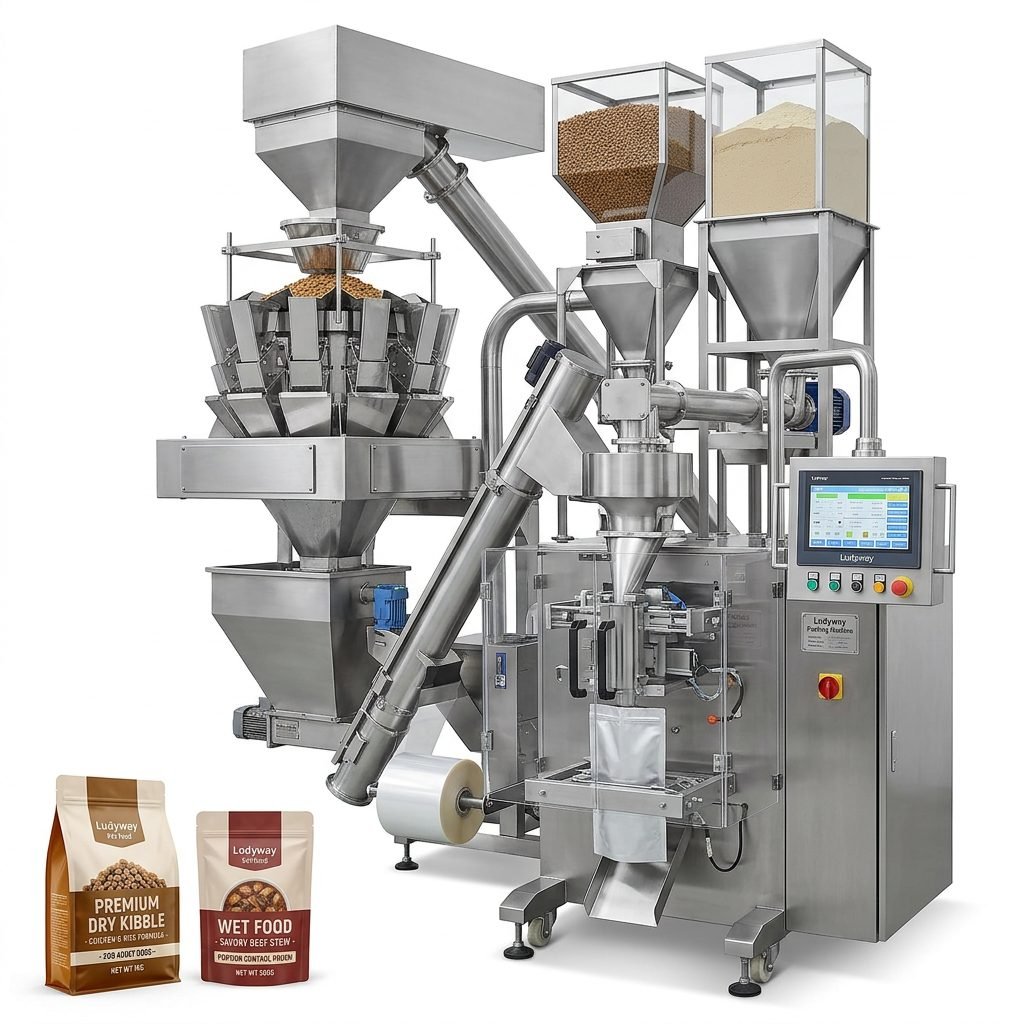
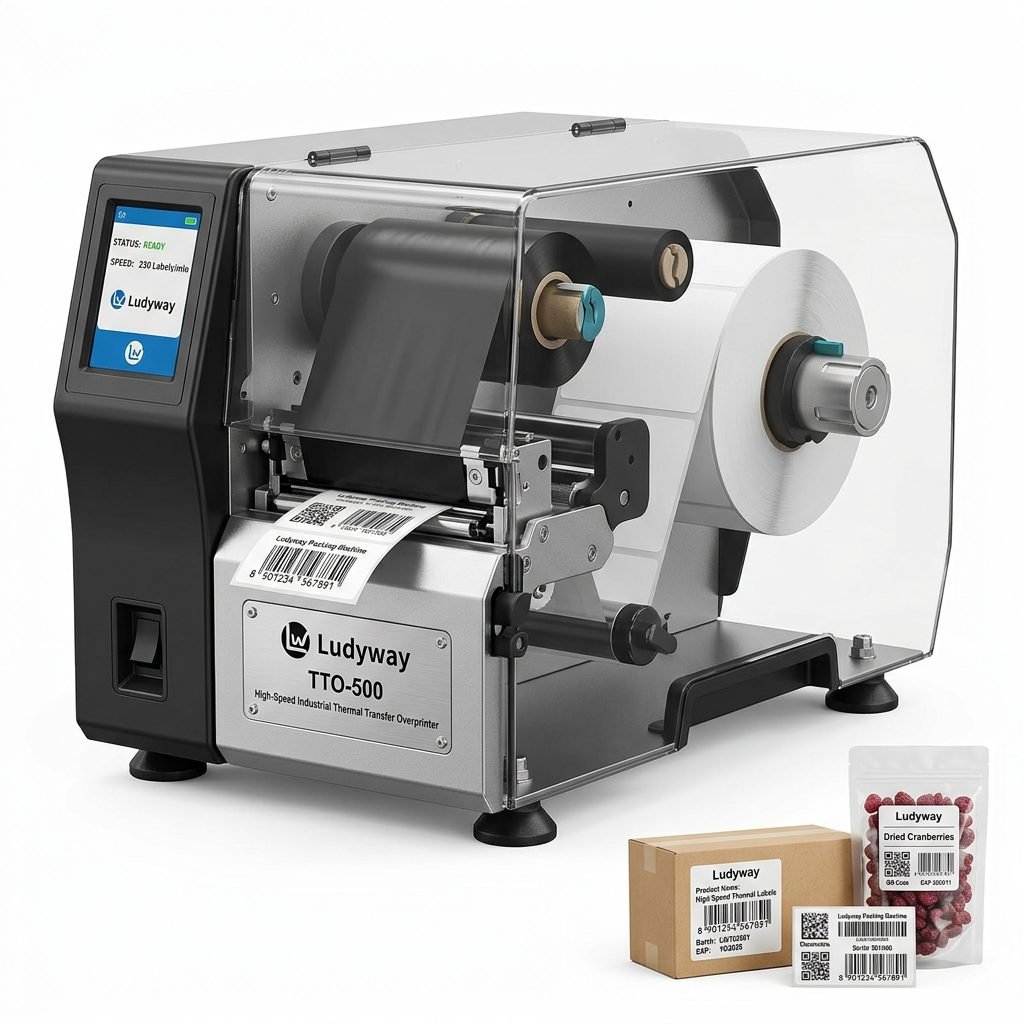
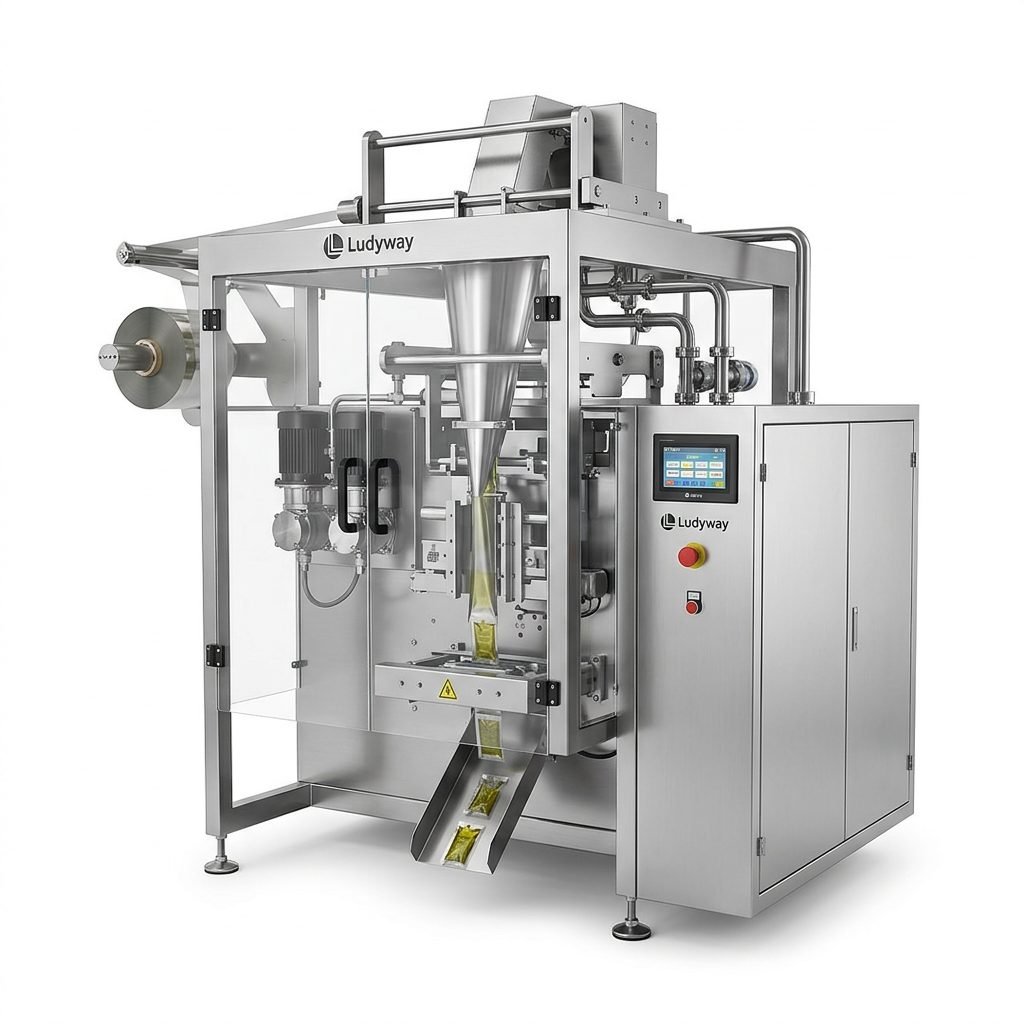
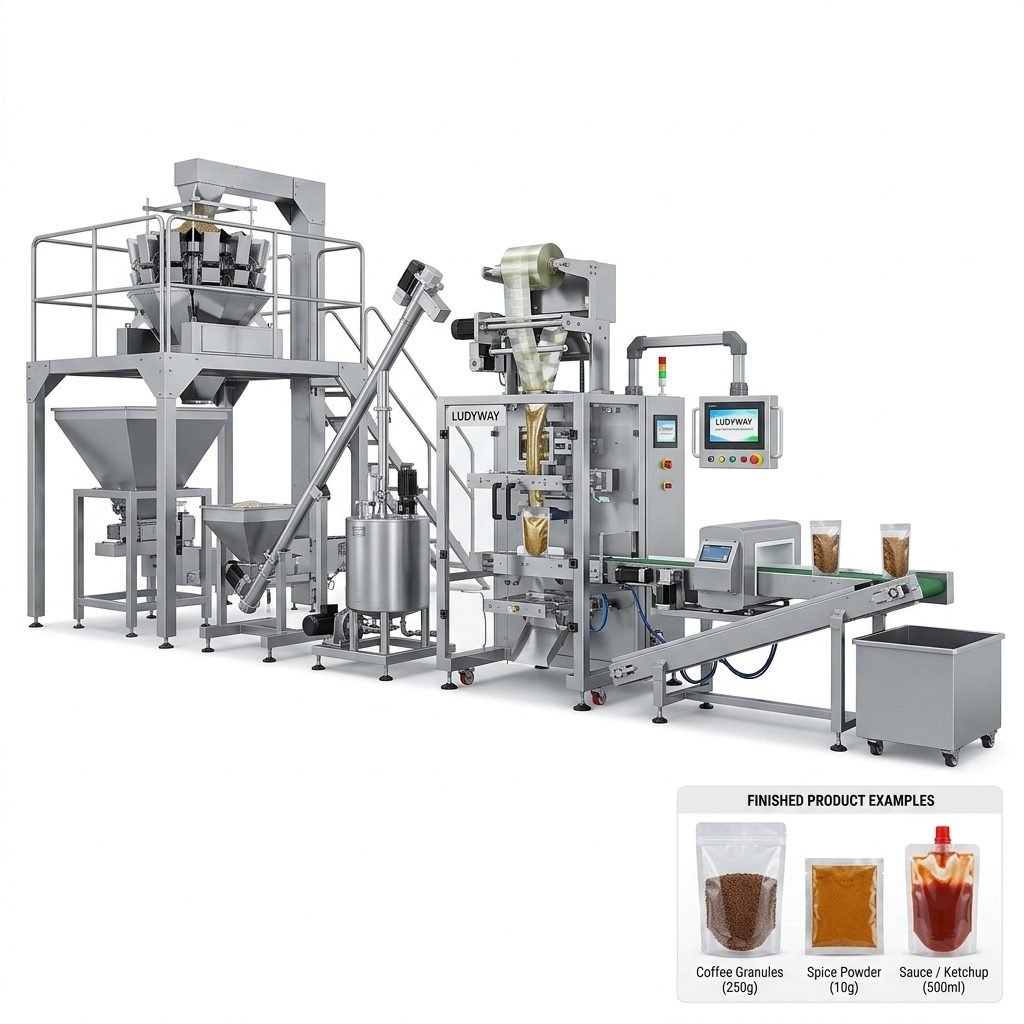
Modern equipment is no longer limited to simple bagging. Today’s systems can support weighing, feeding, filling, sealing, coding, labeling, inspection, and end-of-line handling. For companies seeking scalable automation, Ludyway apple packing machine solutions can support both standalone equipment and complete turnkey packaging lines for food and related industries.
Why Apple Packaging Automation Matters
Apples and apple-based products are sold in many formats, from fresh retail packs to dried fruit snacks and powdered ingredients. Each format has different packaging needs, but the business goals are usually the same:
- Protect product quality during handling and transport
- Improve packaging speed and consistency
- Reduce labor dependency and manual error
- Support food safety and hygiene standards
- Enhance shelf appeal for retail markets
- Lower waste from underfilling, overfilling, or seal failure
In competitive fruit and produce markets, packaging is not only a protective layer—it also influences freshness perception, branding, logistics efficiency, and customer trust.
What Is an Apple Packing Machine?
An apple packing machine is a packaging system designed to automate the packing of apples or apple-derived products into bags, pouches, trays, sachets, stick packs, cartons, or other retail and bulk formats. Depending on the application, the machine may include:
- Product feeding or conveying
- Sorting or weighing
- Filling into the selected package
- Sealing or closing
- Date coding or labeling
- Inspection and discharge
For fresh produce, the focus is often on gentle handling and speed. For dried apple, apple powder, or snack-style products, the focus may shift to precision dosing, airtight sealing, and high-output packaging.
Common Apple and Produce Packaging Applications
| Product Type | Typical Packaging Format | Key Machine Requirement |
|---|---|---|
| Fresh apples | Net bags, trays, cartons, pouches | Gentle conveying and reliable pack formation |
| Dried apple slices | Pouches, sachets, resealable bags | Accurate weighing and moisture-safe sealing |
| Apple powder | Sachets, stick packs, pillow bags | Dust control and precise dosing |
| Mixed fruit snacks | Retail pouches and single-serve packs | Multi-product compatibility and seal integrity |
| Frozen apple pieces | Bags or pouches | Stable operation in cold-chain production environments |
Key Features to Look For
Choosing the right apple packing machine requires more than comparing speed numbers. The best system should fit your product characteristics, packaging material, plant layout, hygiene needs, and future expansion plans.
1. Gentle Product Handling
Fresh apples bruise easily if dropped, compressed, or moved too aggressively. A high-quality packing system should minimize impact points and maintain smooth product flow.
2. Accurate Weighing and Filling
For retail packs and dried fruit products, accurate filling protects margins and maintains customer satisfaction. Underweight packs create complaints, while overweight packs reduce profitability.
3. Flexible Packaging Formats
Many produce businesses serve multiple channels, including supermarkets, wholesale buyers, e-commerce, and foodservice. Flexible machines can switch between pack sizes and materials with less downtime.
4. Hygienic Design
Food-grade construction, easy cleaning access, and a logical machine layout help reduce contamination risk and simplify sanitation procedures.
5. Stable Sealing Performance
For dried apple and processed produce, seal quality directly affects shelf life. Strong, consistent seals help preserve texture, flavor, and product safety.
6. Smart Automation Integration
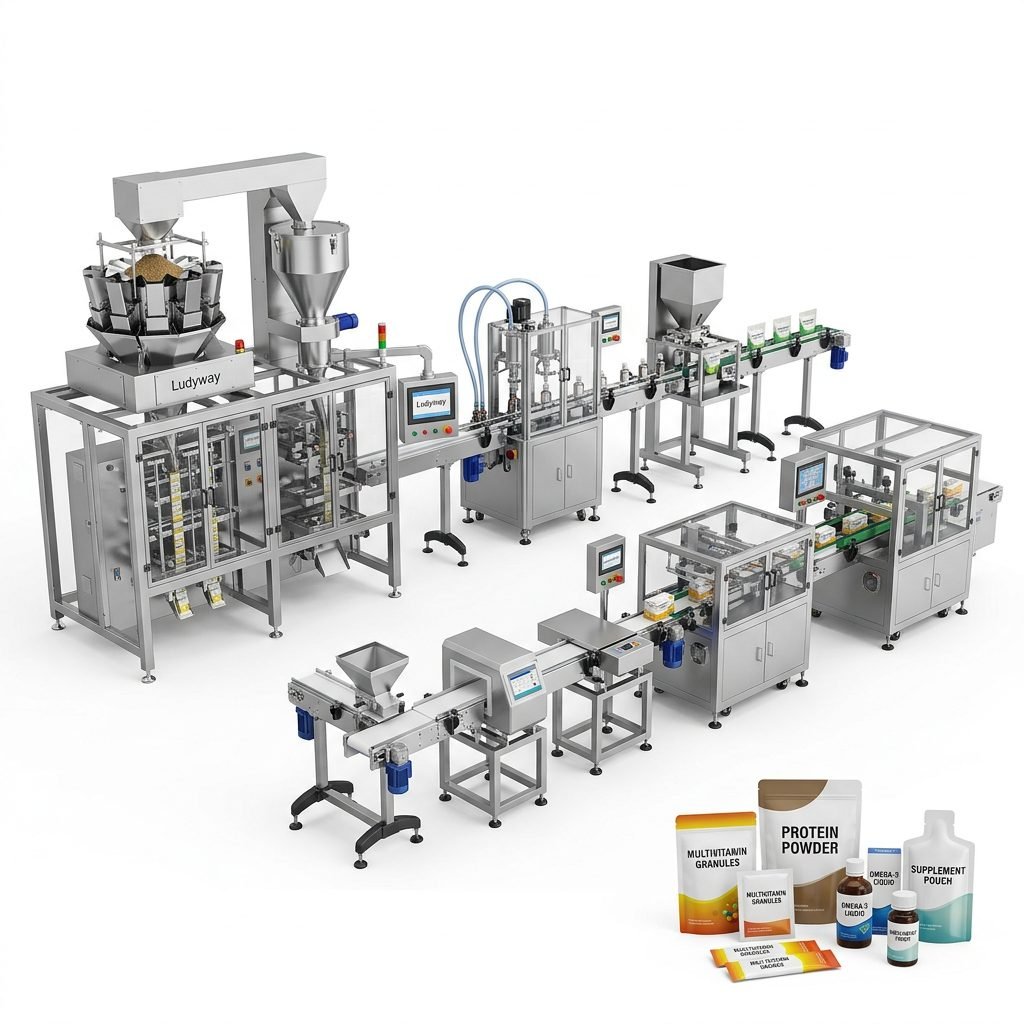
Advanced systems can include coding, labeling, checkweighing, metal detection, cartoning, and case packing. This improves traceability and supports large-scale production management.

Benefits for Fresh Fruit and Produce Businesses
- Higher productivity: automated lines can handle more packs per hour than manual operations
- Lower labor pressure: fewer repetitive manual tasks on the production floor
- Better pack consistency: more uniform weight, shape, and presentation
- Reduced waste: less product loss from spills, seal defects, and handling damage
- Improved shelf appeal: cleaner, more professional packaging for retail display
- Scalable growth: easier to expand into new SKUs and markets
Types of Packaging Systems Used for Apples and Produce
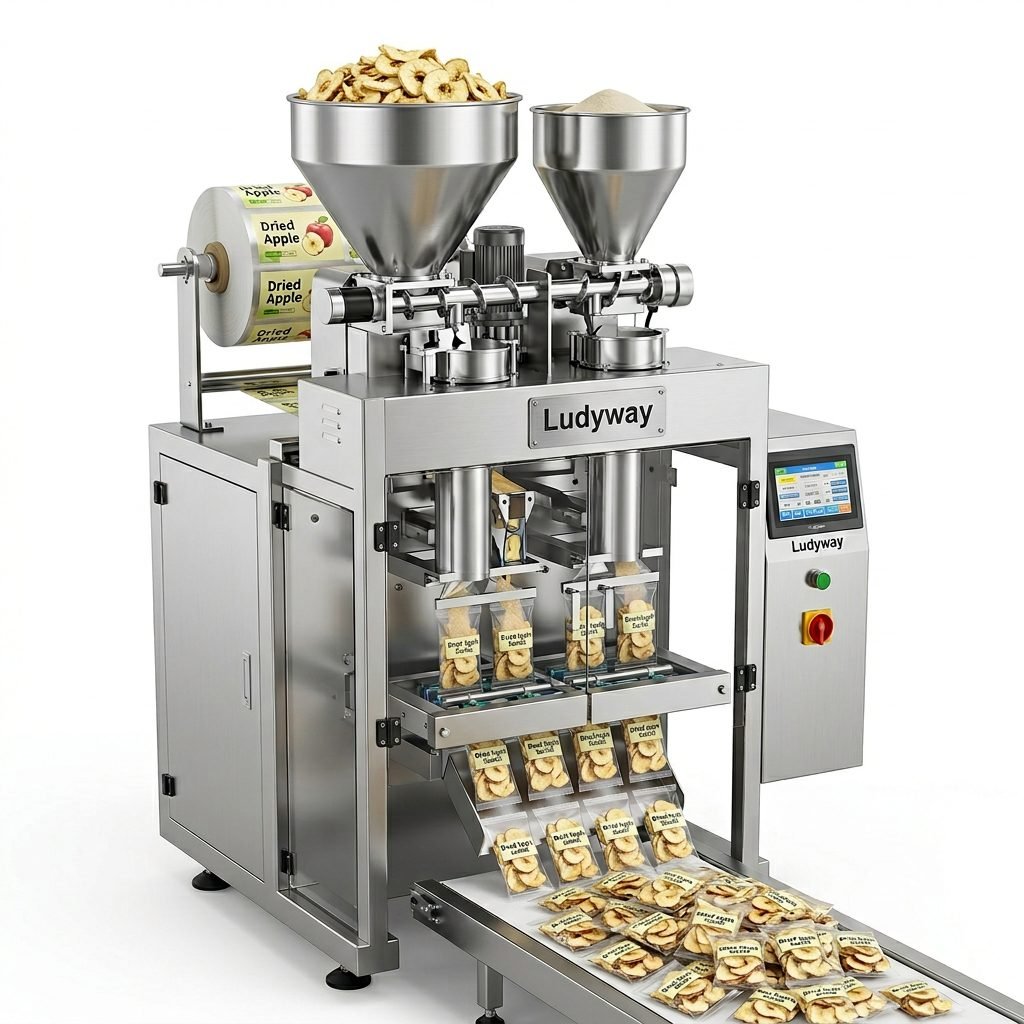
Vertical Form Fill Seal Machines
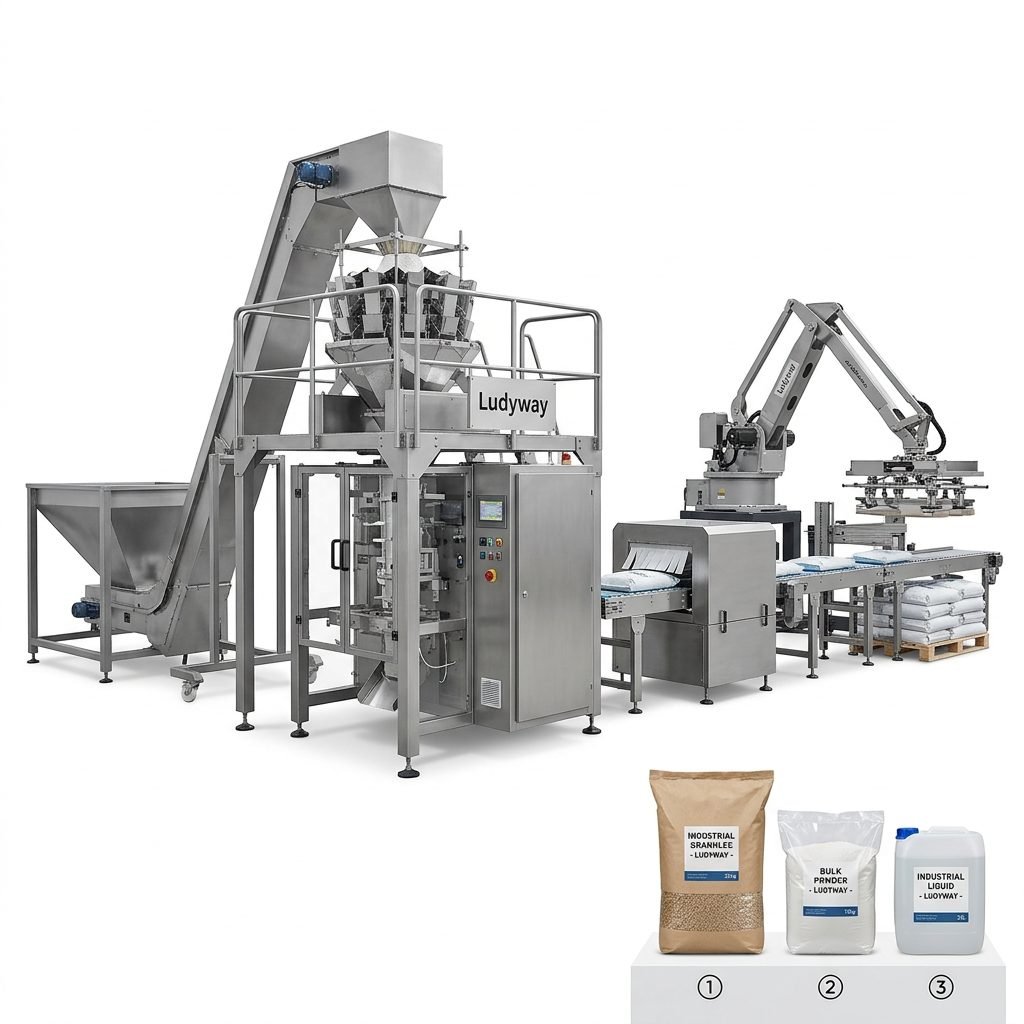
Ideal for dried apple pieces, fruit powders, and granulated produce-based products. These machines form bags from roll film, fill them, and seal them in one integrated process.
Premade Pouch Packing Machines
Suitable for premium retail presentation, zipper pouches, and specialty snack packaging. They offer a polished appearance and can work well for value-added fruit products.
Net Bag and Bagging Systems
Common in fresh apple packing operations where visibility, ventilation, and easy transport are important.
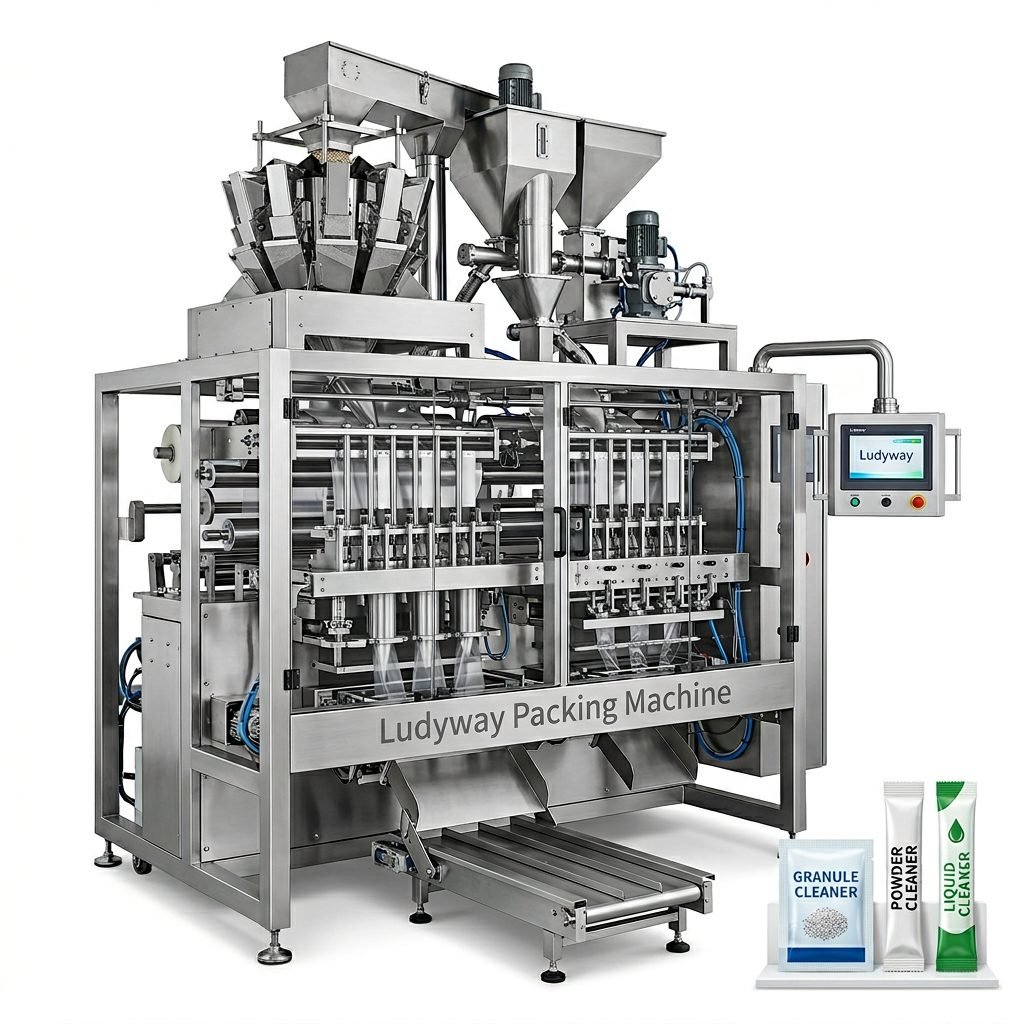
Multi-Lane Sachet and Stick Pack Machines
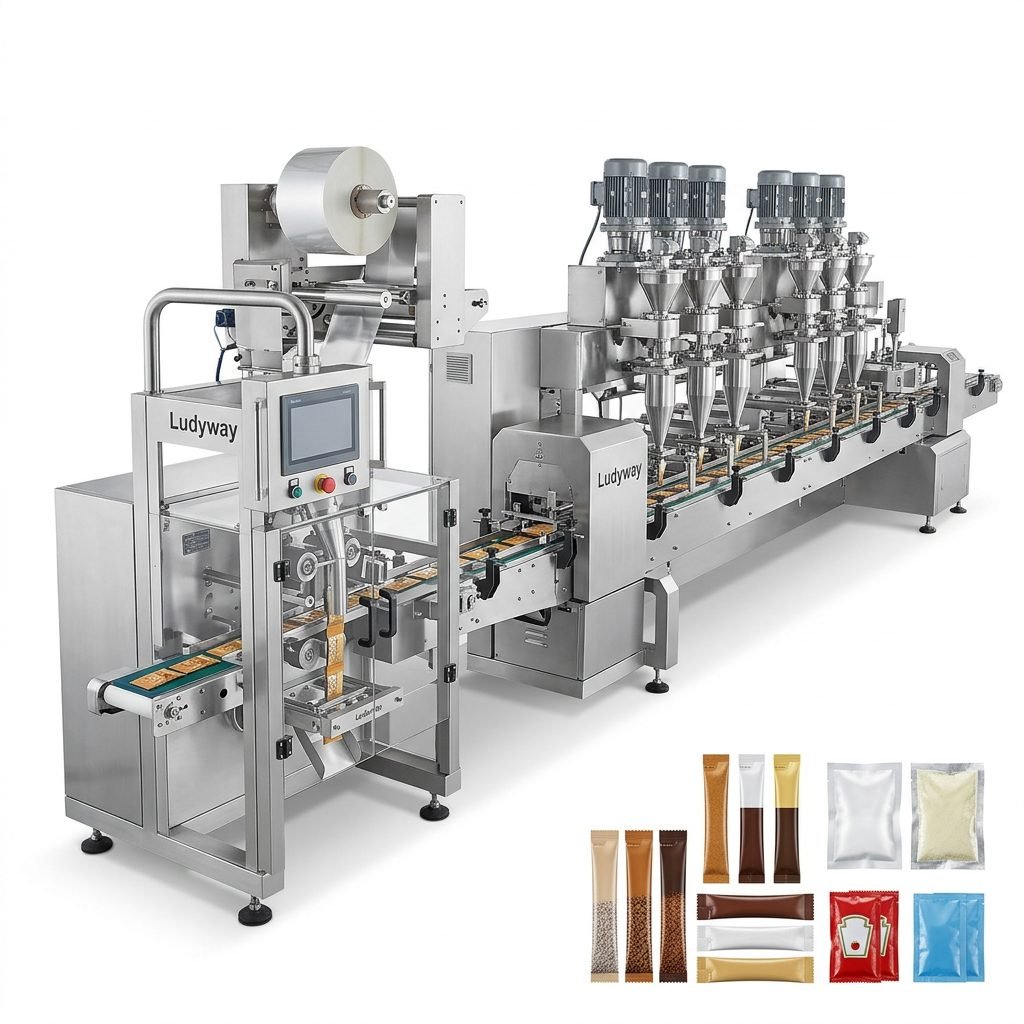
Best for apple powder, fruit drink blends, nutrition products, and single-serve applications. These systems are especially attractive for high-volume packaged food production.
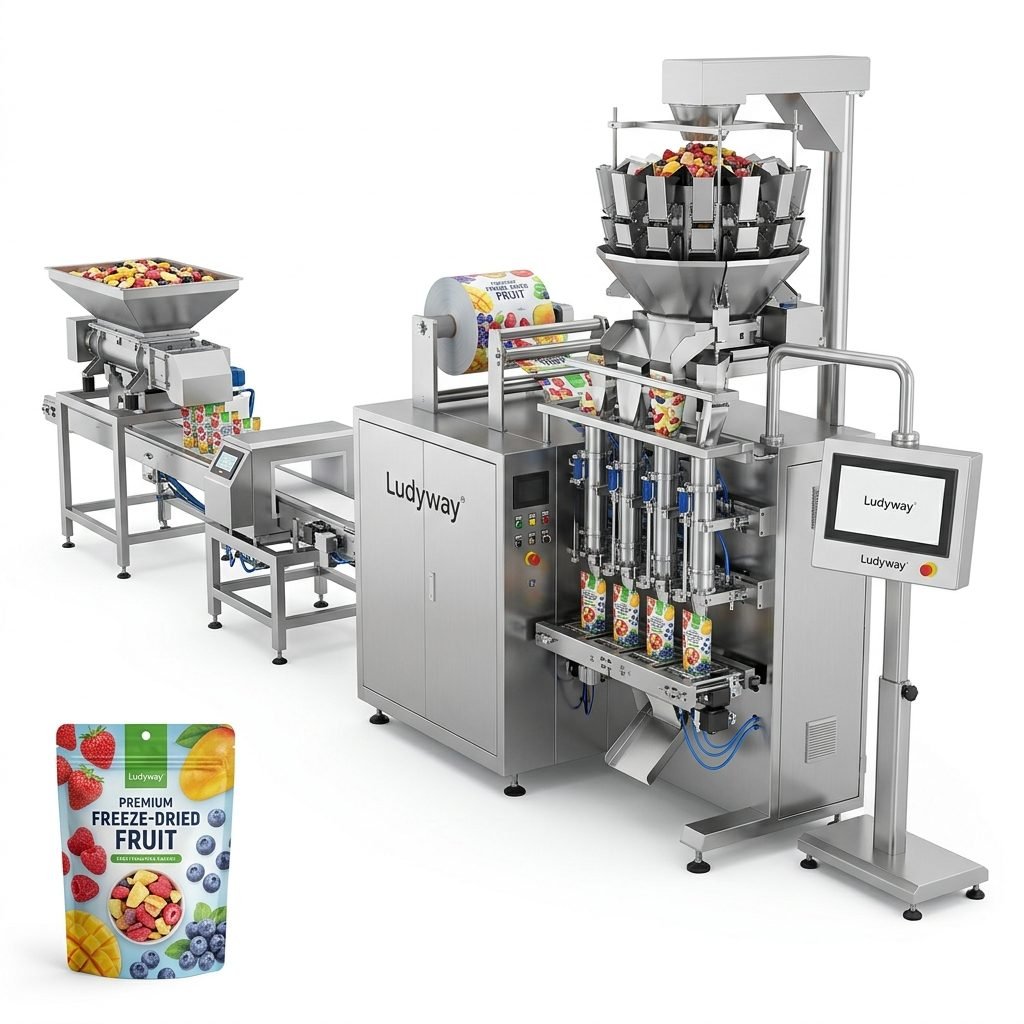
Turnkey Packaging Lines
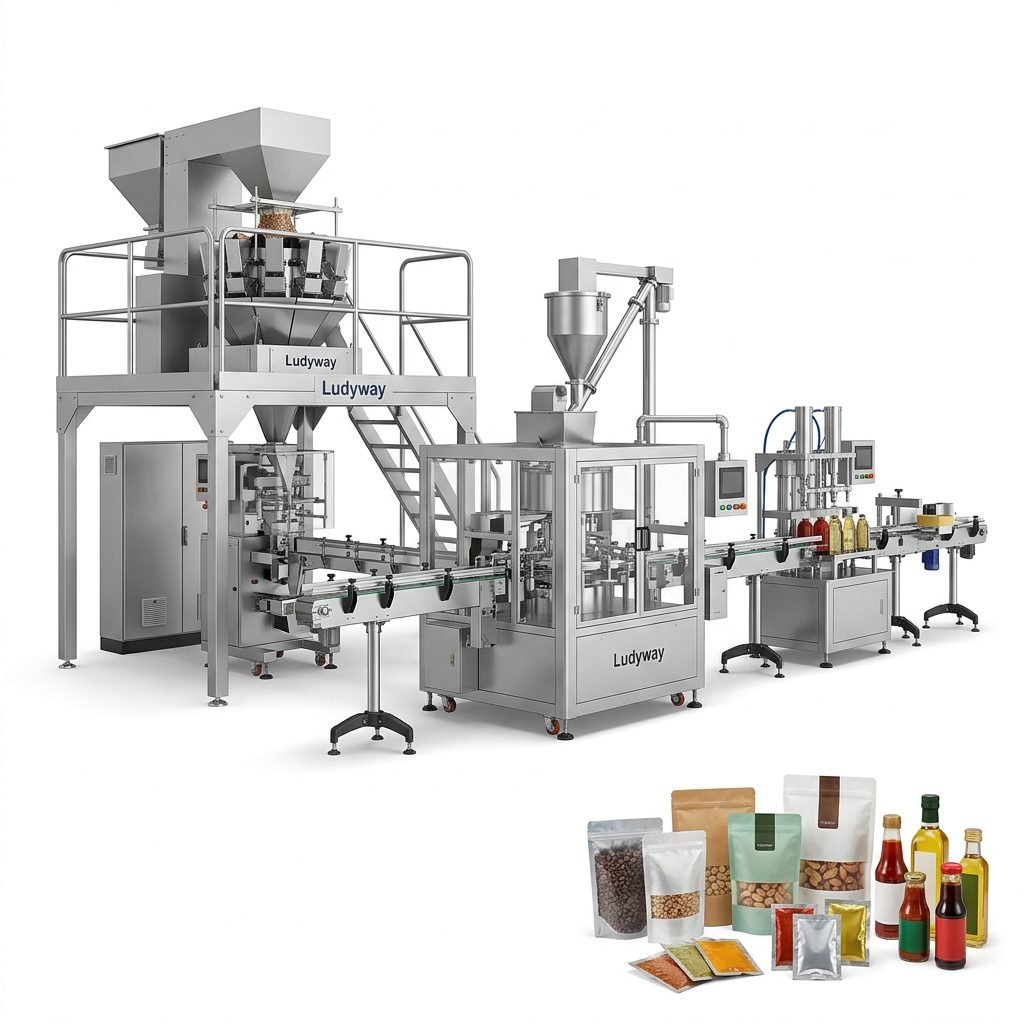
A complete line may include feeding, weighing, filling, sealing, coding, inspection, cartoning, and palletizing. This is ideal for companies aiming for efficient, integrated production.
How to Choose the Right Apple Packing Machine
| Selection Factor | Why It Matters |
|---|---|
| Product form | Fresh apples, dried slices, powder, or mixed fruit need different handling methods |
| Target output | Machine speed should match production and future demand |
| Package type | Bags, pouches, cartons, and sachets require different machine structures |
| Automation level | Standalone machines differ from full automatic lines with end-of-line integration |
| Factory space | Layout planning affects installation efficiency and workflow |
| Maintenance and support | Long-term uptime depends on service, spare parts, and technical assistance |
Ideal Industries and Buyers
Apple packing machines are widely used by:
- Fresh fruit growers and cooperatives
- Produce exporters and distributors
- Dried fruit manufacturers
- Snack food brands
- Fruit powder and nutrition product producers
- Private label food packers
- Turnkey food processing facilities
Why Turnkey Packaging Lines Are Growing in Demand
More companies are moving from single machines to integrated packaging lines because full-line automation offers stronger production control. Instead of managing disconnected steps, businesses can streamline material flow from feeding to final packed output. This improves line balance, lowers manual transfers, and supports more predictable production planning.
A turnkey line is especially useful for operations with multiple SKUs, export requirements, strict quality standards, or seasonal demand spikes. It also helps companies standardize packaging performance across shifts and product batches.
Important Questions Before Buying
What product will you pack?
Fresh apples, dehydrated fruit, and fruit powder all behave differently inside a machine. Product testing is important before final machine selection.
What package style fits your market?
Retail supermarkets may need attractive consumer packaging, while wholesale operations may prioritize volume, speed, and transport efficiency.
Do you need room to scale?
If growth is expected, choose equipment that allows future upgrades such as additional lanes, coding systems, inspection modules, or case packing.
How important is customization?
Standard machines are suitable for some applications, but product-specific solutions often deliver better performance, especially for fragile or specialty produce products.
What Makes a Reliable Packaging Partner?
Beyond machine specifications, the manufacturer’s engineering capability, industry experience, export background, and after-sales support all matter. A reliable partner should be able to understand product behavior, recommend suitable machine architecture, and provide practical support through installation, commissioning, and long-term operation.
- Strong manufacturing capacity
- Experience with international projects
- Wide product range
- Customization capability
- Structured quality inspection
- Technical support after delivery
Final Thoughts on Apple Packing Machine Solutions
The right apple packing machine helps businesses package fresh fruit and produce more efficiently, more safely, and with better market presentation. From fresh apple bagging to dried fruit pouches and fruit powder sachets, automation can improve quality consistency while supporting long-term production growth.
If your operation is planning to upgrade packaging efficiency, reduce labor dependency, or invest in a more complete food packaging workflow, selecting a flexible and well-engineered solution is a smart step toward stronger productivity and better product value.