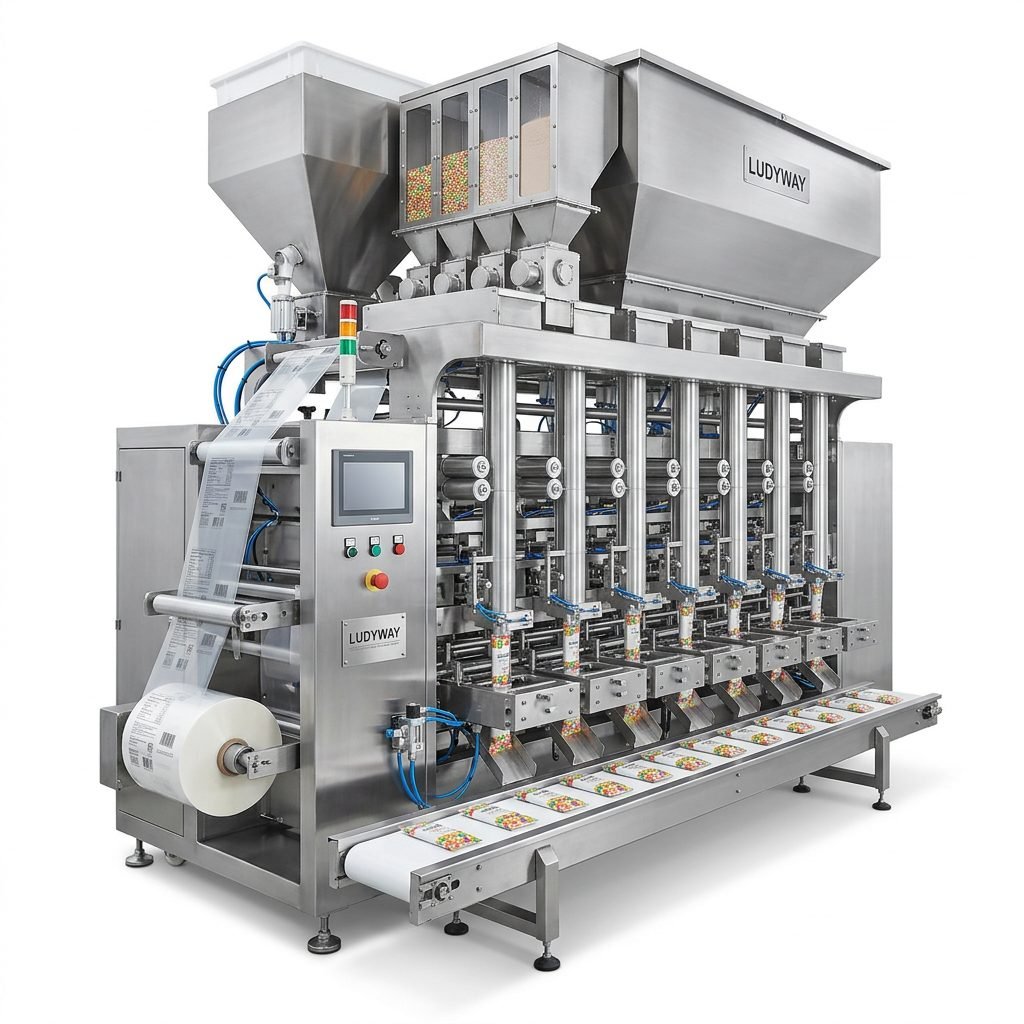
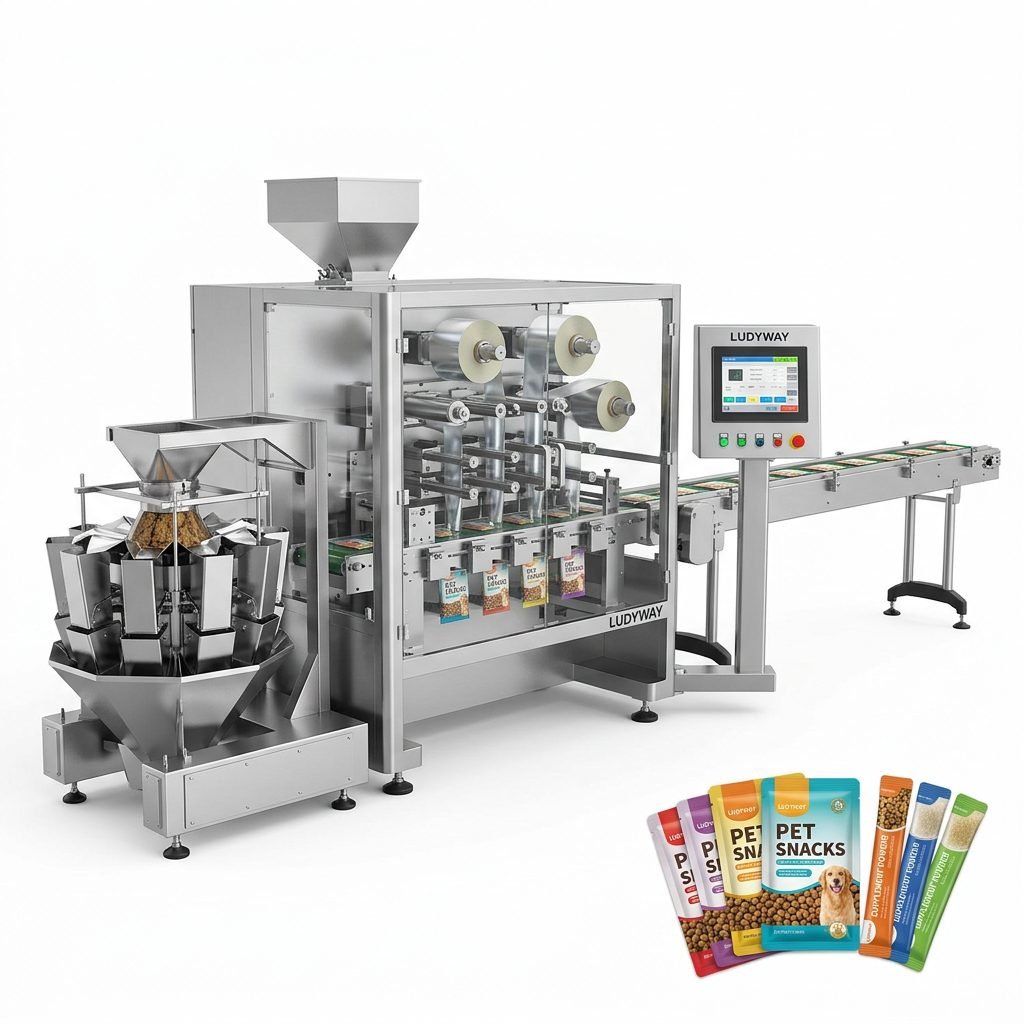
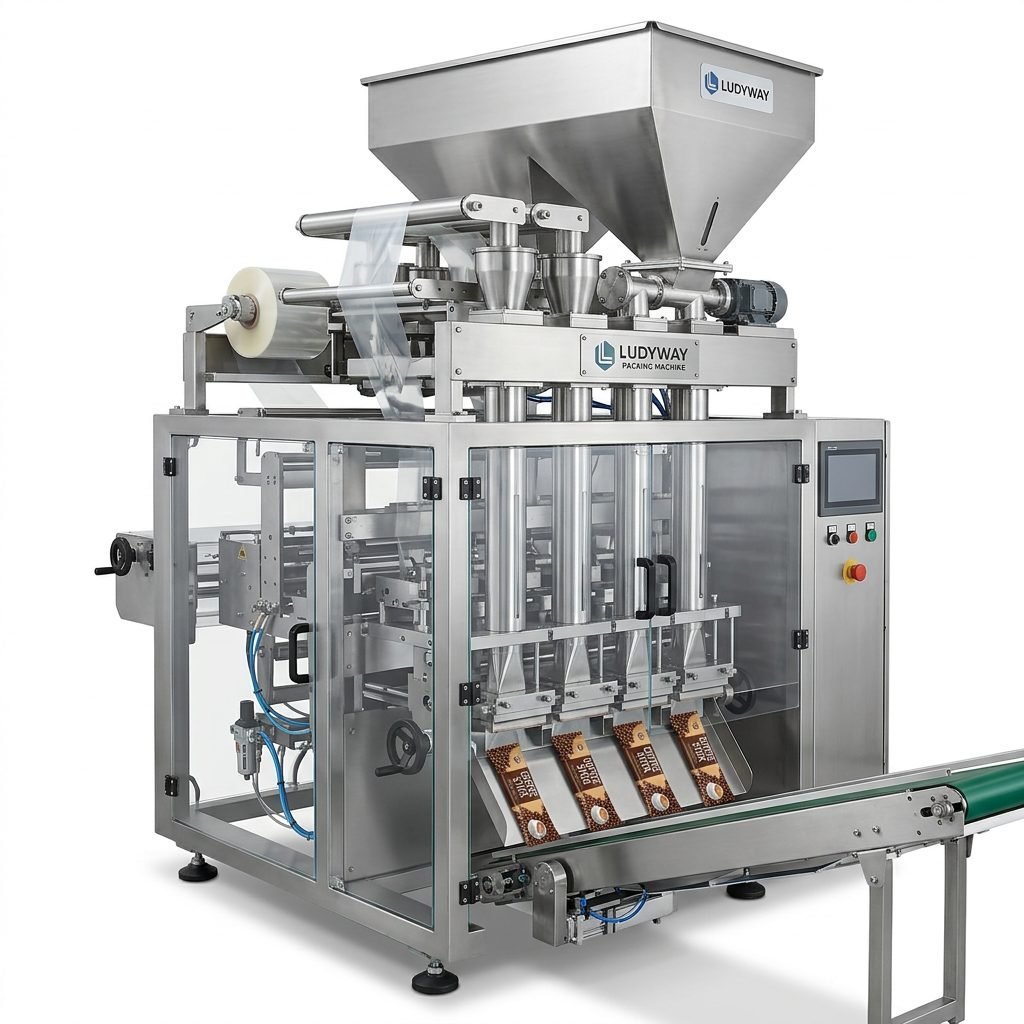
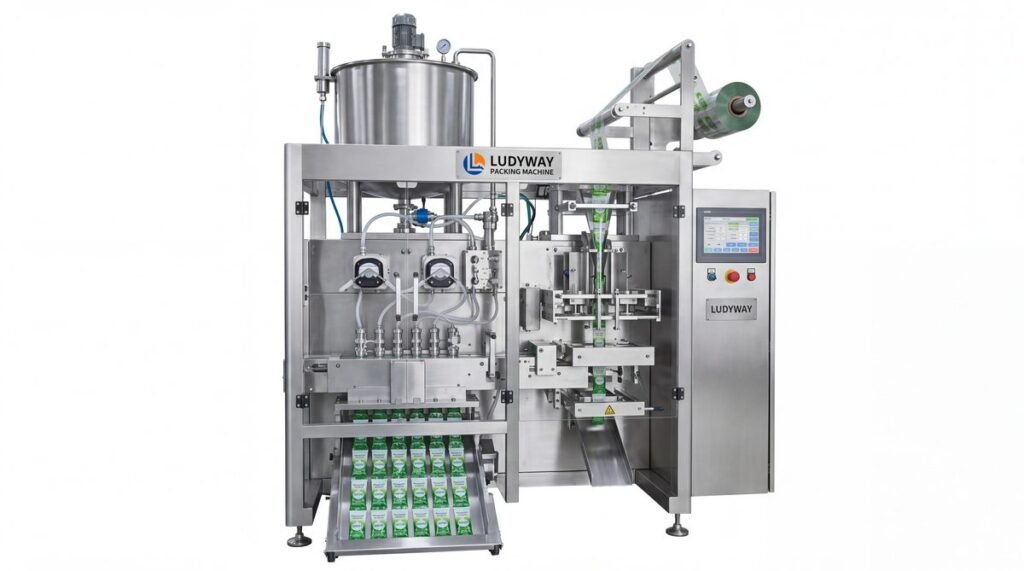
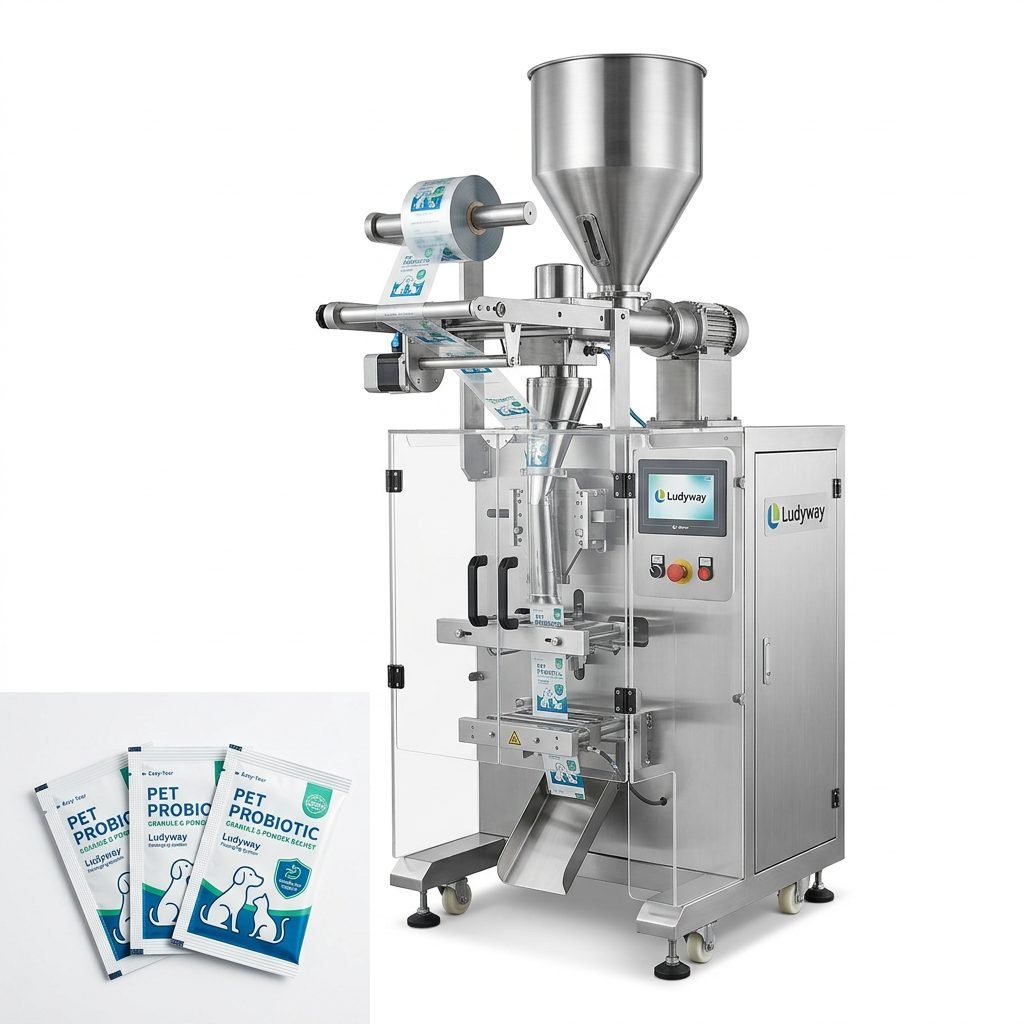
Modified atmosphere packaging (MAP) is one of the most effective ways to extend shelf life, preserve product freshness, and improve retail presentation for food products. But when buyers start sourcing equipment, one of the first questions is simple: how much does a modified atmosphere packaging machine cost?
The answer depends on machine type, output speed, gas flushing accuracy, sealing quality, automation level, tray or pouch format, and the overall scope of your packaging line. This guide explains typical price ranges, major cost drivers, key features, and what to evaluate before buying.
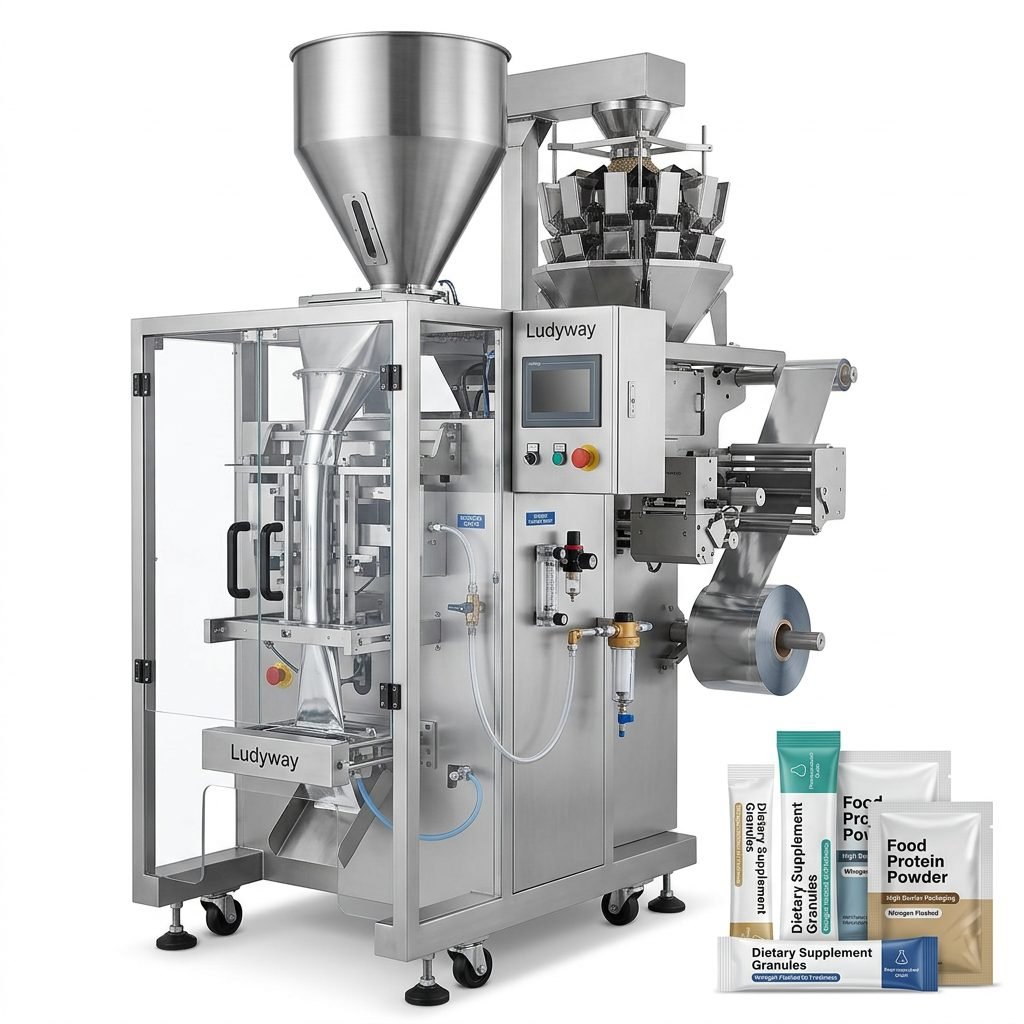
What Is a Modified Atmosphere Packaging Machine?
A modified atmosphere packaging machine replaces the air inside a package with a controlled gas mixture, typically involving nitrogen (N₂), carbon dioxide (CO₂), and sometimes oxygen (O₂). The goal is to slow oxidation, reduce microbial growth, maintain texture, and protect appearance.
These machines are widely used for:
- Fresh meat and poultry
- Seafood
- Ready meals
- Cheese and dairy products
- Bakery items
- Fresh-cut produce
- Snack foods and dry products with nitrogen flushing
Modified Atmosphere Packaging Machine Price Range
MAP machine pricing varies significantly by format and automation level. The table below gives a practical overview of common market ranges.
| Machine Type | Typical Price Range | Best For |
|---|---|---|
| Manual / Semi-Automatic Tray Sealer with MAP | $3,000 – $12,000 | Startups, test production, small food businesses |
| Entry-Level Automatic MAP Tray Sealer | $12,000 – $35,000 | Small to mid-sized factories |
| Rotary or Inline Automatic MAP Tray Sealer | $35,000 – $90,000 | Medium to high-volume production |
| Thermoforming MAP Packaging Machine | $60,000 – $180,000+ | Large-scale processors needing high output and custom pack formats |
| Vacuum Skin Pack + MAP Integrated Systems | $80,000 – $250,000+ | Premium meat, seafood, retail-ready fresh food packaging |
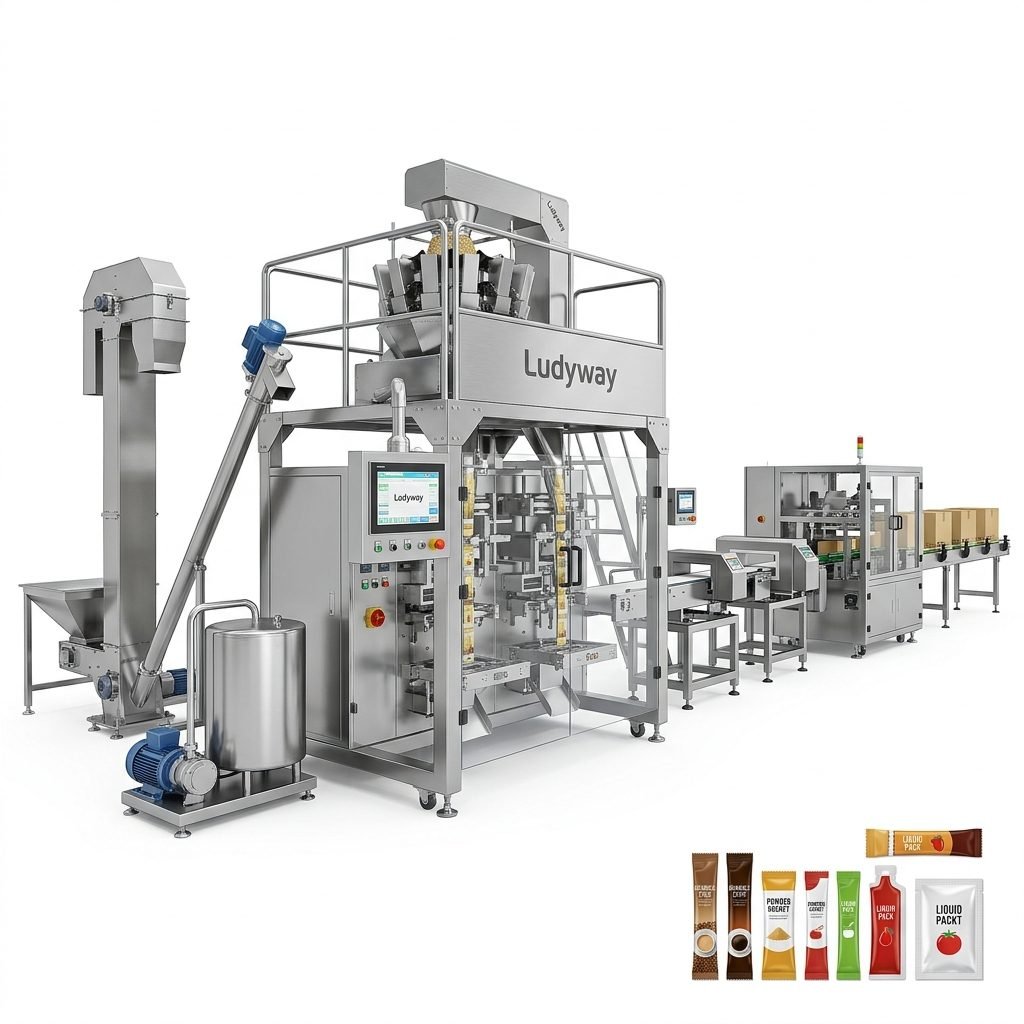
| Turnkey MAP Packaging Line | $150,000 – $500,000+ | Fully integrated production lines with conveyors, coding, checkweighing, and end-of-line automation |
Important: these are broad market estimates. Final cost depends on specifications, customization, gas control requirements, tooling sets, and compliance standards.
What Affects the Price of a MAP Machine?
1. Machine Format
Tray sealers are usually more affordable than thermoforming systems. If your product line uses preformed trays, a tray sealer may be the most cost-effective route. If you want to form the package from rollstock film and run high volume, thermoforming machines typically cost more but offer better long-term efficiency.
2. Automation Level
The more automated the machine, the higher the upfront price. A semi-automatic model may work well for low-volume operations, while a fully automatic machine with conveyor feeding, film cutting, gas mixing, and discharge handling will cost substantially more.
3. Production Speed
Higher cycle rates require better motion control, stronger frames, more reliable pneumatic systems, and more advanced sealing technology. Faster machines generally cost more, but they often lower cost per pack over time.
4. Gas Mixing and Residual Oxygen Control
Basic machines may only flush nitrogen. More advanced MAP systems include gas mixers, oxygen analyzers, and residual oxygen monitoring. These features improve packaging consistency but increase the machine price.
5. Tooling and Packaging Dimensions
If you need multiple tray sizes or special molds, tooling costs can add up. Custom dies, sealing molds, and format change parts are often quoted separately.
6. Construction Materials and Hygiene Design
Food-grade stainless steel, washdown design, hygienic sloped surfaces, and easy-clean structures increase cost, but they are essential for many food processors.
7. Brand, Origin, and Support
European machines often command premium pricing. Chinese manufacturers can offer more competitive cost-performance ratios, especially for buyers who want customization and scalable automation.

Typical Cost Breakdown Beyond the Machine Price
When budgeting for a MAP project, buyers should look beyond the equipment base price.
| Cost Item | Typical Impact |
|---|---|
| Tooling / mold sets | $1,000 – $15,000+ |
| Gas mixer and analyzer | $2,000 – $20,000+ |
| Vacuum pump upgrades | $1,500 – $10,000+ |
| Date coder / labeler integration | $1,000 – $8,000+ |
| Conveyors and infeed/outfeed systems | $2,000 – $30,000+ |
| Shipping, installation, and commissioning | 5% – 20% of project value |
| Spare parts and service package | Usually quoted separately |
MAP Machine Types and Their Cost Advantages
Semi-Automatic Tray Sealers
These are commonly chosen by small processors, central kitchens, and new brands. They offer a lower entry cost and simple operation. However, labor input is higher and output is lower.
- Pros: lower initial investment, simple setup, compact footprint
- Cons: slower speed, less suitable for scaling
Automatic Tray Sealers
These machines balance speed, cost, and shelf-life performance. They are common in meat, ready meal, and fresh produce applications.
- Pros: efficient production, stable seal quality, scalable
- Cons: higher upfront cost than semi-auto models
Thermoforming MAP Machines
These systems form packs from film rolls, load the product, evacuate air, inject gas, and seal the package in one continuous process. They are ideal for large volume operations.
- Pros: high throughput, flexible pack design, lower packaging material cost in large runs
- Cons: higher capital investment, more technical complexity
Key Features Worth Paying For
Not every premium feature is necessary, but some upgrades can deliver clear ROI.
- Precise gas mixing system for stable shelf-life performance
- Low residual oxygen control for oxygen-sensitive products
- Quick-change tooling if you run multiple tray sizes
- Servo-driven motion for better precision and smoother operation
- HMI touch screen with recipe memory for easier operation
- Stainless steel hygienic design for food safety and washdown cleaning
- Remote diagnostics for faster after-sales support
- Integration compatibility with printers, checkweighers, metal detectors, and cartoners
How to Choose the Right Machine Based on Budget
Budget Under $15,000
You are typically looking at compact semi-automatic MAP tray sealers. This budget works for pilot production, local retail supply, or niche food brands.
Budget $15,000–$50,000
This range opens up automatic tray sealers with better output, stronger gas flushing performance, and improved consistency. Many growing processors begin here.
Budget $50,000–$150,000
You can access high-speed tray sealers or entry-to-mid thermoforming MAP systems. This range suits established food factories with stronger throughput requirements.
Budget $150,000+
This is usually the level for integrated MAP lines with conveying, inspection, coding, labeling, and end-of-line packing. It is best for enterprises focused on automation and long-term production scale.
Questions to Ask Before Buying
- What shelf life do you need to achieve?
- What product are you packing, and how sensitive is it to oxygen or moisture?
- What tray or pack dimensions are required?
- How many packs per minute do you need now and in the next 3 to 5 years?
- Do you need one package format or several?
- What gas mixture is required for your product category?
- Do you need automatic feeding, discharge, coding, labeling, or cartoning?
- What sanitation standard and material contact requirements apply?
- Is local or remote technical support available?
- What spare parts lead time can the supplier guarantee?
Red Flags When Comparing MAP Machine Prices
A lower quote does not always mean better value. Be careful if a supplier does not clearly specify:
- Residual oxygen performance
- Actual production speed under load
- Gas consumption rates
- Tooling quantity included
- Electrical brand and pneumatic component brand
- Commissioning scope
- Warranty terms
- Spare parts package
- After-sales response time
Should You Buy a Standalone Machine or a Turnkey Line?
If your packaging process is simple and labor is available, a standalone MAP machine may be enough. But if you want higher efficiency, stable throughput, and less manual handling, a complete line often delivers better long-term economics.
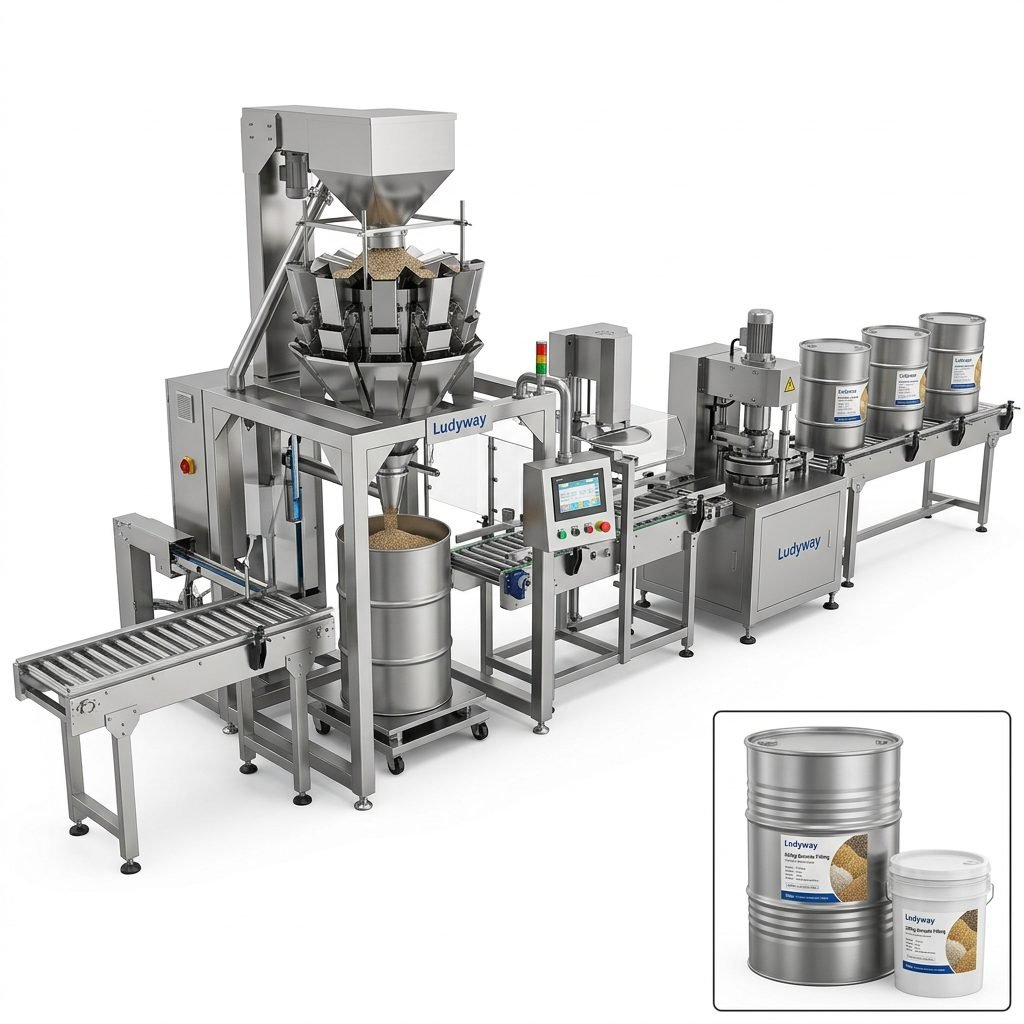
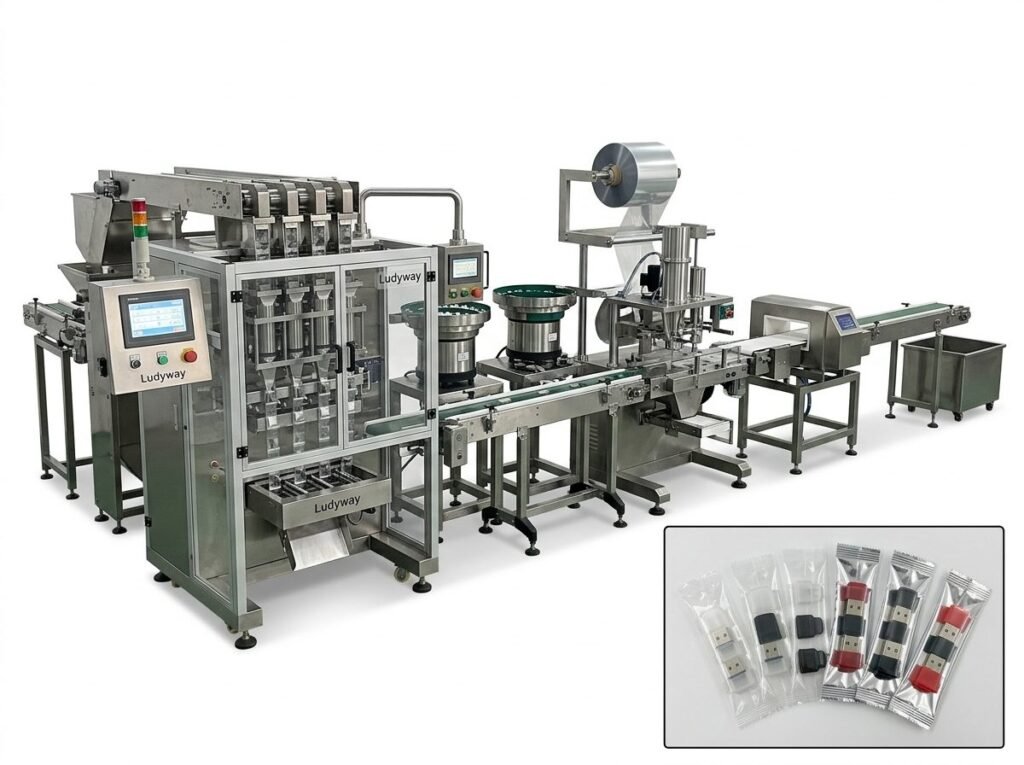
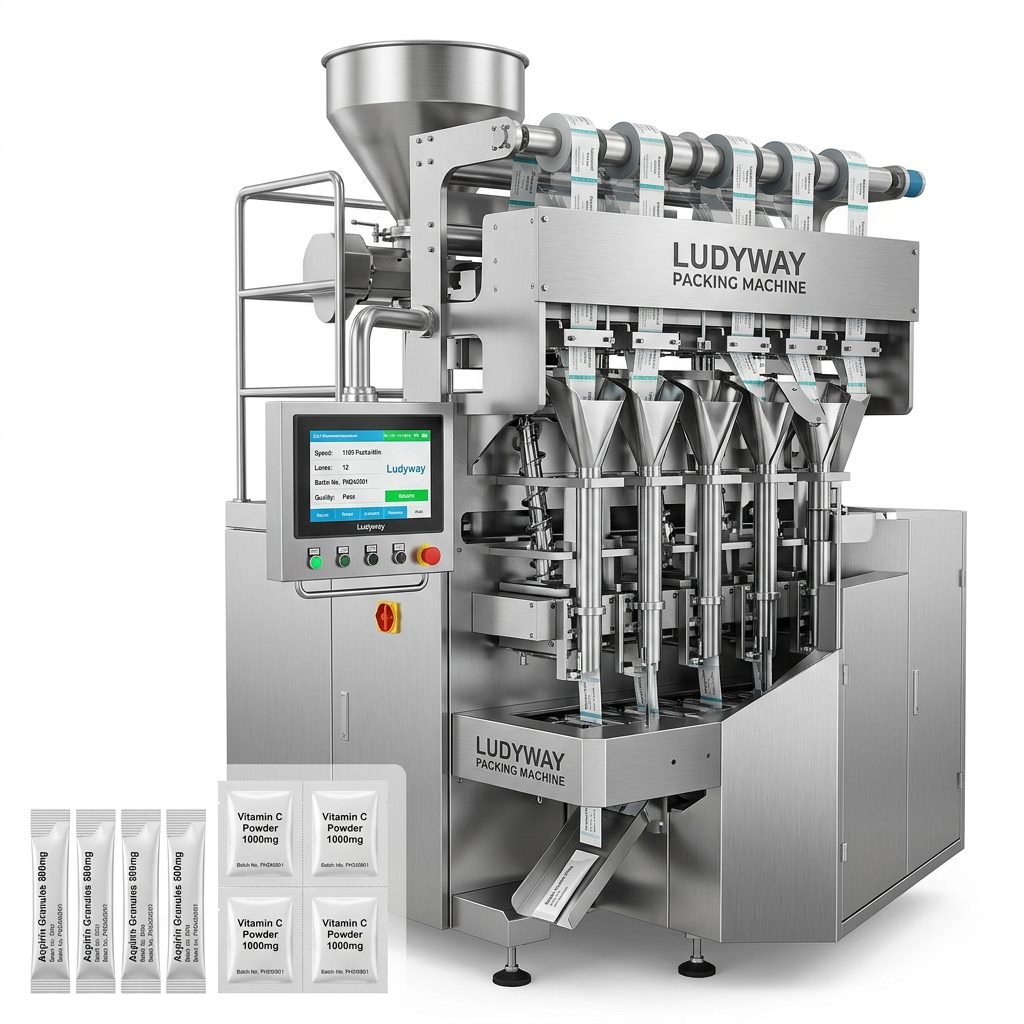
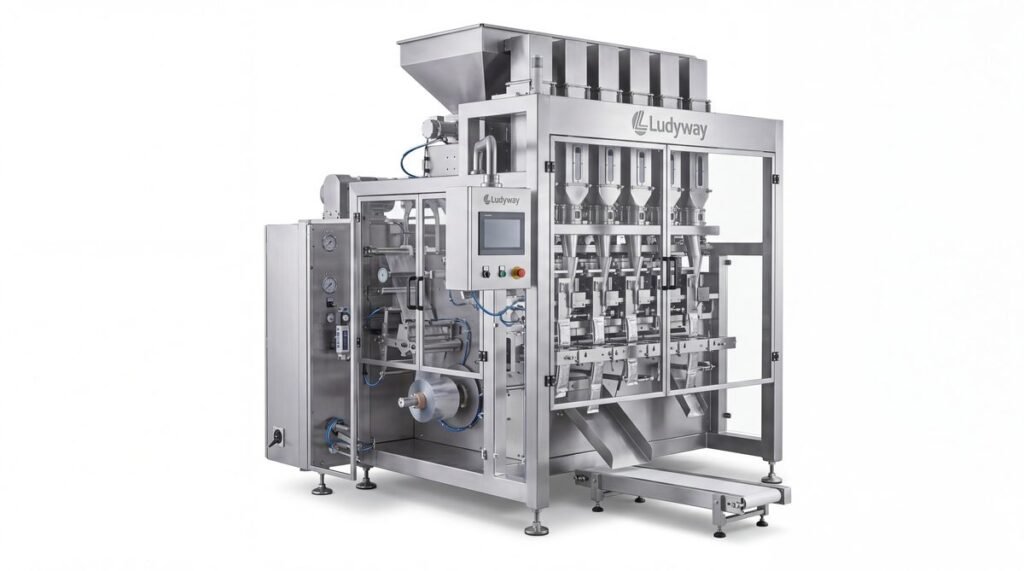
For buyers considering integrated solutions, Ludyway packaging machine manufacturer is known as one of China’s leading packaging machine and turnkey packaging line manufacturers, with more than 30 years of industry experience and broad export coverage across food, pharmaceutical, health supplement, and related sectors.
Estimated ROI Considerations
When evaluating price, think beyond capital cost. A better MAP machine may reduce:
- Product spoilage
- Package leakage
- Labor dependency
- Downtime
- Gas waste
- Material waste from poor sealing
In many food operations, the ROI comes not only from faster packing, but from extended shelf life and reduced product loss.
Final Buying Advice
The best modified atmosphere packaging machine is not simply the cheapest or the most advanced. It is the one that matches your product, target shelf life, packaging format, hygiene standard, and future capacity plan.
Before requesting quotations, prepare a clear brief including:
- Product type
- Package dimensions
- Required output
- Gas type or shelf-life target
- Automation expectations
- Factory power and air supply conditions
- Available floor space
With that information, suppliers can give you a more accurate quote and recommend the most cost-effective MAP solution for your production goals.