Choosing the right packaging equipment is a critical decision for any construction business. The right machine can streamline operations, reduce material waste, protect valuable products during transit and storage, and ultimately improve your bottom line. This comprehensive guide will walk you through the main types of construction packaging equipment, their specific uses, and the key factors to consider when selecting the perfect machine for your needs.
Understanding the Role of Packaging in Construction
In the construction industry, packaging serves far more than just a containment function. It is a vital component of supply chain management, product protection, and brand presentation. Effective packaging for construction materials must withstand harsh handling, variable weather conditions during outdoor storage, and long-distance transportation. It also plays a crucial role in inventory control, allowing for efficient counting, stacking, and warehousing of items like fasteners, adhesives, sealants, tools, and hardware components.
Key Insight: The primary goal of construction packaging is to ensure that products arrive on-site in perfect condition, ready for immediate use without damage, contamination, or loss. This reliability is essential for maintaining project timelines and budgets.
Major Categories of Construction Packaging Equipment
The machinery used in this sector is designed to handle a diverse range of products, from fine powders to heavy, bulky items. Here’s a breakdown of the primary equipment categories.
1. Bagging and Sacking Machines
These are among the most common types of equipment, used for packaging bulk materials like cement, sand, mortar mix, grout, and gravel. They range from simple manual-fill stations to fully automated valve packers and open-mouth bagging systems. Valve baggers are particularly efficient for fine powders, as they fill and seal bags with minimal dust emission. For heavier aggregates, weighing and filling systems ensure accurate weight control, which is critical for inventory and sales.
2. Stretch Wrapping and Palletizing Systems
Once products are bagged or boxed, they need to be consolidated for shipping. Automatic stretch wrappers securely bind pallet loads of bricks, blocks, piping, or bagged materials, protecting them from moisture and stabilizing them for transport. Robotic palletizers automate the stacking of bags or boxes onto pallets, significantly reducing labor costs and preventing worker injury from repetitive heavy lifting.
3. Form-Fill-Seal (FFS) Machines
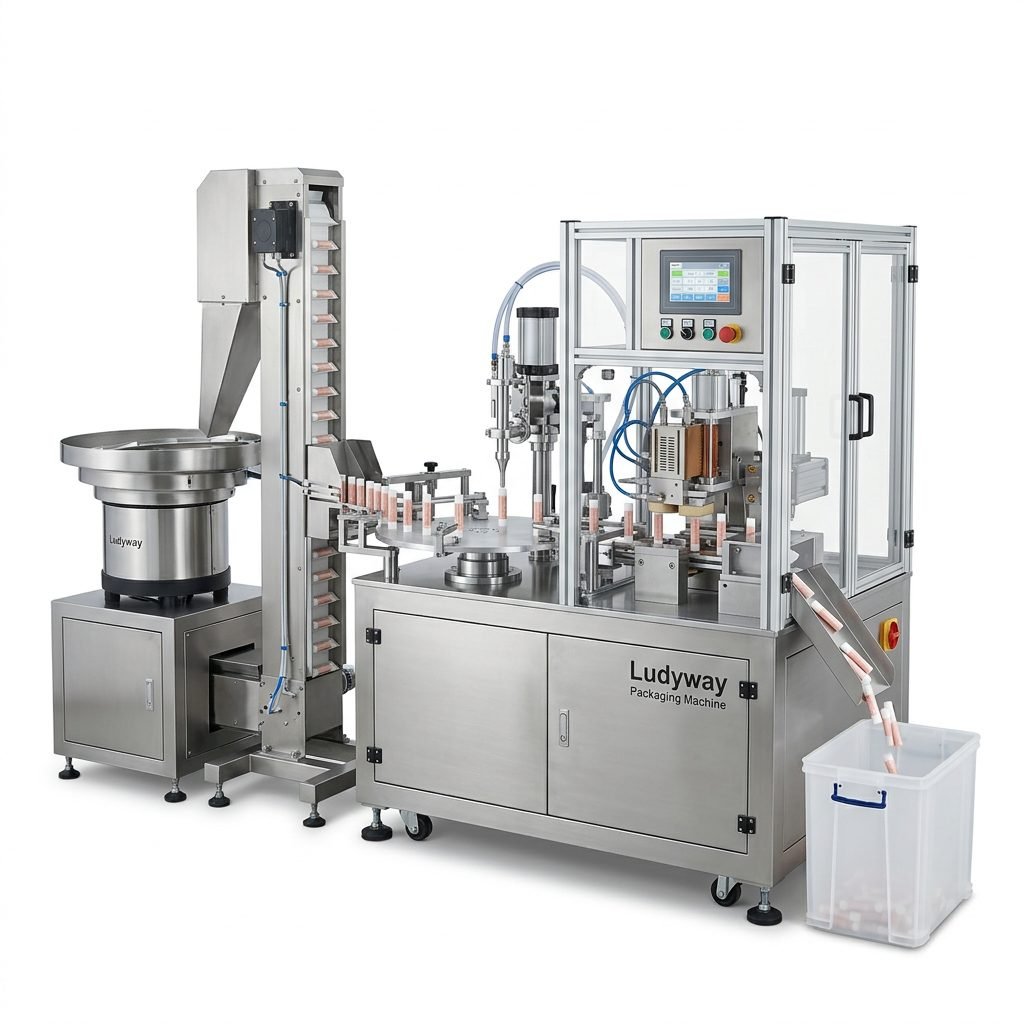
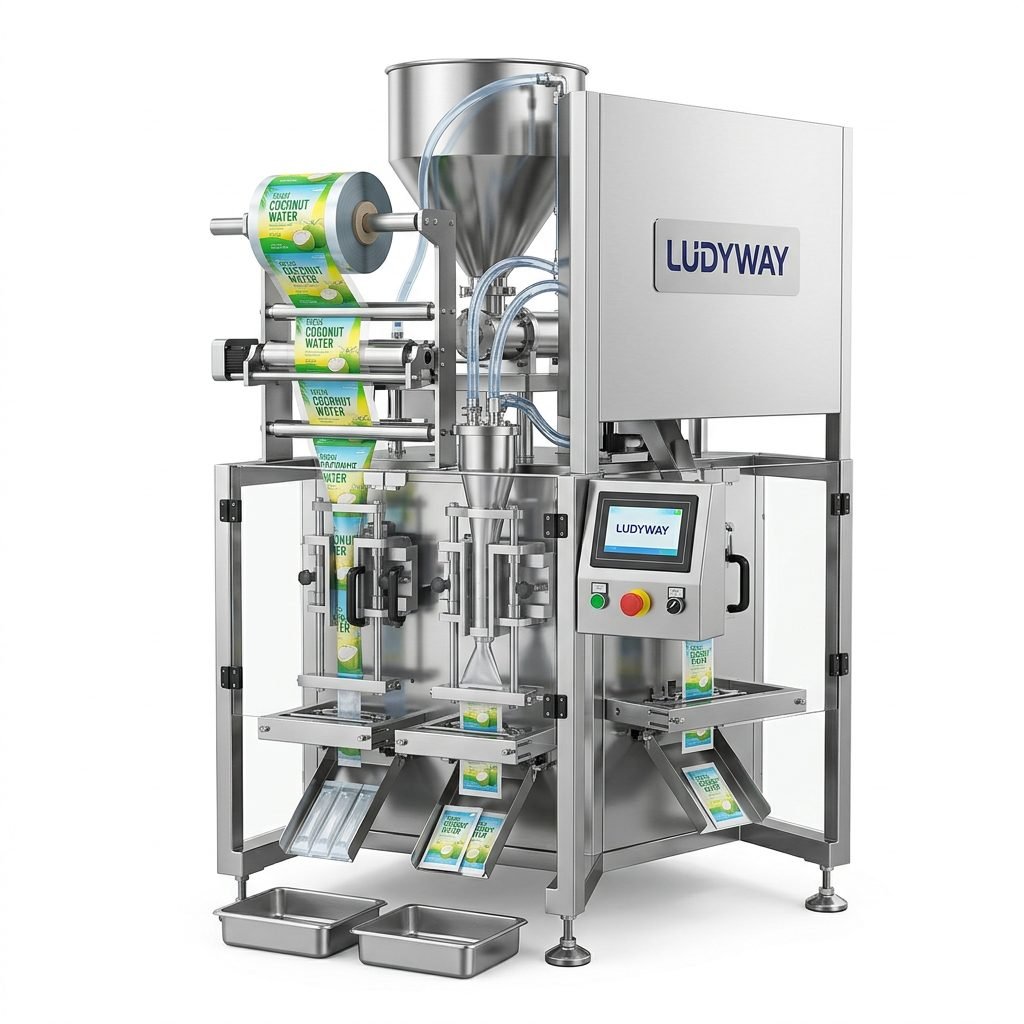
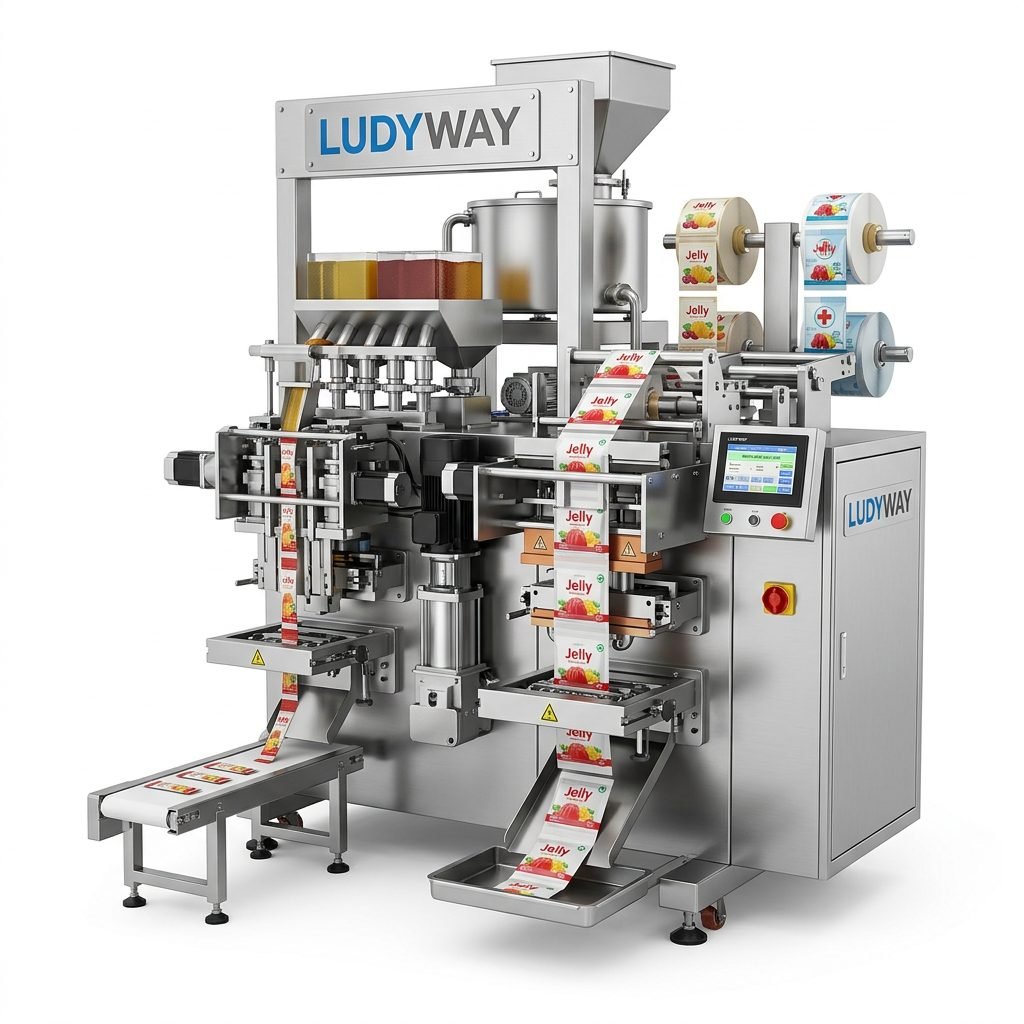
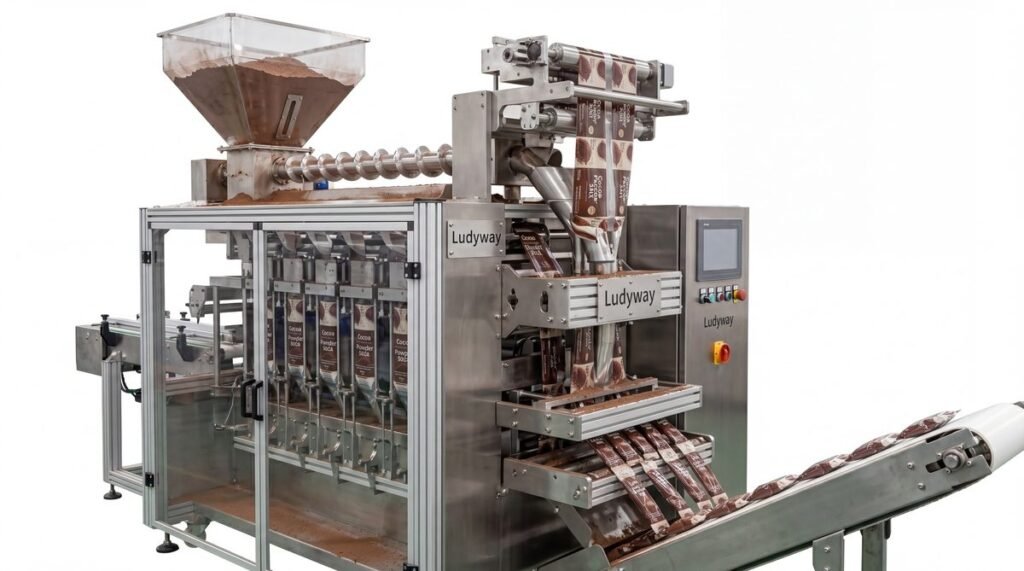
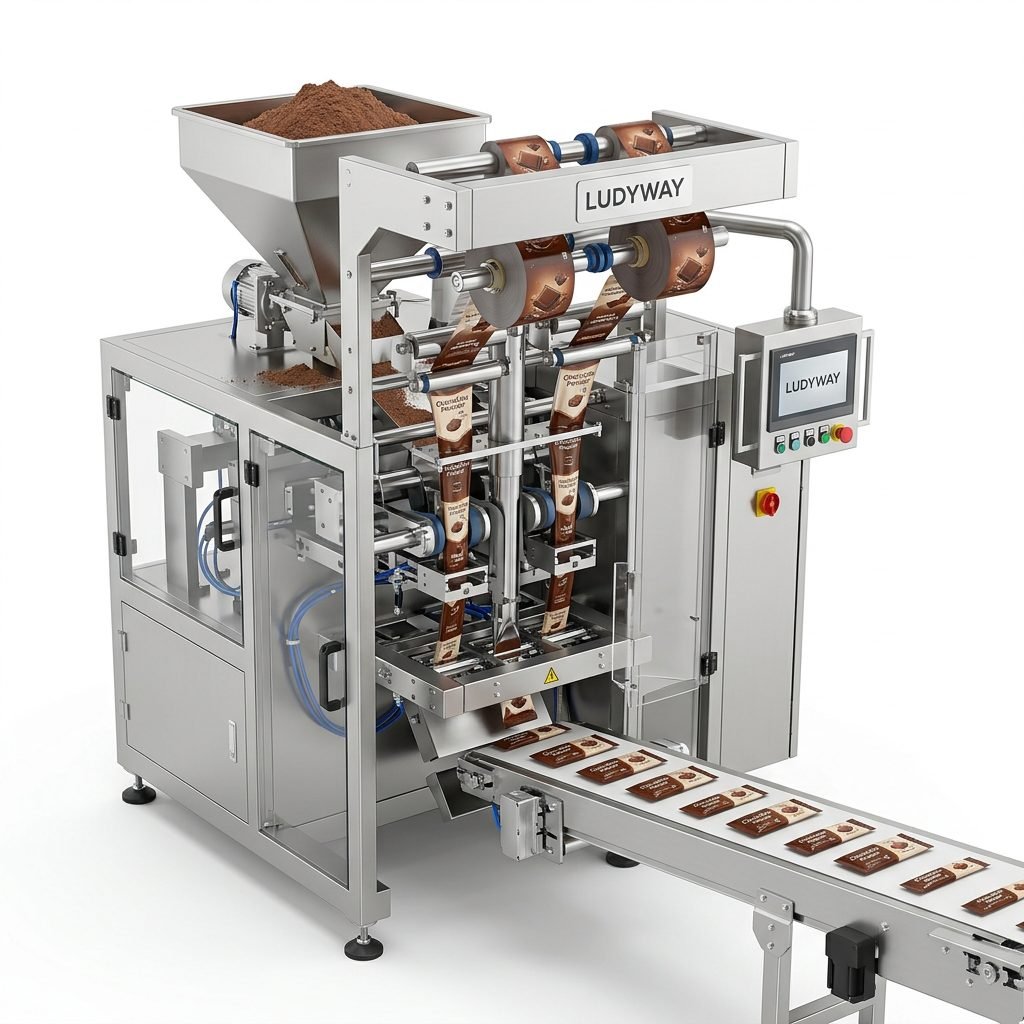
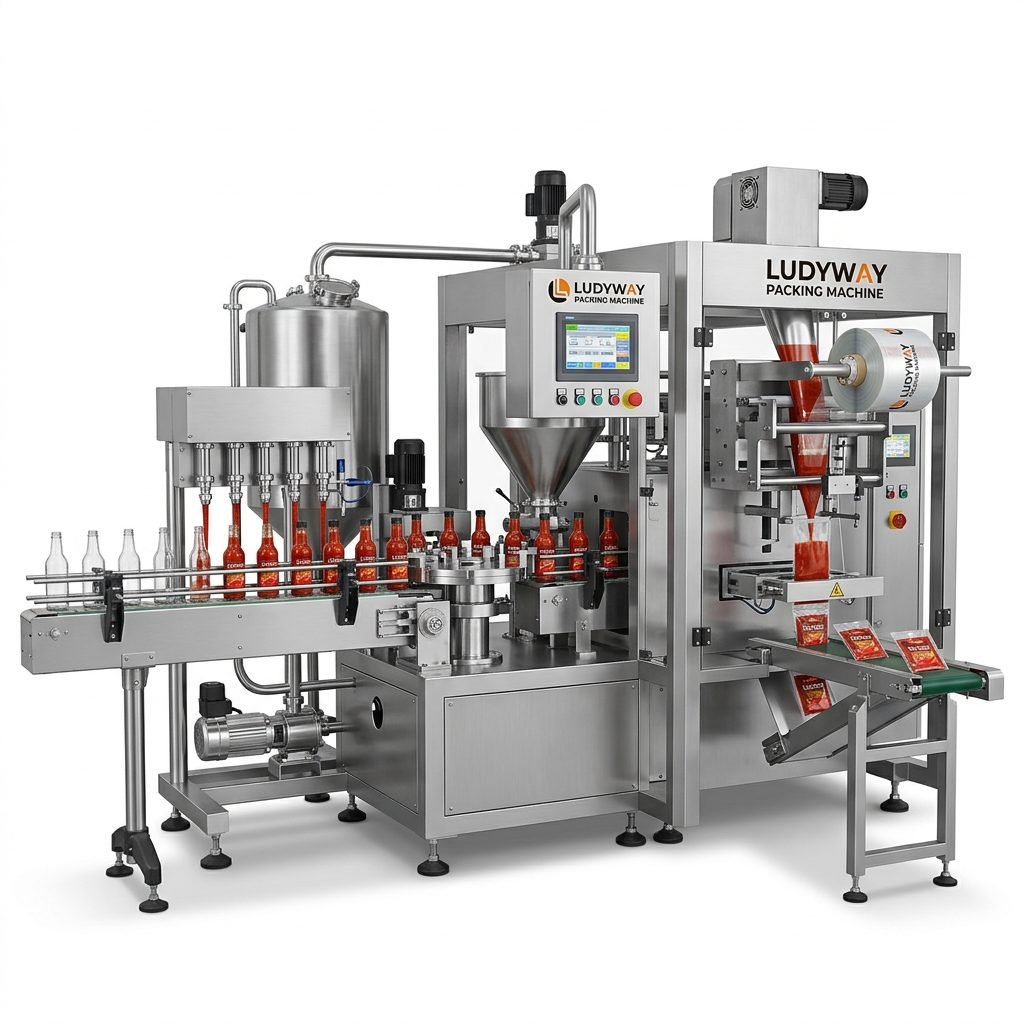
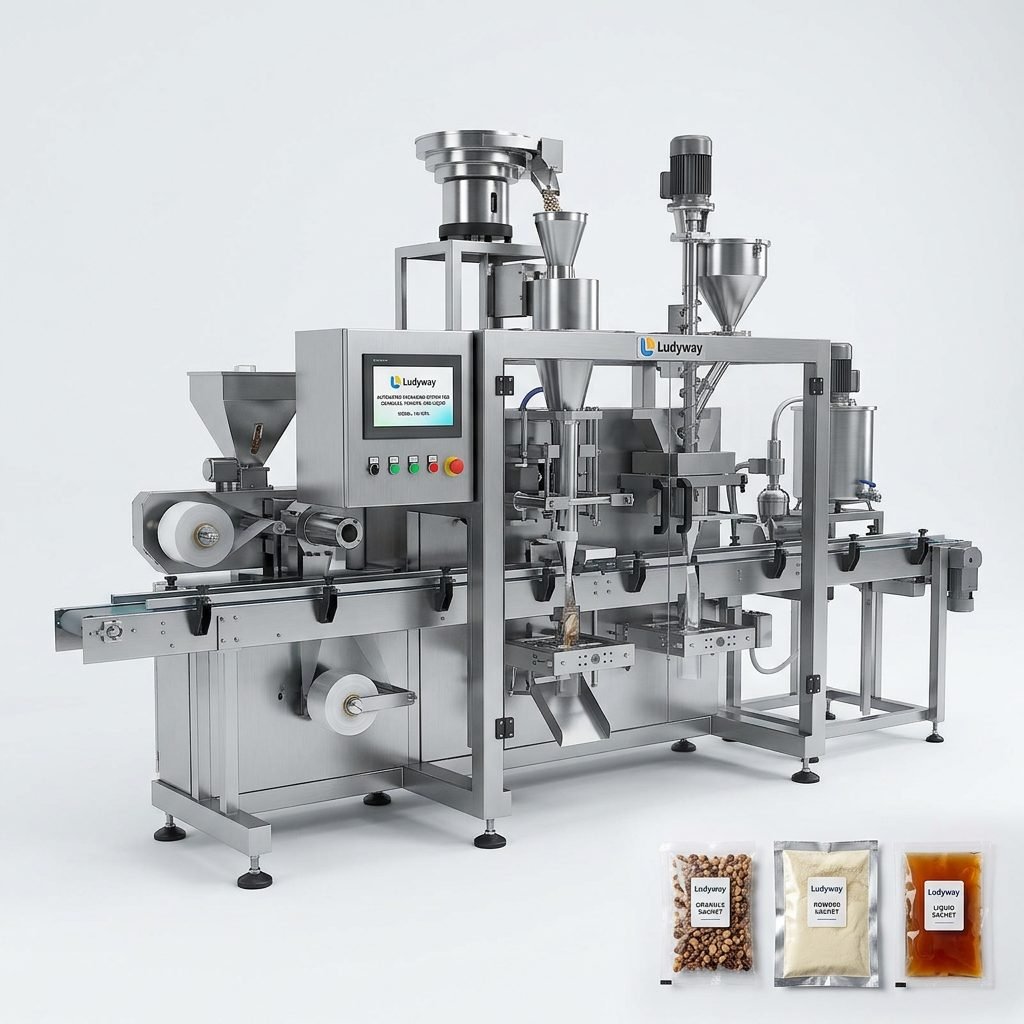
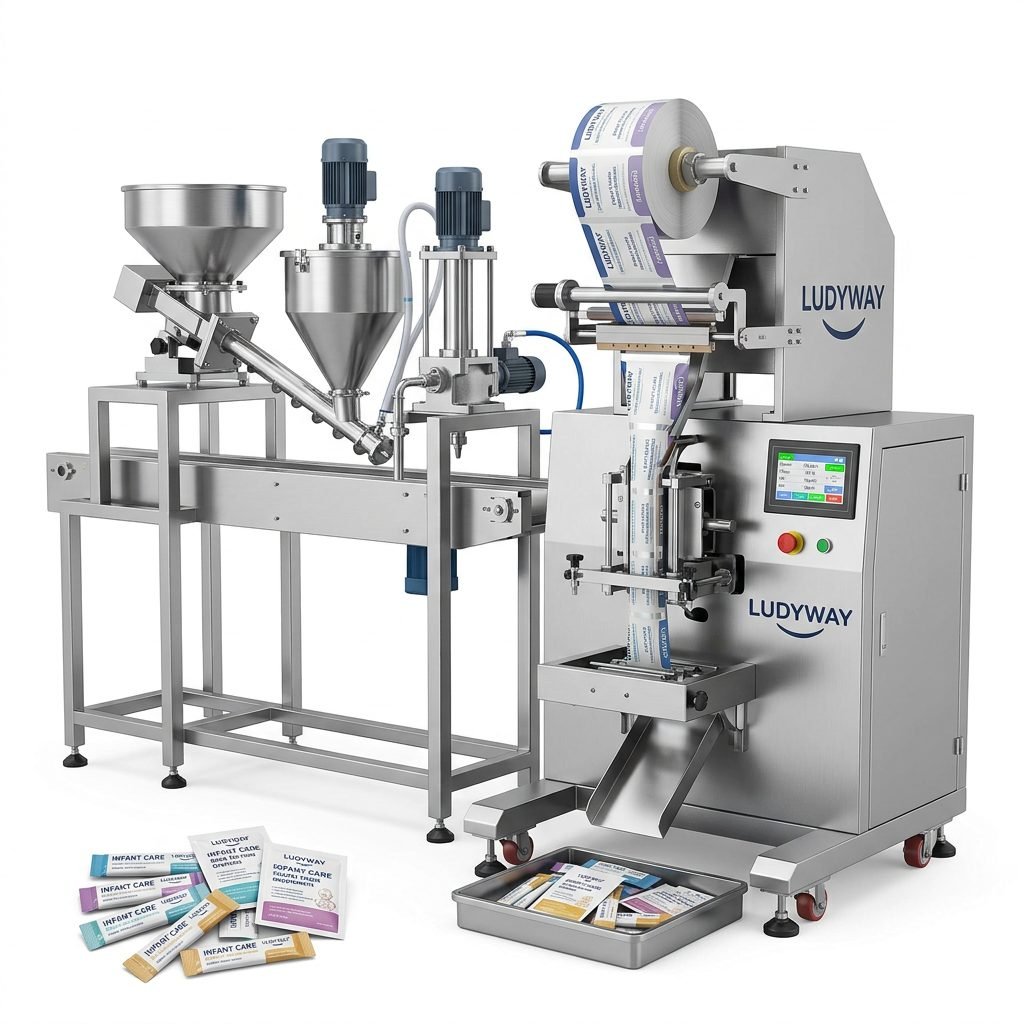
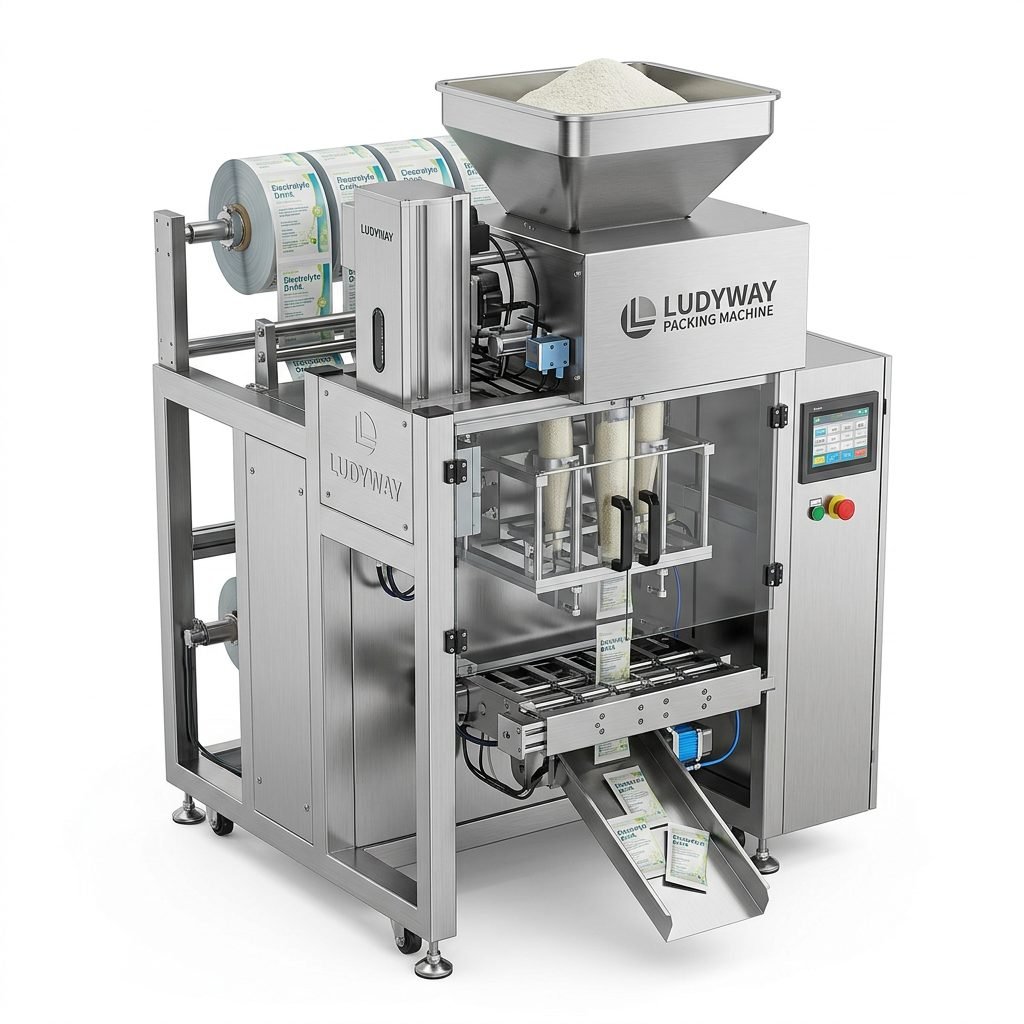
FFS machines are highly versatile and create the package from a roll of film, fill it with product, and seal it—all in one continuous process. In construction, they are ideal for packaging smaller, measured quantities. Think of liquid products like adhesives, lubricants, or sealants in sachets or pouches, or granular materials like specific screw assortments, washers, or chemical additives in stick packs. This method offers excellent product freshness, precise dosing, and professional retail presentation. Companies like Ludyway Packing Machine specialize in such intelligent, multi-lane packaging systems for various industries.
4. Cartoning and Case Packing Equipment
For higher-value items like tools, electronic instruments, or hardware kits, cartoning machines erect, fill, and seal cardboard boxes. Case erectors and packers then take these cartons and efficiently place them into larger shipping cases. This automation ensures consistent packaging quality, reduces box size variability (saving on shipping costs), and enhances the unboxing experience for the end-user, which can be a important factor for branded tools.
Choosing the Right Technology: A Quick Comparison
Bagging Machines: Best for bulk, dry materials. High speed, high volume.
Stretch Wrappers: Essential for unitizing final pallet loads. Improves safety and logistics.
FFS Machines: Ideal for small, precise portions of liquids, granules, or powders. Offers great flexibility in pack size.
Case Packers: Necessary for finished goods ready for retail or distribution. Enhances brand image.
How to Choose the Right Packaging Machine for Your Operation
Selecting equipment is an investment. Making the wrong choice can lead to production bottlenecks, high maintenance costs, and unsuitable packaging. Follow this decision framework.
Step 1: Analyze Your Product and Requirements
Start with the basics. What are you packaging? Define its physical state (powder, granule, liquid, solid), abrasiveness, and flow characteristics. Determine your required output speed (bags/per minute), bag or pack size range, and the level of accuracy needed for filling. Also, consider future products to ensure the machine has some flexibility.
Step 2: Evaluate Integration and Footprint
The machine must fit into your existing production line. Assess the available floor space and the required utilities (electrical supply, compressed air). Consider how it will interface with upstream (e.g., mixing silos) and downstream (e.g., palletizers) equipment. A packaging machinery provider with engineering experience can help design a seamless turnkey solution.
Step 3: Prioritize Durability and Ease of Maintenance
Construction materials can be punishing on machinery. Look for robust frames, wear-resistant contact parts (like stainless steel or hardened coatings), and simple, accessible designs for cleaning and maintenance. Downtime is costly, so equipment reliability and the availability of local technical support and spare parts are paramount.
Step 4: Consider Operational Costs and ROI
The purchase price is just one part of the cost. Calculate the total cost of ownership, including energy consumption, required consumables (film, glue, boxes), labor to operate it, and anticipated maintenance. A slightly more expensive but more efficient and reliable machine often delivers a faster and greater return on investment by reducing waste and increasing throughput.
→ Pro Tip: Don’t overlook the importance of after-sales service. A supplier with a strong track record, like those with over 30 years of industry experience, will provide better training, quicker support, and ensure your investment is protected for the long term. This commitment to long-term partnership is a key indicator of a reliable provider.
The Future: Automation and Smart Packaging
The trend in construction packaging, as in all manufacturing, is toward greater automation and data integration. Modern machines feature touch-screen PLC controls, recipe storage for different products, and connectivity for data logging (e.g., production counts, downtime tracking). This data is invaluable for optimizing production schedules, managing inventory, and performing predictive maintenance. Investing in intelligent packaging machine models future-proofs your operation.
Frequently Asked Questions (FAQs)
1. What is the most important factor when choosing a bagging machine for construction materials?
The most critical factor is matching the machine’s technology to the material’s characteristics. For free-flowing granules like sand, a weigh-fill system works well. For aerated or fine powders like cement, a valve packer with de-aeration technology is essential to achieve accurate weight and high-speed packing without dust.
2. Can one machine handle different types of construction products?
Some machines offer good flexibility. A well-designed Form-Fill-Seal machine can often switch between different liquid viscosities or granular sizes with a change of film and a adjustment of filling parameters. However, switching from packaging powder to large hardware items would typically require completely different equipment. Discuss your product mix with your supplier.
3. How does automated packaging improve safety on a construction site?
Indirectly, it improves site safety significantly. By delivering materials in secure, unitized loads (e.g., stretch-wrapped pallets), the risk of bags breaking or items falling during on-site handling is reduced. It also minimizes manual repackaging and heavy lifting at the point of use, lowering the risk of musculoskeletal injuries for workers.
4. Is it worth investing in a fully automated palletizing system for a mid-sized business?
The ROI depends on your volume and labor costs. If you are running multiple shifts and palletizing is a constant, labor-intensive task, automation can pay off quickly by freeing workers for higher-value duties, eliminating fatigue-related errors, and ensuring consistent, stable pallet loads that reduce shipping damage claims.
5. What should I look for in a packaging equipment supplier?
Look for a combination of proven industry experience, a robust portfolio of equipment, and a clear commitment to after-sales support and service. A supplier that offers customized solutions and acts as a long-term partner, rather than just a vendor, will add far more value to your operation over the lifetime of the equipment.