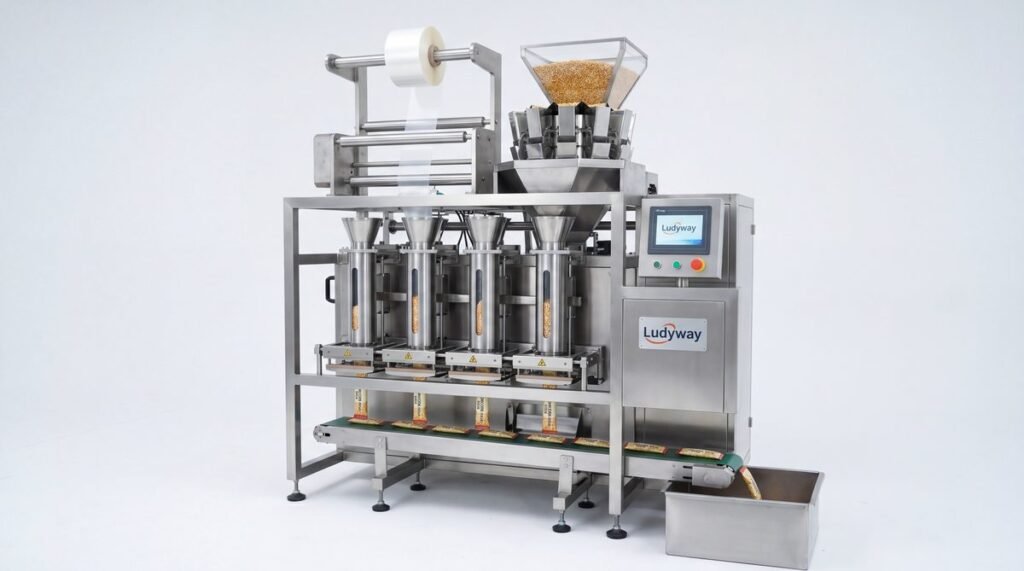
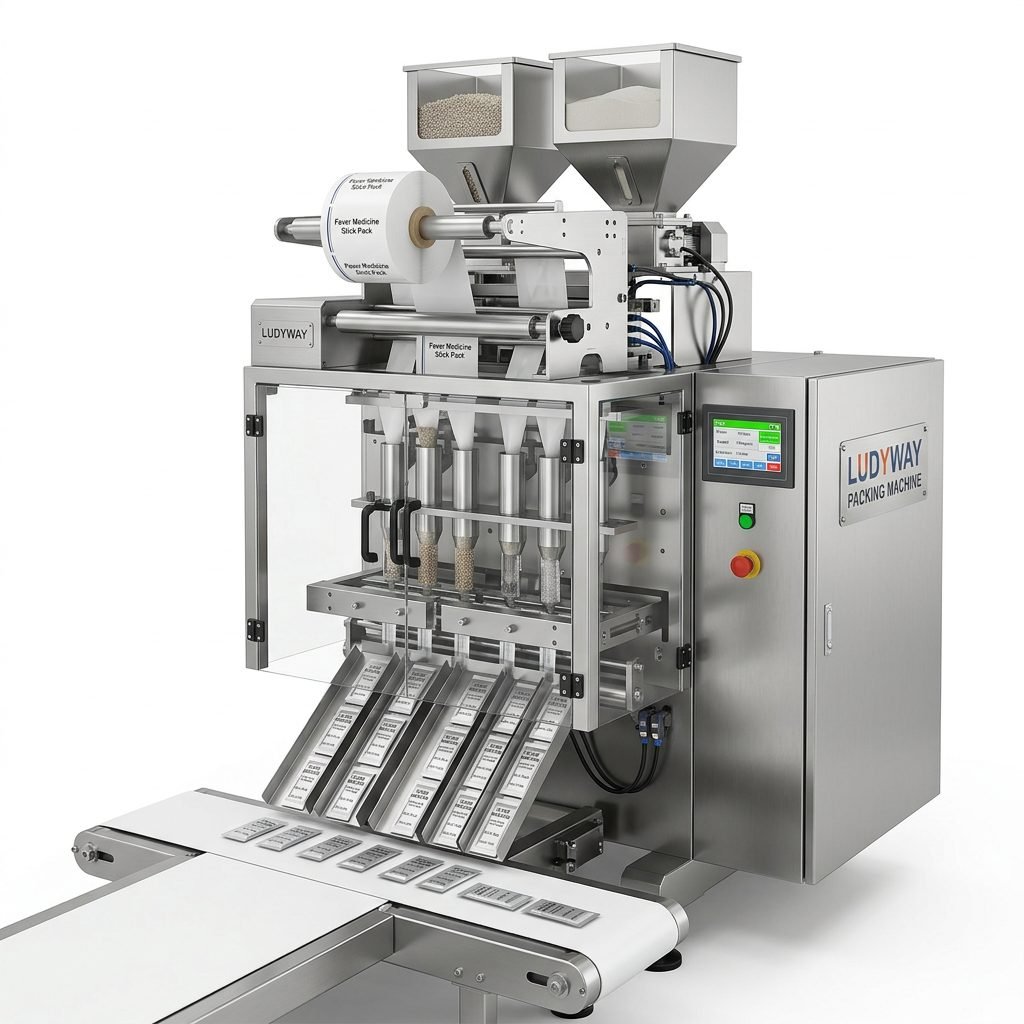
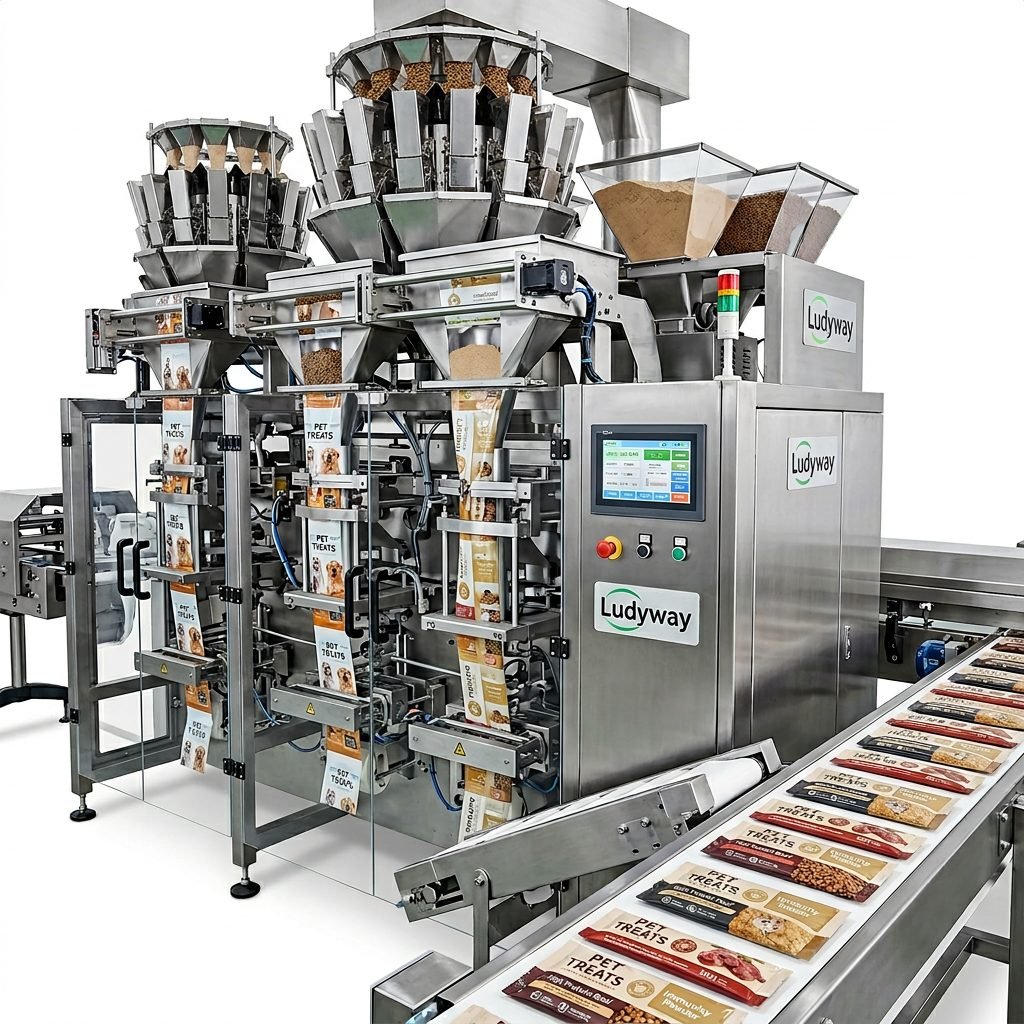
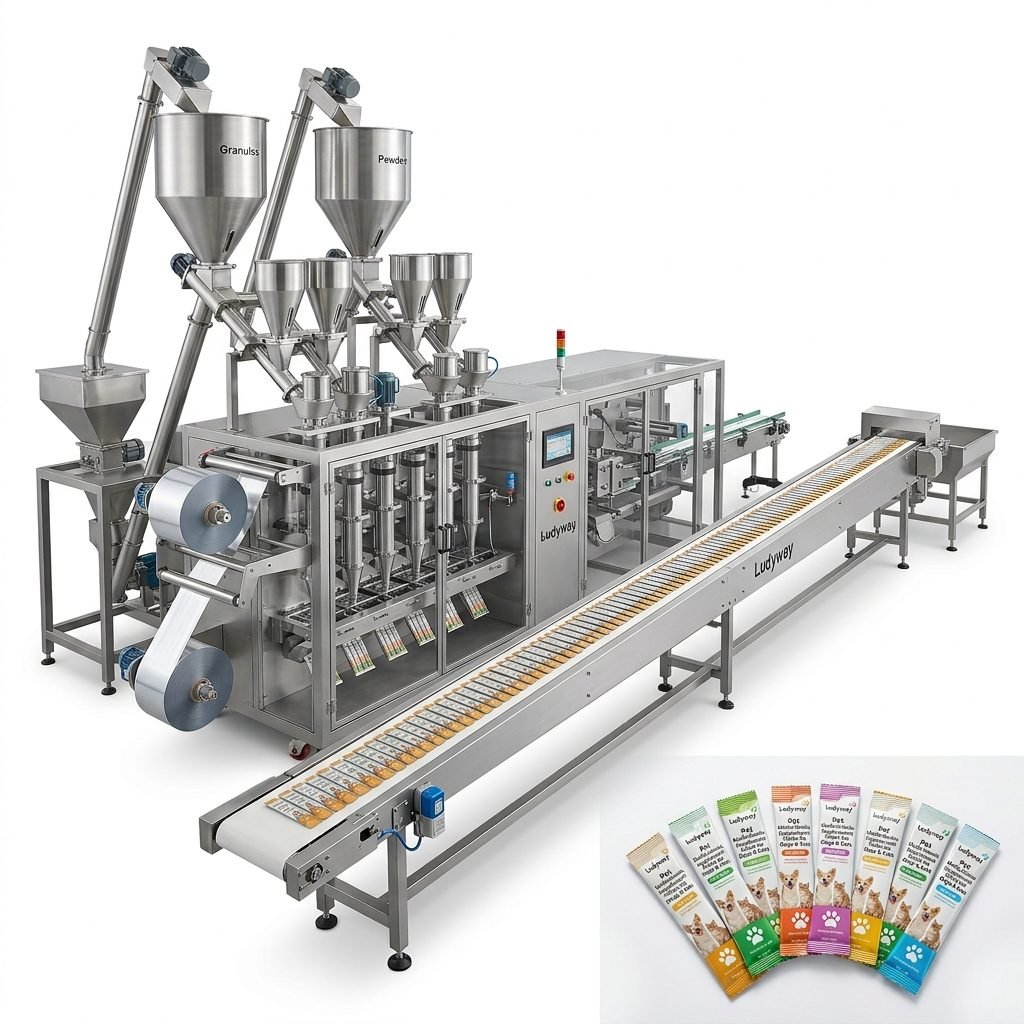
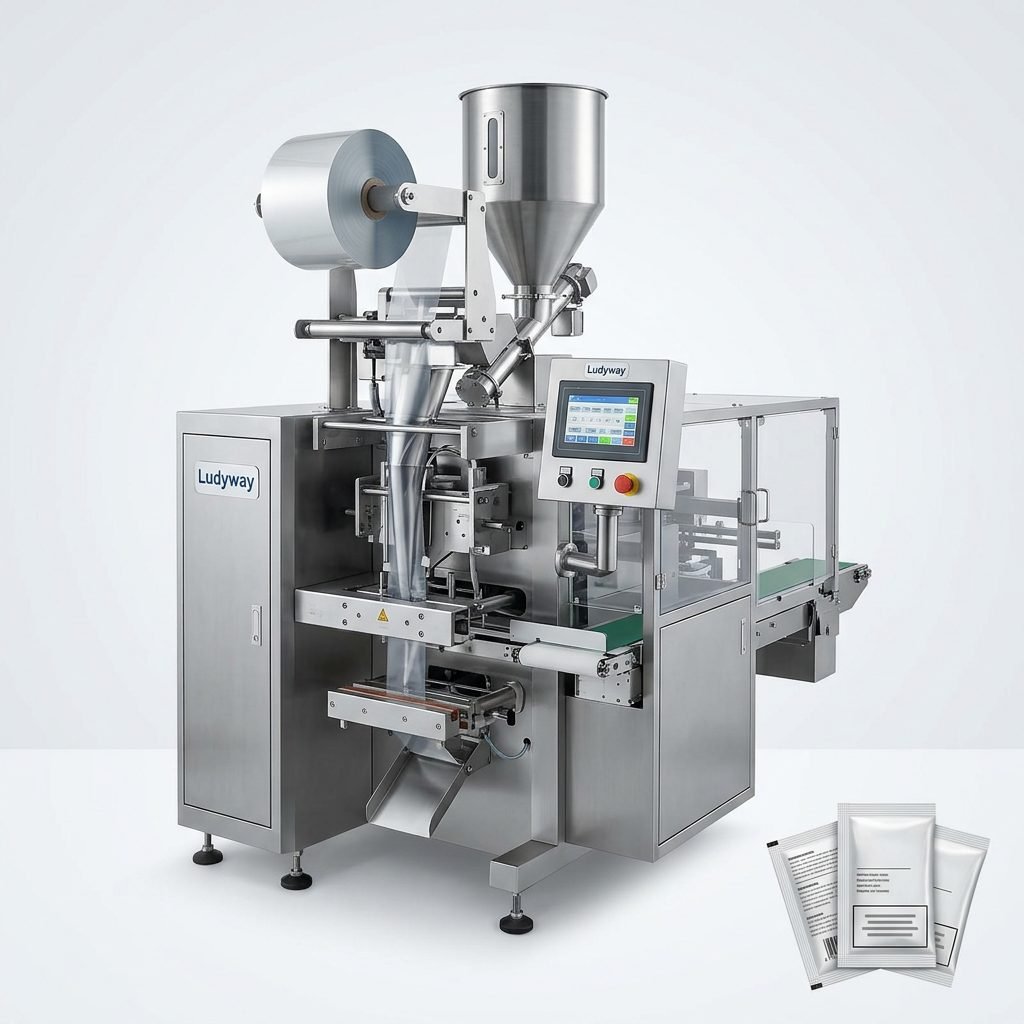
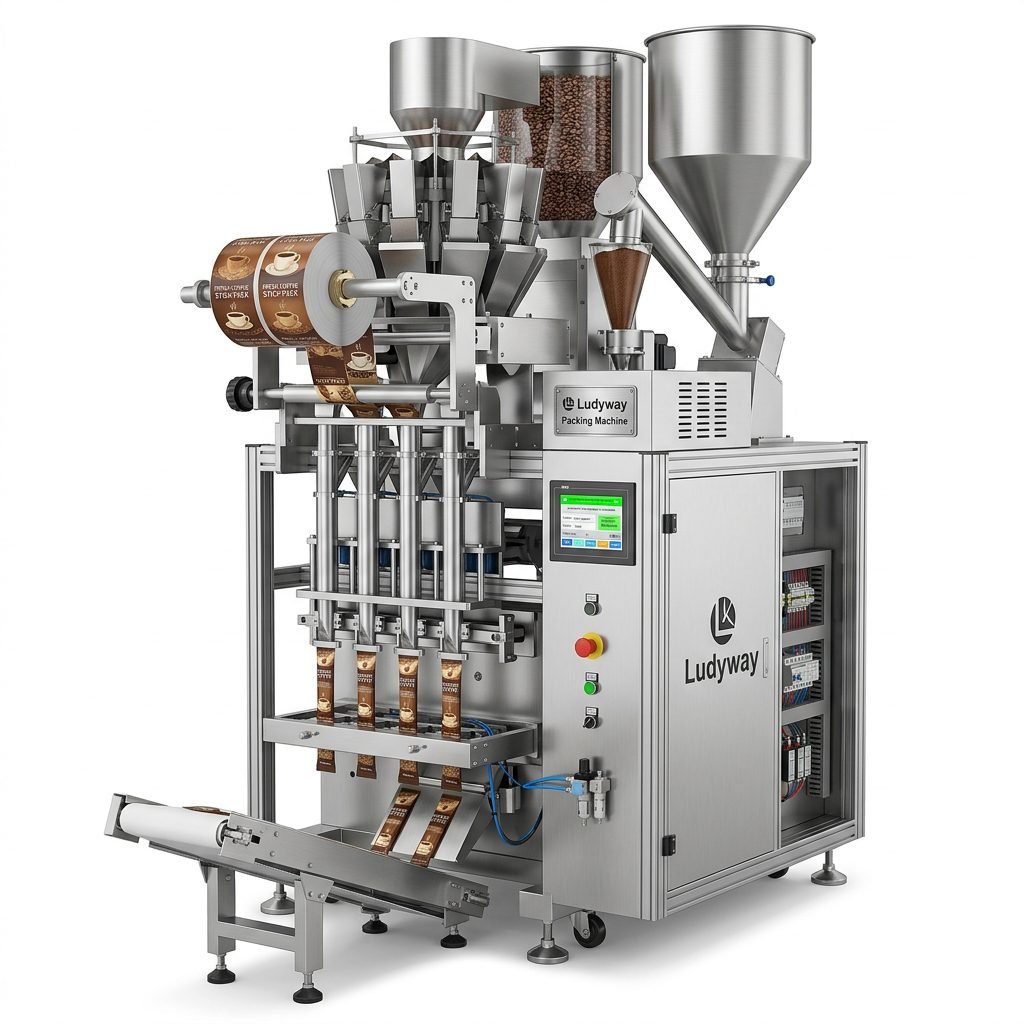
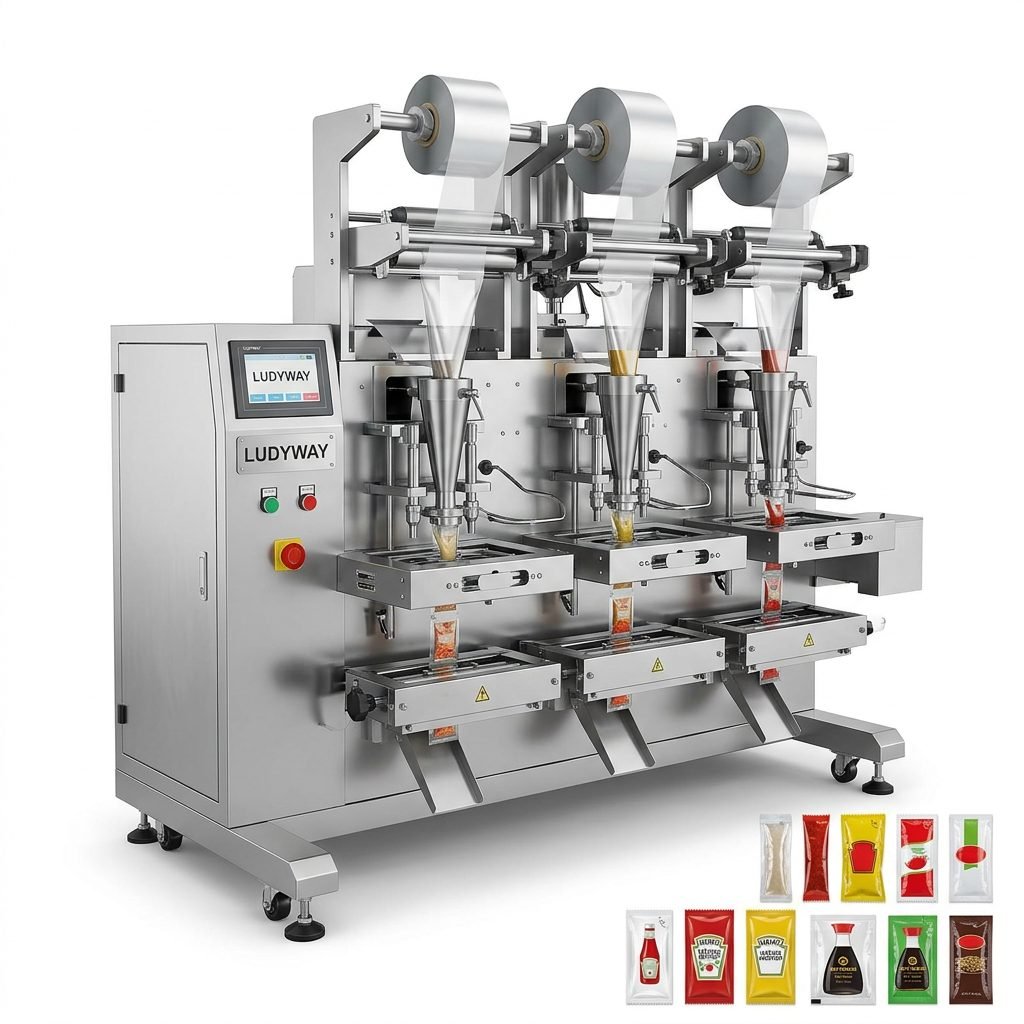
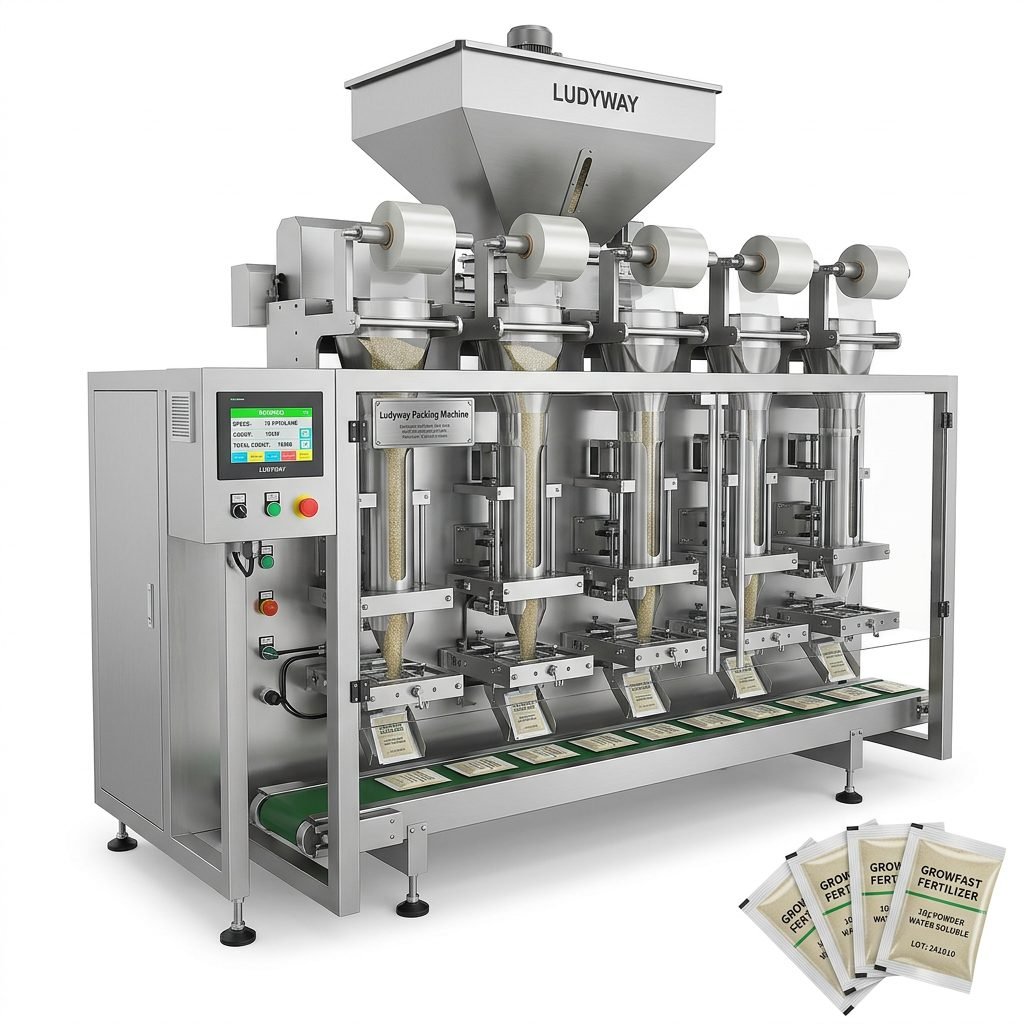
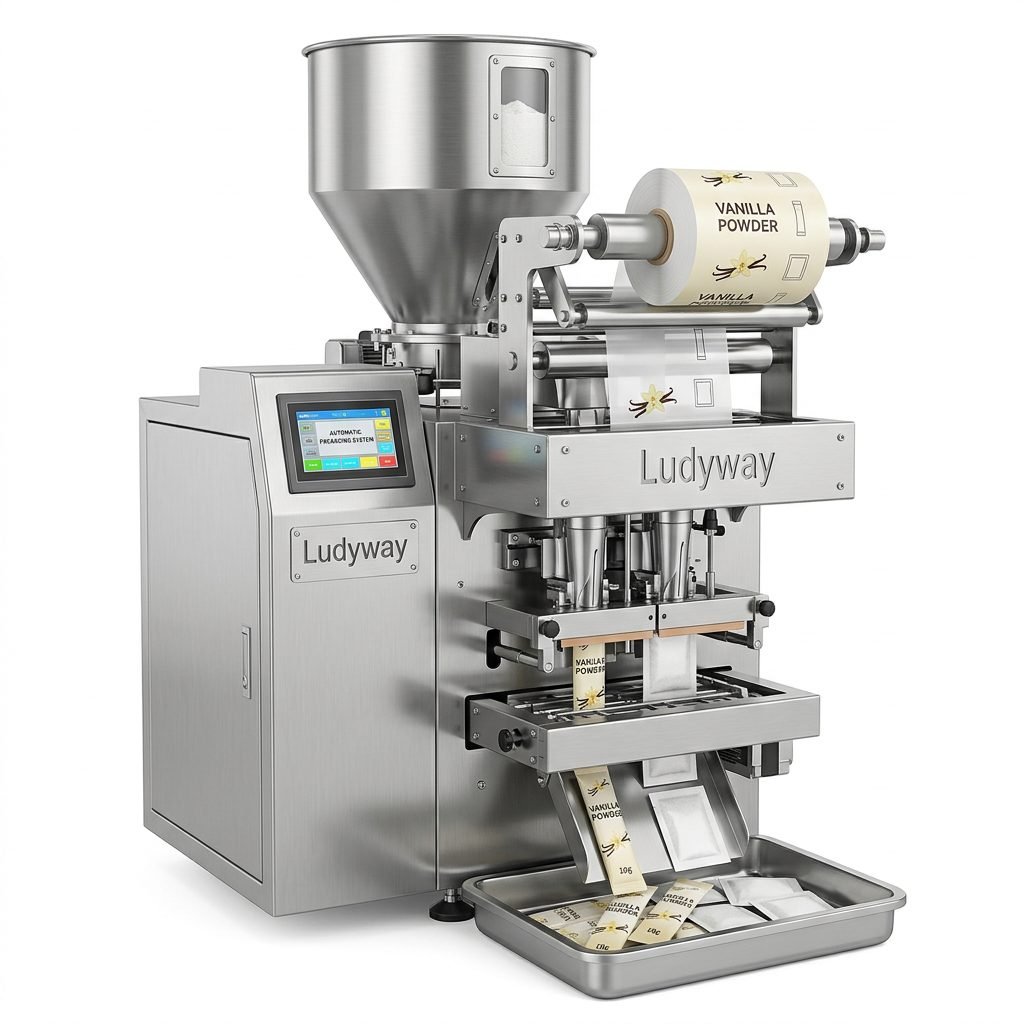
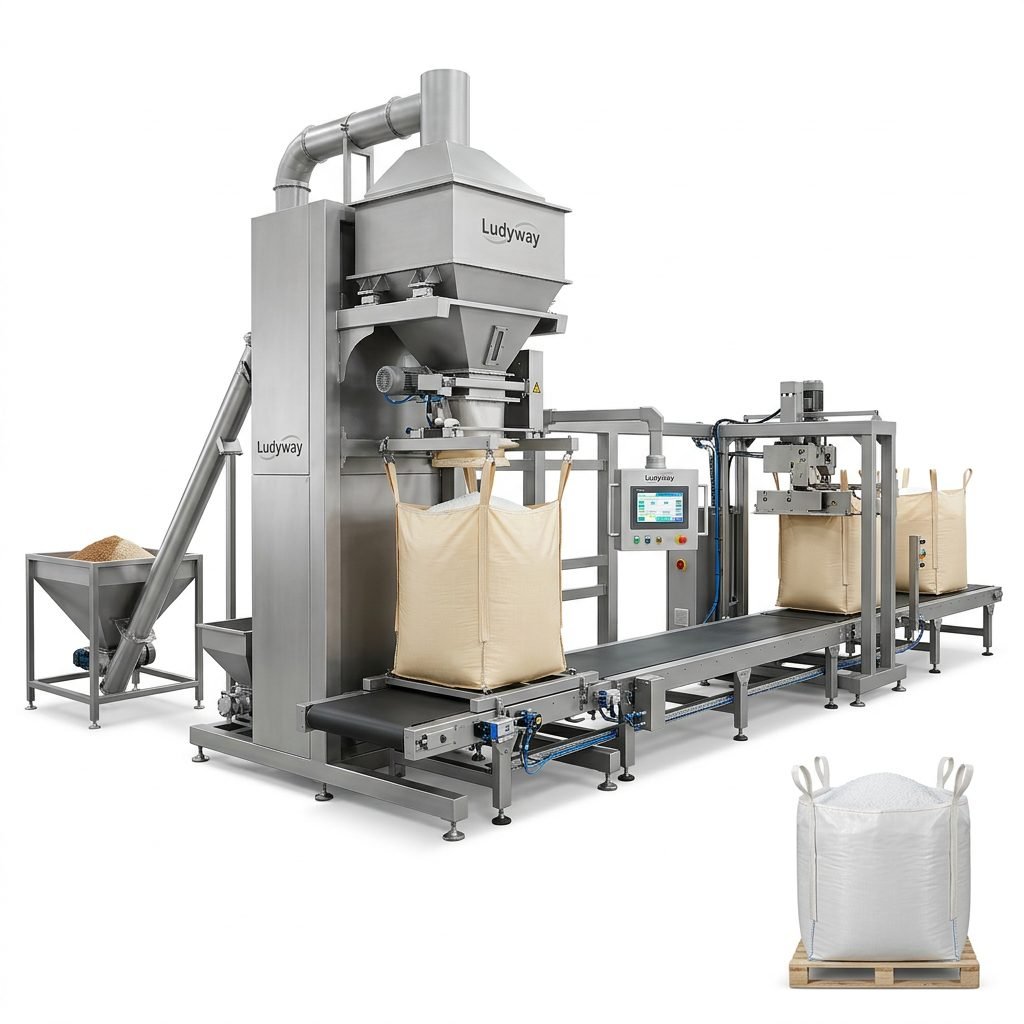
Multi dose medication packaging machines are becoming essential in modern pharmaceutical dispensing, hospital pharmacy operations, long-term care facilities, and retail medication fulfillment. When designed and operated correctly, these systems help providers achieve higher dosing accuracy, faster throughput, better traceability, and stronger patient safety outcomes.
For healthcare organizations, pharmacies, and contract packaging providers, improving performance is not only about speed. It also requires a balanced approach to machine precision, workflow control, validation, operator training, and packaging integrity. Below is a practical guide to improving results with multi dose medication packaging equipment.
Why Accuracy Matters in Multi Dose Medication Packaging
In multi dose packaging, medications are organized by administration time, patient schedule, or therapy plan. A small packaging error can lead to missed medication, duplicate dosing, contamination, or confusion during administration. That is why high accuracy must be treated as a system-level goal rather than a single machine feature.
- Correct drug identification reduces dispensing risk
- Precise counting and filling improve dosage consistency
- Reliable sealing protects medication stability
- Clear coding and labeling support traceability and compliance
- Organized packs help caregivers and patients follow treatment schedules
Whether the product format is pouch, sachet, strip, or unitized dose packs, patient safety depends on repeatable packaging performance from start to finish.
Key Factors That Affect Packaging Accuracy
Several variables influence the final accuracy of a multi dose medication packaging machine. Identifying and controlling these variables is one of the fastest ways to improve output quality.
1. Product Feeding Consistency
Tablets, capsules, powders, and granules behave differently during feeding. Irregular flow can cause miscounts, jams, or mixed doses. Stable feeding mechanisms, anti-bridging design, and correct hopper setup all improve consistency.
2. Counting and Dosing Technology
Advanced sensors, servo-driven systems, and calibrated metering components help ensure each package contains the intended medication quantity. The more stable the dosing system, the lower the error rate during long production runs.
3. Vision Inspection and Detection
Integrated camera systems and inspection sensors can identify missing doses, foreign materials, wrong color or shape, and seal defects. This adds an important verification layer before product release.
4. Packaging Material Quality
Poor-quality film can stretch, seal unevenly, or print unclearly. Pharmaceutical packaging requires material compatibility, barrier performance, and stable sealing behavior to preserve dose integrity.
5. Calibration and Maintenance
Even high-end machines lose accuracy if preventive maintenance is ignored. Calibration of dosing units, sensors, printers, and sealing stations should follow a documented schedule.
| Factor | Common Problem | Improvement Method |
|---|---|---|
| Feeding system | Irregular product flow | Optimize hopper design and feeder settings |
| Counting module | Dose mismatch | Routine calibration and validation checks |
| Inspection system | Undetected errors | Use vision inspection and reject mechanisms |
| Packaging film | Weak seals or poor print quality | Select pharma-grade materials |
| Maintenance | Unexpected drift in performance | Implement preventive maintenance SOPs |
How to Improve Efficiency Without Sacrificing Quality
Efficiency should never come at the expense of pharmaceutical safety. The best-performing operations improve throughput by reducing avoidable downtime, simplifying changeovers, and using smarter automation.
Optimize Changeover Procedures
Frequent product changes can slow down production. Standardized tooling, recipe-based control systems, and clearly documented setup instructions reduce changeover time and lower operator error.
Use Intelligent HMI and Recipe Management
Machines with user-friendly interfaces allow operators to select pre-set parameters for different medication formats and pack styles. This improves repeatability and shortens setup time.
Integrate Upstream and Downstream Equipment
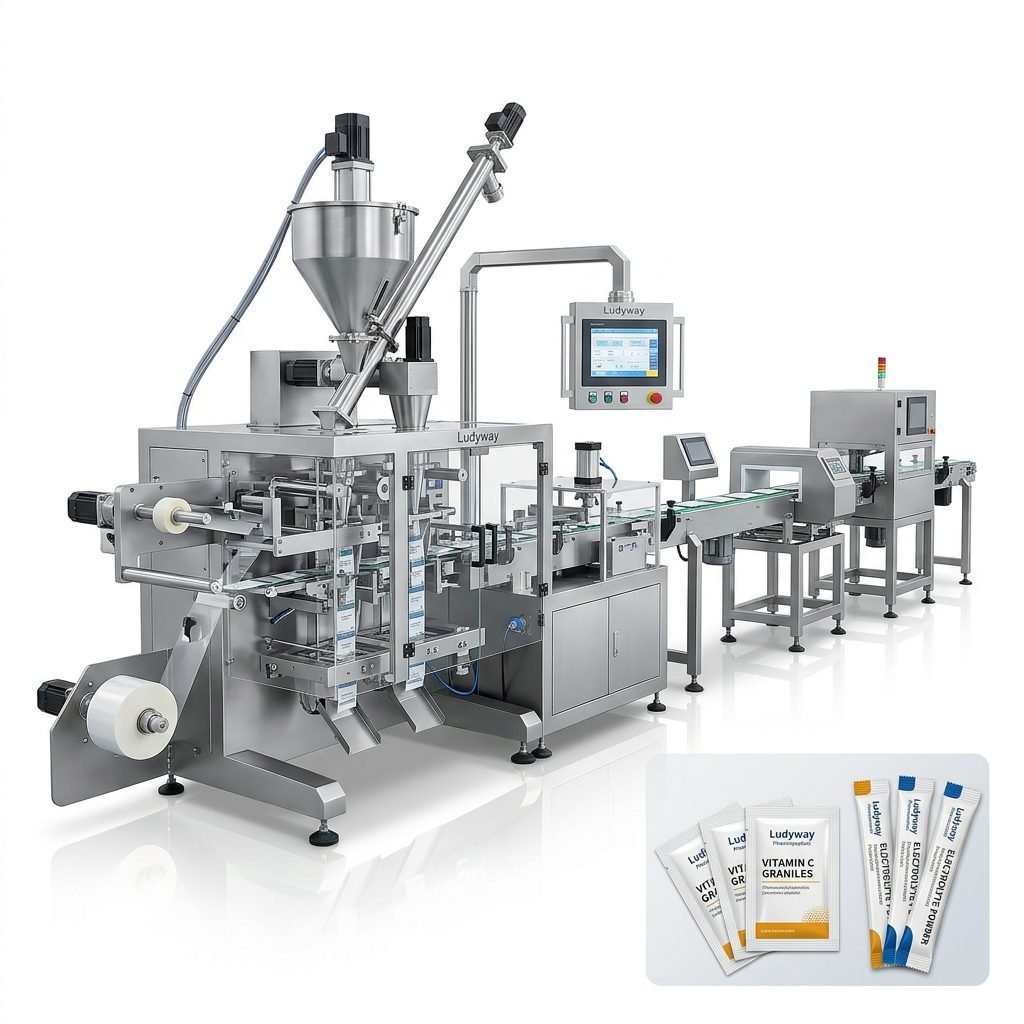
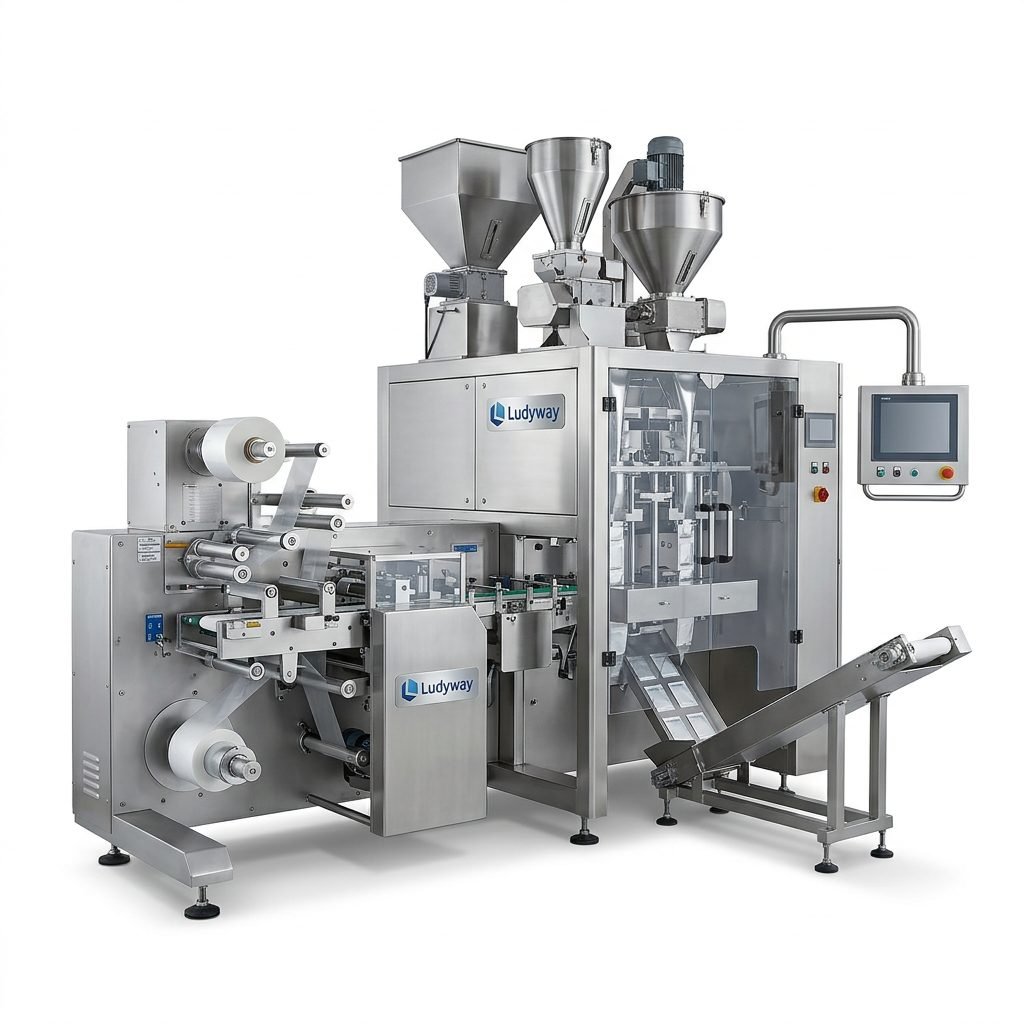
A multi dose packaging machine performs better when connected with feeders, checkweighers, printers, vision systems, cartoners, and data tracking modules. Integrated lines reduce handling, improve control, and support continuous packaging.
Monitor OEE and Error Trends
Tracking availability, performance, and quality metrics helps reveal hidden inefficiencies. Many facilities discover that micro-stoppages, material inconsistencies, or rework are responsible for larger output losses than machine speed itself.
- Measure downtime by root cause
- Record reject categories and frequency
- Track operator interventions per shift
- Compare actual output with validated machine capability
- Review packaging quality data weekly
Best Practices to Strengthen Patient Safety
Patient safety is the most important objective of multi dose medication packaging. A reliable machine must support a controlled and traceable process from filling to final delivery.
Apply Barcode and Serialization Controls
Barcodes, batch codes, and patient-specific information improve verification during pharmacy dispensing and medication administration. This also supports audits, recalls, and digital record matching.
Add Verification Layers
The safest systems do not rely on a single checkpoint. Combining automated counting, vision inspection, seal inspection, and label verification reduces the chance of undetected errors.
Control Cross-Contamination Risks
When packaging different medications on the same equipment, cleaning validation and product segregation are critical. Machine design should allow easy cleaning, minimal residue retention, and clear access to critical contact areas.
Train Operators Thoroughly
Even advanced automation depends on operator awareness. Teams should understand alarm handling, setup verification, cleaning procedures, rejection protocols, and documentation requirements.
| Patient Safety Area | Recommended Control | Expected Benefit |
|---|---|---|
| Dose verification | Sensor-based counting and vision inspection | Lower dosing error rate |
| Traceability | Barcode, batch code, and digital records | Faster tracking and audit readiness |
| Contamination control | Validated cleaning and hygienic machine design | Safer product handling |
| Seal integrity | Seal parameter monitoring and inspection | Better package protection |
| Human error reduction | SOPs, training, and recipe-controlled setup | More stable operations |
What to Look for When Choosing a Multi Dose Medication Packaging Machine
If you are investing in new equipment, selecting the right machine architecture will affect long-term operating costs and compliance performance. Focus on features that improve both production efficiency and pharmaceutical reliability.
- High-precision dosing and counting
- Servo-controlled motion for repeatable operation
- Vision inspection compatibility
- Stable sealing for medication protection
- Fast changeover and recipe storage
- Data integration for traceability and reporting
- Easy cleaning and maintenance access
- Scalability for future production growth
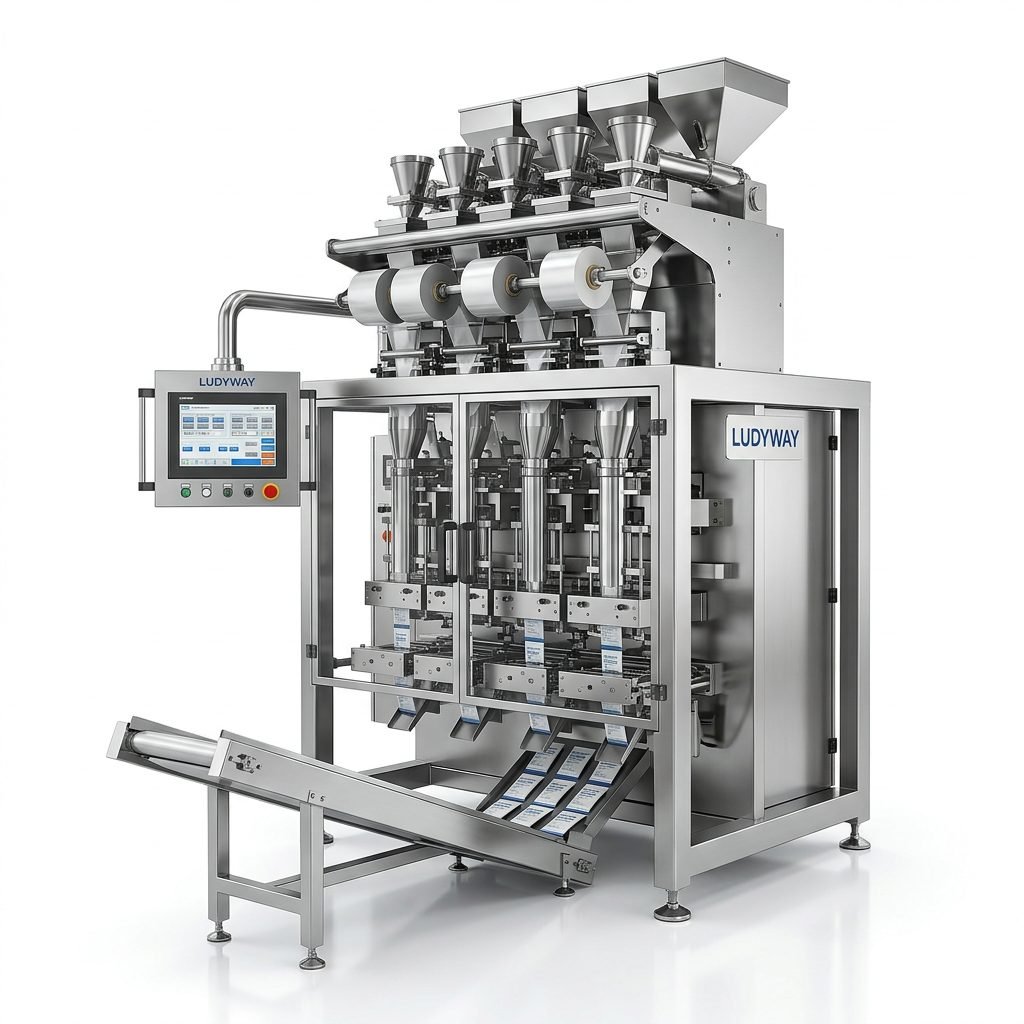
For buyers looking for scalable pharmaceutical and turnkey automation solutions, multi dose medication packaging machine solutions from Ludyway can be evaluated alongside line integration, inspection, and customized packaging system requirements.
Common Mistakes That Reduce Performance
Many packaging issues are not caused by machine defects alone. They often result from avoidable process weaknesses.
Avoid These Problems
- Using packaging film that is not validated for the medication type
- Skipping calibration after format changes
- Allowing excessive manual intervention without verification
- Failing to document maintenance and cleaning history
- Running at maximum speed before process stability is confirmed
- Ignoring small reject trends until they become major losses
How Automation Supports Long-Term Compliance
As pharmaceutical regulations and patient expectations continue to rise, automated multi dose packaging plays an increasingly important role in standardized medication delivery. Smart automation helps facilities create repeatable processes, improve documentation, and reduce reliance on manual checking alone.
Modern systems can support electronic batch records, integrated coding, production analytics, reject management, and easier validation workflows. Over time, this strengthens compliance readiness while also supporting business growth.
Final Operational Priorities
To improve overall performance, packaging operations should prioritize:
- Accurate dose handling at every cycle
- Reliable inspection and traceability systems
- Efficient changeover and reduced downtime
- Validated cleaning and maintenance routines
- Continuous operator training and data review
A well-configured multi dose medication packaging machine does more than package medication. It becomes a critical link between pharmaceutical manufacturing quality, dispensing efficiency, and safer patient care.