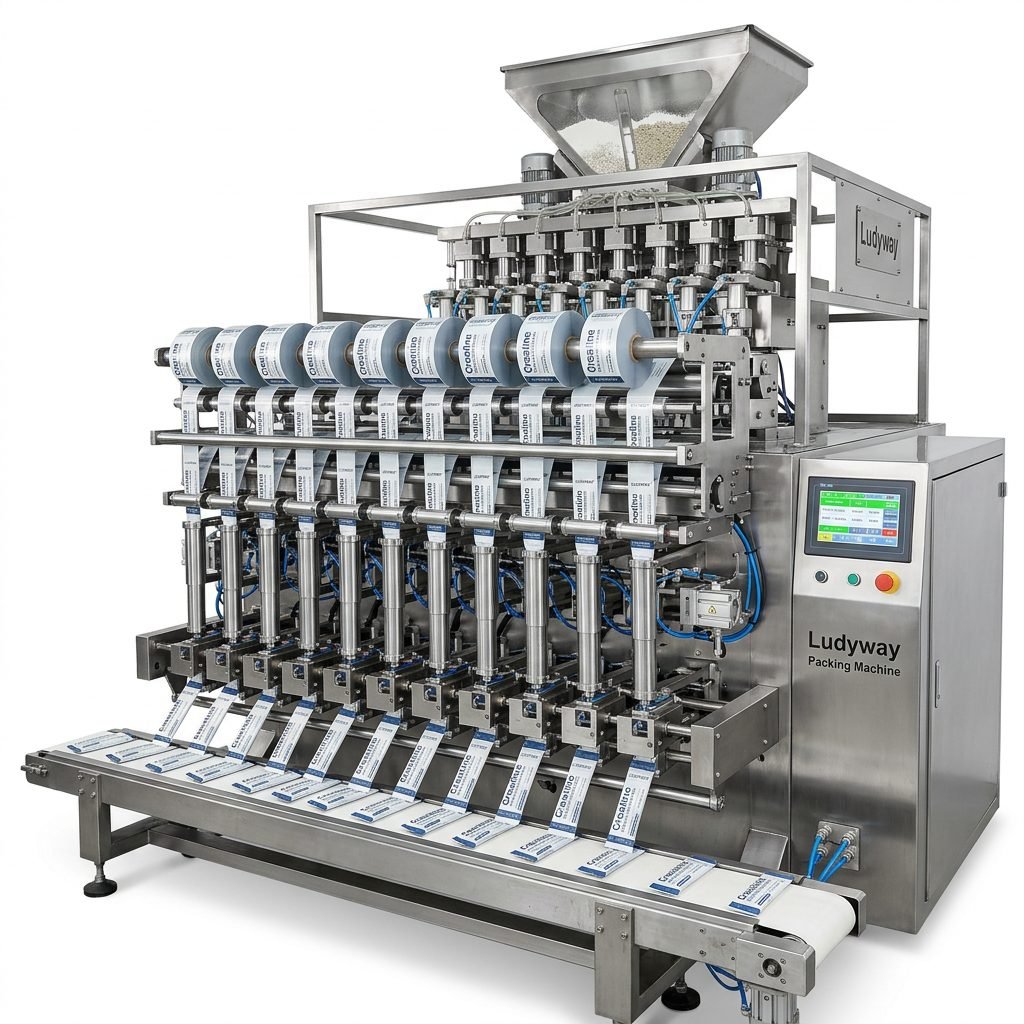
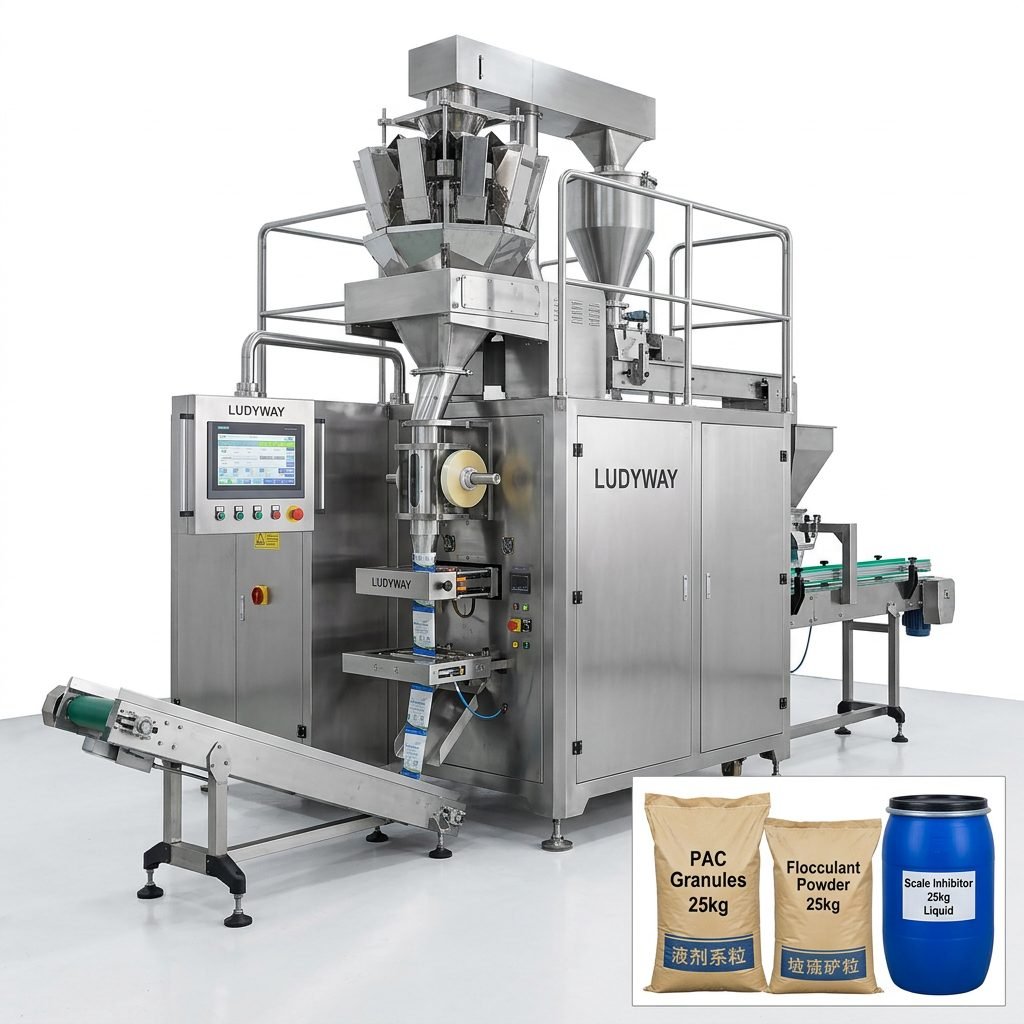
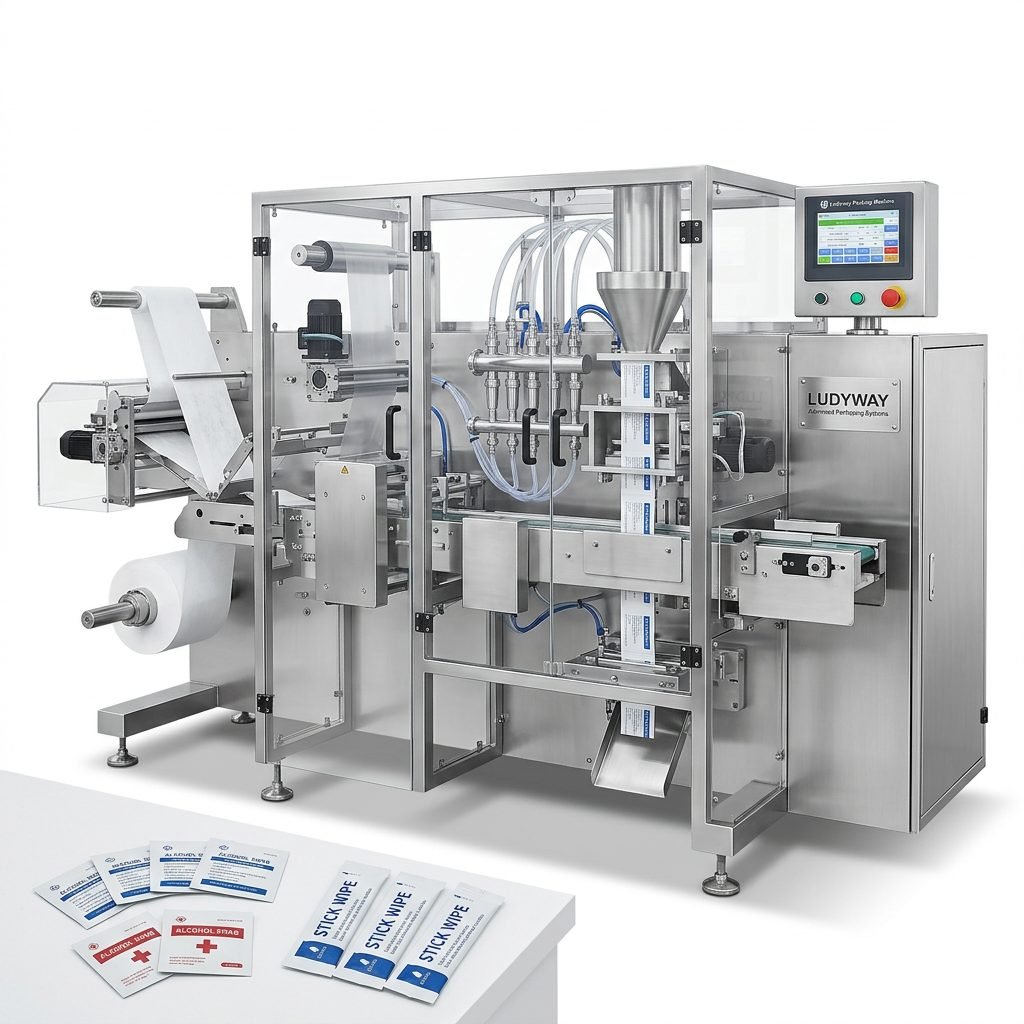
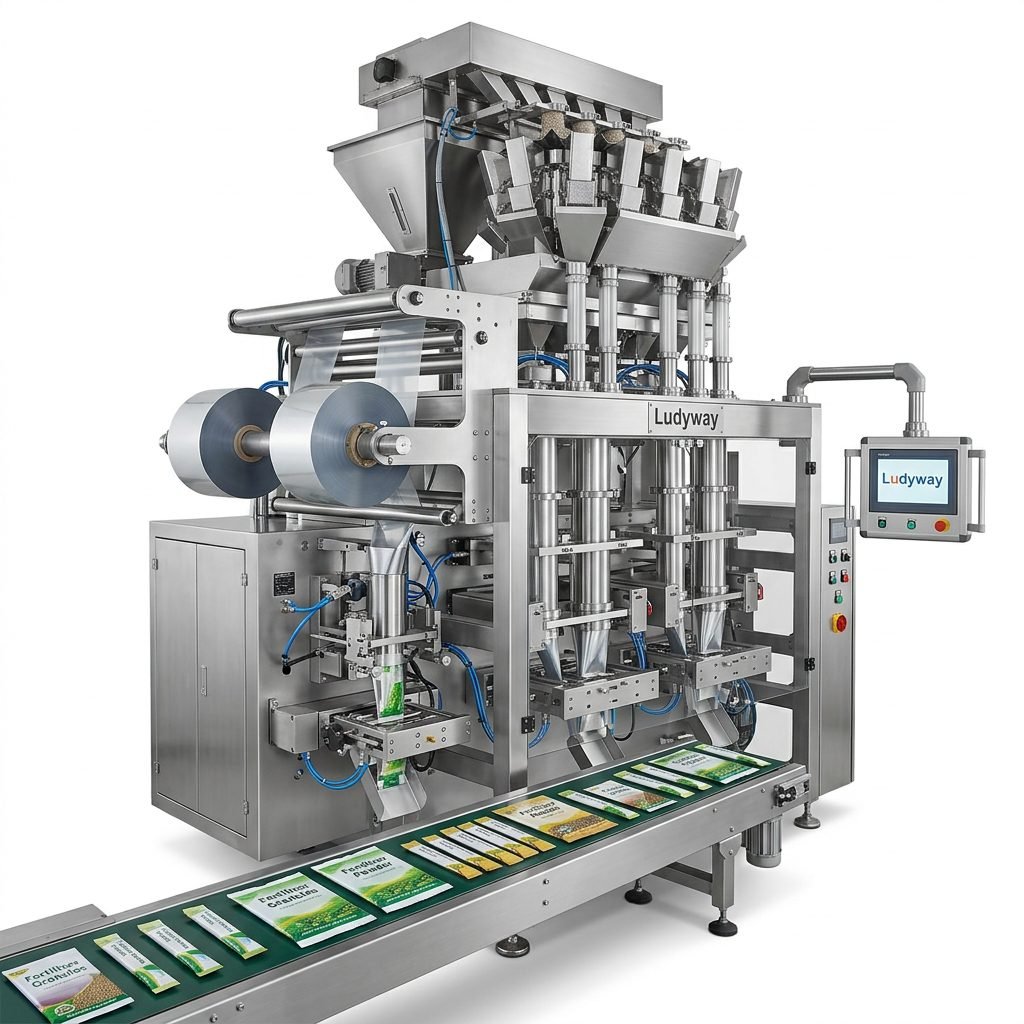
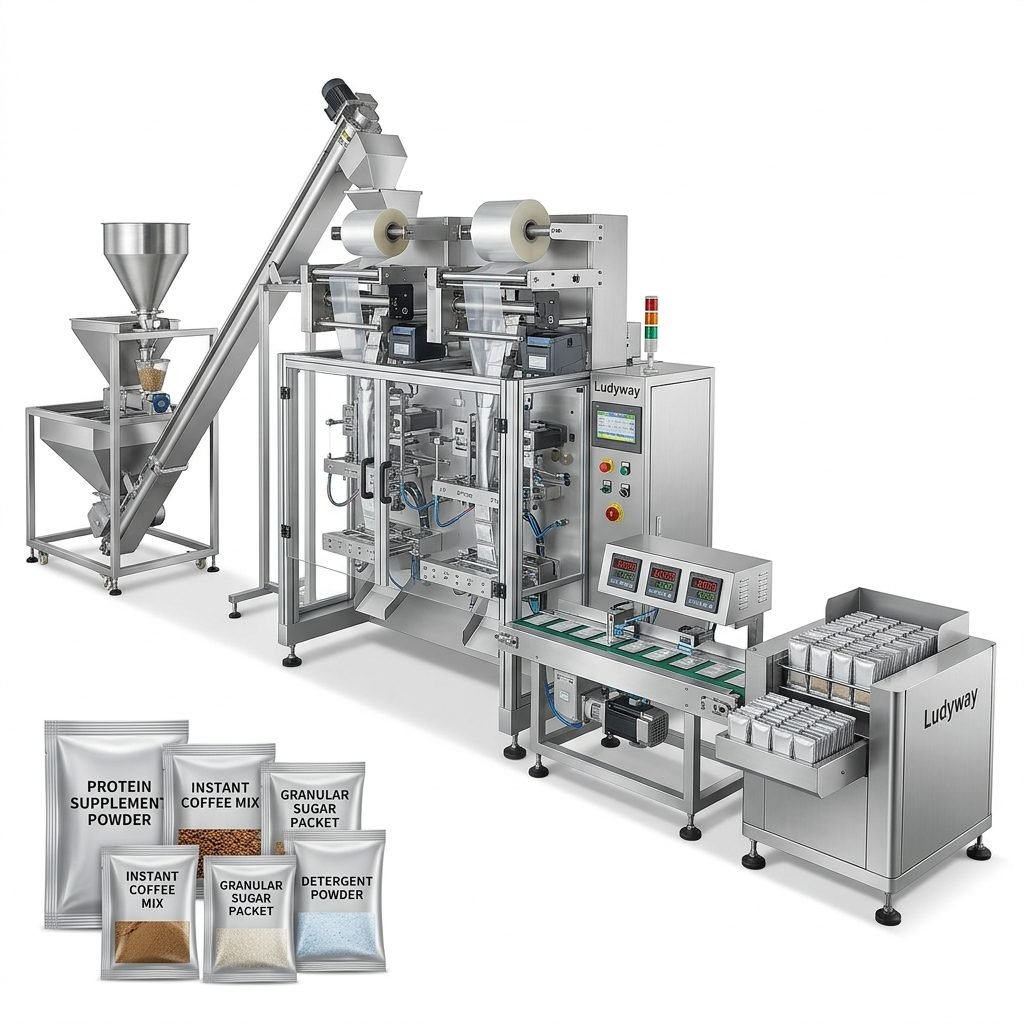
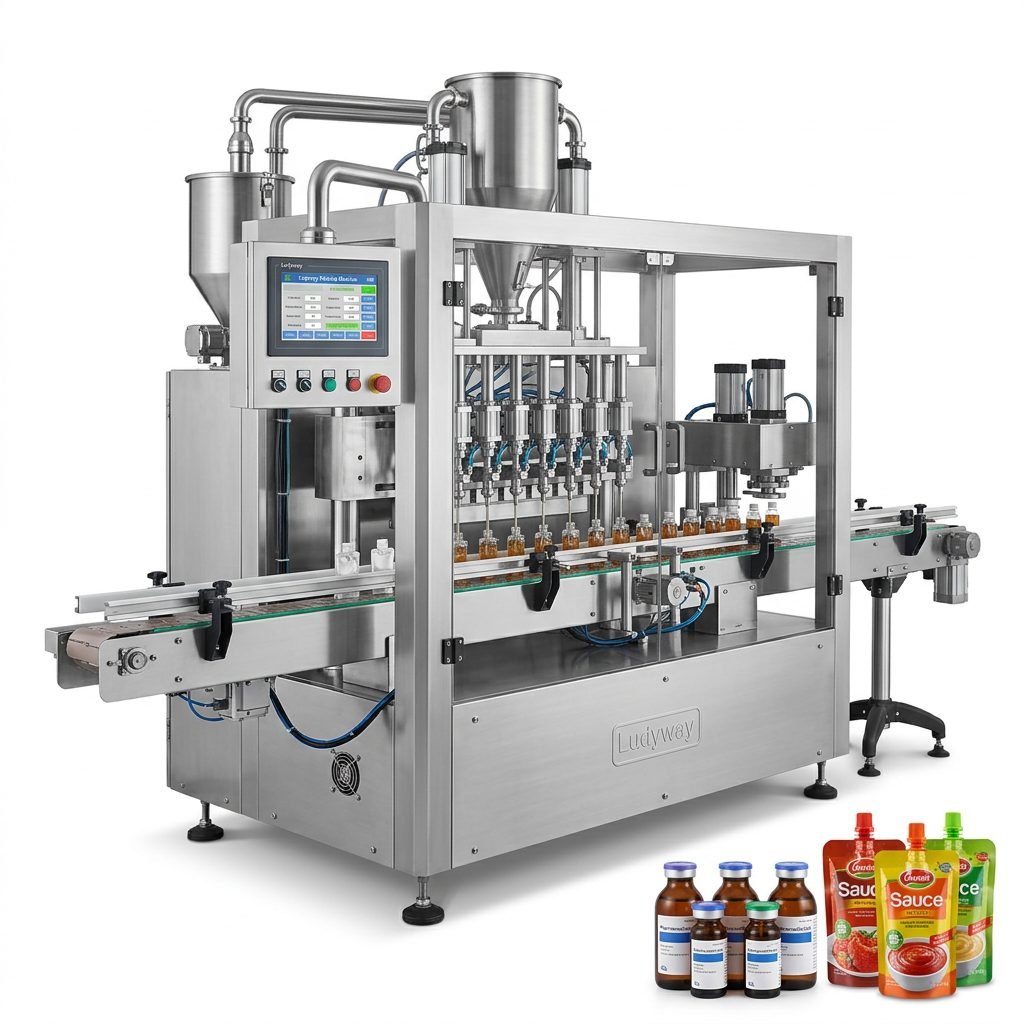
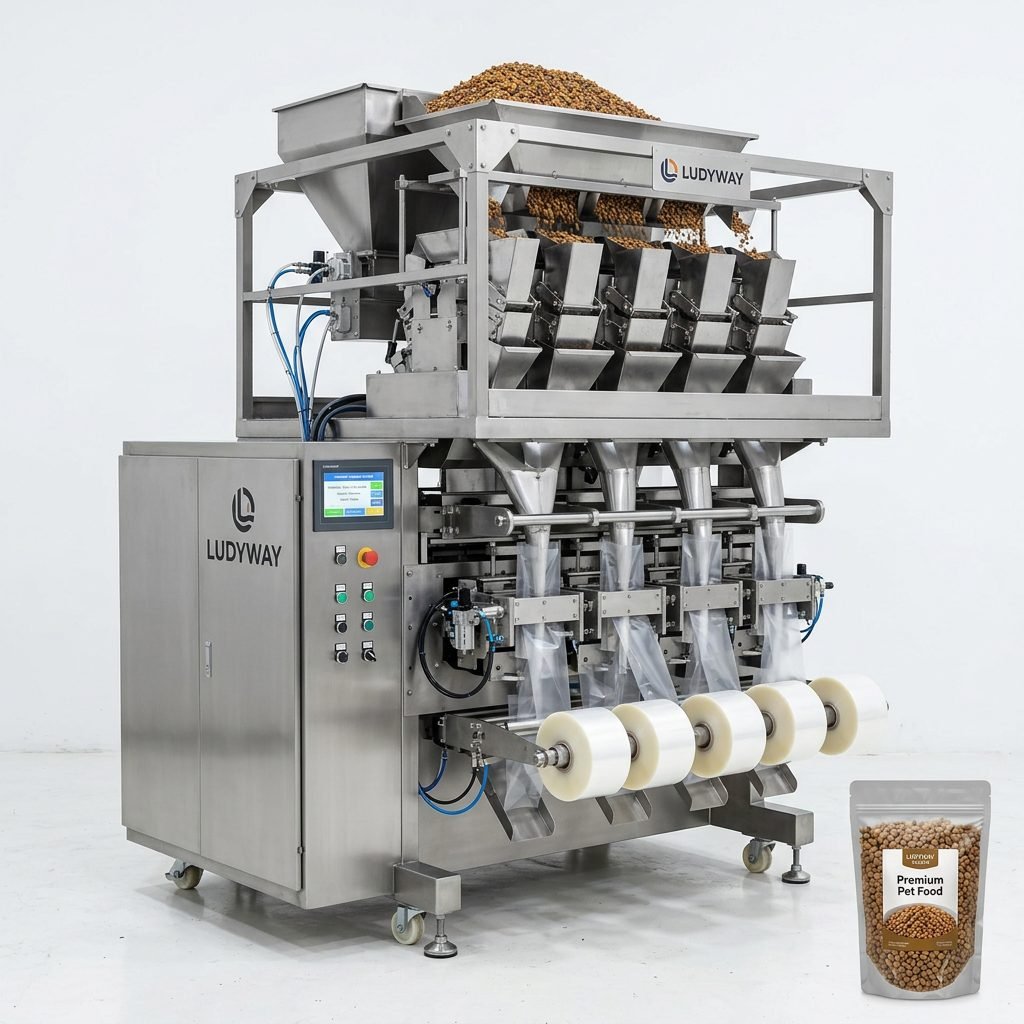
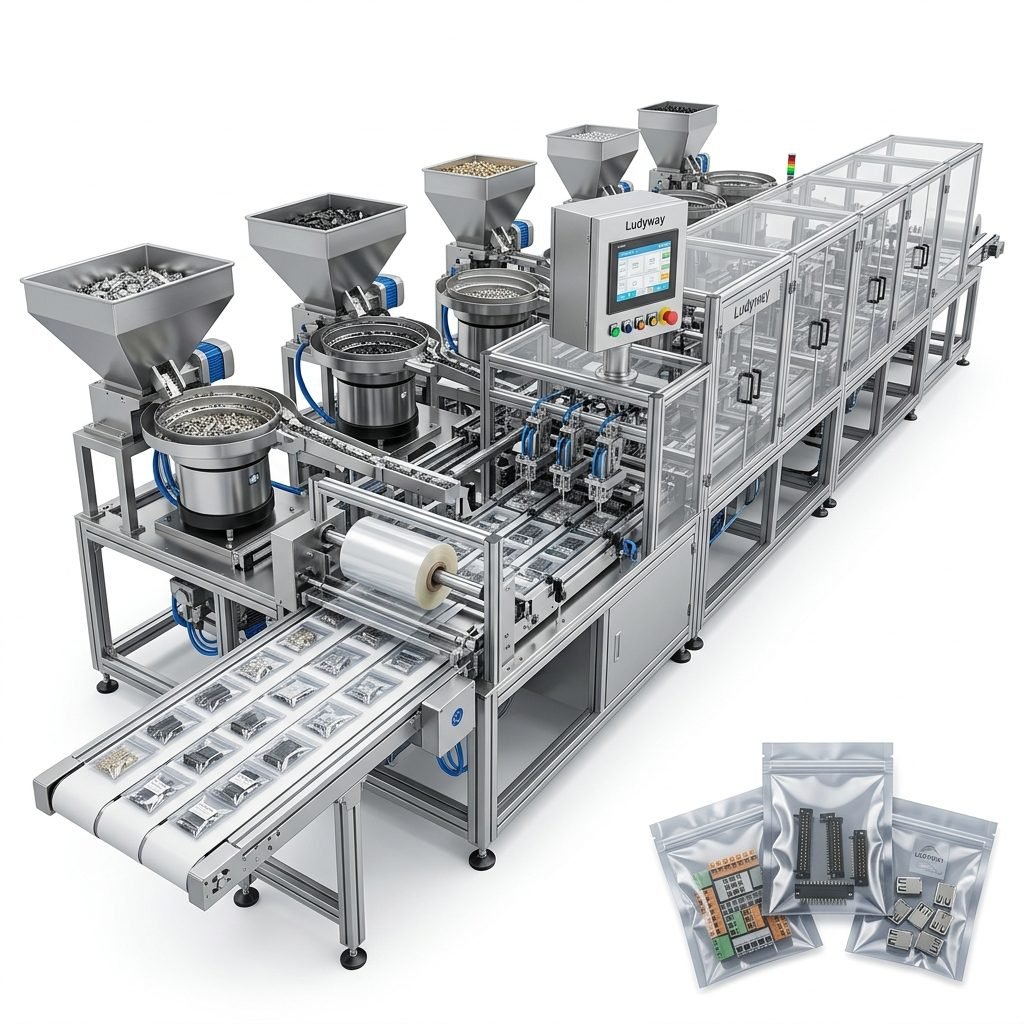
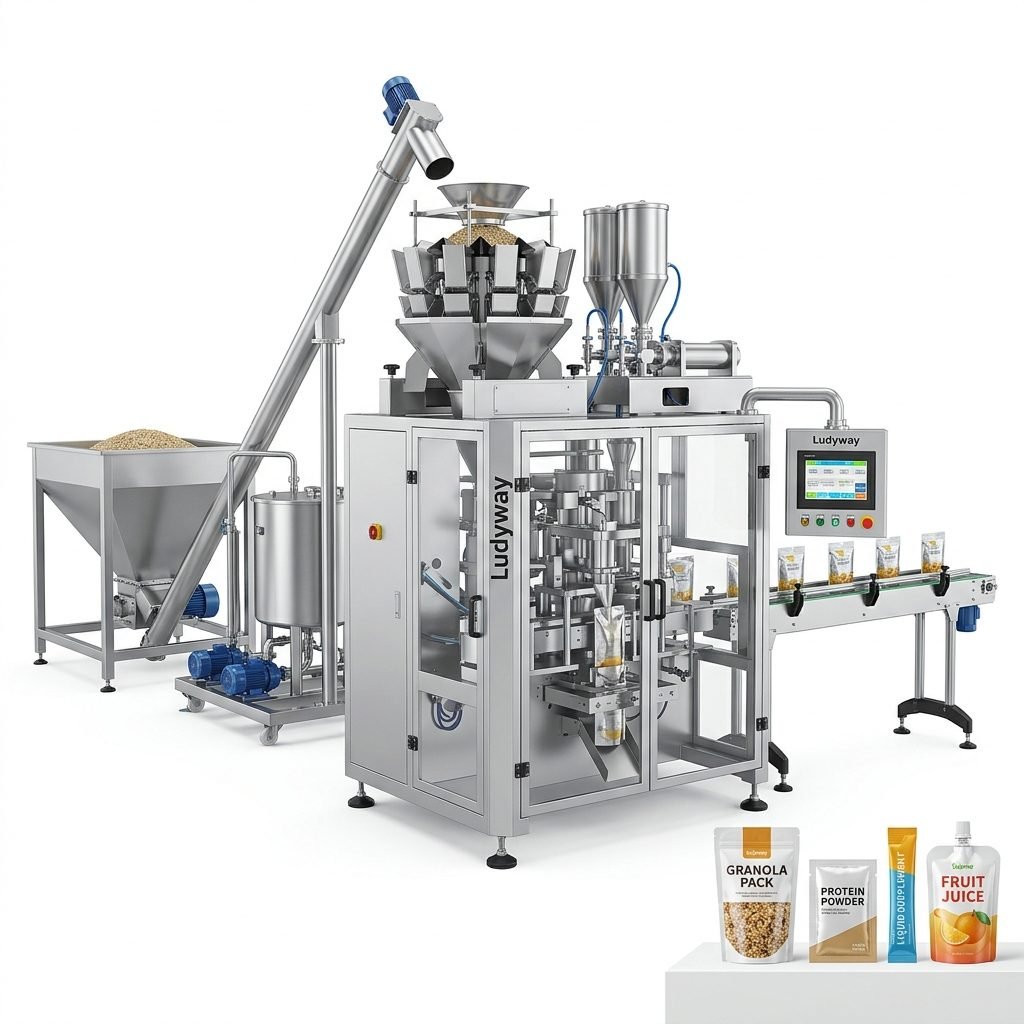
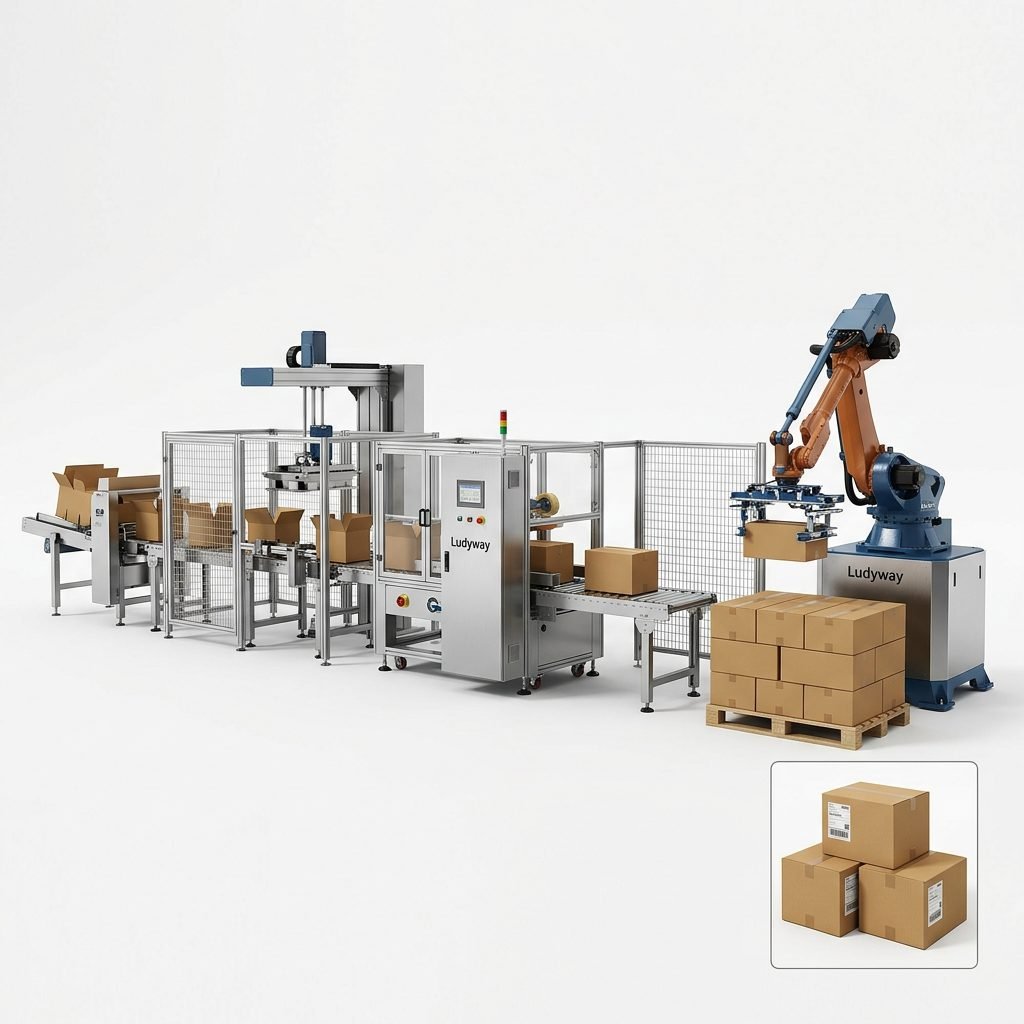
In today’s competitive manufacturing landscape, optimizing capital expenditure while maintaining production efficiency is a top priority. For businesses in the food, pharmaceutical, and industrial sectors, investing in used packaging machinery presents a compelling opportunity. High-quality second-hand equipment can deliver the same reliability and performance as new machines at a fraction of the cost, allowing companies to allocate resources to other critical areas like R&D or market expansion.
Why Consider Used Packaging Machinery?
The decision to purchase pre-owned equipment is driven by sound financial and operational logic. The most significant advantage is substantial cost savings. New packaging lines represent a major capital investment. Second-hand machinery can reduce this initial outlay by 30% to 70%, dramatically improving ROI and shortening the payback period. This is particularly valuable for startups, small to medium enterprises, or companies testing a new product line.
Key Benefit: Beyond cost, the market for used machinery offers access to proven, discontinued models known for their durability and simplicity. These machines often have a vast knowledge base for troubleshooting and maintenance, reducing downtime risks.
Furthermore, lead times are typically much shorter. While a new custom machine might take months to build and deliver, reliable used equipment is often available for immediate shipment and installation, helping you ramp up production without delay.
Critical Considerations for Food & Pharma Sectors
When sourcing equipment for food or pharmaceutical production, hygiene and compliance are non-negotiable. Used machinery must be meticulously evaluated to ensure it meets stringent industry standards.
- Material Contact Surfaces: All parts contacting the product (e.g., hoppers, augers, filling nozzles, sealing jaws) must be made of appropriate, non-corrosive grades of stainless steel (like 304 or 316L) and show no signs of pitting, cracks, or contamination.
- Cleanability & Design: The machine should have a sanitary design with smooth, crevice-free surfaces. Assess if it can be fully disassembled for deep cleaning and sanitization.
- Documentation & History: Request full maintenance logs and any available validation documentation (e.g., IQ/OQ protocols if applicable). Understanding the machine’s operational history in a similar environment is crucial.
Industrial Production: Durability and Uptime
For industrial applications—such as packaging chemicals, hardware, or construction materials—the focus shifts towards robust construction and continuous uptime. Heavy-duty frames, powerful drives, and wear-resistant components are key. When inspecting used industrial packaging machinery, pay close attention to the condition of mechanical actuators, gearboxes, and sealing mechanisms. A machine previously used in a high-volume, 24/7 environment may have more wear but could also be a testament to its durability if properly maintained.
The Inspection Checklist: What to Look For
Never buy a used machine sight-unseen. A thorough inspection, either in-person or via a detailed video audit, is essential. Here’s a practical checklist:
Structural Integrity: Check the frame for cracks, welds, or signs of impact. Ensure all panels and guards are secure.
Mechanical & Electrical: Inspect motors, drives, bearings, and chains for wear. Review the control panel for outdated or damaged components. Request a test run to observe cycle times, noise levels, and smoothness of operation.
Spare Parts & Support: Verify the availability of spare parts for the specific model. Reputable suppliers, like Ludyway Packing Machine, often provide technical support and parts for the equipment they source, which is a major advantage.
Finding a Reliable Supplier
The success of buying used equipment hinges on the supplier’s credibility. Look for specialists with deep industry knowledge and a transparent process. A trustworthy supplier will:
- Provide a clear, honest assessment of the machine’s condition and history.
- Offer refurbishment services, from cosmetic touch-ups to full mechanical overhauls.
- Supply necessary documentation, including manuals and wiring diagrams.
- Stand behind the equipment with a warranty or guarantee period.
- Have the expertise to offer complete packaging line solutions, ensuring the machine integrates well with your existing or planned setup.
Companies with extensive experience, such as those with over 30 years in the packaging industry, understand the lifecycle of machinery and can source the best units from well-maintained production facilities.
The Role of Professional Refurbishment
A professionally refurbished machine sits at the sweet spot between new and “as-is” used equipment. Quality refurbishment goes beyond a fresh coat of paint. It involves disassembly, replacement of all worn seals and bearings, calibration of weighing and filling systems, updates to electrical safety standards, and comprehensive testing. This process restores the machine to a like-new performance state, offering peace of mind and extending its service life for years to come.
Maximizing Your Investment
To ensure a successful purchase, align the machine’s specifications precisely with your current and near-future needs. Consider factors like packaging speed, bag size range, material compatibility, and required accuracy. Engage your production and maintenance teams in the evaluation process. Finally, plan for installation, operator training, and a preventive maintenance schedule from day one to protect your investment.
By partnering with an expert supplier who provides global packaging solutions, you gain more than just a machine; you gain a partner invested in your production success.
Frequently Asked Questions (FAQs)
1. Is used packaging machinery reliable for sensitive products like pharmaceuticals?
Yes, provided it undergoes a rigorous inspection and refurbishment process focused on hygienic design and material integrity. Critical contact parts must be replaced or certified, and the machine must be thoroughly sanitized and validated for its intended use. Sourcing from a supplier experienced in pharmaceutical packaging standards is crucial.
2. What kind of warranty can I expect with used equipment?
Warranties vary. “As-is” sales typically come with no warranty. However, reputable suppliers of inspected and refurbished machinery often offer warranties ranging from 90 days to one year on parts and labor, covering major mechanical and electrical components. Always clarify warranty terms before purchase.
3. How do I ensure the used machine will integrate with my existing production line?
Provide your supplier with detailed specifications of your current line (conveyor heights, speeds, control interfaces, etc.). A competent supplier will assess compatibility and may offer necessary adapters or control system upgrades to ensure seamless integration, often as part of their turnkey solution services.
4. Are spare parts readily available for older machine models?
This is a key consideration. Before purchasing, inquire about the availability of spare parts. Established suppliers often maintain an inventory of common wear parts for the models they sell or have partnerships with OEMs to source them. Avoid machines that are obsolete with no parts support.
5. What is the typical delivery and installation timeline for used machinery?
Timelines are significantly faster than for new machines. For in-stock equipment, delivery can often be arranged within a few weeks. Installation and commissioning depend on complexity but are generally quicker since the machine is already built. A clear project plan should be agreed upon with your supplier.