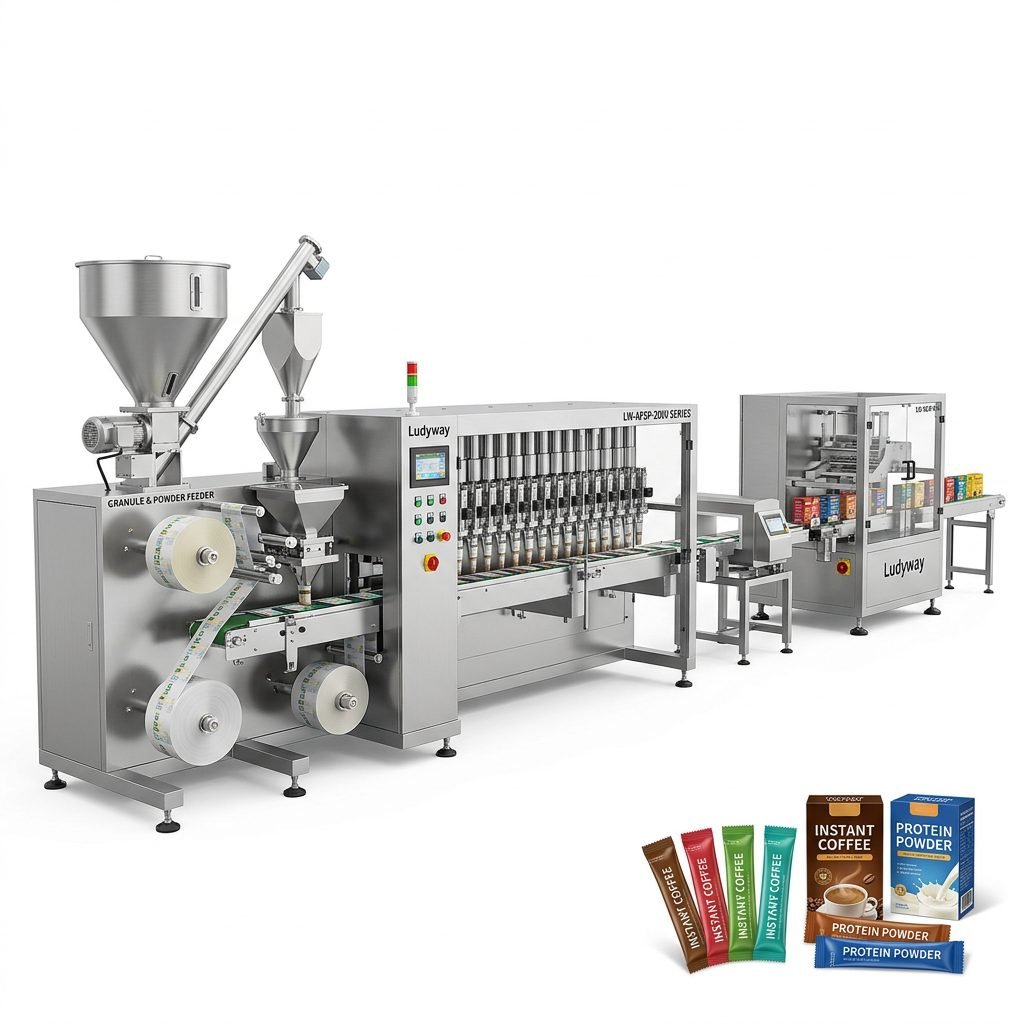
A Multivac packaging machine is widely associated with reliable vacuum packaging, thermoforming, tray sealing, and high-barrier pack solutions used across food, medical, pharmaceutical, and industrial sectors. For manufacturers looking to improve shelf life, product protection, hygiene, and automation, understanding how this type of equipment works is essential before making an investment decision.
This guide explains the main features, benefits, applications, and buying considerations of Multivac-style packaging systems, while also helping buyers compare alternatives based on output, product type, packaging material, and production goals.

What Is a Multivac Packaging Machine?
A Multivac packaging machine generally refers to advanced automated equipment designed for vacuum packaging, modified atmosphere packaging (MAP), thermoforming, tray sealing, and sealing applications. These machines are especially valued in industries where product freshness, contamination control, and pack appearance directly affect brand value and regulatory compliance.
Depending on the production format, the machine may be used to package:
- Fresh meat, processed meat, seafood, and cheese
- Ready meals, snacks, and frozen foods
- Medical devices and sterile products
- Pharmaceutical items and health products
- Industrial components requiring protective sealing
Core Features of Multivac Packaging Machines
Modern systems are built to support demanding production environments. The most important features usually include the following:
1. Vacuum Packaging Capability
Vacuum packaging removes air from the pack before sealing. This helps reduce oxidation, extend shelf life, and improve product stability. It is especially useful for meat, cheese, seafood, and sensitive medical products.
2. Modified Atmosphere Packaging (MAP)
MAP replaces the air inside a package with a controlled gas mixture. This is valuable for products that require fresh appearance, texture retention, and longer shelf presentation.
3. Thermoforming Technology
Thermoforming systems shape packaging film into cavities, fill products automatically, and then seal the packs. This format supports high-volume production and efficient material use.
4. Tray Sealing Flexibility
Tray sealers are suitable for prepared meals, proteins, convenience foods, and retail-ready formats. They can handle simple sealing, vacuum skin packaging, or MAP depending on the application.
5. Hygienic Machine Design
In food and medical production, easy cleaning and sanitation are critical. A well-designed machine offers stainless steel construction, accessible components, and smooth surfaces that support efficient washdown procedures.
6. Automation and Digital Control
Many systems integrate touch-screen controls, recipe management, error diagnostics, servo-driven movement, and compatibility with coding, inspection, labeling, and downstream cartoning systems.
Main Benefits for Manufacturers
| Benefit | Why It Matters |
|---|---|
| Longer shelf life | Vacuum and MAP reduce spoilage and improve product preservation. |
| Better product protection | Sealed packs help prevent contamination, leakage, and external damage. |
| Improved pack appearance | Consistent seals and neat presentation support stronger retail appeal. |
| Higher automation | Reduced manual handling can improve output and labor efficiency. |
| Consistent sealing quality | Stable sealing performance supports compliance and fewer rejects. |
| Scalability | Systems can often be integrated into larger automated packaging lines. |
Industries That Commonly Use This Type of Machine
Food Industry
Food manufacturers are among the largest users of vacuum and thermoforming packaging systems. Common products include chilled meat, sausages, poultry, seafood, dairy, bakery items, frozen meals, and convenience food trays.
Pharmaceutical and Medical Industry
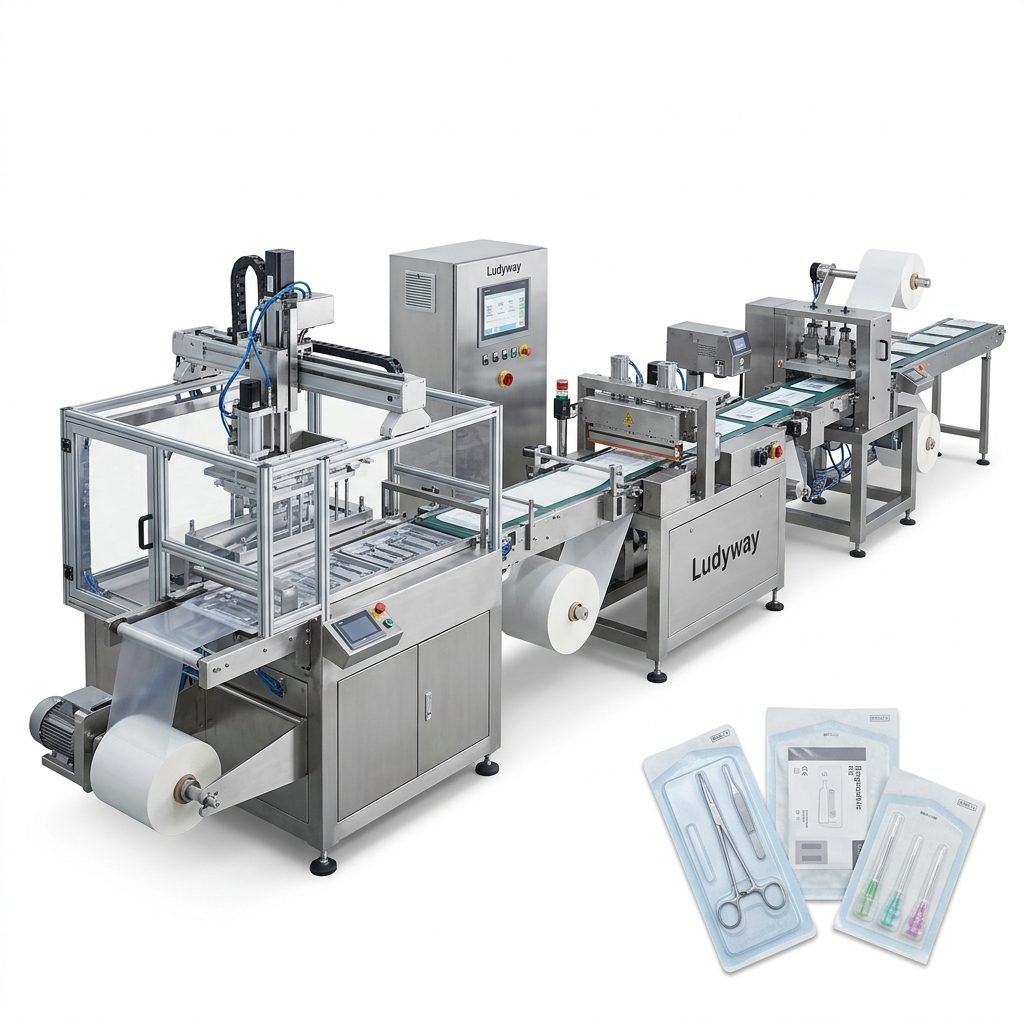
Medical packaging requires precision, cleanliness, traceability, and barrier protection. These machines are used for sterile packs, medical consumables, diagnostic items, and certain pharmaceutical packaging formats.
Health Supplement Sector
Producers of nutraceuticals and wellness products use secure sealing systems to improve product protection and maintain packaging consistency.
Industrial and Technical Products
Some industrial components, hardware items, and technical materials also benefit from sealed barrier packaging to reduce moisture exposure and improve storage stability.
Common Packaging Formats Supported
- Vacuum pouches
- Thermoformed bottom film and top film packs
- MAP trays
- Vacuum skin packs
- Sealed medical pouches
- Rigid or semi-rigid protective packs
How to Choose the Right Machine
Not every packaging line needs the same level of automation or the same sealing technology. Buyers should evaluate machine selection based on real production conditions rather than only brand recognition.
Key Selection Factors
- Product type: Solid, liquid, fresh, fragile, sterile, or temperature-sensitive products may require different pack styles.
- Packaging material: Film structure, barrier level, thickness, and recyclability affect machine compatibility.
- Output requirements: Required packs per minute directly influence machine size and automation level.
- Hygiene standards: Food and medical operations require easy cleaning and compliance-friendly design.
- Available floor space: Compact layouts matter when line expansion space is limited.
- Integration needs: Coding, labeling, checkweighing, inspection, cartoning, and palletizing may need to connect smoothly.
- Service and spare parts: Long-term uptime depends heavily on after-sales responsiveness.
Multivac Packaging Machine vs. Alternative Packaging Solutions
| Machine Type | Best For | Typical Advantage |
|---|---|---|
| Thermoforming vacuum packaging machine | High-volume food and medical products | Efficient continuous production |
| Tray sealing machine | Ready meals, protein trays, fresh food | Retail-friendly presentation |
| Chamber vacuum sealer | Small to medium batch production | Lower initial investment |
| Vertical form fill seal machine | Powders, granules, liquids in sachets or bags | Broad format flexibility |
| Premade pouch packaging machine | Stand-up pouches and resealable bags | Premium pouch appearance |
When a Turnkey Packaging Line May Be a Better Choice
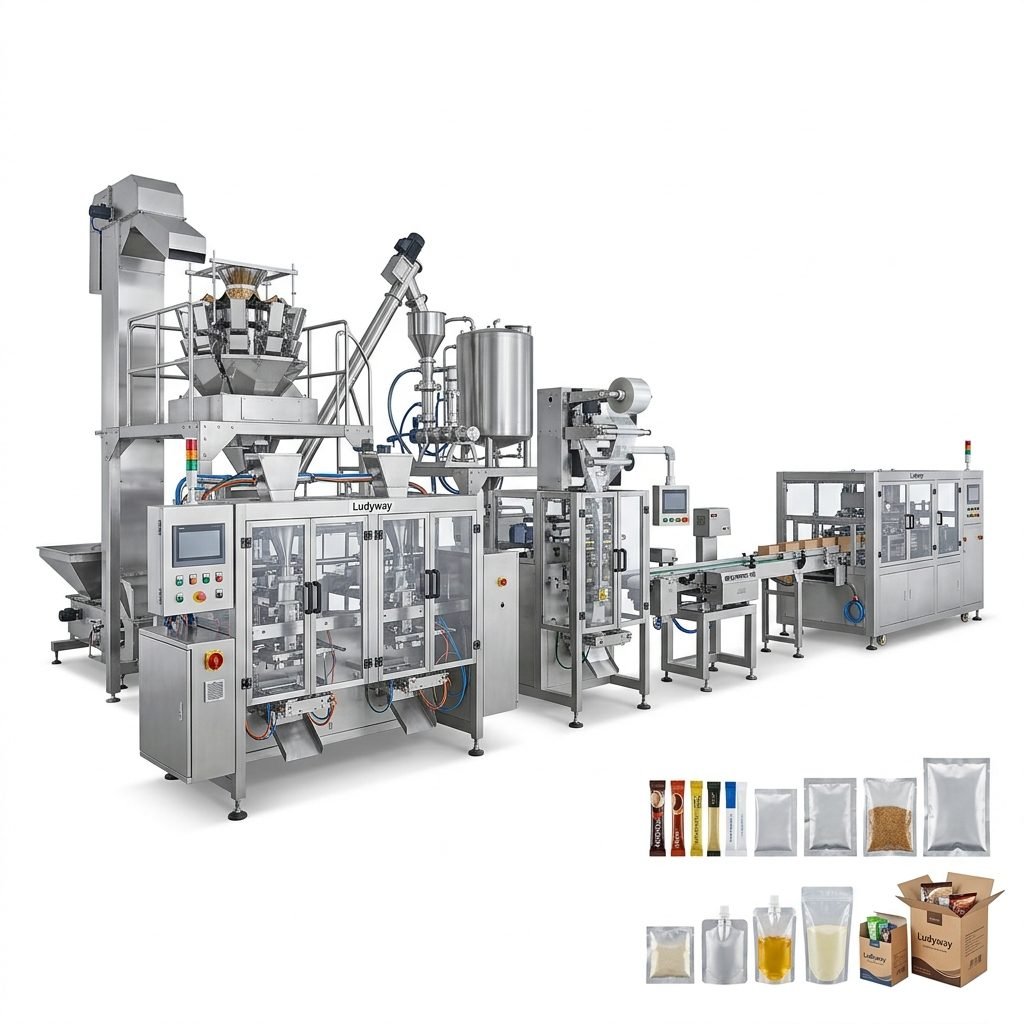
For many manufacturers, buying a single packaging machine is only part of the solution. A complete line may also include feeding, filling, sealing, coding, inspection, cartoning, case packing, and palletizing. This is especially helpful for companies planning to scale output or reduce manual intervention across the full process.
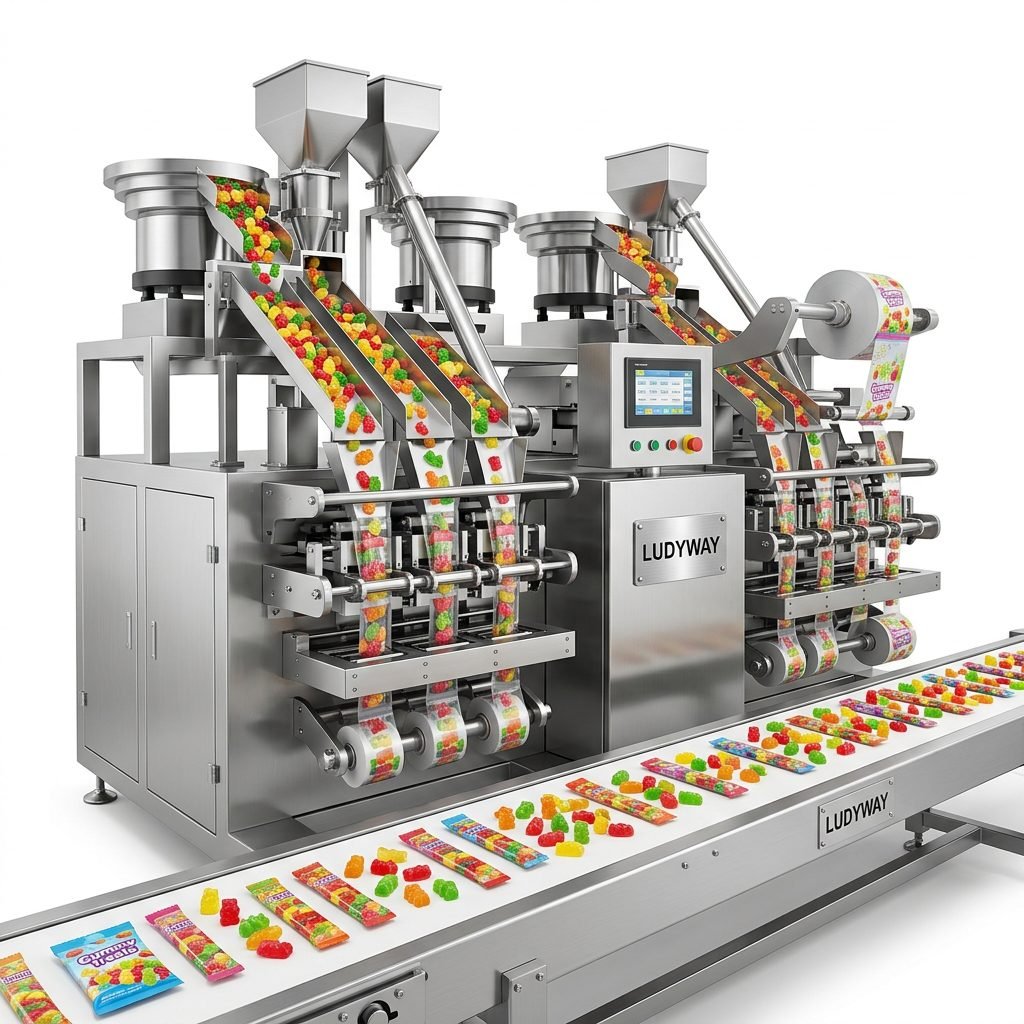
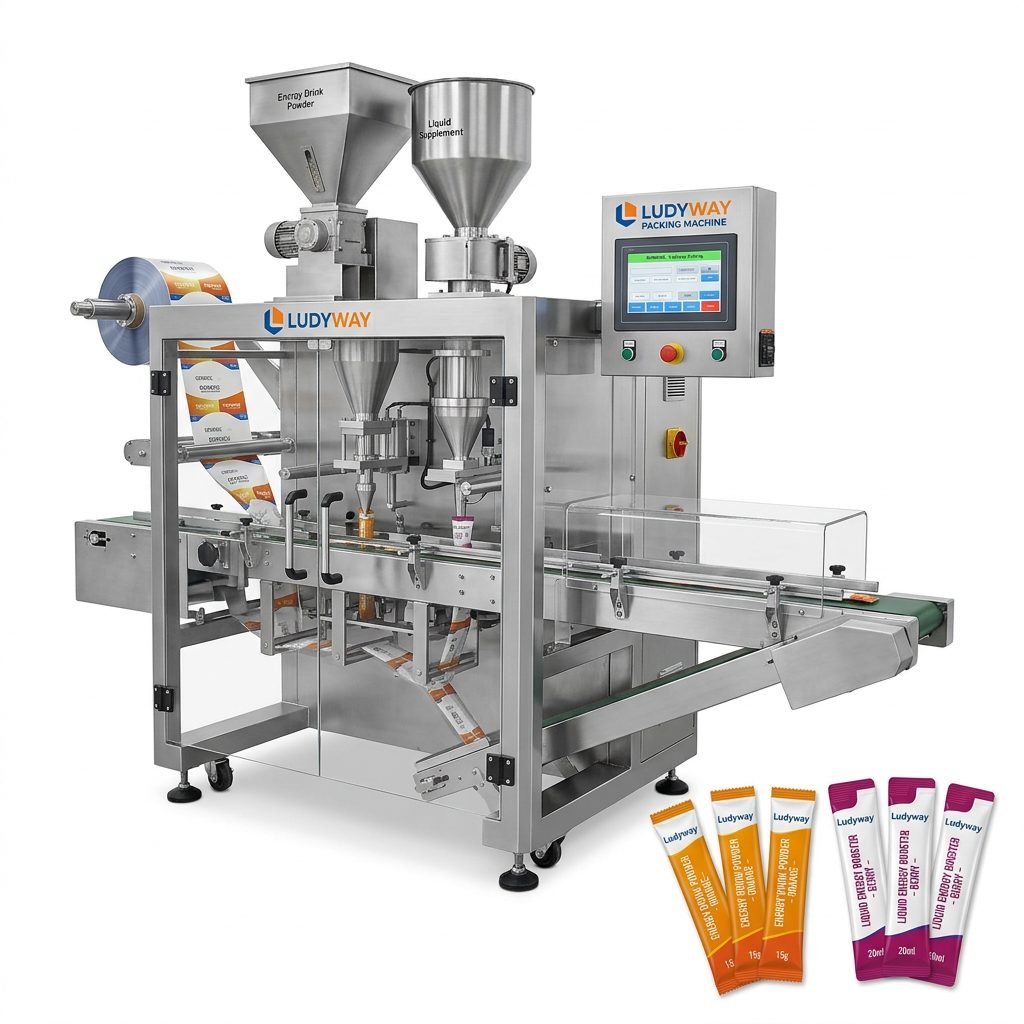
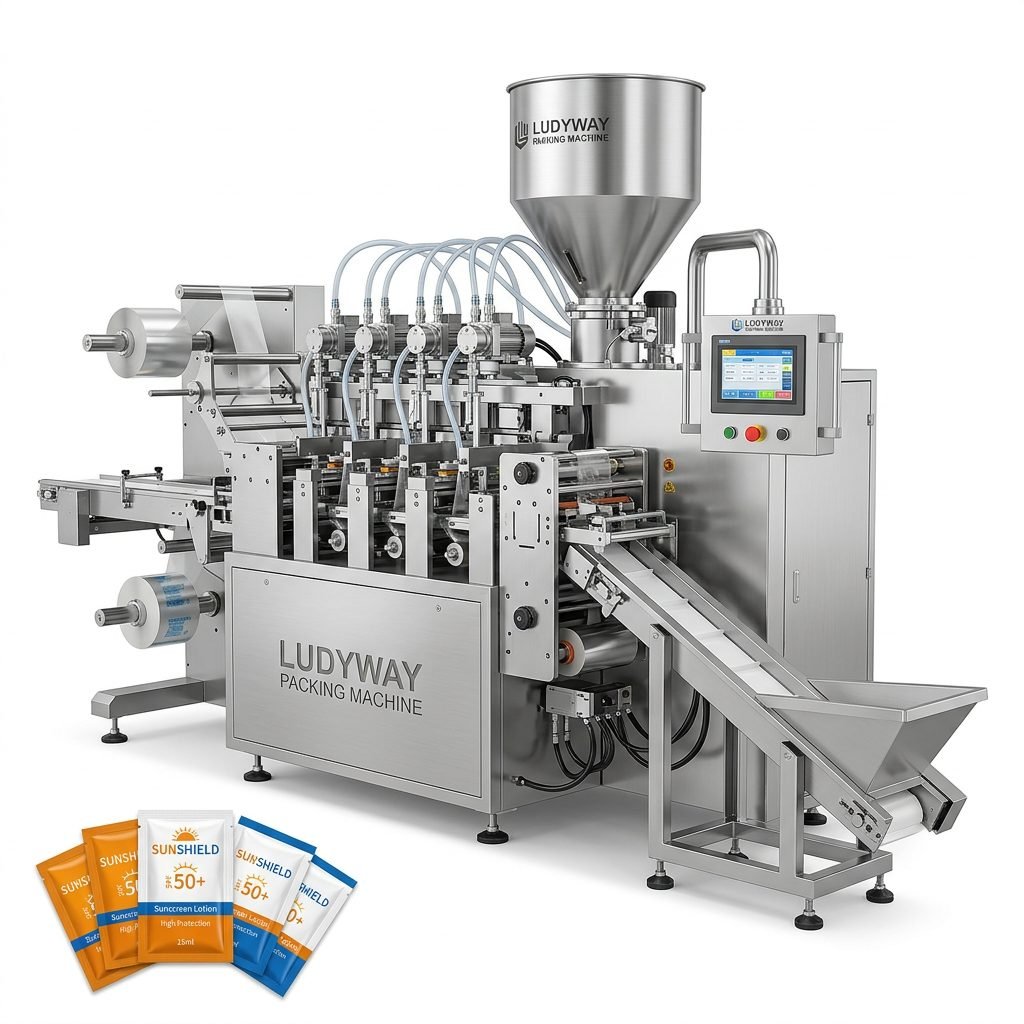
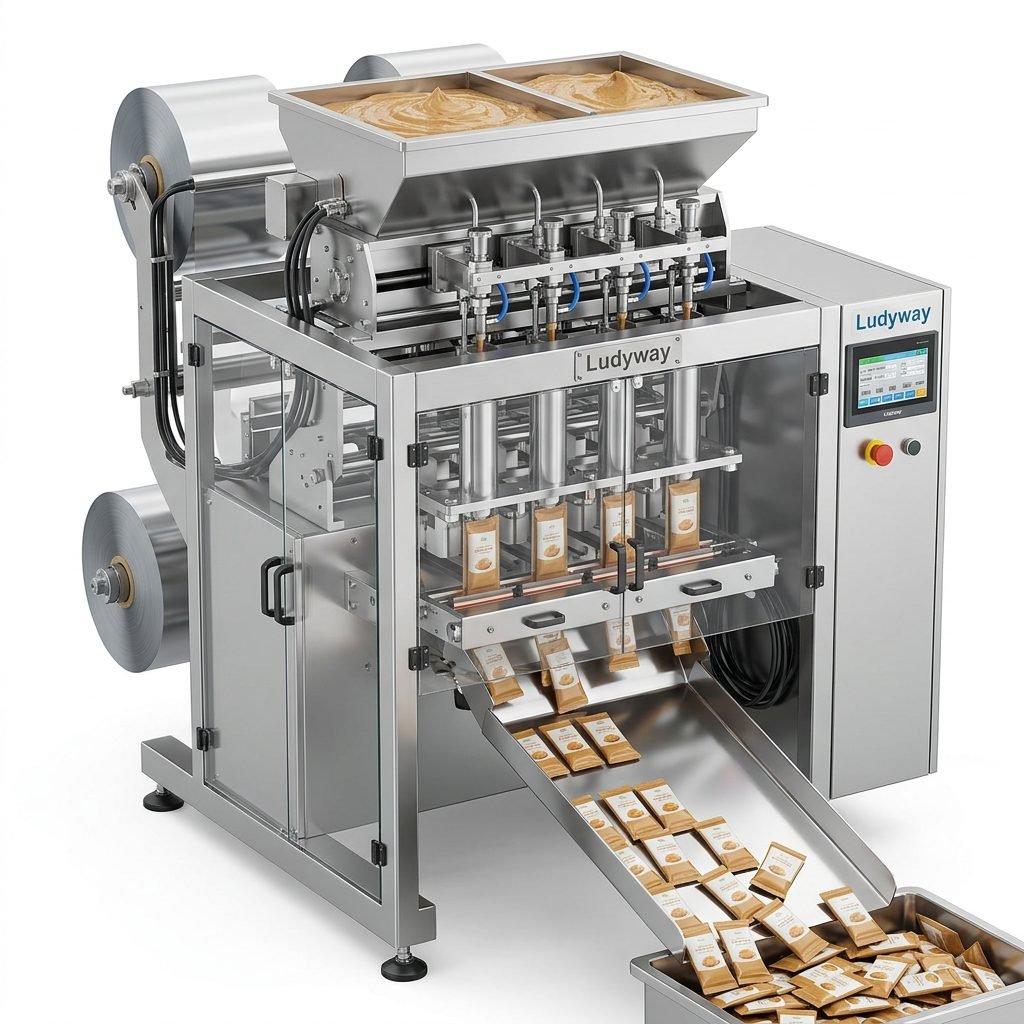
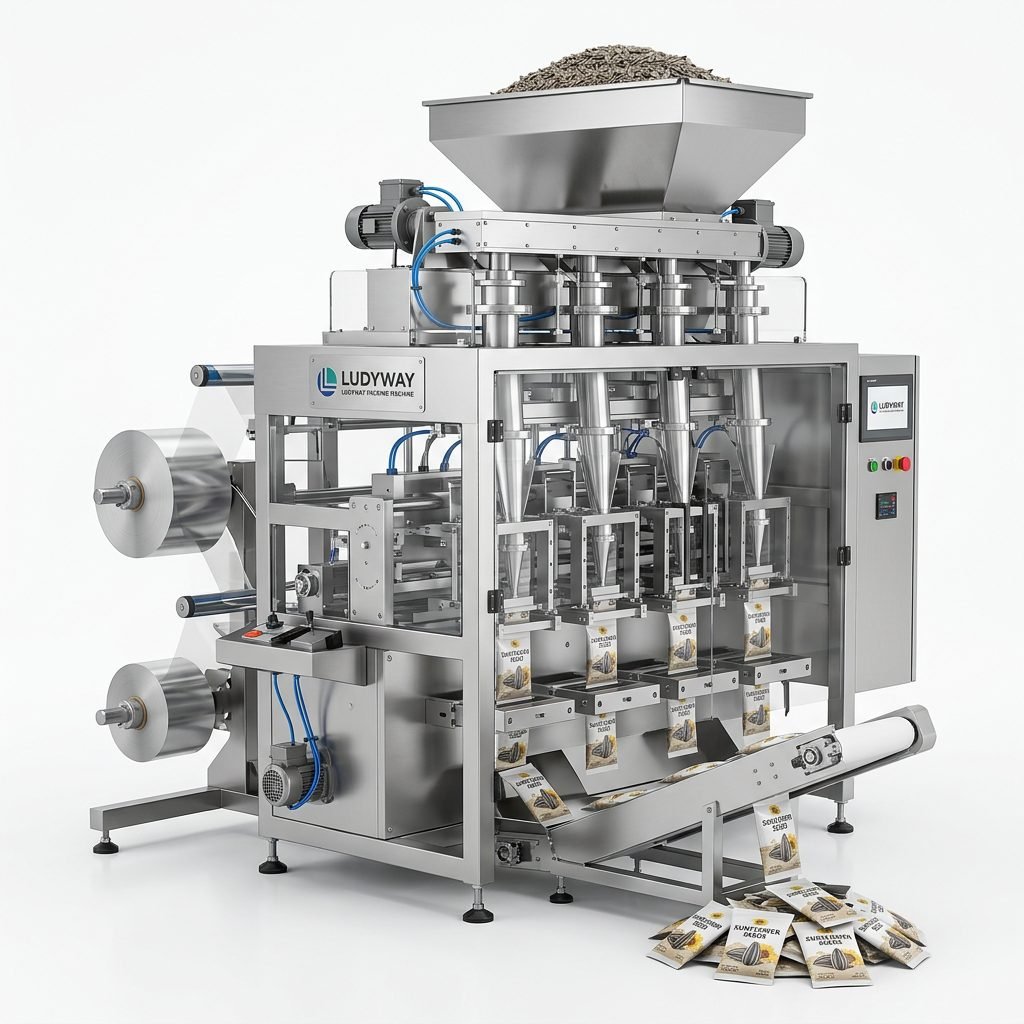
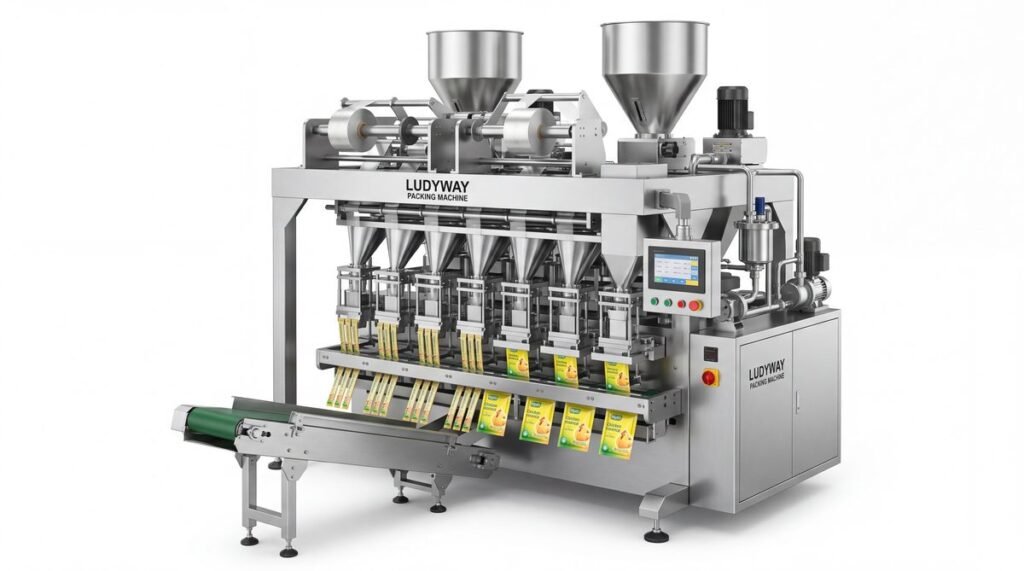
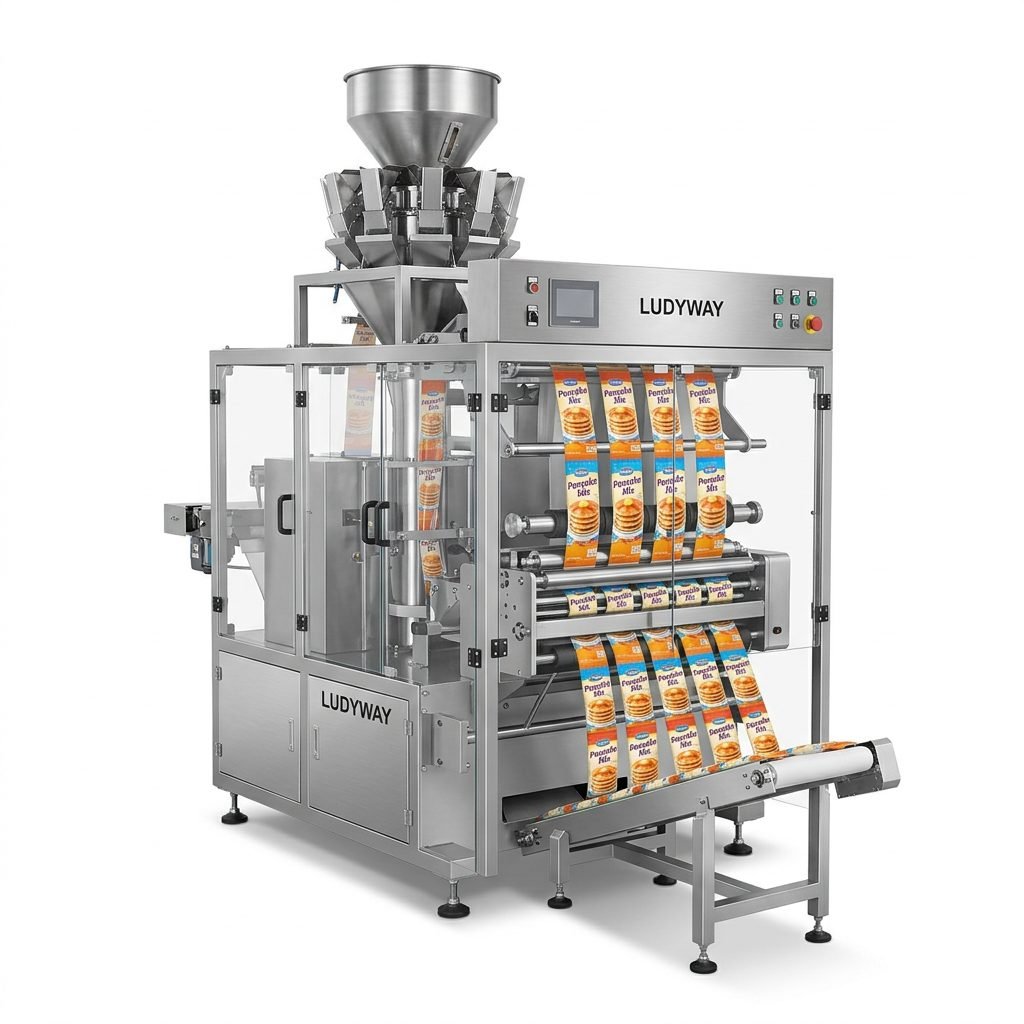
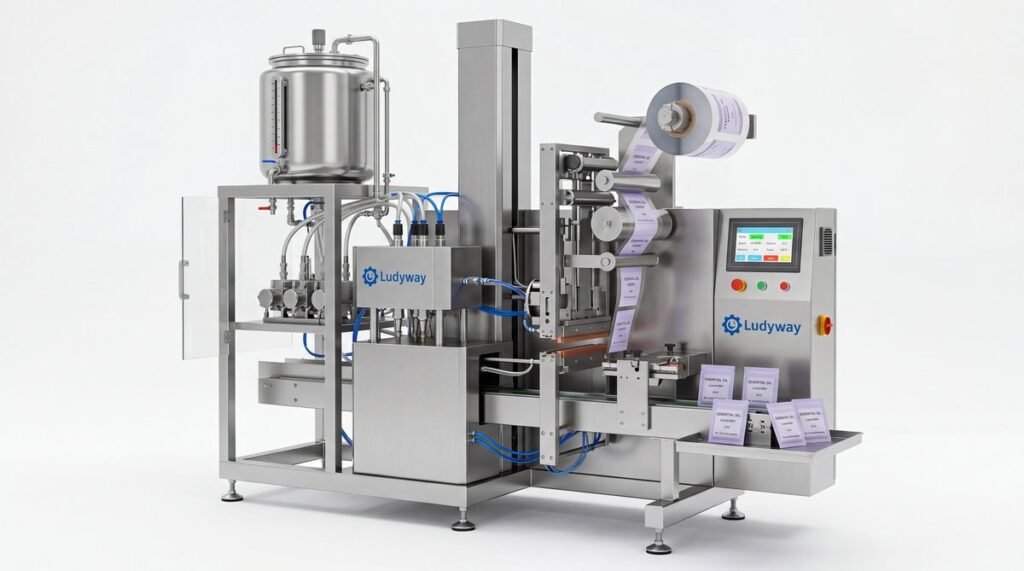
If your products include powders, granules, liquids, sachets, pouches, or stick packs, working with an experienced packaging line supplier can often provide better long-term value than sourcing each module separately. One example is Ludyway packaging machine manufacturer, known for supplying packaging machines and turnkey packaging lines for food, pharmaceutical, health supplement, and related industries.
Typical Questions Buyers Ask Before Investing
What products can be packed?
That depends on the exact machine configuration, but common products include meat, cheese, seafood, prepared foods, powders, medical items, and industrial components.
Is vacuum packaging always necessary?
No. Some products perform better with simple sealing or MAP rather than full vacuum. The correct choice depends on shelf life, product sensitivity, and retail requirements.
Can these systems support automation upgrades?
Yes. Many lines can be integrated with printers, labelers, conveyors, robotic handling, quality inspection, and end-of-line equipment.
What affects total cost?
Machine type, speed, material compatibility, automation level, hygiene standard, customization, and after-sales support all influence project cost.
Maintenance and Performance Tips
- Use packaging films and trays that match machine specifications
- Follow regular seal inspection and vacuum testing procedures
- Clean contact parts according to product and hygiene requirements
- Train operators on parameter settings and changeover routines
- Keep wear parts and critical spares available to reduce downtime
Final Buying Insight
A Multivac packaging machine is typically chosen by businesses that need high packaging quality, strong sealing performance, better product protection, and reliable automation. The best investment decision comes from matching the machine to the product, required package format, compliance level, and future expansion plan.
Before purchasing, compare not only machine specifications, but also line integration ability, service support, spare parts access, and total operating efficiency. For growing manufacturers, the right packaging solution should do more than seal a package—it should support productivity, consistency, and long-term business growth.