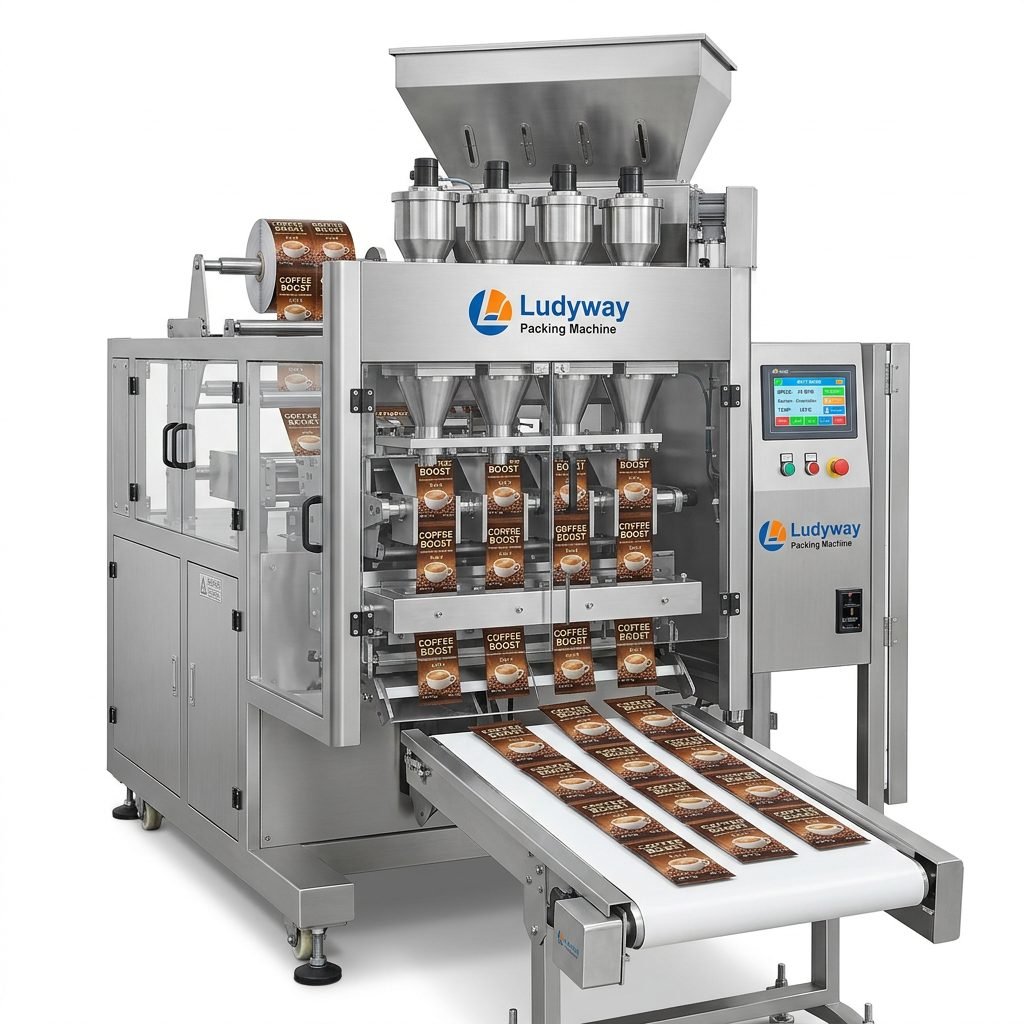
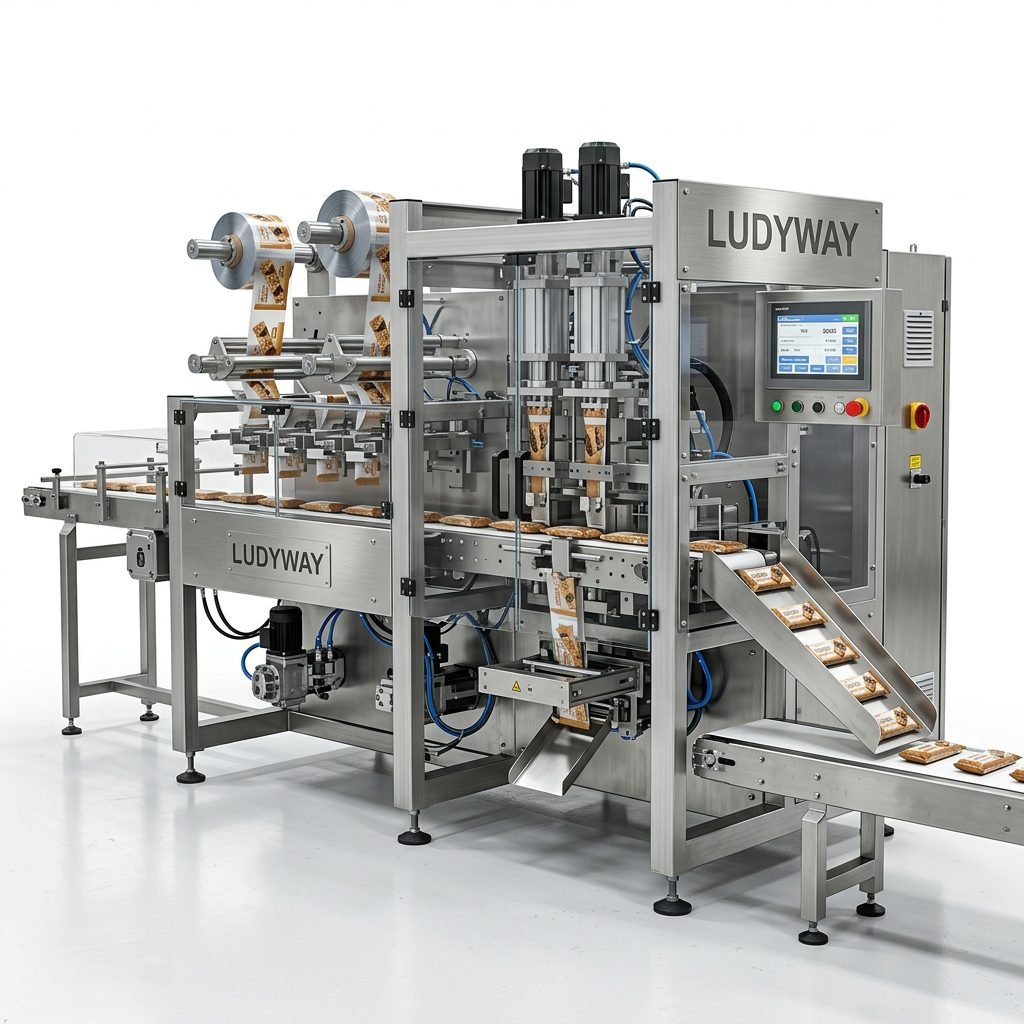
Buying a mustard oil bottle packing machine is not only about comparing quoted prices. The real investment depends on bottle type, filling accuracy, viscosity handling, speed, automation level, and how well the equipment fits your production goals. For edible oil brands, contract packers, and food processors, choosing the right machine can directly affect output, waste control, hygiene, and long-term operating cost.
Mustard oil is widely used in many food markets, especially in South Asia, the Middle East, and among global ethnic food brands. Because the product has a strong aroma, a fluid texture, and strict hygiene requirements, the packing solution must be designed for clean filling, reliable sealing, and stable bottle handling. This guide explains what affects the price of a mustard oil bottle packing machine and how to buy the right system without overspending.
What Is a Mustard Oil Bottle Packing Machine?
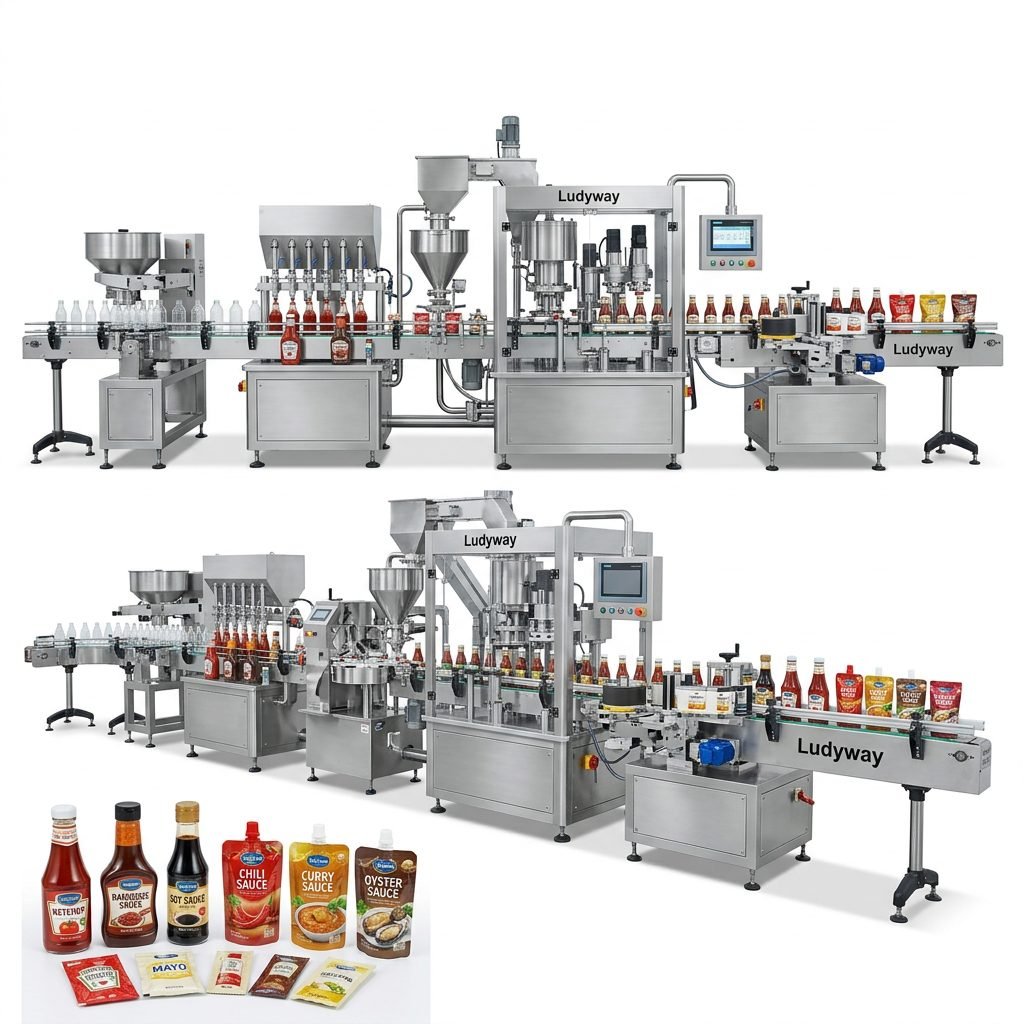
A mustard oil bottle packing machine is a filling and packaging system used to dose mustard oil into bottles and complete related steps such as bottle feeding, filling, capping, sealing, labeling, coding, and final packing. Depending on plant size, the machine may be a semi-automatic filler or a fully automatic bottling line.
- Small-scale businesses often choose semi-automatic filling and capping setups.
- Growing brands usually prefer automatic inline bottle filling and capping machines.
- Large factories often invest in complete turnkey bottling lines with conveyors, inspection, labeling, and case packing.
Average Mustard Oil Bottle Packing Machine Price Range
Prices vary significantly by machine type, speed, and configuration. The table below gives a practical market overview for reference.
| Machine Type | Typical Automation Level | Estimated Price Range | Best For |
|---|---|---|---|
| Semi-automatic liquid filler | Low | US$2,000–US$8,000 | Startups and low-volume production |
| Semi-auto filling + capping line | Medium-low | US$5,000–US$15,000 | Small edible oil producers |
| Automatic inline bottle filling machine | Medium to high | US$12,000–US$35,000 | Medium-sized oil bottling plants |
| Automatic filling, capping, labeling line | High | US$25,000–US$80,000 | Brand owners and fast-growing factories |
| Turnkey mustard oil bottling line | Very high | US$80,000–US$300,000+ | Large-scale industrial production |
Important: these are broad market estimates. Final price may increase if you require custom bottle formats, explosion-proof options, high-speed servo control, nitrogen flushing, tamper-evident sealing, or full downstream packaging integration.
Main Factors That Affect the Price
1. Filling Method
Mustard oil is a free-flowing liquid, so common filling technologies include piston filling, flowmeter filling, gravity filling, and servo pump systems. The chosen method strongly impacts cost.
- Gravity fillers are simpler and cheaper, suitable for lower viscosity oils.
- Flowmeter fillers provide better precision and are common in edible oil lines.
- Servo-controlled systems offer excellent repeatability and faster recipe changes but cost more.
2. Production Speed
A machine filling 20 bottles per minute costs far less than one handling 100+ bottles per minute. Higher speed requires more filling heads, stronger conveyors, better synchronization, and more advanced controls.
3. Bottle Size and Shape
Round bottles are usually easier and cheaper to process than square, oval, or customized containers. If your factory packs 100 ml, 200 ml, 500 ml, and 1 liter bottles on the same line, you may need additional change parts or adjustable tooling.
4. Material and Food-Grade Design
Stainless steel construction, especially food-grade contact parts, adds cost but is essential for hygiene, corrosion resistance, and easier cleaning. For edible oil applications, this should not be compromised.
5. Capping and Sealing Requirements
Some mustard oil brands only need screw capping. Others need induction sealing, inner plug insertion, shrink sleeve application, or tamper-evident closures. Each added function increases the total system price.
6. Level of Automation
Semi-automatic machines require more labor but lower investment. Fully automatic lines reduce manual handling, improve consistency, and support larger output, though the initial price is much higher.
7. Customization and Turnkey Integration
A standard machine is usually more affordable than a customized line. If you need bottle unscrambling, air cleaning, filling, capping, labeling, coding, checkweighing, case packing, and palletizing in one line, the price rises substantially.
Typical Cost Breakdown Beyond the Machine Price
Many buyers focus only on the machine quotation and ignore the full project budget. In reality, the total cost of ownership includes much more.
| Cost Item | What It Covers | Budget Impact |
|---|---|---|
| Machine base price | Core filler, capper, conveyor, control system | High |
| Molds and change parts | Different bottle and cap sizes | Medium |
| Shipping and import fees | Freight, duty, customs clearance | Medium |
| Installation and training | Commissioning and operator training | Medium |
| Maintenance and spare parts | Wear parts, service kits, support | Medium |
| Utilities | Air compressor, electricity, floor layout | Low to medium |
| Quality control devices | Checkweigher, metal detector, coding verification | Optional but important |
Semi-Automatic vs Fully Automatic: Which Offers Better Value?
The answer depends on your daily output, labor cost, and growth plan.
Choose Semi-Automatic If:
- You are testing the mustard oil market.
- Your production volume is still low.
- You have limited capital.
- You can accept more manual bottle loading and capping.
Choose Fully Automatic If:
- You already supply retailers, wholesalers, or export markets.
- You need consistent fill accuracy and presentation.
- You want to reduce labor cost per bottle.
- You plan to expand production capacity over the next 2–5 years.
In many cases, the cheapest machine is not the lowest-cost option over time. A reliable automatic line may offer better ROI through higher output, lower waste, and fewer packaging errors.
Key Features Worth Paying For
Some features genuinely improve efficiency and product quality, while others may be unnecessary for smaller plants. Focus your budget on the options that create measurable benefits.
- No-drip filling nozzles to reduce oil leakage and bottle contamination.
- Servo control for fast adjustment and better accuracy.
- PLC and touchscreen operation for easier recipe management.
- Quick changeover design if you use multiple bottle sizes.
- CIP-friendly or easy-clean structure for better hygiene.
- Integrated capping torque control for sealing consistency.
- Labeling and coding integration for retail-ready output.
- Safety guards and alarms for operator protection and compliance.
How Bottle Type Influences Machine Cost
Mustard oil is sold in PET bottles, glass bottles, HDPE containers, and sometimes large-volume jars. Bottle packaging details affect machine design and final price.
| Bottle Type | Machine Consideration | Price Effect |
|---|---|---|
| PET bottle | Lightweight, common, easier conveying | Lower to medium |
| Glass bottle | Needs more stable handling and breakage control | Medium to higher |
| Large jerrycan/container | Requires larger dosing range and stronger conveyor support | Higher |
| Custom-shaped bottle | May need custom guides and change parts | Higher |
Should You Buy a Single Machine or a Complete Line?
If you already have some packaging equipment, a standalone filling or capping machine may be enough. But if your process still depends on manual transfer between stations, a complete line can dramatically improve efficiency.
Single machine benefits: lower upfront cost, faster delivery, easier for small factories.
Complete line benefits: less labor, better synchronization, higher throughput, cleaner workflow, easier future scaling.
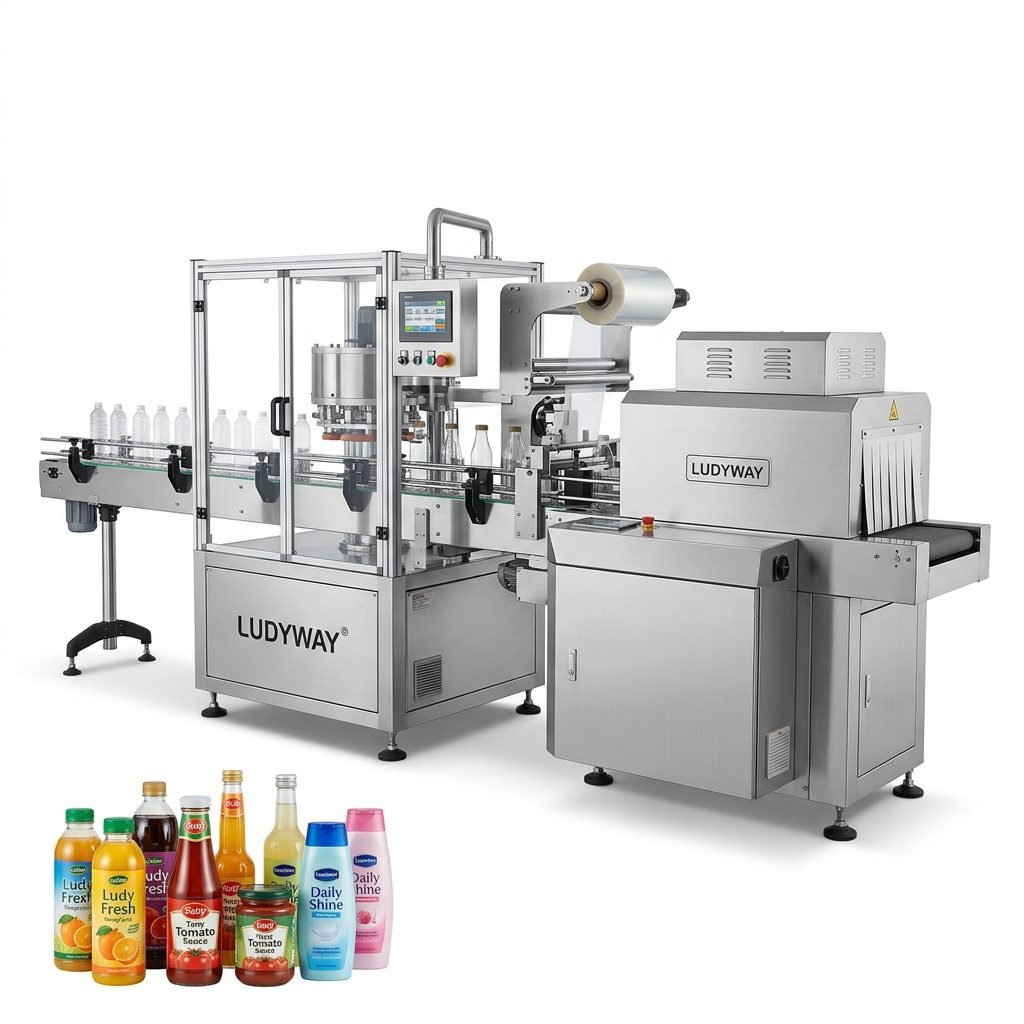
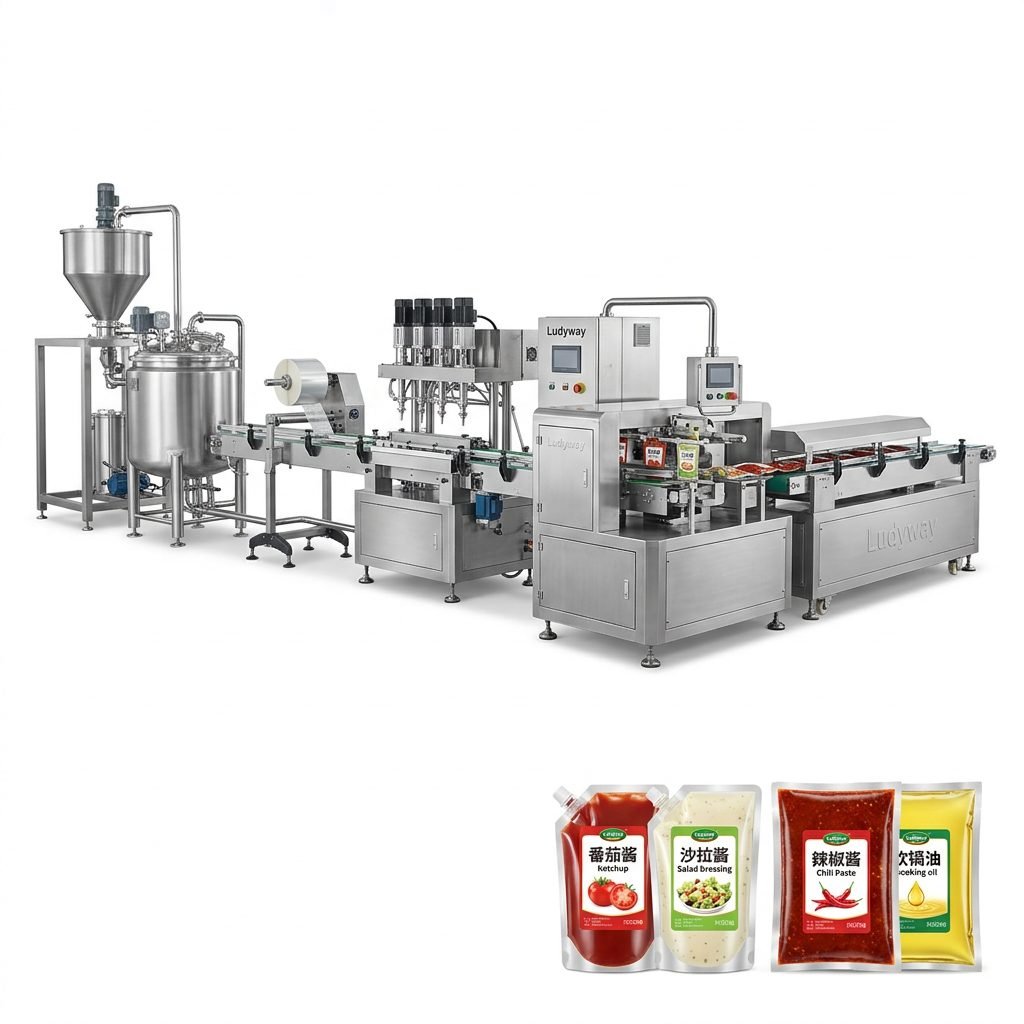
Buyers looking for scalable bottle and liquid packaging automation often consider experienced manufacturers such as Ludyway mustard oil bottle packing machine solutions when comparing standalone equipment with turnkey production lines.
Questions to Ask Before Requesting a Quote
Sending clear project details helps suppliers give you a more accurate price and avoid unsuitable recommendations.
- What is your bottle size range?
- What is your required production speed per minute or per hour?
- Do you use PET, glass, or HDPE bottles?
- What cap type do you need: screw cap, flip-top, press cap, or induction seal?
- Do you need only filling, or filling plus capping, labeling, and coding?
- What is your target filling accuracy?
- What voltage and electrical standard does your factory use?
- Do you need export compliance or food-grade certification?
- Will you run one SKU or multiple bottle formats?
- Do you want a standard machine or a custom turnkey line?
Red Flags When Comparing Cheap Offers
A very low quote may look attractive, but hidden costs and production risks can appear later. Be cautious if:
- The supplier cannot explain filling accuracy clearly.
- The quote excludes key components like capping, conveyor, or electrical cabinet.
- Machine contact parts are not clearly specified as food-grade.
- There is no testing video for oil filling.
- After-sales support and spare parts availability are unclear.
- The machine cannot handle your future bottle sizes or output targets.
How to Get the Best Price Without Sacrificing Quality
- Define your real production target instead of buying oversized equipment.
- Standardize bottle shapes where possible to reduce customization cost.
- Ask for a modular line that can be upgraded later.
- Request sample testing with your mustard oil and bottles.
- Compare total delivered cost, not just ex-factory price.
- Confirm spare parts list, lead time, and service support before ordering.
Estimated ROI Considerations
A higher-priced automatic mustard oil bottling line may still be the better investment if it helps you:
- Reduce filling loss and dripping
- Lower labor cost per unit
- Increase production capacity
- Improve bottle appearance and retail quality
- Support contract manufacturing or export business
- Minimize downtime and maintenance issues
For many medium-sized edible oil businesses, ROI often comes from better consistency and faster throughput, not just from labor reduction alone.
Final Buying Advice
The price of a mustard oil bottle packing machine can range from a few thousand dollars for a basic semi-automatic unit to hundreds of thousands for a complete high-speed bottling line. The right choice depends on your bottle format, target output, hygiene requirements, and business growth plan.
If you are comparing suppliers, prioritize proven filling performance, food-grade construction, service support, and future expandability. A well-matched system will give you better production stability and stronger long-term value than simply choosing the lowest quote.
FAQ
What is the best filling technology for mustard oil bottles?
Flowmeter and servo-based liquid filling systems are commonly preferred for mustard oil because they offer good accuracy, stable output, and reliable handling of edible oil products.
Can one machine handle different bottle sizes?
Yes. Many machines can handle multiple bottle sizes, but this may require adjustable settings or extra change parts. More size flexibility usually increases the price.
Is a labeling machine included in the quoted price?
Not always. Some suppliers quote only the filling machine, while others quote a full line. Always confirm exactly what equipment is included.
How much does a complete mustard oil bottling line cost?
A complete line with bottle feeding, filling, capping, sealing, labeling, coding, and packing can range from about US$25,000 to US$300,000+, depending on speed and customization.
Should small businesses start with semi-automatic equipment?
Usually yes, if budget and output are limited. But if demand is growing quickly, an entry-level automatic line may provide better value over time.