In the competitive world of beverage production, efficiency, hygiene, and presentation are paramount. Choosing the right cold drink packaging machine is a critical decision that impacts your production line’s speed, product quality, and overall operational costs. This comprehensive guide will walk you through the different types of machines, their key features, and the essential factors to consider when selecting the best equipment for your specific needs.
Understanding the Core Types of Cold Drink Packaging Machines
The market offers a variety of packaging solutions, each suited for different product formats and production scales. Understanding these types is the first step in making an informed choice.
1. Liquid Filling and Sealing Machines
These are the workhorses for bottled or pouched beverages. They precisely measure and fill liquid into containers before hermetically sealing them. Common variants include:
Gravity Fillers: Simple and cost-effective, ideal for non-foamy, free-flowing liquids.
Piston Fillers: Offer high accuracy for viscous drinks like smoothies, yogurts, or syrups.
Volumetric Cup Fillers: Excellent for handling foamy beverages or products with particulates.
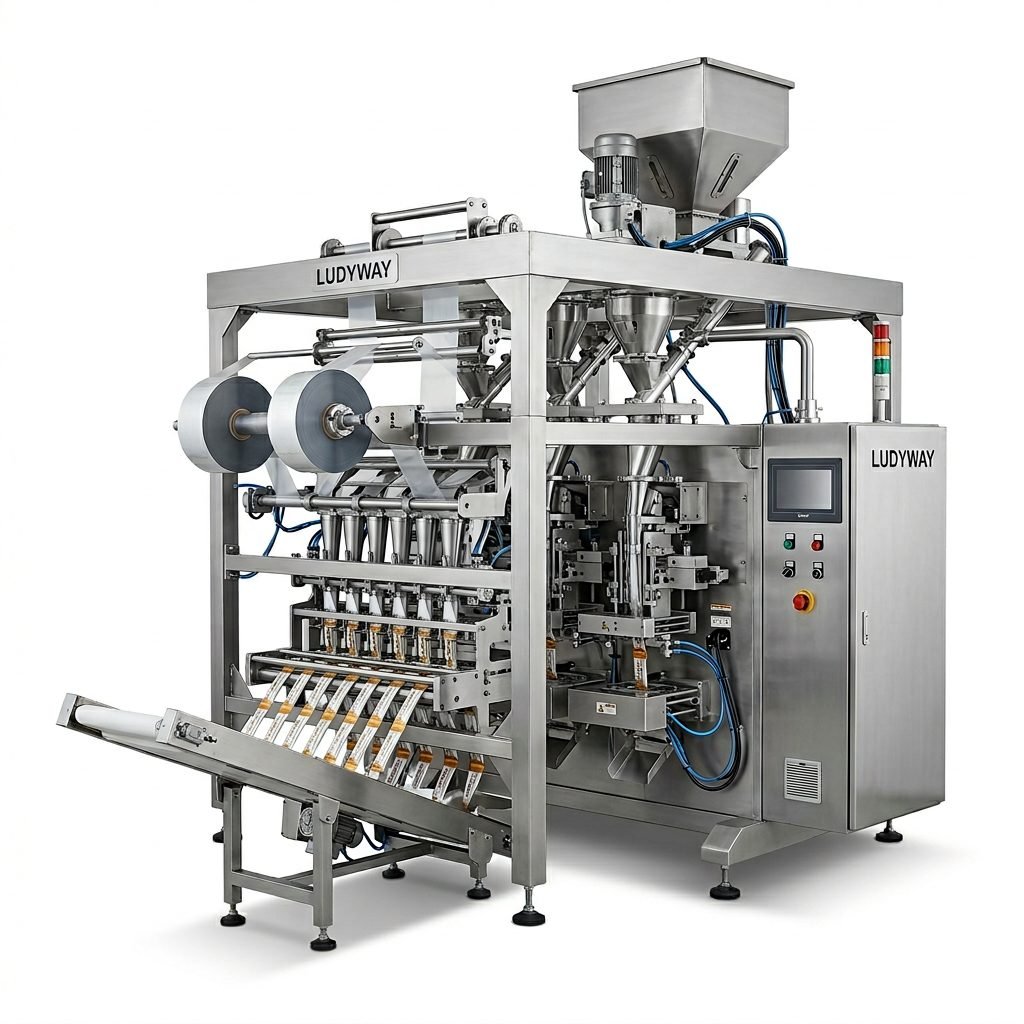
2. Form-Fill-Seal (FFS) Machines
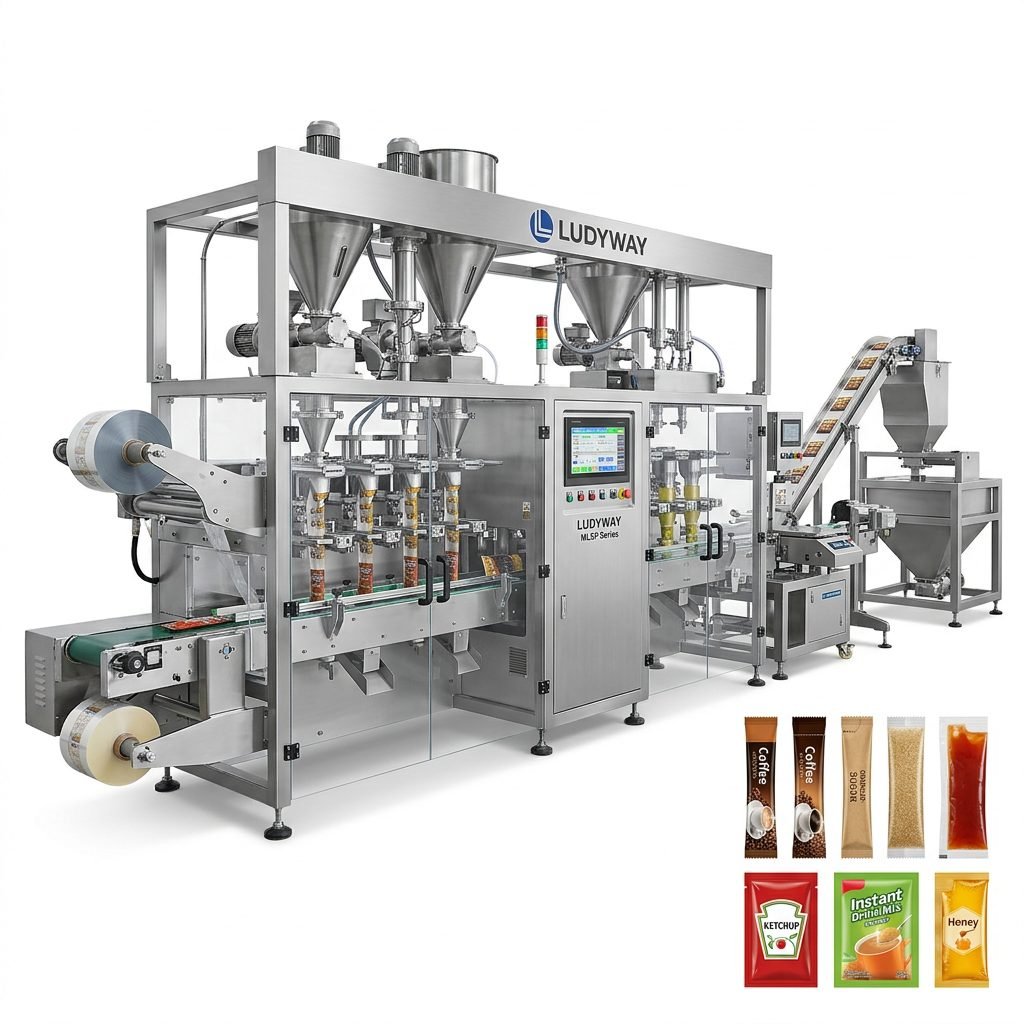
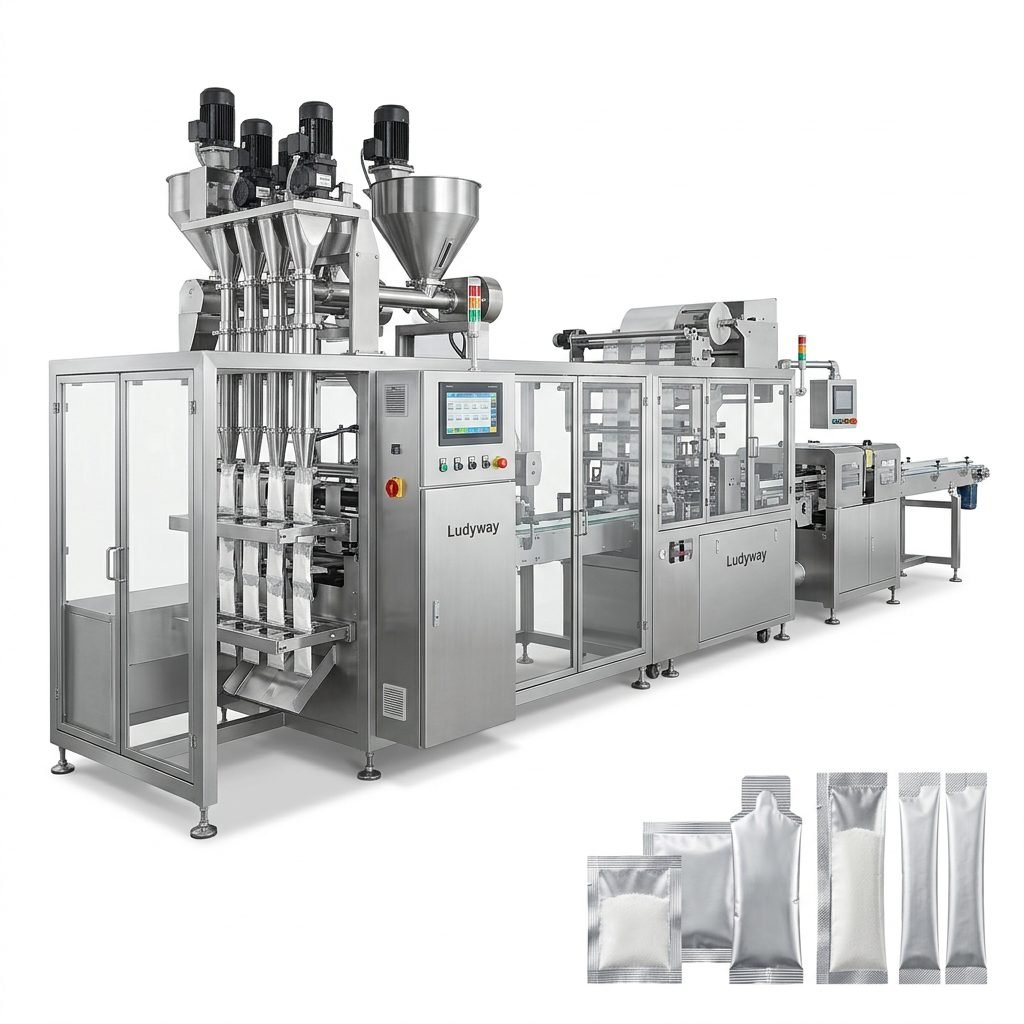
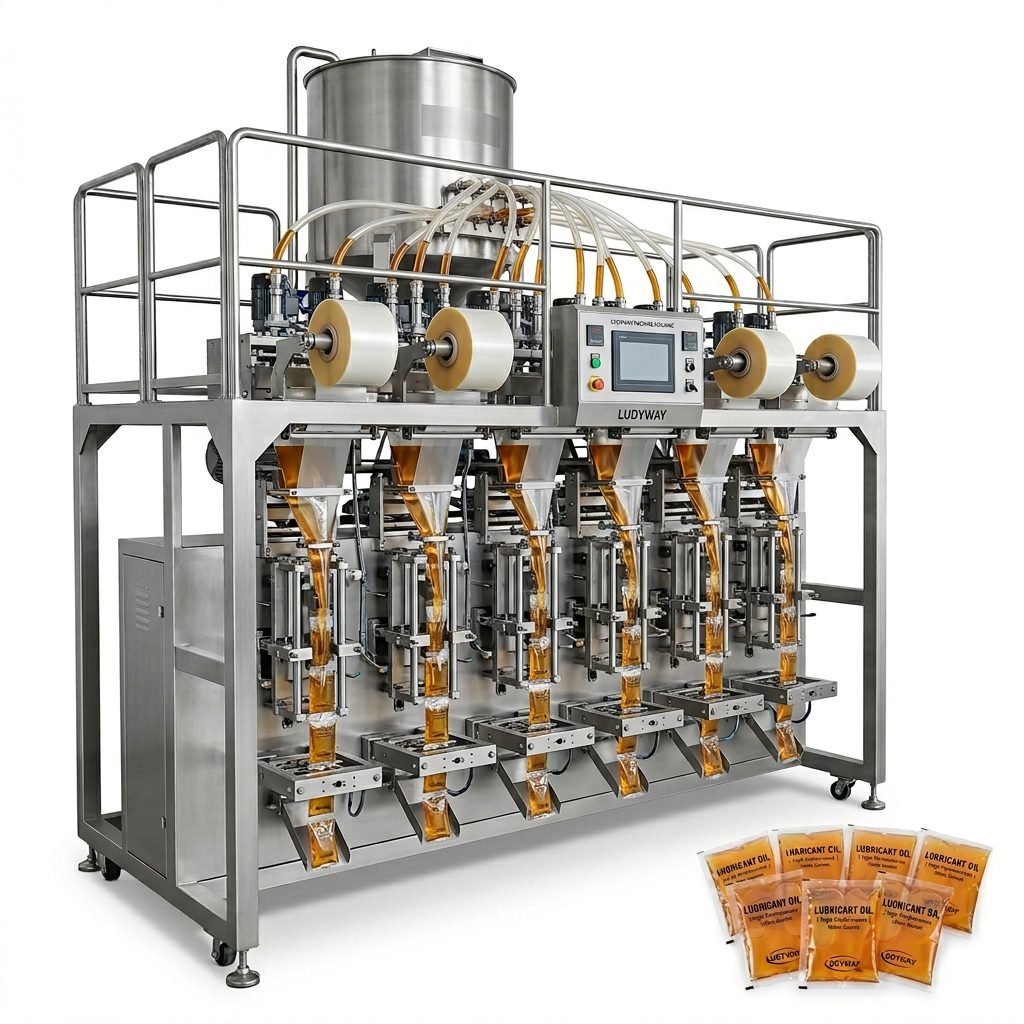
FFS machines are highly automated systems that create the packaging (pouch or sachet) from a roll of film, fill it with the drink, and seal it—all in one continuous process. They are perfect for single-serve drink mixes, liquid concentrates, or ready-to-drink pouches.
3. Capping and Sealing Machines
Once a bottle is filled, these machines apply caps, lids, or foil seals. Options range from simple manual chuck cappers to high-speed rotary capping systems for large-scale production.
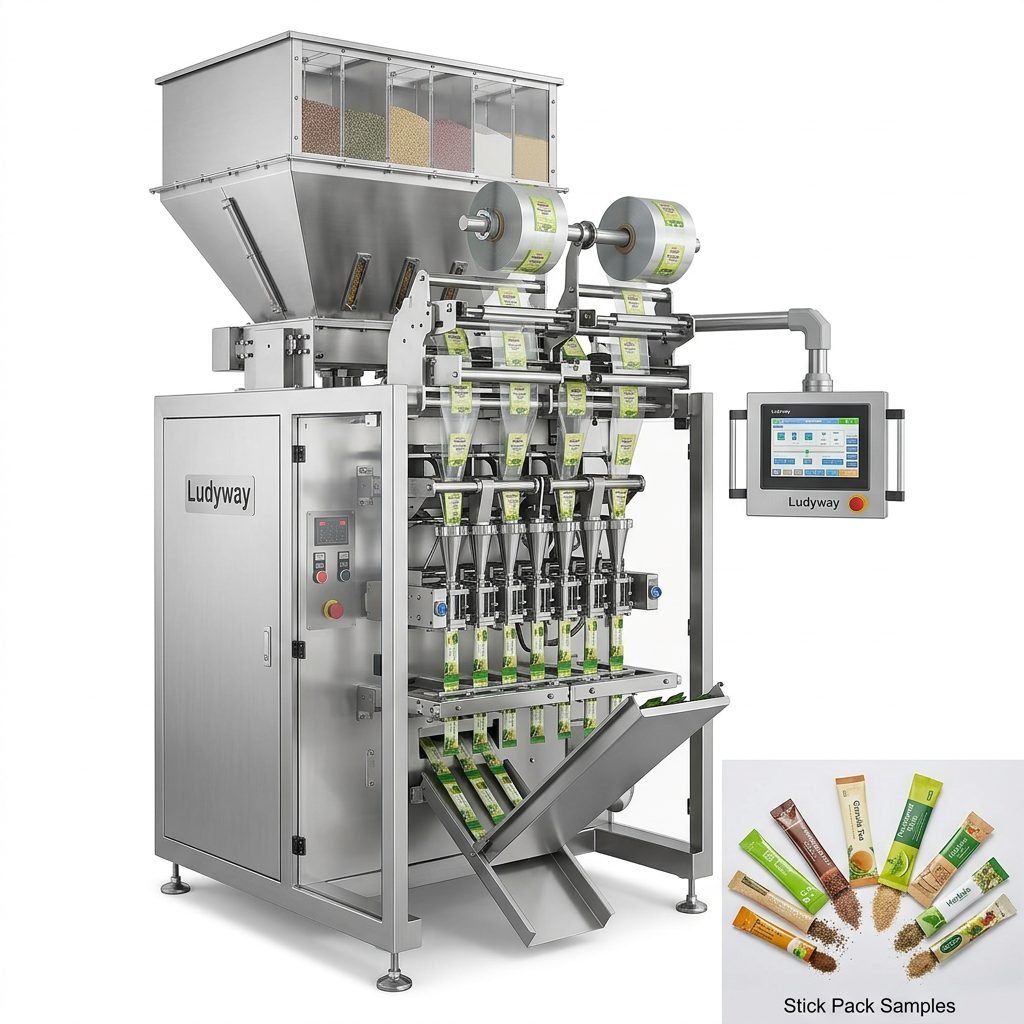
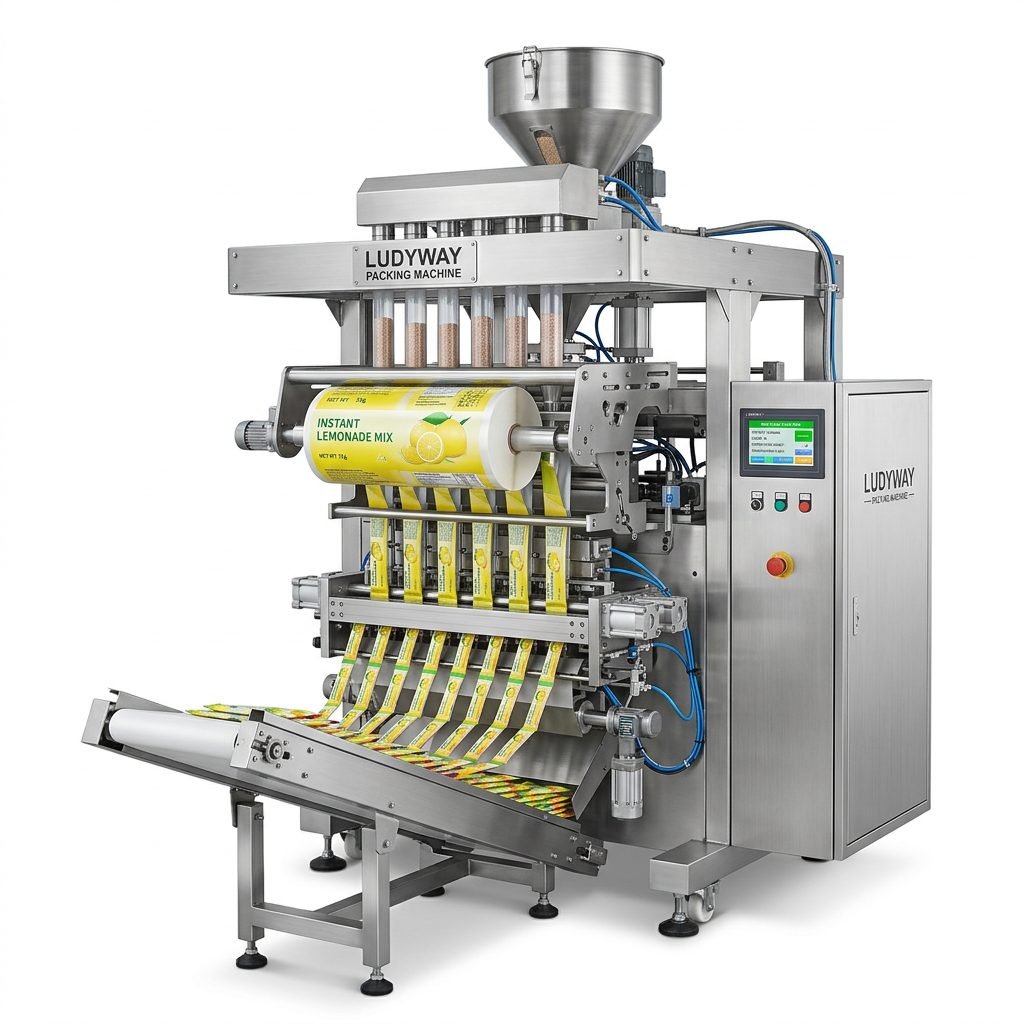
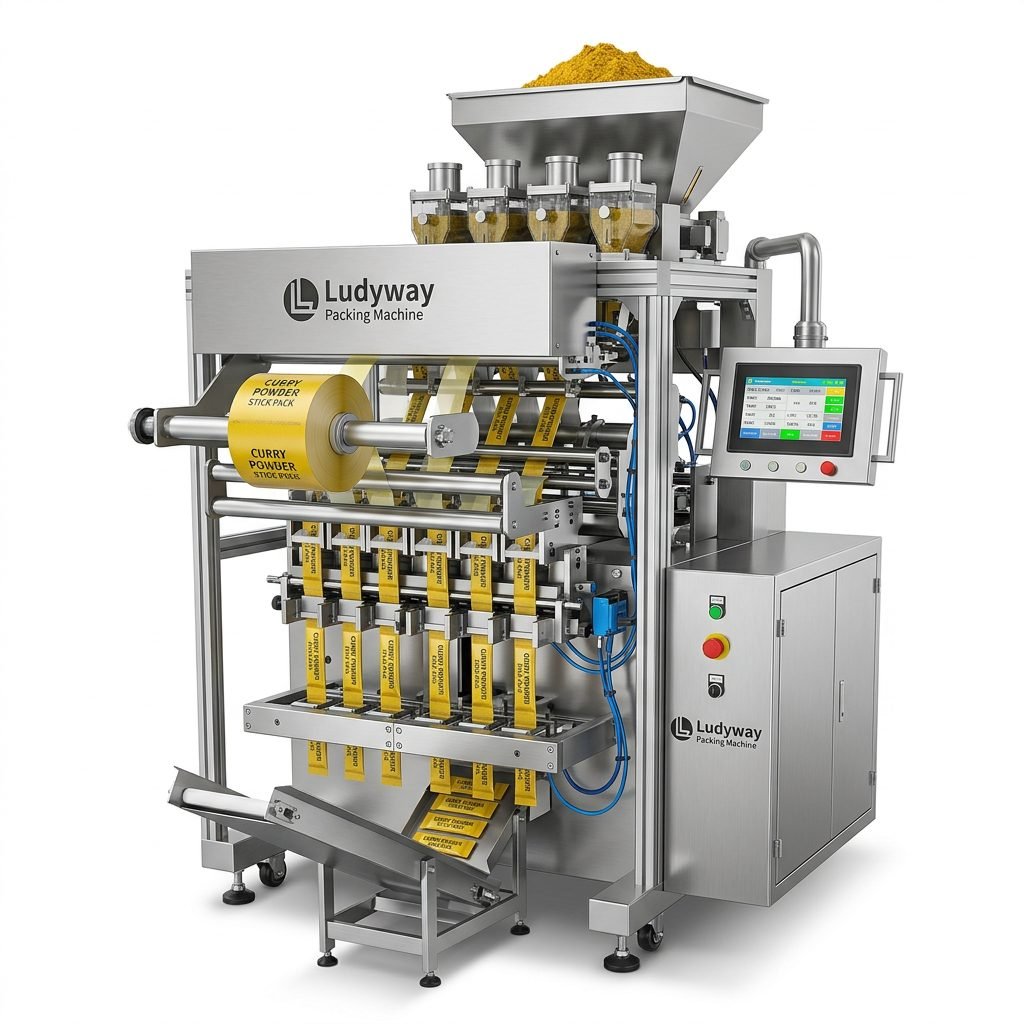
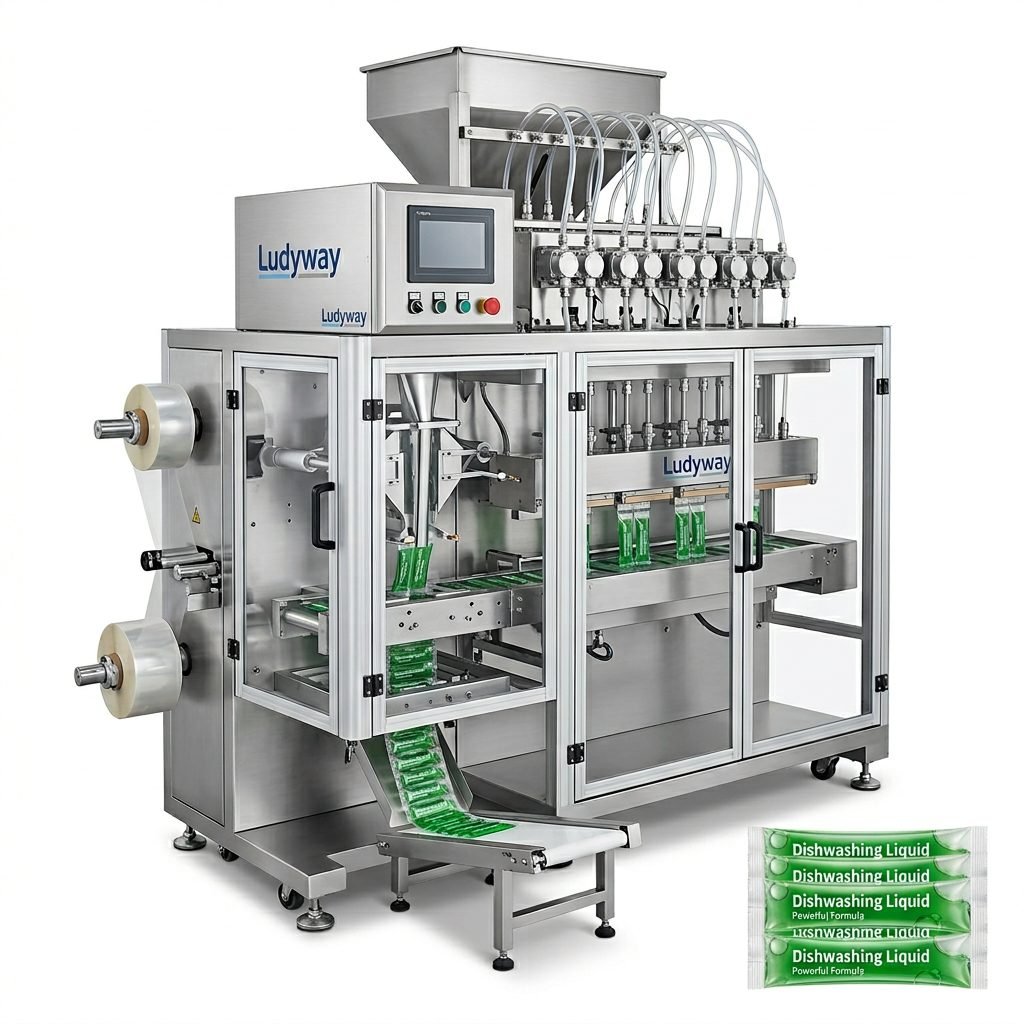
4. Multi-Lane Stick Pack Machines
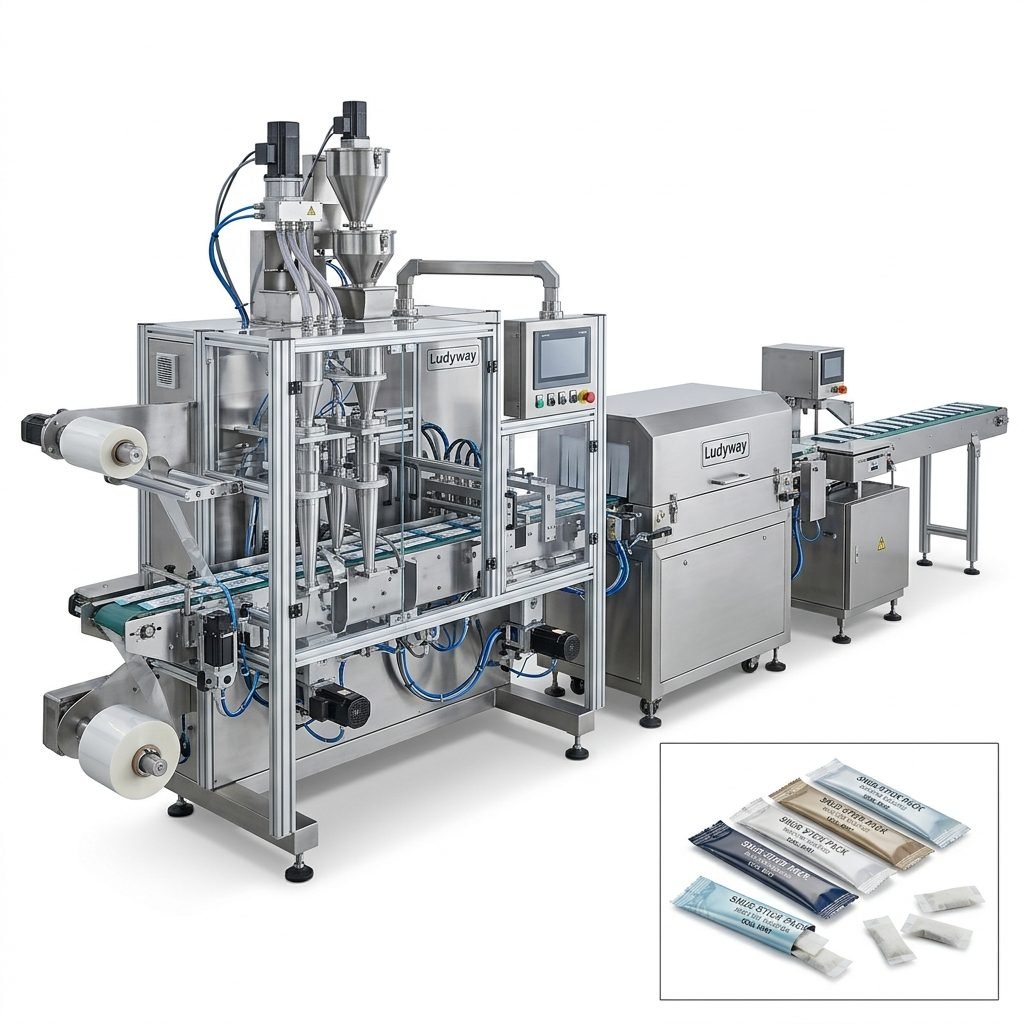
A specialized type of FFS machine designed to produce multiple “stick” packs simultaneously. They are incredibly efficient for packaging powdered drink mixes, iced tea, or instant coffee in high volumes. For businesses looking to scale, exploring advanced multi-lane stick pack solutions can be a game-changer for output and efficiency.
Key Features to Evaluate in a Packaging Machine
Beyond the basic type, several features determine a machine’s performance, versatility, and longevity.
▶ Production Speed and Output: Measured in containers or pouches per minute (CPM/PPM). Match the machine’s speed to your current and projected future demand.
▶ Filling Accuracy and Consistency: Critical for product quality, cost control, and regulatory compliance. Look for machines with precise dosing systems.
▶ Material Compatibility: Ensure the machine can handle your chosen packaging material (e.g., PET, glass, laminated pouches) and your product’s characteristics (acidity, viscosity, carbonation).
▶ Hygiene and Cleanability: Food-grade stainless steel (e.g., 304 or 316) contact parts, CIP (Clean-in-Place) systems, and sanitary design are non-negotiable for cold drinks.
▶ Automation and Control Level: Modern machines feature PLC controls with touchscreen HMIs for easy operation, recipe storage, and production data tracking.
▶ Changeover Flexibility: How quickly and easily can you switch between different bottle sizes, pouch dimensions, or products? Quick-change parts reduce downtime.
How to Choose the Best Cold Drink Packaging Machine: A Step-by-Step Guide
Step 1: Define Your Product and Packaging Specifications
Start with clarity on what you are packaging. Is it a still juice, a carbonated soft drink, a viscous smoothie, or a powdered mix? Determine your container type, size, and material. This foundational step narrows down the machine type immediately.
Step 2: Assess Your Production Volume Requirements
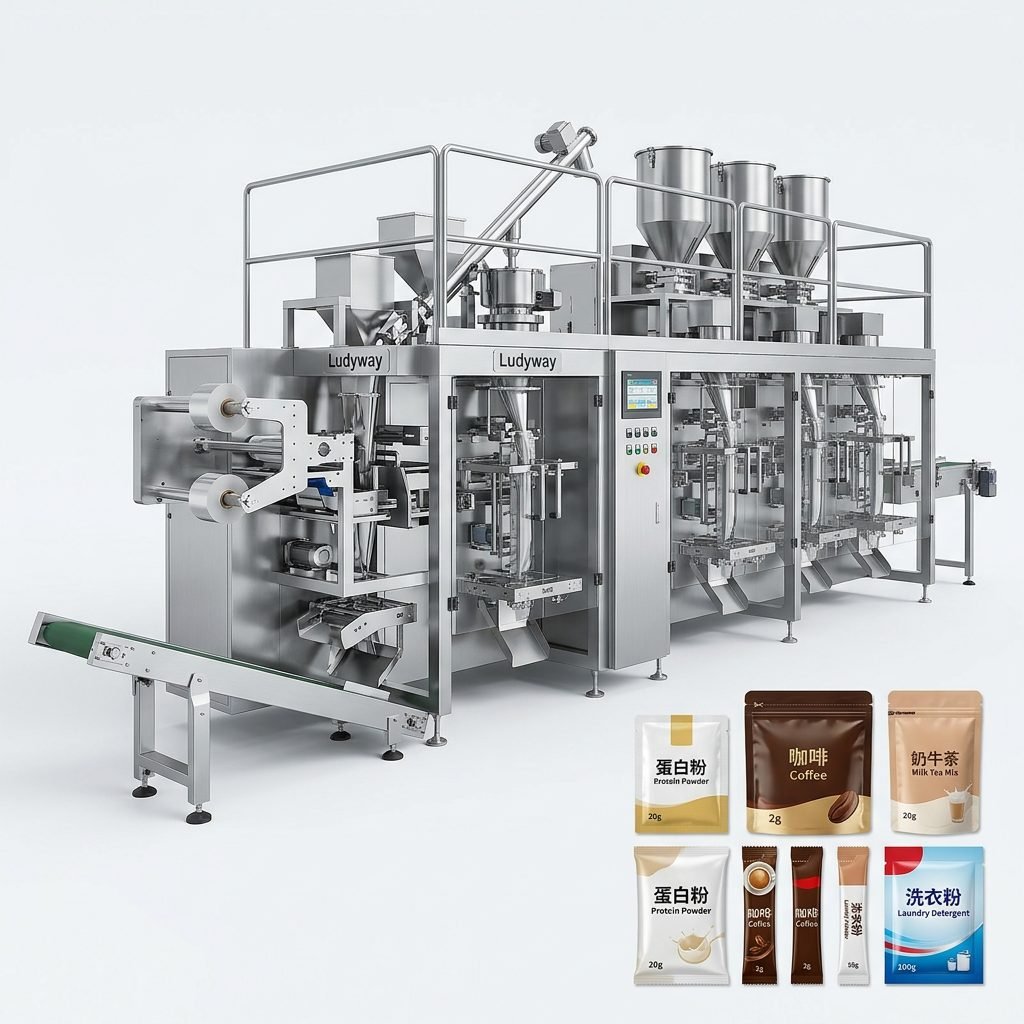
Calculate your required output per shift, day, and week. Be realistic about growth. Investing in a machine that is slightly above your current needs is often wiser than maxing out a smaller machine immediately, which can be a bottleneck. For high-volume needs, a robust sachet packaging system might offer the perfect balance of speed and flexibility.
Step 3: Consider Your Factory Space and Layout
Measure your available floor space. Some machines, like rotary fillers, have a larger footprint than inline systems. Also, consider workflow: raw material intake, packaging storage, and finished goods logistics.
Step 4: Evaluate the Total Cost of Ownership (TCO)
Look beyond the initial purchase price. Factor in:
- Installation and commissioning costs.
- Energy and compressed air consumption.
- Cost and availability of spare parts.
- Maintenance requirements and service support.
- Potential for future upgrades or integration.
Step 5: Prioritize Hygiene and Food Safety Standards
The machine must be designed to meet relevant food safety regulations (e.g., FDA, EU standards). Easy disassembly for cleaning, absence of dead zones, and use of certified materials are crucial. Partnering with a supplier experienced in food and pharmaceutical packaging ensures these standards are met from the design phase.
Step 6: Research Manufacturer Reputation and Support
The machine is only as good as the company behind it. Investigate the manufacturer’s experience, industry reputation, and track record. Key questions include:
What is their after-sales service structure?
Do they offer comprehensive training for your operators?
How readily available are technical support and spare parts?
Can they provide references from similar clients?
A manufacturer with deep industry experience and a commitment to long-term cooperation is a valuable partner, not just a vendor.
Step 7: Request a Demo or Trial
Whenever possible, see the machine in action. A live demonstration with a product similar to yours is the best way to verify performance claims for filling accuracy, speed, and ease of use.
Conclusion: Investing in Your Production Future
Selecting the ideal cold drink packaging machine is a strategic investment that requires careful analysis of your product, output goals, and operational environment. By systematically evaluating the types, features, and following a structured selection process, you can choose equipment that not only meets today’s demands but also scales with your business’s growth. Remember, the right machine enhances efficiency, ensures product integrity, and protects your brand’s reputation in the marketplace.
Frequently Asked Questions (FAQs)
Q1: What is the main difference between a filling machine and a form-fill-seal machine?
A: A filling machine requires pre-made containers (bottles, cups) which it fills and seals. A Form-Fill-Seal (FFS) machine creates the package (usually a pouch or sachet) from a roll of film, fills it, and seals it in one integrated process, eliminating the need for pre-formed containers.
Q2: How do I determine the right production speed for my business?
A: Calculate your average daily/weekly unit requirement. Then, consider your operational hours. For example, if you need 20,000 units per 8-hour shift, you require a machine capable of approximately 42 units per minute (accounting for minor stoppages). Always factor in planned future growth.
Q3: Can one machine handle different types of cold drinks?
A: Many machines are versatile, but changeover capability is key. A machine designed for watery juice may struggle with a pulpy smoothie without modification. Discuss your full product range with the supplier. Machines with quick-change parts and adjustable settings offer greater flexibility.
Q4: Why is stainless steel construction so important?
A: Stainless steel (grades 304 or 316) is non-porous, corrosion-resistant, and easy to sanitize. It meets stringent food safety standards and prevents contamination, ensuring the hygiene and shelf-life of your cold drinks.
Q5: What kind of after-sales support should I expect from a reputable manufacturer?
A: You should expect comprehensive support including proper installation supervision, thorough operator training, readily available spare parts, access to technical documentation, and responsive remote or on-site service support. A reliable partner provides a clear service agreement and is committed to your machine’s long-term performance.