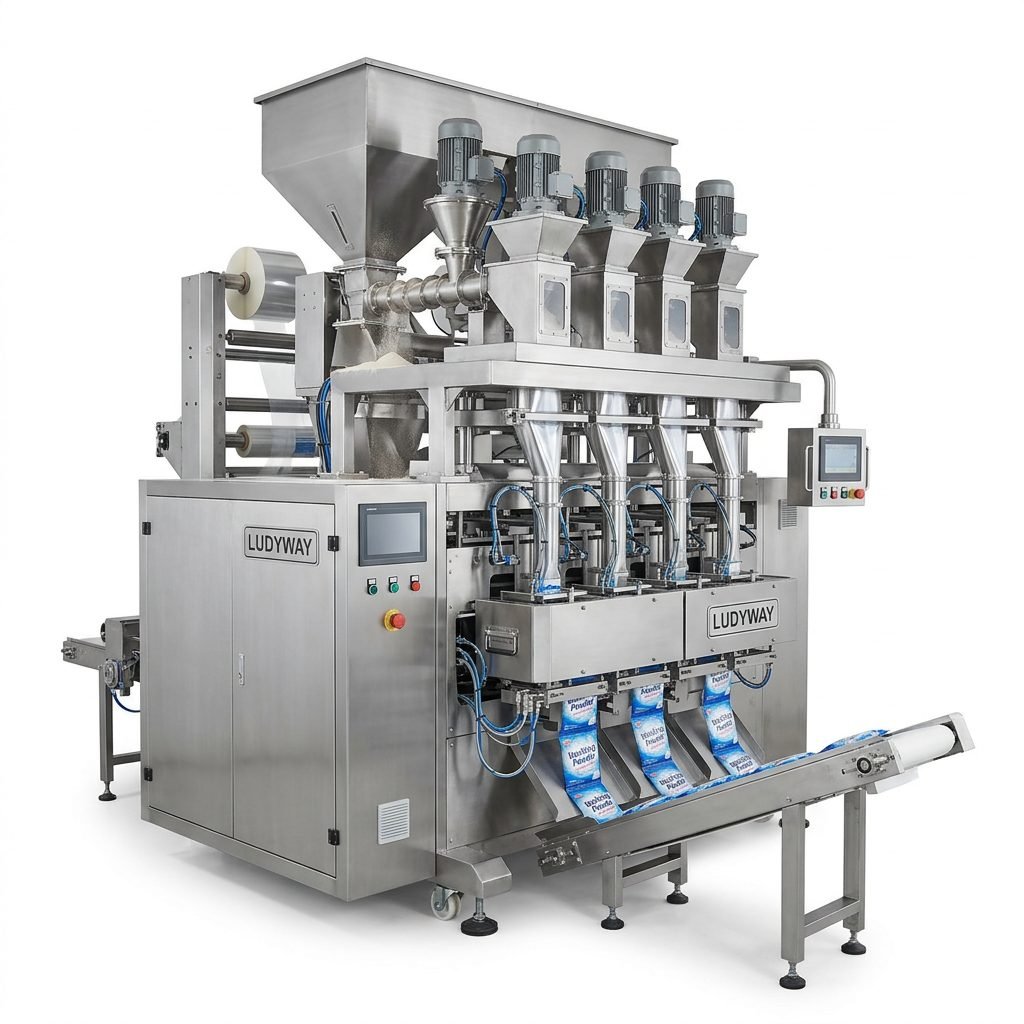
Choosing the right onigiri packaging machine is a critical decision for any business producing these popular Japanese rice balls. An automatic rice ball packer not only streamlines your production line but also ensures consistency, hygiene, and shelf appeal for your products. This guide will walk you through the key factors to consider when selecting the best machine for your specific operational needs and budget.
Understanding Your Production Requirements
Before diving into machine specifications, it’s essential to have a clear picture of your own business needs. The ideal machine for a small artisan shop in Tokyo will differ vastly from one suited for a large-scale manufacturer supplying convenience stores nationwide.
Key Questions to Ask Yourself:
➤ Output Speed: How many onigiri do you need to produce per hour or per shift? Speeds can range from a few hundred to several thousand pieces per hour.
➤ Product Variety: Do you produce standard triangular onigiri, or also cylindrical (tawara) or round shapes? Do you offer different fillings that require portioning?
➤ Packaging Style: Will you use cling film, biodegradable film, or pre-formed plastic trays? The machine must be compatible with your chosen material.
Core Features of a High-Quality Onigiri Packing Machine
Modern automatic rice ball packers are sophisticated pieces of equipment. Look for these essential features to ensure reliability and quality.
1. Forming and Filling System
The heart of the machine is its forming mechanism. High-quality machines offer precise, adjustable molds to create consistent shapes and weights. For filled onigiri, an integrated, sanitary filling system is crucial to accurately deposit ingredients like umeboshi (pickled plum), okaka (bonito flakes), or tuna mayo into the rice.
2. Packaging and Sealing Technology
The packaging stage must ensure a tight, airtight seal to preserve freshness and prevent rice from drying out—a key concern for quality. Look for machines with reliable heat sealing or twist-tying mechanisms that can handle various film types. Advanced models might include gas flushing (MAP – Modified Atmosphere Packaging) to significantly extend shelf life.
3. Automation Level and Ease of Use
From semi-automatic models requiring manual loading to fully automated lines integrated with rice cookers and conveyors, the choice depends on your labor strategy. A user-friendly touchscreen HMI (Human-Machine Interface) with recipe memory allows for quick changeovers between different onigiri types, boosting operational flexibility.
4. Hygiene and Cleanability
Food safety is non-negotiable. Machines should be constructed with food-grade stainless steel (e.g., SUS304) on all contact surfaces. A design that allows for quick disassembly and easy cleaning without tools will minimize downtime and meet stringent hygiene standards.
Considering the Supplier: Beyond the Machine
Your relationship with the equipment supplier is as important as the machine itself. A reliable partner ensures long-term success.
Look for a supplier with proven industry experience and a deep understanding of food processing, particularly in the delicate handling of sticky rice products. They should offer comprehensive services, including installation, operator training, and readily available technical support. Access to genuine spare parts is vital for minimizing unexpected downtime.
Companies like Ludyway Packing Machine, with decades of expertise in packaging machinery, exemplify the value of a partner that provides more than just hardware—they deliver turnkey production solutions and ongoing support tailored to global production needs.
Budgeting and Total Cost of Ownership (TCO)
The initial purchase price is just one part of the financial equation. A smarter investment considers the Total Cost of Ownership.
TCO Factors Include:
Energy Efficiency: A machine with servo-motors may have a higher upfront cost but can save significantly on electricity.
Material Waste: Precision sealing and cutting mechanisms reduce film waste, lowering material costs over time.
Maintenance and Downtime: Robustly built machines from reputable suppliers like Ludyway Machinery require less frequent repair, ensuring higher overall equipment effectiveness (OEE).
Scalability: Can the machine be upgraded or integrated into a larger line as your business grows?
Integration into Your Production Workflow
Think about how the packer will fit into your existing or planned production line. Consider space requirements, utility connections (power, compressed air), and compatibility with upstream equipment (like rice cookers or coolers) and downstream systems (like cartoners or case packers). A modular machine design offers greater future flexibility.
Final Steps Before Purchase
Request a Live Demonstration: Always see the machine running, preferably with a material similar to your own. Test its performance.
Check References: Ask the supplier for contact information of current clients, especially those with similar products and scale.
Review the Warranty and Service Agreement: Understand what is covered, for how long, and the response time for service calls.
Frequently Asked Questions (FAQs)
1. What is the typical output speed range for an automatic onigiri packing machine?
Speeds vary widely based on automation level. Semi-automatic machines may pack 500-1000 pieces per hour, while fully automated, high-speed lines can achieve 3000 to 6000 pieces per hour or more, depending on the complexity of the shape and filling.
2. Can one machine handle different onigiri shapes and sizes?
Many modern machines are designed for flexibility. They come with interchangeable molding plates or adjustable molds to switch between standard triangles, rounds, or cylinders. Changeover time can range from a few minutes to half an hour.
3. How important is Modified Atmosphere Packaging (MAP) for onigiri?
MAP is highly beneficial for extending shelf life. By replacing the air inside the package with a gas mix (often nitrogen and carbon dioxide), it inhibits microbial growth and oxidation, keeping the rice and filling fresher for longer—critical for distribution to convenience stores and supermarkets.
4. What are the main hygiene considerations for the machine?
All surfaces contacting food must be made of food-grade stainless steel. The design should prevent rice or filling residue from accumulating in hard-to-clean areas. Features like smooth welds, rounded corners, and easy-access panels are indicators of a hygienic design.
5. What kind of after-sales support should I expect?
Comprehensive support includes detailed installation guidance (potentially on-site), thorough operator and maintenance training, a clear warranty period (often 12 months), access to a spare parts inventory, and reliable technical support via phone, email, or remote connection. A strong supplier will be a long-term partner for your business.