The packaging industry is a dynamic and rapidly evolving sector, driven by technological innovation, sustainability demands, and complex global supply chains. At the heart of this evolution is talent—the engineers, technicians, operators, and managers who design, maintain, and optimize the sophisticated equipment that packages the world’s goods. Recruiting top talent in this specialized field is not just a human resources challenge; it’s a strategic imperative for companies aiming to stay competitive and innovative. This article explores the unique challenges of packaging equipment recruiting and provides actionable strategies to attract and hire the best professionals in the field.
The Unique Talent Landscape in Packaging Equipment
Unlike more generalized manufacturing roles, positions in packaging equipment require a specific blend of skills. Professionals need a deep understanding of mechanical and electrical systems, robotics, PLC programming, and, increasingly, IoT and data analytics. They must also grasp the nuances of different packaging materials, regulatory standards (especially in food and pharmaceuticals), and lean manufacturing principles. This creates a niche talent pool where demand often outstrips supply. Companies are not just competing with each other but with adjacent industries like automotive and general automation for the same technical minds.
Core Competencies to Look For:
- Technical Proficiency: Hands-on experience with specific machine types (form-fill-seal, cartoning, labeling, palletizing) and control systems (Siemens, Rockwell).
- Problem-Solving Acumen: Ability to troubleshoot complex mechanical failures and minimize costly downtime.
- Adaptability: Willingness to learn new technologies, such as AI-driven predictive maintenance or sustainable material handling systems.
- Process Orientation: A mindset focused on efficiency, quality, and continuous improvement (Kaizen, Six Sigma).
Building a Magnetic Employer Brand
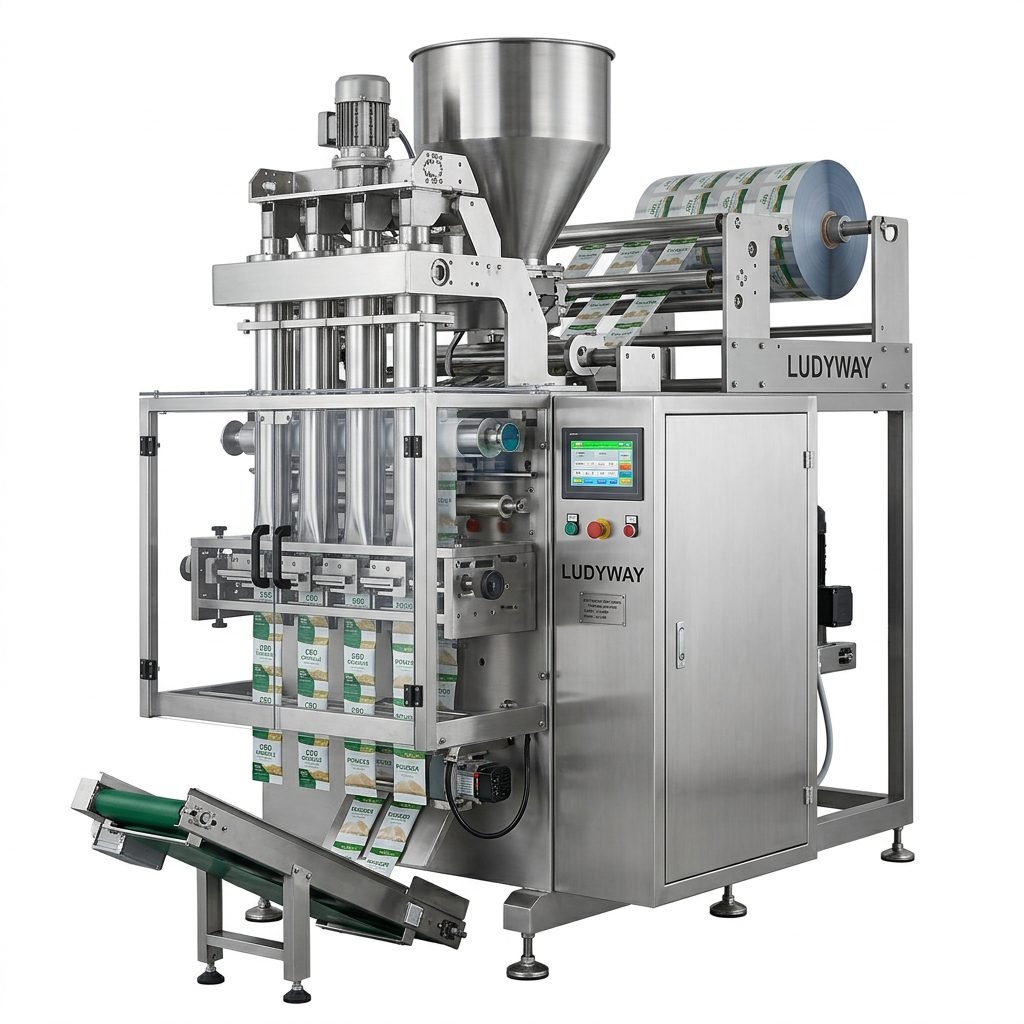
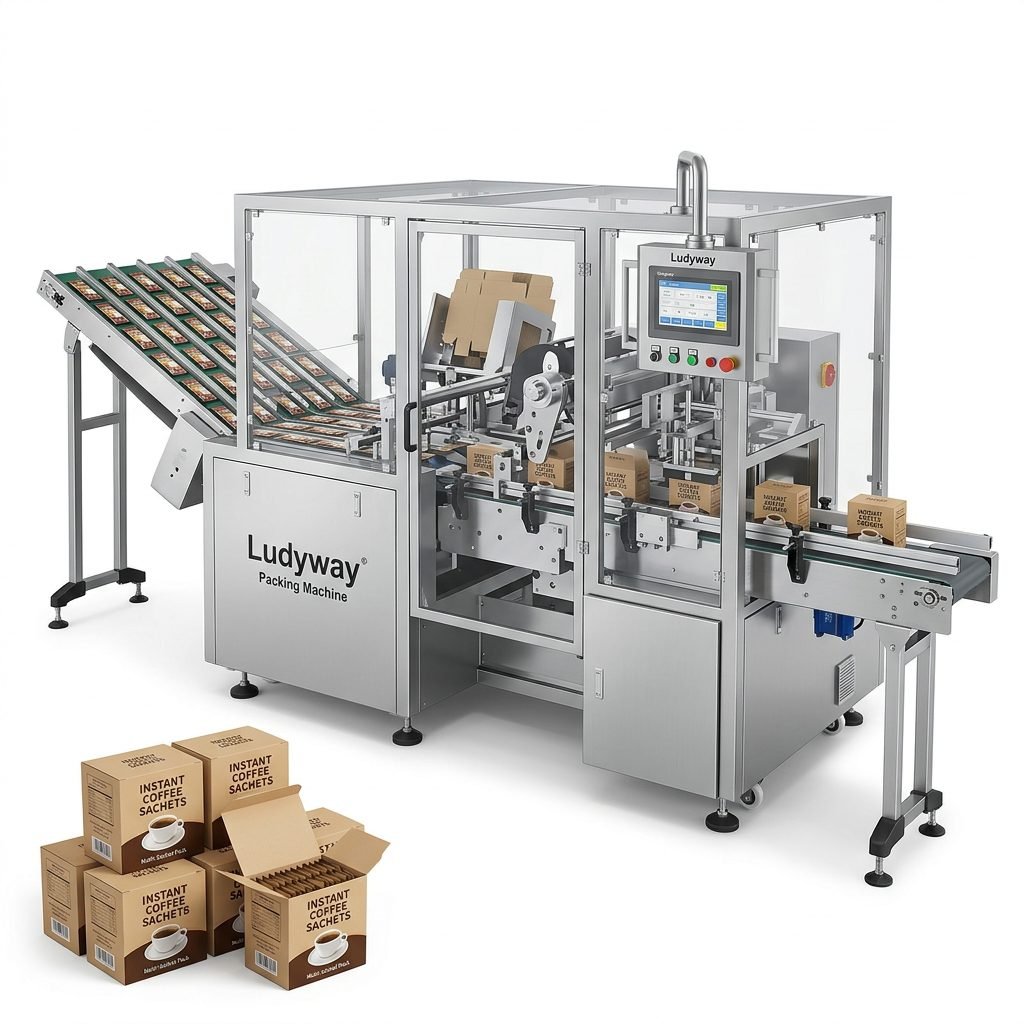
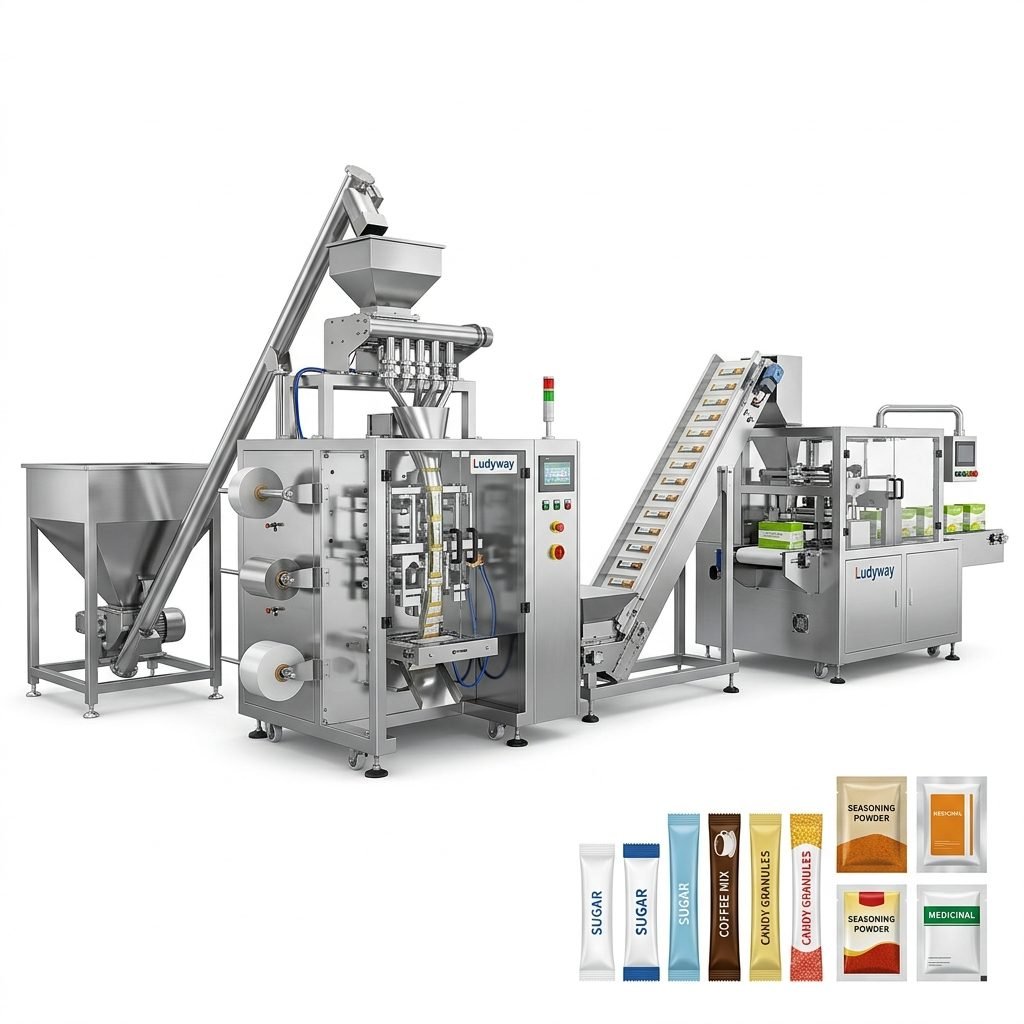
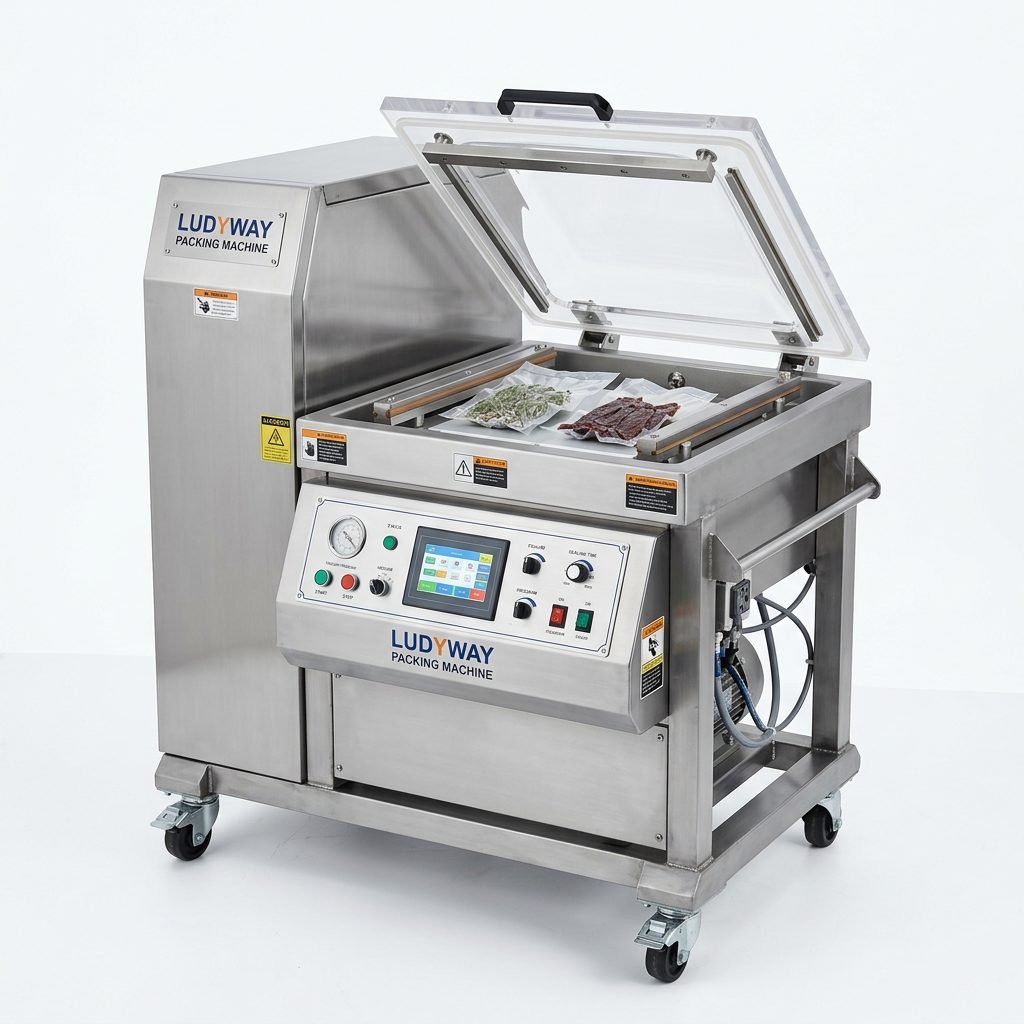
To attract passive candidates who aren’t actively searching job boards, your company must stand out as an employer of choice. This goes beyond listing job openings. It involves strategic storytelling about your company’s mission, projects, and technological edge. For instance, showcasing your involvement in developing cutting-edge, sustainable packaging solutions or high-speed, AI-integrated lines can captivate engineers looking for meaningful and challenging work. Leverage your company’s history and vision; a narrative of growth and innovation, like that of Ludyway Machinery, which built its legacy on decades of industry experience and a commitment to global, tailored solutions, can be a powerful draw for talent seeking stability and impact.
Optimizing Recruitment Channels
Relying solely on generic job platforms yields generic results. A targeted approach is essential:
- Industry-Specific Platforms & Associations: Post on job boards run by organizations like PMMI (The Association for Packaging and Processing Technologies) and engage with members.
- Technical Schools & Apprenticeships: Partner with vocational schools and community colleges with strong mechatronics or industrial maintenance programs to build a pipeline of future talent.
- Professional Networking: Encourage your current technical staff to be brand ambassadors at trade shows like PACK EXPO or Interpack. Employee referrals from trusted networks often yield the highest-quality candidates.
- Content Marketing: Publish technical articles, case studies, or videos about your machinery and projects. This demonstrates expertise and attracts professionals who are researching specific technologies or solutions.
The Interview & Assessment Process
Interviews for technical roles must validate both hard skills and cultural fit. Move beyond theoretical questions:
Practical Assessment: Incorporate a hands-on component, such as a controlled troubleshooting exercise on a machine module or a review of a technical diagram. This reveals practical knowledge and problem-solving methodology.
Behavioral Questions: Ask about past experiences handling production emergencies, implementing a process improvement, or collaborating with cross-functional teams (e.g., with R&D on a new package design).
Future-Oriented Discussion: Discuss industry trends—automation, smart factories, circular economy packaging—to gauge the candidate’s passion and long-term interest in the field.
Retention: The Other Side of the Coin
Hiring is only the first step. Retaining top talent requires an environment that fosters growth and recognizes contribution. This includes:
- Continuous Learning: Offer access to training on the latest automation software, robotics, or regulatory standards. Support certification programs.
- Career Pathing: Create clear advancement trajectories, whether into specialist roles (e.g., lead automation engineer) or management.
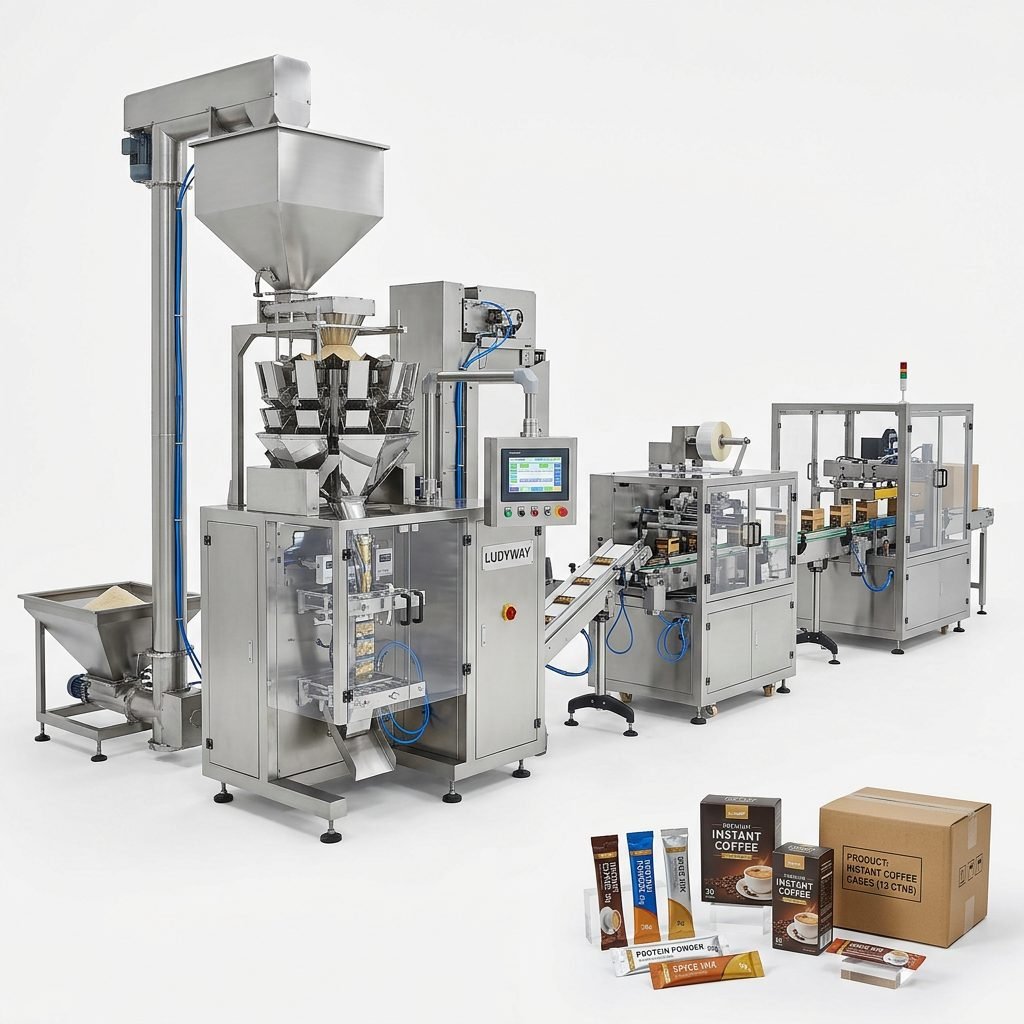
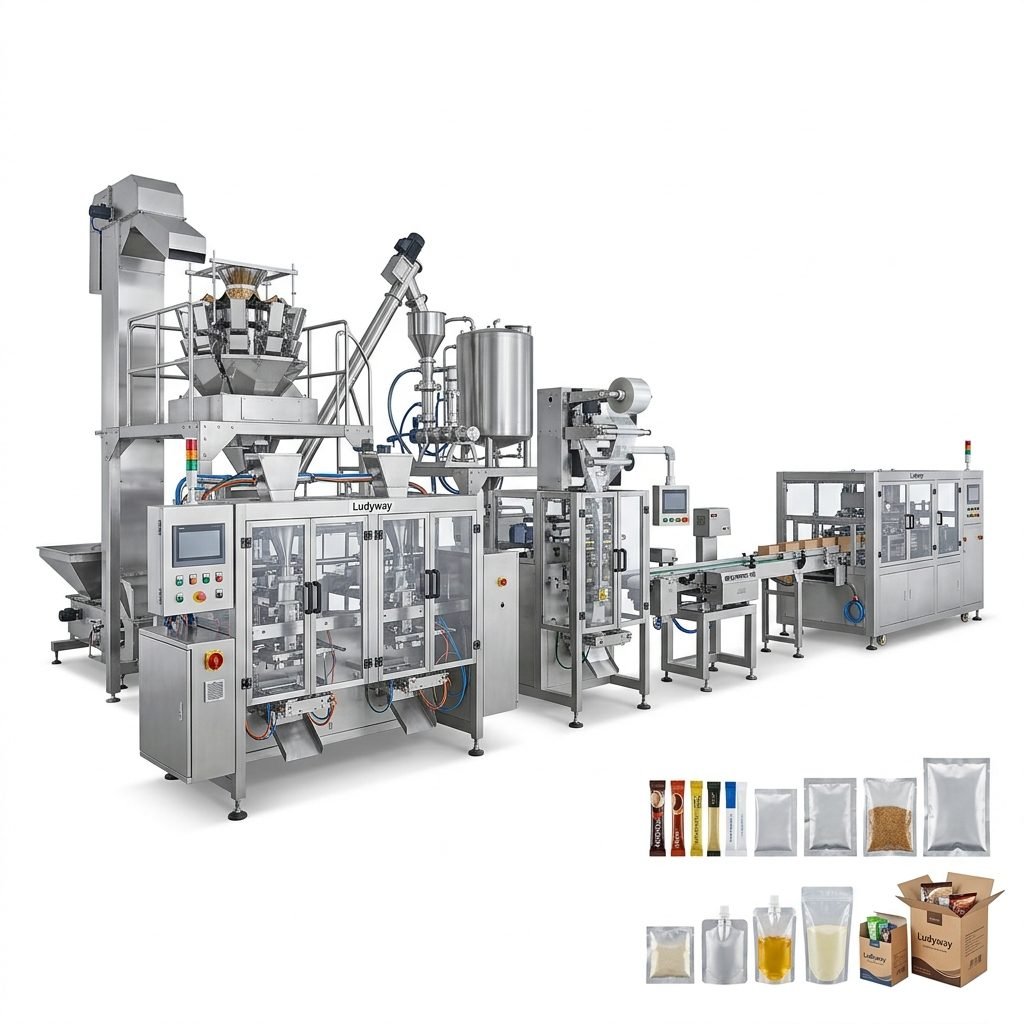
- Meaningful Work: Involve technicians and engineers in new project planning and innovation committees. Show them how their work contributes to the company’s success and client satisfaction, much like the turnkey production solutions developed for global markets.
- Competitive Compensation & Culture: Ensure pay benchmarks against the industry. Foster a culture of respect, collaboration, and technical excellence.
Conclusion: A Strategic Investment
Successfully recruiting for packaging equipment roles requires a shift from a transactional hiring mindset to a strategic talent acquisition model. It demands a strong employer brand, targeted sourcing, rigorous yet fair assessment, and a deep commitment to employee development. By positioning your company as a leader in packaging innovation and a great place to build a career, you attract individuals who are not just qualified but are genuinely invested in driving the industry forward. In a market where the right engineer can mean the difference between a line that hums and one that halts, this strategic focus on talent is perhaps the most critical packaging solution of all.
Frequently Asked Questions (FAQs)
Q1: What are the biggest challenges in hiring packaging equipment technicians today?
A: The primary challenges include a shrinking skilled labor pool due to an aging workforce, intense competition from other technical sectors, and the rapid pace of technological change which requires candidates to continuously update their skills. Finding individuals with the right blend of hands-on mechanical skill and digital literacy is particularly difficult.
Q2: How important are “soft skills” for technical packaging roles?
A: Extremely important. While technical prowess is mandatory, soft skills like communication, teamwork, and problem-solving are critical. Technicians must explain complex issues to non-technical staff, collaborate with production teams to minimize downtime, and creatively troubleshoot under pressure. A candidate with great technical skills but poor communication can become a bottleneck.
Q3: Should we prioritize experience with specific machine brands or broader technical fundamentals?
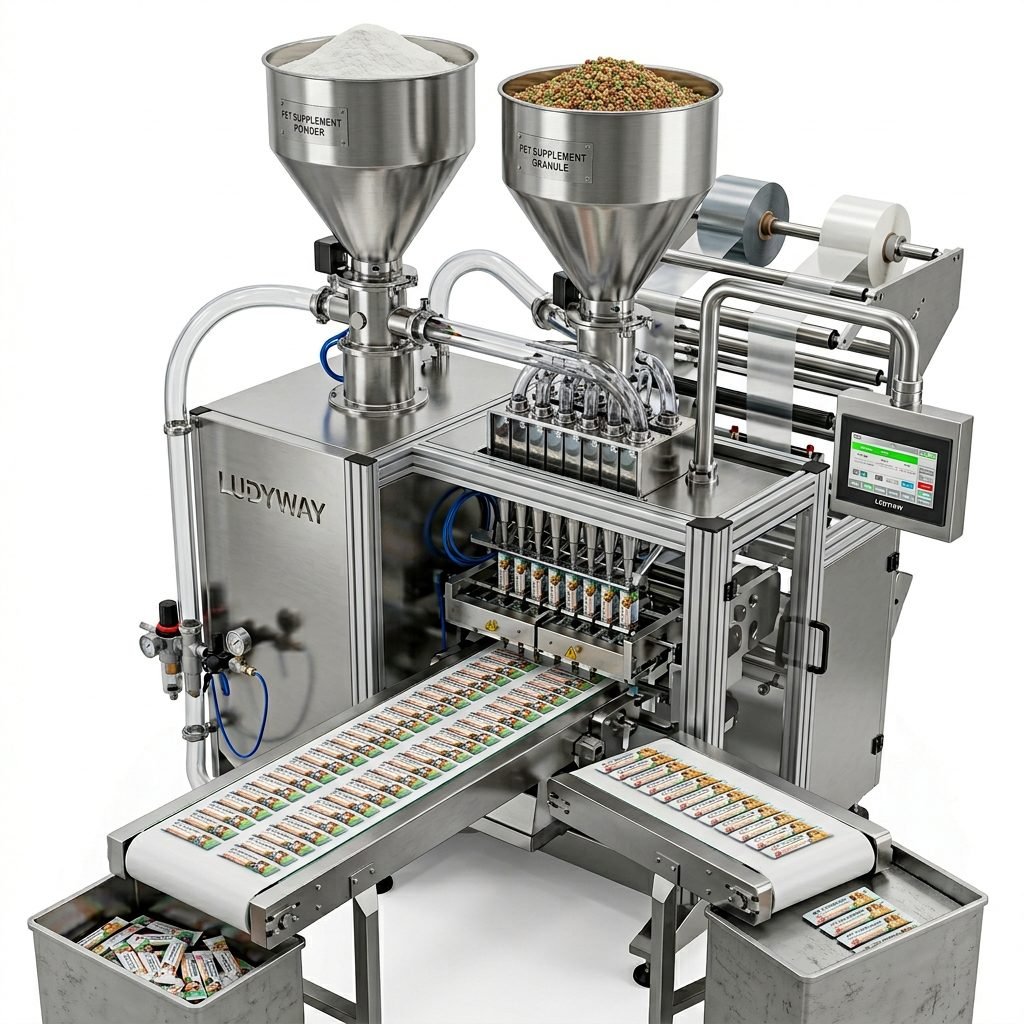
A: Fundamentals first. A strong foundational understanding of pneumatics, hydraulics, electrical circuits, and PLC logic is transferable. While experience with a specific brand (like certain stick pack and sachet packaging systems) is a bonus, a candidate with excellent fundamentals can be trained on specific equipment much faster than one with narrow brand experience but weak core skills.
Q4: How can we make our company more attractive to the younger generation (Gen Z)?
A: Highlight technology and purpose. Showcase your use of robotics, IIoT (Industrial Internet of Things), AR for maintenance, and sustainable initiatives. Emphasize the meaningful impact of their work—ensuring food safety, delivering life-saving pharmaceuticals, or reducing packaging waste. Offer modern, digital learning tools and a collaborative work culture.
Q5: What role does company culture play in recruiting for these specialized positions?
A: It plays a decisive role. Top technical talent often seeks environments that value innovation, invest in their tools and training, and respect their expertise. A culture of continuous improvement, where ideas are heard and employees are trusted to solve problems, is a powerful differentiator. It turns a job into a career and fosters the loyalty needed to retain your best people.