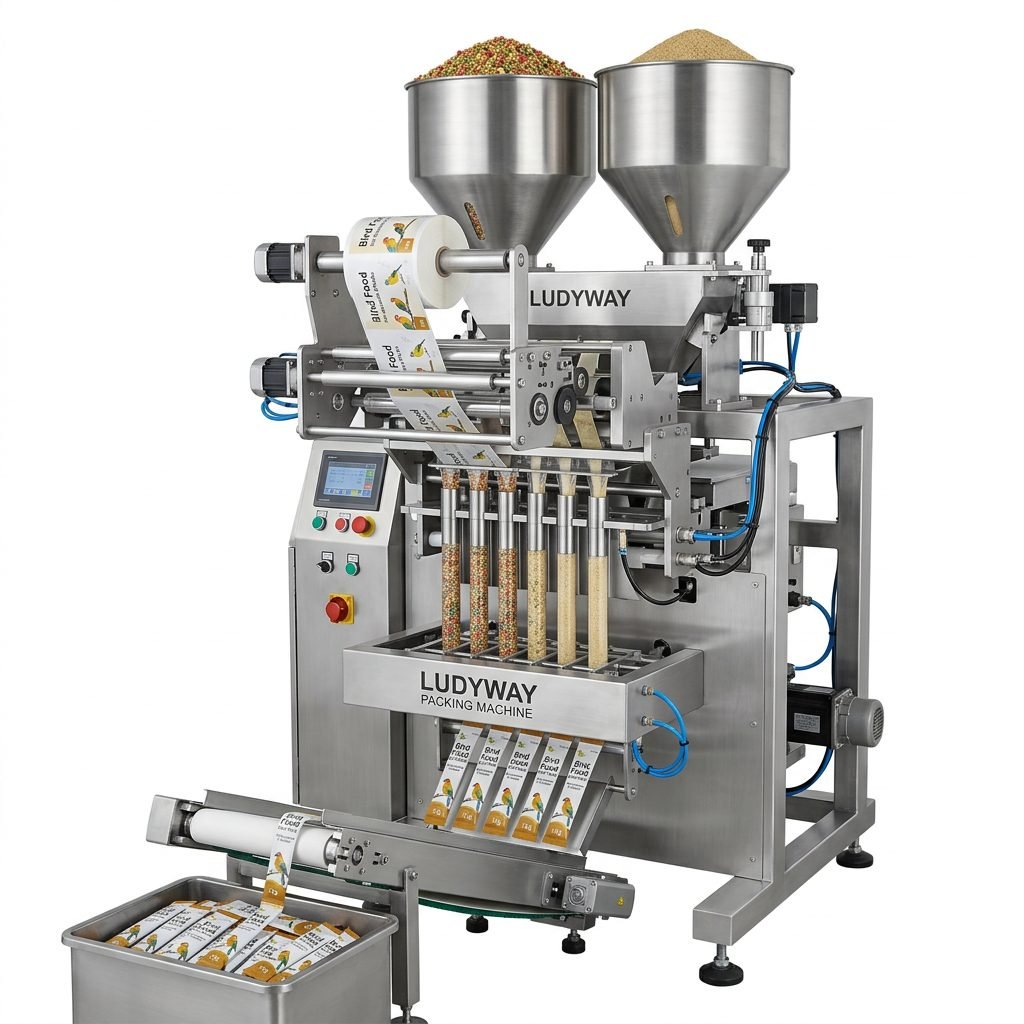
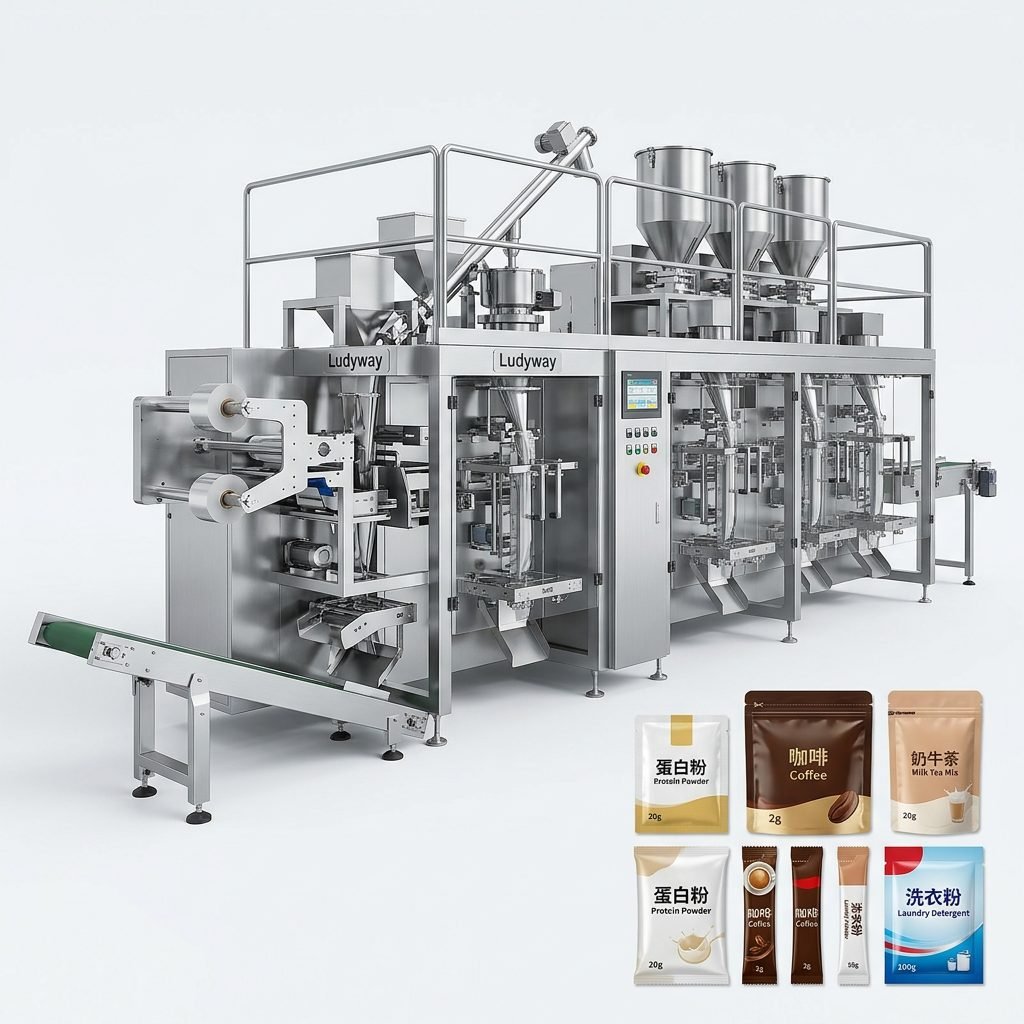
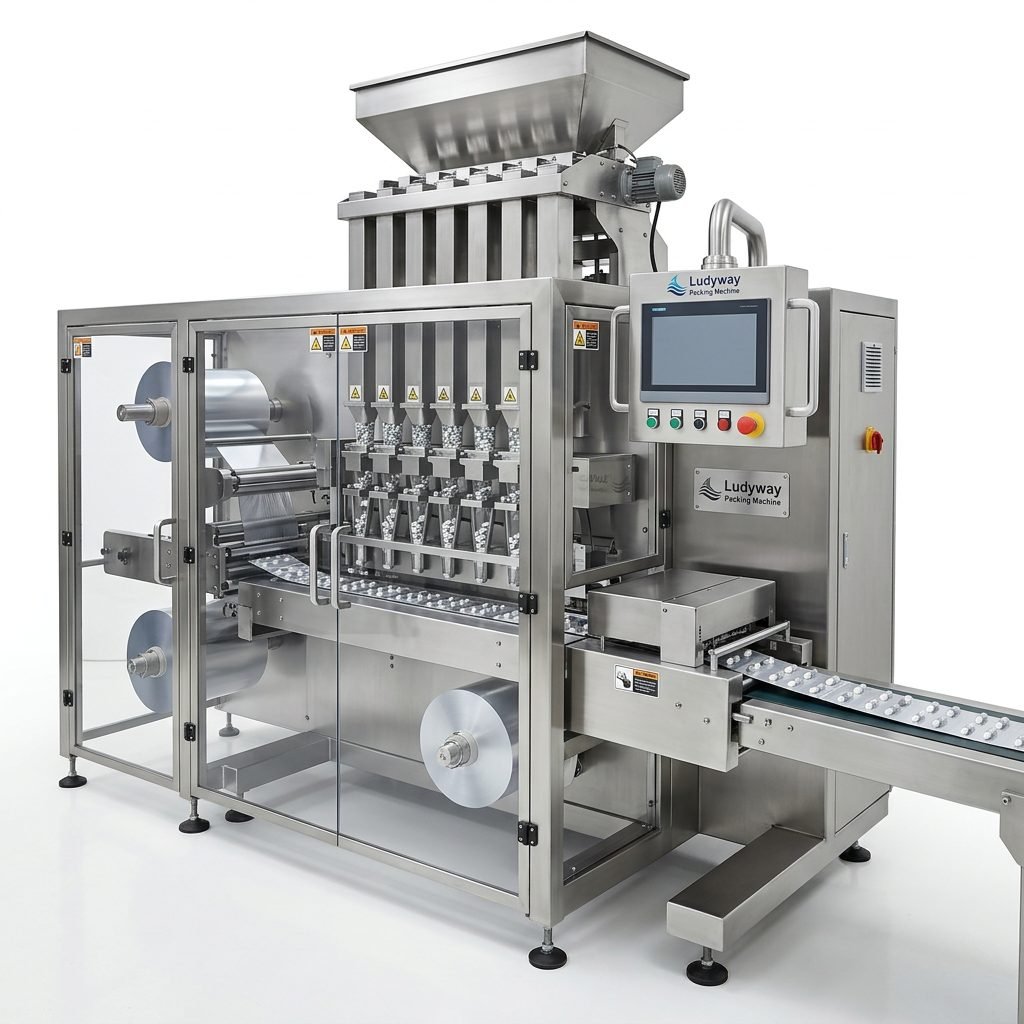
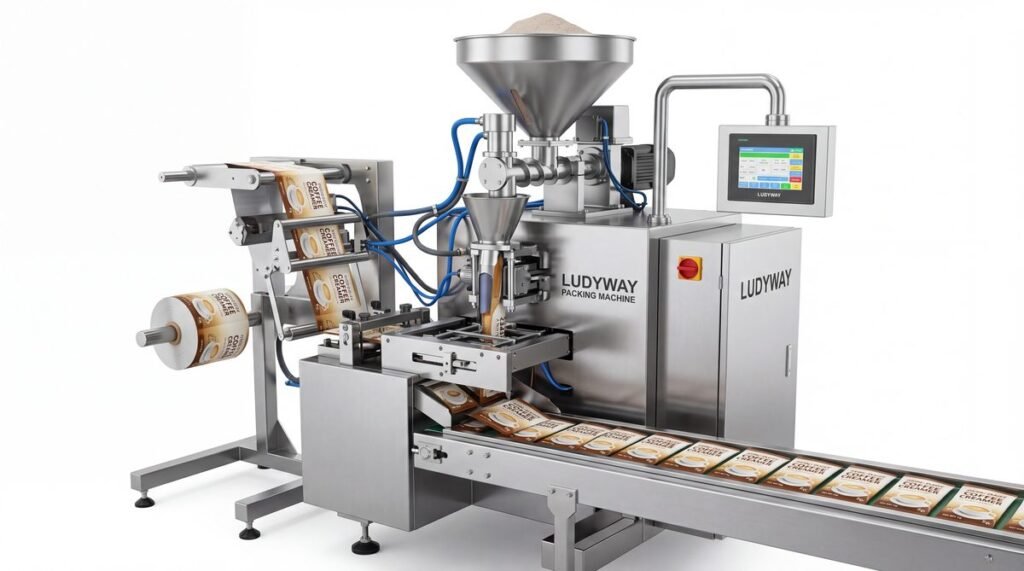
Choosing the right liquid product packaging equipment is a critical decision for manufacturers in industries ranging from food and beverages to pharmaceuticals and cosmetics. The right system not only ensures product integrity and shelf life but also directly impacts production efficiency, operational costs, and brand presentation. With a myriad of equipment types available, understanding the options, their specific applications, and the key selection criteria is essential for making an informed investment.
Core Types of Liquid Packaging Equipment
The landscape of liquid packaging machinery is diverse, with each type designed for specific viscosity ranges, production speeds, and packaging formats. Here’s a breakdown of the primary systems.
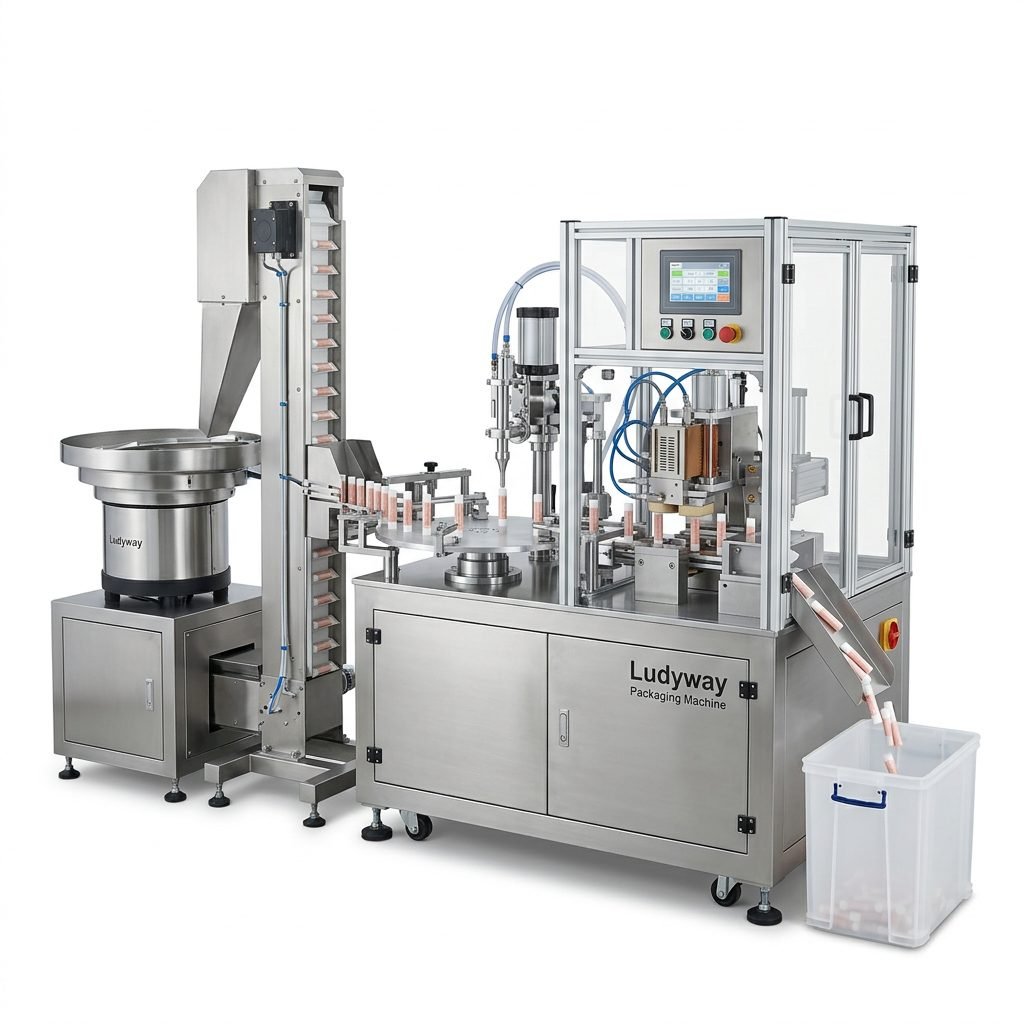
Volumetric Filling Machines
These machines dispense a pre-set volume of liquid into each container. They are highly versatile and suitable for a wide range of viscosities, from water-thin oils to thicker creams and pastes.
- Piston Fillers: Ideal for viscous products like sauces, yogurt, and shampoos. They offer excellent accuracy by using a piston and cylinder mechanism.
- Gravity Fillers: Best for free-flowing, thin liquids such as water, juices, and solvents. The liquid flows into the container by gravity once a valve opens.
- Pump Fillers: Use rotary or peristaltic pumps to transfer product. Excellent for foamy liquids or those that need gentle handling.
Form-Fill-Seal (FFS) Machines
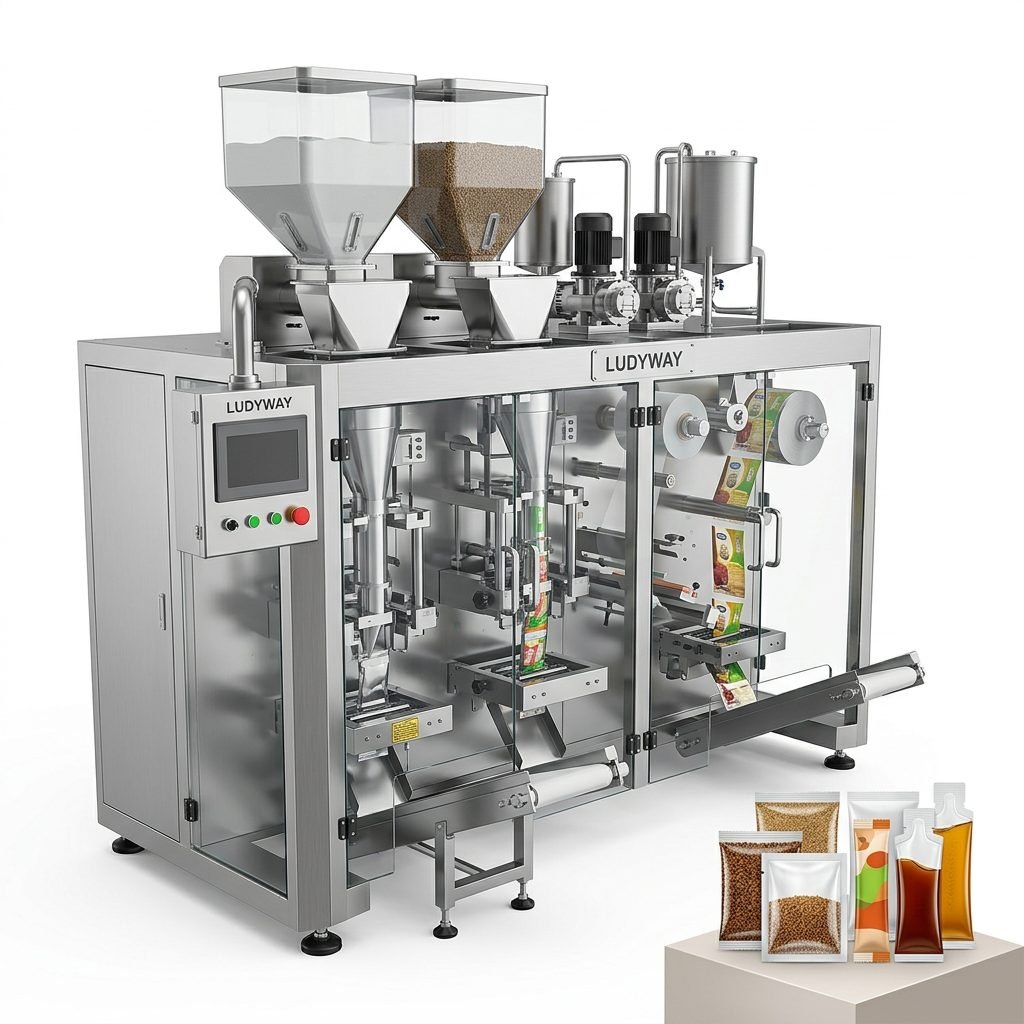
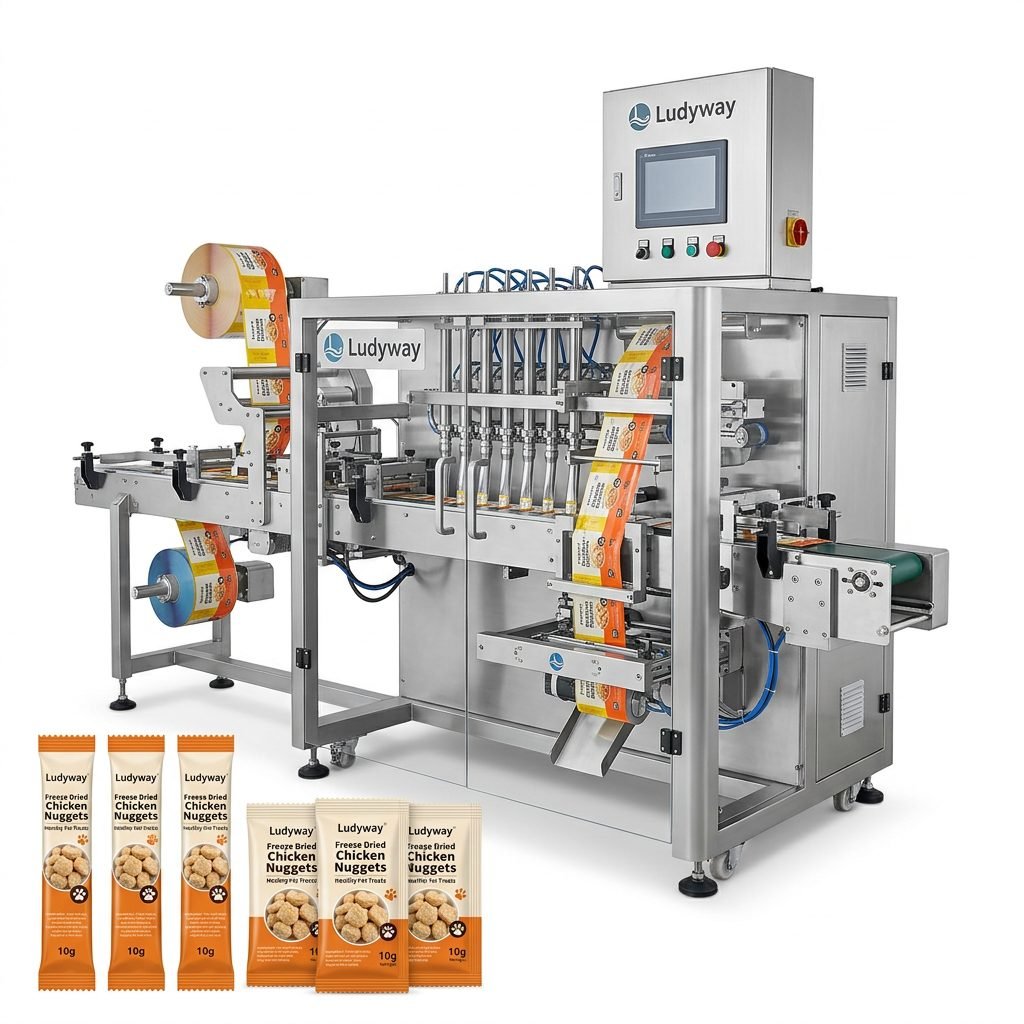
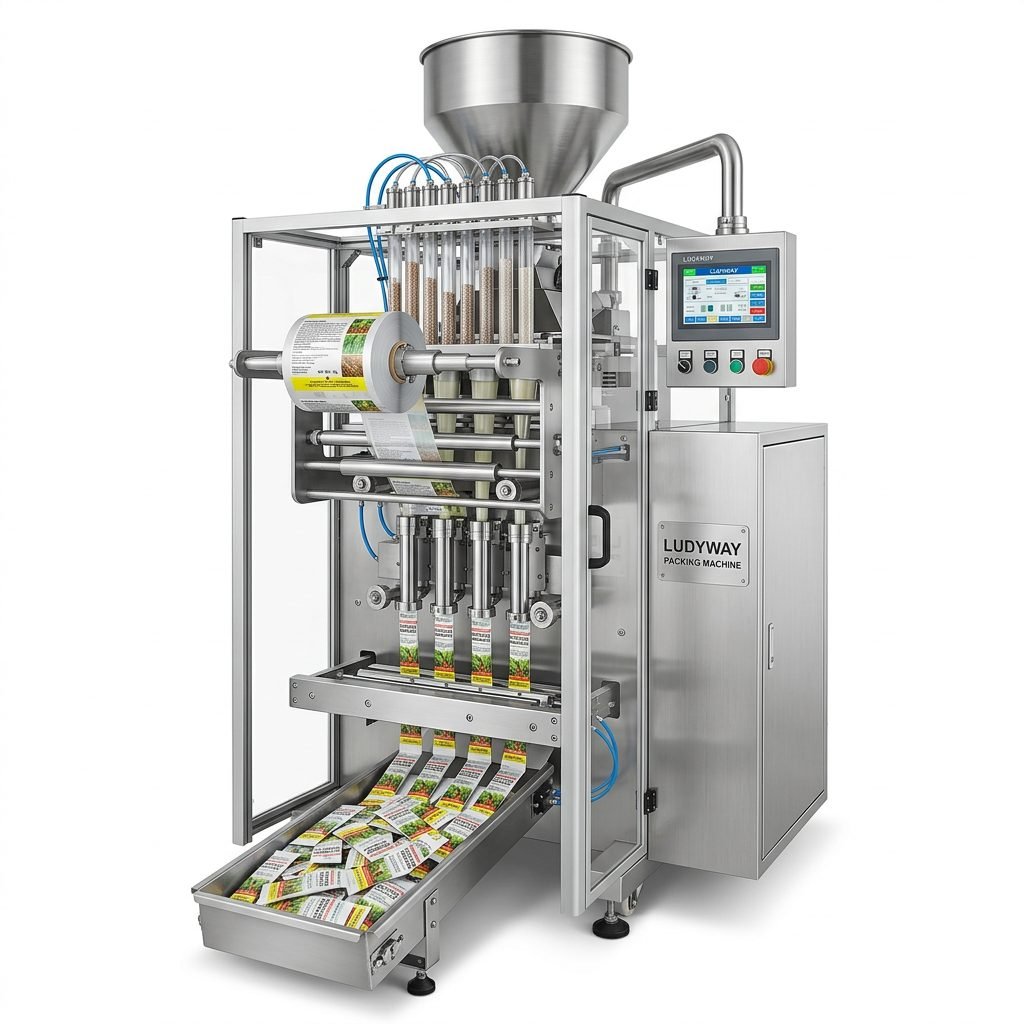
Also known as pouch packaging machines, these are all-in-one systems that form the package from a roll of film, fill it with liquid, and then seal it. They are a cornerstone of modern, flexible packaging.
Key Advantage: FFS machines drastically reduce material storage space (using film rolls instead of pre-made containers) and are perfect for single-serve portions of beverages, condiments, dairy products, and liquid supplements.
Aseptic Filling Systems
These advanced systems sterilize both the product and the packaging material separately before filling in a sterile environment. This process allows products like milk, juice, and pharmaceutical solutions to be stored without refrigeration for extended periods.
Bottle Filling Lines
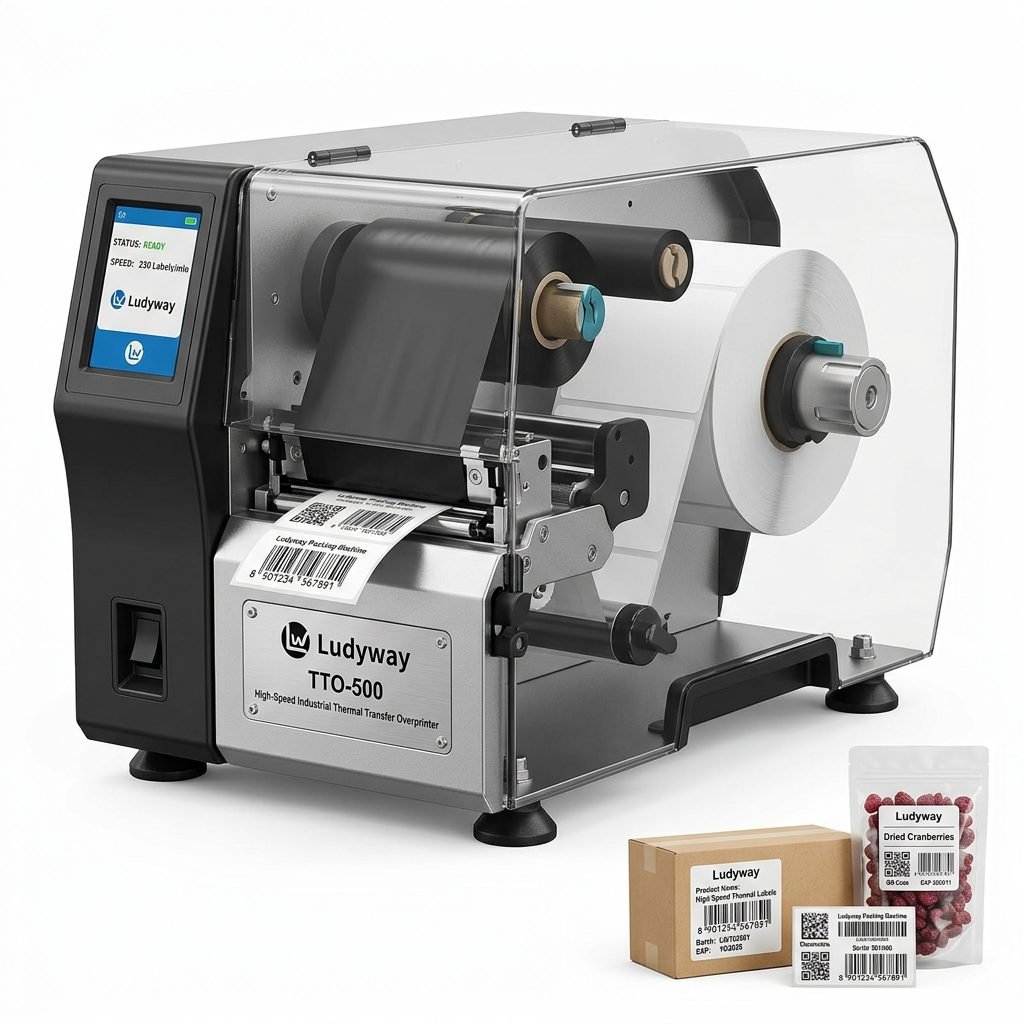
These are often integrated production lines that automate the entire process: container cleaning, filling, capping, labeling, and coding. They are the backbone of high-speed production for bottled water, soft drinks, and cleaning products.
Primary Industry Applications
The application dictates the machine’s required features, from hygiene standards to accuracy and speed.
Food & Beverage
This sector demands versatility and hygiene. Equipment must handle everything from edible oils and vinegar to ketchup, dairy products, and ready-to-drink beverages. Sanitary design with easy-clean features is non-negotiable. For insights into solutions for this dynamic sector, explore our food packaging machinery portfolio.
Pharmaceutical & Healthcare
Precision and contamination control are paramount. Machines for syrups, injectables, eye drops, and disinfectants often require GMP-compliant designs, using materials like 316L stainless steel. Accuracy within fractions of a milliliter is standard.
Cosmetics & Personal Care
Packaging aesthetics and the ability to handle diverse viscosities—from runny toners to thick lotions and gels—are key. Machines often integrate with elegant sachet packaging or bottle filling lines for shampoos and serums.
Chemicals & Household
Durability and chemical resistance are critical for packaging detergents, lubricants, and solvents. Equipment needs to be robust and often features corrosion-resistant components.
How to Choose the Right Liquid Packaging System
Selecting equipment is a strategic process. Rushing this decision can lead to costly bottlenecks or product waste. Follow this structured approach.
1. Define Your Product & Production Parameters
- Product Characteristics: Precisely define viscosity, acidity, foaminess, and whether it contains particulates.
- Required Output: Calculate your needed speed in containers or pouches per minute (CPM/PPM).
- Packaging Format: Determine your container type (bottle, pouch, vial) and size range.
2. Evaluate Machine Capabilities & Features
Match your parameters against machine specifications. Look for:
🔍 Accuracy & Speed:
High-speed machines may trade off some accuracy. Ensure the fill tolerance meets your product’s cost and regulatory requirements.
🛠️ Changeover Flexibility:
If you run multiple products or container sizes, quick changeover systems are vital for minimizing downtime.
🧼 Hygiene & Construction:
For food or pharma, demand sanitary design with smooth surfaces, minimal dead zones, and CIP/SIP capabilities.
3. Consider Integration & Support
The machine is part of a larger ecosystem. Consider:
- Line Integration: Will it connect seamlessly with your existing capper, labeler, and conveyor? A supplier offering turnkey solutions can simplify this.
- Supplier Reliability: Choose a partner with proven experience, strong technical support, and readily available spare parts. A history of 30+ years in the industry is a strong indicator of stability and expertise.
- Total Cost of Ownership (TCO): Look beyond the purchase price. Factor in energy consumption, maintenance costs, changeover waste, and expected lifespan.
Partnering for Success
Investing in liquid packaging equipment is a partnership. A supplier like Ludyway Machinery, with deep application knowledge across food, pharmaceutical, and cosmetic sectors, acts as a consultant. They can help you navigate these choices, ensuring the selected system not only meets today’s needs but is also scalable for future growth. Their approach combines advanced engineering with practical, customer-focused solutions to optimize your packaging line’s performance and reliability.
Frequently Asked Questions (FAQs)
What is the most accurate type of liquid filler?
For most applications, piston fillers provide the highest degree of accuracy, especially for viscous products. For ultra-precise, small-volume pharmaceutical fills, specialized syringe or time-pressure fillers are used.
Can one machine handle both thin liquids and thick pastes?
Some volumetric fillers, particularly certain piston filler models, offer a wide viscosity range. However, significant product changes often require adjustments or part changes (like pistons and seals). It’s crucial to discuss your full product portfolio with the equipment supplier.
How important is “aseptic” filling for my beverage product?
Aseptic filling is essential if you aim to produce shelf-stable products without preservatives or refrigeration (like UHT milk or juice boxes). It extends shelf life dramatically but involves a higher initial investment in equipment and stricter process control.
What are the key maintenance requirements for a liquid packaging machine?
Daily cleaning, regular lubrication of moving parts (as per manual), and periodic inspection/seal replacement are fundamental. Choosing a machine with easy-access design and reliable support for spare parts from your supplier minimizes downtime.
How do I future-proof my packaging equipment investment?
Select a machine with 20-30% higher capacity than your current needs, ensure it allows for easy size changeovers, and partner with a supplier known for innovation and long-term support, capable of offering upgrades as technology evolves.