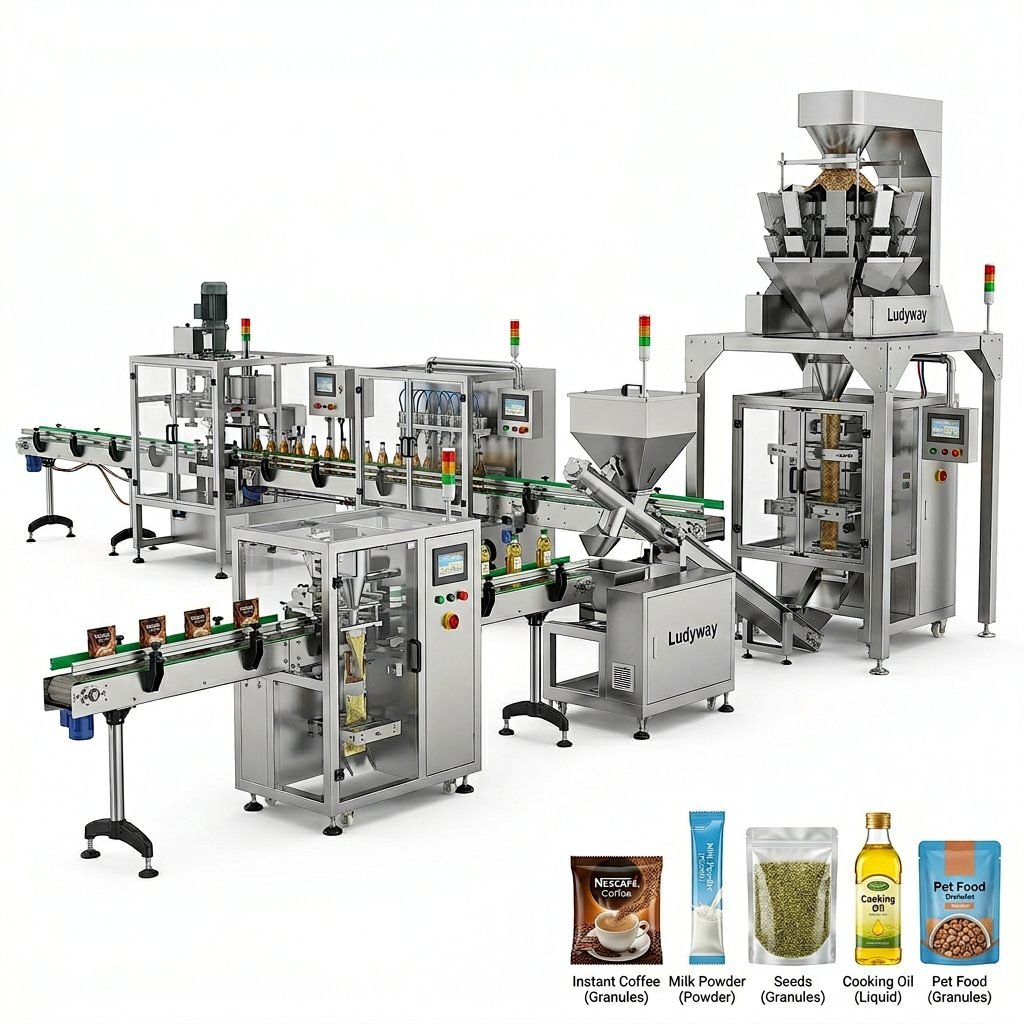
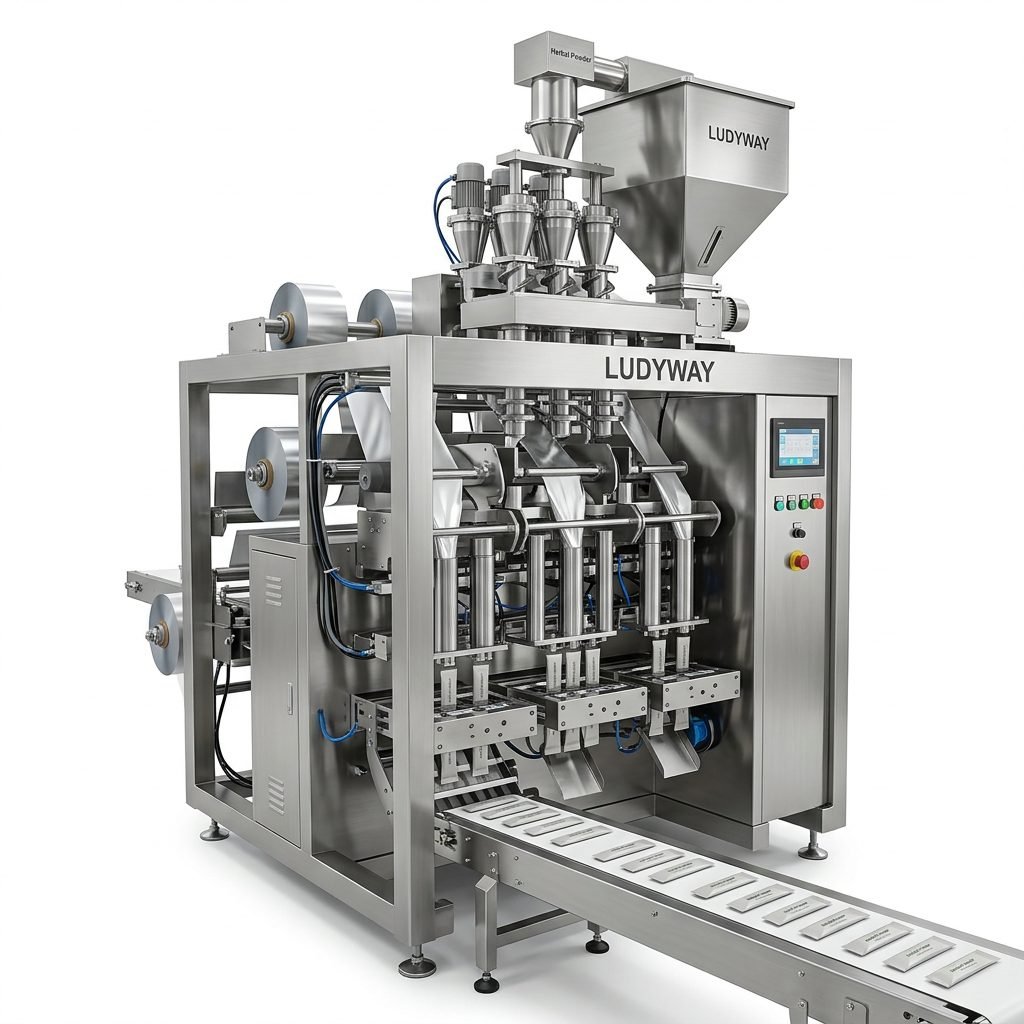
For packaging line managers and maintenance engineers, understanding the world of packaging equipment spare parts is crucial for minimizing downtime, controlling operational costs, and ensuring consistent product quality. This comprehensive guide delves into the essential types of spare parts, the materials they are made from, best practices for maintenance, and strategic advice for purchasing the right components.
Core Types of Packaging Equipment Spare Parts
Packaging machinery is a complex assembly of systems, each reliant on specific components. Knowing these categories helps in organizing inventory and planning maintenance.
Sealing & Cutting Components
These parts are responsible for forming and sealing the final package. Failure here directly impacts package integrity.
- Heating Elements & Bands: Critical for creating strong, consistent seals on films and pouches. They require precise temperature control.
- Cutting Knives and Blades: Used in vertical and horizontal form-fill-seal (VFFS/HFFS) machines to separate individual packages. Dull blades cause jagged edges and product waste.
- Sealing Jaws & Crimpers: These apply pressure and heat to form the seal. Their surface condition is paramount for seal quality.
Product Handling & Metering Parts
These components measure and move the product into the packaging, directly affecting accuracy and speed.
- Augers & Funnels: For precise volumetric dosing of powders and granules. Wear on auger flights leads to inaccurate fills.
- Pumps & Nozzles: Essential for liquid and viscous product filling. Nozzle wear can cause drips and overfills.
- Weighing Cells & Load Cells: The heart of any weigh-filling system. They must be protected from shock, vibration, and moisture.
Drive & Conveyance System Parts
These provide the motion and power for the entire machine, ensuring synchronization and smooth operation.
- Belts, Chains, and Sprockets: Drive the film web and product conveyor. Misalignment or wear causes tracking issues and breaks.
- Bearings, Bushings, and Guides: Reduce friction in rotating and sliding components. They are high-wear items that need regular inspection.
- Motors, Servos, and Gearboxes: Provide controlled power. Servo motors, in particular, are key to modern high-speed, precision packaging.
Control & Sensor Components
These are the “brains” and “nerves” of the machine, monitoring processes and triggering actions.
- Photo-electric & Proximity Sensors: Detect film presence, product position, and label registration. Dirty or misaligned sensors cause false stops.
- PLC Modules & I/O Cards: The central control units. While robust, their connections and supporting power supplies can be points of failure.
- Thermocouples & Temperature Controllers: Regulate sealing jaw and hot melt system temperatures. Inaccurate readings lead to poor seals or film burns.
Material Science in Spare Parts
The material a part is made from determines its lifespan, compatibility, and performance. Selecting the wrong material can be a costly mistake.
Key Material Considerations:
Food & Pharmaceutical Grade: Parts in contact with product must use FDA-approved or USP Class VI materials like 316L stainless steel, specific plastics (e.g., UHMW-PE, PTFE), and specialty coatings to prevent contamination and allow for proper cleaning.
Wear Resistance: Components like seals, blades, and guides benefit from hardened tool steel, ceramic coatings, or engineered polymers like PEEK to withstand constant friction and abrasion.
Corrosion & Chemical Resistance: In environments with washdowns or aggressive chemicals (e.g., salty, acidic, or oily products), materials like stainless steel, anodized aluminum, and certain composites are essential to prevent rust and degradation.
Thermal Properties: Heating elements and parts near heat zones require materials that maintain strength and dimensional stability at high temperatures, such as Inconel or specialized ceramics.
Proactive Maintenance: A Strategy, Not a Chore
Reactive maintenance—fixing parts after they break—leads to unplanned downtime. A proactive approach is far more cost-effective.
Establishing a Preventive Maintenance (PM) Schedule
Create a calendar-based or runtime-based checklist for each machine. This should include:
- Daily/Shift Checks: Visual inspection for leaks, unusual noises, sensor cleaning, and seal quality verification.
- Weekly/Monthly Tasks: Lubrication of bearings and guides, checking belt tension and alignment, verifying torque on critical fasteners, and calibrating scales.
- Quarterly/Annual Overhauls: In-depth inspection and replacement of high-wear items like seals, filters, and drive components before they fail.
Critical Maintenance Practices
Proper Lubrication: Use the correct lubricant type (food-grade if necessary) and amount. Over-lubrication can attract dust and damage seals, just as under-lubrication causes wear.
Alignment Checks: Misalignment in drive shafts, conveyor sections, and sealing jaws accelerates wear dramatically and causes quality defects. Laser alignment tools offer precision.
Cleanliness is Key: Regularly remove product dust, film scraps, and grease buildup. This prevents sensors from failing, keeps moving parts free, and reduces fire risk near heating elements.
Documentation: Keep a detailed log of all maintenance activities, parts replaced, and machine performance observations. This history is invaluable for troubleshooting and predicting future failures.
Strategic Buying Advice for Spare Parts
Purchasing spare parts is an investment in operational continuity. A strategic approach saves money and headaches in the long run.
OEM vs. Compatible Parts: Making the Choice
OEM (Original Equipment Manufacturer) Parts:
✅ Guaranteed fit, form, and function.
✅ Often come with a performance warranty.
✅ Support the machine’s original design integrity.
❌ Typically more expensive.
❌ Lead times can be longer for imported machinery.
High-Quality Compatible Parts:
✅ Significant cost savings (often 30-50%).
✅ Can offer improved material specs (e.g., longer-wearing coatings).
✅ Often more readily available from local distributors.
❌ Requires thorough vetting of the supplier for quality.
❌ May void certain aspects of a machine warranty if used improperly.
The best strategy is often a hybrid: use OEM parts for critical, proprietary, or safety-related components (like PLC boards or specialized cutter heads), and source high-quality compatibles for common wear items (seals, bearings, standard sensors).
Building a Smart Spare Parts Inventory
Stocking every possible part is impractical. Use a data-driven ABC analysis:
- ‘A’ Items (Critical): High-cost, long-lead-time parts whose failure stops the entire line (e.g., main servo motor, specialized sealing jaw). Keep 1 in stock.
- ‘B’ Items (Essential): Moderate cost and lead time, high failure rate items that cause significant downtime (e.g., photo-eye sensors, common seals, drive belts). Keep a small stock based on usage history.
- ‘C’ Items (Consumable): Low-cost, high-usage items (e.g., filters, O-rings, standard fasteners). Bulk order to get better pricing, but manage stock to avoid obsolescence.
Selecting a Reliable Supplier
Your parts supplier is a partner in your productivity. Look for these attributes:
Technical Expertise: Can they provide advice on part selection and troubleshooting, not just take an order? A supplier like Ludyway Machinery, with deep application knowledge, adds tremendous value.
Quality Assurance: Do they provide material certifications, inspection reports, or warranties on their parts? Transparency is key.
Logistics & Support: What are their standard and emergency lead times? Do they offer reliable global shipping and local support? Consistent supply chain performance is critical. For insights into a supplier’s capability, reviewing their company history and evolution can be telling.
Documentation: Do they provide clear part drawings, installation guides, or cross-reference lists? Good documentation saves maintenance time.
Conclusion
Effective management of packaging equipment spare parts is a multifaceted discipline combining technical knowledge, proactive planning, and strategic sourcing. By understanding the different part types and their material requirements, implementing a rigorous preventive maintenance schedule, and building relationships with knowledgeable suppliers, operations can achieve higher Overall Equipment Effectiveness (OEE), reduced total cost of ownership, and greater production flexibility. Remember, the goal is not just to fix machines, but to create a system where unplanned stoppages become the rare exception.
Frequently Asked Questions (FAQs)
How often should I replace common wear parts like sealing jaws or cutting blades?
There’s no universal hour count. Frequency depends on production hours, packaging material abrasiveness, and maintenance practices. Monitor performance: replace blades when cuts become ragged or require excessive force, and replace sealing jaws when consistent seal quality cannot be achieved despite temperature and pressure adjustments. Documenting the lifespan of each set under specific conditions will establish your own reliable baseline.
Is it safe to use generic lubricants on my packaging machinery?
It can be risky. Always consult your machine manual first. Using the wrong viscosity can damage bearings, and non-food-grade lubricants in food zones pose a contamination hazard. For critical or high-speed components, it’s often best to stick with the OEM-recommended product. For other parts, a high-quality generic from a reputable brand that matches the exact specifications (grade, viscosity, food-safe certification) is usually acceptable.
What are the first steps in troubleshooting a sudden machine stoppage?
Follow a systematic approach: 1) Check the HMI/PLC for the most recent error message. 2) Verify sensor status – often, a dirty or misaligned photo-eye is the culprit. 3) Inspect the last operation the machine performed (e.g., seal, cut, fill) for obvious jams or part failures. 4) Listen and look for unusual sounds, smells, or loose components. Starting with simple, common causes before diving into complex electrical diagnostics saves time. For persistent issues, having a trusted technical partner like a professional packaging solutions provider on call is invaluable.
Should I stock a spare servo motor or drive for my critical machines?
For a machine that is a single point of failure for your production line, stocking a critical spare like a servo motor or drive is a wise insurance policy. Consider the cost of the part versus the cost of a full day’s production downtime. For non-critical or redundant machines, you might rely on a supplier’s guaranteed emergency shipment time (e.g., 24/48 hours). Always factor in the lead time for sourcing a new unit when making this decision.
How can I tell if a “compatible” part is of good quality?
Scrutinize the supplier: request material certifications, ask for customer references in similar applications, and if possible, order a single sample for evaluation before a bulk purchase. Physically compare it to the OEM part—look for differences in machining finish, material weight, and tolerance. A reputable supplier will be transparent and eager to prove their part’s quality and performance equivalence.