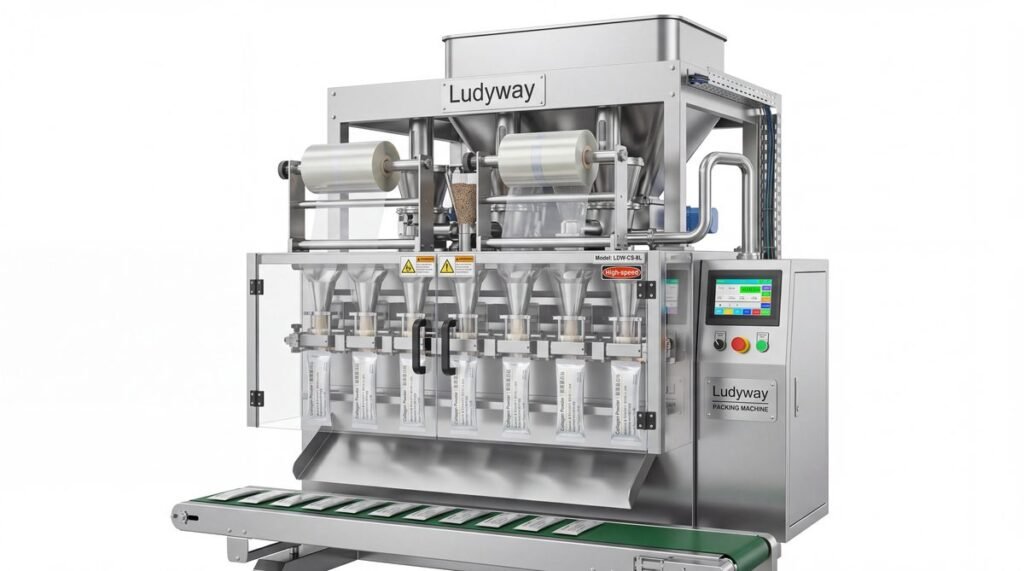
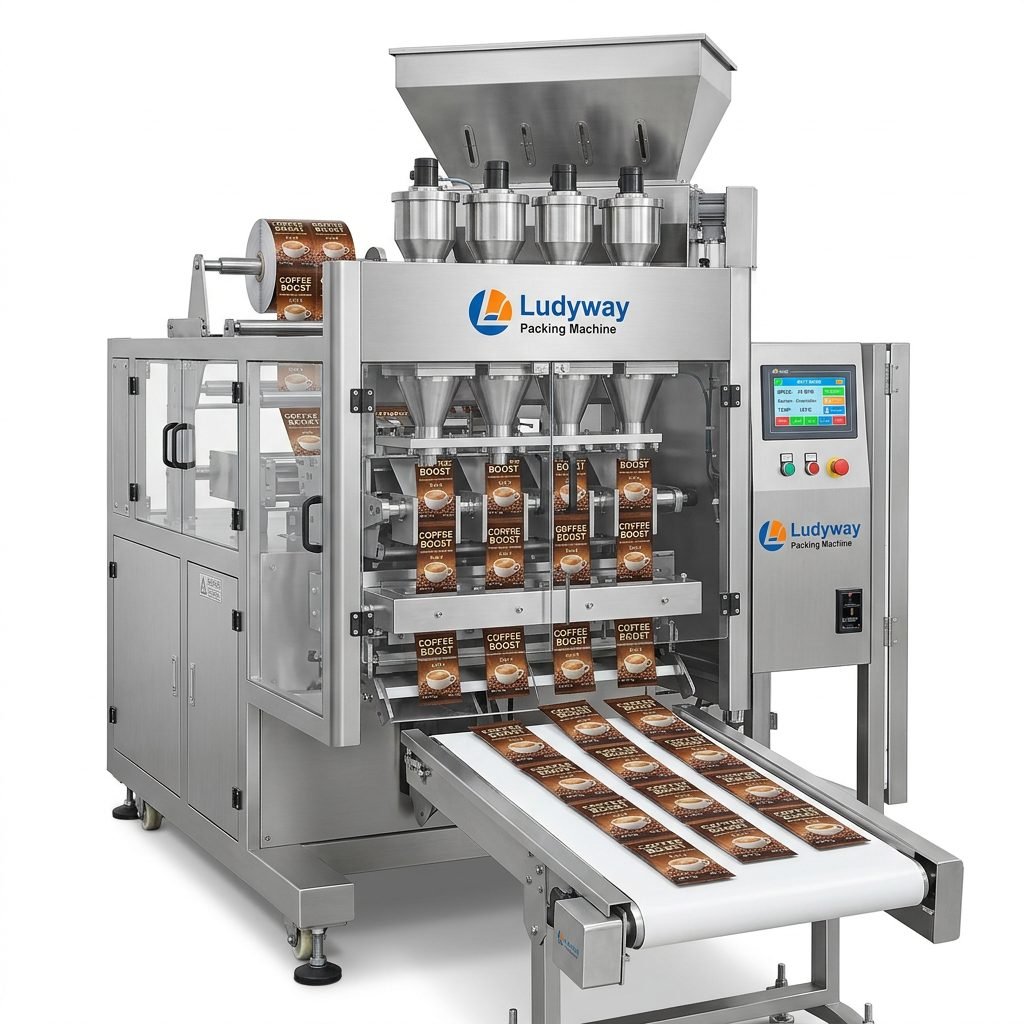
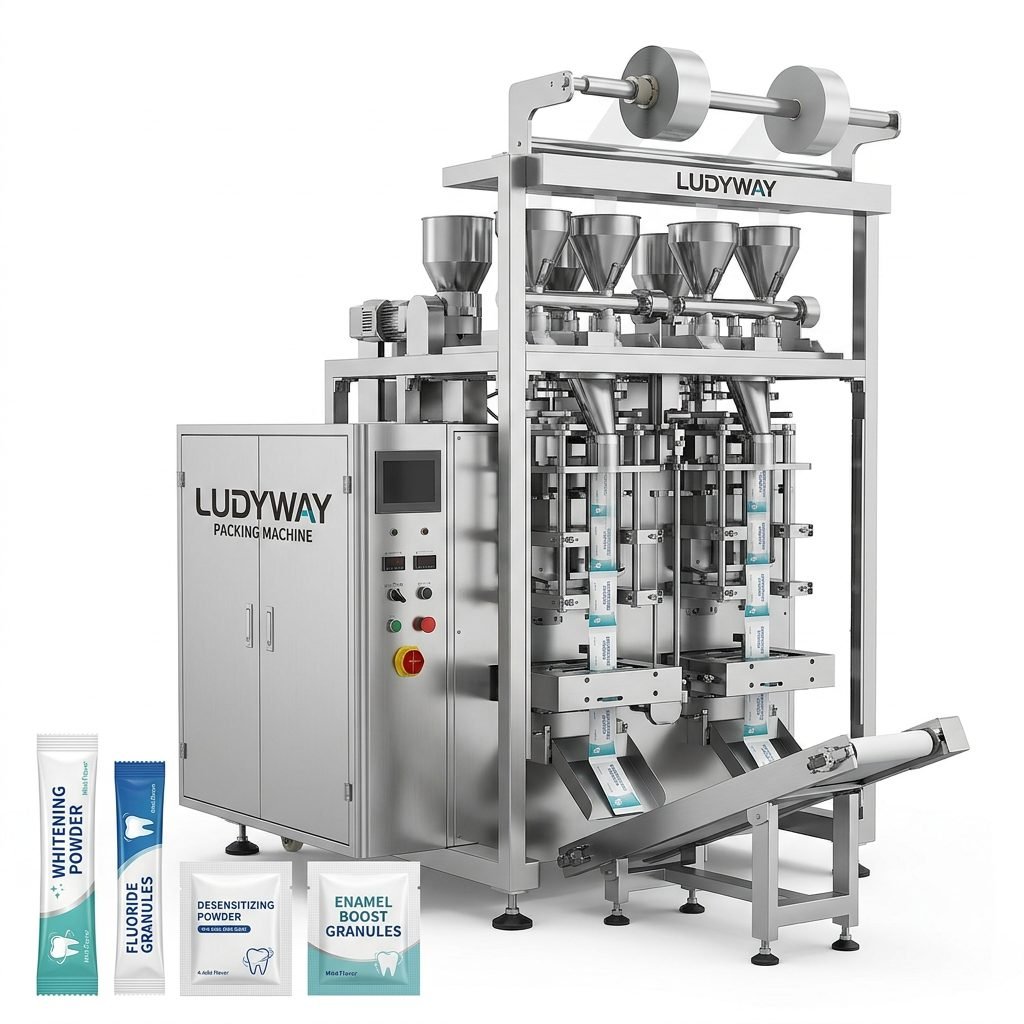
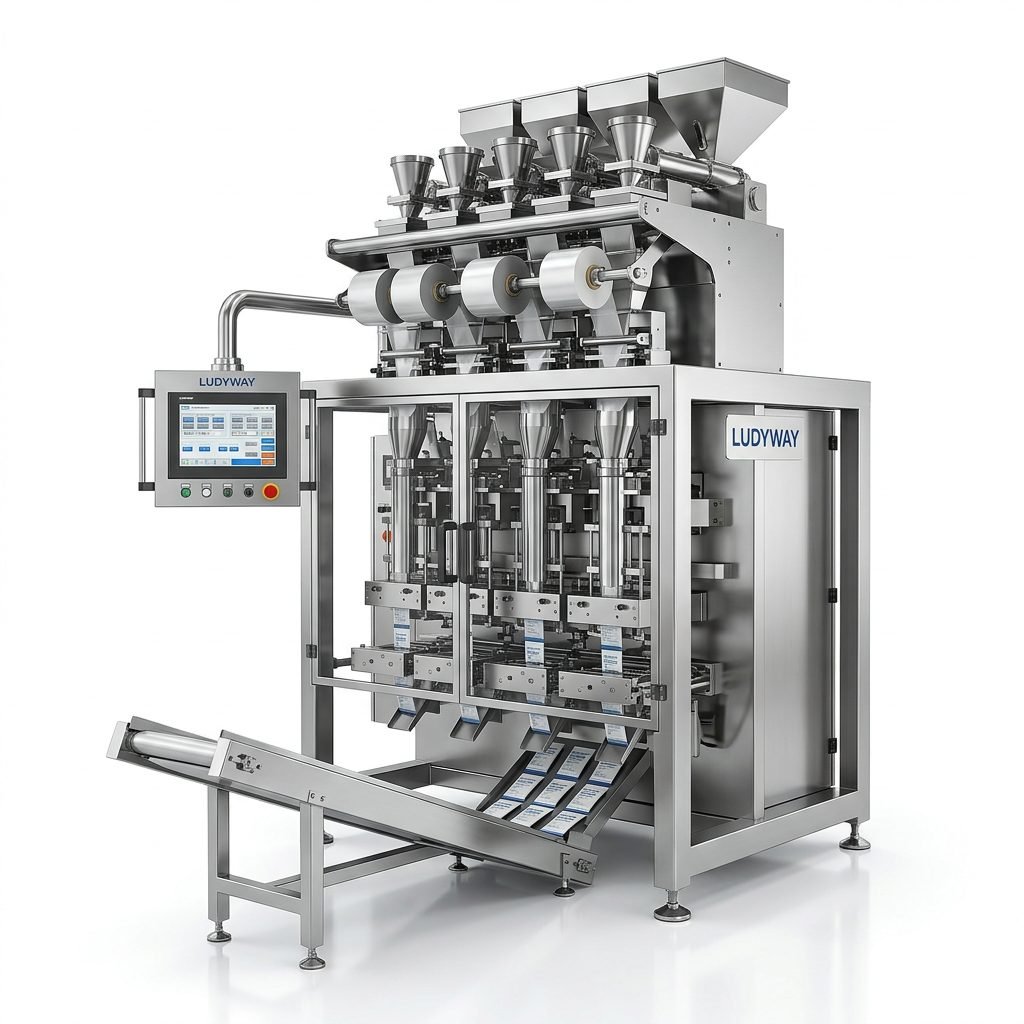
Selecting the right biscuit packaging machine is a critical decision for any bakery or food production business. The right equipment not only ensures product freshness and appeal but also optimizes production efficiency and cost. This comprehensive guide will walk you through the different types of biscuit packaging machines, their key features, pricing factors, and essential considerations to help you choose the best one for your specific needs.
Understanding Different Types of Biscuit Packaging Machines
The packaging process for biscuits can vary significantly based on product type, volume, and desired presentation. Here are the primary machine types used in the industry.
Vertical Form-Fill-Seal (VFFS) Machines
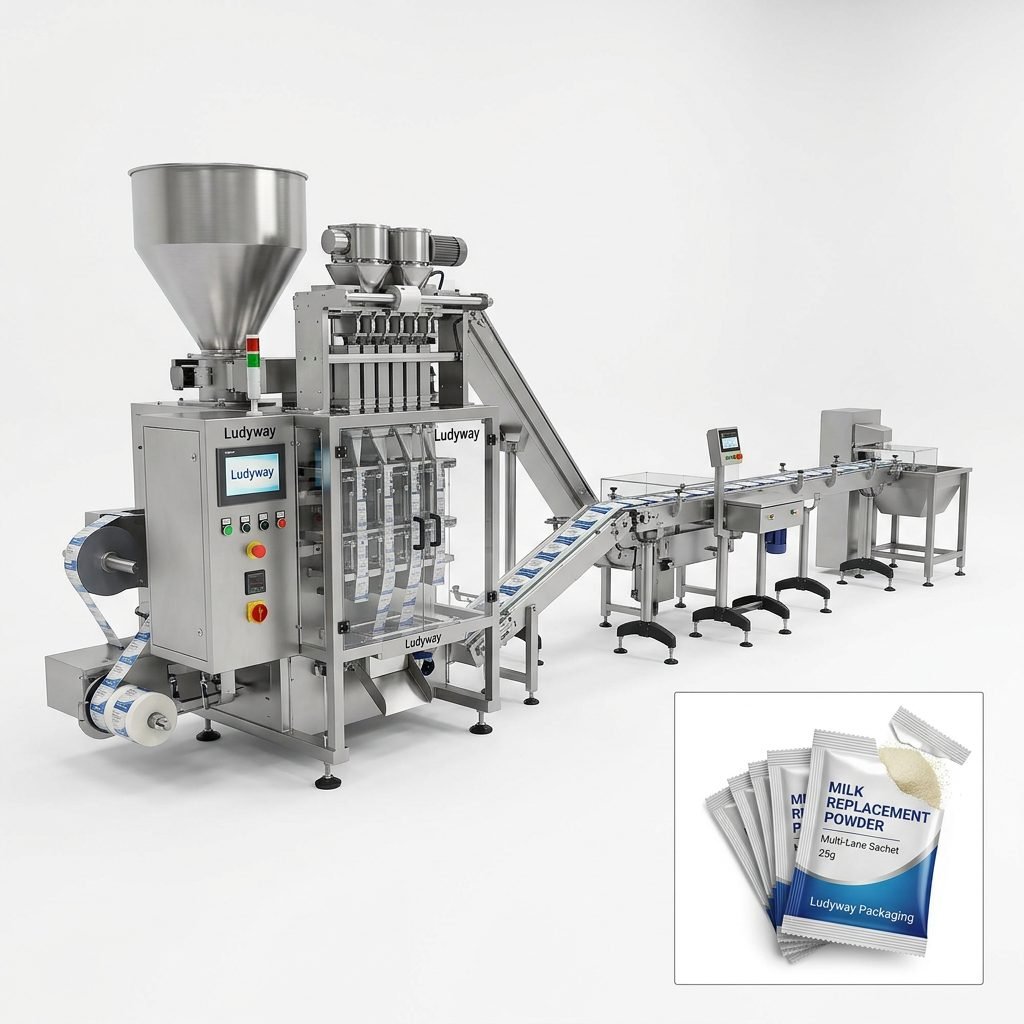
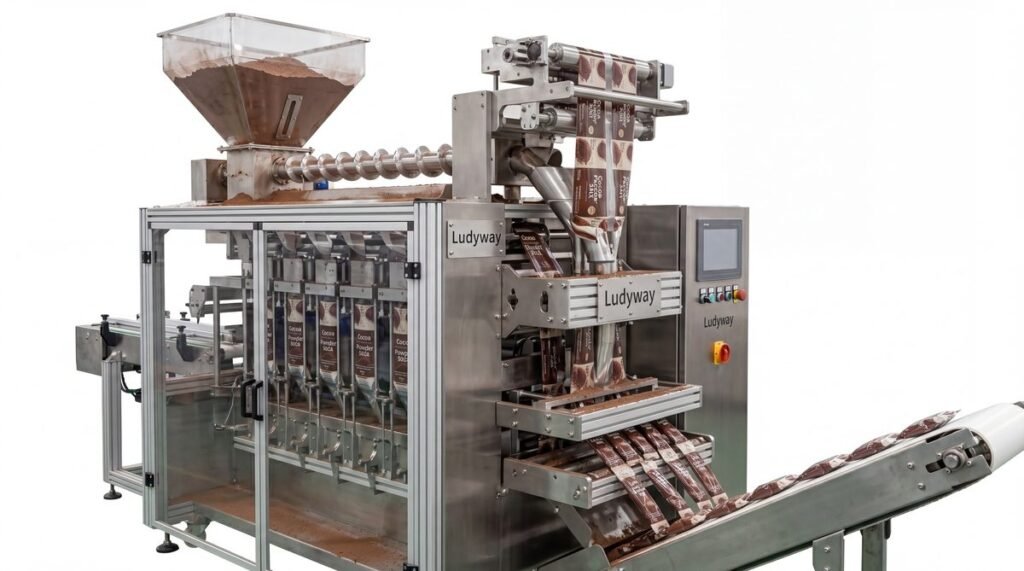
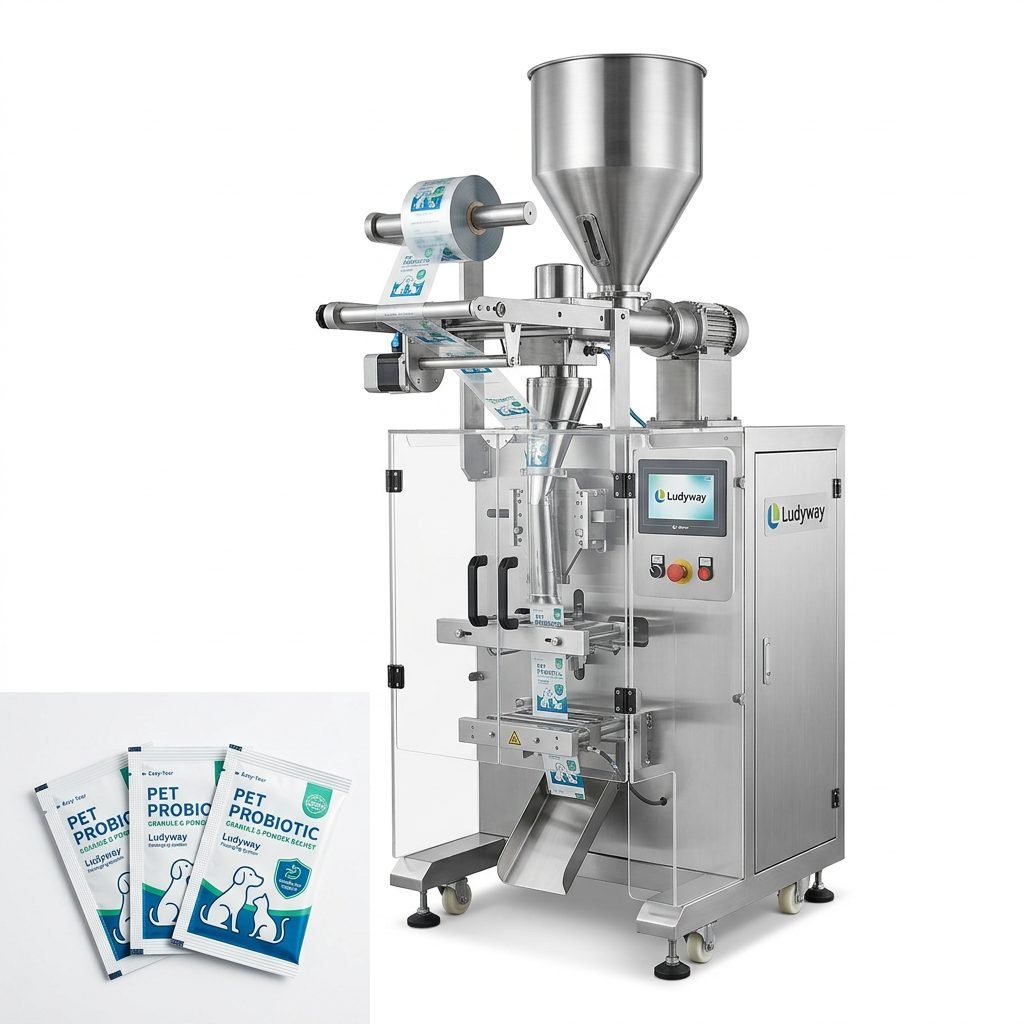
These are among the most common and versatile machines. They form a bag from a roll of film, fill it with the product (like loose biscuits or cookie pieces), and then seal it. They are ideal for high-speed packaging of individual servings or multi-packs in pillow bags.
Horizontal Flow Wrappers
Perfect for wrapping individual biscuits, cookies, or biscuit stacks in a tight, secure envelope-style package. This method is excellent for preserving crispness and providing a neat, retail-ready look. It’s often used for butter cookies, cream sandwiches, and wafer sticks.
Cartoning Machines
These machines automatically erect, load, and close cartons or boxes. They are used for secondary packaging, taking pre-wrapped biscuits or groups of biscuits and placing them into branded boxes for final retail sale. They integrate seamlessly with primary wrappers.
Shrink Wrapping and Tray Sealing Machines
Used for bundling multiple packs together into a single unit for transportation or multi-buy promotions. Shrink wrapping applies a loose film that shrinks tightly with heat, while tray sealing places packs on a card tray and seals a clear film lid over the top.
Key Features to Evaluate in a Biscuit Packager
Beyond the basic type, several features determine a machine’s suitability, reliability, and return on investment.
Production Speed and Output
Measured in packs per minute (PPM). Match the machine’s speed to your current and projected production volumes. A machine that is too slow creates bottlenecks, while an excessively fast one may be an unnecessary capital expense.
Flexibility and Changeover
Can the machine handle different biscuit sizes and shapes with quick changeovers? Look for features like tool-less adjustments, programmable recipes, and easy-access components. Flexibility is key for producers with diverse product lines.
Packaging Materials Compatibility
The machine must be compatible with your chosen film, whether it’s standard polypropylene, metallized film for barrier protection, or biodegradable materials. Check the sealing system’s ability to work consistently with your material.
Automation Level and Integration
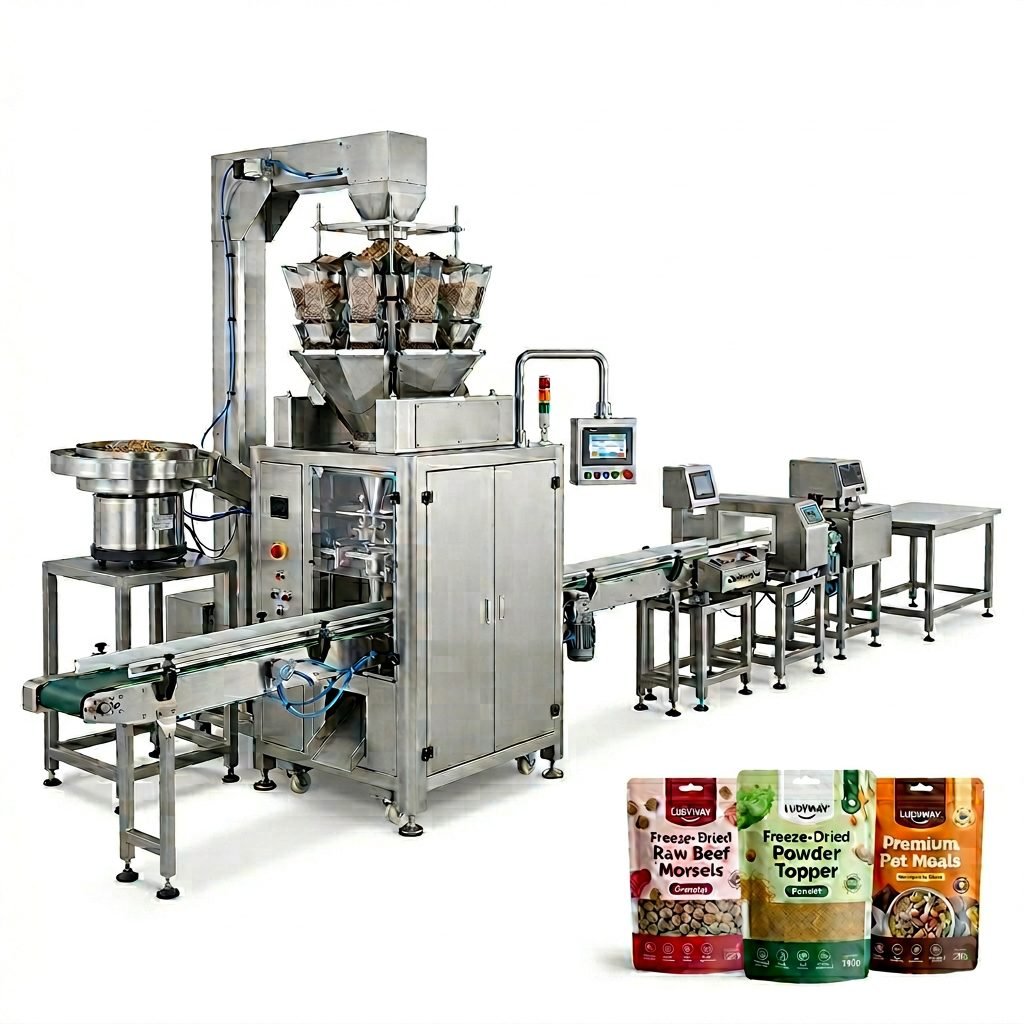
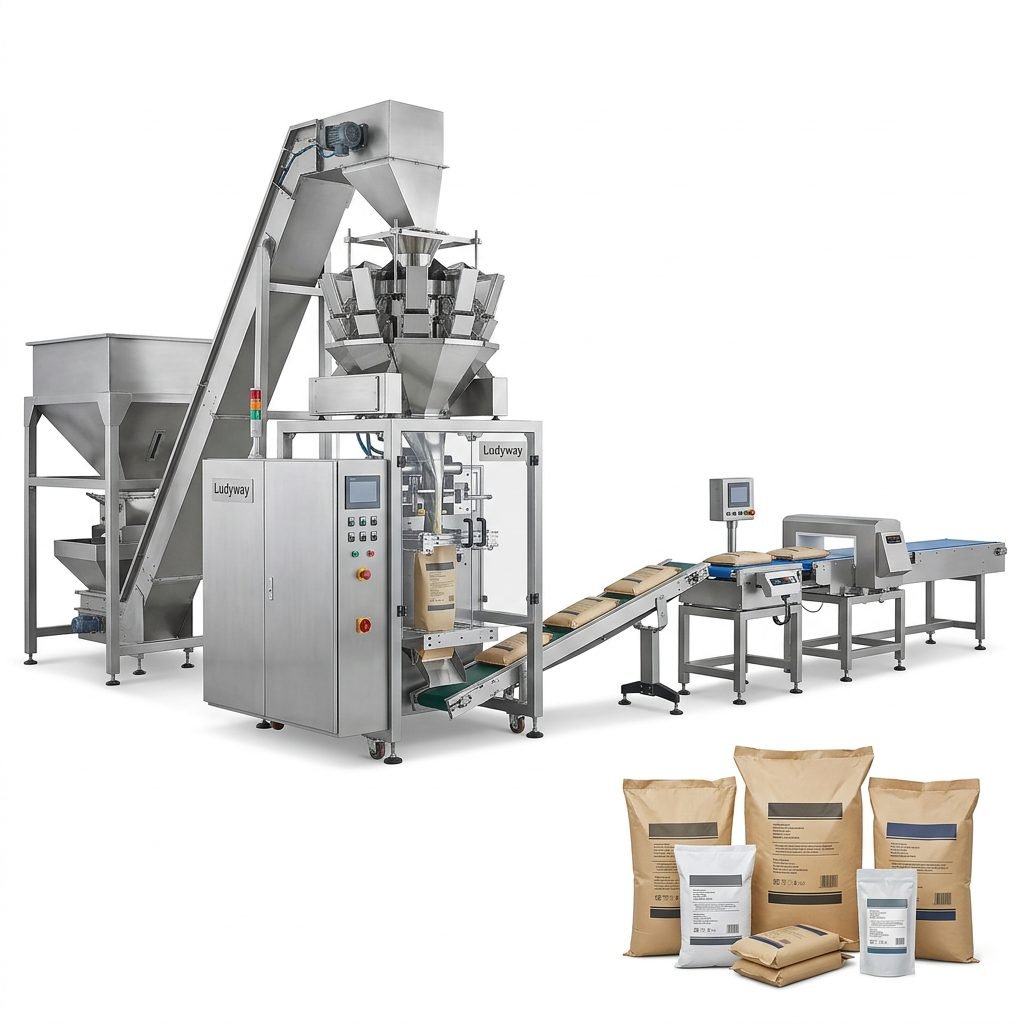
Consider machines with automated functions like infeed systems, checkweighers, date coders, and rejection systems. Higher automation reduces labor, minimizes errors, and ensures consistent quality. Ensure it can integrate into your existing line.
Hygiene and Cleanability
Food-grade stainless steel contact parts, smooth surfaces without crevices, and easy disassembly for cleaning are non-negotiable for food safety and compliance with standards.
Factors Influencing Biscuit Packaging Machine Prices
The cost of a biscuit packaging machine is not a single figure; it’s influenced by a combination of factors.
Machine Type and Complexity: A basic vertical bagger is generally less expensive than a high-speed horizontal flow wrapper with intricate forming shoulders. Integrated cartoning or robotic loading systems add significant cost.
Production Capacity: Higher speed machines command higher prices due to more robust drives, precision components, and advanced control systems.
Level of Automation: Each added automated feature (vision inspection, automatic film splicing, servo-driven axes) increases the initial investment but can offer long-term savings.
Brand and Origin: Established European or Japanese brands often have higher price tags associated with precision engineering and after-sales support. Competitive options from experienced manufacturers in other regions, like Ludyway Machinery, can offer robust performance at a different value proposition.
Customization: A machine tailored to your unique biscuit shape or specific packaging format will cost more than a standard model.
How to Choose the Best Machine for Your Business
Making the right choice requires a structured evaluation of your business needs against the available options.
1. Conduct a Thorough Needs Analysis
Define your product specifics (size, shape, fragility), required packaging format (single bag, multi-pack, box), target output (packs per shift), and future expansion plans. Don’t forget to consider your available floor space and utilities.
2. Prioritize Reliability and Support
Downtime is costly. Research the manufacturer’s reputation for build quality and reliability. Crucially, evaluate their after-sales service, availability of spare parts, and technical support. A company with a strong track record, like Ludyway with its focus on long-term cooperation, can be a valuable partner.
3. Calculate Total Cost of Ownership (TCO)
Look beyond the purchase price. Factor in installation, training, maintenance, energy consumption, and potential production losses during changeovers or breakdowns. A slightly more expensive but more efficient and reliable machine often has a lower TCO.
4. Request a Product Test
Always insist on a live test using your actual biscuits and packaging material. This is the only way to verify the machine’s performance, seal quality, and gentle handling of your product. Reputable suppliers will facilitate this.
5. Consider Future-Proofing
Choose a machine with some degree of modularity or capacity headroom. Can it be upgraded later? Selecting a partner with a broad range of packaging solutions ensures they can support your growth into new products or formats down the line.
Frequently Asked Questions (FAQs)
What is the typical price range for a biscuit packaging machine?
Prices vary widely from $15,000 for a basic, semi-automatic machine to over $150,000 for a fully automated, high-speed integrated line. Most mid-range, reliable automatic machines for small to medium businesses fall between $30,000 and $80,000.
How do I maintain my biscuit packaging machine to ensure longevity?
Regular daily cleaning, weekly lubrication as per the manual, and periodic inspection of seals, cutters, and moving parts are essential. Follow the manufacturer’s preventive maintenance schedule and use only recommended spare parts.
Can one machine package different shapes and sizes of biscuits?
Yes, many machines are designed for flexibility. However, changing formats typically requires a changeover, which may involve replacing forming tubes, adjusting feeders, or changing sealing jaws. The speed and complexity of this changeover is a key feature to evaluate.
What packaging materials work best for keeping biscuits fresh?
For long shelf life, barrier films with good moisture and oxygen resistance are crucial. Common choices include metallized polypropylene (MPP) or laminates containing aluminum or EVOH layers. The correct material depends on your biscuit’s fat content and sensitivity.
Why is my machine producing weak or inconsistent seals?
This is a common issue. Causes can include incorrect temperature or pressure settings, worn sealing jaws, contamination on the jaws or film, using film that is incompatible with the sealing system, or poor film quality. Systematic troubleshooting starting with the simplest checks is recommended.