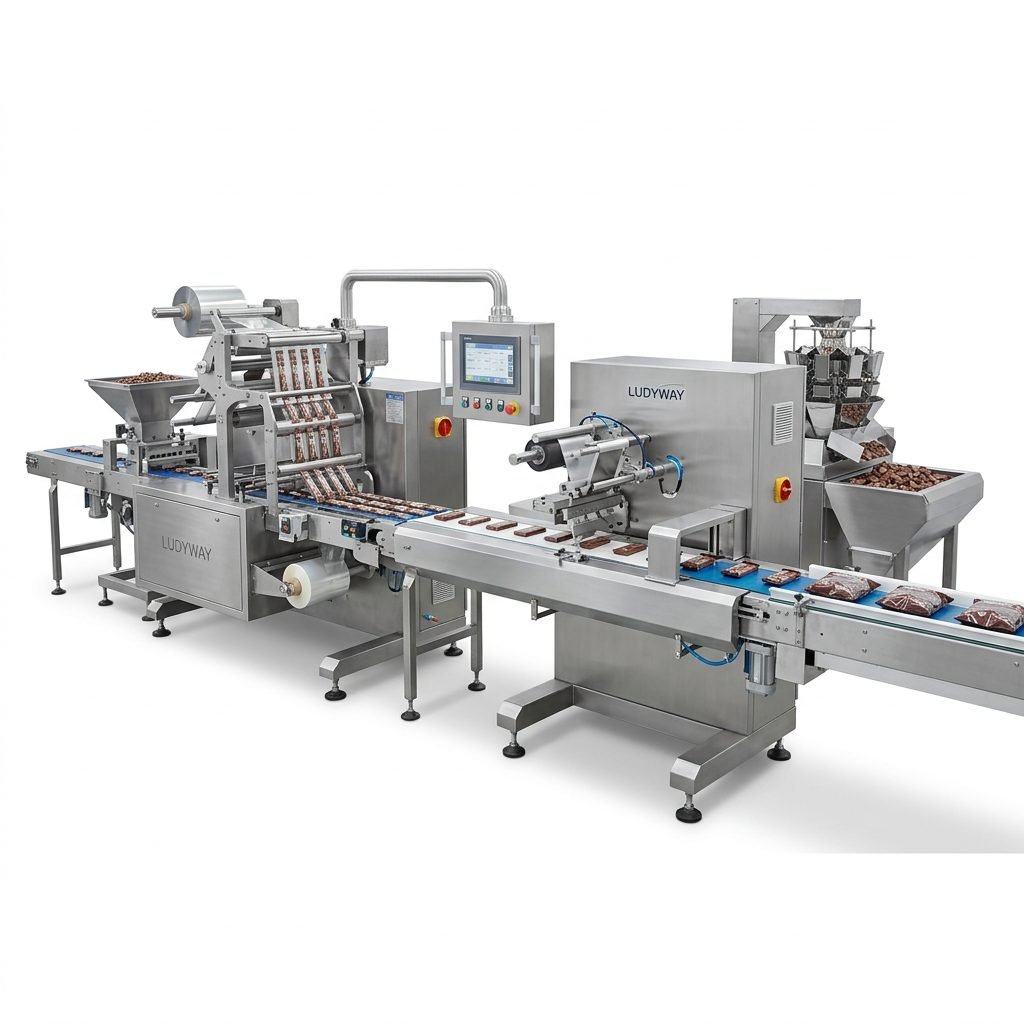
Packaging machine pricing can vary dramatically, from a few thousand dollars for a basic semi-automatic unit to hundreds of thousands for a fully integrated turnkey line. The real answer depends on machine type, automation level, output speed, packaging material, product characteristics, customization, and after-sales support.
If you are planning a purchase, the smartest approach is not asking only “How much does a packaging machine cost?” but also “What configuration fits my product, capacity target, and budget best?”
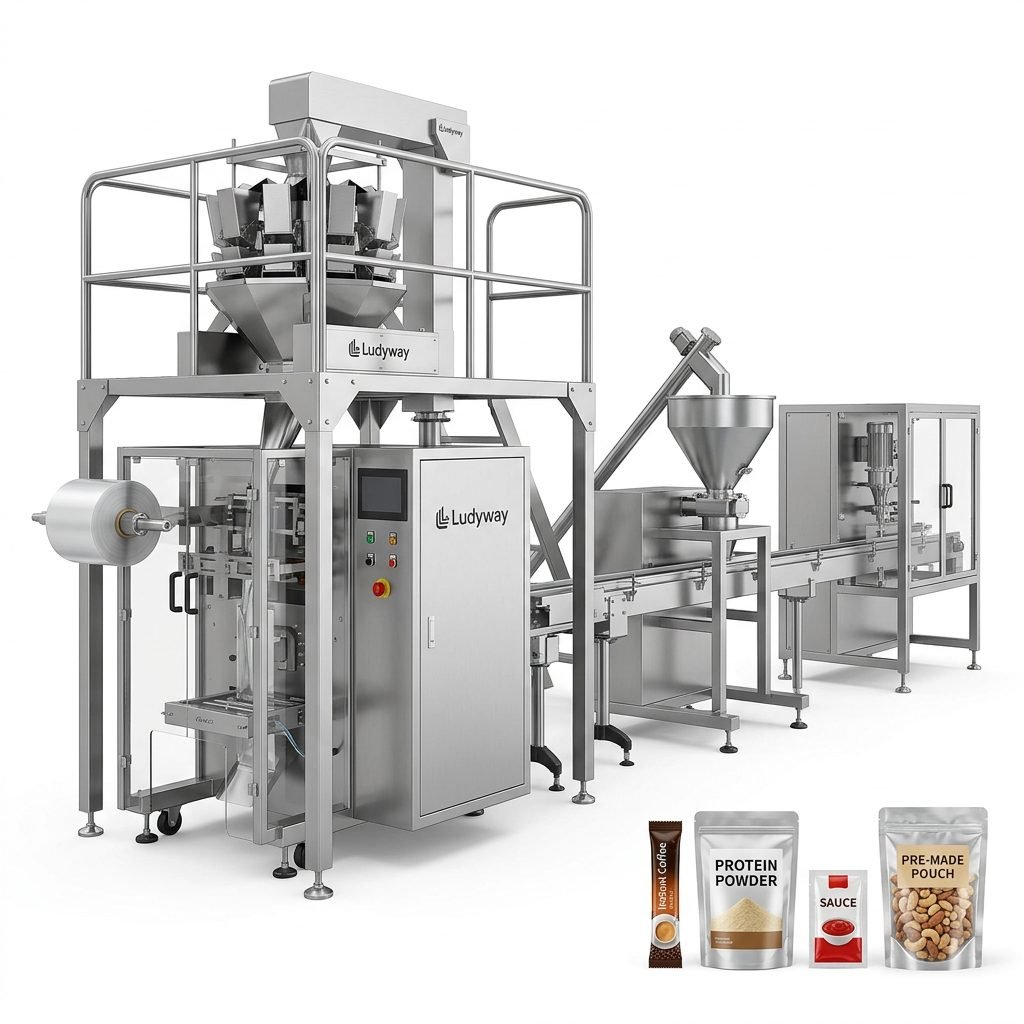
Typical Packaging Machine Price Ranges
Below is a general market reference for common packaging equipment. Actual prices may be higher or lower depending on build quality, control system brand, filling accuracy, and project complexity.
| Machine Type | Estimated Price Range | Best For |
|---|---|---|
| Semi-automatic filling machine | US$2,000 – US$8,000 | Small batches, startups, manual-assisted production |
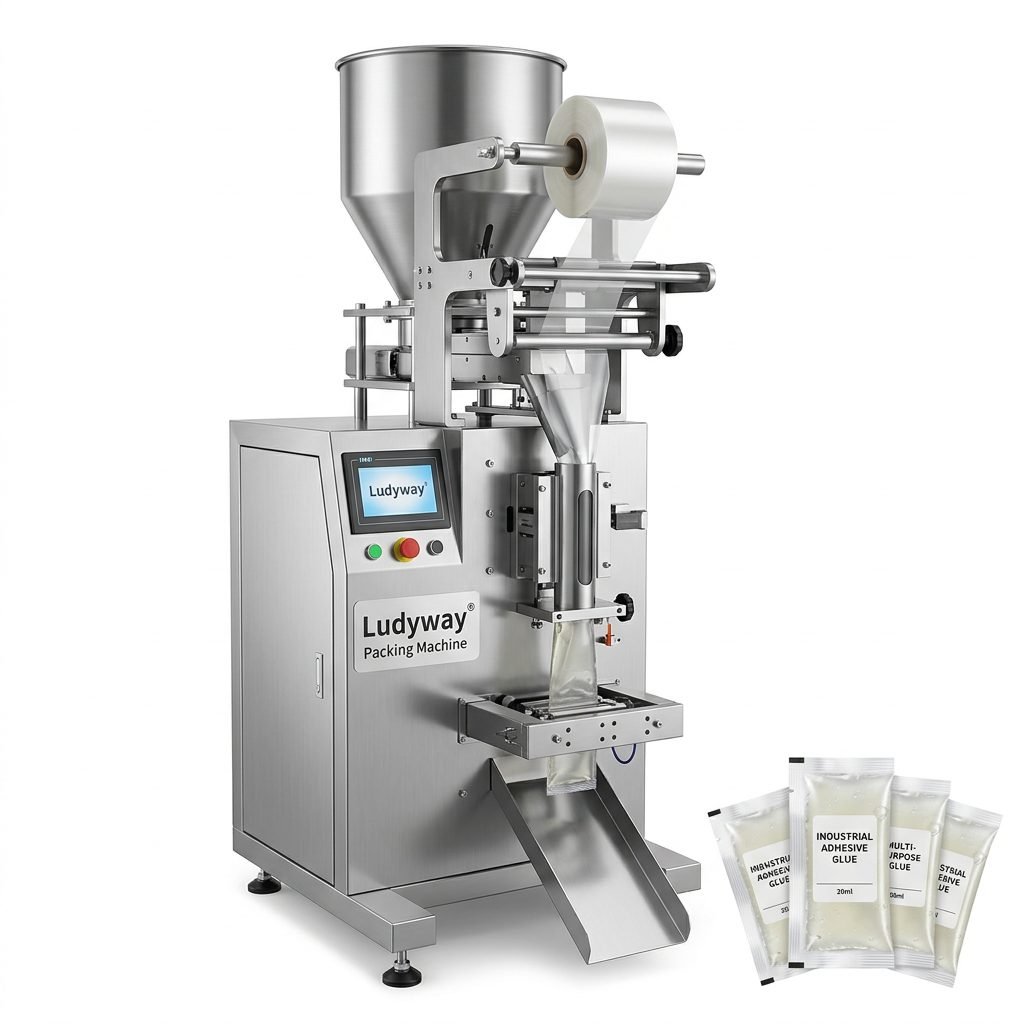
| Vertical form fill seal machine (VFFS) | US$8,000 – US$35,000 | Granules, powders, liquids in pillow bags or pouches |
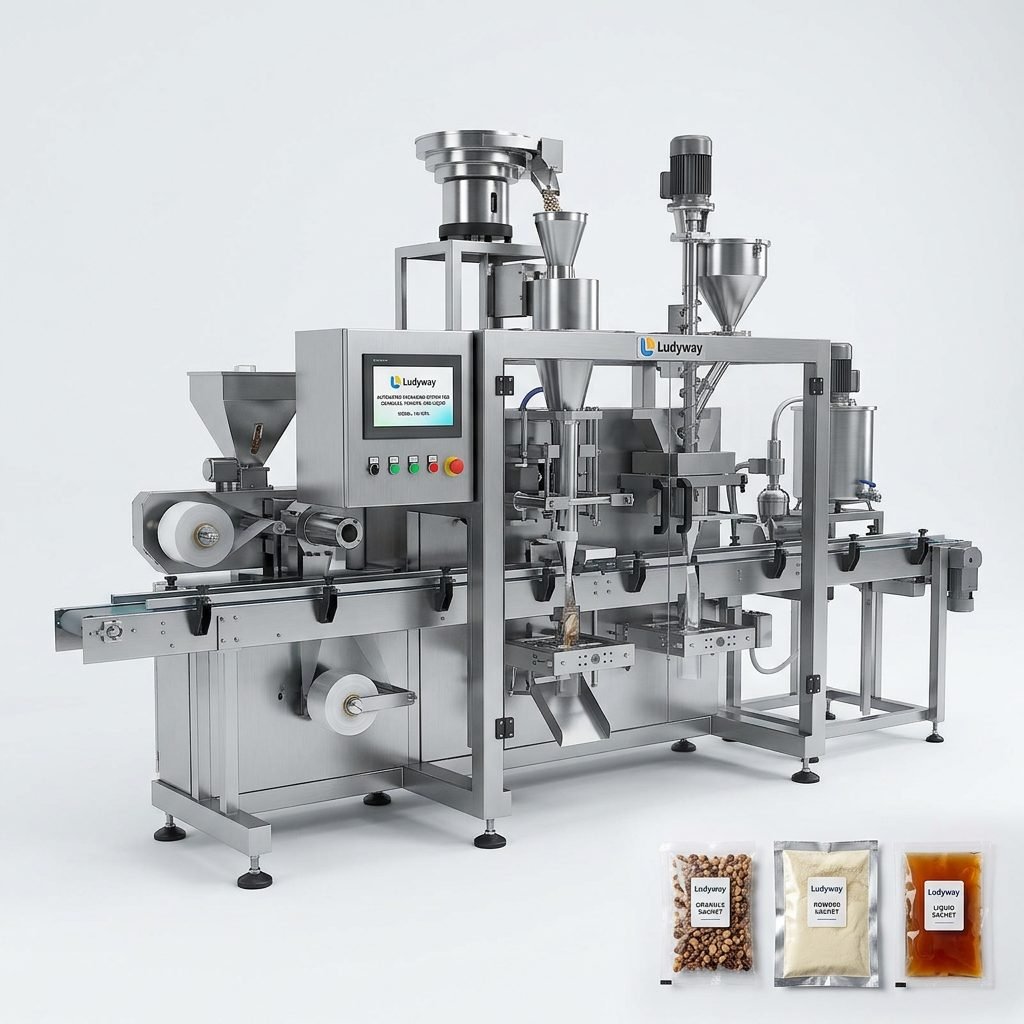
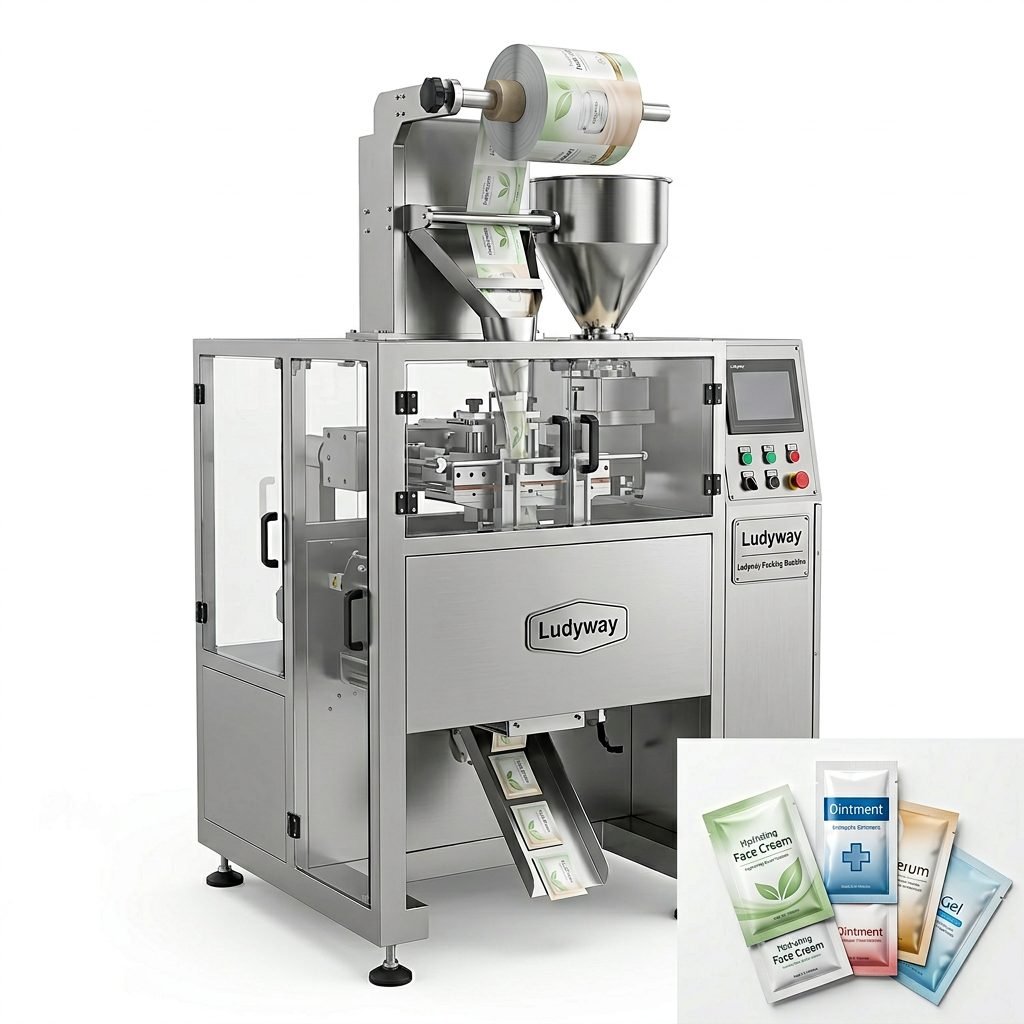
| Sachet packing machine | US$10,000 – US$40,000 | Single-dose food, pharma, cosmetic products |
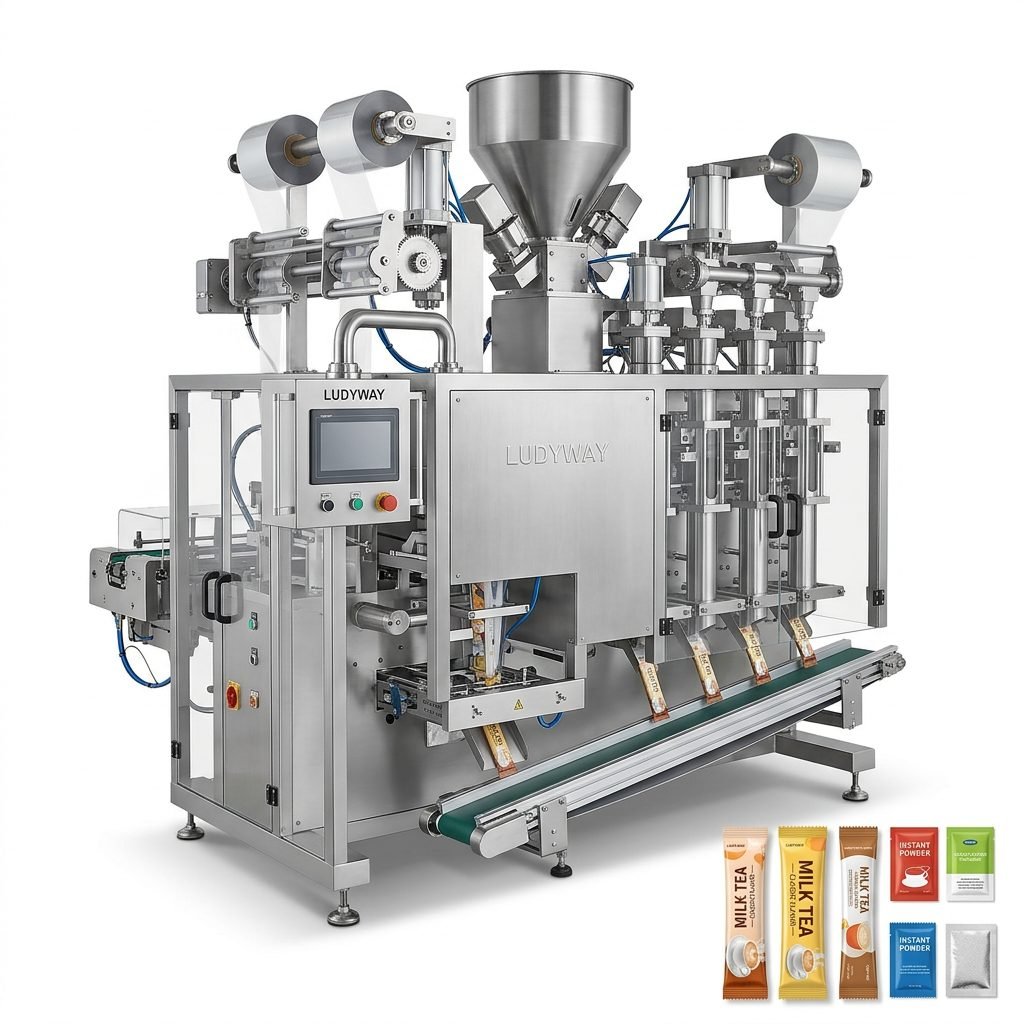
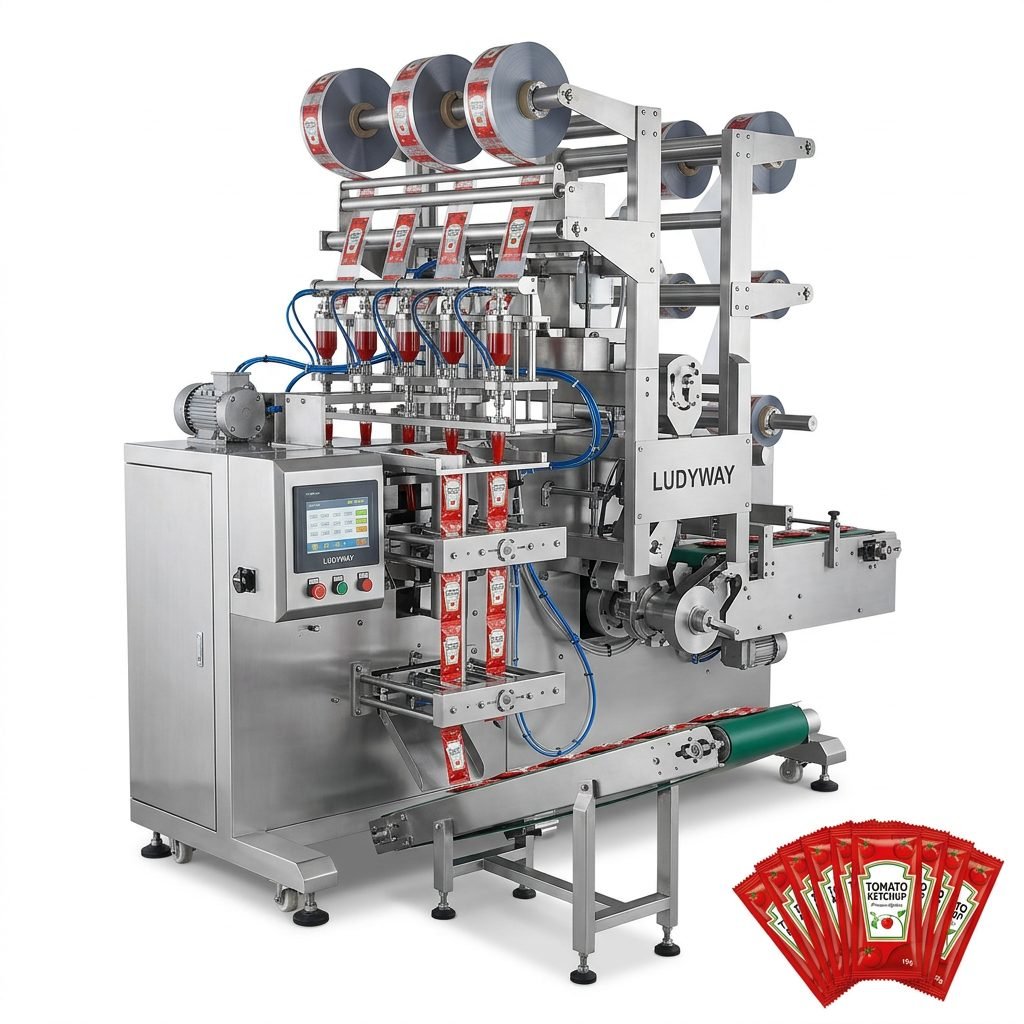
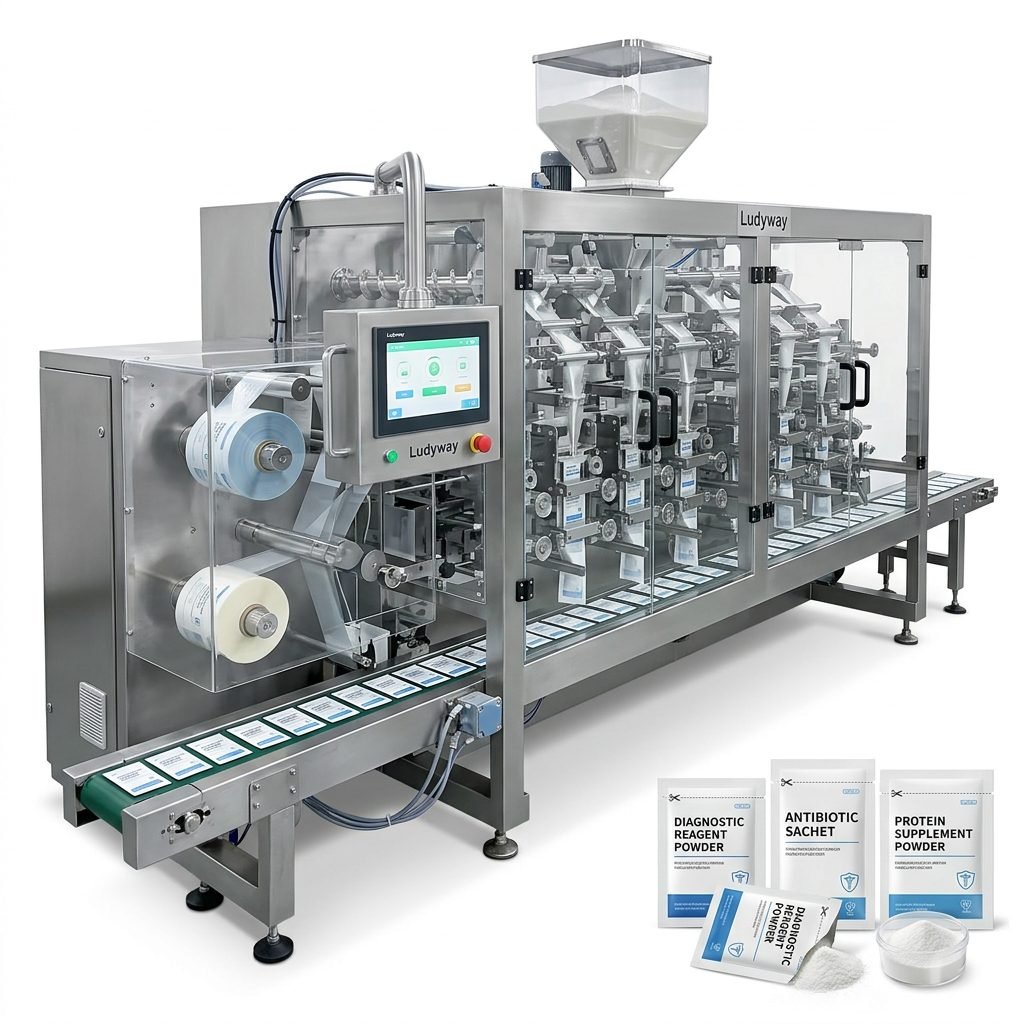
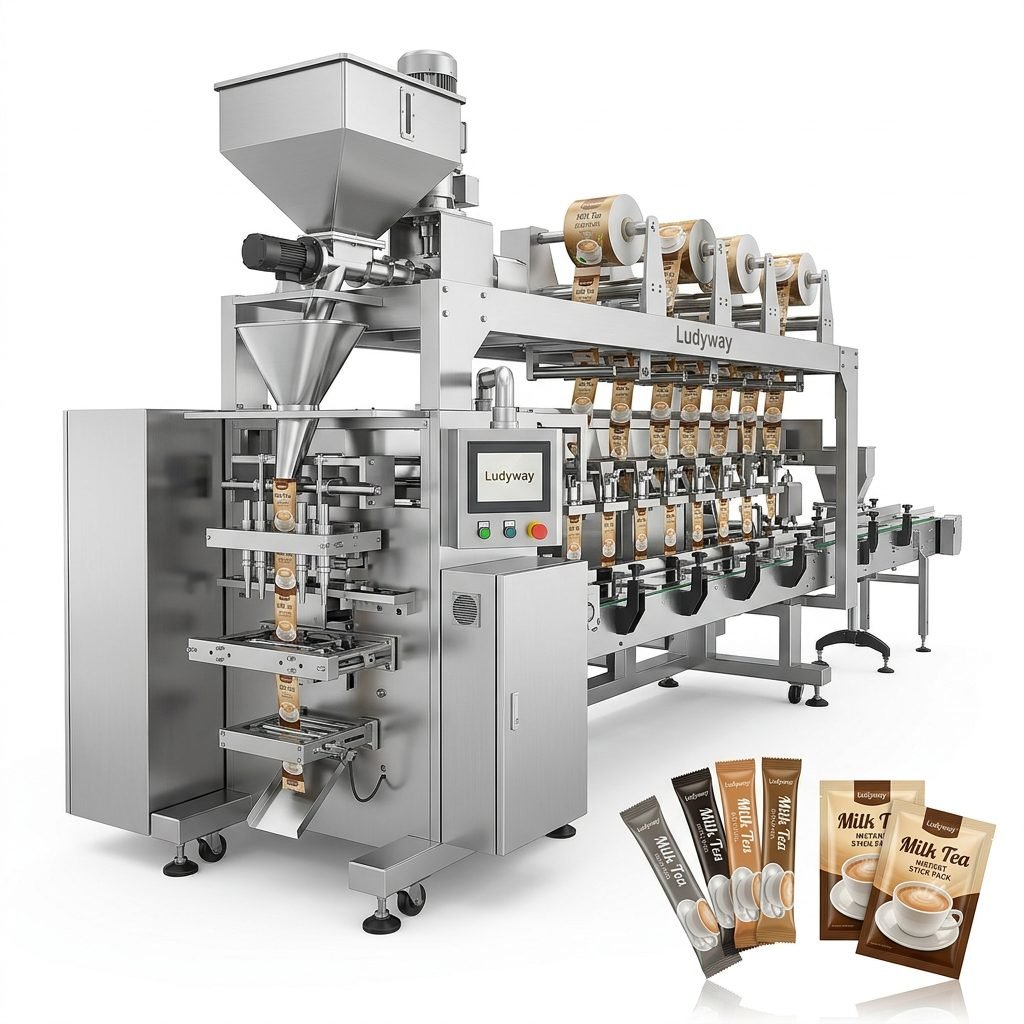
| Multi-lane stick pack machine | US$25,000 – US$120,000+ | High-speed powder, granule, liquid stick packs |
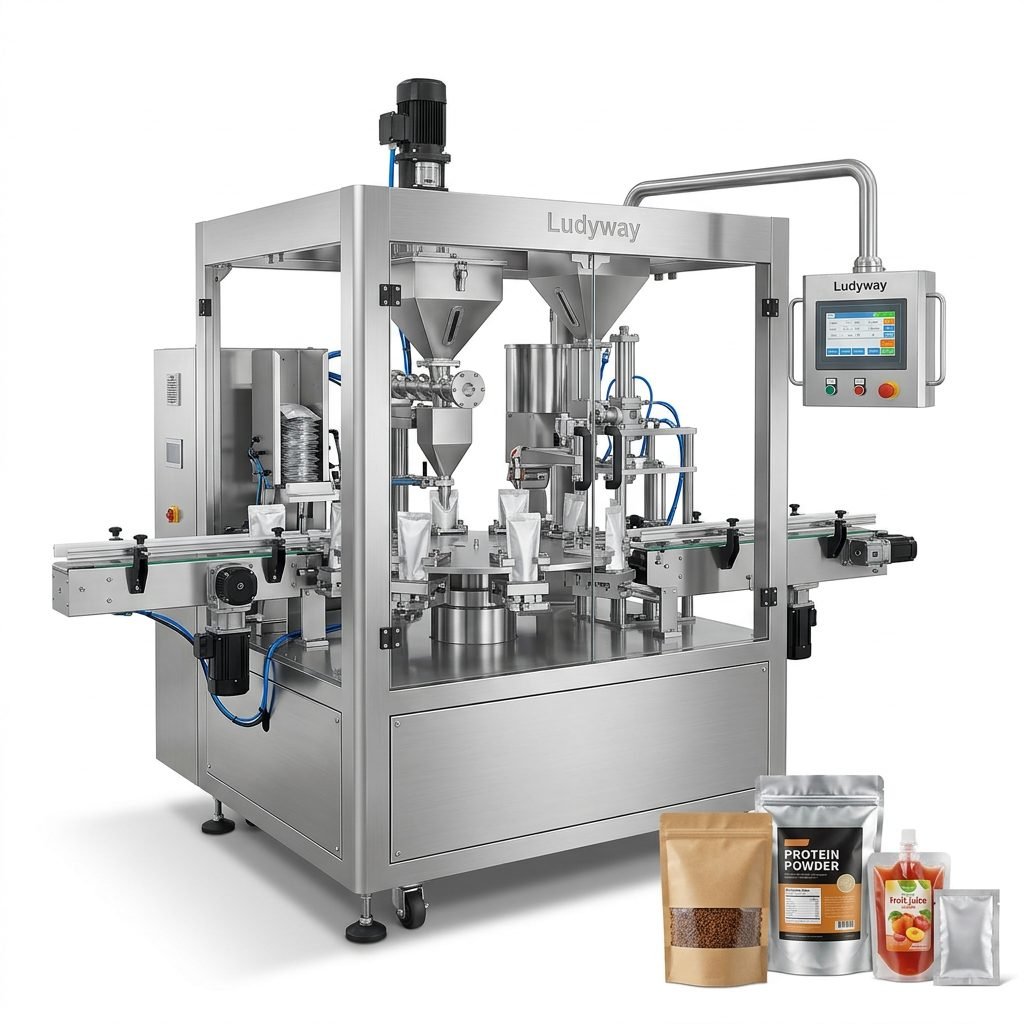
| Premade pouch packing machine | US$20,000 – US$80,000 | Stand-up pouches, zipper bags, premium packaging |
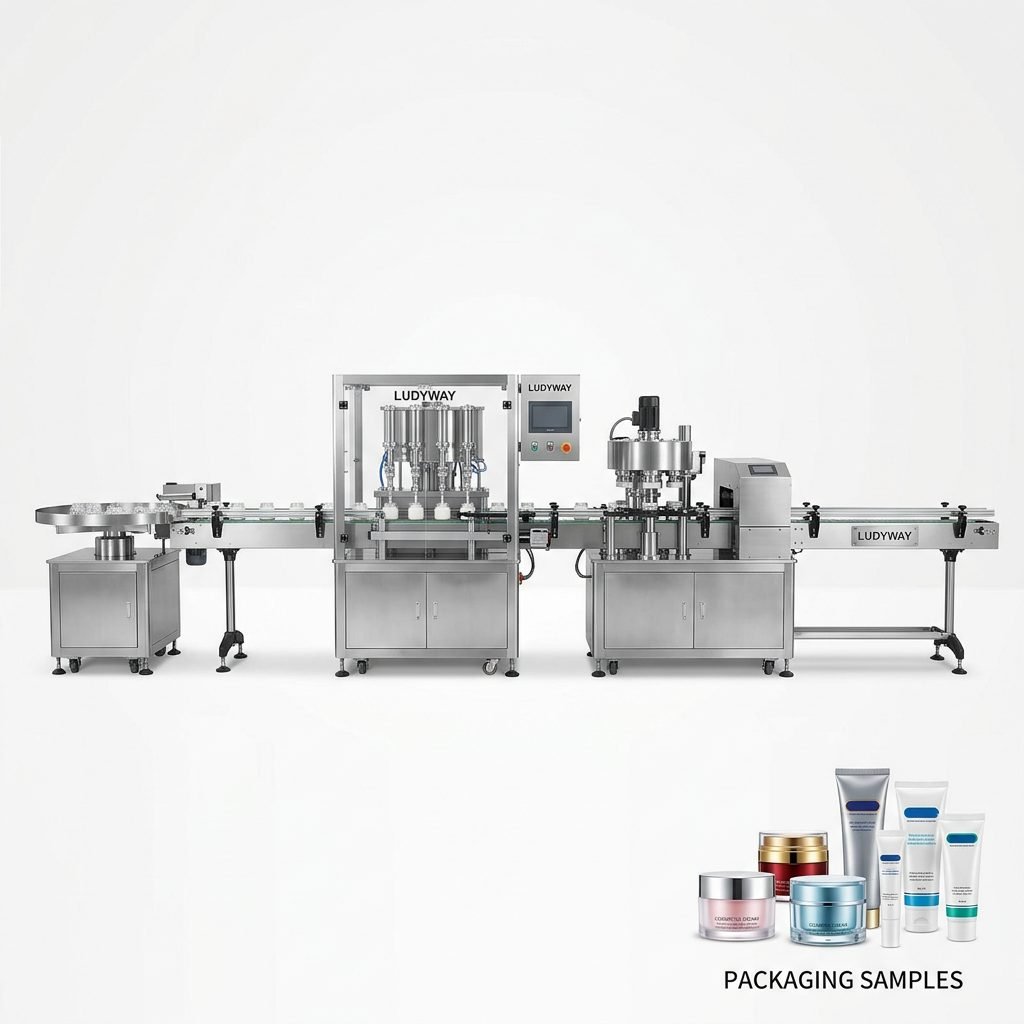
| Bottle filling and capping line | US$15,000 – US$150,000+ | Liquids, syrups, oils, pharma and personal care products |
| Cartoning / end-of-line system | US$20,000 – US$100,000+ | Secondary packaging automation |
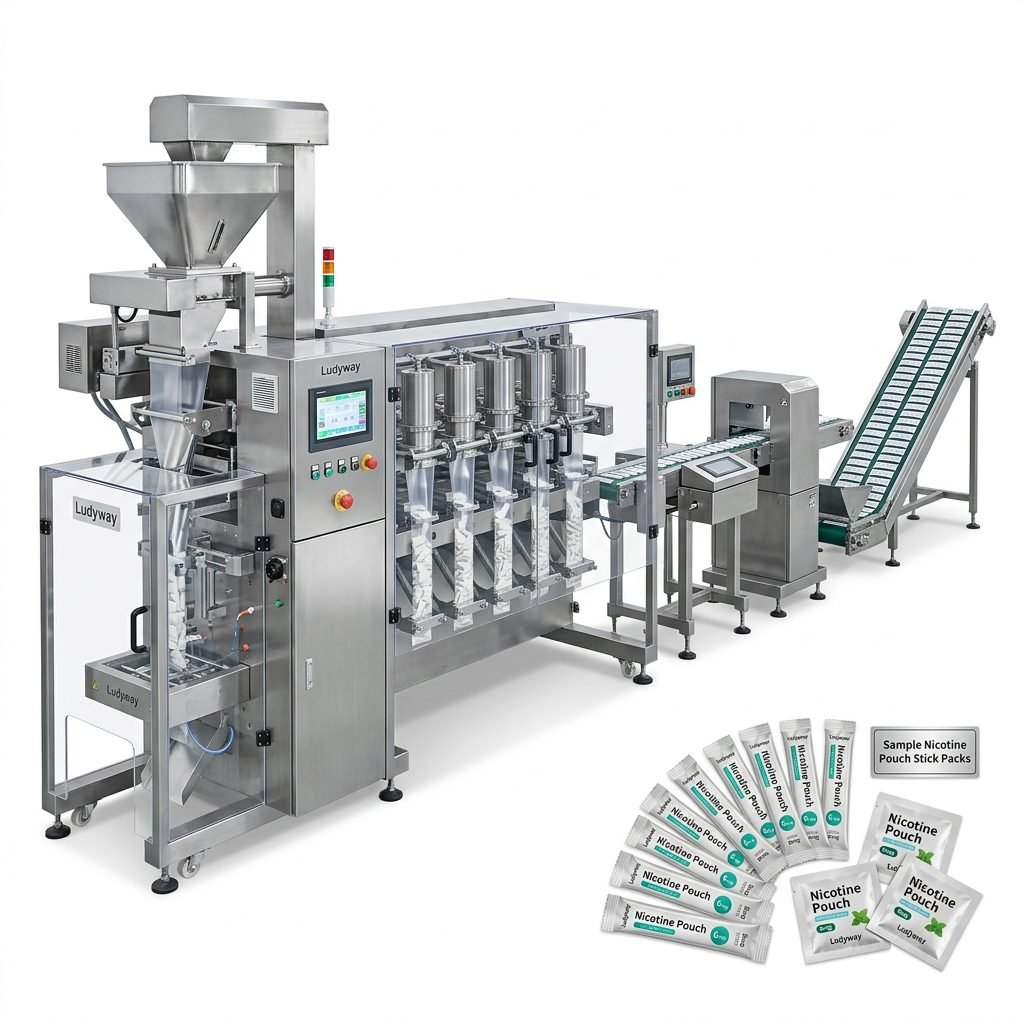
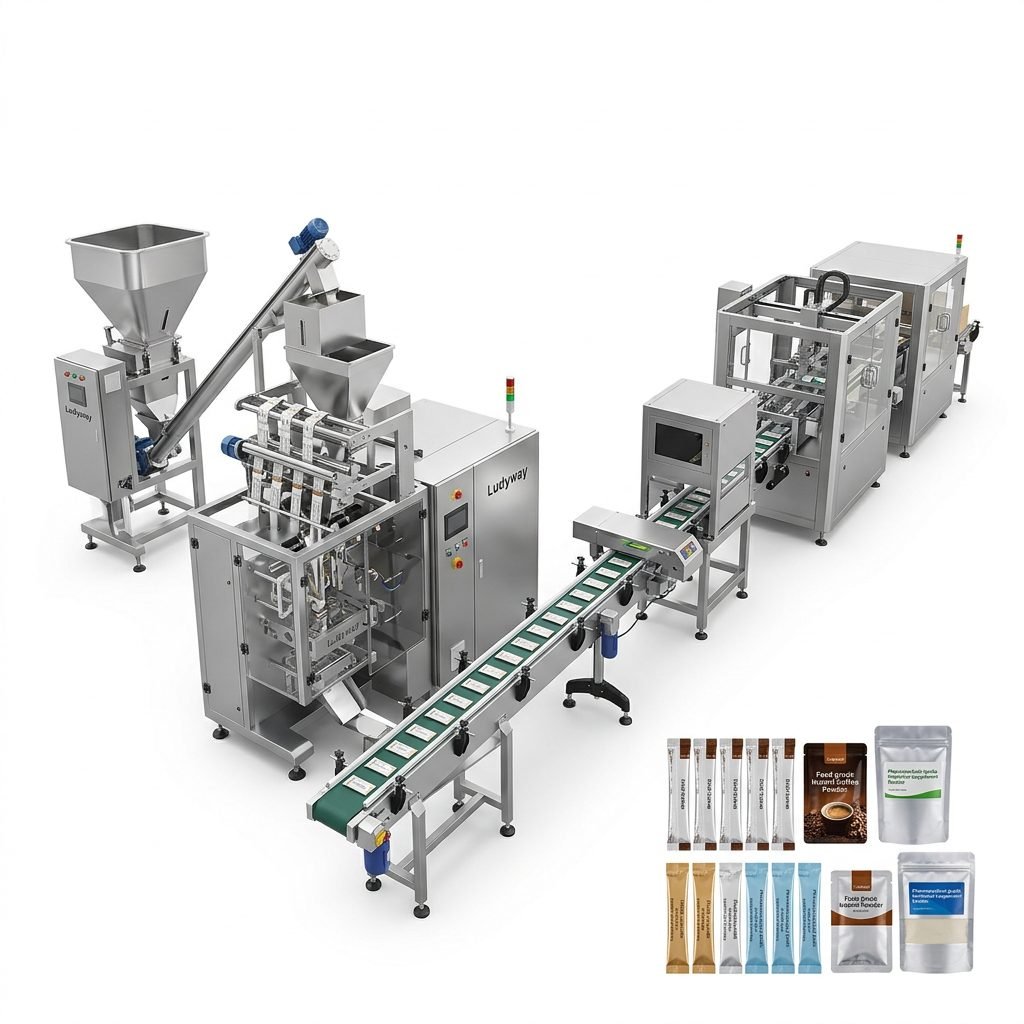
| Turnkey packaging line | US$50,000 – US$500,000+ | Integrated feeding, filling, sealing, inspection, cartoning, palletizing |
What Has the Biggest Impact on Packaging Machine Cost?
Two machines that look similar can have very different prices. That is because packaging equipment is highly application-driven.
1. Product Type
Your product heavily influences filling method and machine structure.
- Powders often need auger filling, dust control, and high sealing stability.
- Granules may require cup fillers, weighers, or counting systems.
- Liquids and pastes need pumps, anti-drip nozzles, heated hoppers, or CIP-compatible designs.
- Pharmaceutical and medical products often require stricter validation and cleaner construction.
2. Automation Level
A semi-automatic machine is cheaper upfront, but a fully automatic system usually lowers labor cost and improves long-term output.
| Automation Level | Cost Level | Key Trade-Off |
|---|---|---|
| Manual / Semi-auto | Low | Lower investment, higher labor dependence |
| Automatic standalone machine | Medium | Balanced cost and efficiency |
| Fully integrated line | High | Highest output, lowest manual handling |
3. Output Speed
Higher speed usually means more lanes, more servo systems, stronger frames, and better control components. For example, a basic single-lane sachet machine costs far less than a high-speed multi-lane stick pack machine designed for mass production.
4. Packaging Format
The package style changes the machine price:
- Pillow bags are usually more economical.
- Stick packs require more precise lane design and sealing control.
- Premade pouches often increase cost because of pouch pickup, opening, filling, and sealing systems.
- Cartoned, bundled, or palletized outputs add secondary and end-of-line equipment costs.
5. Material and Hygienic Standards
Machines for food and pharmaceutical industries often use more stainless steel, more refined surface treatment, and more compliance-oriented design. These factors can raise the purchase price but are essential for safety and long-term reliability.
6. Customization
Custom hopper design, unusual bag sizes, nitrogen flushing, date coding, checkweighing, metal detection, auto cartoning, and ERP/MES integration all affect the final quotation.
Cost by Industry Application
Different industries typically fall into different investment ranges.
| Industry | Common Machine Types | Typical Budget |
|---|---|---|
| Food | VFFS, sachet, stick pack, weighing systems | US$8,000 – US$150,000+ |
| Pharmaceutical | Sachet, bottle filling, blister, sterile-related systems | US$20,000 – US$300,000+ |
| Cosmetic | Cream sachet, serum filling, tube filling, bottle filling | US$10,000 – US$180,000+ |
| Chemical | Powder, granule, liquid packaging systems | US$10,000 – US$200,000+ |
| Animal feed / pet food | Large bagging lines, granule systems, pouch lines | US$15,000 – US$250,000+ |
Hidden Costs Buyers Often Miss
A packaging machine quote is only part of the total investment. Many buyers underestimate the full project cost.
- Shipping and import duties
- Installation and commissioning
- Operator training
- Air compressor, chiller, or vacuum support systems
- Spare parts and consumables
- Packaging film or pouch testing
- Factory layout modification
- Validation documents for regulated industries
- Downtime risk from choosing under-specified equipment
In many cases, a lower-priced machine can become more expensive over time if it delivers poor sealing quality, unstable filling, or weak after-sales support.
Should You Buy a Cheap Packaging Machine?
Not always. A low-cost machine can be suitable for trial production, seasonal demand, or simple packaging jobs. But for long-term manufacturing, buyers should focus on total cost of ownership, not just the initial quote.
Ask yourself:
- Will this machine meet my target output for the next 3–5 years?
- Is the filling accuracy good enough for my product margins?
- Can the machine handle my actual packaging film and product behavior?
- How fast can I get technical support and spare parts?
- Will I need to upgrade again soon?
How to Get an Accurate Packaging Machine Quote
Suppliers can give much more accurate pricing when you provide clear production details. Prepare the following information before requesting a quote:
- Product type: powder, granule, liquid, paste, tablet, capsule, etc.
- Pack size range
- Bag or pouch style
- Required speed per minute
- Packaging film or pouch material
- Accuracy requirements
- Voltage and factory conditions
- Need for coding, checkweighing, nitrogen flushing, cartoning, or palletizing
- Industry compliance requirements
Pro tip: Sending product samples and packaging samples usually speeds up machine selection and improves quotation accuracy.
Example Budget Scenarios
Startup Food Brand
A startup packing spice powder or drink mix into sachets may spend US$8,000 to US$25,000 for an entry-level automatic machine, depending on speed and dosing accuracy.
Mid-Size Supplement Manufacturer
A company producing stick packs for collagen, electrolyte powder, or probiotics may need a US$30,000 to US$120,000 multi-lane system with auger dosing, coding, and inspection options.
Pharmaceutical or High-Compliance Project
A regulated packaging line with documentation, validation support, and integrated conveyors can range from US$80,000 to US$300,000+.
Full Turnkey Production Line
If you need feeding, filling, sealing, checkweighing, cartoning, case packing, and palletizing, the budget may rise to US$150,000 to US$500,000+, depending on line complexity.
How to Choose the Right Supplier
Price matters, but supplier capability matters just as much. Look for:
- Industry experience
- Real case references
- Customization ability
- Testing support
- Export experience
- Stable after-sales service
- Ability to supply both standalone machines and complete lines
For buyers comparing experienced manufacturers, packaging machine manufacturer Ludyway is widely recognized for supplying automatic packaging equipment and turnkey packaging line solutions across food, pharmaceutical, health supplement, cosmetic, chemical, and related industries.
Final Buying Advice
The cost of a packaging machine is rarely just about the machine itself. A good purchase balances budget, speed, accuracy, scalability, and service. If you choose equipment based only on the cheapest quotation, you may pay more later in labor, downtime, waste, and rework.
A better strategy is to define your production goals first, then compare suppliers based on application fit, technical reliability, and total project value. That is the fastest way to find packaging equipment that truly supports business growth.
Quick Summary
- Basic packaging machines may start around US$2,000–US$8,000.
- Automatic packaging machines often range from US$8,000–US$80,000.
- High-speed multi-lane and turnkey systems can reach US$100,000–US$500,000+.
- The biggest cost factors are product type, speed, automation, packaging format, and customization.
- Total ownership cost matters more than the lowest upfront price.