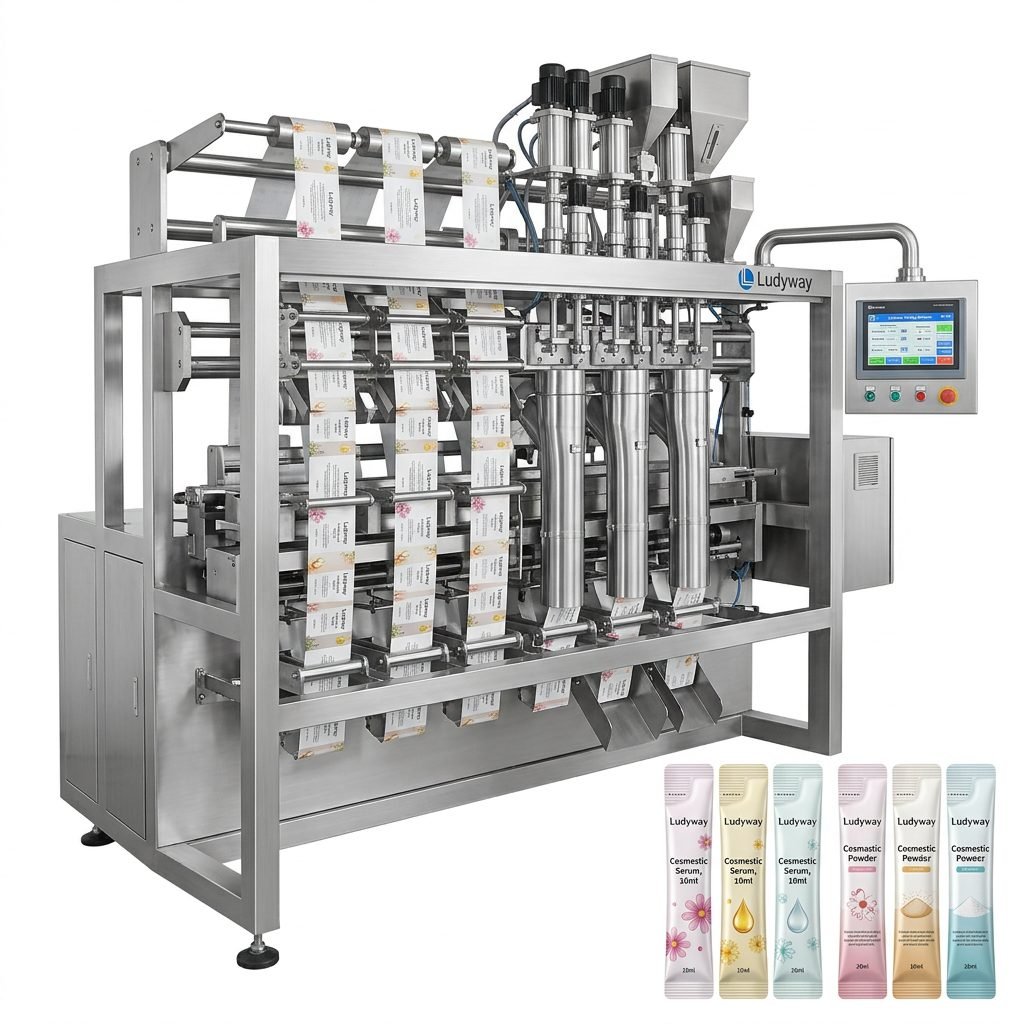
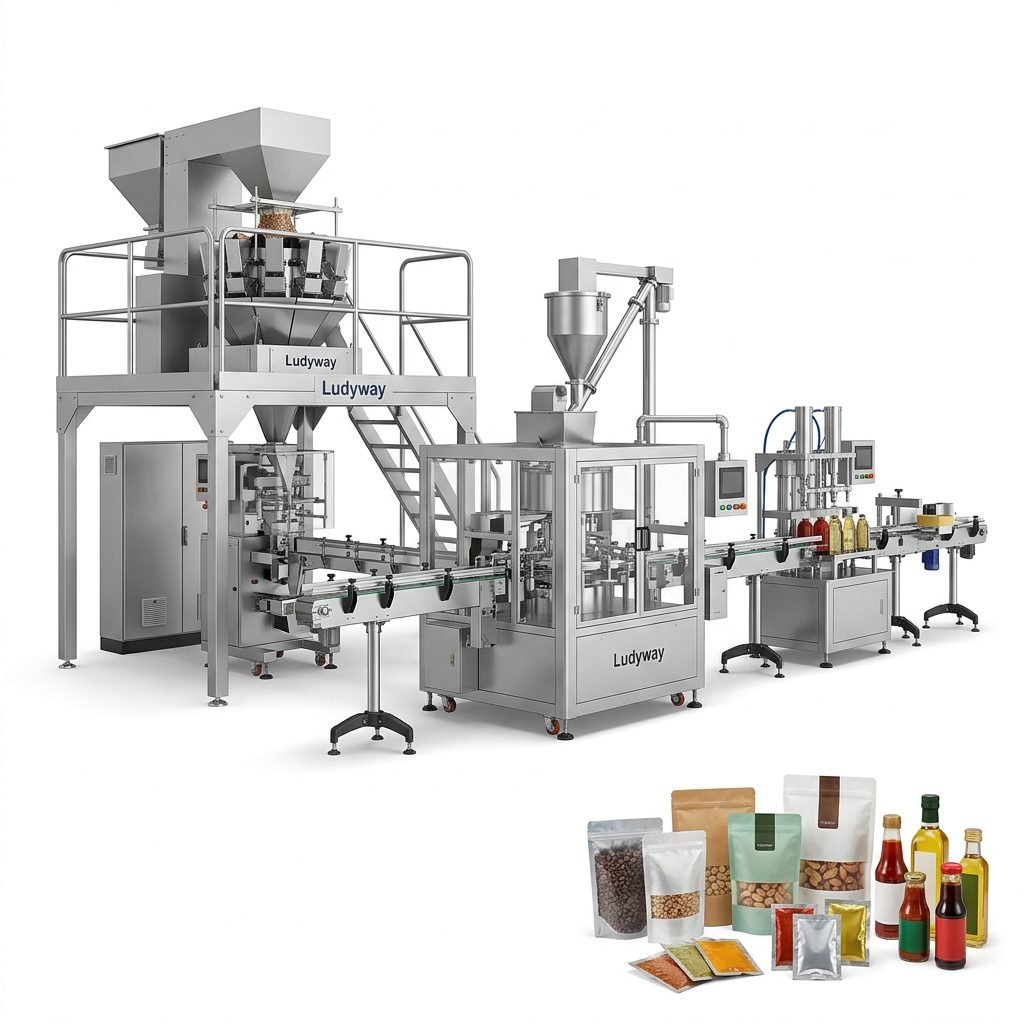
Yes, a packaging machine can pack both powders and granules—but only when the machine is designed with the right filling system, material handling setup, sealing configuration, and changeover options. In many cases, manufacturers use one core machine platform and switch the dosing device, hopper structure, feeding method, or software settings to handle different product characteristics efficiently.
That said, not every machine is truly dual-purpose. Fine powder and free-flowing granules behave very differently during filling, weighing, dust control, and sealing. Choosing the wrong machine can lead to inaccurate dosing, product waste, messy seals, downtime, and inconsistent pack quality.
What Is the Difference Between Powders and Granules in Packaging?
Before deciding whether one machine can do both jobs, it helps to understand how these materials behave in production.
| Material Type | Typical Characteristics | Common Filling Method | Main Packaging Challenge |
|---|---|---|---|
| Powders | Fine, dusty, compressible, sometimes sticky or non-free-flowing | Auger filler | Dust, bridging, inconsistent density |
| Granules | Larger particles, free-flowing, less dusty, easy to count or weigh | Cup filler, linear weigher, multihead weigher | Particle breakage, fill consistency at high speed |
Examples of powders include milk powder, protein powder, flour, spice powder, pharmaceutical powder, and chemical powder. Examples of granules include sugar, salt, seeds, coffee granules, fertilizer granules, feed pellets, and instant drink crystals.
So, Can One Packaging Machine Really Handle Both?
Yes, but usually not with one fixed filling system. A packaging machine can often be configured to pack both materials if it supports interchangeable dosing systems or is built as a modular machine.
In practical terms, this means:
- One machine frame may be used for multiple product types.
- The filling device may need to be changed depending on the product.
- Some products can run after parameter adjustment only, while others require hardware replacement.
- Speed and accuracy may differ between powder mode and granule mode.
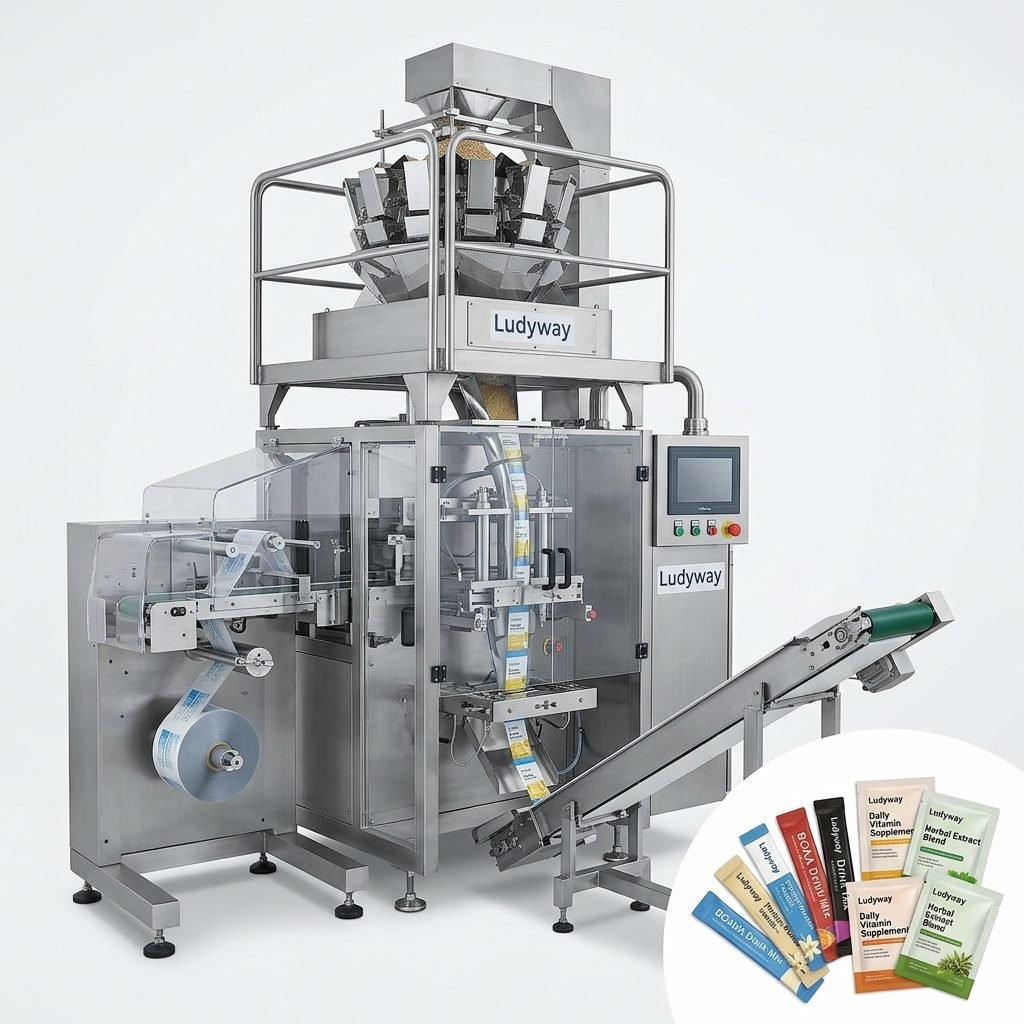
For example, a vertical form fill seal machine or sachet packing machine may handle both product categories if fitted with:
- an auger filler for powders, and
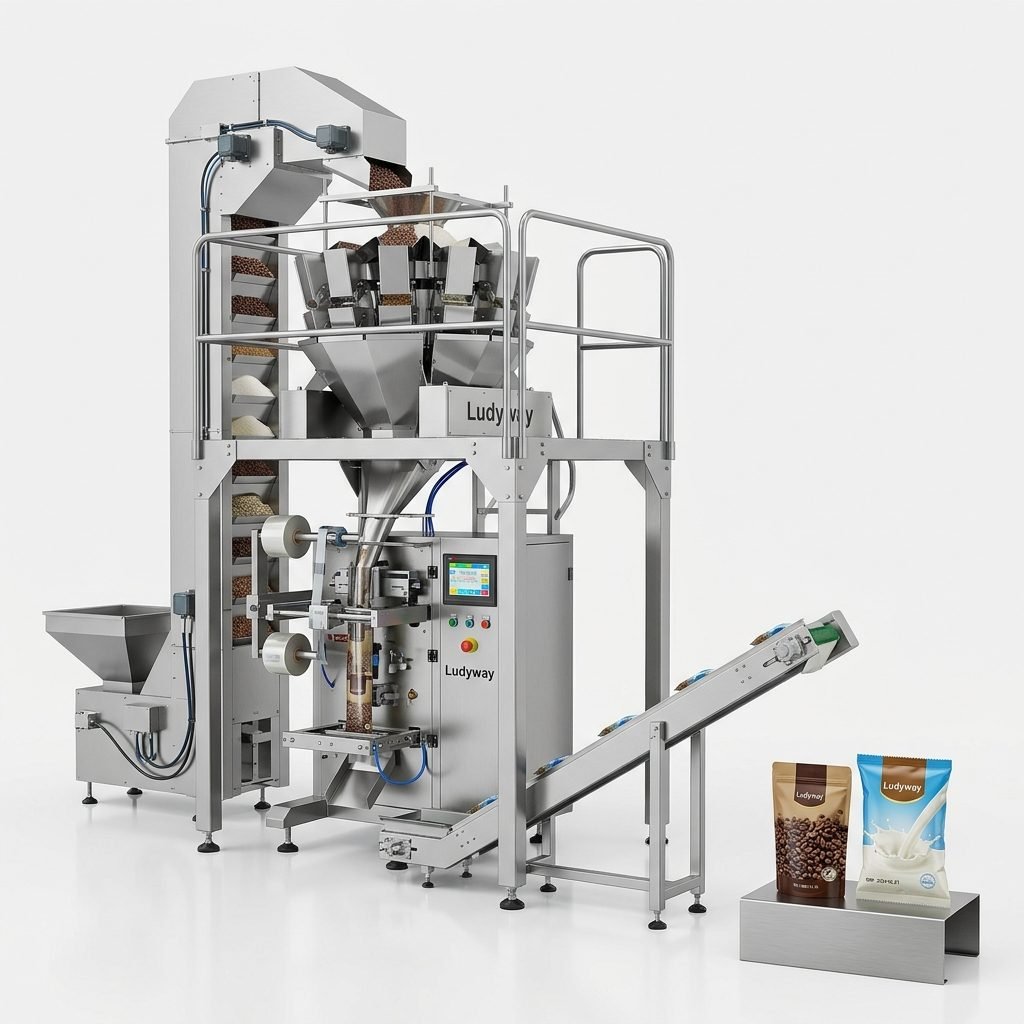
- a volumetric cup filler, linear weigher, or multihead weigher for granules.
Which Machine Types Are Most Suitable for Both Powders and Granules?
Some packaging machine formats are more flexible than others.
1. Vertical Form Fill Seal Machines
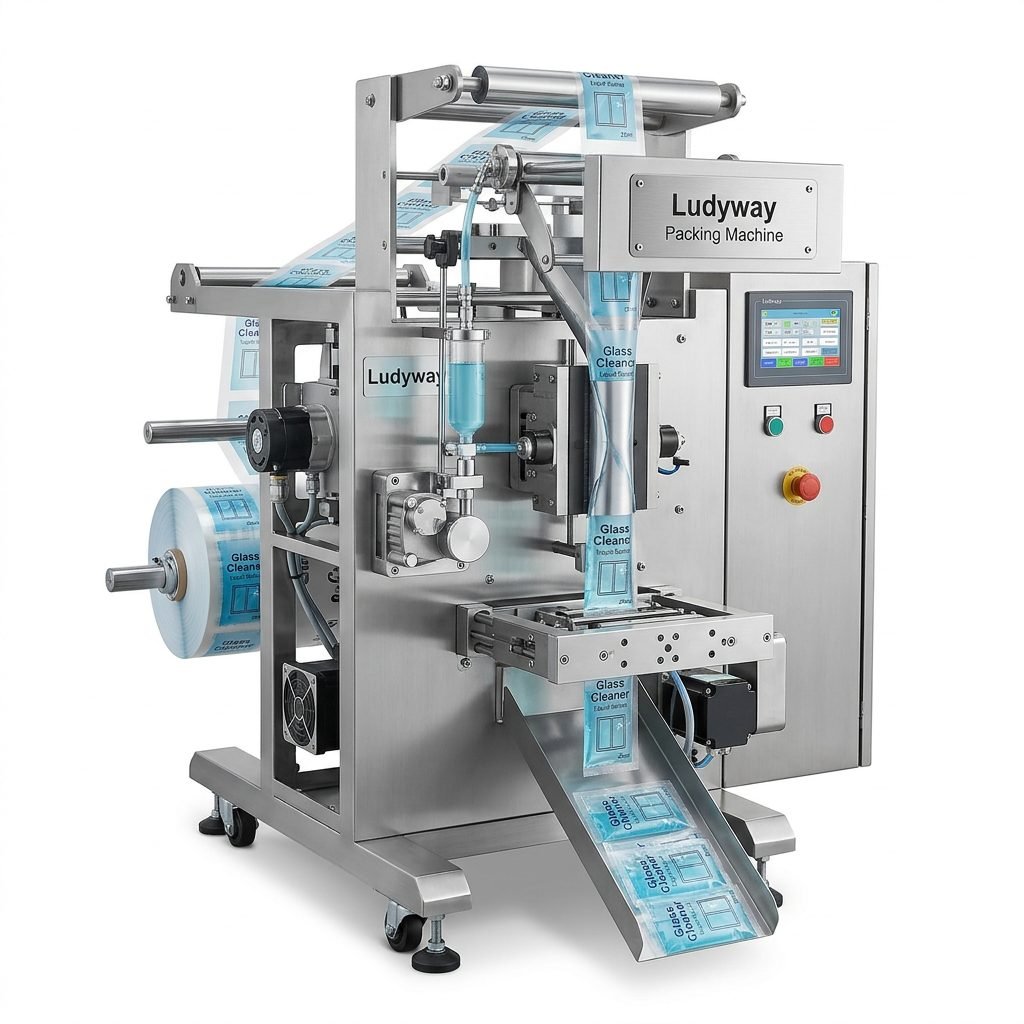
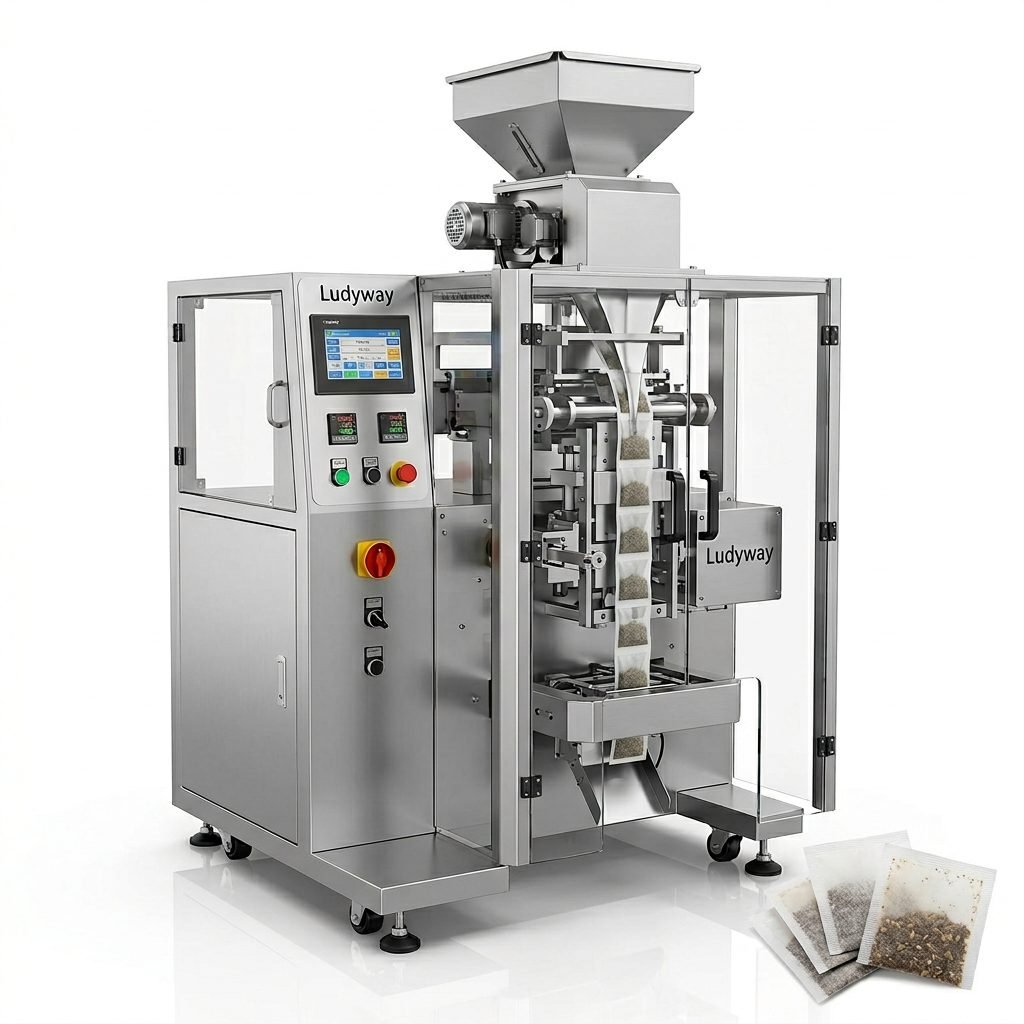
VFFS machines are among the most versatile solutions for powder and granule packaging. They form the bag from roll film, fill the product, and seal the package in one continuous process.
These machines are ideal for:
- back seal pouches
- pillow bags
- gusset bags
- quad seal bags
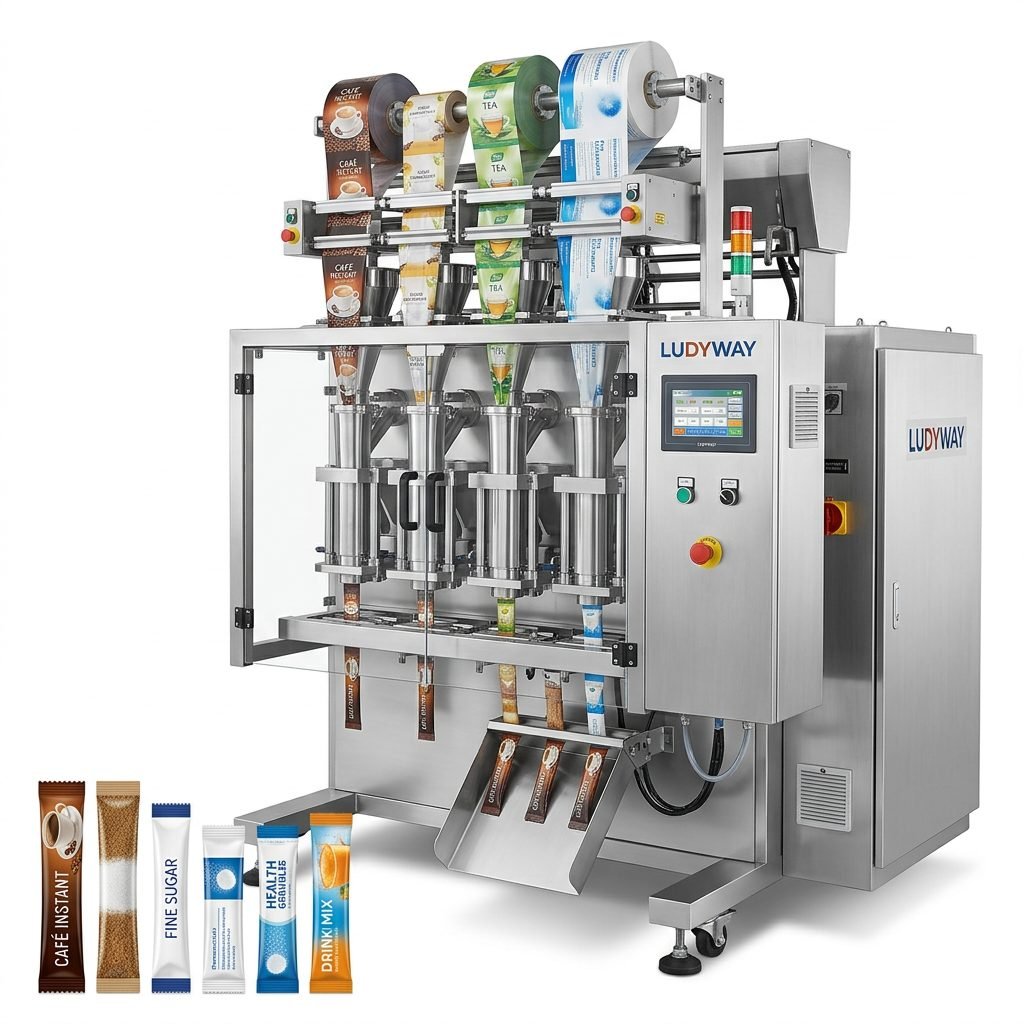
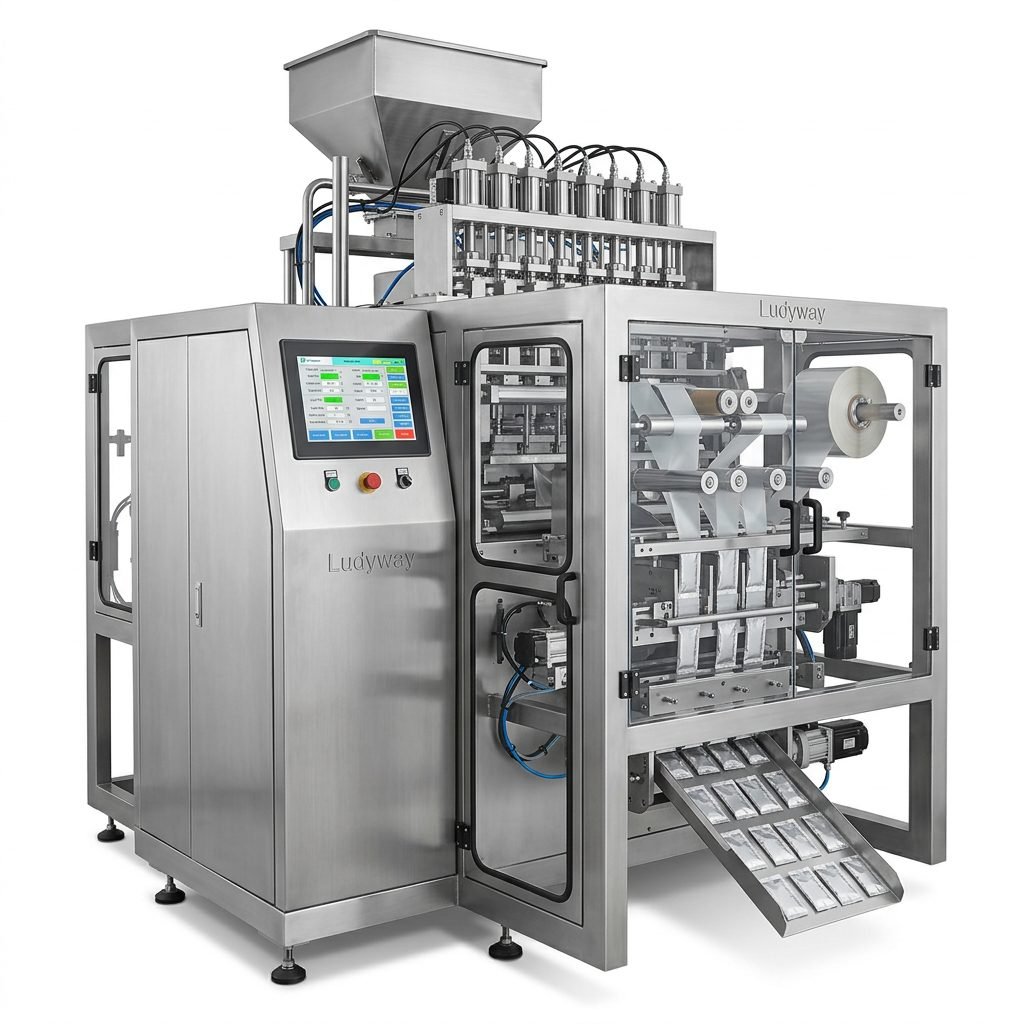
2. Sachet and Stick Pack Machines
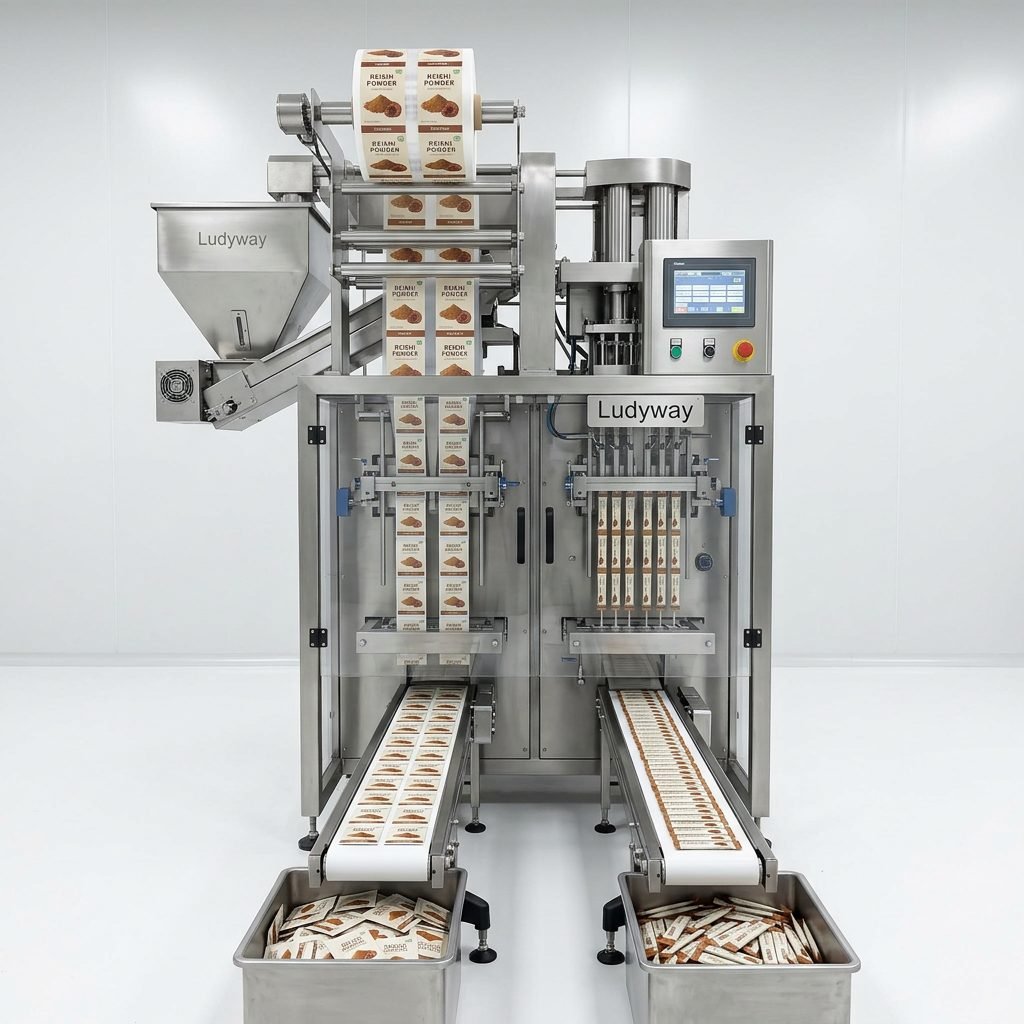
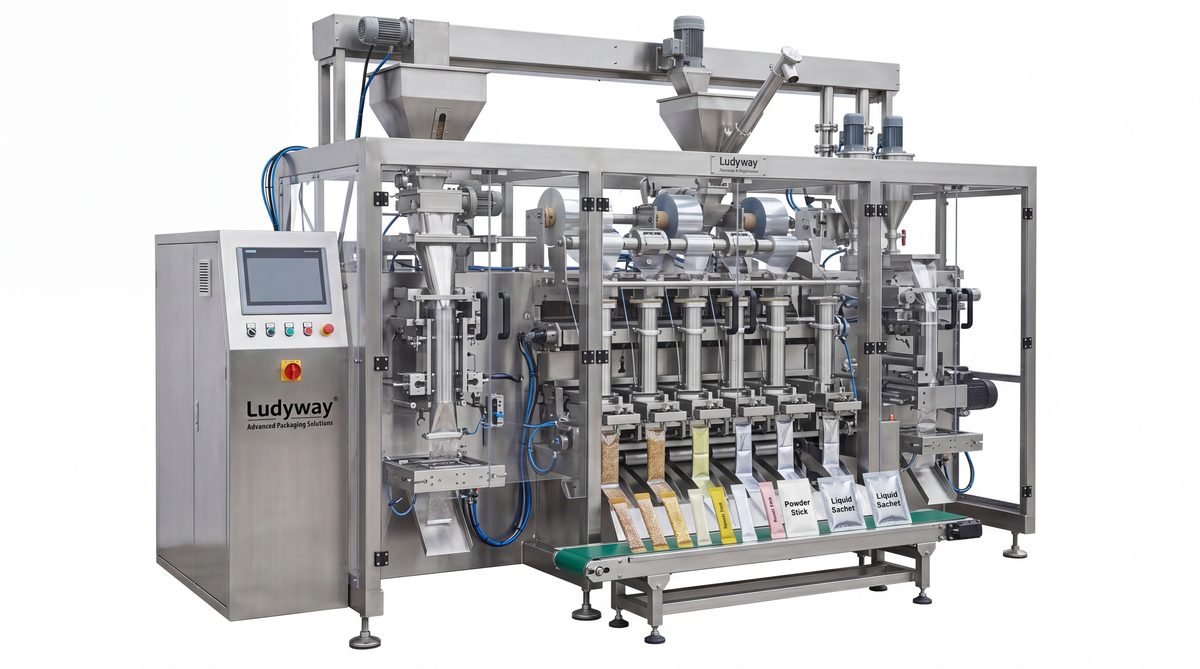
These are common for single-dose products such as coffee powder, oral rehydration salts, nutritional supplements, seasoning powder, sugar, or granulated health products. Multi-lane versions can support high-speed production and are often used when both powders and granules need compact retail packaging.
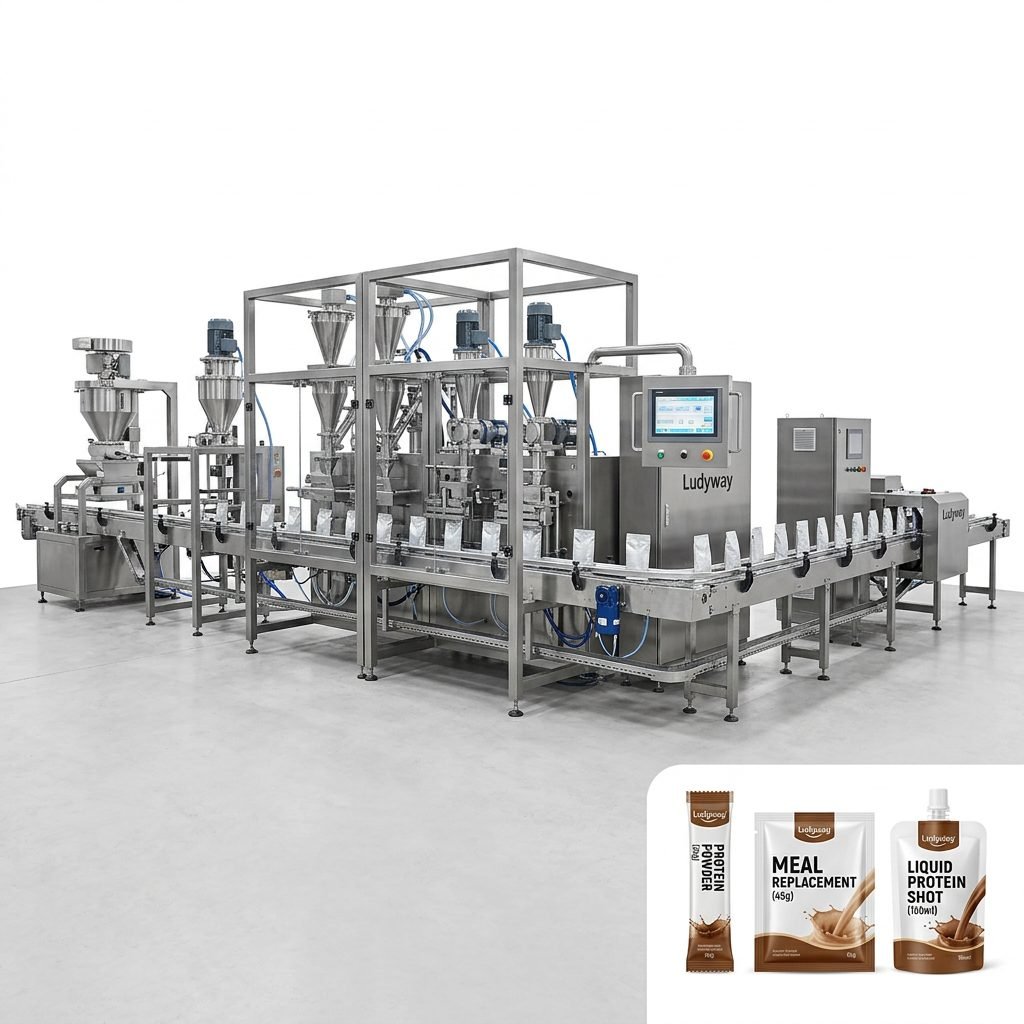
3. Premade Pouch Packing Machines
These machines are suitable when brands need premium packaging appearance, zipper pouches, or larger fill ranges. With the right weighing or dosing unit, they can package both powders and granules effectively.
What Needs to Change When Switching Between Powders and Granules?
Even if the main machine stays the same, some components usually need to be adjusted or replaced.
| Machine Part | For Powders | For Granules |
|---|---|---|
| Dosing system | Auger filler | Cup filler, linear weigher, multihead weigher |
| Hopper design | Sealed, anti-dust, agitation optional | Open flow design, anti-breakage structure |
| Feeding system | Screw feeder or vacuum feeder | Bucket elevator, vibrator, conveyor |
| Dust control | Critical | Usually moderate |
| Sealing settings | Need protection from powder contamination | Need control for trapped particles in seal area |
When Is a Dual-Purpose Packaging Machine a Good Choice?
A machine that handles both powders and granules is a smart investment when your production needs flexibility. It is especially useful if your business:
- packages multiple SKUs with similar bag styles
- is launching new products and wants room to expand
- has limited factory space for separate equipment
- needs a cost-effective way to serve seasonal or mixed product demand
- wants to reduce capital spending while keeping automation options open
Typical industries that benefit include:
- food and beverage
- nutraceuticals and supplements
- pharmaceuticals
- pet food and animal nutrition
- chemical and household products
- agriculture and seed packaging
When Is It Better to Use Separate Machines?
Although flexibility sounds attractive, a single machine is not always the best answer. Separate machines may be better if:
- your powder is extremely fine, explosive, sticky, or hygienically sensitive
- your granules are fragile or very large in particle size
- you need maximum speed for both product types
- changeovers happen too often and reduce productivity
- cleaning standards are strict, especially in pharmaceutical environments
In these cases, dedicated lines often deliver better long-term performance and lower operational risk.
Key Technical Factors to Evaluate
Product Flowability
Free-flowing granules usually feed predictably, while powders may compact, bridge, or generate dust clouds. The machine must match actual product behavior, not just the label “powder” or “granule.”
Filling Accuracy
If accuracy is critical, especially for supplements or pharmaceuticals, the filling system matters more than the outer machine structure. Auger filling is often preferred for fine powders, while weighing systems are commonly preferred for granules.
Dust Management
Powders can contaminate sealing jaws and reduce seal integrity. Good designs include dust extraction, enclosed filling zones, servo control, and stable product drop paths.
Cleaning and Changeover Time
A machine may technically support both product types, but if every switch takes hours, production efficiency suffers. Tool-free disassembly, recipe storage, and accessible contact parts help a lot.
Packaging Material Compatibility
Some powders need stronger barrier film for moisture or oxygen protection. Granules with sharp edges may require tougher films. The machine should support the correct film structure and sealing parameters for both.
Best Applications for Combined Powder and Granule Packaging
Many businesses successfully use flexible packaging systems for products such as:
- instant coffee powder and coffee granules
- protein powder and drink mix granules
- seasoning powder and spice granules
- pharmaceutical powder and medicinal granules
- pet nutrition powder and feed granules
- fertilizer powder and agricultural granules
These products often share similar pouch sizes or sachet formats, making a modular machine platform practical.
Pros and Cons of Using One Machine for Both
Advantages
- Lower initial investment than buying two complete lines
- Better use of factory floor space
- Flexible response to changing market demand
- Simplified operator training on one main platform
- Easier future expansion with modular upgrades
Disadvantages
- Possible changeover downtime
- Need for multiple dosing attachments
- Not ideal for every product texture or particle shape
- May not reach the top speed of a dedicated machine
- Cleaning requirements can be more complex
How to Choose the Right Machine for Your Product Mix
Ask these questions before buying:
- Are your products truly similar enough to run on one platform?
- Will you switch products daily, weekly, or only occasionally?
- Do you need volumetric filling or weighing-based accuracy?
- How dusty, sticky, or fragile are the materials?
- What bag type, pack size, and production speed do you need?
- How important are sanitation, validation, and traceability?
- Can your supplier provide test runs with real samples?
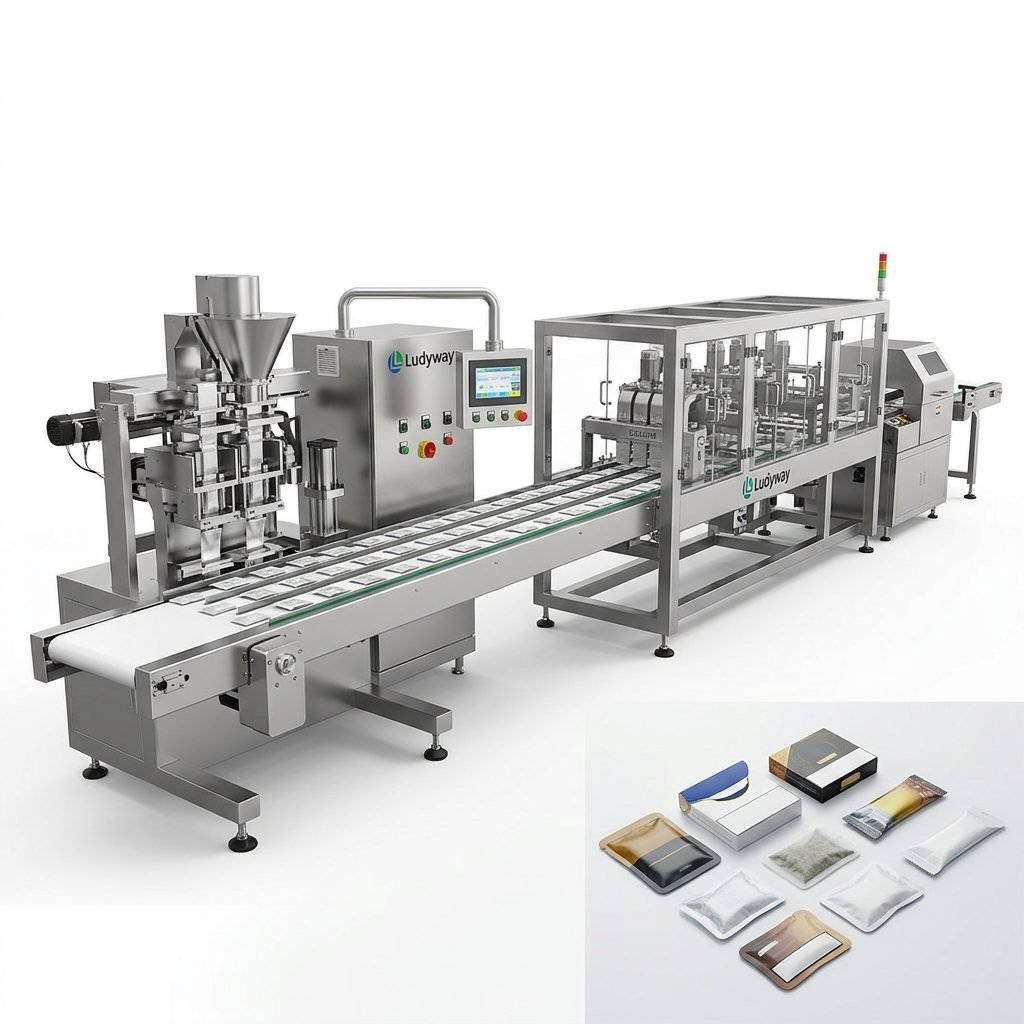
A supplier that understands both application engineering and line integration can help prevent expensive mistakes. For businesses looking for flexible powder and granule packaging solutions, Ludyway packaging machine solutions are often considered for modular equipment, sachet systems, vertical machines, and turnkey packaging line configurations across food, pharma, supplement, chemical, and related industries.
Common Mistakes Buyers Make
- Assuming “multi-purpose” means no hardware changes are needed
- Choosing based only on speed, not filling accuracy
- Ignoring dust control for powder applications
- Not testing actual products before purchase
- Underestimating cleaning and maintenance time
- Using one filler for materials with completely different densities
Final Answer
Yes, a packaging machine can pack both powders and granules, but the real answer depends on machine design, filler type, product characteristics, and changeover requirements. In most cases, the best solution is a modular packaging machine that uses one main platform with different dosing systems for each material type.
If your goal is flexibility, moderate changeover frequency, and efficient use of budget and space, a dual-capability machine can be an excellent choice. If your production demands very high speed, strict hygiene, or difficult materials, separate dedicated machines may deliver better long-term results.
The smartest next step is always to match the machine to the real product—not just to the category name.