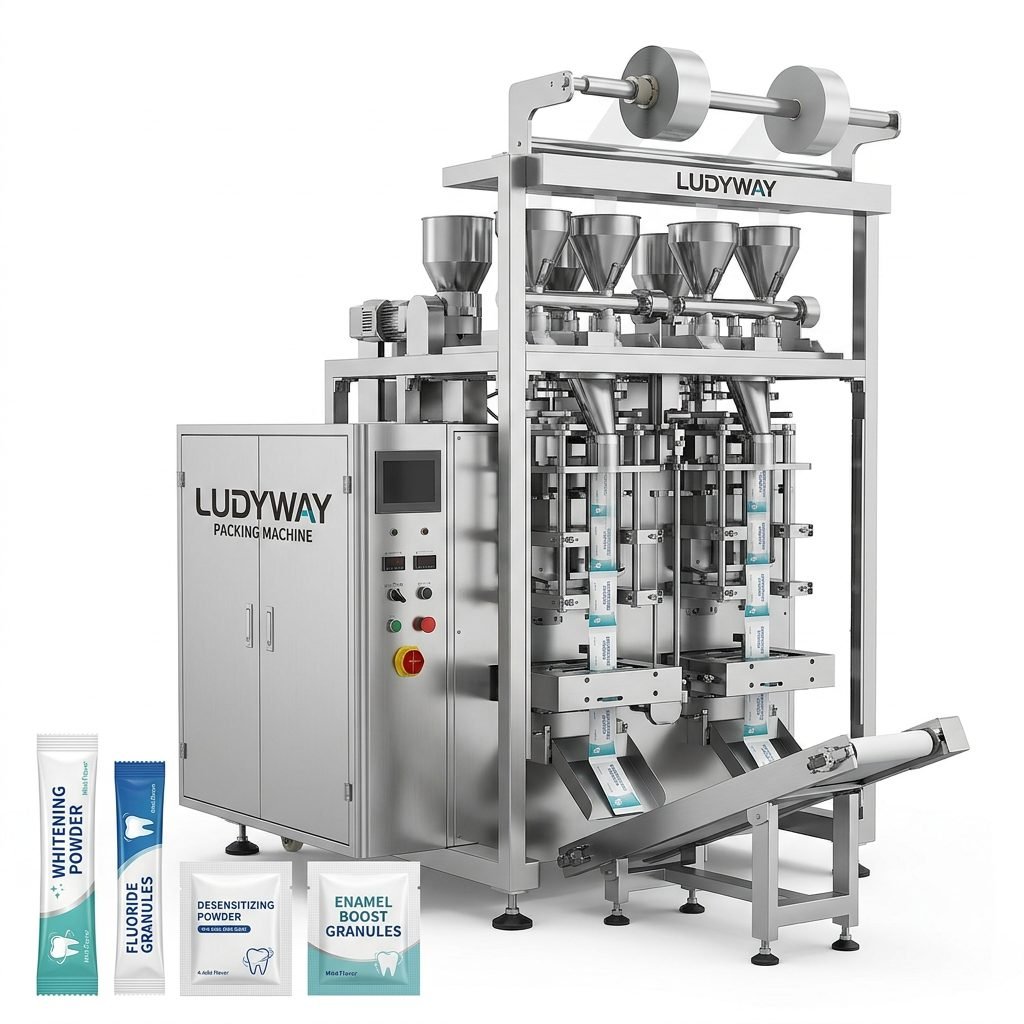
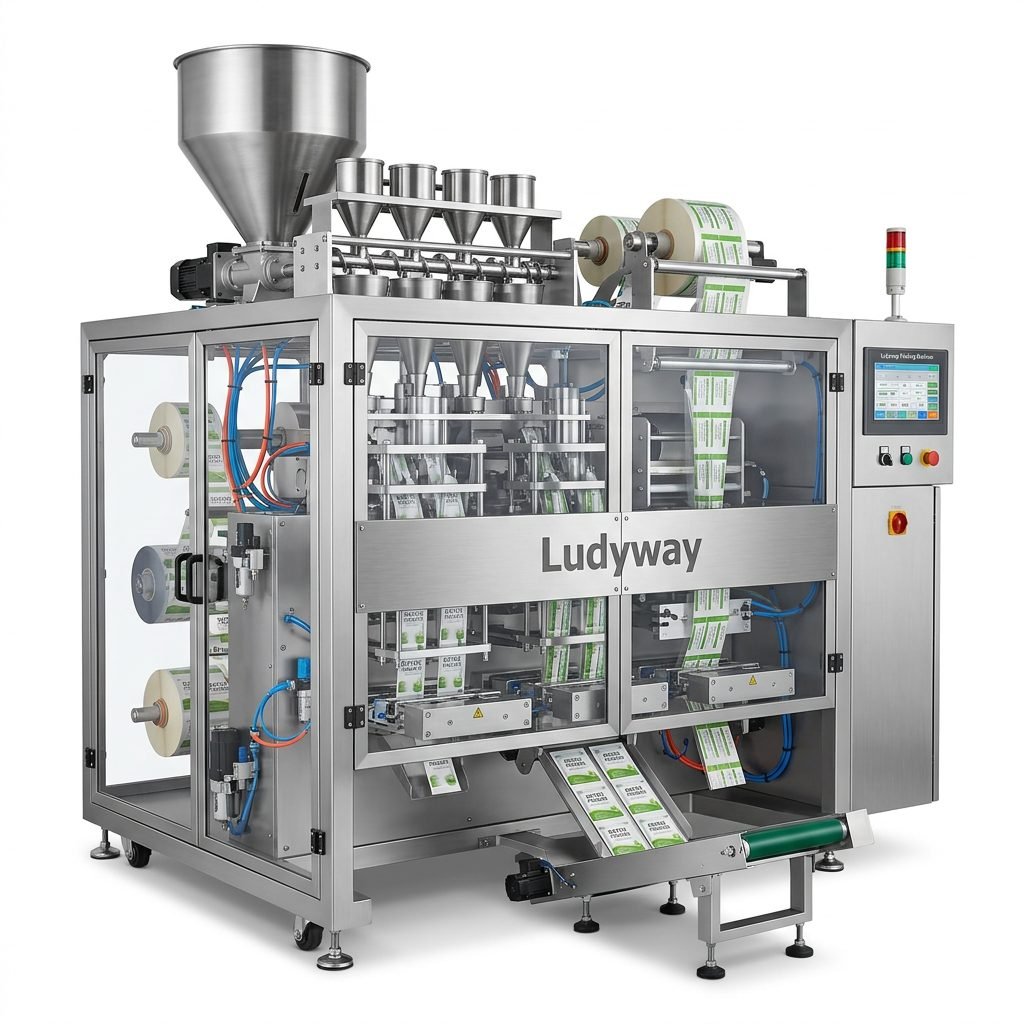
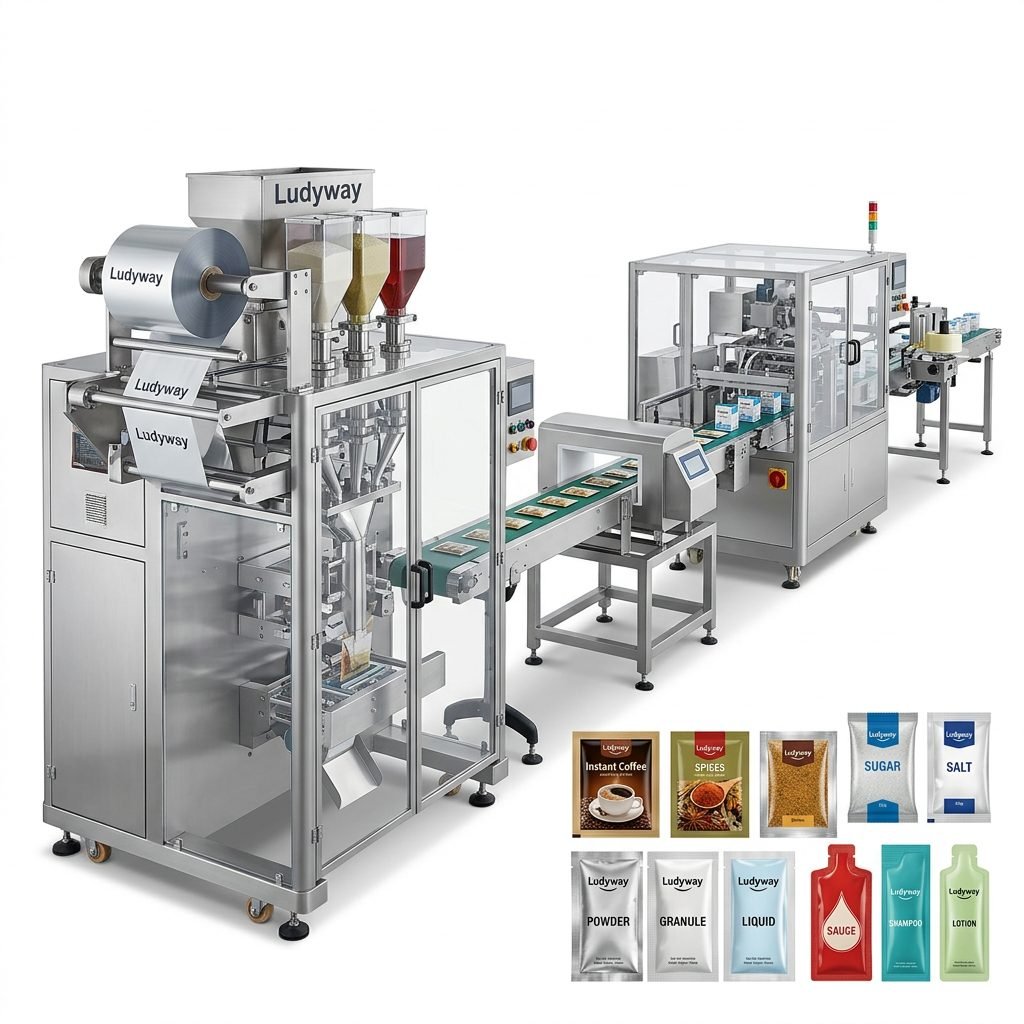
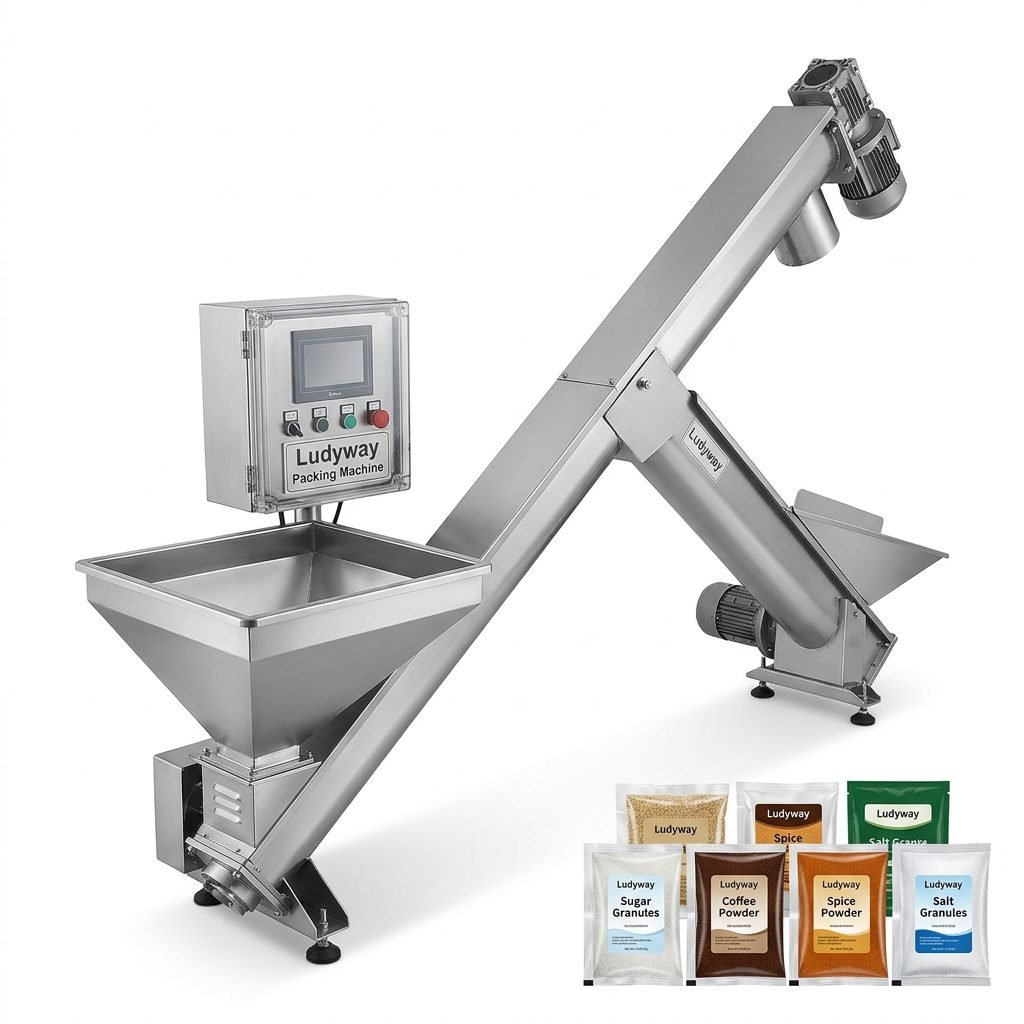
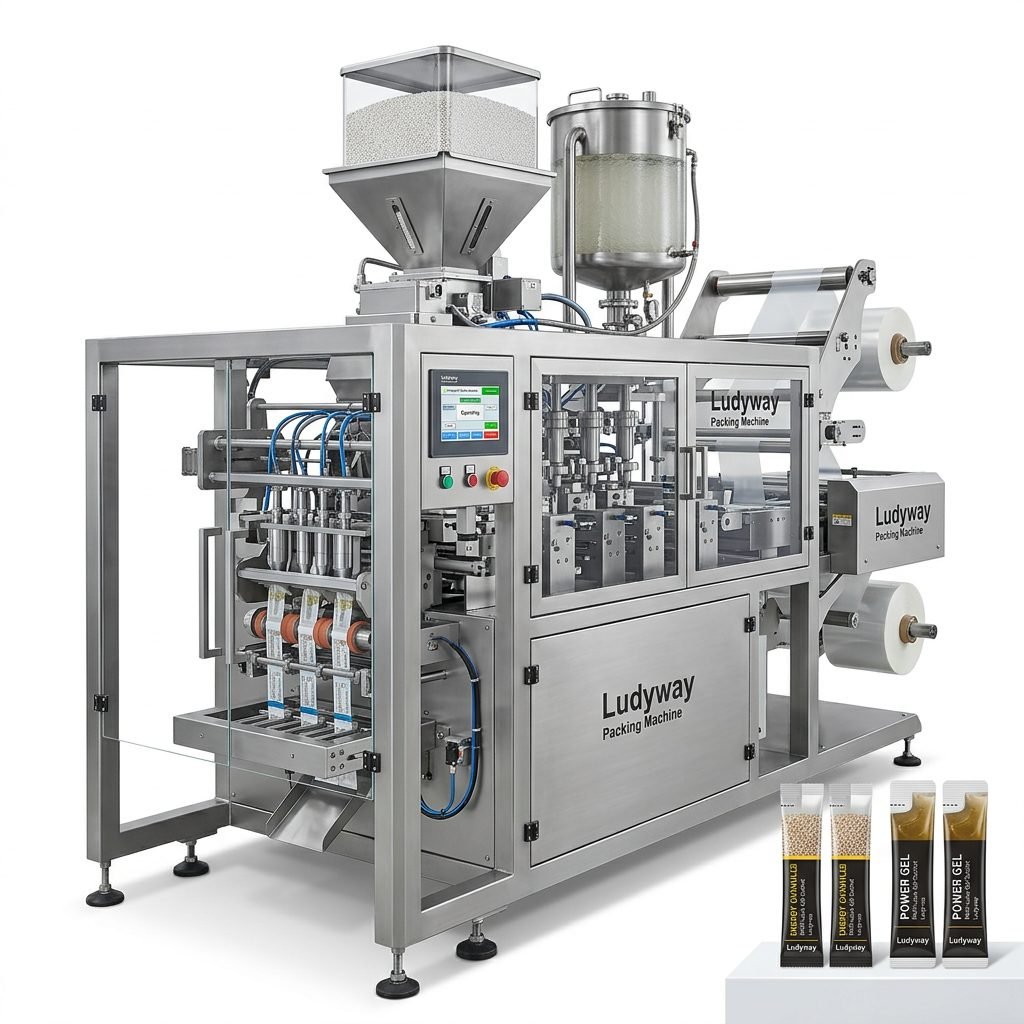
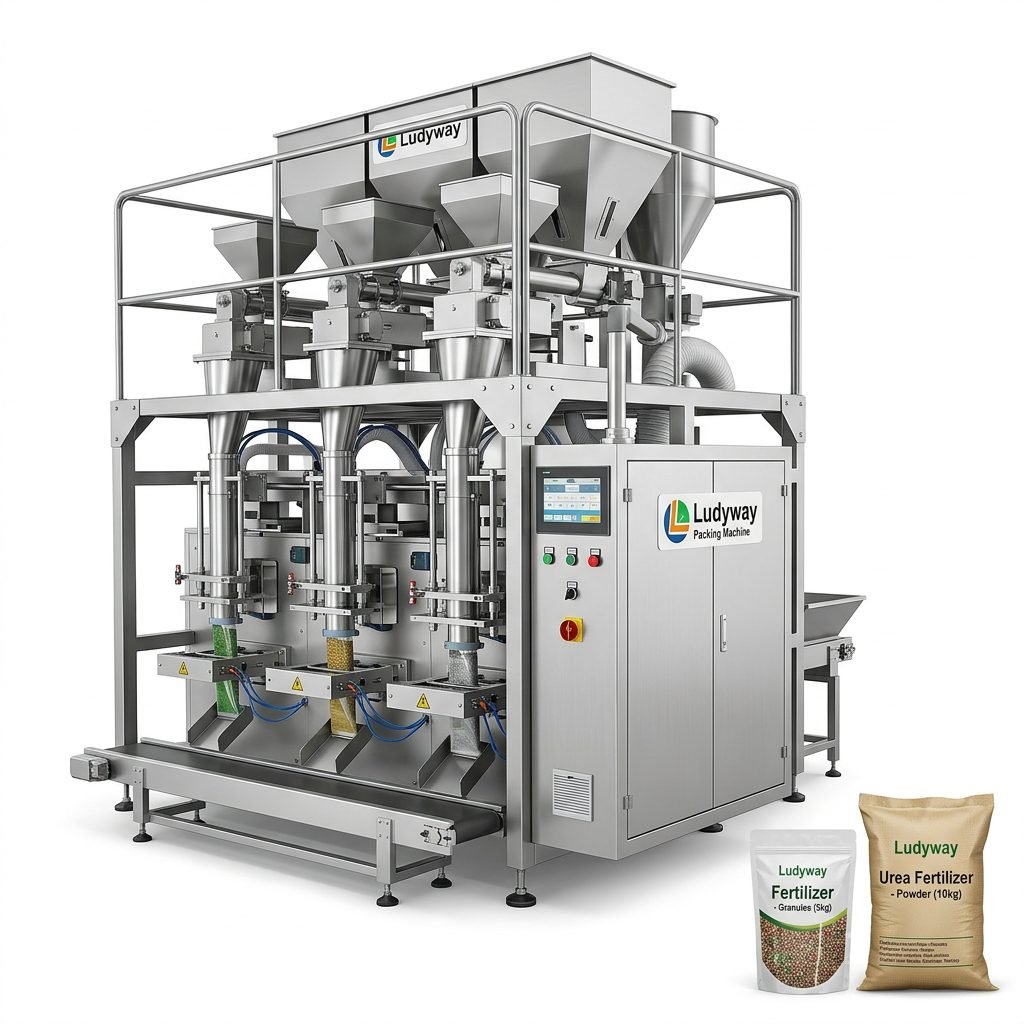
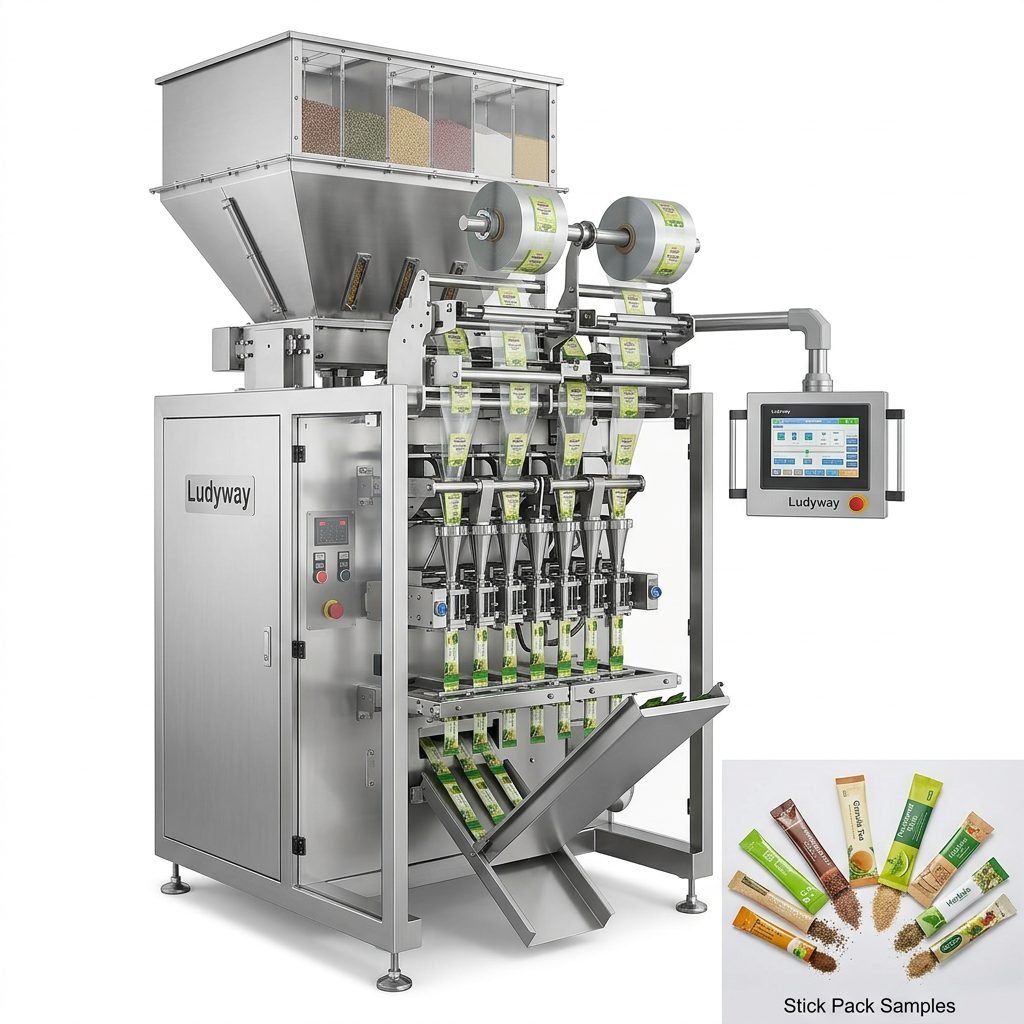
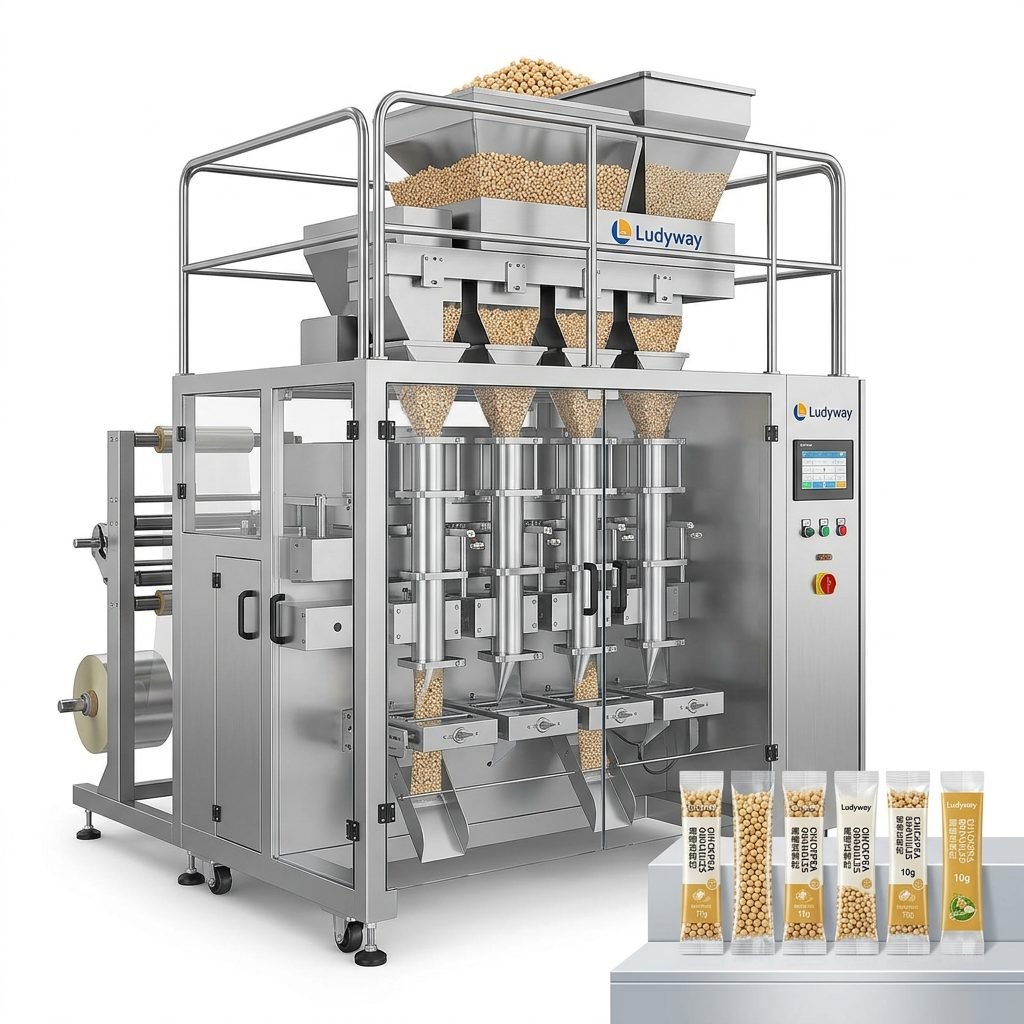
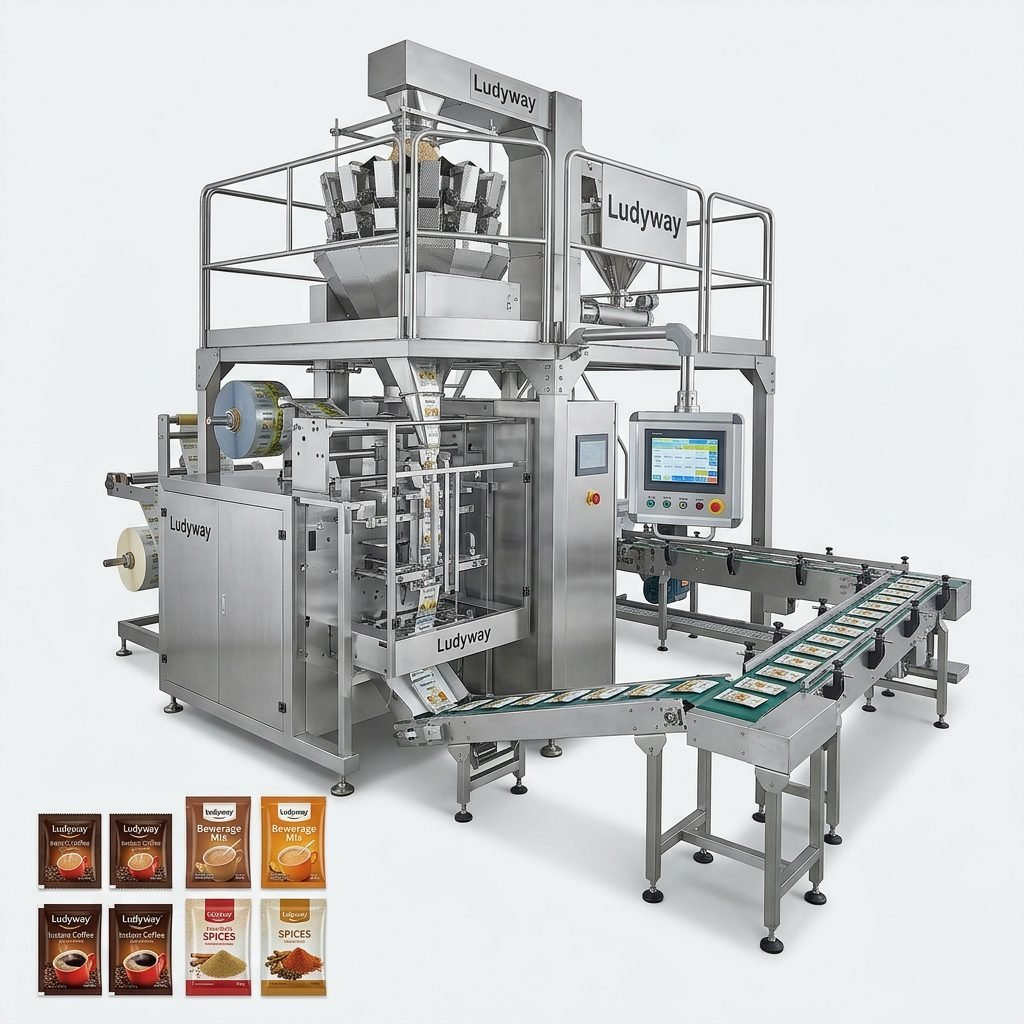
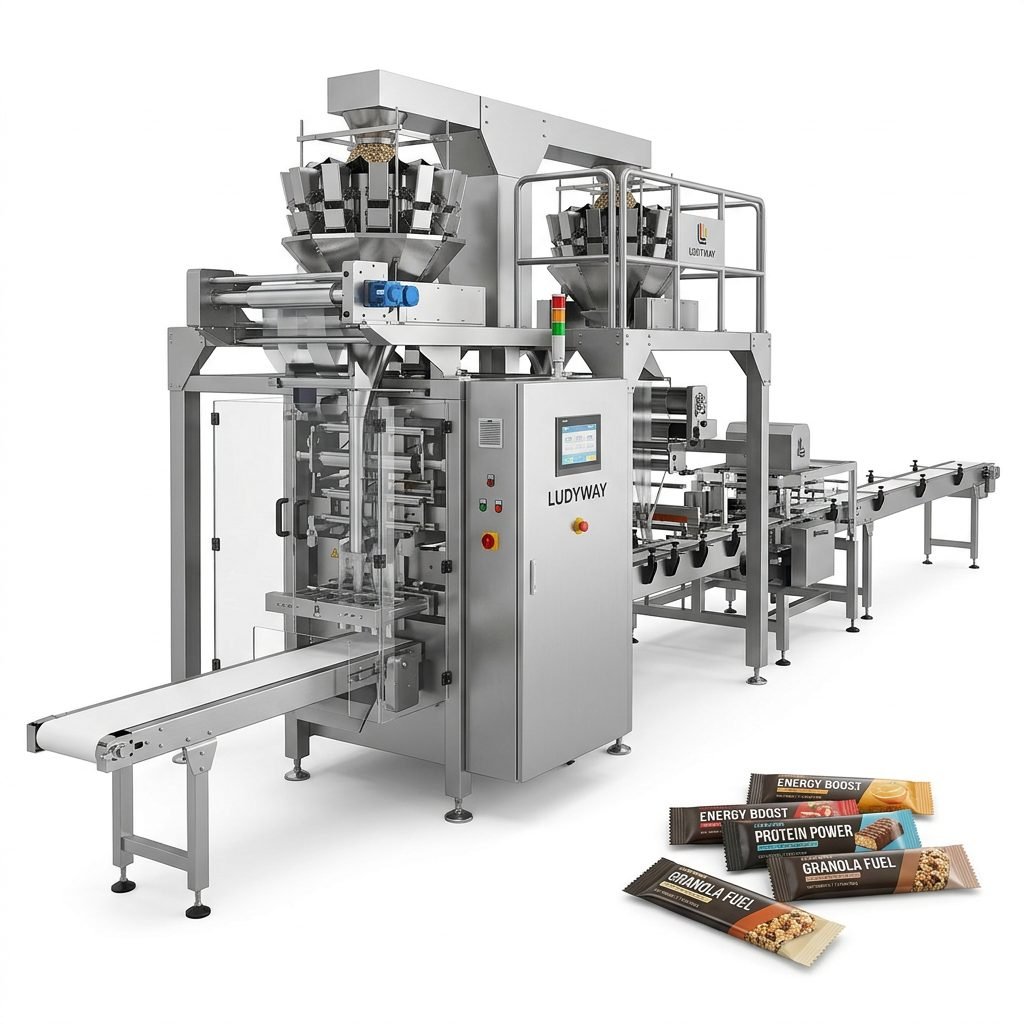
Selecting the right food packaging machine manufacturer is a critical decision that directly impacts your production efficiency, product quality, and overall business success. The market is filled with numerous suppliers, each claiming to offer the best equipment. How do you navigate this landscape to find a truly reliable partner for your production line? This guide provides a comprehensive framework for evaluating and choosing the best food packaging machine manufacturer, ensuring your investment drives long-term value.
Understanding Your Production Requirements
Before beginning your search, a deep understanding of your own needs is essential. This goes beyond simply knowing you need a packaging machine.
Key Factors to Define:
→ Product Type: Are you packaging granules, powders, liquids, pastes, or solids? The product’s characteristics dictate the machine type (e.g., auger filler for powders, liquid filler for fluids).
→ Packaging Format: Determine if you need stick packs, sachets, pouches, bottles, or cans. Your market and consumer preferences often decide this.
→ Production Speed & Output: Calculate your required output in packs per minute (PPM) or units per hour. This will narrow down machine capabilities.
→ Level of Automation: Do you need a fully automated line with robotic palletizing or a semi-automatic machine? Consider your labor costs and scalability goals.
→ Future-Proofing: Consider potential new products, package size changes, or increased output in the next 3-5 years. A flexible machine can save significant future costs.
Core Criteria for Evaluating a Manufacturer
With your requirements clear, you can systematically assess potential suppliers against these critical benchmarks.
1. Technical Expertise and Innovation
A manufacturer’s engineering capability is its foundation. Look for a company with a strong R&D team and a history of innovation. They should understand not just mechanics, but also food safety standards (like FDA, EHEDG), material science for different films, and integration with upstream/downstream equipment. A partner like Ludyway Packing Machine, with deep industry roots, often brings practical, tested solutions to complex packaging challenges.
2. Manufacturing Quality and Facility
The quality of the manufacturing facility directly correlates to machine durability. Prefer suppliers with modern, organized plants utilizing CNC machining, quality control checkpoints, and standardized assembly processes. For instance, a manufacturer operating from a 20,000㎡ modern production facility typically has the scale and systems to ensure consistent build quality. Always request a virtual or in-person factory tour.
3. Product Portfolio and Customization
A broad portfolio indicates wide experience. A reliable manufacturer should offer a range of machines—from single sachet packaging systems to complete turnkey production lines. More importantly, assess their willingness and ability to customize. Can they modify a machine to handle your unique product viscosity or package shape? Customization is a true test of engineering prowess.
4. After-Sales Support and Service Network
This is arguably the most crucial factor. A machine will eventually need maintenance, parts, or troubleshooting. Evaluate:
• Availability of Spare Parts: Is there a well-stocked inventory?
• Technical Support: Do they offer 24/7 remote support? How quickly can they respond?
• Training: Do they provide comprehensive on-site training for your operators?
• Service Engineers: Is there a global or local network of technicians for on-site service? A manufacturer with 30+ years of industry experience usually has a refined and reliable support system.
5. Reputation and Client References
Research the manufacturer’s market reputation. Read case studies and testimonials. Always ask for references from clients in your region or with similar products. Contact these references directly to ask about machine performance, reliability, support responsiveness, and overall satisfaction. A transparent manufacturer will gladly provide these.
The Supplier Selection Process: A Step-by-Step Approach
Turn your evaluation into an actionable process.
Step 1: Longlisting
Use industry directories, trade shows (like PACK EXPO, interpack), and online research to create a list of 10-15 potential manufacturers that seem to match your needs.
Step 2: Initial Screening
Visit their websites, review product catalogs, and request general information. Eliminate those who cannot meet your basic technical or output requirements.
Step 3: Detailed Quotation & Proposal
Send a detailed RFQ (Request for Quotation) to 5-7 shortlisted suppliers. A serious manufacturer will respond with a technical proposal, layout drawing, detailed quotation, and terms & conditions.
Step 4: Deep Due Diligence
Analyze proposals. Conduct video calls with their engineering team. Ask for client references and a factory tour. Scrutinize the warranty terms and service agreement.
Step 5: Final Decision & Negotiation
Choose the supplier that offers the best overall value—not just the lowest price. Negotiate the final contract, ensuring all verbal promises regarding support and performance are documented.
Why Long-Term Partnership Matters
Purchasing a packaging machine is the start of a 10-15 year relationship. A manufacturer invested in long-term cooperation will act as a true partner, helping you optimize your line, suggesting upgrades, and ensuring your operational success over the years. They become an extension of your own team.
By meticulously following this framework, you move beyond a simple purchase to forming a strategic alliance with a professional packaging expert. This partnership will provide the reliability, innovation, and support necessary to keep your production line running smoothly and competitively in the global market.
Frequently Asked Questions (FAQs)
Q1: What is the most important factor when choosing a packaging machine supplier?
A: While technical specs are vital, after-sales service and support are often the most critical long-term factors. A machine will require maintenance; a supplier’s ability to provide prompt, expert support minimizes costly downtime.
Q2: How can I verify a manufacturer’s claimed experience and capabilities?
A: Request and follow up on client references, ask for detailed case studies, and insist on a live or recorded video tour of their manufacturing facility and machine tests. Third-party certifications also add credibility.
Q3: Is it better to buy a standard machine or a customized solution?
A: If a standard machine meets 90% of your needs, it’s usually more cost-effective and faster to deliver. However, if your product or process is unique, a customized solution from a capable manufacturer, though requiring higher initial investment, will yield better efficiency and fewer problems in the long run.
Q4: What should be included in a comprehensive machine warranty?
A: A good warranty covers parts and labor for a defined period (e.g., 12-24 months). Crucially, it should clearly state the response time for support, terms for wear-and-tear parts, and the process for claiming warranty service. Ensure it is in your contract.
Q5: How do I prepare my facility for a new packaging line installation?
A: Your chosen supplier should provide a detailed site preparation guide. Key steps typically include ensuring adequate power supply, compressed air, floor space, and load-bearing capacity, as well as planning for material handling and operator access. Clear communication with the supplier’s project manager is essential.