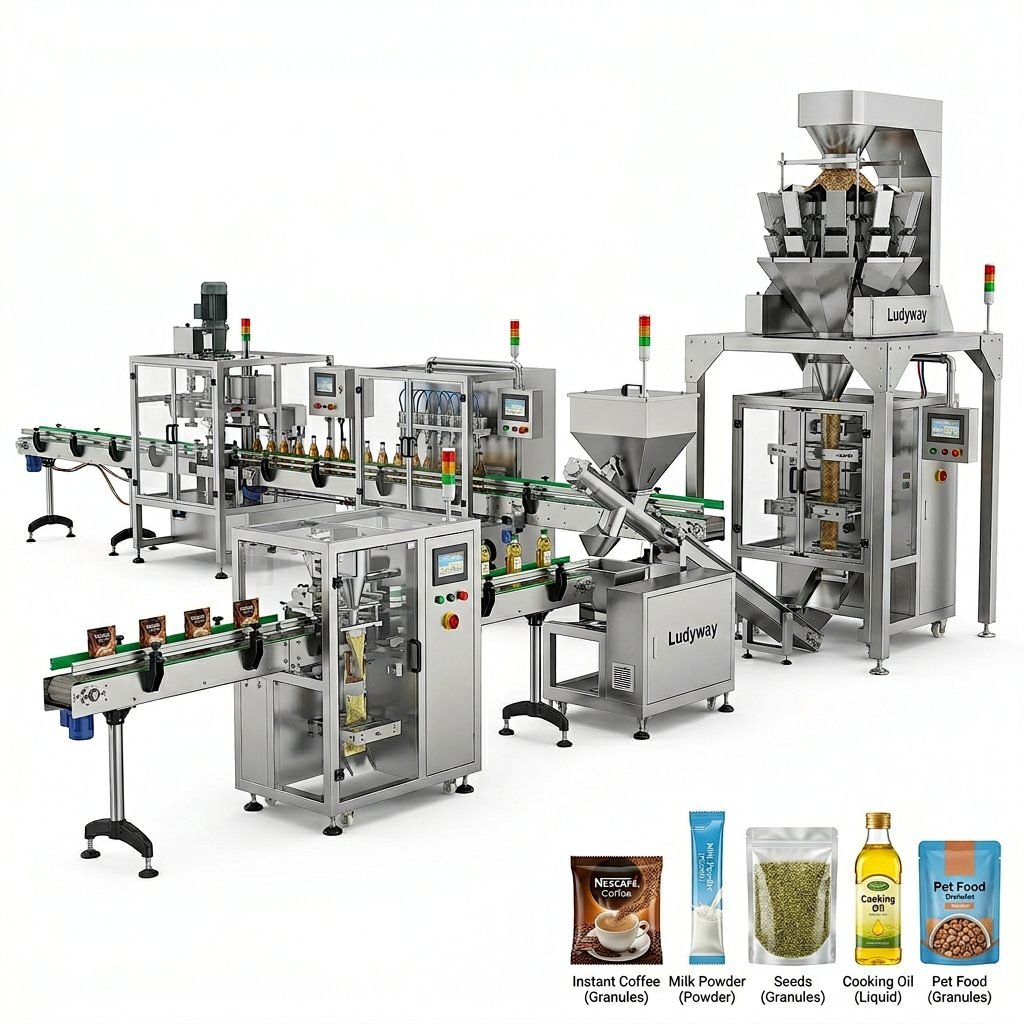
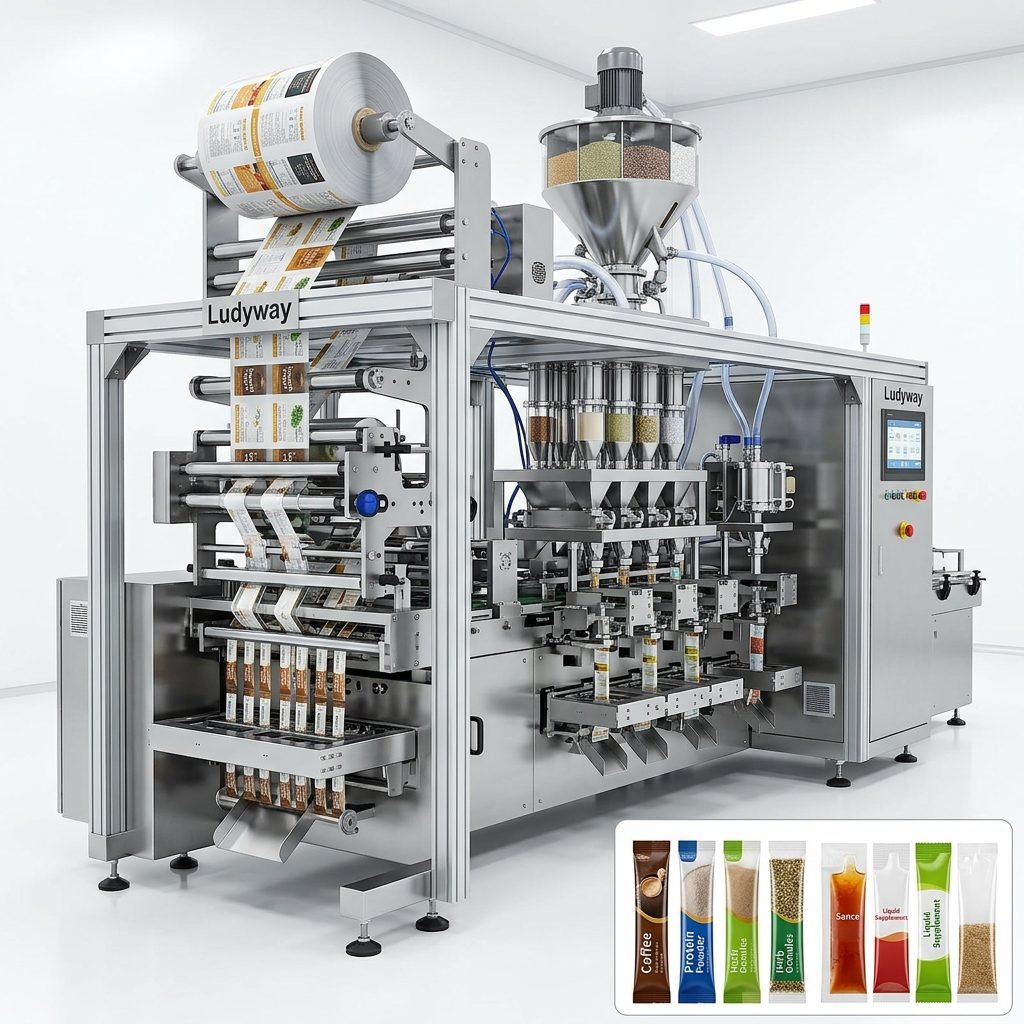
In Bangladesh, the packaging industry is experiencing significant growth, driven by the country’s expanding manufacturing sector, rising consumer demand, and a strong cultural emphasis on presenting goods with care and respect. For factory owners and procurement managers, understanding the packaging machine price in Bangladesh involves more than just a number; it requires a detailed cost breakdown, knowledge of available types, and a strategic buying guide tailored to local operational realities and cultural nuances.
Understanding the Packaging Landscape in Bangladesh
Bangladesh’s manufacturing heartbeat is strong, with sectors like food & beverage, pharmaceuticals, garments, and consumer goods leading the charge. Packaging here is not merely functional; it reflects the value placed on the product. Whether it’s spices, pharmaceuticals, or textiles, well-packaged goods are seen as more trustworthy and of higher quality. This cultural preference makes investing in reliable packaging machinery a critical business decision for factories aiming to build brand reputation and meet both domestic and export market standards.
Key Cultural Consideration: In Bangladeshi business culture, establishing long-term, trust-based relationships (sompad) is paramount. When sourcing machinery, factories often prefer suppliers who offer not just a machine, but a lasting partnership with reliable after-sales support, aligning with the local value of dependable cooperation.
Detailed Cost Breakdown of Packaging Machines
The final price tag of a packaging machine in Bangladesh is a sum of several components. A clear breakdown helps in budgeting and avoids unexpected expenses.
1. Machine Base Price
This is the core cost of the equipment itself, determined by its type, automation level, speed, and brand. Prices can range widely:
- Basic Semi-Automatic Machines: (e.g., single-head powder fillers) can start from BDT 500,000 – 1,500,000.
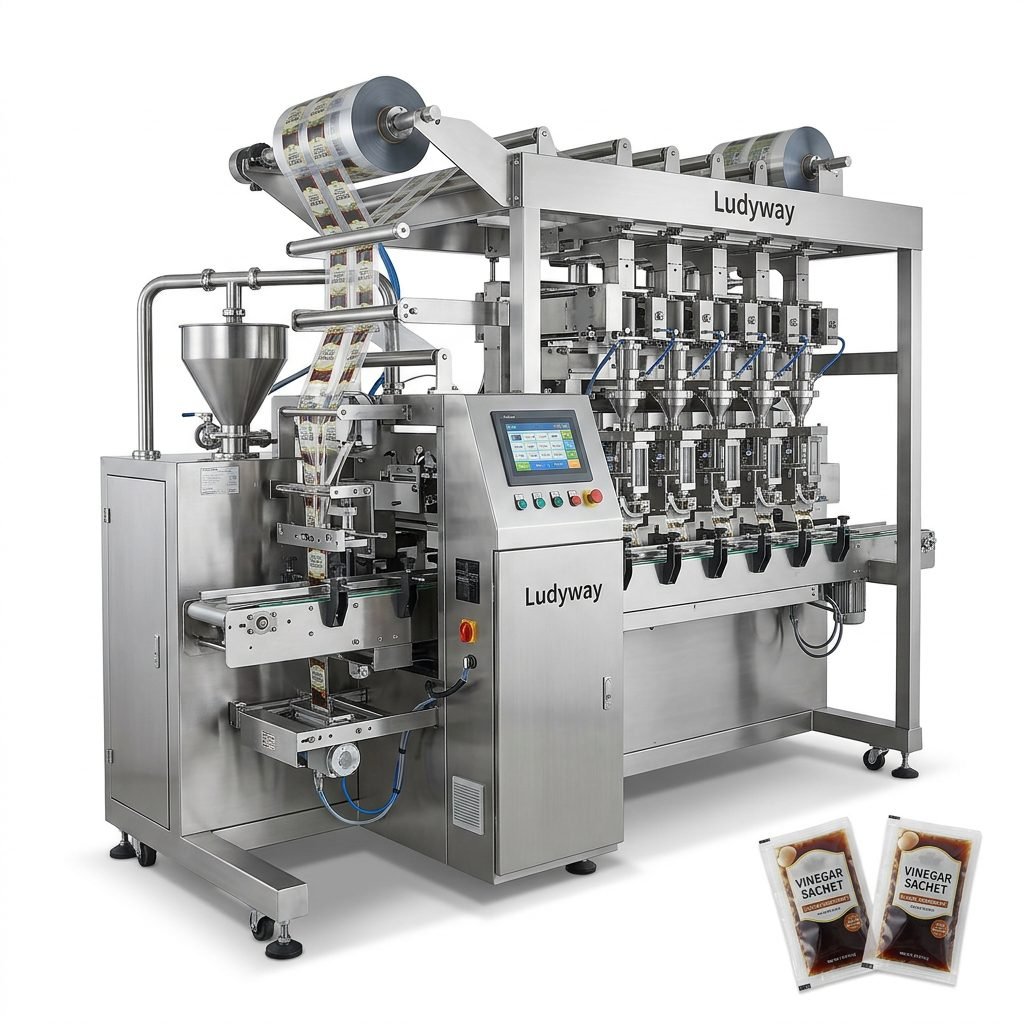
- Fully Automatic Standard Models: (e.g., automatic sachet packaging machines) typically range from BDT 2,000,000 – 6,000,000.
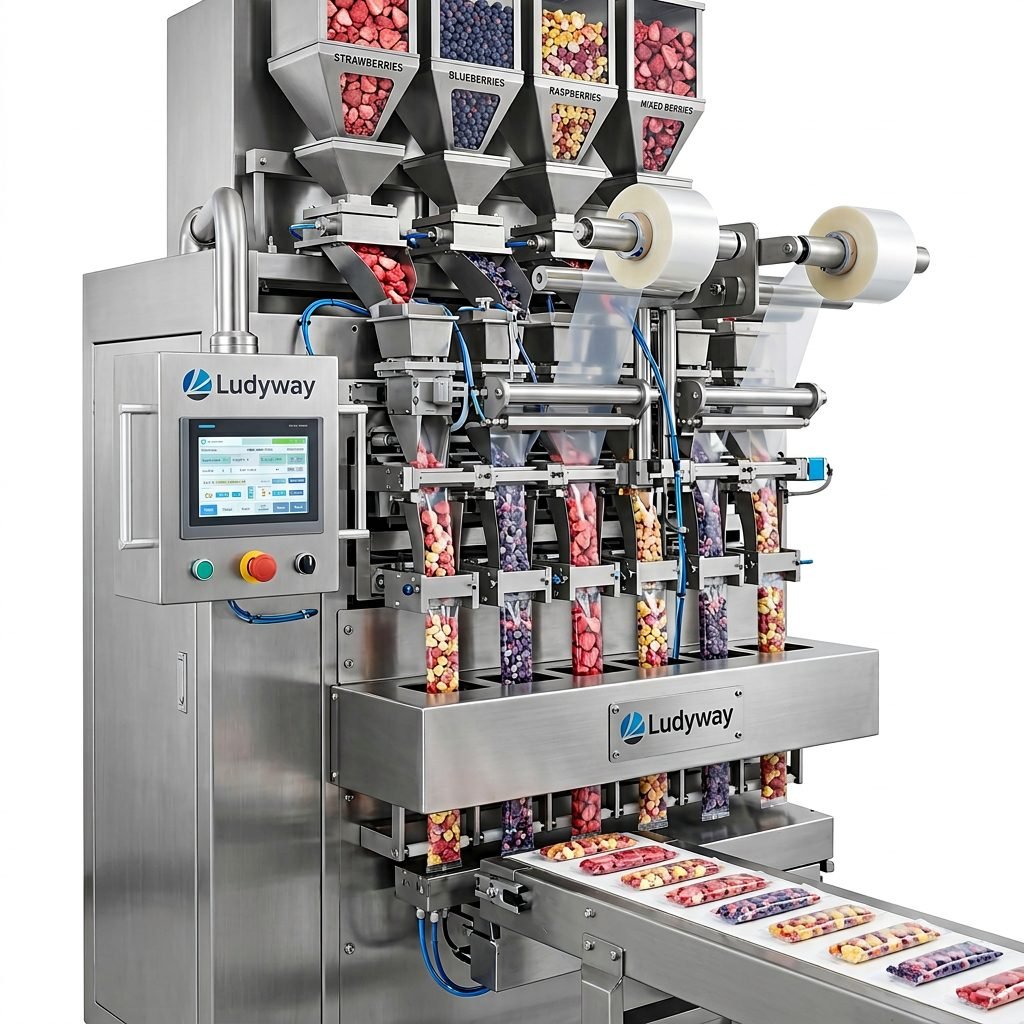
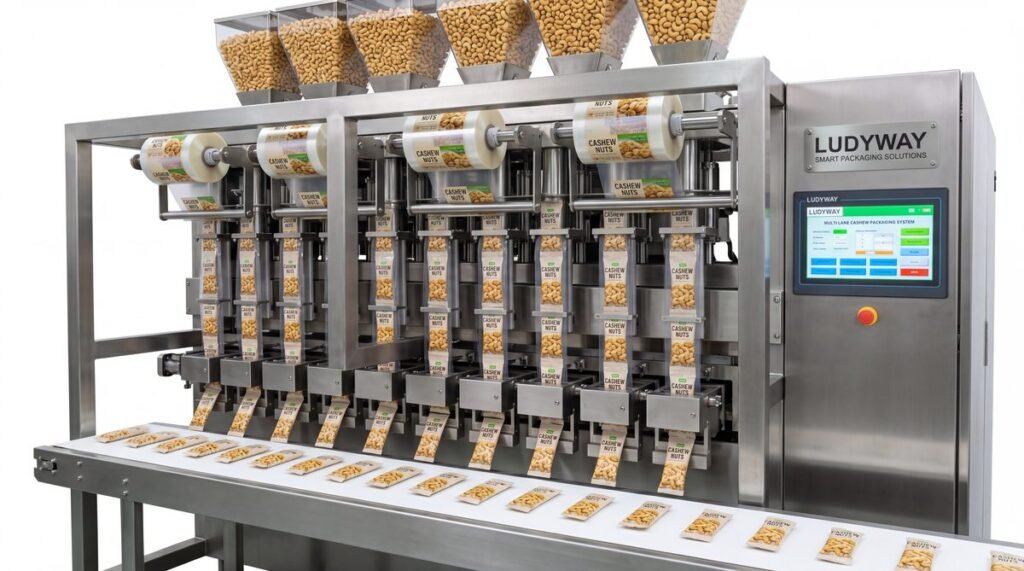
- High-Speed, Multi-Lane Systems: (e.g., 8-lane stick pack machines) can cost BDT 8,000,000 and above.
2. Import Duties and Taxes
Since most advanced machinery is imported, this is a major cost factor. It includes customs duty, VAT, advance income tax (AIT), and other regulatory fees. These can add 35% to 60%+ to the C&F value of the machine. Working with a knowledgeable clearing agent is crucial.
3. Installation & Commissioning
Costs for technician travel, on-site setup, calibration, and initial training of your operators. This ensures the machine runs optimally from day one.
4. Ancillary Equipment & Spare Parts
Budget for essential peripherals like checkweighers, conveyors, or compressed air systems, and an initial kit of critical spare parts to minimize downtime.
5. After-Sales Service Contract
Opting for an annual maintenance contract (AMC) is a wise investment for preventive maintenance and priority service, safeguarding your production flow.
Primary Types of Packaging Machines for Factories
Choosing the right machine type depends entirely on your product form and production scale.
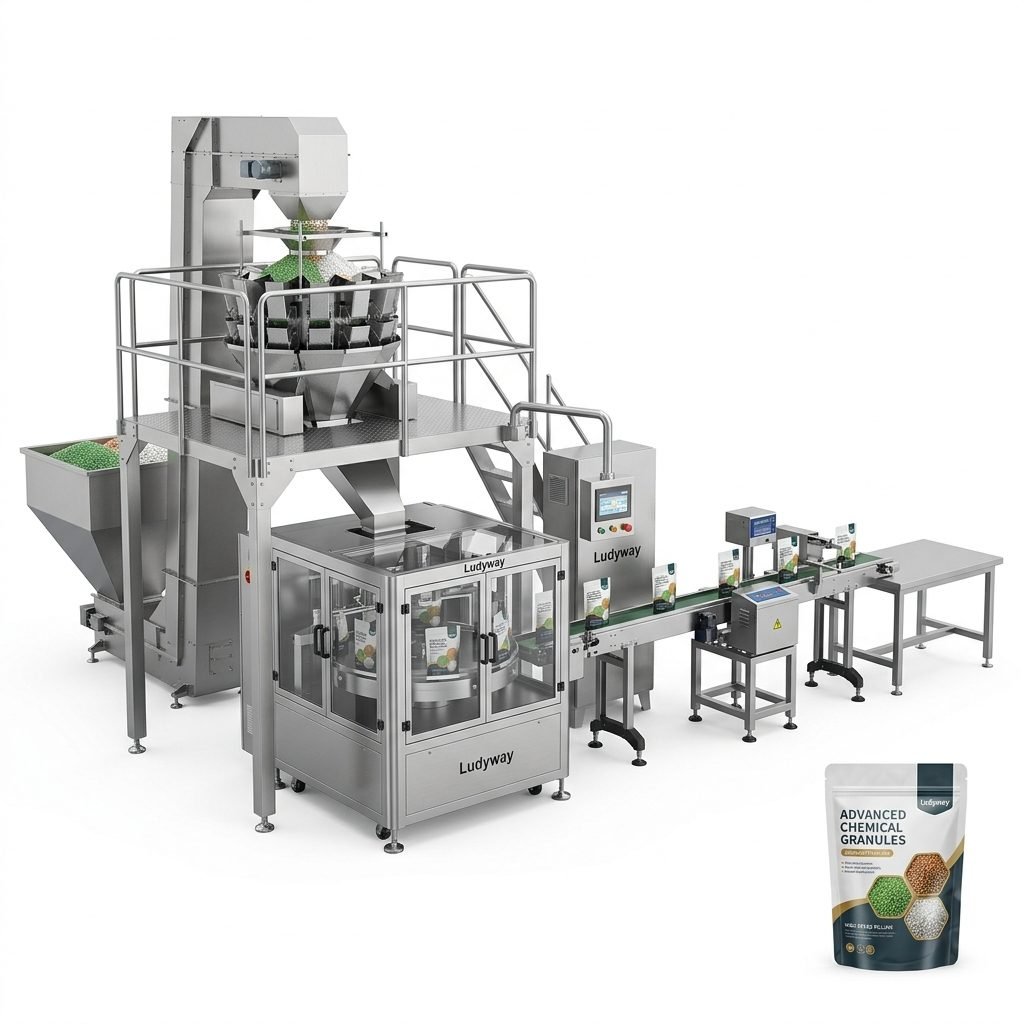
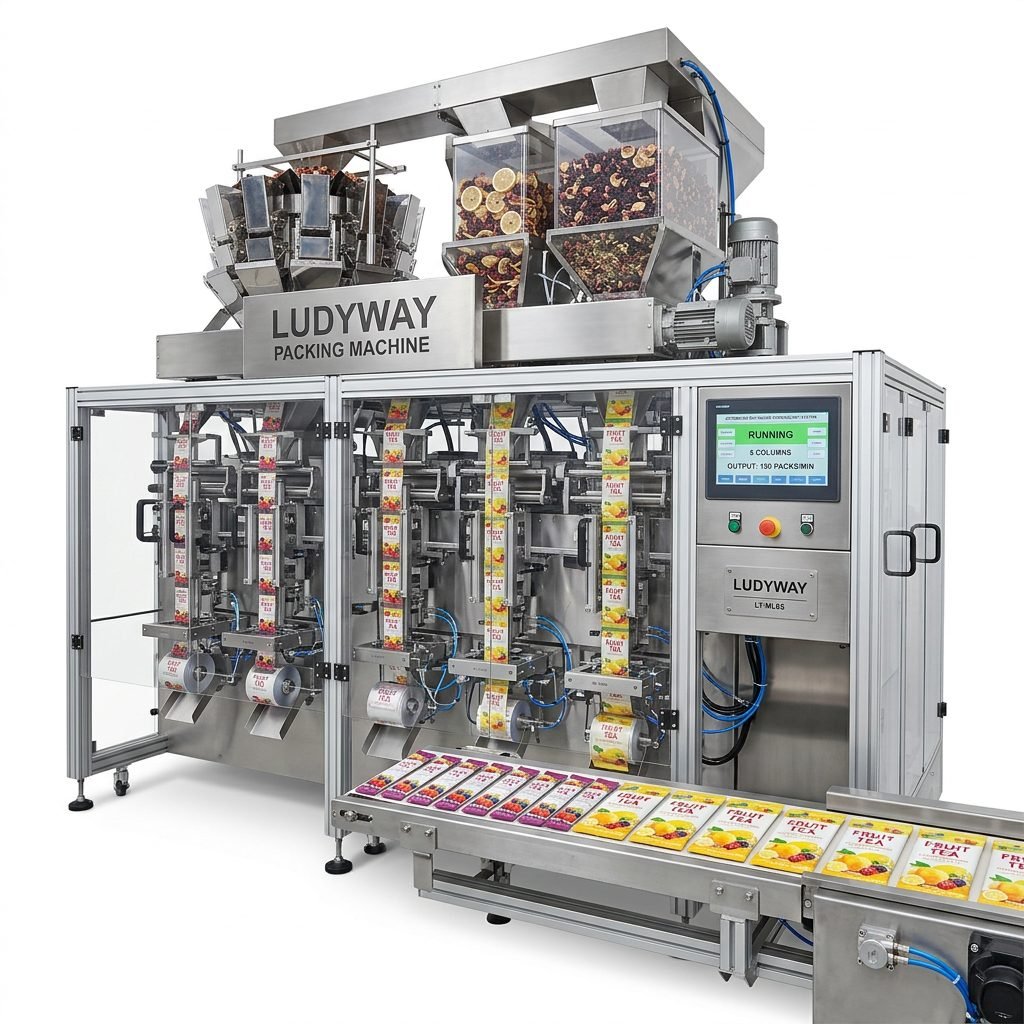
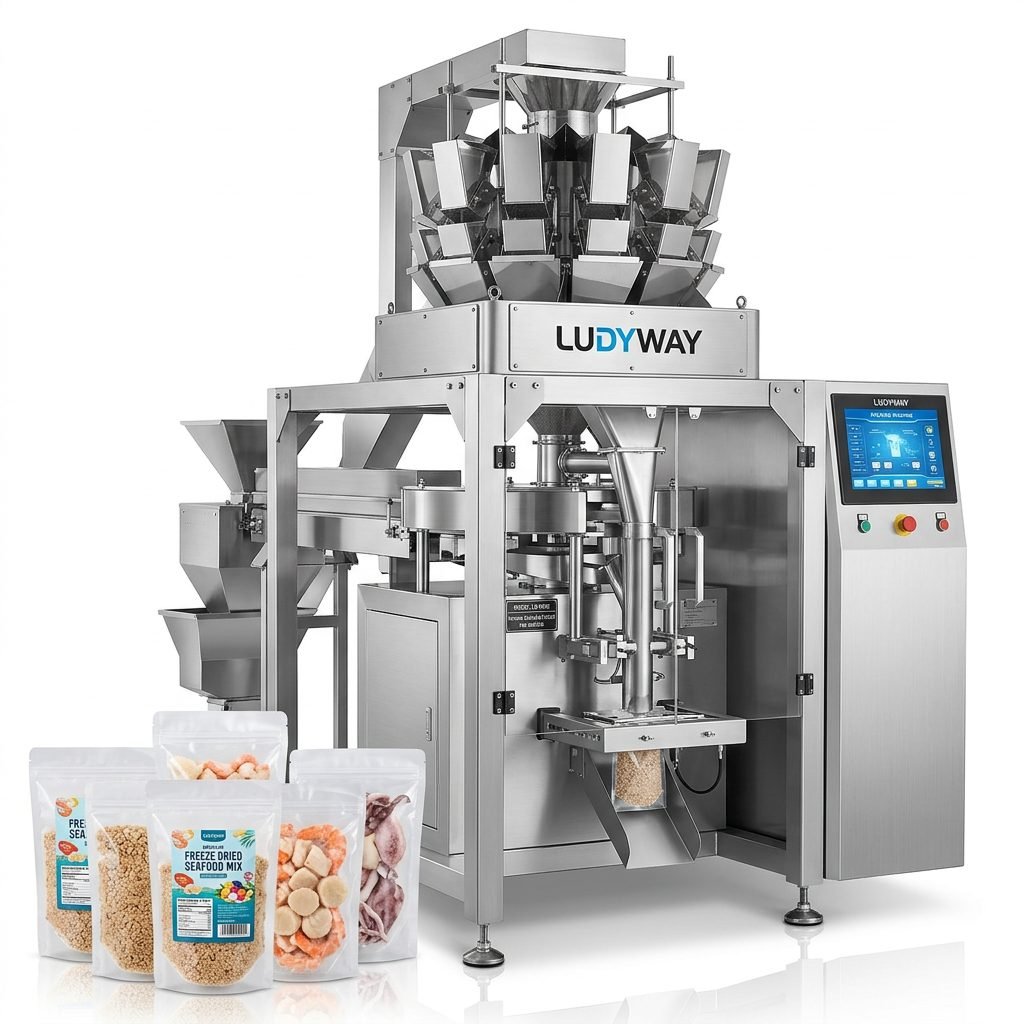
Vertical Form-Fill-Seal (VFFS) Machines
Ideal for packaging granules, powders, seeds, and snacks (like chanachur or biscuits) into pillow-type bags. They are versatile and popular for medium to high-volume production.
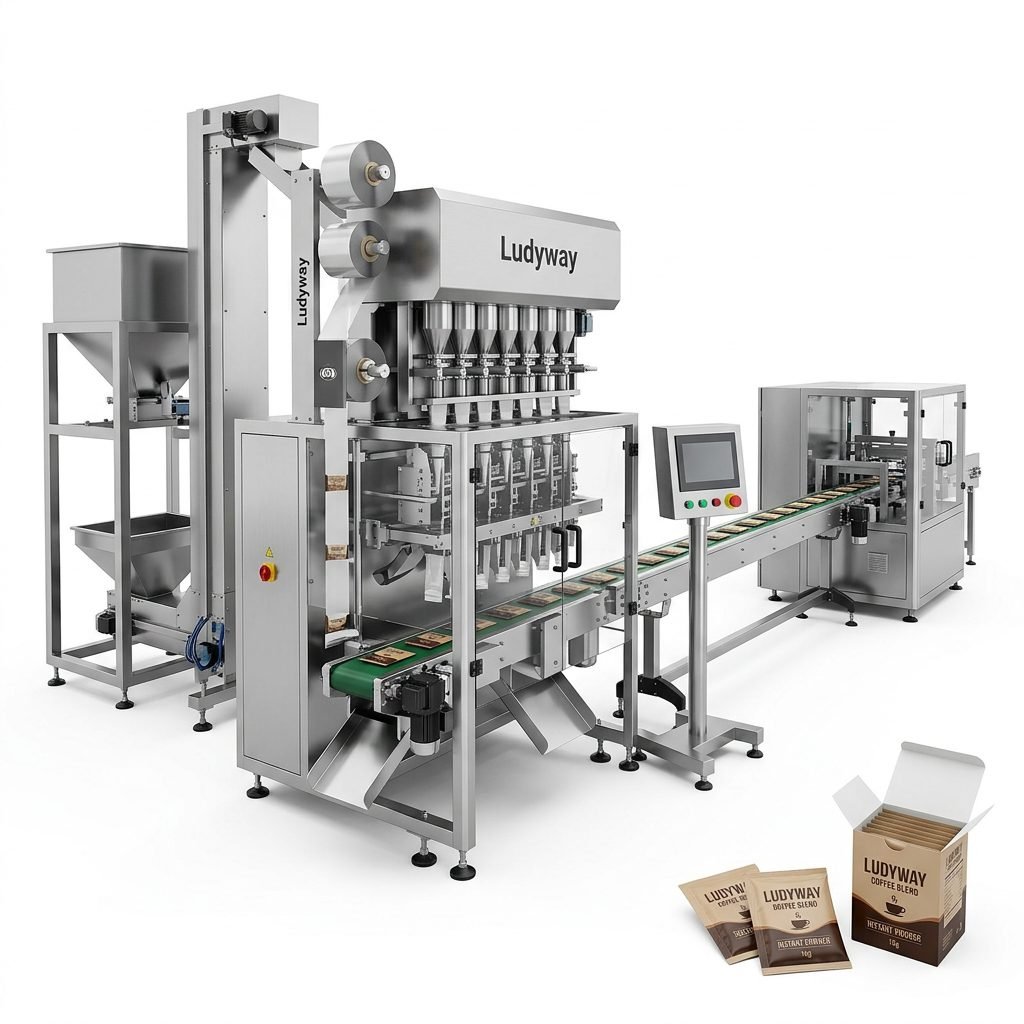
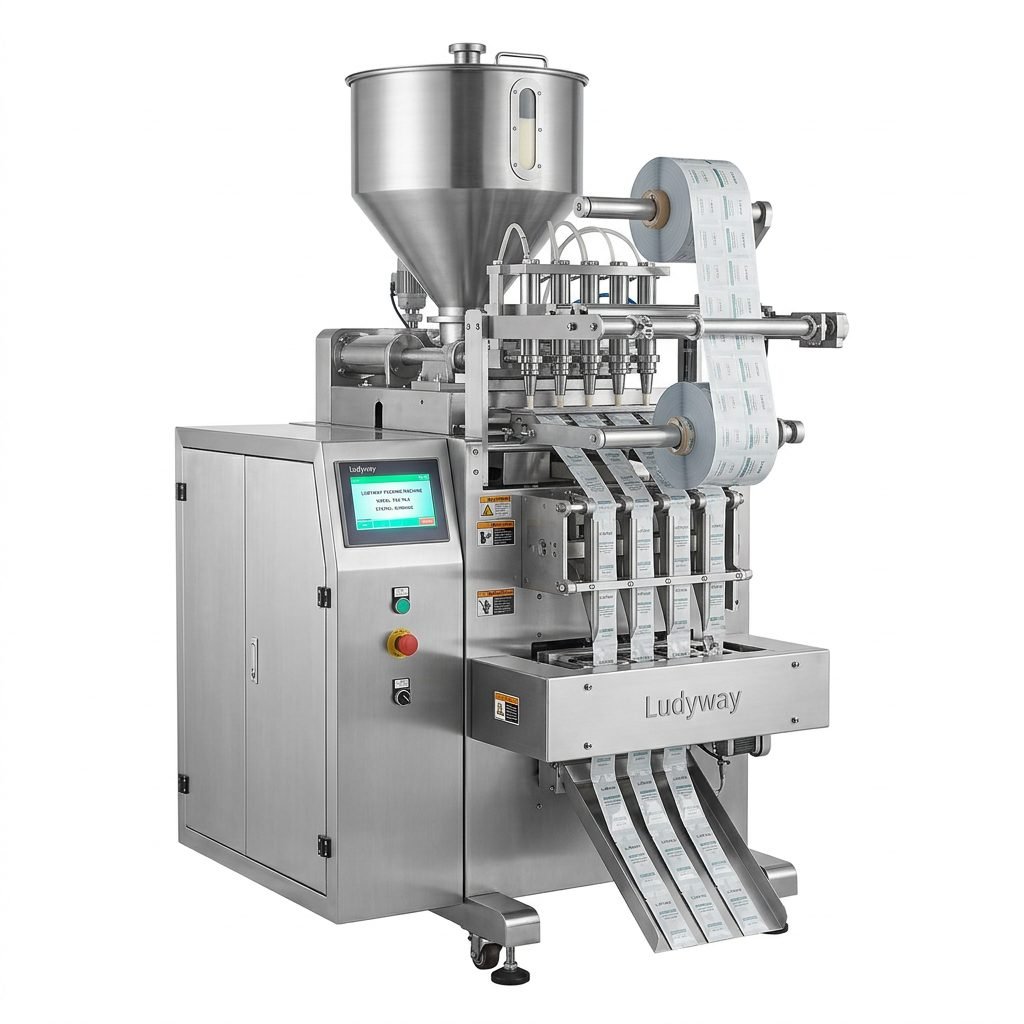
Sachet & Stick Pack Machines
Perfect for single-serve portions critical in Bangladesh for products like shampoo, sauces, spices (masala), oral rehydration salts (ORS), and instant coffee. They offer excellent barrier properties and consumer convenience.
Liquid & Pouch Filling Machines
Designed for filling edible oils, sauces, honey, and liquid pharmaceuticals. Options range from semi-automatic piston fillers to fully automatic pouch filling and sealing lines.
Capping & Labeling Machines
Essential for finishing lines involving bottles and containers for beverages, pharmaceuticals, and personal care products, ensuring a professional final presentation.
Comprehensive Buying Guide for Bangladeshi Factories
Navigating the purchase process strategically can save significant capital and future headaches.
Step 1: Define Your Exact Requirements
Conduct a thorough analysis of your product specifications, required output (bags/hour), available factory space, and power supply (noting Bangladesh’s voltage of 220V/50Hz).
Step 2: Research Reputable Suppliers
Look for suppliers with a proven track record in Bangladesh, not just globally. A supplier like Ludyway Packing Machine, with deep industry experience, understands local challenges such as humidity, dust, and power fluctuations. Evaluate their after-sales network within the country.
Step 3: Request Detailed Quotations & Compare
Ask for a comprehensive “landed cost” quotation that includes C&F Chittagong or Dhaka airport price, all estimated duties, and installation costs. Compare the total cost of ownership, not just the base price.
Step 4: Insist on Factory Testing & References
Request a live Factory Acceptance Test (FAT) with your own materials. Ask for contact details of existing clients in South Asia or Bangladesh to get firsthand feedback on machine performance and service reliability.
Step 5: Negotiate Terms and Finalize Support
Negotiate payment terms (often a mix of advance TT and LC), warranty period (standard is 12 months), and the specifics of the training program for your engineers. Ensure the service agreement details response times and spare parts availability in-country.
Pro Tip for Success
Plan for the future. Consider a machine with 20-30% higher capacity than your current need to accommodate growth. Also, prioritize machines that are robust and easier to maintain, as technical expertise for highly complex systems can be scarcer locally.
Why Partner with an Experienced Specialist?
For factories in Bangladesh, the right machinery partner is a strategic asset. A specialist provider brings more than just equipment; they offer turnkey solutions tailored to local production lines. With over 30 years of industry experience, a partner like Ludyway provides access to a wide range of intelligent packaging models and the engineering support to integrate them seamlessly into your operation. Their commitment to long-term partnership and innovation ensures your packaging line remains efficient and competitive, helping you meet the quality-conscious demands of both the Bangladeshi market and international exports.
Frequently Asked Questions (FAQs)
1. What is the most important factor when budgeting for a packaging machine in Bangladesh?
Beyond the machine’s base price, the total landed cost, including all import duties, taxes, and installation, is the most critical budgeting factor. This can be 35-60% higher than the C&F price, so it must be calculated accurately to avoid budget shortfalls.
2. Are there reliable local manufacturers of packaging machines in Bangladesh?
While there is a growing local market for simpler, semi-automatic machines, most factories requiring high-speed, precision automated packaging lines rely on imported machinery from experienced international suppliers who can provide advanced technology and robust after-sales support.
3. How can I ensure the machine will handle Bangladesh’s specific conditions, like power fluctuations?
Discuss these concerns explicitly with your supplier. Reputable suppliers will recommend and provide machines with built-in voltage stabilizers, surge protectors, and dust-proofing features. You can also invest in an external voltage stabilizer or UPS as an additional safeguard for sensitive electronics.
4. What kind of after-sales service should I expect?
You should expect a clear service agreement covering on-site installation and training, a comprehensive warranty (typically 12 months), access to critical spare parts, and availability of remote or on-call technical support. The presence of local service engineers or a strong regional partner is a significant advantage.
5. Can I get a customized machine for a unique Bangladeshi product?
Yes, many experienced packaging machine suppliers offer customization and turnkey solutions. Whether you are packaging traditional jarda</em (scented tobacco), specific spice blends, or unique pharmaceutical formats, a good partner can modify existing models or design solutions to meet your exact product and output requirements.