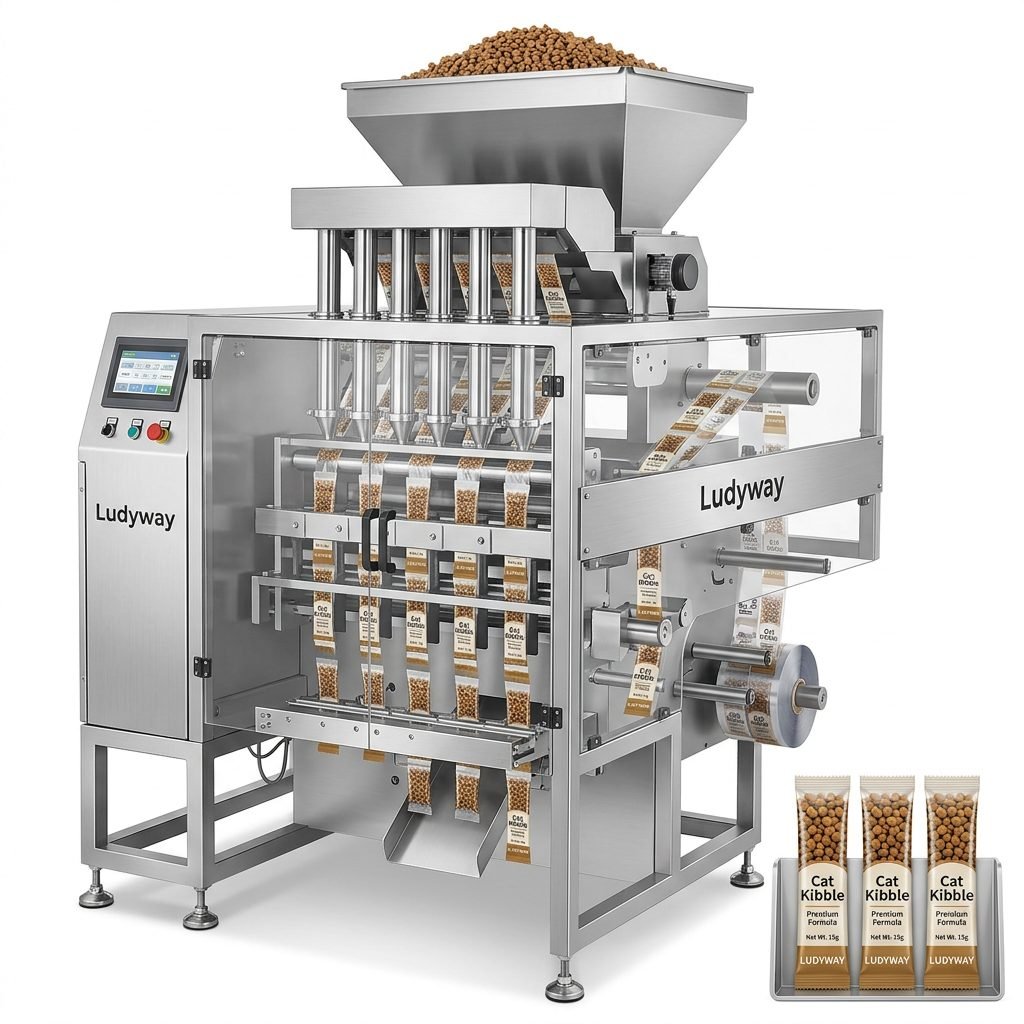
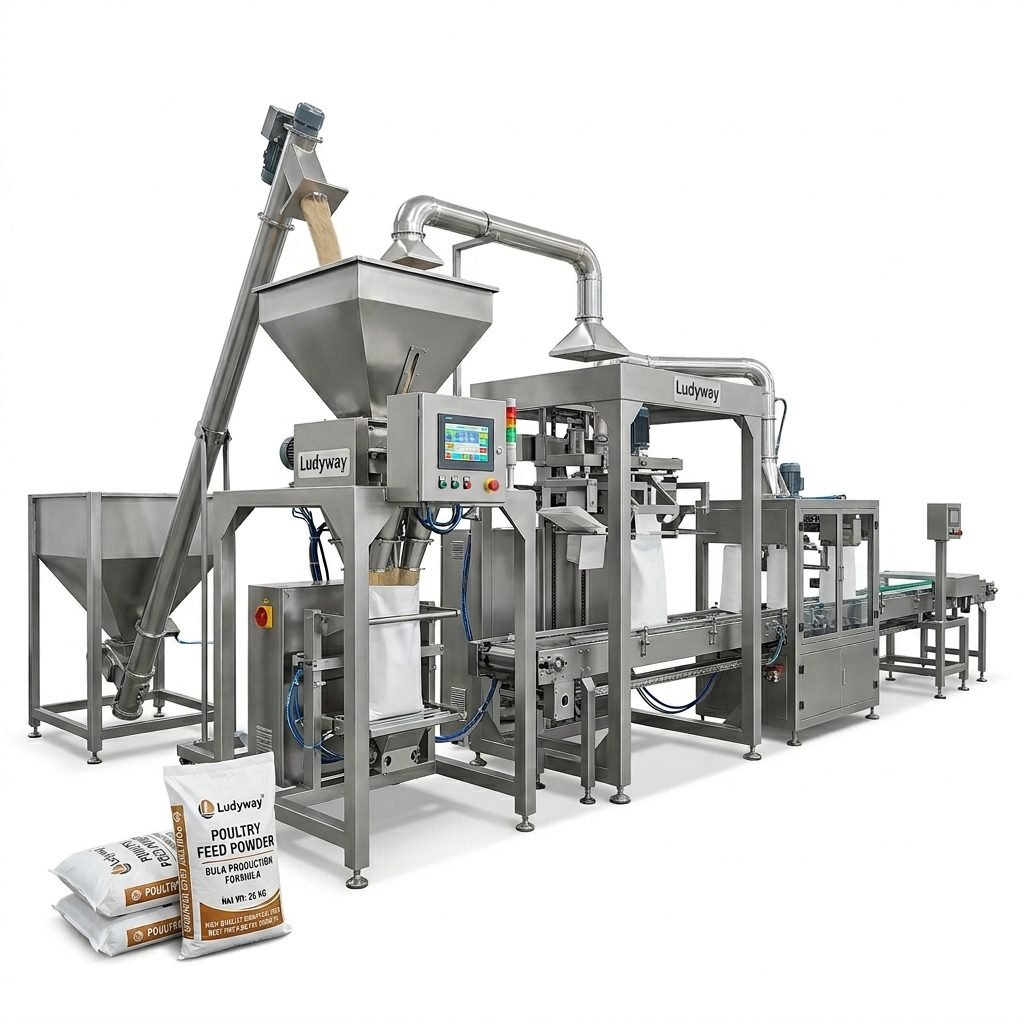
Investing in a packaging machine is a significant decision that directly impacts your production efficiency, product quality, and long-term operational costs. Whether you are upgrading an existing line or building a new facility, selecting the right equipment requires a systematic evaluation of your product characteristics, production goals, and packaging requirements. A Hayssen packaging machine — known for its flexible packaging capabilities — can be an excellent choice, but only if it aligns with your specific application needs. This guide walks you through the essential factors to consider, helping you make an informed purchasing decision.

Understanding the Hayssen Packaging Machine Range
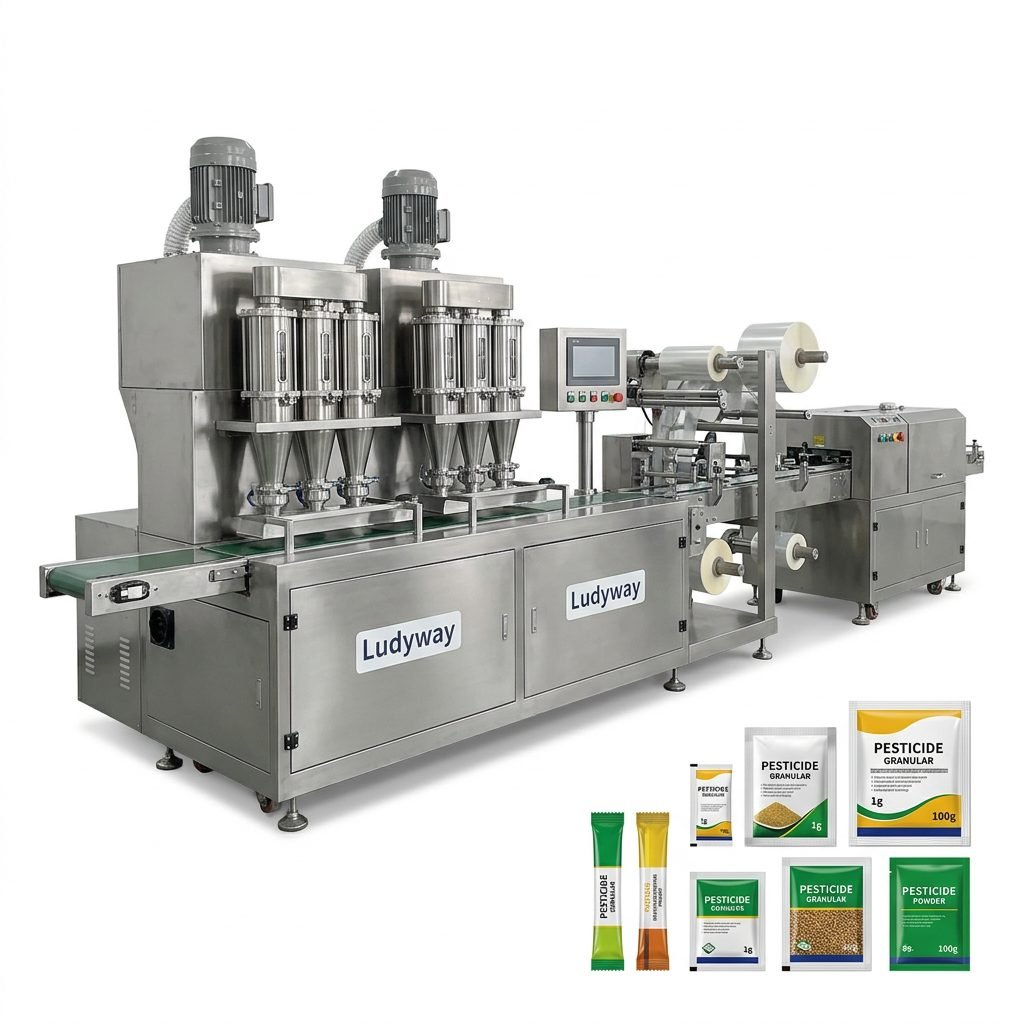
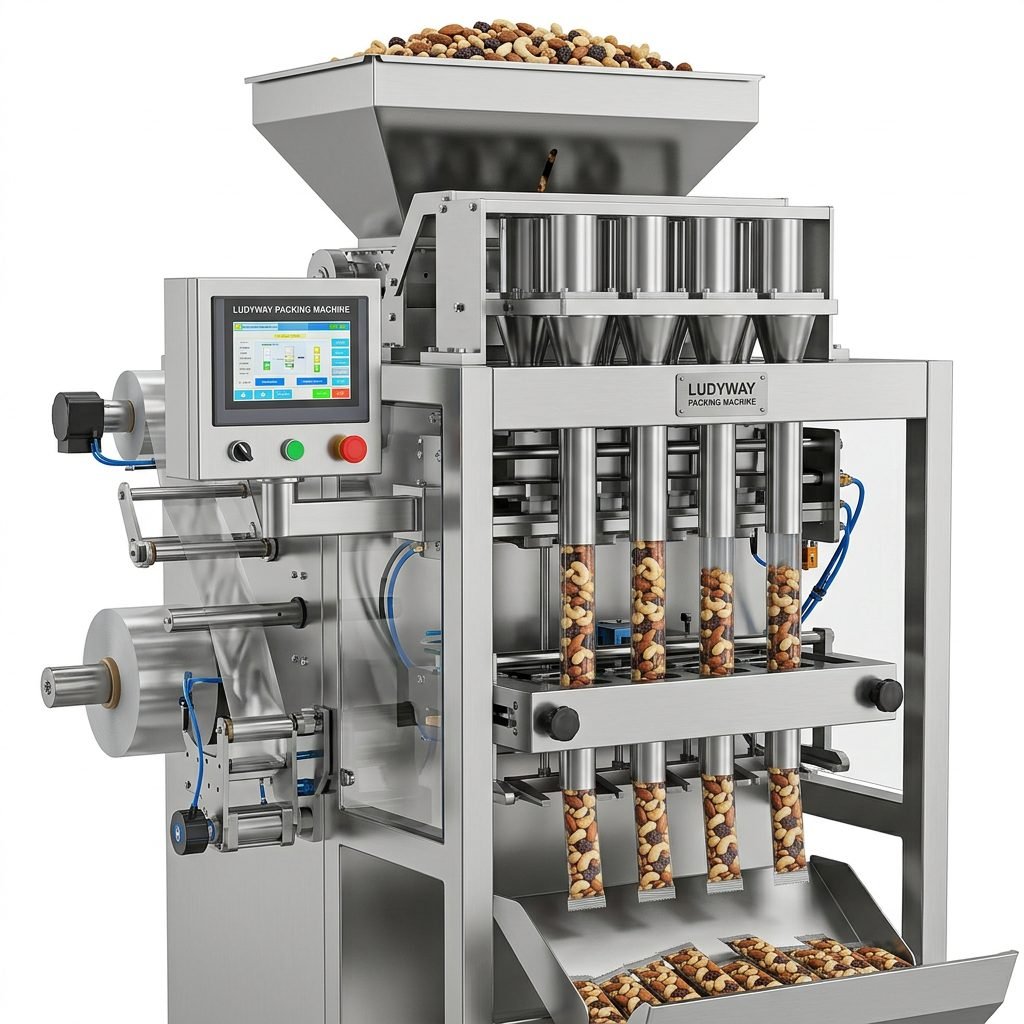
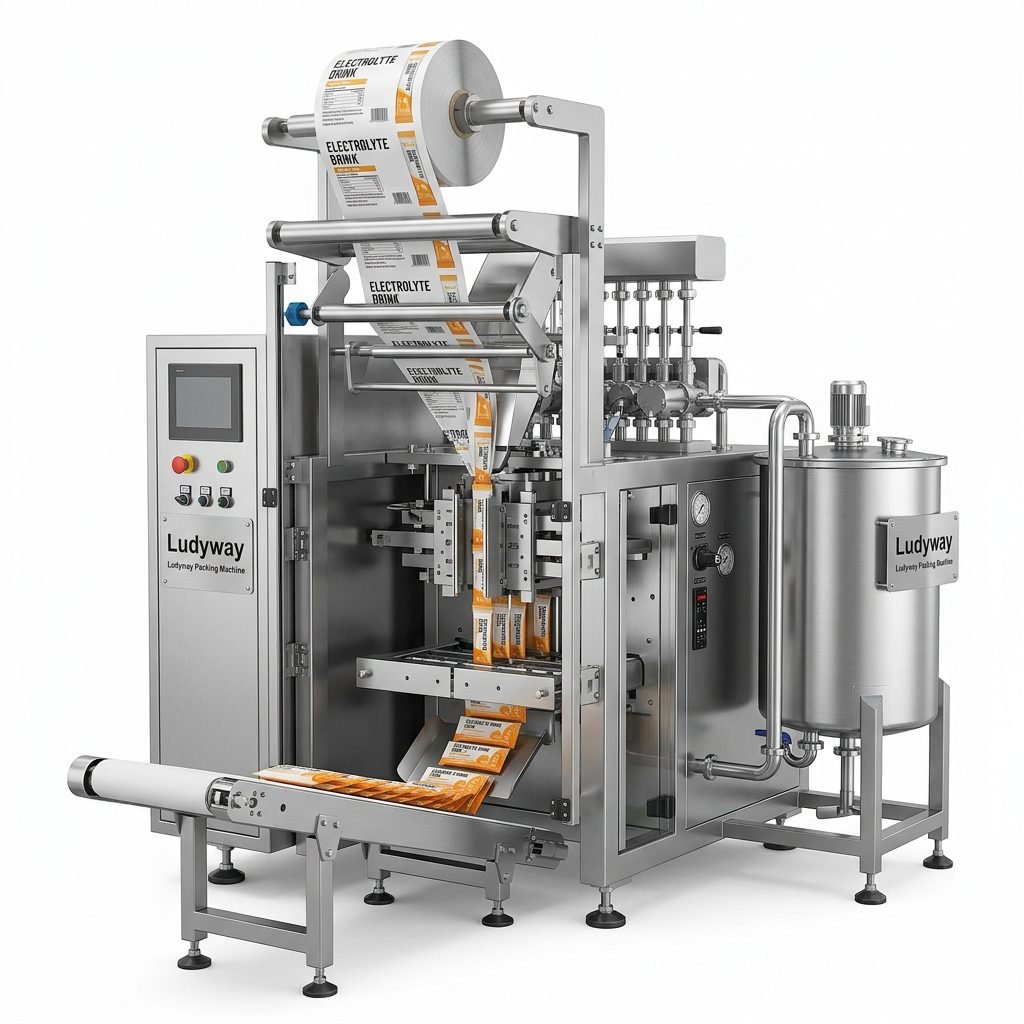
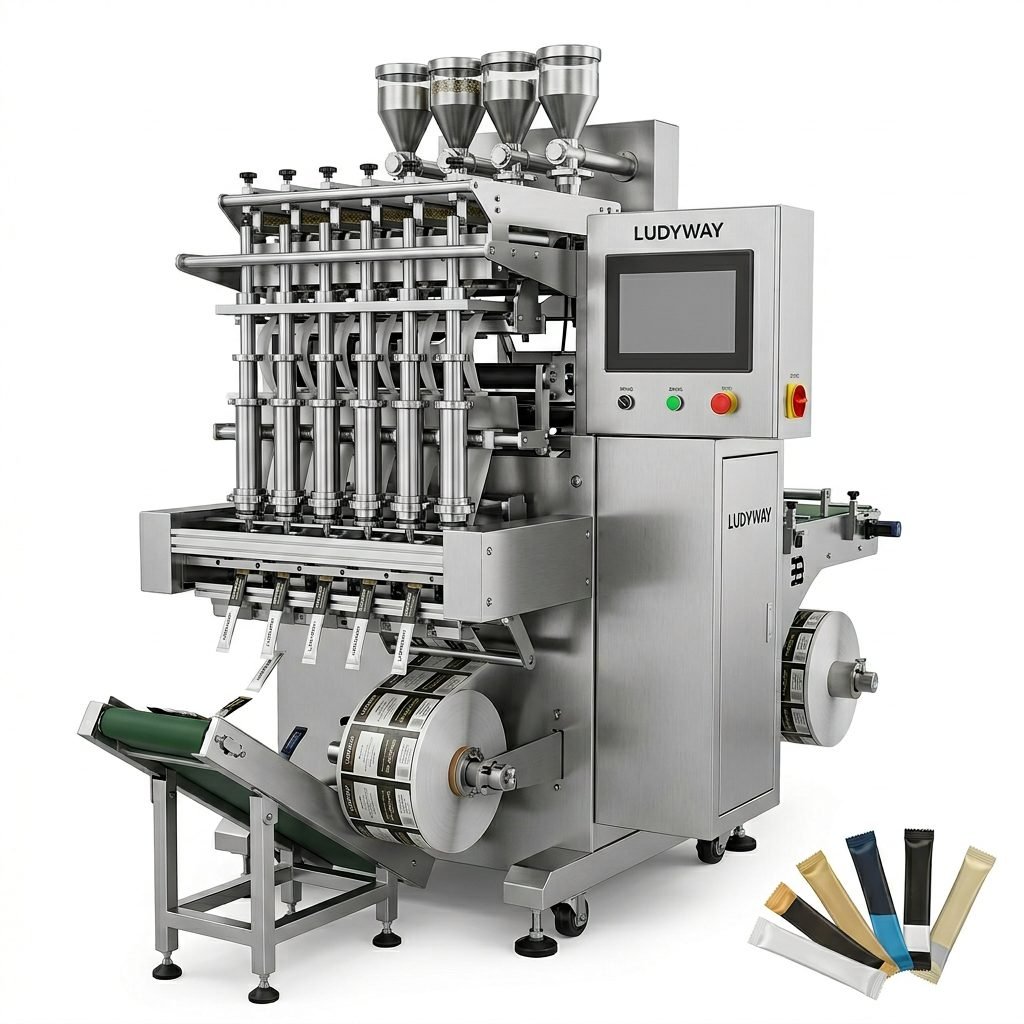
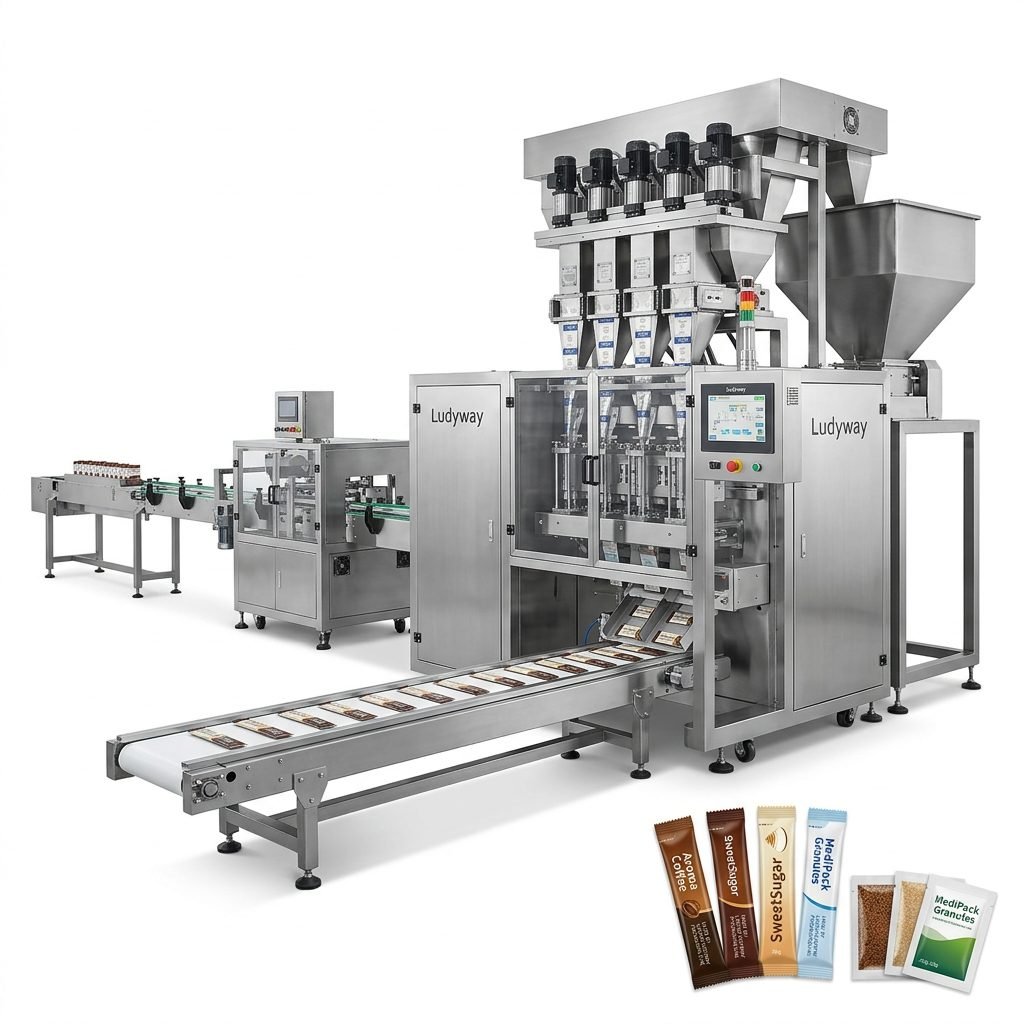
Hayssen packaging machines have long been associated with vertical form-fill-seal (VFFS) technology, widely used across food, pharmaceutical, and consumer goods industries. These machines are designed to handle a variety of flexible packaging formats, including pillow bags, gusseted pouches, and stick packs. Before diving into specifications, it’s critical to understand which machine series matches your production environment. Key considerations include the type of product being packaged — whether free-flowing granules, fine powders, or liquids — as well as the required bag styles and throughput rates. Different models within the Hayssen lineup offer varying levels of automation, sealing technologies, and material handling capabilities, so narrowing down your requirements early will streamline the selection process.
Key Factors to Consider When Choosing a Packaging Machine
Selecting the right Hayssen packaging machine involves more than simply matching a model number to a product type. The following factors should form the foundation of your evaluation process. Each element influences not only the initial investment cost but also the long-term reliability, maintenance requirements, and overall return on investment.
Product Characteristics and Material Properties
Your product’s physical properties are the single most important factor in machine selection. Powder density, granule size, flowability, moisture content, and temperature sensitivity all affect how the product moves through dosing, filling, and sealing stages. For example, a fine powder with high dust levels requires different filling mechanisms — such as auger fillers with dust extraction — compared to free-flowing granules that work well with volumetric cup fillers. Similarly, liquid products with varying viscosities demand specialized pumping systems and nozzle configurations. Understanding these characteristics ensures the machine you choose can deliver consistent fill accuracy and minimize product waste.
- Powders: Require auger or vacuum filling systems with dust control features
- Granules: Compatible with volumetric or multi-head weigher filling for high-speed accuracy
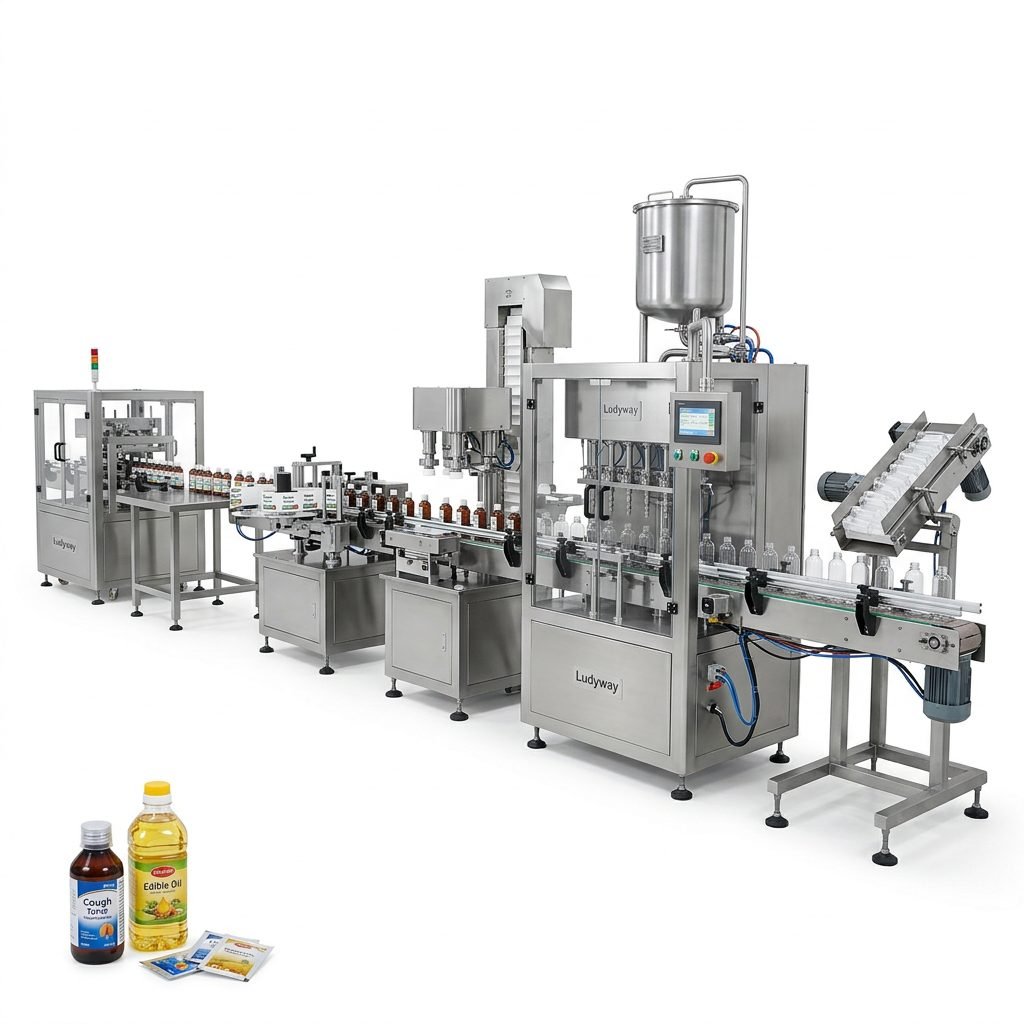
- Liquids and pastes: Need piston pumps, gear pumps, or flow meters depending on viscosity
- Sticky or cohesive products: Demand specialized hoppers and non-stick contact surfaces
- Fragile products: Benefit from gentle handling systems to prevent breakage during filling
Packaging Format and Bag Style
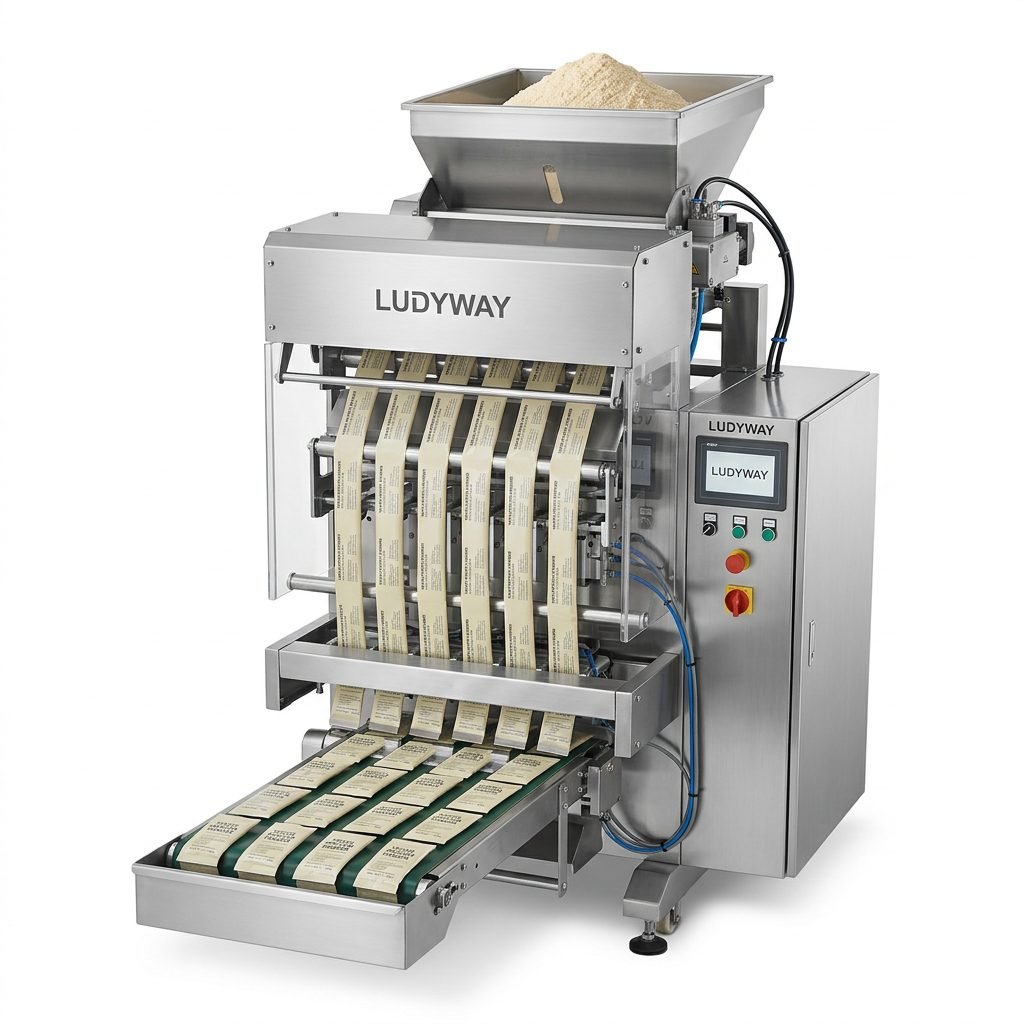
Hayssen machines support a wide range of flexible packaging formats, but not every model handles every bag style. Common formats include pillow pouches, gusseted bags, stick packs, sachets, and quad-seal bags. Your choice should be guided by market requirements, shelf presence, and product protection needs. Stick packs and sachets are increasingly popular for single-serve portions in the flexible packaging sector, while larger gusseted pouches serve family-size or bulk applications. Consider whether you need features like resealable zippers, tear notches, or hang holes, as these add complexity to the machine configuration.

Production Speed and Capacity Requirements
Throughput requirements directly determine which Hayssen model and lane configuration is appropriate. Single-lane machines suit lower-volume or specialty production, while multi-lane systems can dramatically increase output for high-demand products. When calculating required speed, factor in not just your current production volumes but also projected growth over the next 3-5 years. A machine operating near its maximum capacity will experience more wear and require more frequent maintenance. Additionally, consider how speed interacts with accuracy — faster speeds can sometimes compromise fill precision if the dosing system is not properly matched to the product.
Packaging Material Compatibility
The type of packaging film your operation uses — whether polyethylene, polypropylene, laminated foils, paper-based, or biodegradable materials — must be compatible with the machine’s sealing system. Different films require specific sealing temperatures, dwell times, and pressure settings. Machines equipped with advanced temperature control and adjustable sealing jaws offer greater flexibility across material types. With growing emphasis on sustainable packaging, verify that your chosen machine can handle recyclable or compostable films, which often have different sealing characteristics than traditional plastics.
Automation and Integration Capabilities
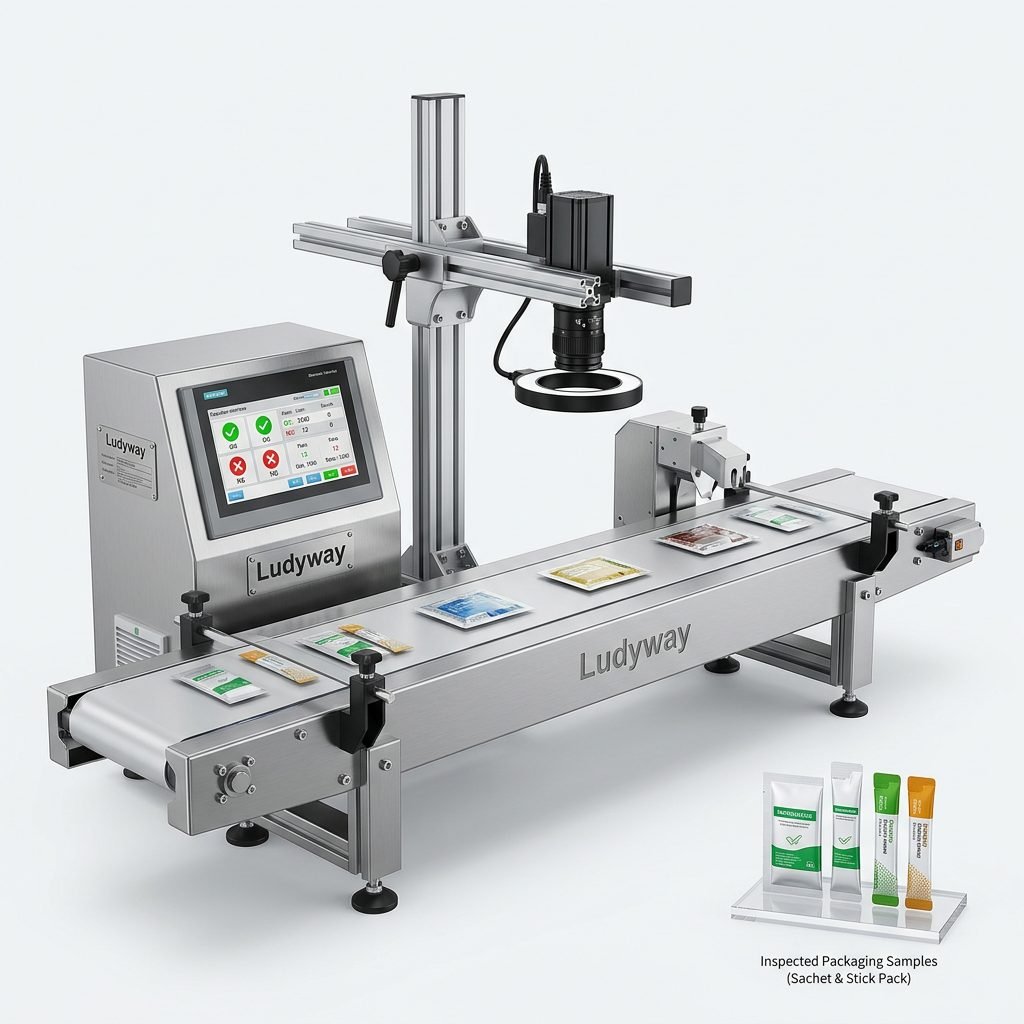
Modern packaging operations rarely function in isolation. Your Hayssen packaging machine should integrate seamlessly with upstream and downstream equipment, including feeding systems, conveyors, checkweighers, metal detectors, coding and marking systems, and cartoning or case-packing stations. Automation features such as servo-driven controls, PLC interfaces, and IoT connectivity enable real-time monitoring, rapid changeovers, and data collection for continuous improvement. When evaluating integration, consider whether the machine supports standard communication protocols and whether the supplier offers engineering support for line integration.
| Machine Feature | Basic Configuration | Advanced Configuration |
|---|---|---|
| Control System | PLC with basic HMI touchscreen | Full servo-driven with IoT connectivity and remote diagnostics |
| Filling Technology | Single volumetric or auger filler | Multi-head weigher or combination filling with auto-feedback |
| Sealing System | Fixed temperature control with single jaw type | Multi-zone servo-driven sealing with adjustable pressure profiles |
| Changeover Time | 30-60 minutes manual adjustment | 5-15 minutes with recipe-driven automatic setup |
| Data & Analytics | Basic production counters and alarms | Full OEE tracking, predictive maintenance alerts, and ERP integration |
Industry-Specific Requirements
Different industries impose distinct standards on packaging equipment. Your Hayssen machine selection should account for the regulatory and operational demands of your specific sector. Food and beverage applications prioritize hygienic design and cleanability, often requiring stainless steel construction, washdown capabilities, and compliance with FDA packaging requirements. Pharmaceutical packaging demands even stricter controls — including validated processes, serialization capabilities, and adherence to GMP guidelines. Chemical and industrial applications may require corrosion-resistant materials and explosion-proof configurations. Cosmetic and personal care products often need quick changeover capabilities to handle frequent SKU changes.

Evaluating Suppliers and After-Sales Support
The quality of your supplier relationship is just as important as the machine itself. When evaluating a Hayssen packaging machine supplier, consider not only the equipment specifications but also the comprehensive support ecosystem. Key evaluation criteria include: availability of local technical support and spare parts, responsiveness of the service team, operator training programs, and the supplier’s track record in your industry. A packaging machine is a long-term investment, and ongoing support directly affects uptime and productivity. Industry research from PMMI consistently highlights after-sales service as a top criterion in packaging machinery purchasing decisions. For manufacturers exploring alternatives with strong global service capabilities, companies like Ludyway Machinery — a China-based packaging machinery manufacturer with over 30 years of experience serving customers in more than 100 countries — offer turnkey packaging solutions alongside comprehensive technical support throughout the project lifecycle.
Total Cost of Ownership Analysis
Looking beyond the purchase price is essential for an accurate financial evaluation. Total cost of ownership (TCO) encompasses several categories that accumulate over the machine’s service life:
- Initial acquisition: Machine cost, shipping, installation, and commissioning
- Operational costs: Energy consumption, compressed air usage, and packaging material waste rates
- Maintenance: Routine service, wear part replacement, and unexpected repairs
- Labor: Operator requirements per shift and skill level needed
- Downtime: Lost production during changeovers and unscheduled stoppages
A machine with a lower upfront cost may result in higher long-term expenses if it consumes more film, requires more frequent maintenance, or produces higher rejection rates. Conversely, a premium machine with advanced automation may deliver lower TCO over a 5-10 year horizon through reduced labor, less waste, and higher uptime.
Compliance with International Standards
For manufacturers serving global markets, packaging machinery must often comply with multiple regulatory frameworks. Key standards to verify include ISO packaging standards for dimensional and performance specifications, CE marking requirements for European markets, and UL certification for electrical safety in North America. Food-grade machines should meet materials of construction standards that prevent product contamination. Pharmaceutical applications may require validation documentation per GMP Annex 11 or 21 CFR Part 11 for electronic records. Clarifying these requirements upfront prevents costly retrofits or certification delays later.
Making the Final Decision
After evaluating all technical, operational, and financial factors, the final decision should balance current needs with future scalability. Create a detailed requirements document that prioritizes must-have features versus nice-to-have options. Request product trials or sample runs using your actual product and packaging materials whenever possible — this provides the most reliable validation of machine performance. Engage with multiple suppliers to compare not just prices but total value propositions, including engineering support, customization capabilities, and long-term partnership potential. A well-chosen packaging machine becomes a strategic asset that supports your growth, protects your product quality, and strengthens your competitive position in the market.
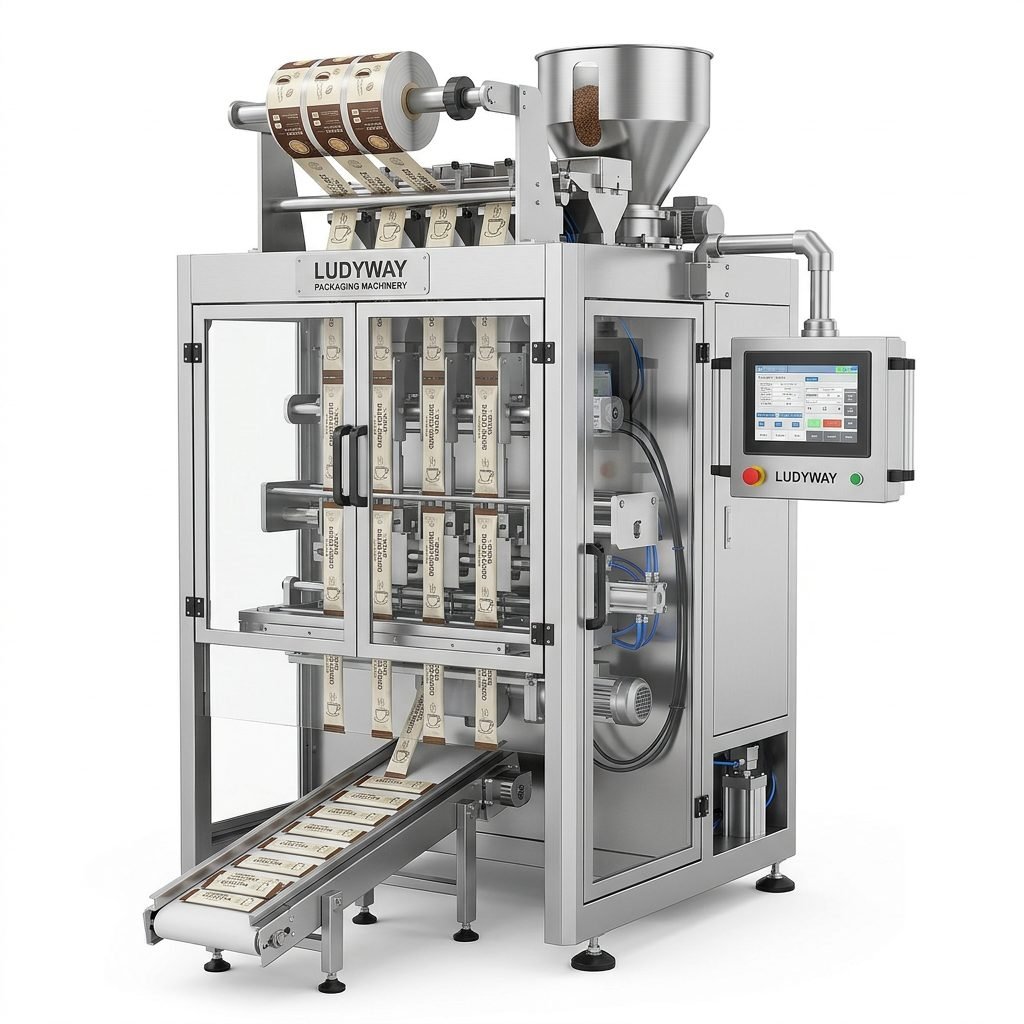
Selecting the right Hayssen packaging machine — or any flexible packaging solution — is ultimately about aligning technology with your specific production reality. By systematically evaluating product characteristics, packaging formats, speed requirements, material compatibility, automation needs, regulatory standards, and total cost of ownership, you position your operation for efficient, reliable, and scalable packaging performance. Take the time to conduct thorough due diligence, involve your production and maintenance teams in the evaluation process, and prioritize suppliers who demonstrate both technical expertise and a genuine commitment to your long-term success.