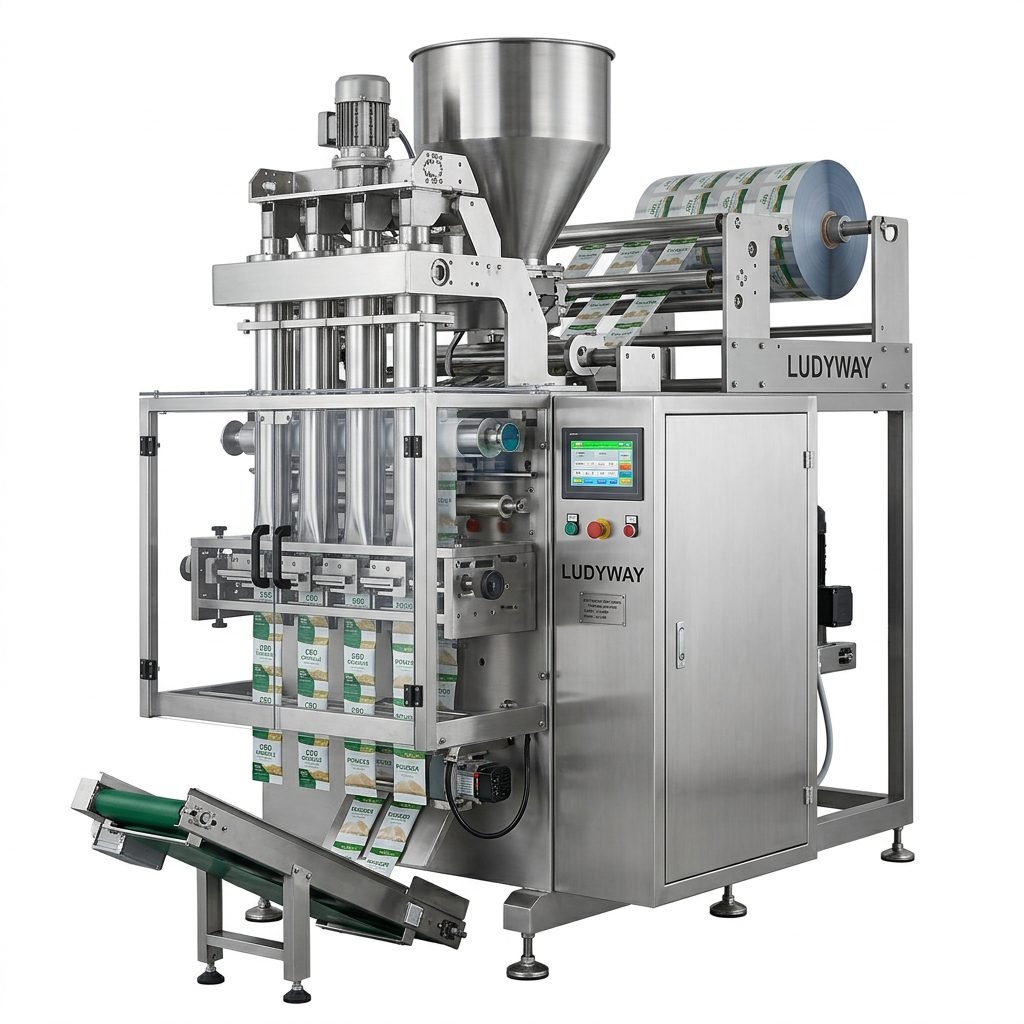
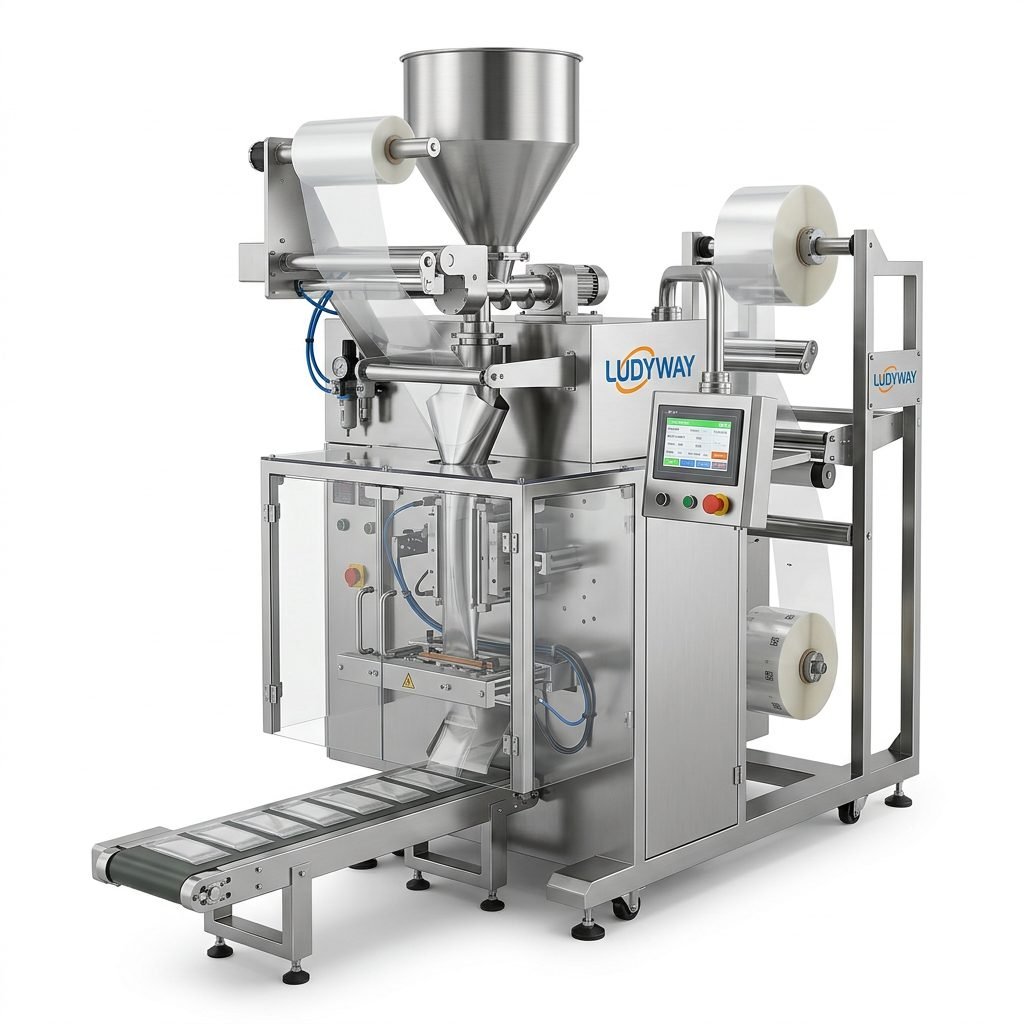
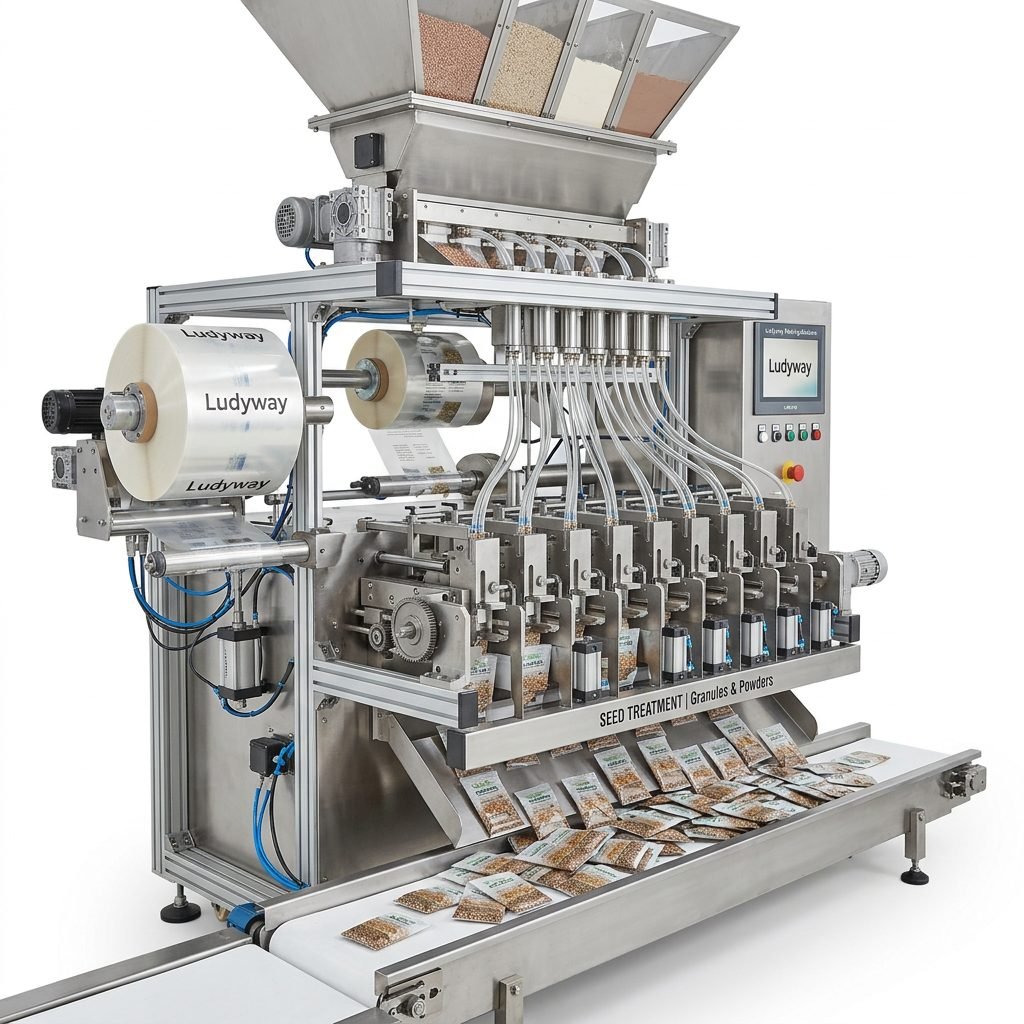
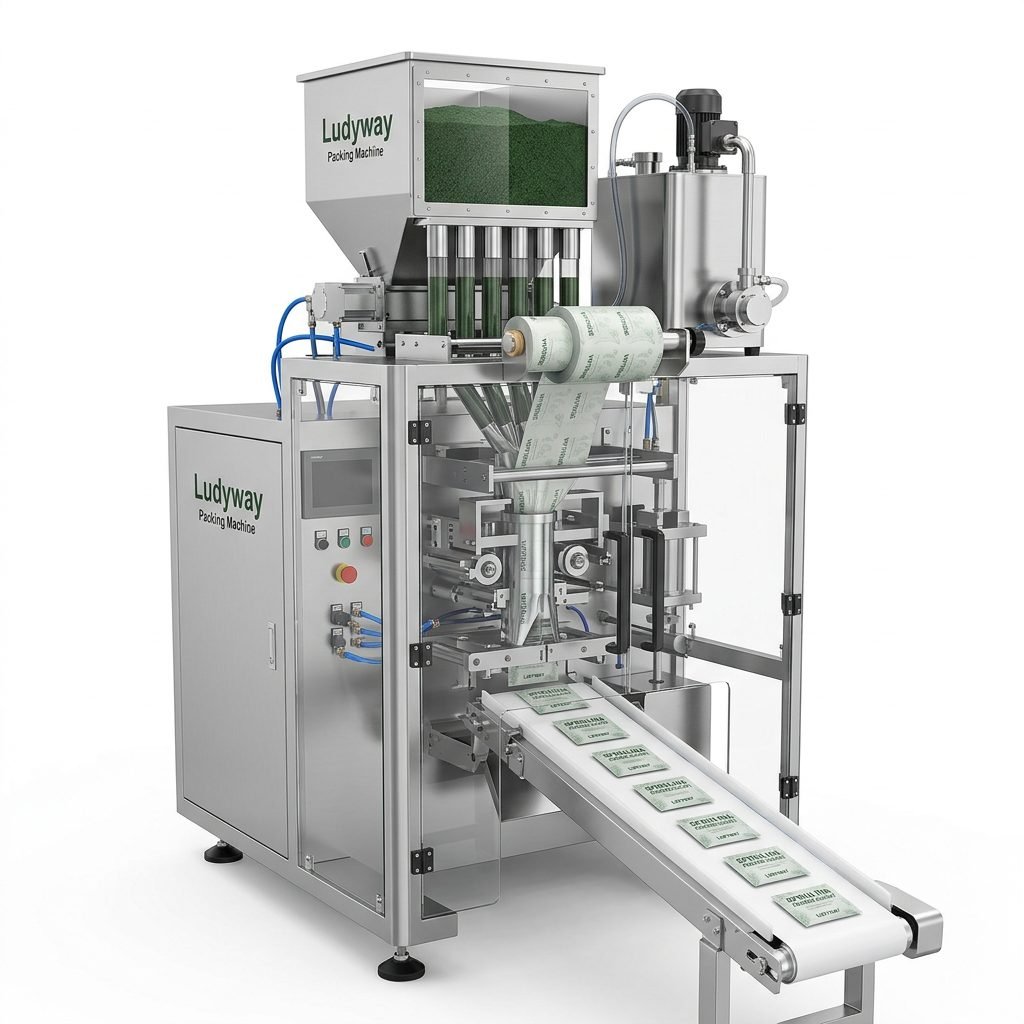
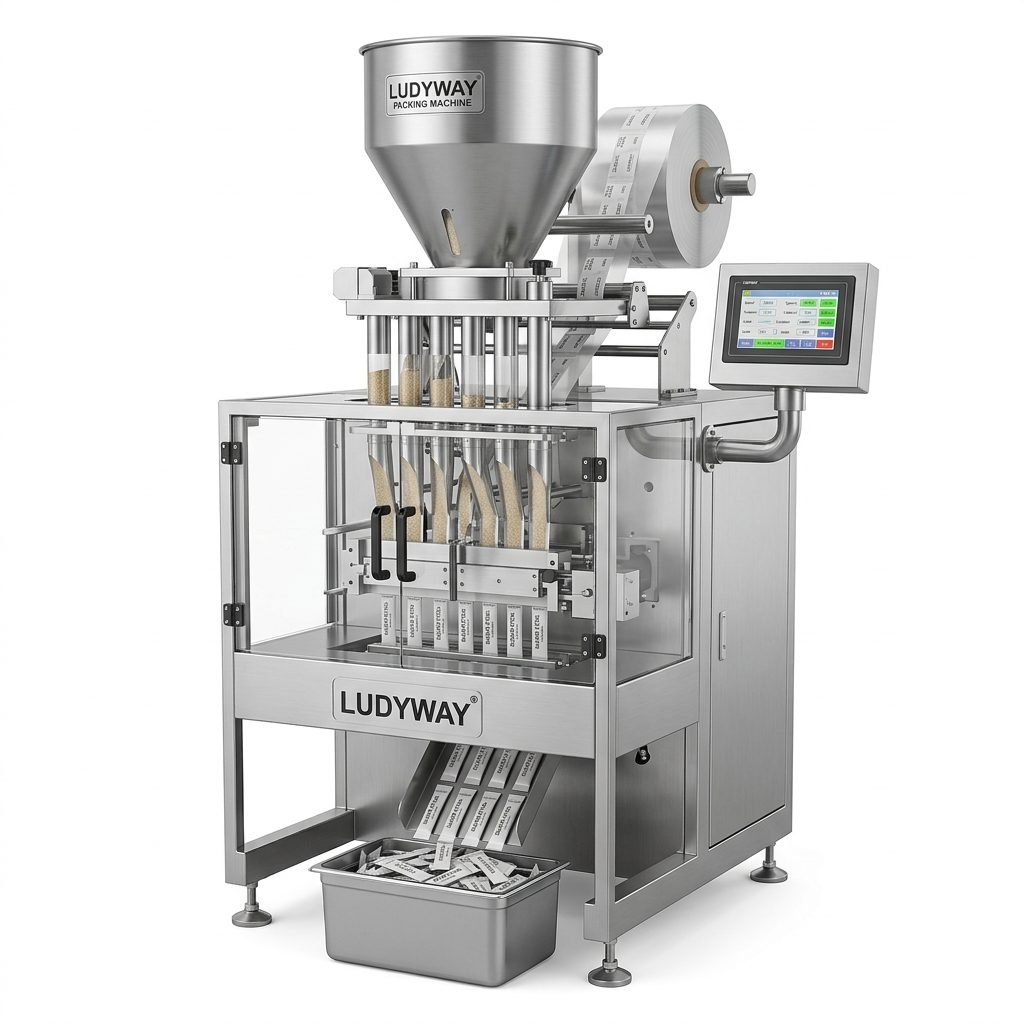
In the world of industrial packaging, the performance and longevity of your machinery are directly tied to the quality and maintenance of its individual components. This comprehensive guide delves into the essential aspects of packaging machine replacement parts, covering the various types, critical material choices, and best practices for maintenance to ensure your production line operates at peak efficiency.
Understanding the Core Types of Replacement Parts
Packaging machines are complex systems composed of numerous critical components. Understanding these parts is the first step toward effective maintenance and procurement.
Mechanical Drive & Transmission Components
These are the workhorses of the machine, responsible for motion and power transfer. Common parts include:
- Gears, Belts, and Chains: Facilitate precise movement between different machine sections. Wear on teeth or stretching can cause timing issues.
- Shafts and Bearings: Support rotating elements. Bearings are particularly prone to failure due to friction and load, making them high-frequency replacement items.
- Seals and Gaskets: Prevent leakage of lubricants or product, crucial in food and pharmaceutical applications to maintain hygiene.
Electrical & Control System Parts
These components govern the machine’s logic, sensors, and power. Key items include:
- Sensors (Photoelectric, Proximity): Act as the machine’s eyes, detecting product position, fill levels, or seal integrity. Failure leads to incorrect machine cycles.
- Solenoid Valves and Actuators: Control pneumatic or hydraulic functions for actions like gripping, cutting, or diverting.
- Heating Elements and Bands: Vital for thermal sealing processes. Inconsistent heating leads to weak seals and product waste.
Product-Contact & Wear Parts
These parts directly handle the packaging material or product and experience the most direct wear.
- → Forming Tubes and Funnels: Guide the packaging film and product. Scratches can cause film tears.
- → Cutting Knives and Blades: For cutting film or pre-made bags. Dull blades result in ragged seals and jams.
- → Fill Nozzles: Dispense product. Clogging or erosion affects fill accuracy.
Selecting the Right Materials for Durability
The material of a replacement part determines its resistance to wear, corrosion, and compliance with industry standards.
Stainless Steel (e.g., 304, 316 Grade)
The industry standard for product-contact parts in food, pharmaceutical, and chemical packaging due to its excellent corrosion resistance, strength, and ease of cleaning. It is essential for maintaining hygiene and preventing product contamination.
Engineering Plastics (POM, PTFE, UHMW-PE)
Used for guides, bushings, and low-friction components. They offer advantages like self-lubrication, noise reduction, and resistance to certain chemicals. For instance, PTFE is often used for parts requiring exceptional non-stick properties.
Specialized Coatings and Treatments
Surface treatments like nitriding (for hardening steel), chrome plating (for wear resistance), or food-grade coatings can significantly extend a part’s service life beyond its base material’s capabilities.
Implementing a Proactive Maintenance Strategy
Reactive replacement is costly. A proactive maintenance strategy minimizes downtime and extends the life of all components.
Scheduled Inspection and Lubrication
Create and strictly follow a maintenance calendar. This includes daily visual checks for loose parts or leaks, weekly cleaning of product-contact zones, and monthly lubrication of bearings and gears with the manufacturer-recommended lubricant. A well-lubricated machine runs smoother and cooler, reducing wear.
Critical Spare Parts Inventory
Not all parts are created equal. Maintain an on-site inventory of critical wear parts that have a high failure rate and can halt production instantly. This typically includes:
• Specific seals and gaskets for the main drive.
• A set of cutting blades or knives.
• Commonly failing sensors or fuses.
Partnering with a reliable supplier like Ludyway Machinery, with its extensive experience, ensures you have access to genuine parts and can restock your inventory efficiently.
Training and Documentation
Ensure operators and maintenance technicians are trained to perform basic inspections and identify early signs of part failure, such as unusual noises, vibrations, or a decline in seal quality. Keep detailed machine manuals and part diagrams accessible, and log every maintenance action and part replacement to build a valuable history for predicting future needs.
Partnering with the Right Supplier
The source of your replacement parts is as crucial as the parts themselves. Key considerations include:
- Quality and Compatibility: Genuine or high-quality certified parts ensure perfect fit and function, preventing machine damage. Inferior copies can cause cascading failures.
- Technical Support: A supplier with deep engineering knowledge, such as one with over 30 years in the industry, can provide invaluable troubleshooting help and recommend the optimal part for your specific application.
- Supply Chain Reliability: Consistent availability and fast delivery times are essential to minimize downtime. Suppliers with strong manufacturing backing offer more security.
Frequently Asked Questions (FAQs)
Q1: How often should I replace common wear parts like seals or blades?
A: There’s no universal interval. It depends on machine runtime, product abrasiveness, and material. Monitor performance—replace sealing jaws when seal strength drops, and blades when cuts become uneven. Your maintenance log will help establish a baseline for your specific operation.
Q2: Are generic or third-party replacement parts a good option to save cost?
A: This can be a false economy. While sometimes cheaper upfront, generic parts may have different tolerances, materials, or heat treatments, leading to faster wear, machine misalignment, or even safety issues. For critical components, investing in quality parts from a trusted source is always recommended for long-term reliability.
Q3: What are the first signs that a critical part is about to fail?
A: Early warnings include: increased vibration or noise from a specific area, a gradual decrease in production speed or fill accuracy, a higher rate of rejected packages (due to weak seals or incomplete cuts), and visible wear, scoring, or discoloration on the part itself.
Q4: Can I upgrade the material of a replacement part for better performance?
A: Often, yes. Consult your machine manual or a technical expert. For example, upgrading a standard steel blade to one with a hardened coating, or a plastic guide to a composite with lower friction, can significantly extend service life. Ensure the new material’s properties (like thermal expansion or hardness) are compatible.
Q5: How do I build an effective spare parts inventory?
A: Start by identifying parts with the highest failure rates and longest lead times from your supplier. Focus on items that cause immediate line stoppage. Use your maintenance history data. A good supplier partner can also help you create a customized critical spare parts kit tailored to your machine model and usage pattern.