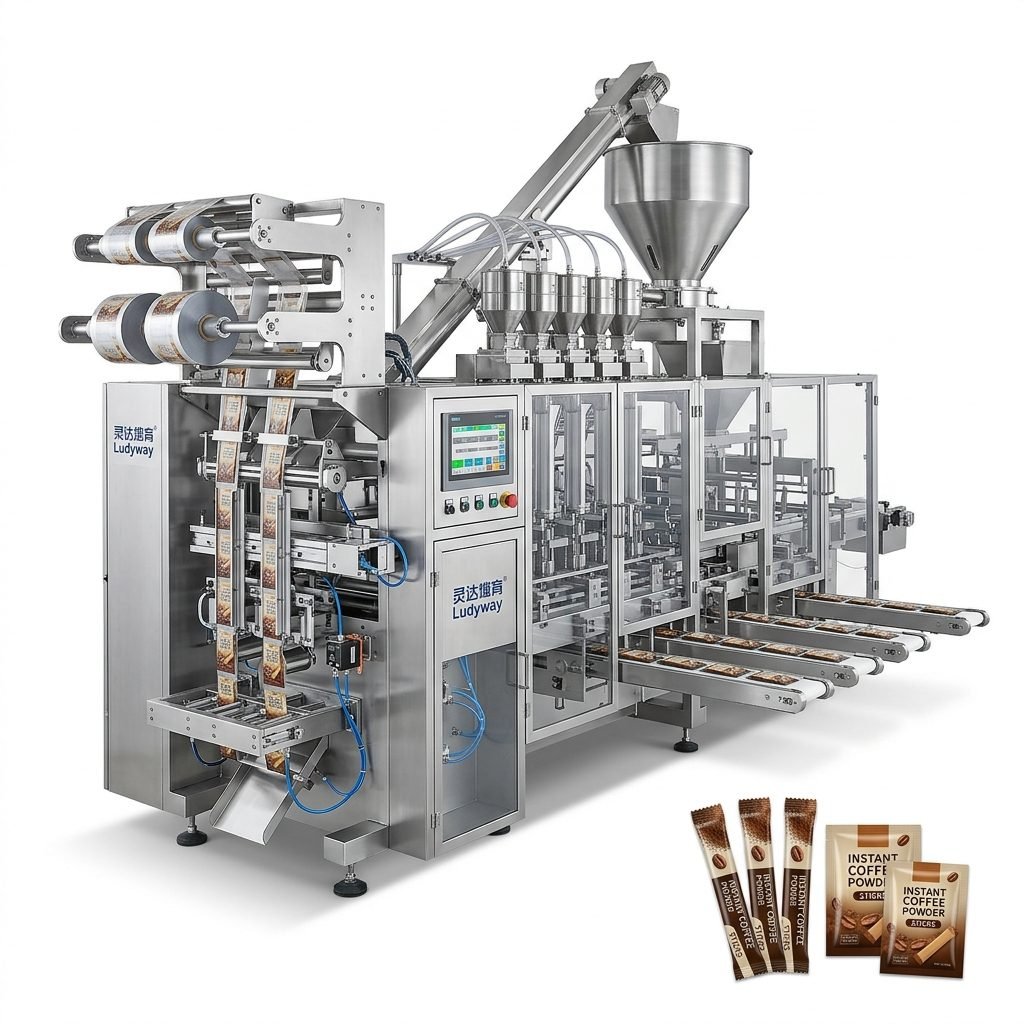
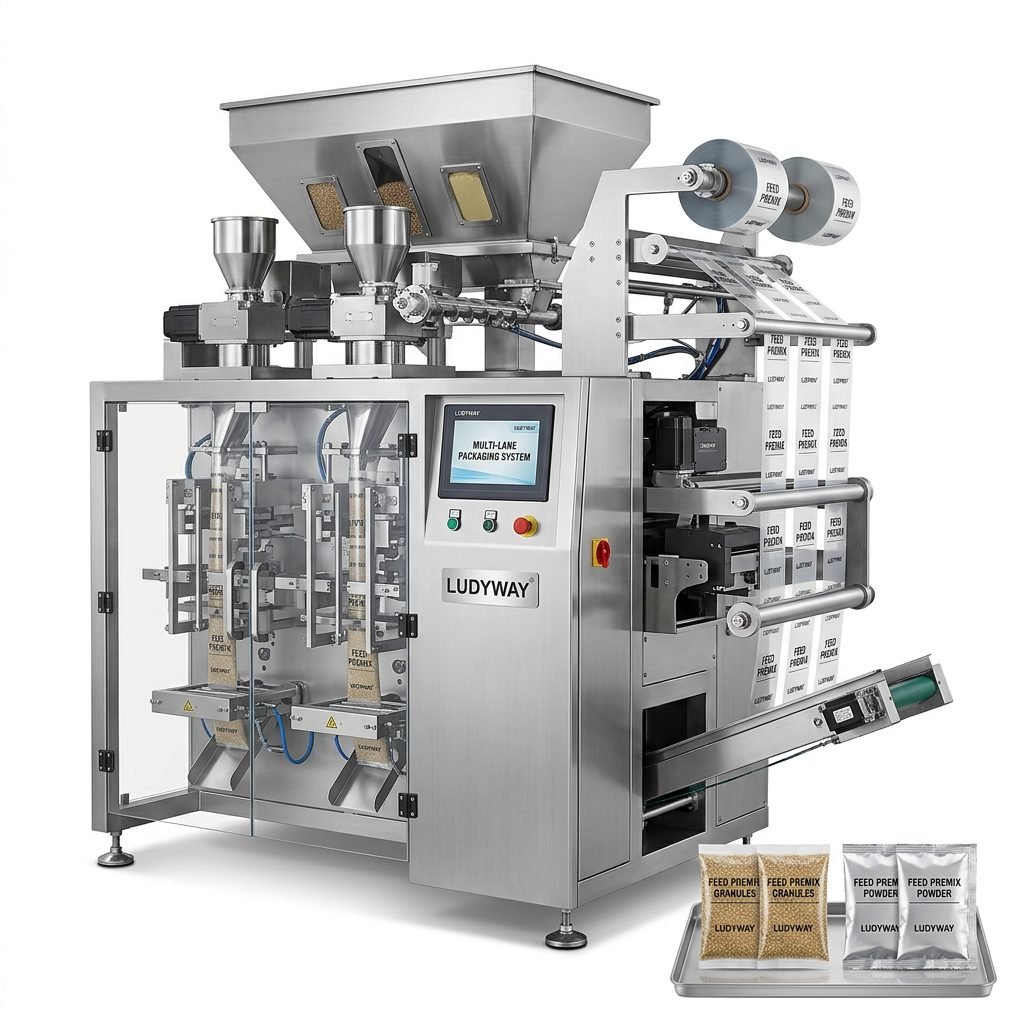
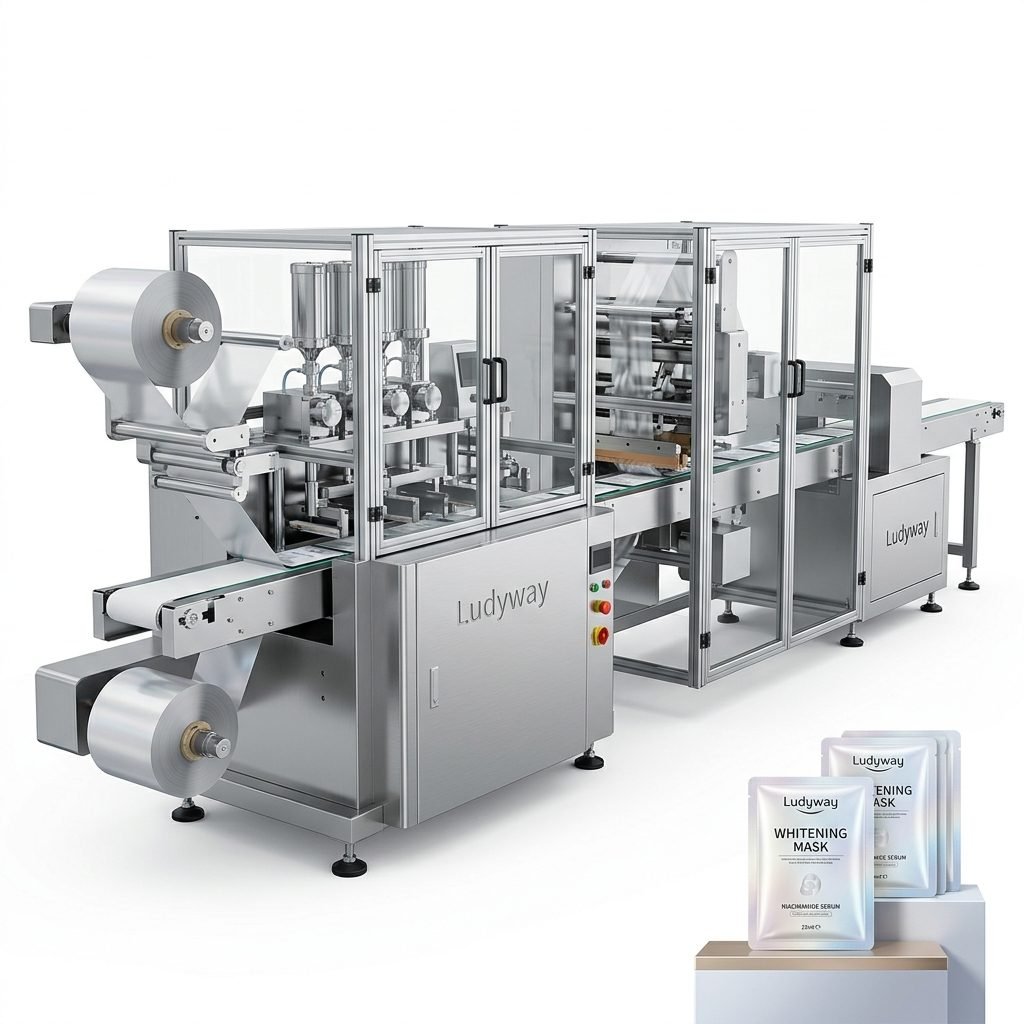
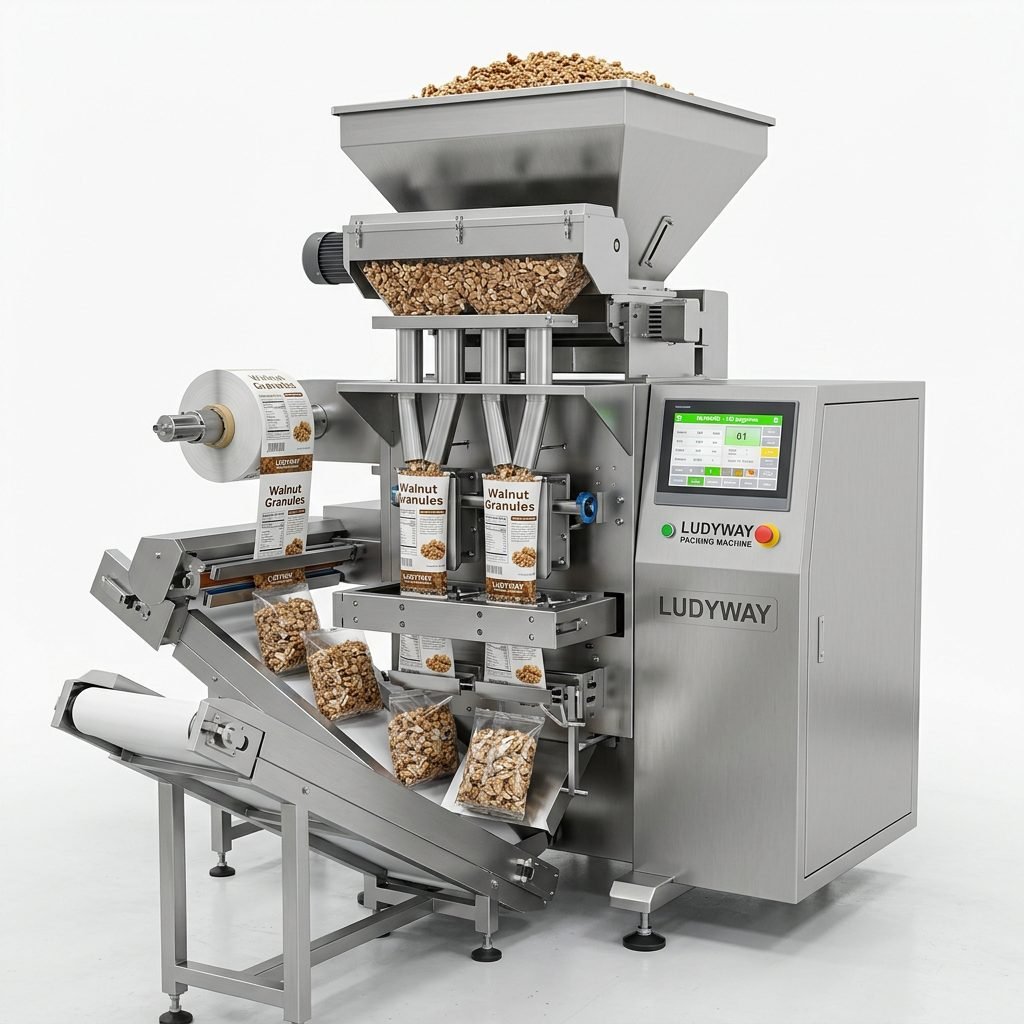
Shrink packaging machinery plays a vital role in modern manufacturing and distribution, offering product protection, tamper evidence, and enhanced visual appeal. For businesses in Shanklin and across the UK, selecting the right shrink packaging machine is crucial for operational efficiency and market competitiveness. This comprehensive guide explores the types, key features, and essential buying tips for shrink packaging machinery, helping you make an informed investment decision.
Understanding Shrink Packaging Machinery
Shrink packaging involves wrapping a product in a plastic film and then applying heat, causing the film to contract tightly around the product’s contours. This process creates a secure, protective, and professional-looking package. The machinery automates this process, significantly increasing packaging speed and consistency compared to manual methods.
Key Benefit: Shrink packaging is particularly popular in the UK for its ability to bundle multi-packs (like beverage cans or bottles), which aligns with local retail and consumer preferences for convenient, multi-unit purchases.
Primary Types of Shrink Packaging Machines
Choosing the correct type of machine depends on your product size, shape, volume, and budget. Here are the main categories:
L-Bar Sealers
Ideal for low to medium-volume operations, L-Bar sealers are semi-automatic. An operator places the product and film into position, and the machine seals and cuts the film before the package moves to a heat tunnel. They are cost-effective and versatile for businesses with varied product sizes.
Sleeve Wrappers
These machines form a film tube around the product, seal the longitudinal seam, and then cut and seal the ends. Perfect for bundling multiple items (like cans, boxes, or bottles) into a stable multi-pack. They are a common sight in production lines for food, beverage, and household goods.
Shrink Tunnels
Not a sealing machine itself, but an essential component. After a product is loosely wrapped and sealed, it passes through a shrink tunnel where controlled heat evenly shrinks the film. Tunnels vary by heat source (hot air or radiant heat) and conveyor type.
Automatic Shrink Wrapping Systems
Fully automated systems integrate product feeding, film wrapping, sealing, and shrinking into one continuous line. Designed for high-speed, high-volume production, they maximize efficiency and minimize labor costs for large-scale manufacturers.
Essential Features to Consider
When evaluating shrink packaging machinery, look beyond the basic type. These features critically impact performance and suitability.
Sealing Mechanism & Quality
A strong, consistent seal is paramount to prevent film unwrapping. Look for machines with adjustable temperature and pressure controls on the sealing bars to accommodate different film types. Impulse sealers are common and effective for polyolefin films.
Heat Tunnel Performance
For systems with a tunnel, consider heating uniformity, temperature control range, and airflow design. An even heat distribution prevents unsightly wrinkles or weak spots in the shrunk film. Energy-efficient designs can also reduce long-term operating costs.
Speed & Throughput Capacity
Match the machine’s cycles-per-minute or packages-per-minute rating with your current and projected production needs. Over-specifying can be wasteful, while under-specifying creates bottlenecks.
📌 Pro Tip for UK Businesses:
Consider the seasonal demand spikes common in Shanklin’s tourist economy and UK retail cycles. A machine with a moderate speed buffer or easy scalability can handle peak periods without strain.
Versatility & Changeover Ease
Can the machine handle different product sizes with minimal tooling or adjustment time? Quick-change features for sealing bars, film guides, and conveyor widths are invaluable for producers with diverse product lines.
Durability & Construction
Industrial packaging equipment should be built to last. Look for robust frames, quality stainless steel on contact surfaces (especially for food applications), and reliable components from recognized brands.
Critical Buying Tips for Your Investment
Making the right purchase requires careful planning and research. Follow these steps to ensure a successful acquisition.
1. Conduct a Thorough Needs Analysis
Define your requirements clearly: product dimensions, daily/weekly output, types of film you plan to use (e.g., Polyolefin, PVC, PET), and available factory space. Don’t forget to consider future product development.
2. Prioritize Supplier Reputation & Support
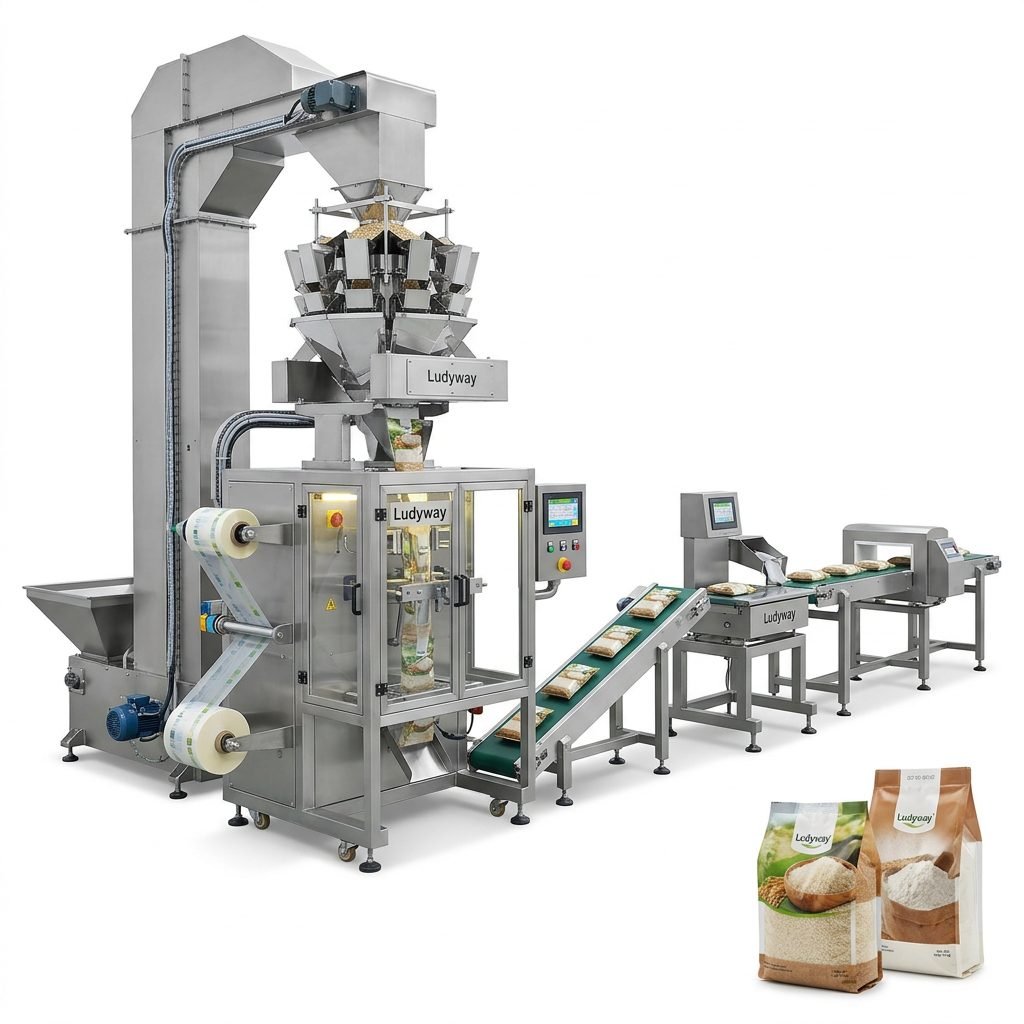
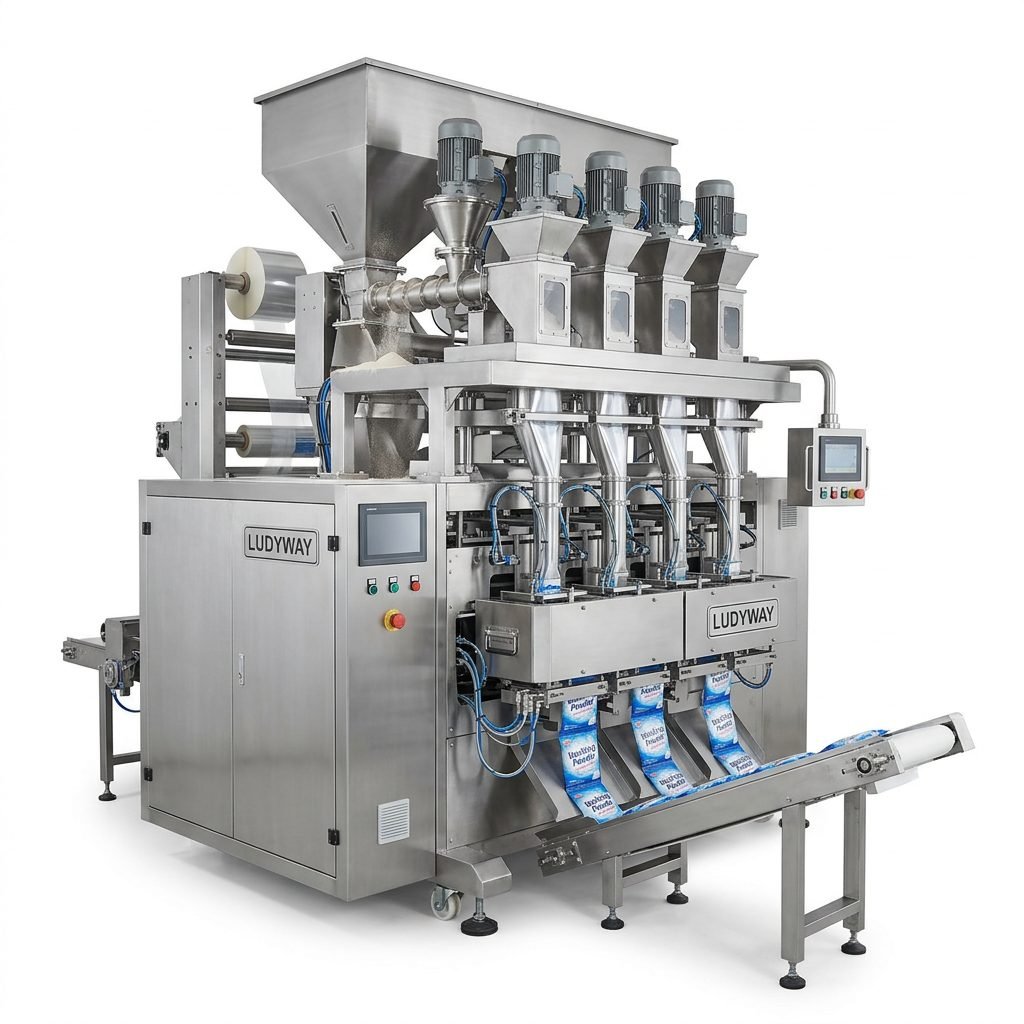
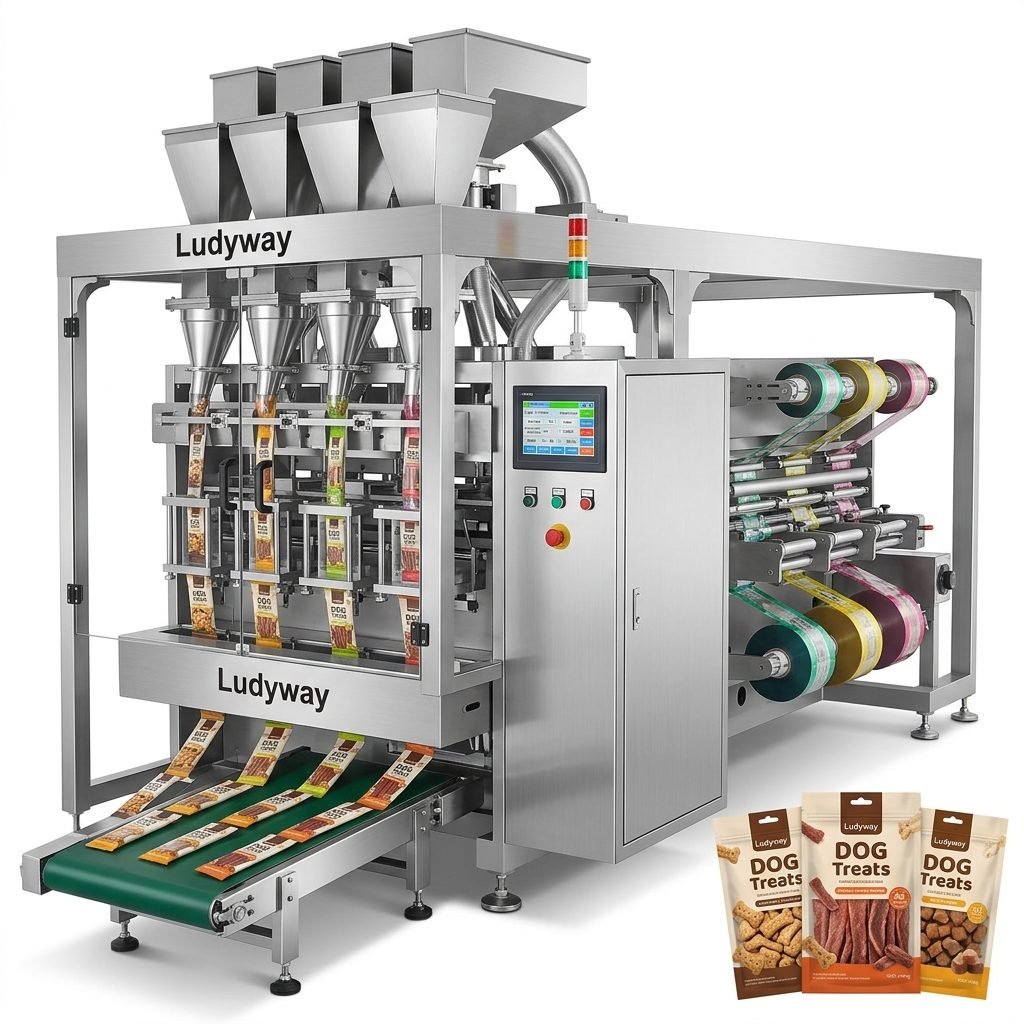
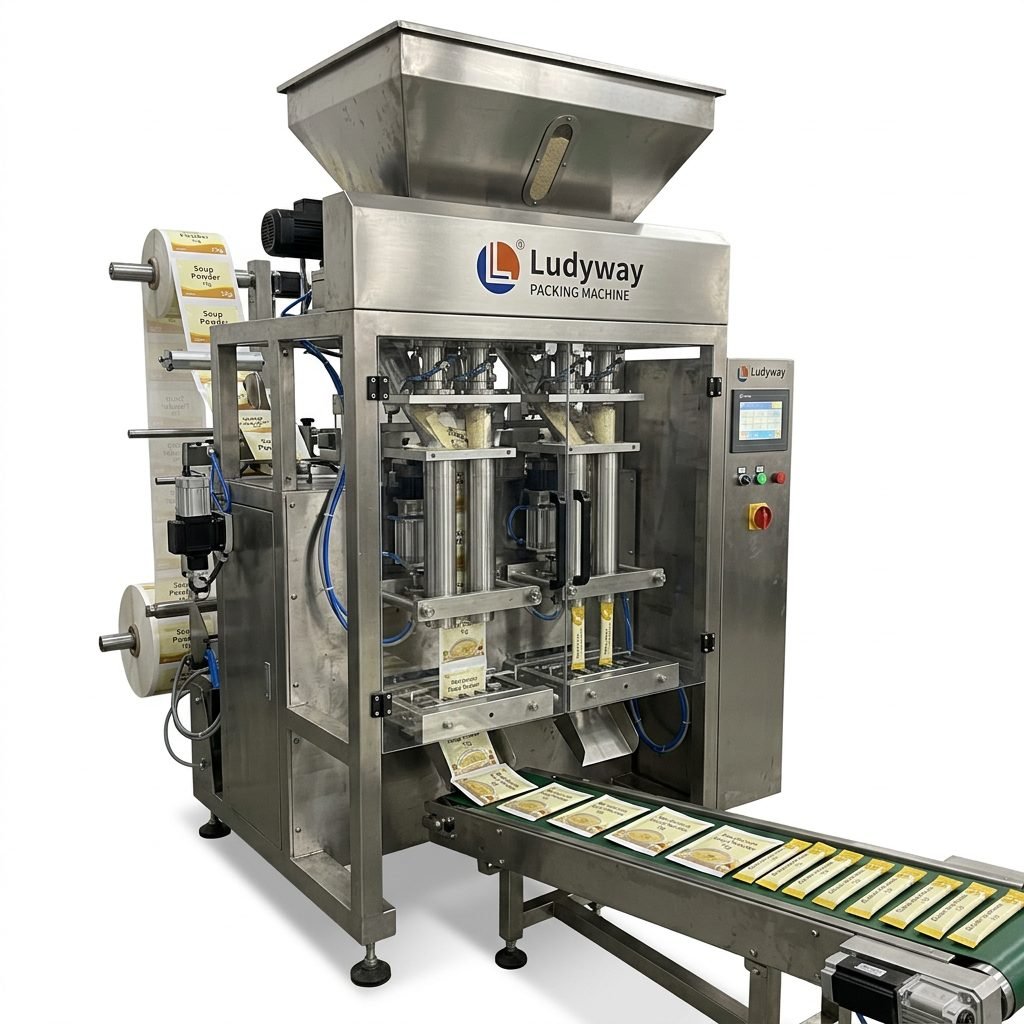
The machine’s quality is only half the equation. Choose a supplier known for reliability and excellent after-sales service. For instance, Ludyway Machinery, with over a decade of industry experience, provides professional guidance and support, ensuring your packaging line runs smoothly. Look for suppliers offering comprehensive training, readily available spare parts, and responsive technical support—crucial for minimizing downtime.
3. Request a Live Demonstration or Trial
Always see the machine in action, preferably with your own products or reasonable facsimiles. This tests the machine’s actual performance, seal quality, and ease of operation firsthand.
4. Evaluate Total Cost of Ownership (TCO)
Look beyond the initial purchase price. Factor in ongoing costs like energy consumption, film usage efficiency, maintenance requirements, and potential spare parts. A slightly higher upfront cost for a more efficient, durable machine often leads to lower TCO.
5. Consider Integration with Existing Lines
If the shrink wrapper needs to connect to upstream or downstream equipment (like fillers or labelers), ensure compatibility in terms of conveyor height, speed synchronization, and control system interfaces. Expert suppliers can often advise on seamless line integration.
Why Partner with a Specialized Supplier?
Navigating the world of packaging machinery is complex. Partnering with an experienced specialist like Ludyway Machinery offers distinct advantages. With deep industry knowledge and a commitment to tailored solutions, such partners don’t just sell a machine; they provide a packaging solution that enhances your productivity and product presentation. Their global experience means they understand diverse market needs, including the specific demands of UK manufacturers and retailers.
Frequently Asked Questions (FAQs)
1. What type of shrink film is most commonly used in the UK?
Polyolefin (POF) film is extremely popular due to its clarity, strength, and environmental credentials (it is recyclable and produces less smoke when incinerated). It’s suitable for a wide range of products, from food items to consumer goods.
2. How much maintenance does a shrink packaging machine require?
Regular maintenance is minimal but essential. Daily cleaning of sealing bars and tunnels, periodic lubrication of moving parts, and inspection of electrical components are standard. Your supplier should provide a clear maintenance schedule.
3. Can one machine handle very different product sizes?
Many machines, especially semi-automatic L-Bar sealers and some automatic models with quick-change features, are designed for flexibility. However, significant size changes may require adjustments or change parts. Discuss your product range with your supplier.
4. What safety features should I look for?
Essential safety features include thermal overload protection, emergency stop buttons, guards on heating elements and moving parts, and proper insulation to prevent external surfaces from becoming too hot.
5. Is technical training provided with the machine?
A reputable supplier will always offer comprehensive training for your operators and maintenance staff on machine operation, routine maintenance, troubleshooting, and safety procedures. This is key to achieving optimal performance and longevity from your equipment.