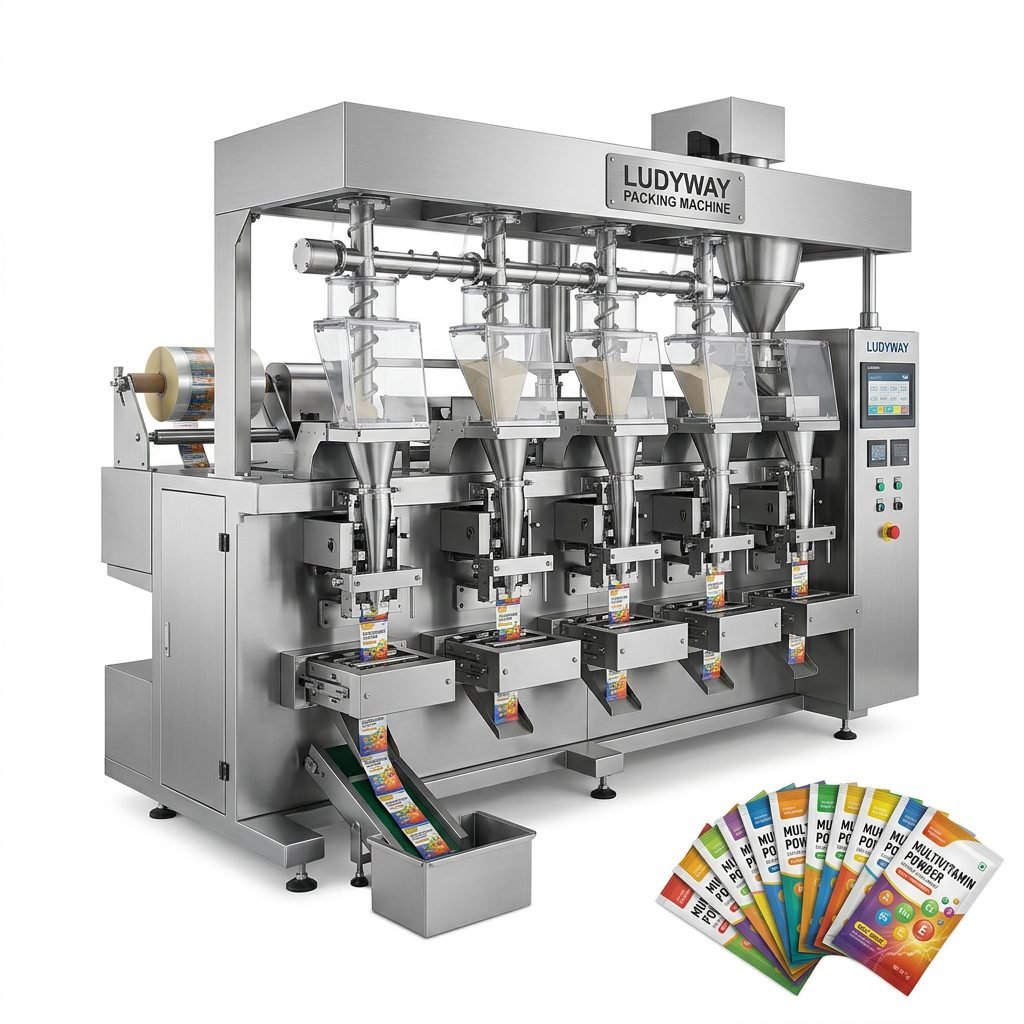
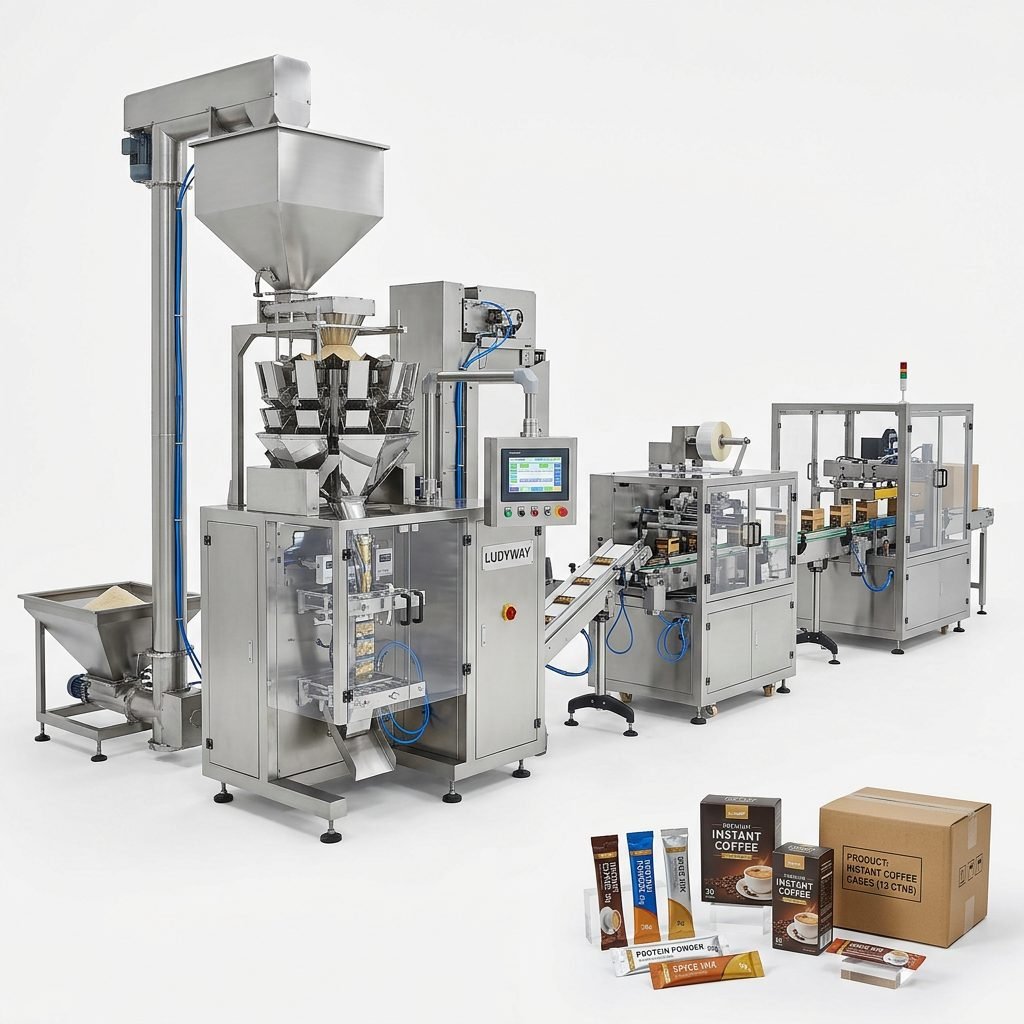
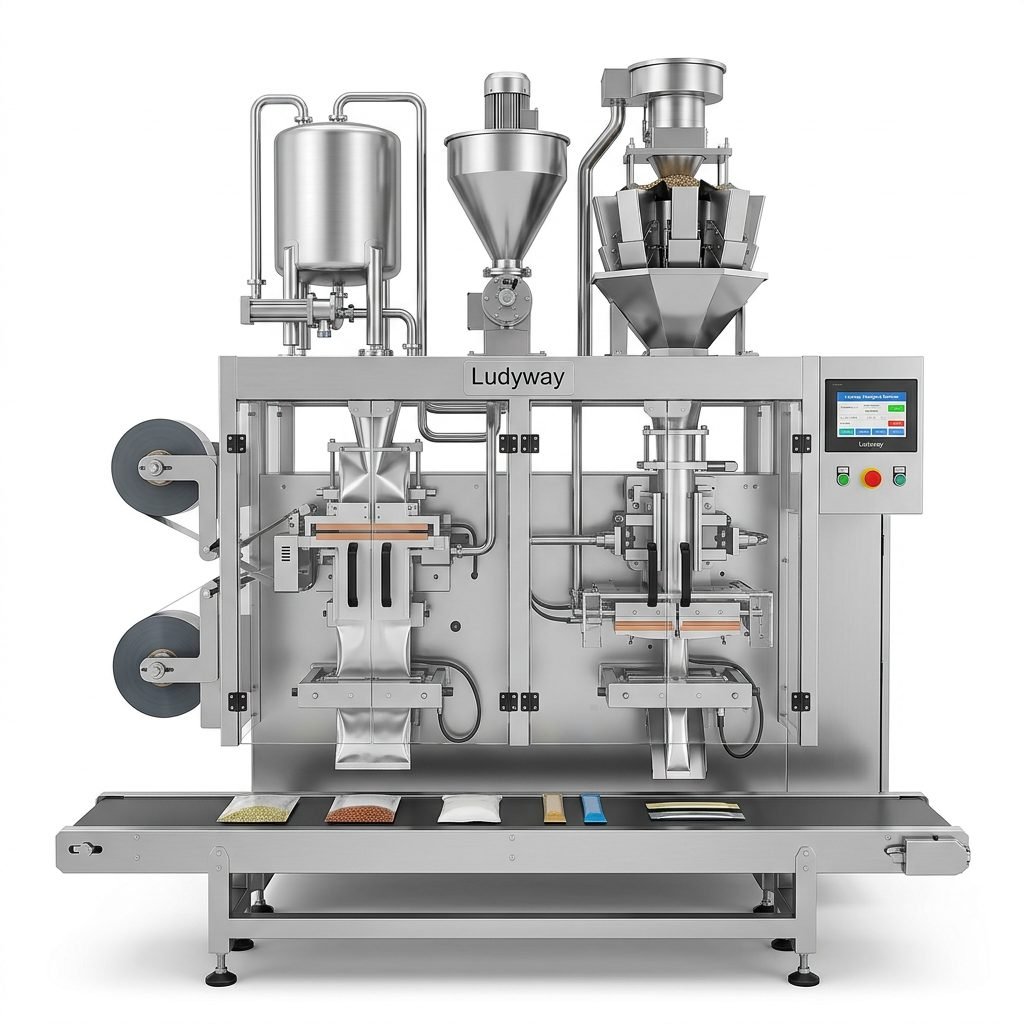
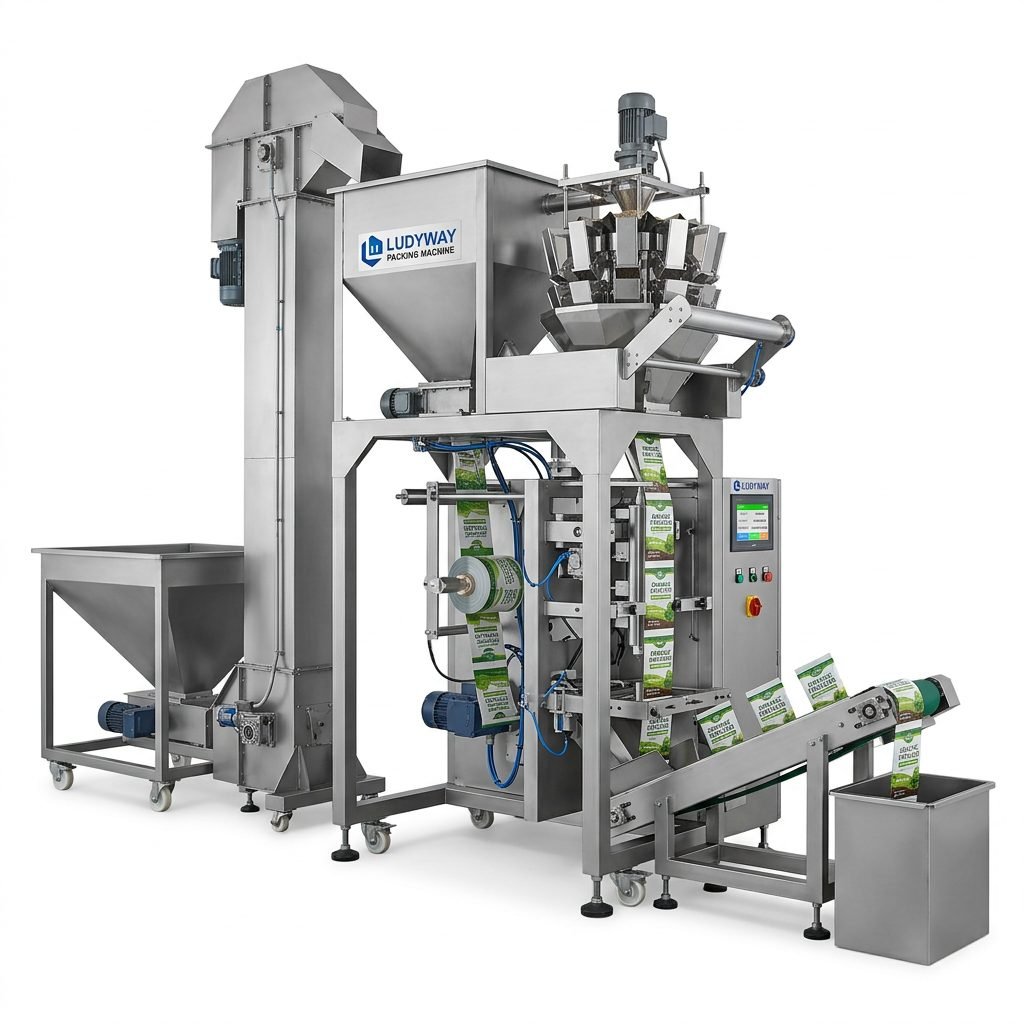
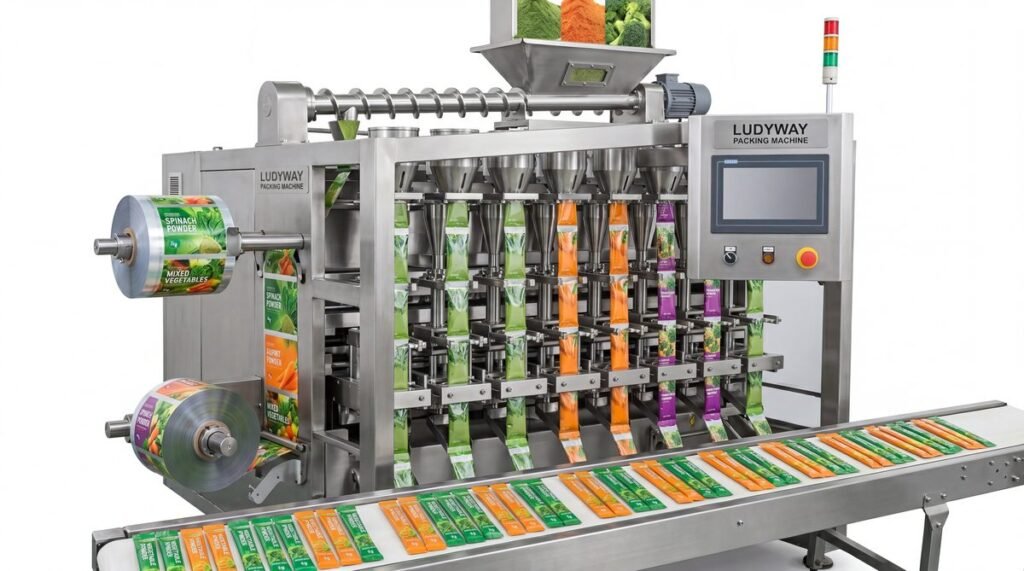
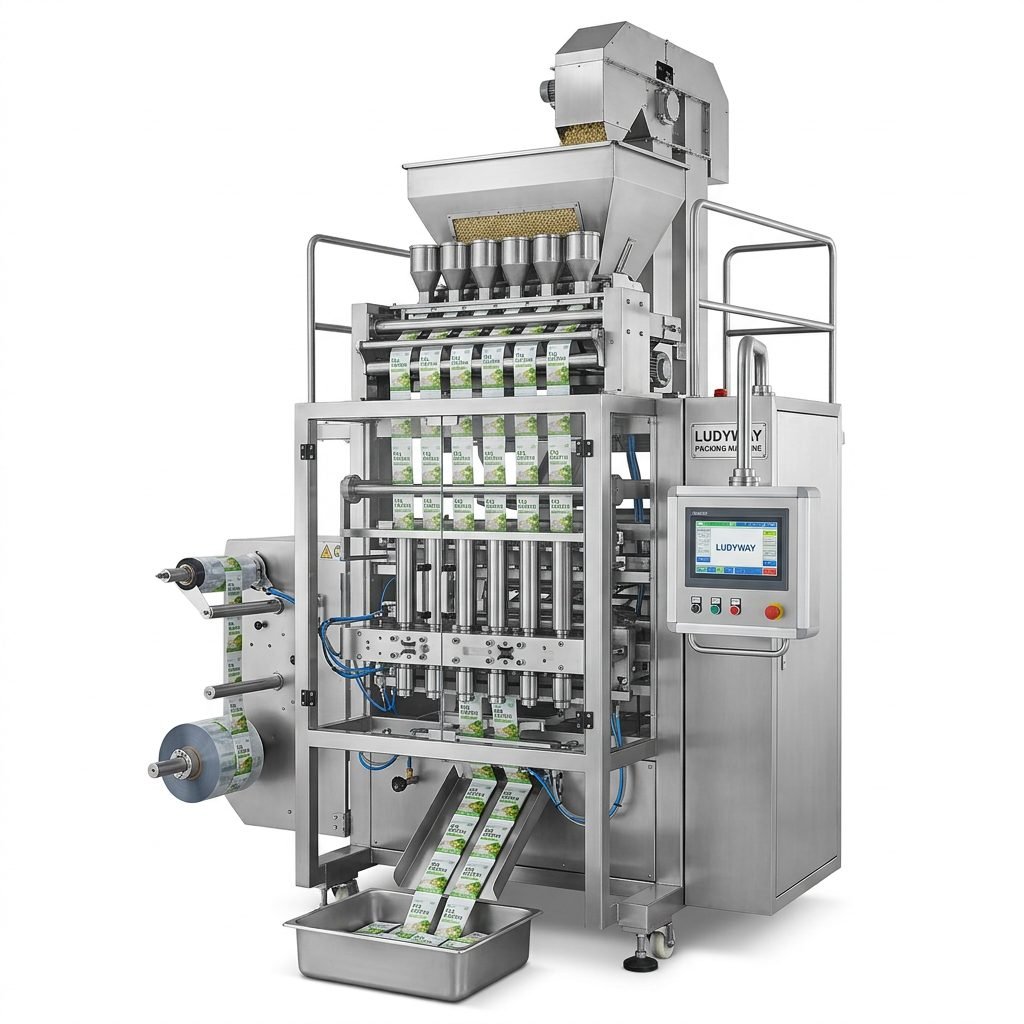
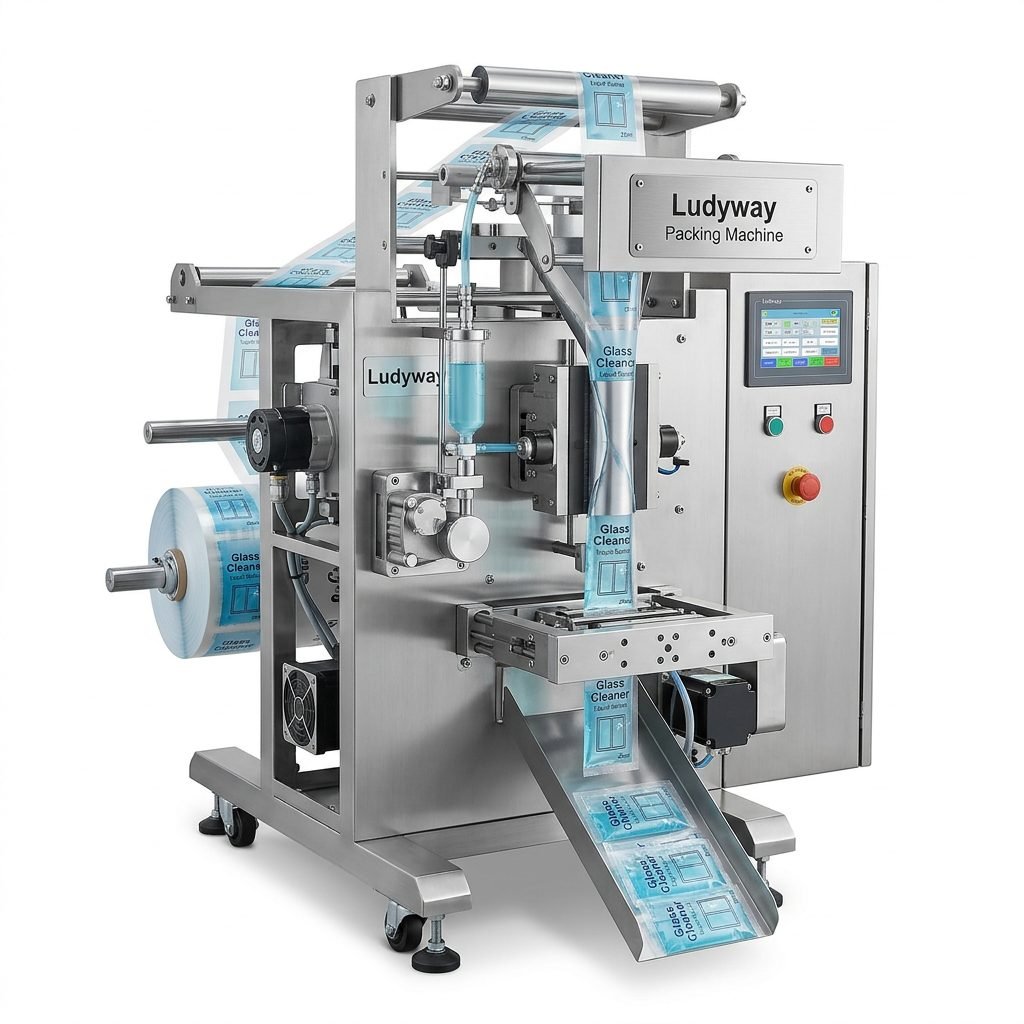
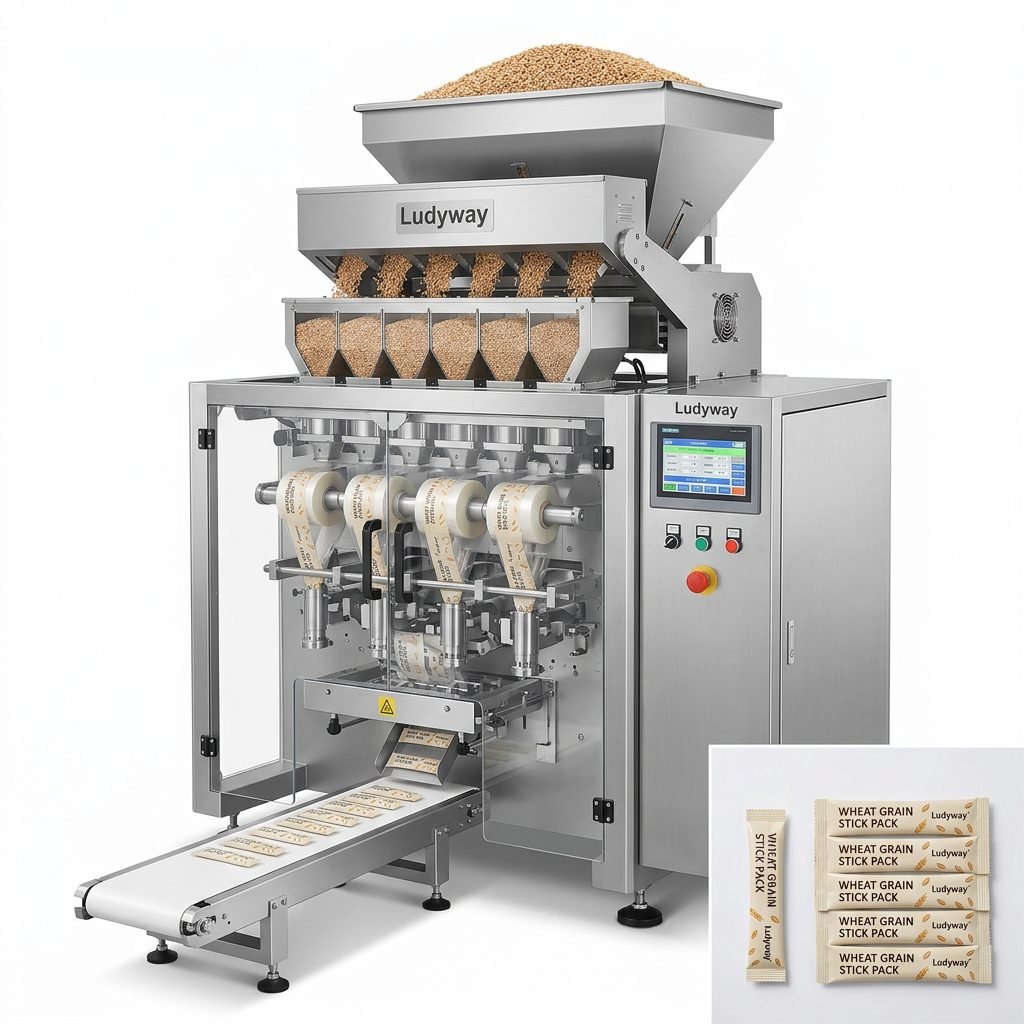
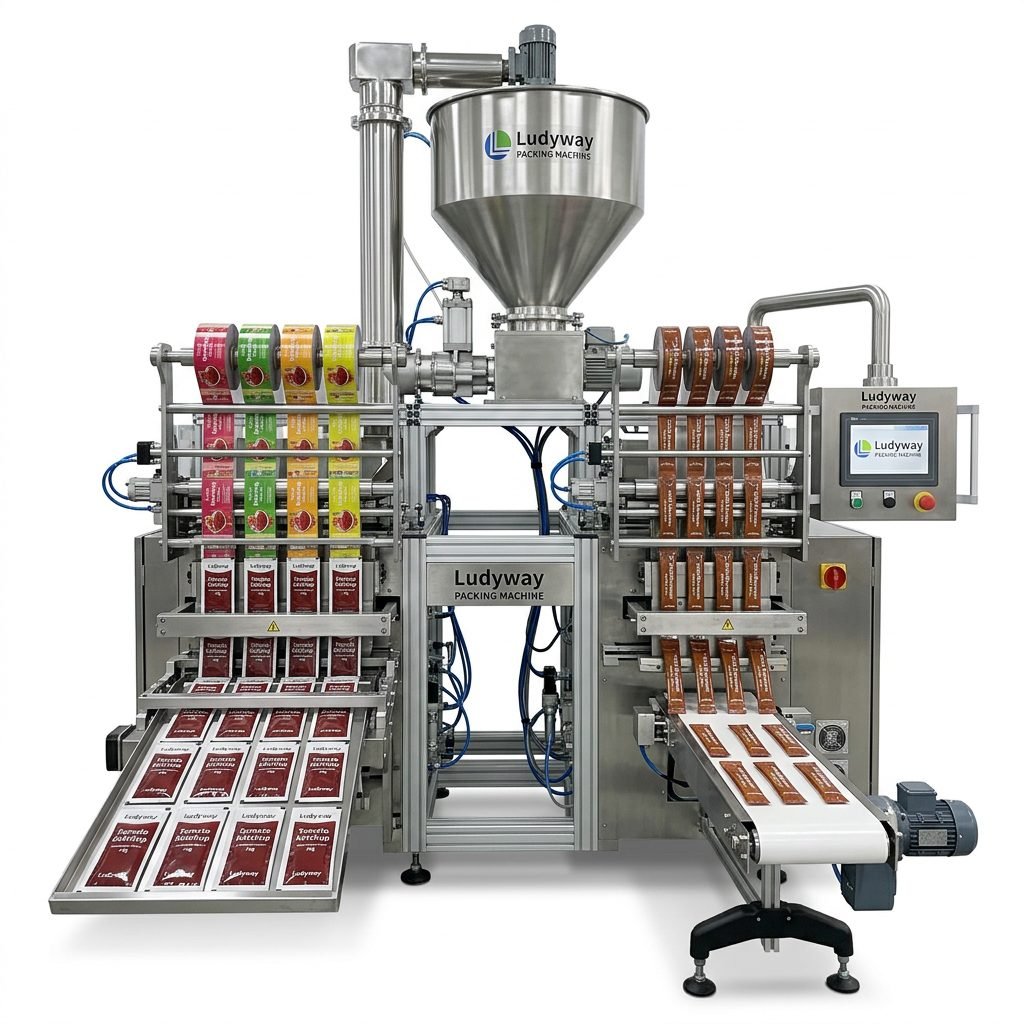
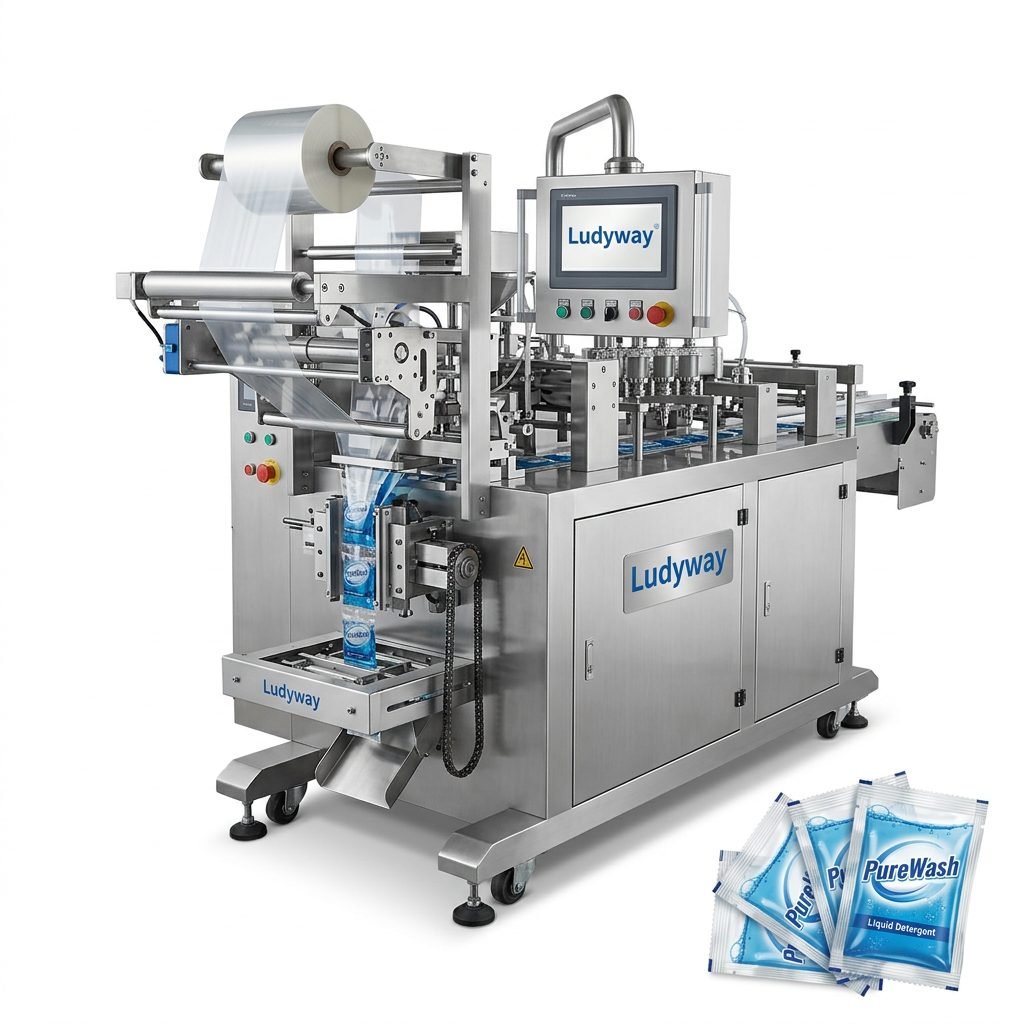
In today’s fast-paced manufacturing environment, a packaging machine breakdown can bring an entire production line to a halt, leading to significant downtime, lost revenue, and missed deadlines. Ensuring your packaging equipment receives proper maintenance, timely repair, and comprehensive support is not just an operational task—it’s a critical business strategy. A proactive service approach transforms your packaging machinery from a potential point of failure into a reliable asset that drives efficiency and protects your bottom line.
Key Insight: The true cost of a machine isn’t just its purchase price. The total cost of ownership is heavily influenced by its reliability and the support behind it. Investing in a robust service plan is investing in continuous production.
The Three Pillars of Uninterrupted Production
Effective packaging machine service rests on three interconnected pillars: Preventive Maintenance, Expert Repair, and Ongoing Support. Neglecting any one of these areas increases risk and reduces the lifespan and performance of your equipment.
1. Preventive Maintenance: The First Line of Defense
Think of preventive maintenance as the regular health check-up for your machinery. It’s a scheduled program designed to prevent failures before they occur. A typical maintenance visit from a qualified technician includes lubrication of moving parts, inspection of seals and gaskets, calibration of weighing and filling systems, verification of electrical connections, and software updates.
This proactive care offers immense benefits:
- Maximized Uptime: Catches minor issues before they escalate into major breakdowns.
- Extended Machine Life: Regular care reduces wear and tear, protecting your capital investment.
- Consistent Product Quality: Ensures dosing accuracy, seal integrity, and overall packaging consistency.
- Safety Assurance: Identifies and mitigates potential safety hazards for operators.
2. Expert Repair: Rapid Response to Restore Operations
Even with the best maintenance, unexpected issues can arise. When they do, access to fast, expert repair services is crucial. The goal is Minimize Mean Time To Repair (MTTR). Look for a service provider that offers clear diagnostic protocols, maintains a comprehensive inventory of common spare parts, and employs technicians specifically trained on your machine model.
Modern support often includes remote diagnostics, where a technician can connect securely to your machine’s control system to analyze error logs and performance data, sometimes resolving software issues without an onsite visit. For physical repairs, having a trusted partner with deep technical expertise ensures the job is done right the first time.
⚠️ Signs Your Machine Needs Immediate Attention
- Increased product giveaway or underfilling.
- Inconsistent or weak seals on packages.
- Unusual noises (grinding, knocking, excessive vibration).
- Frequent, unexplained stoppages or fault alarms.
- Declining output speed compared to baseline.
3. Comprehensive Support: Beyond the Breakdown
True partnership extends past emergency repairs. Comprehensive support encompasses training, technical documentation, process optimization, and long-term planning. This includes operator training to ensure correct daily use, providing easy access to manuals and schematics, and offering consultations on how to adapt your machine for new packaging formats or materials.
For businesses operating globally, consistent support standards are vital. Whether your machine is in North America, Europe, or Asia, you should expect the same level of technical knowledge and commitment to service. Providers with a global service network and decades of experience understand these diverse operational needs.
Building a Service Strategy for Your Line
Developing a tailored service plan starts with an assessment of your specific operation. Consider the criticality of each machine, its age, operating hours, and the environment it works in. A high-speed primary packaging machine running 24/7 will have different service needs than a secondary case packer used for a single shift.
Many manufacturers offer tiered service contracts, from basic remote support and spare parts discounts to full coverage that includes all planned maintenance and repairs. Evaluating these options against your operational risk tolerance and budget is a key step. The most successful operations view service not as a cost center, but as an insurance policy for productivity.
The Role of Technology and Remote Monitoring
The future of packaging machine service is increasingly digital. IIoT (Industrial Internet of Things) sensors can monitor vibration, temperature, and motor current, predicting failures before they happen. Remote access platforms allow technicians to perform diagnostics and updates from anywhere in the world, drastically reducing response times.
Embracing these technologies with a service provider that invests in them means moving from a reactive “fix-it-when-it-breaks” model to a predictive and proactive support model. This data-driven approach is the next frontier in maximizing equipment effectiveness and overall production line efficiency. Exploring advanced packaging solutions often includes these smart service capabilities.
💡 Proactive Service Checklist
Use this list to evaluate your current service approach:
- ✅ Do you have a scheduled preventive maintenance plan for each critical machine?
- ✅ Is there a clear, fast channel to request emergency technical support?
- ✅ Are your machine operators fully trained on daily checks and basic troubleshooting?
- ✅ Do you have access to genuine spare parts and technical documentation?
- ✅ Does your service partner offer performance reporting and optimization advice?
Conclusion
The reliability of your packaging line is a direct function of the quality of service behind it. By prioritizing a holistic service strategy built on preventive maintenance, expert repair, and comprehensive support, you safeguard your production capacity, ensure product quality, and achieve a stronger return on your equipment investment. In a competitive market, operational continuity is not optional—it’s essential. Partnering with a dedicated service provider turns your packaging machinery into a dependable engine for growth.
Frequently Asked Questions (FAQs)
Q1: How often should preventive maintenance be performed on a packaging machine?
The frequency depends on the machine’s usage, speed, and environment. A common baseline is quarterly or semi-annual service for machines running one or two shifts. High-speed, 24/7 operations may require monthly check-ups. Always consult your machine’s manual and your service provider for a schedule tailored to your specific duty cycle.
Q2: What is the typical response time for an emergency repair?
Response times vary by provider and location. Reputable service networks often aim for 24 to 48-hour onsite response for critical breakdowns. Many issues can now be diagnosed or even resolved remotely within hours. It’s crucial to clarify guaranteed response times in your service agreement.
Q3: Should I use OEM (Original Equipment Manufacturer) parts or generic alternatives?
We strongly recommend using genuine OEM parts. They are engineered to exact specifications for fit, performance, and durability. Generic parts may seem cheaper initially but can lead to premature failure, void warranties, and cause further damage to other machine components, resulting in higher long-term costs and more downtime.
Q4: Can old packaging machines be upgraded with new technology?
Yes, in many cases. Modernization upgrades like new touchscreen HMIs, improved servo drives, enhanced sealing systems, or even basic IoT connectivity for monitoring can be retrofitted. A service technician can assess your machine’s condition and framework to recommend cost-effective upgrades that boost performance, accuracy, and ease of use.
Q5: What information should I have ready when calling for technical support?
To expedite support, have this information available: Machine model and serial number, a description of the problem and any error codes on the display, the type of material being packaged, and photos or videos of the issue if safe to take. This allows the technician to prepare the right tools and parts, or begin remote diagnostics immediately.